Caroline Eden’s journey to the land of modern nomads
Shanger.kz
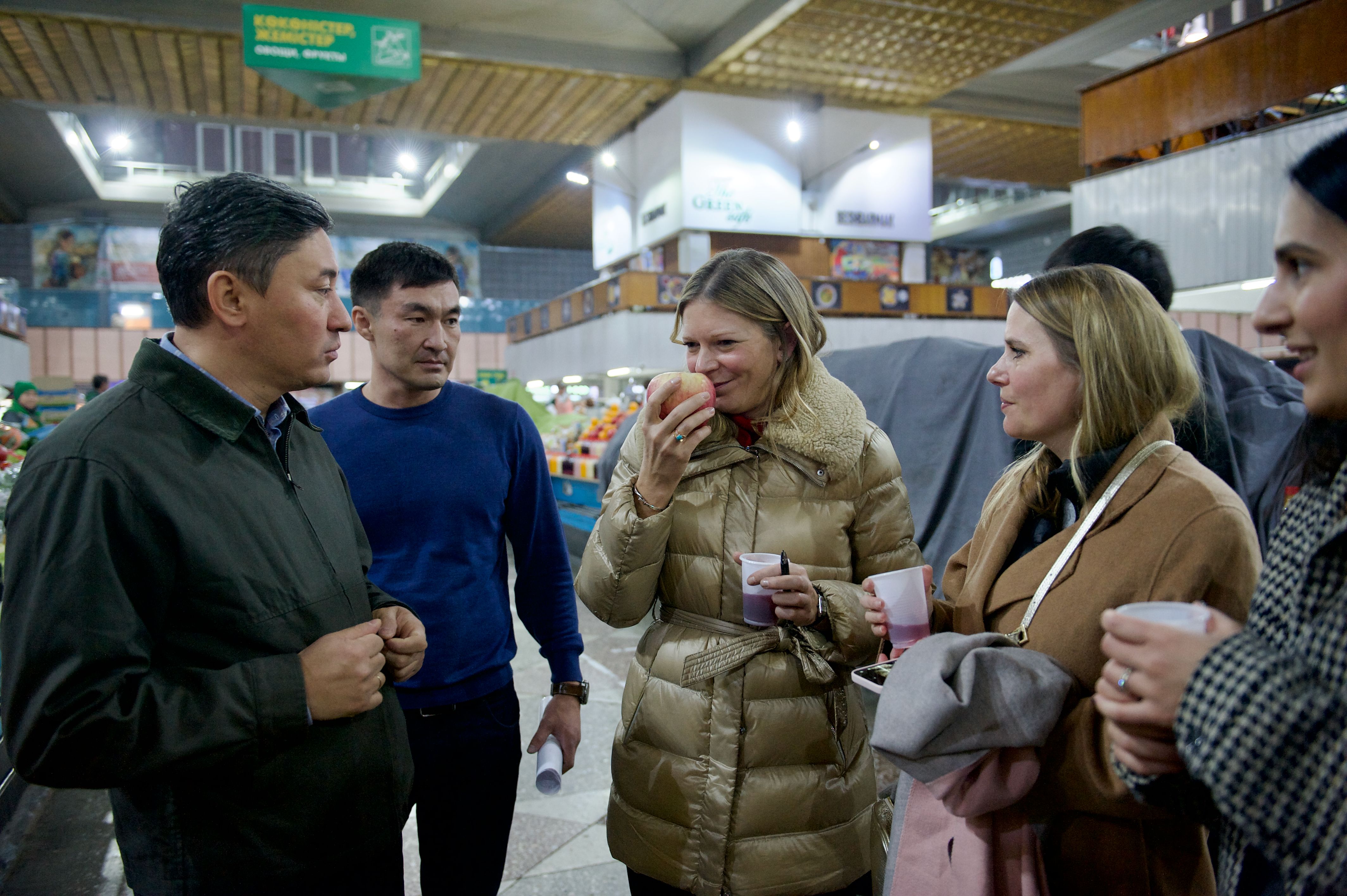
Caroline Eden is a British writer and journalist from Edinburgh who specializes in culinary travel across Central Asia and Eastern Europe. She regularly contributes to The Guardian and Times Literary Supplement, works as a reporter for BBC Radio 4, and her work has been reviewed in The New Yorker, The New York Times, The Wall Street Journal, and other leading publications. Caroline has been writing about Central Asia for more than fifteen years. Her books Samarkand, Black Sea, Red Sands, and her recent memoir Cold Kitchen have received international acclaim and were awarded prestigious prizes such as the Art of Eating Prize in the United States and the André Simon Award in the United Kingdom. Critics praise her storytelling talent, her ability to guide readers through complex historical contexts, and her genuine love for the regions she writes about. This time, Caroline spent ten days in Kazakhstan, and it was not her first visit to the country. Her route ran through Almaty and Astana—two cities that, despite their differences in scale and architecture, shared their stories generously.
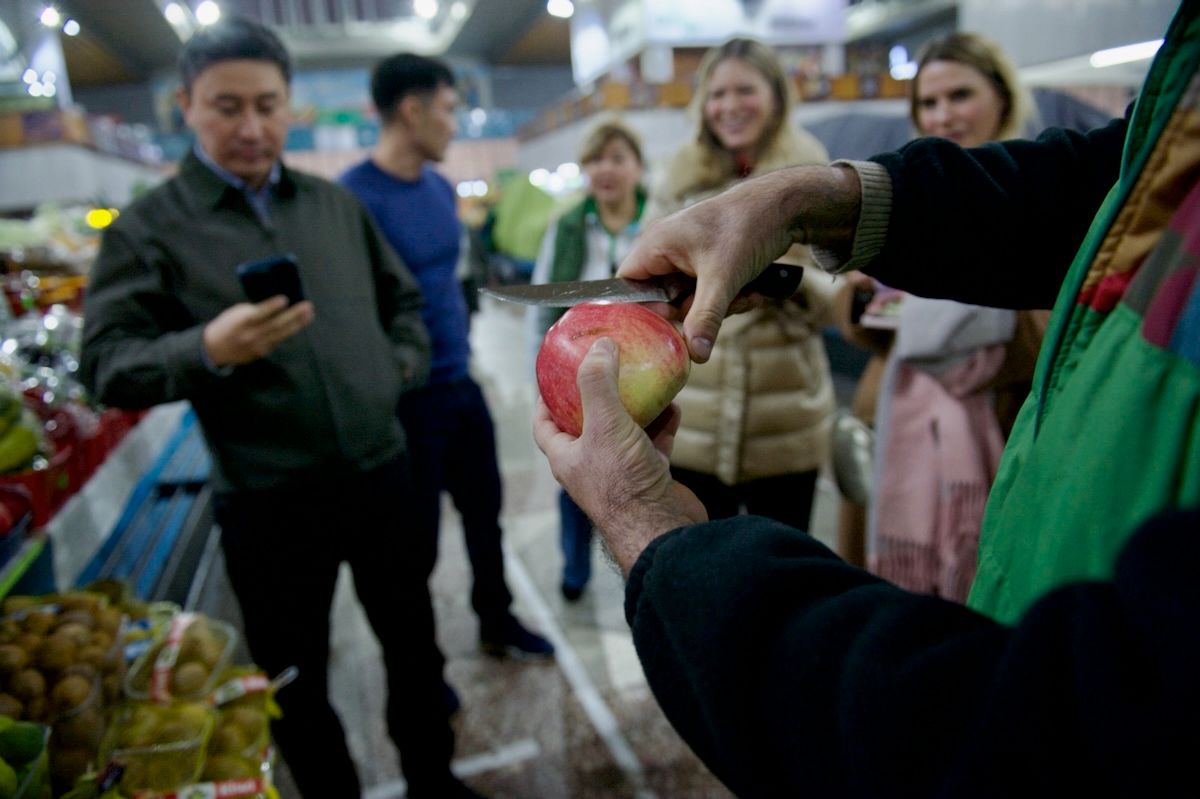
“I love Kazakhstan,” Caroline says. “I am always struck by the hospitality of the people—wherever we went, we were welcomed warmly and openly. The nature here is stunning, especially the mountains around Almaty. And rediscovering traditional Kazakh cuisine was one of the highlights of the trip. On the day we arrived, we visited the Green Bazaar. It is a place where merchant dynasties intertwine from grandfathers to grandsons, where Tajik sellers of dried fruit, Korean women selling salads, vendors of Kazakh dairy products, and Russian pickles have been working side by side for decades. I really liked returning to the Green Bazaar—and enjoyed talking to the vendors.”
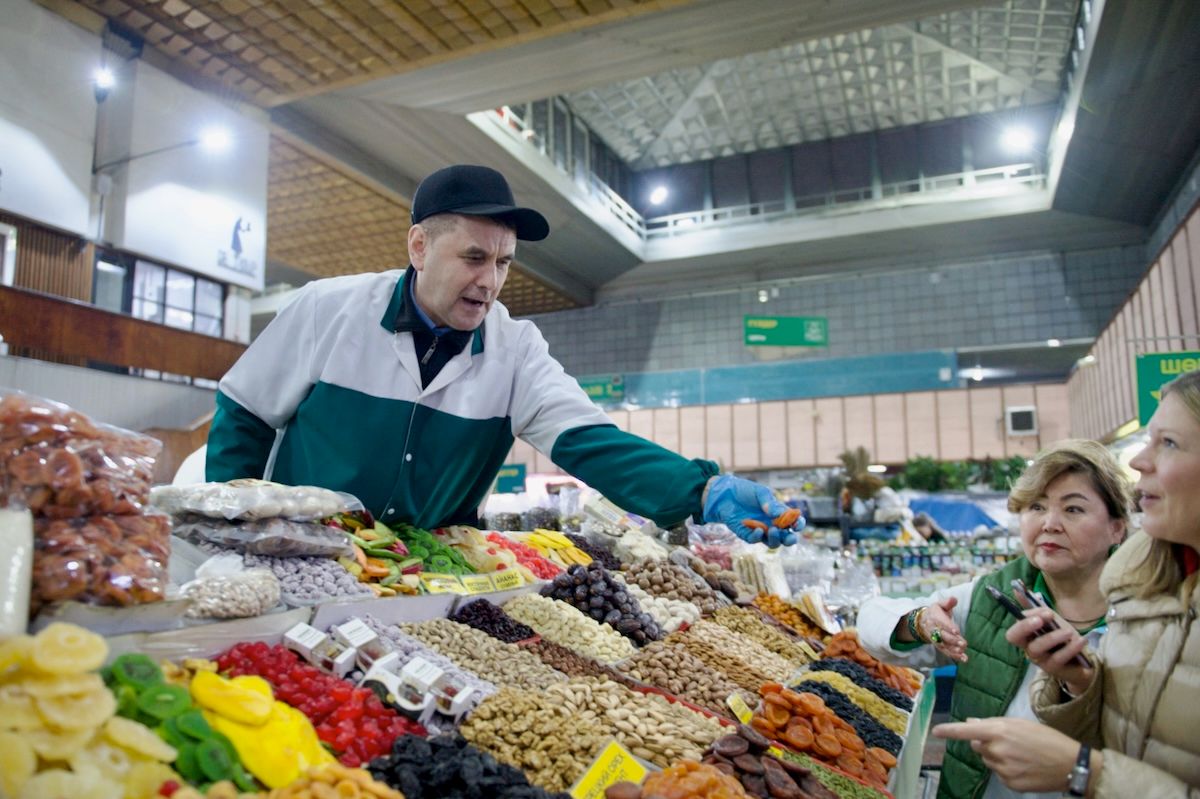
Mukhim-aga has been selling dried fruits for more than twenty years. His stall is one of the first to greet visitors at the entrance, with mountains of dried apricots, apricots, raisins, and nuts arranged in neat pyramids.
“We have been working here for a long time,” Mukhim-aga says. “Before, my grandfather came, then my father, now it’s me, and soon my grandson will grow up. All of us come from the same village in Tajikistan, and that’s where we bring our apricots from—ours, Tajik ones, delicious and rich. People in Almaty love them. There are many like me in the Green Bazaar. Tajiks who came here back in Soviet times were not called emigrants but karchagais, which means ‘nomads,’ ‘settlers.’ Many stayed, started families, and passed the trade on to their children. The conditions here are good—the bazaar is warm and enclosed. We are grateful to Almaty.”
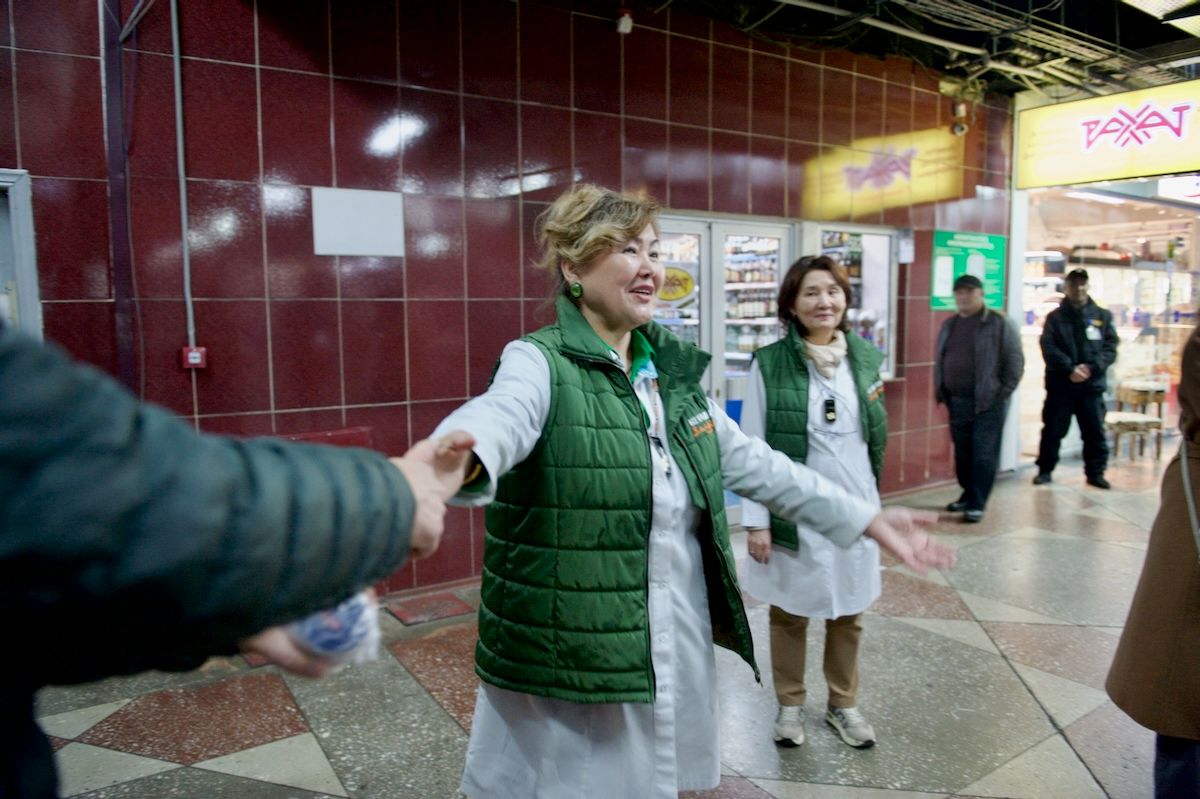
Lyazat Kilibayeva has been working at the Green Bazaar for thirty-five years. She now heads the department of monitoring, trade organization, and sanitation—something that sounds dry, but behind it lies enormous work.
“I came here young,” Lyazat says. “At first it was just the trade organization department, then monitoring was added. Everything changes, but the essence remains the same: you must ensure that the bazaar is clean, safe, and comfortable. I know every vendor by face, I remember who started when, whose family is already in its third generation here. For me, the bazaar is not just a job but a part of life, and I am genuinely proud that the Green Bazaar remains one of the symbols of Almaty.”
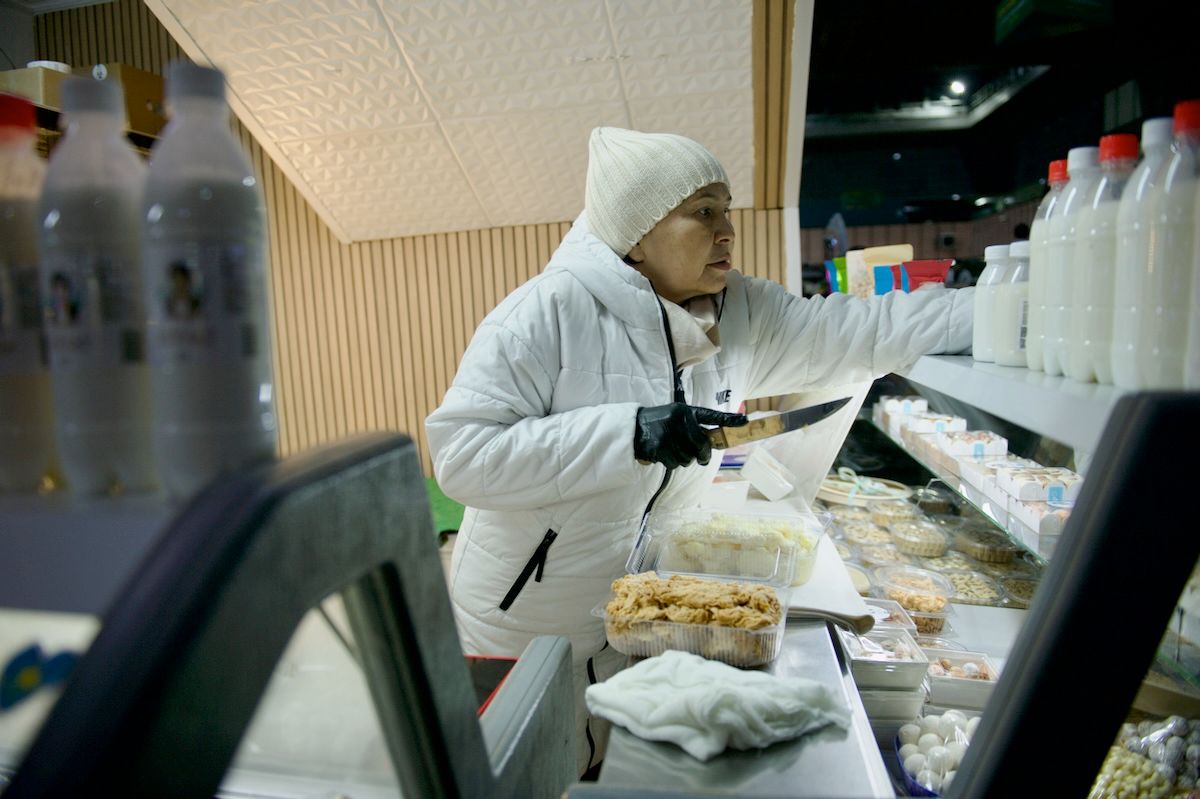
Mayra Beisenova’s stall is a true paradise for lovers of dairy products. For thirty years, she and her family have been selling kurt, süzbe, irimshik, and dozens of other delicacies, many of which she makes herself. Today, Mayra works alongside her daughter and son.
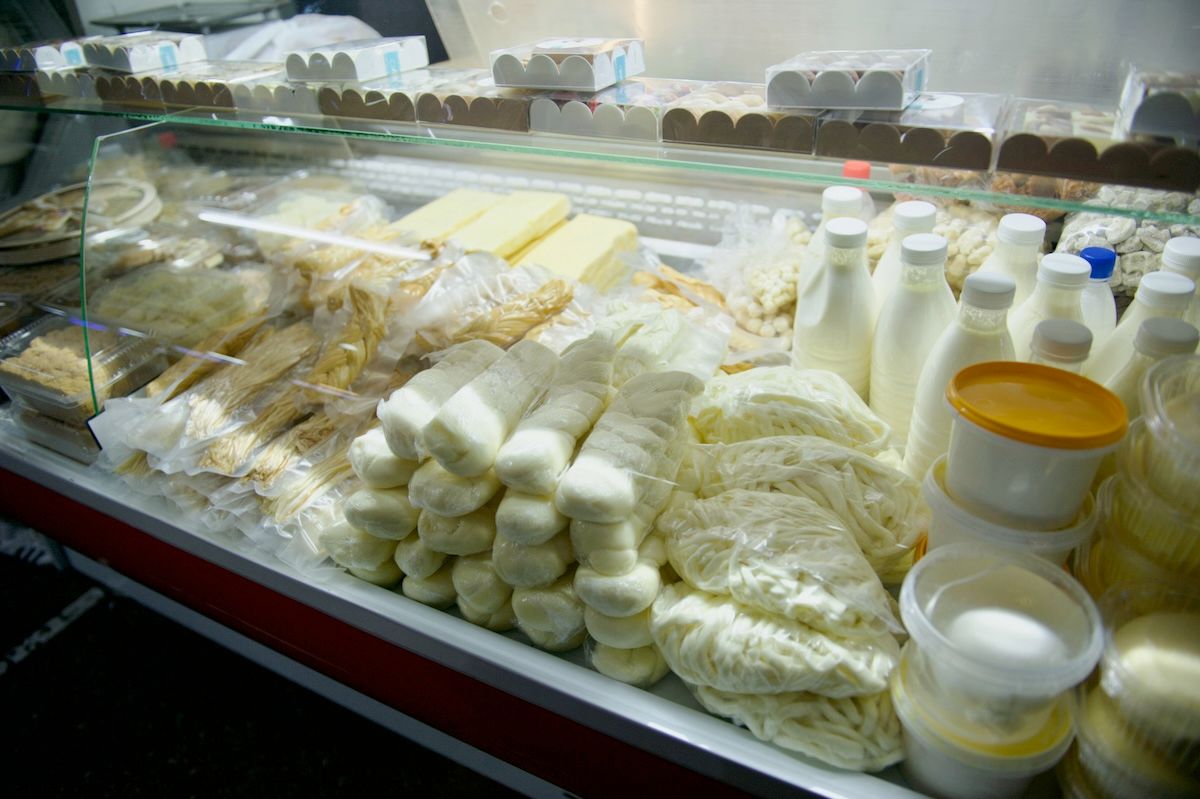
“The assortment used to be smaller,” Mayra says. “Now we have new varieties: camel balqaimaқ, kurt with honey and fruit, even something like a cheese ‘Raffaello.’ People buy it very well—every year demand grows.” The customers’ favorites are irimshik (curd) and traditional desserts like zhent and talkan, which are served on the table. “We do our best to keep everything fresh and delicious.”
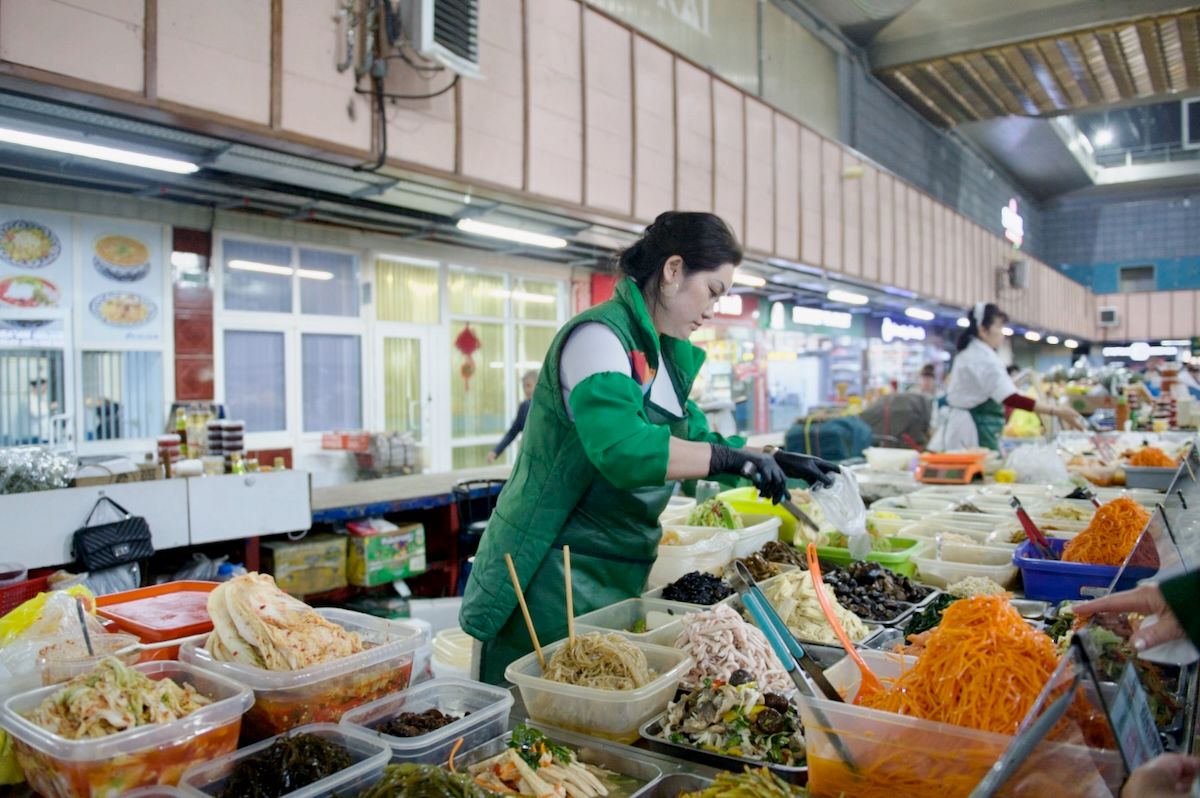
Victoria Kim has been selling Korean salads for five years, but her family’s connection to the Green Bazaar goes back much further.
“My parents worked here,” Victoria says. “My father sold greens and plastic bags. I decided to go into Korean cuisine. At my stall, there are dozens of salad varieties: funchoza, Korean-style carrots, mushrooms, he made from fish and offal, soybeans, seaweed, and fern shoots. We keep everything fresh, avoid adding too much vinegar, and work for the customer. We have many regular buyers—some have been coming since the 1990s. It’s nice to know people trust us. I’m raising two sons, but so far they haven’t shown interest in the family business. We’ll see what happens next.”
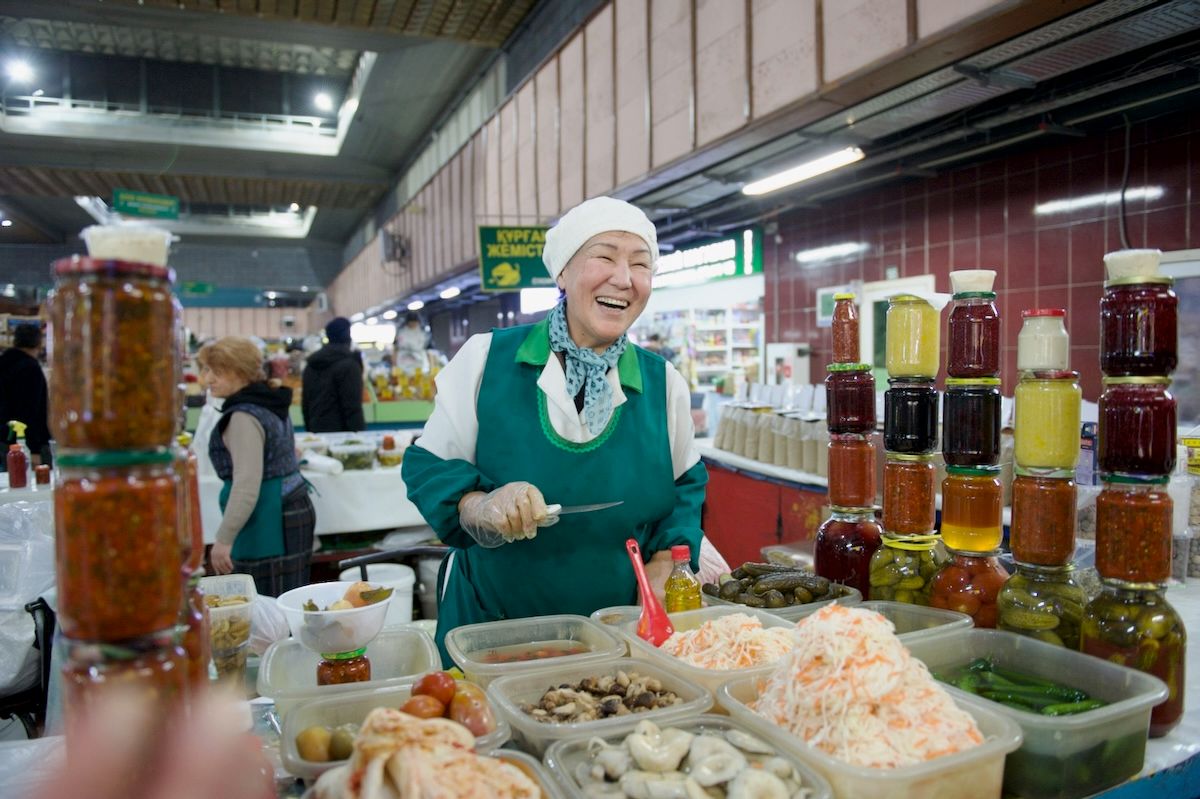
Maria Karakulova is sixty-seven years old, and she has been selling pickles since 1993, when the post-Soviet years forced many people to look for additional income.
“I’m a medical professional by training, but the salary was small, so I came out to sell,” Maria says. “I don’t regret it; it’s fine—I got used to it. Everything I sell I make myself: sauerkraut, pickled cucumbers, tomatoes, mushrooms. But I don’t just sell pickles—I also use my medical skills. If someone at the bazaar feels unwell, I’m always ready to help. Anything can happen—heart attacks, fainting. I come over, advise, assist. Once I even saved a person—I managed to react in time.”
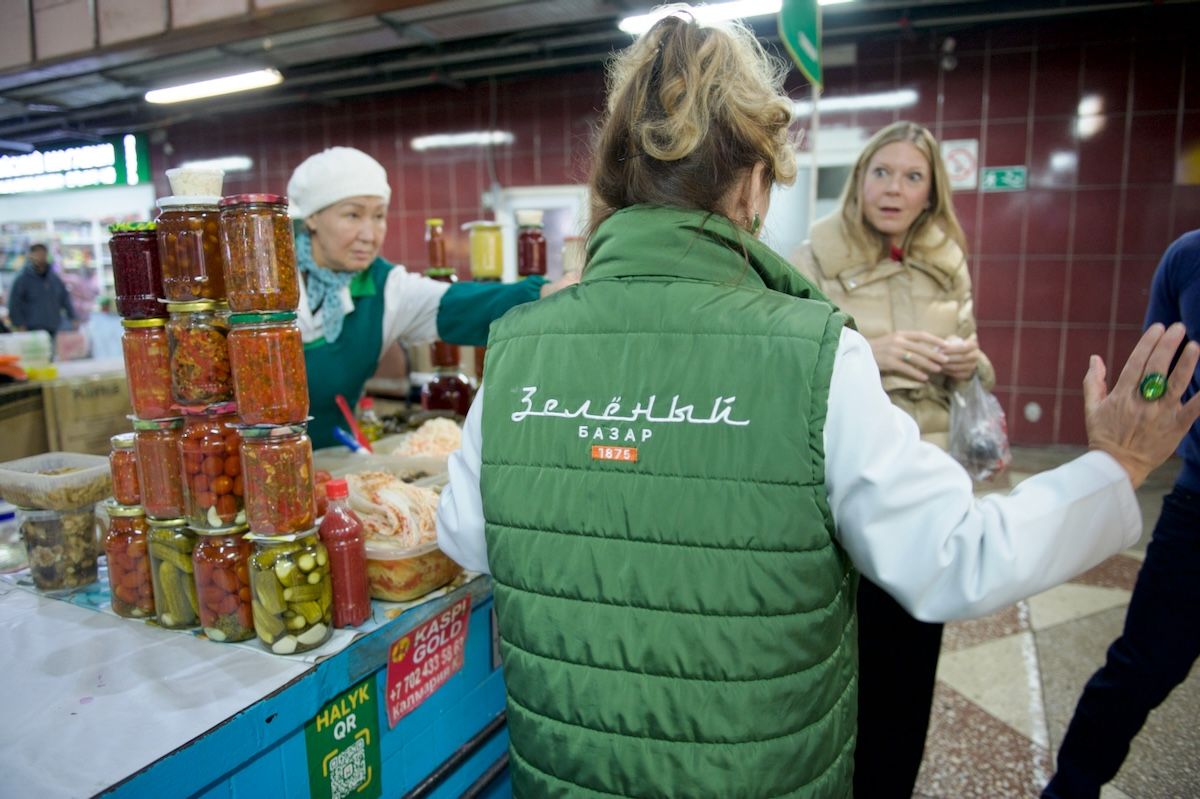
Caroline was amazed by this detail:
“Maria, who works as both a vendor and a nurse, is remarkable. And her pickles were very tasty, by the way.”
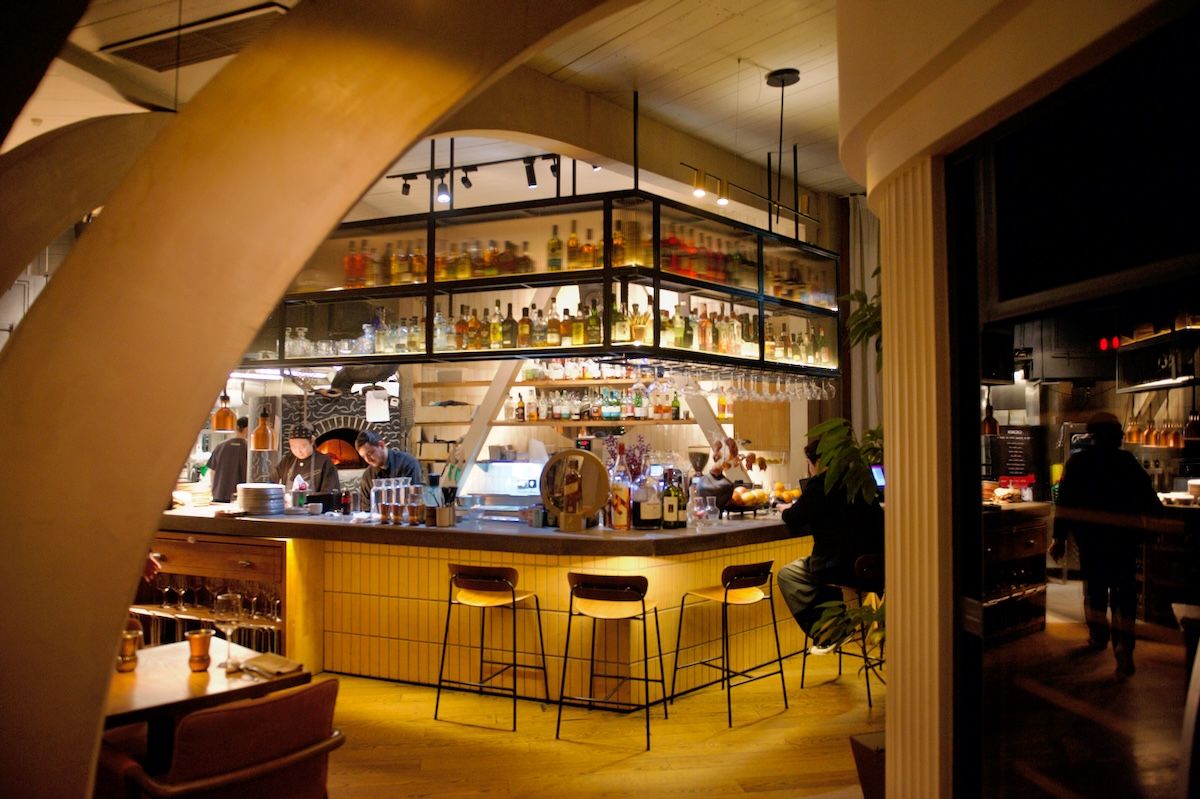
After saying goodbye to the vendors, Caroline and her companions headed to the restaurant ‘Ogonyok.’ The restaurant, originally opened in Soviet times, recently underwent reconstruction and opened its doors again.
“It is clear that Almaty is changing.” Caroline says. “This restaurant is like a bridge between the past and the present.”
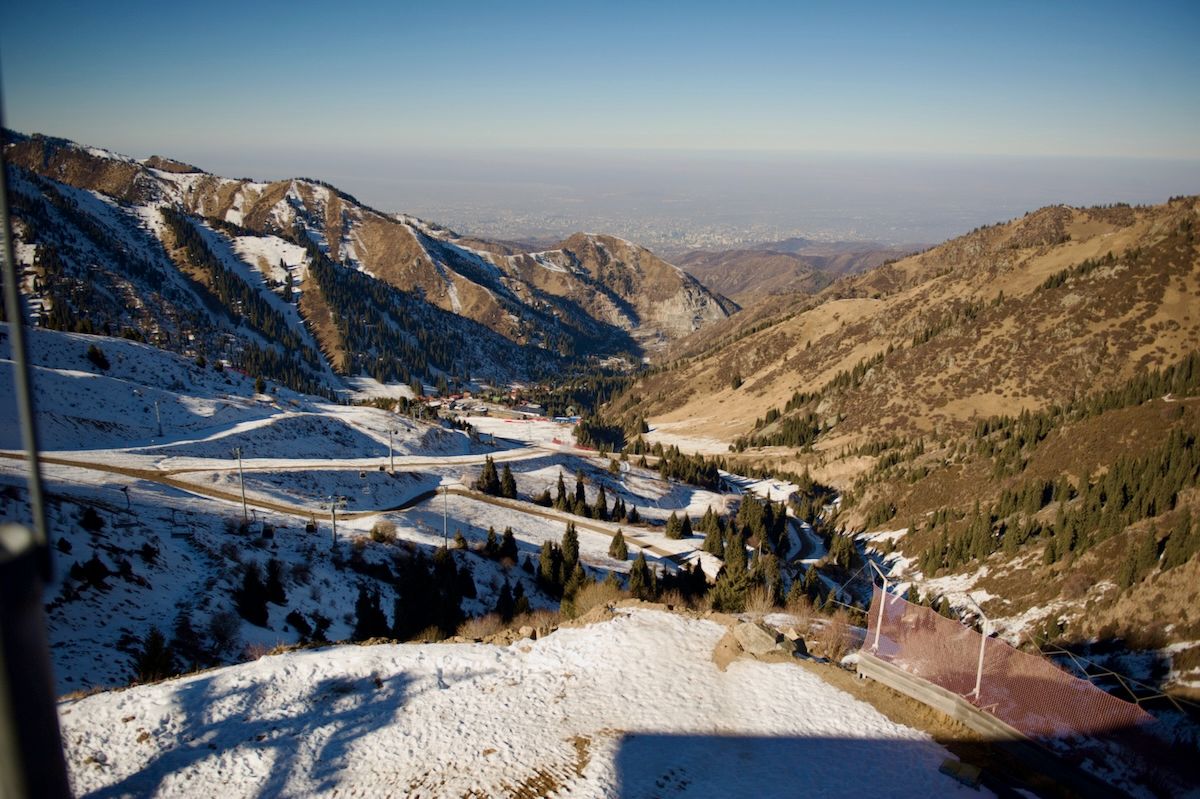
Shymbulak and Medeu are among Almaty’s signature landmarks, so the next day the group headed into the mountains. Caroline admits that she did not get the chance to see Medeu up close
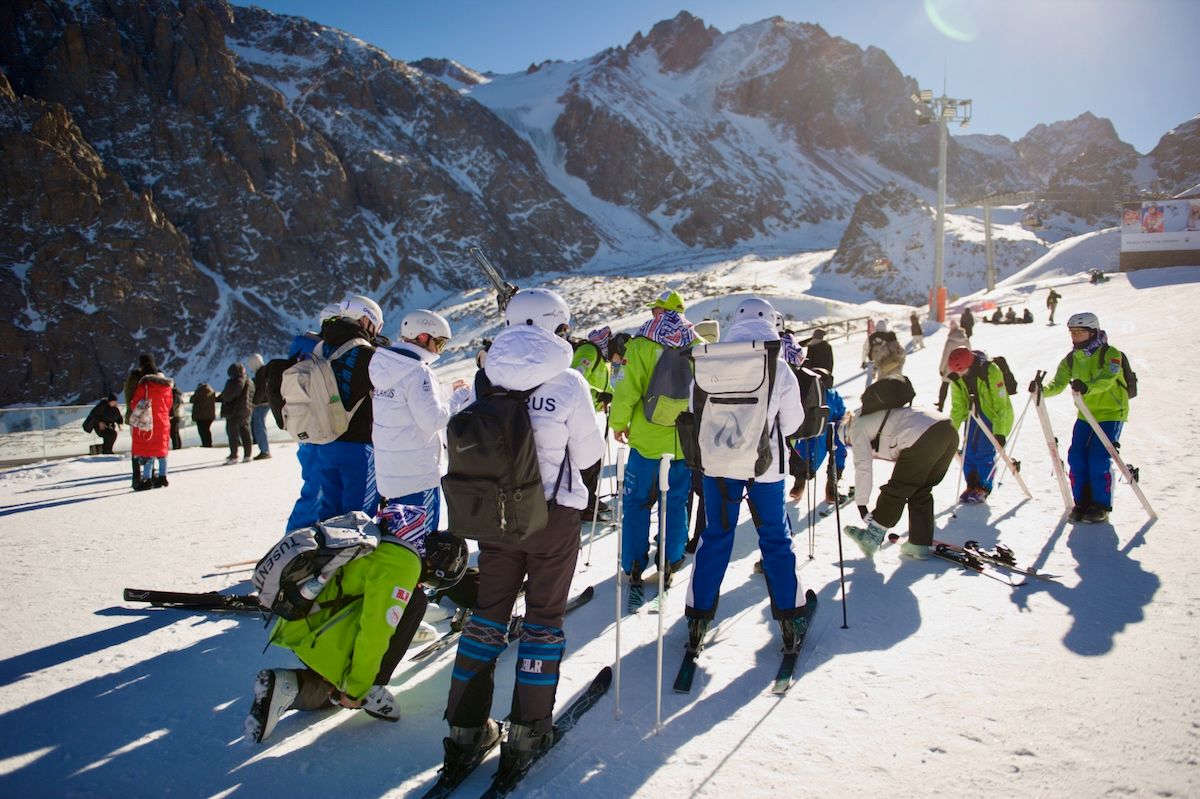
“The skating rink was under reconstruction, but we took the funicular to the very top of Shymbulak. From the top, there was a panoramic view of Almaty. The air felt cool, which contrasted with the lively atmosphere of the ski resort. It was interesting to see the Belarusian Olympic team—they were training here at the start of their season. A few years ago, there was an unusually snowy winter, and you could do cross-country skiing right outside Edinburgh.”
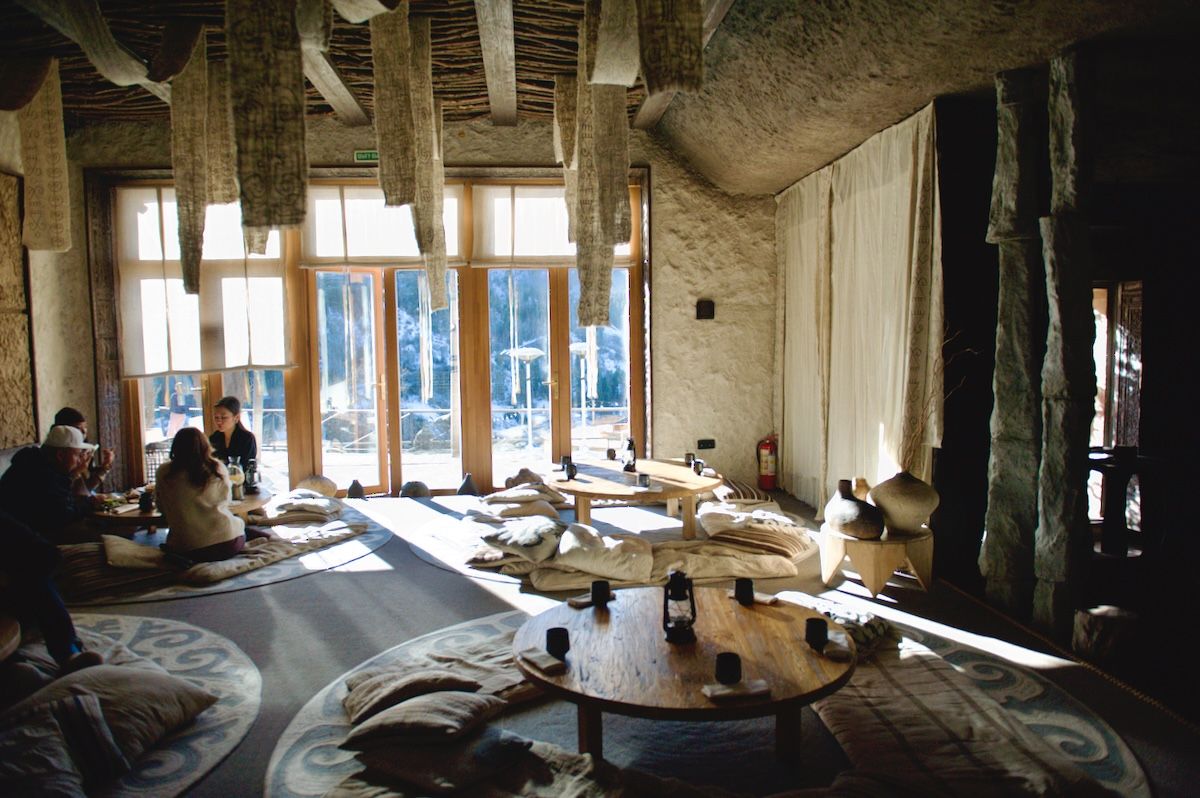
After the walk in the mountains, the group of travelers headed to the “Auyl” restaurant located in Medeu. This place left one of the brightest impressions of the trip for Caroline.
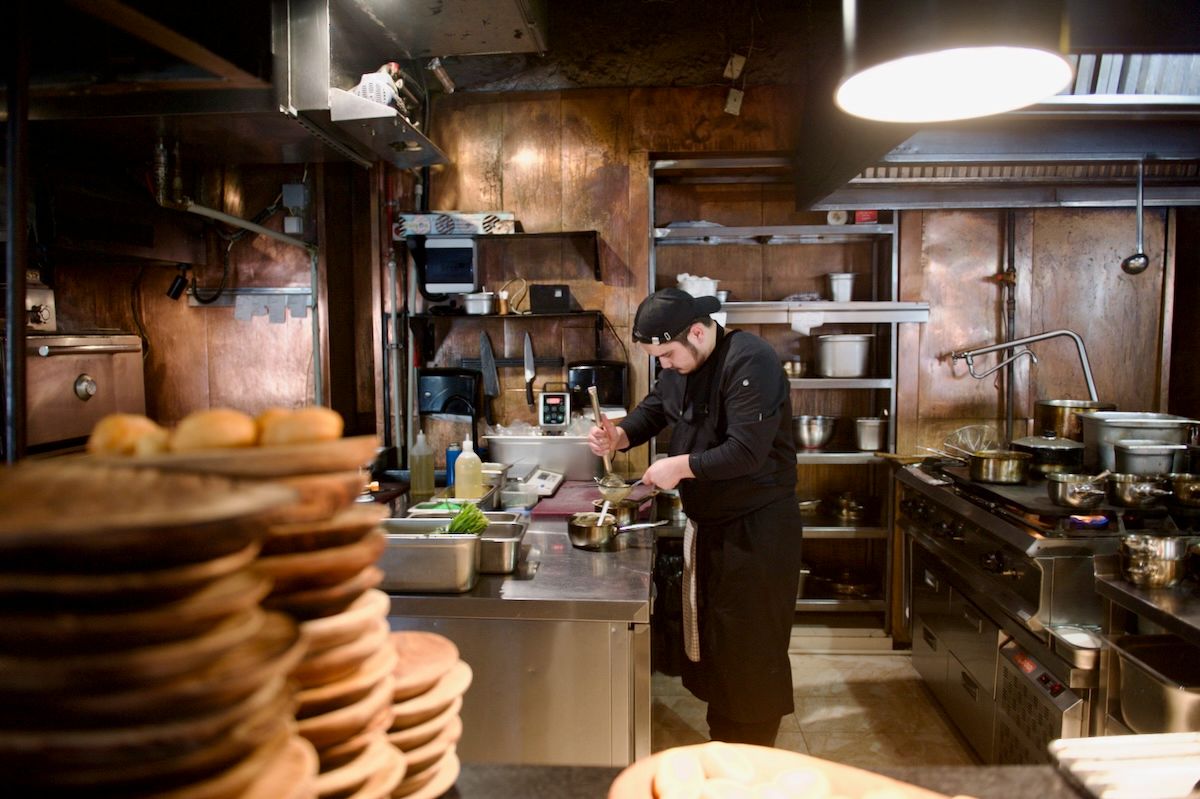
“To be honest, the main event of the day was the ‘Auyl’ restaurant,” she admits. “We ate well everywhere, but this place is something special. The interior design, the atmosphere, the service—all was of the highest quality. Everything was professional, well-organized, and the food was magnificent.”
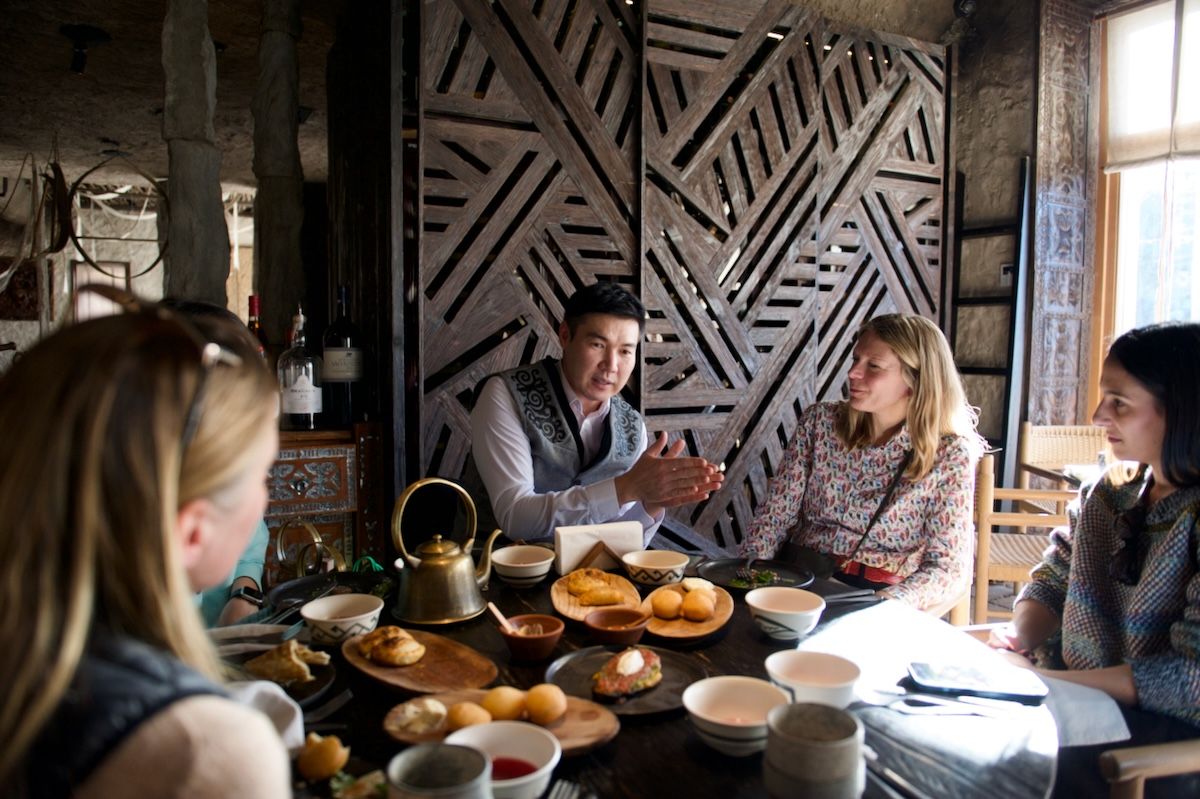
At the restaurant “Auyl,” the guests were welcomed by representatives of the Halyk Foundation of Timur Kulibayev, who not only introduced them to Kazakh cuisine but also spoke about important environmental projects being implemented in Kazakhstan.
“Environmental issues have always been important for our country,” says Saginbek Shunkeyev, a representative of the foundation. “Kazakhstan is a vast nation — the ninth largest in the world by territory — yet forests cover only about five percent of our land. Almost every year we face wildfires that destroy large areas of forest. That is why the topic of restoring nature is not a question of the future, but an urgent necessity today. We are working on the ‘Halyk Ormany’ project, designed for five years with a budget of one billion tenge. The plan includes planting more than four million seedlings and saplings in three key regions of the country. By the end of the 2025 autumn season alone, we planted more than 848,000 seedlings. But this is not just the planting of trees — it is a contribution to clean air, to people’s health, and to the environmental sustainability of the country. Essentially, we are investing in what we and our children will breathe. For us, it is especially important that schoolchildren, students, and volunteers are involved. When a child plants a tree with their own hands, they develop a different attitude toward nature. They develop a sense of responsibility, respect for the land, and an understanding that each of us can change the environment for the better.”
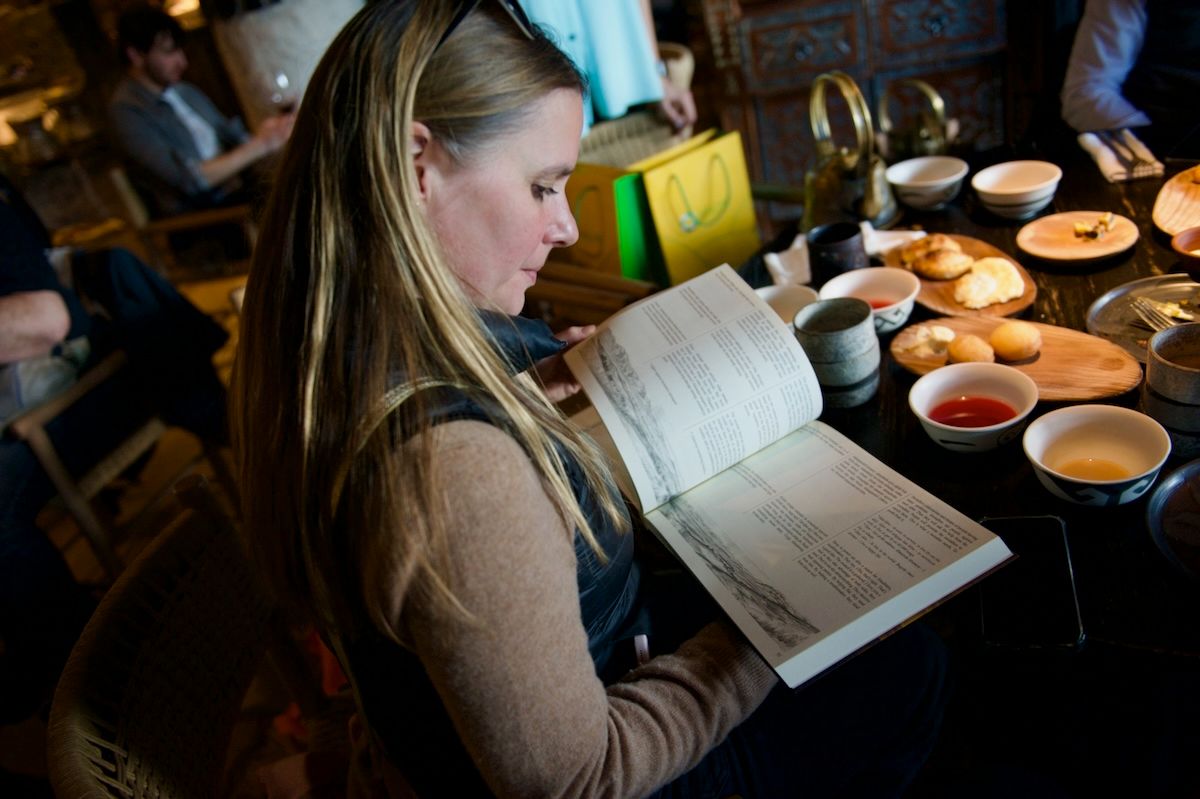
As a keepsake, the foundation presented the guests with the book “Ұрпаққа Ұлағат” (“A Legacy for Descendants”) — an adapted version of Abai Kunanbayev’s famous work Words of Wisdom. This edition was prepared with the support of the Halyk Foundation and released in honor of the 180th anniversary of the great Kazakh poet.
“Saginbek is an incredibly thoughtful. I learned so much and took many notes. I didn’t know that a protective forest belt had been planted around Astana specifically to reduce the steppe winds. That was truly fascinating,” Caroline said after her meeting with the Foundation.
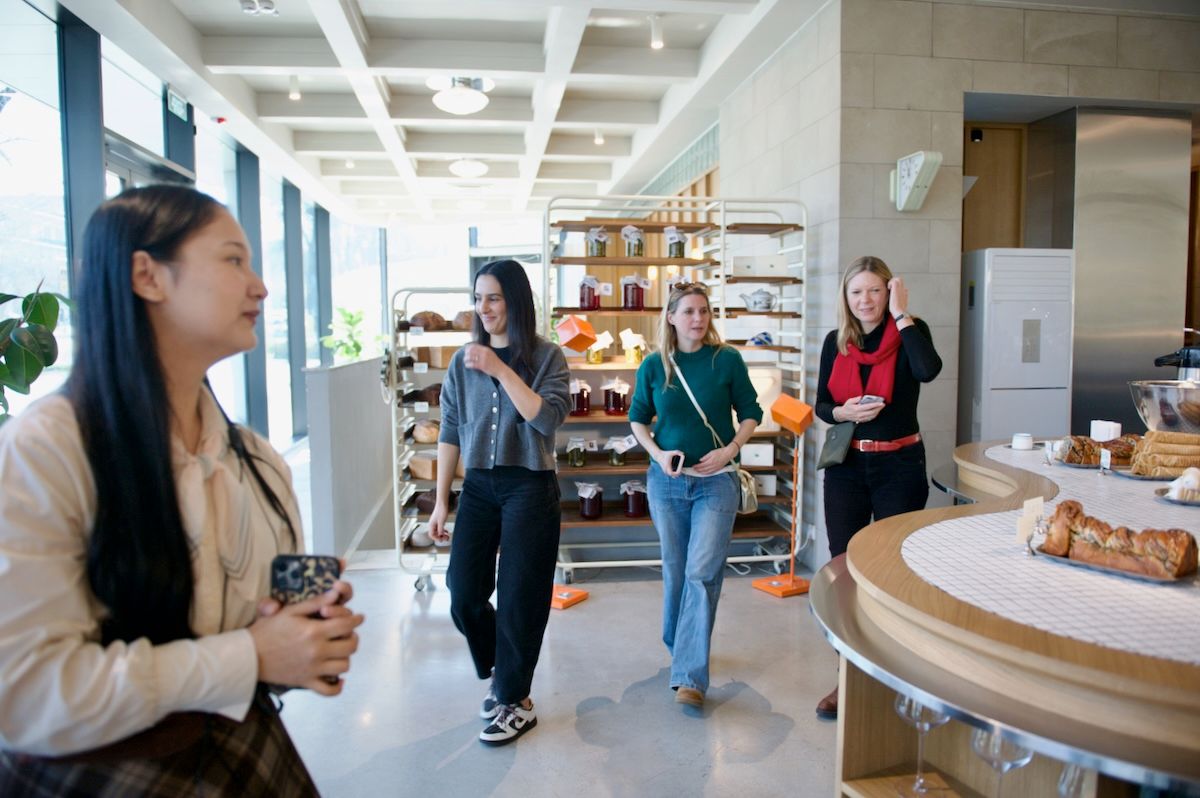
Breakfast took place at one of the city’s legendary locations — the café “Akku.” Opened in the 1960s, it became an icon of Almaty. This was where the intelligentsia, writers, artists, and students gathered. After the collapse of the USSR, “Akku” went through difficult times, but it was recently restored and reopened. The restorers tried to preserve the spirit of the place. One long-time visitor recalled how, in the 1970s, poets gathered here and read their poems until morning. Another said that “Akku” was the site of first dates for an entire generation of Almaty residents. Caroline was charmed by this history.
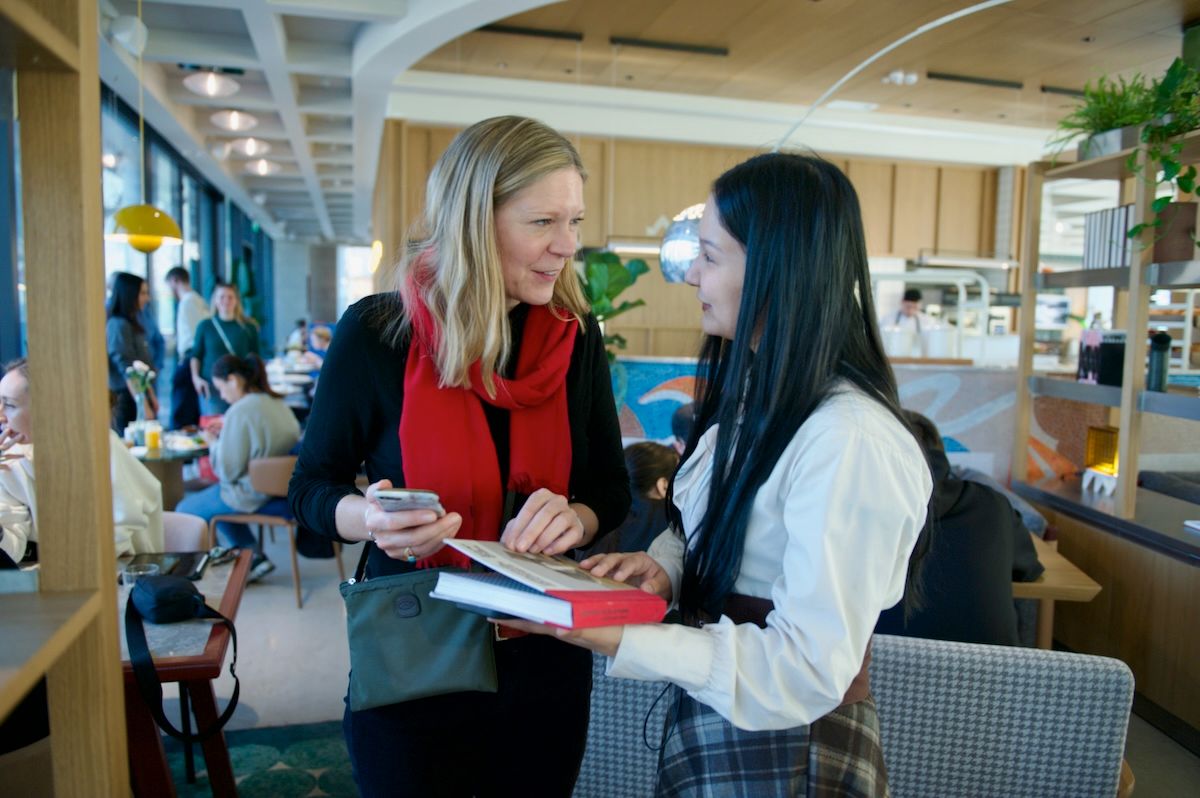
“The fact that ‘Akku’ has just reopened is wonderful news,” Caroline shares. “The swan motif, the whole story, the research done by photojournalist Karla Nur, who interviewed people… I love this kind of cultural history. Almaty has its own café culture, and ‘Akku’ reminds people of the past. I liked it very much. Rustem Beremzhanov, one of the regular visitors of the old café, told us that the café needed to be restored so that people could once again meet here, talk, and create.”
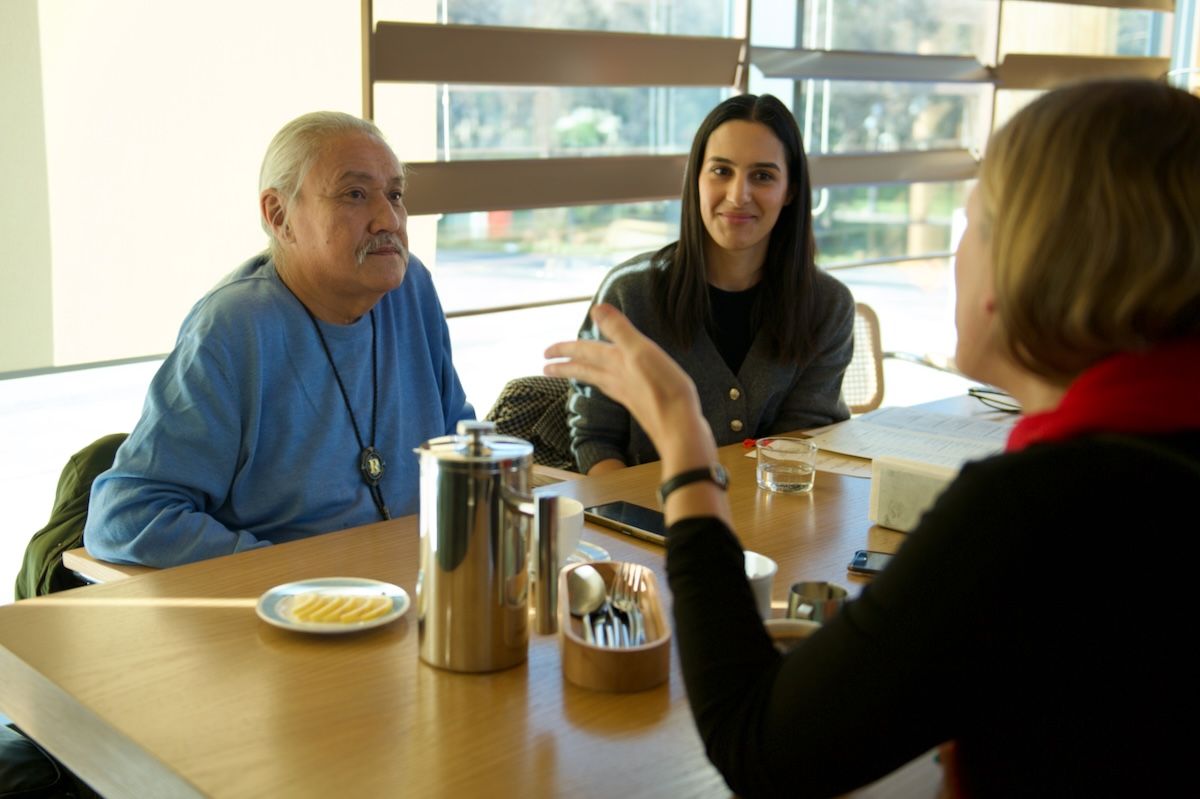
“The place opened, I think, in the late fifties or early sixties,” recalls Rustem Beremzhanov. “It was an open rectangular terrace overlooking a pool where swans swam. There was no strong alcohol — only light semi-dry wines. The Semirechye wine from the local factory and sherry were especially popular. There was a lady who brewed strong, delicious coffee in a jezve (Turkish pot), and nearby was a small window where we bought ice cream.”
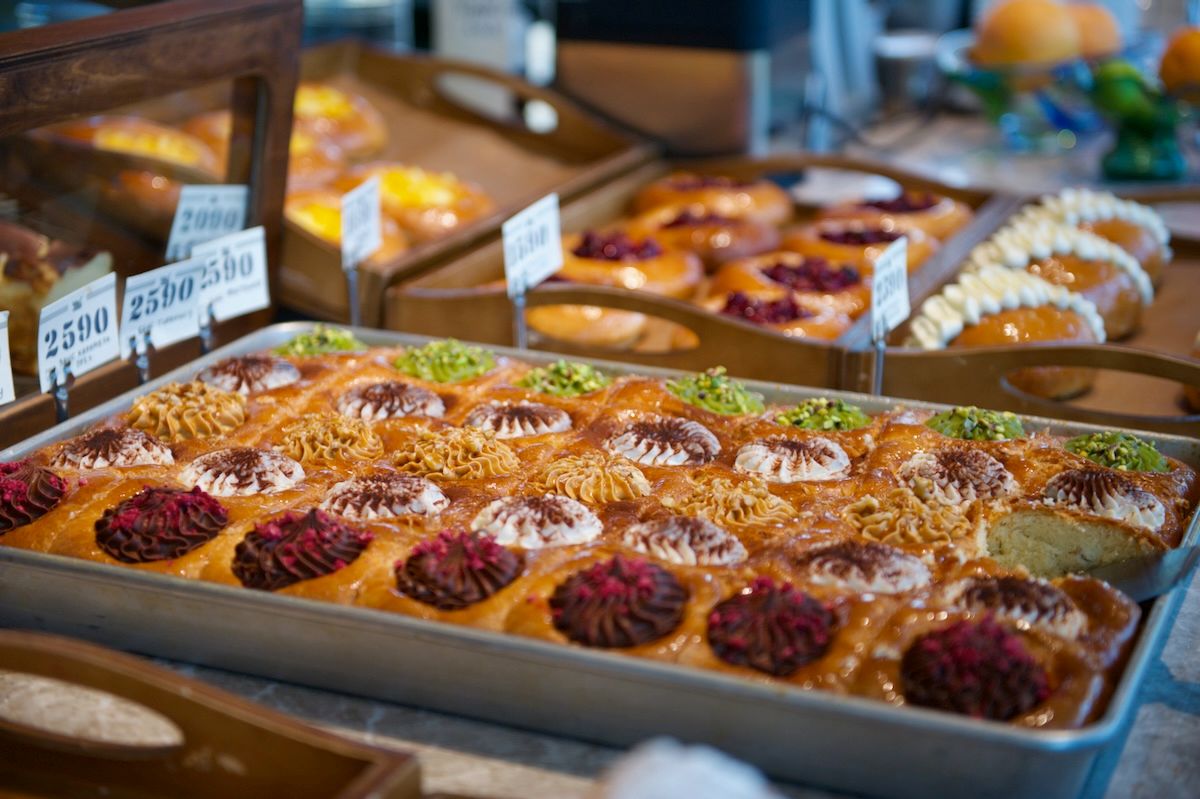
“In the early sixties there weren’t many students. During the day, children came with their grandmothers, aunts, and sisters, and in the evenings our bohemia gathered there. We went to this café before they built the ‘Qalamger’ café in the courtyard of the Writers’ Union. The alternative was the ‘Teatralnoye’ café (now ‘Ogonyok’), which worked year-round, both in summer and winter.”
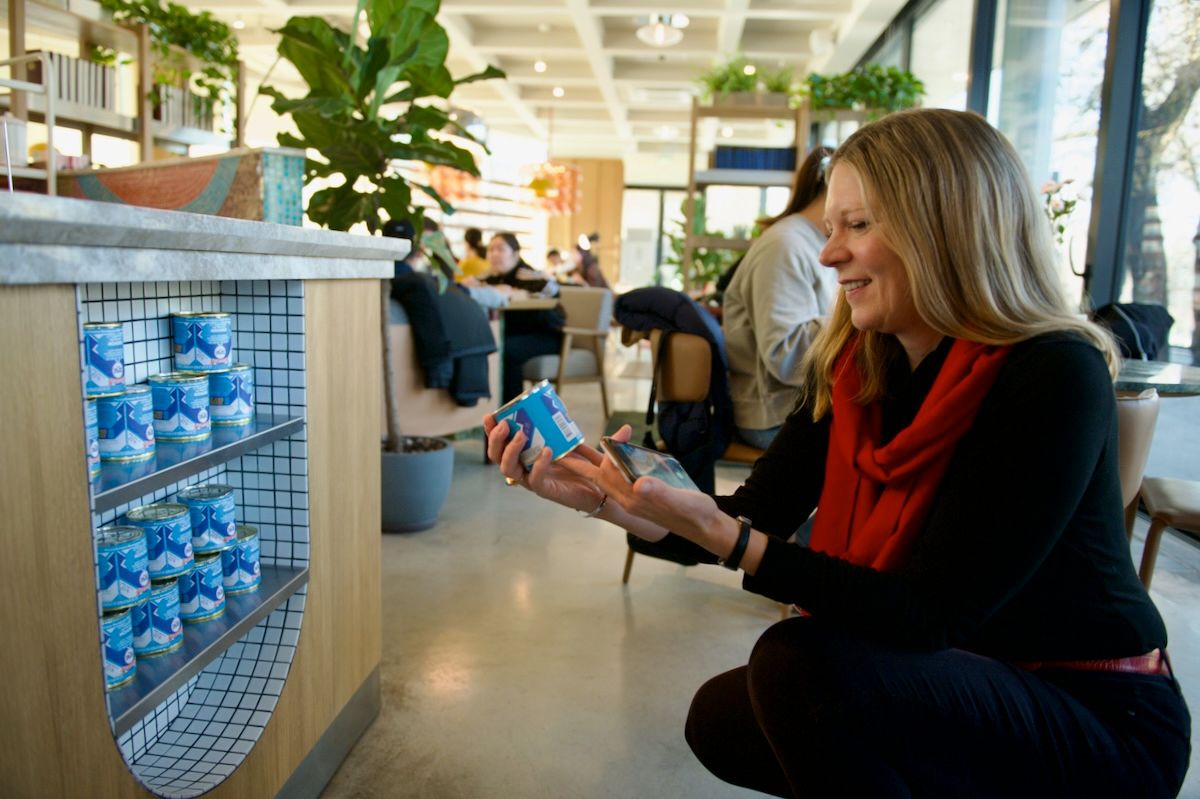
Caroline also asked how Rustem and other Almaty residents felt about the transfer of the capital from Almaty to Astana in 1997. At that time, the decision had strategic and political importance and was also related to seismic risks. Over the years, Astana has grown and become one of the most beloved and dynamic cities in Kazakhstan. Every year, about 80,000 new residents move to the capital.
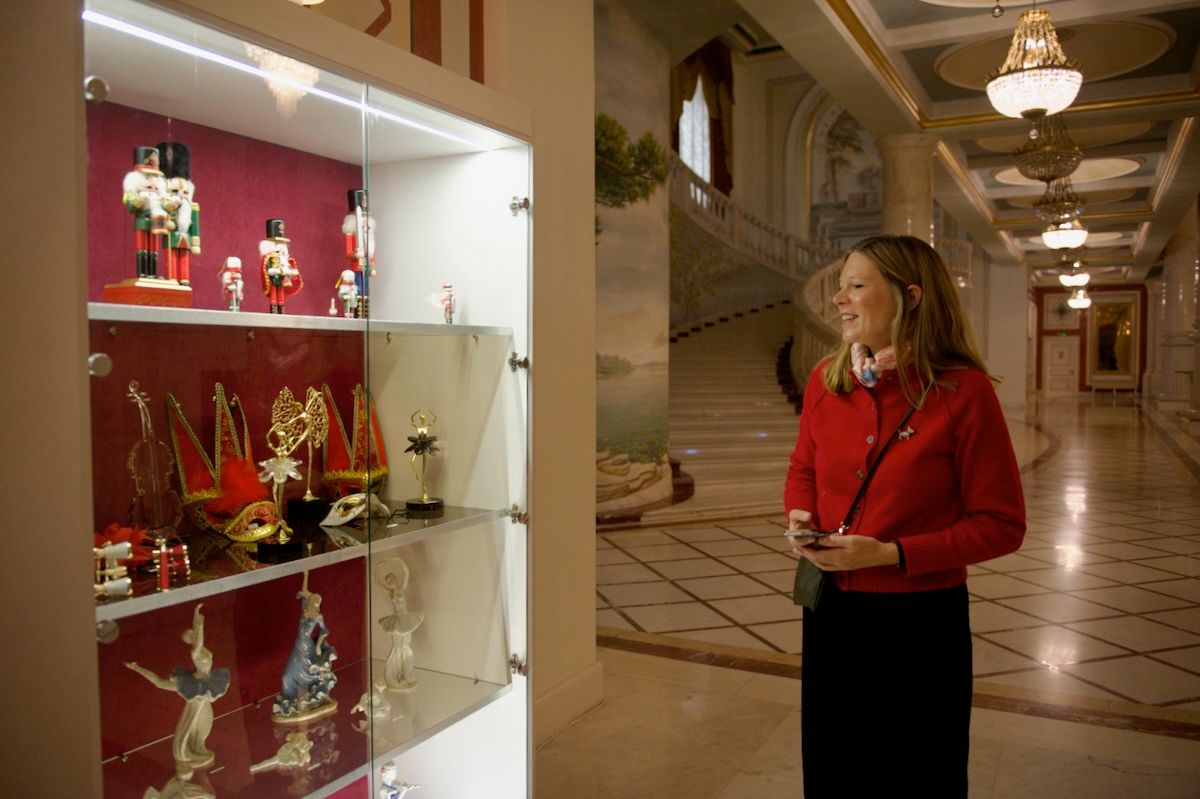
One of the main highlights in Astana was the visit to the “Astana Opera” theater. Its neoclassical architecture, spacious halls, and luxurious interior made a strong impression. But for Caroline, the true revelation was the behind-the-scenes tour.
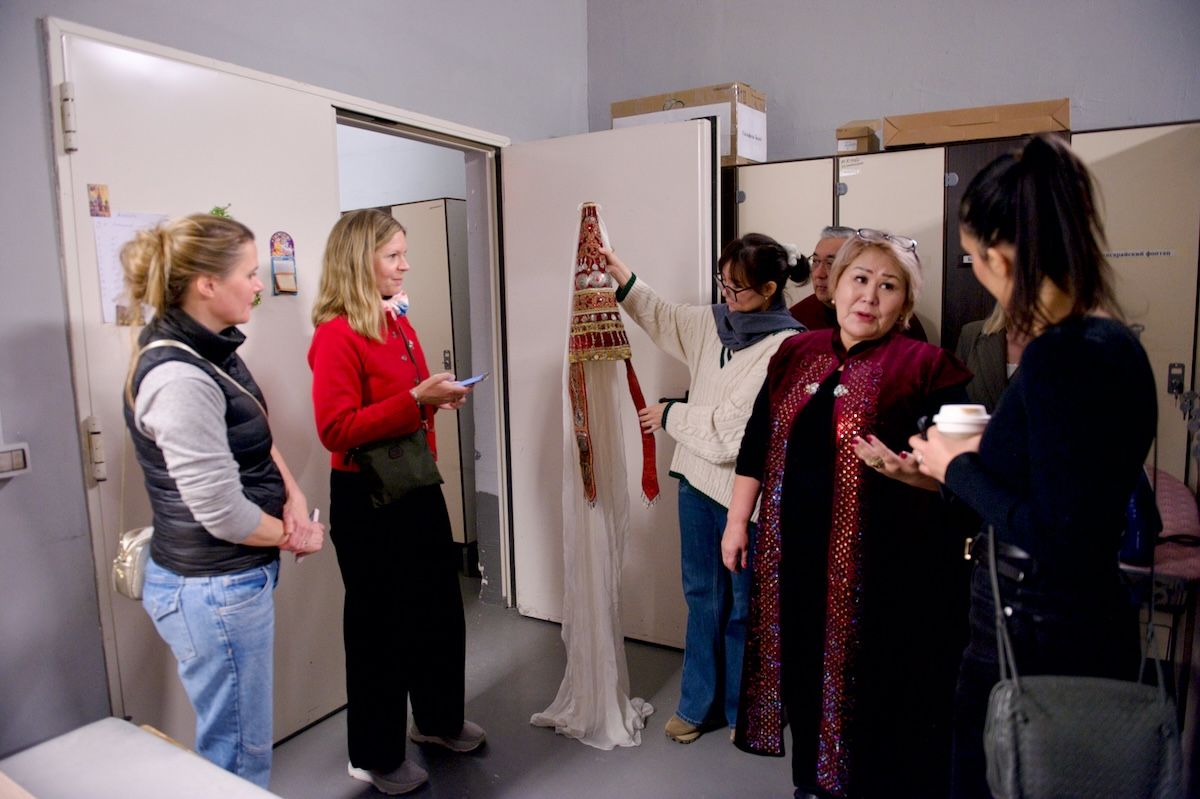
“It was amazing to meet the artisans, talk to them, see the process of creating costumes, the enormous volume of materials — everyone works together as one team,” she shares. They were taken through the theater’s atelier, where costumes for productions are created. In huge rooms, hundreds of outfits are stored on shelves, from historical costumes to fantastical ones.”
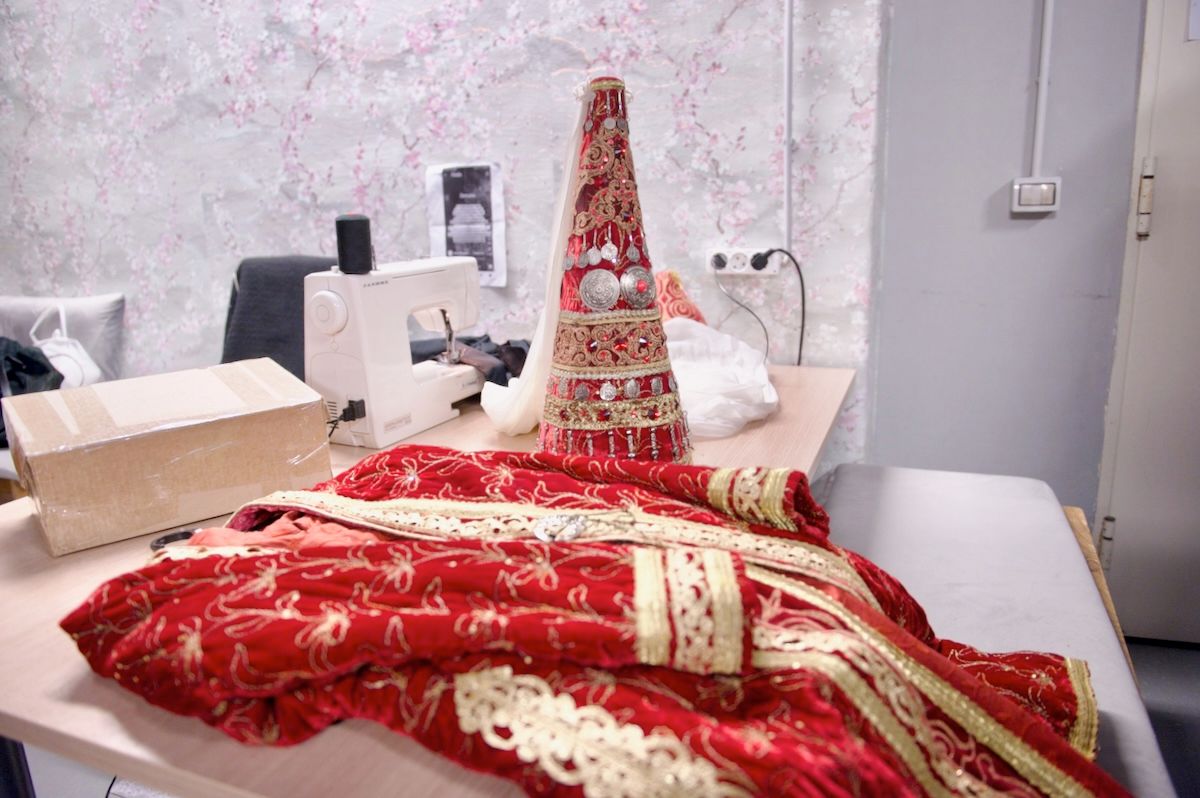
“The artisans told us that a single costume can take several weeks to make, and large productions require up to a hundred sets. The theater itself is magnificent, but the atelier and costume rooms were incredible — I loved it. I’ll admit, I had never been inside the theater before, only seen the building from the outside. Next time, I will definitely return to watch a performance.”
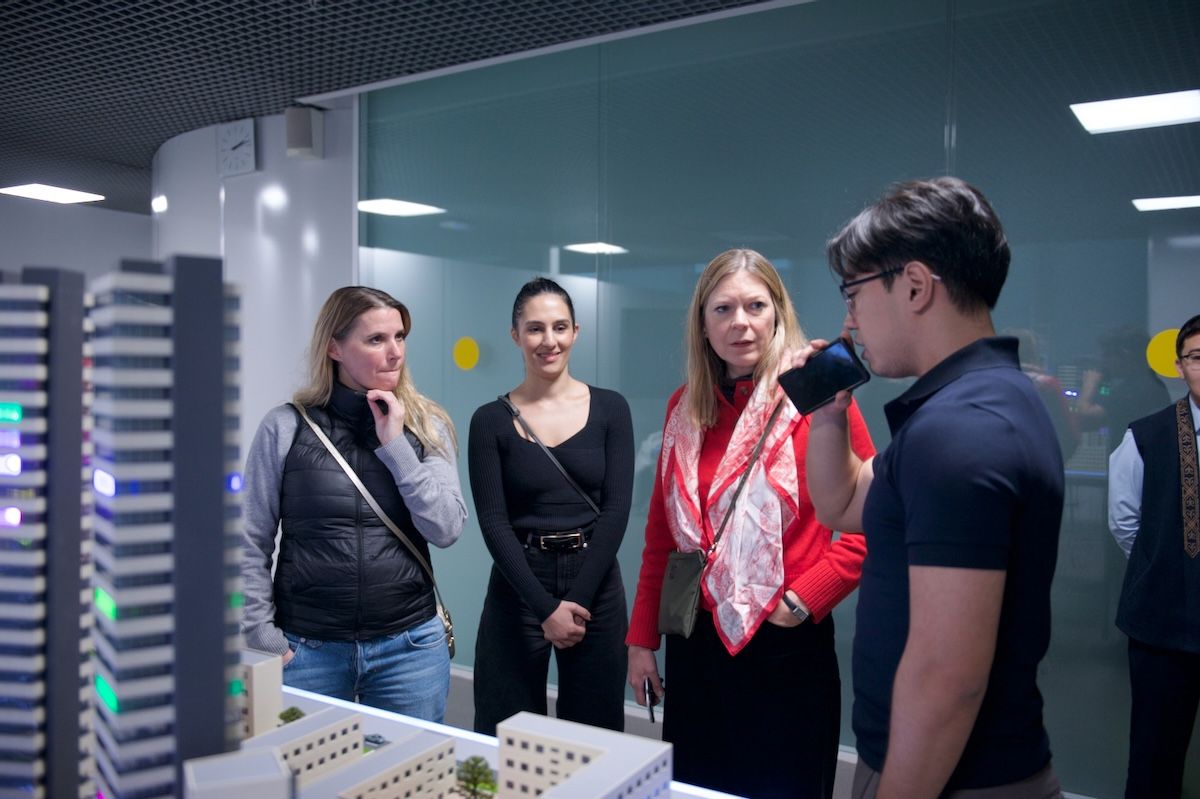
The next stop was a visit to Astana IT University (AITU), which opened in 2019 and quickly became one of Kazakhstan’s leading technical institutions. More than two thousand students study here in the fields of programming, cybersecurity, artificial intelligence, and robotics. The university actively collaborates with international companies and universities, offering students internships and exchange programs.
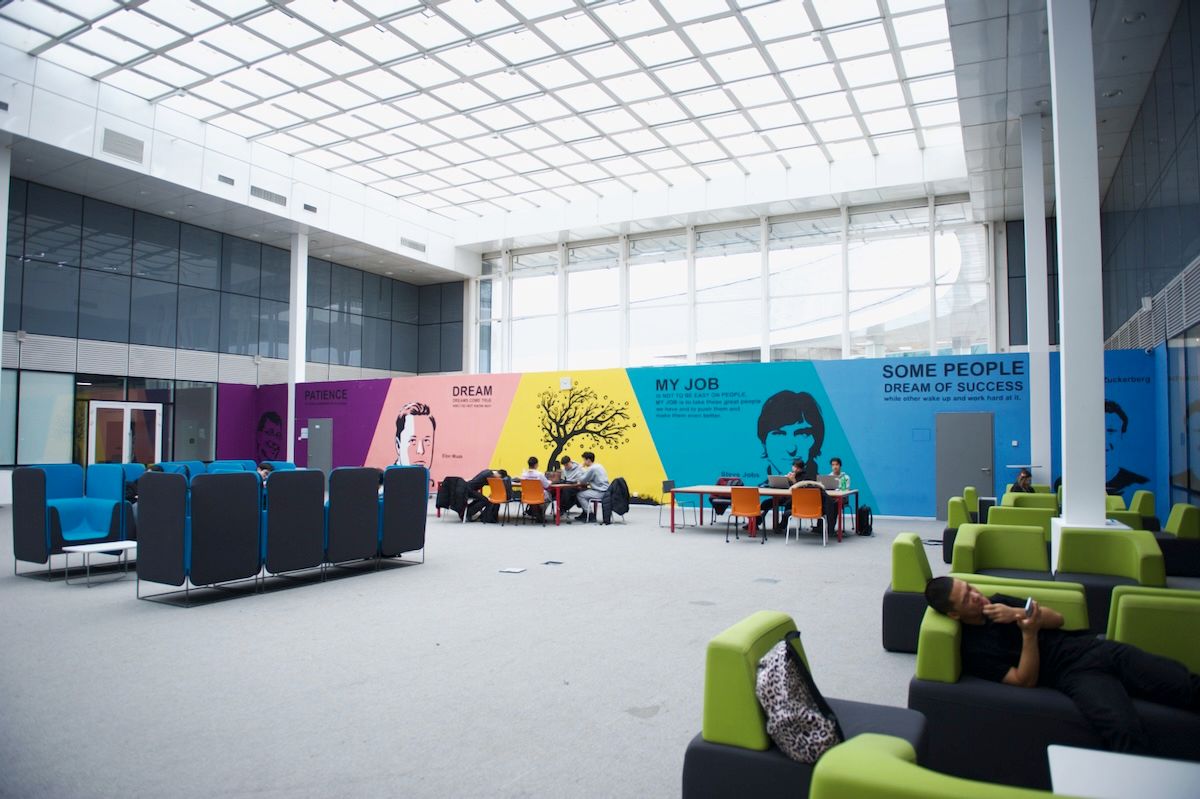
“I have never been to a purely IT-focused university,” Caroline says. “Usually universities are multidisciplinary, but here the specialization is futuristic and innovative — very much in the spirit of Astana. The students showed us their projects, English-language podcasts, developments in artificial intelligence and cybersecurity. I enjoyed hearing about their podcasts and their malware-related research. It’s not my field, but it was very interesting. The students were charming, spoke excellent English, and what they are doing is impressive.”
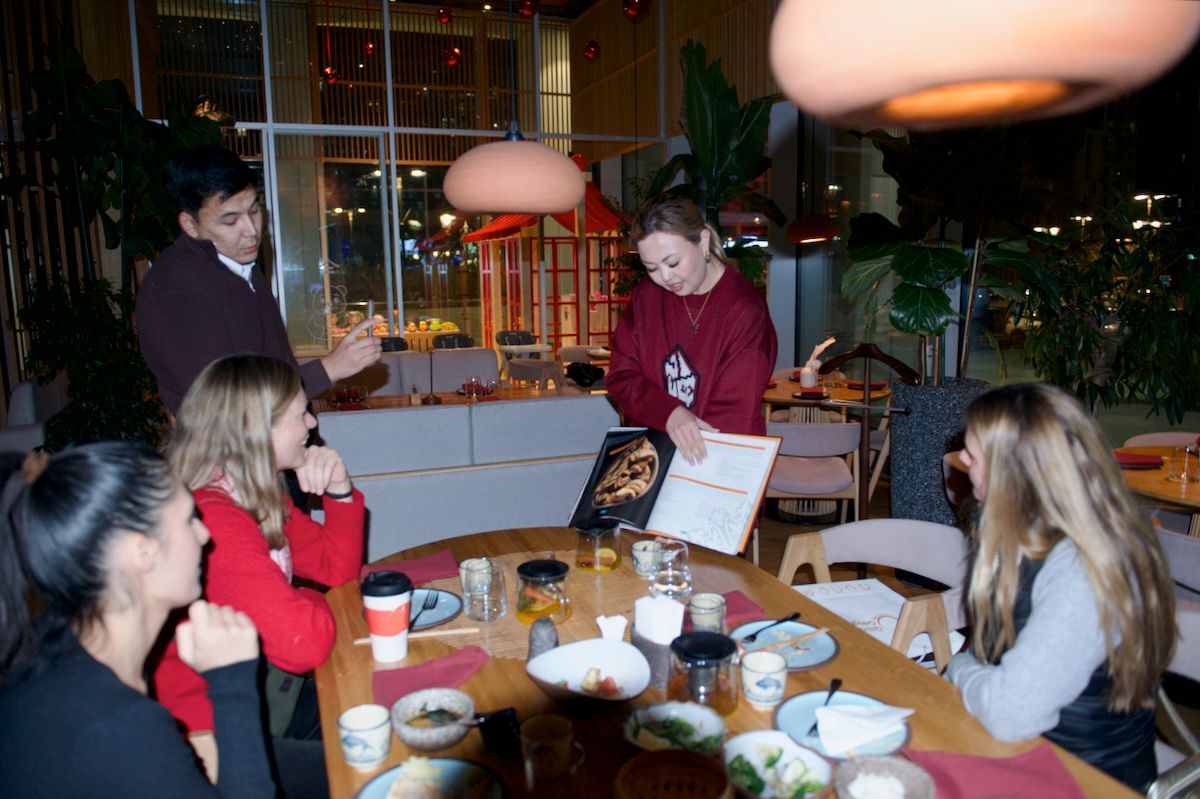
In the evening, the guests met with Aigerim Musagazhinova — an ethnographer, an expert in Kazakh cuisine, and a successful entrepreneur.
“Aigerim showed us photos of her new project — a nomadic-style bathhouse in Astana, which is expected to open soon,” Caroline says. “She also presented her book on Kazakh cuisine, ‘Qazaqtyń biregeı taǵamdary’ (‘Unique Dishes of the Kazakhs’), which contains more than 50 forgotten recipes adapted for modern cooking. I had never heard of her before, and the evening with her was a real discovery. One detail especially intrigued me — Aigerim has opened a restaurant in Chicago. Our conversation also touched on the philosophy of Kazakh cuisine. She told us about millet, a traditional product that has been undeservedly forgotten. She said that Kazakh cuisine is not only about milk and meat; it is important to show the world its diversity. Aigerim’s phrase, ‘no man should be a vegetarian,’ made everyone laugh, but behind it lies a serious idea: the traditional cuisine of nomads is historically rooted in animal husbandry. I was very interested to hear her thoughts on how Kazakh cuisine can be rebranded for an international audience. I want to visit one of her restaurants in Almaty — it will give me a better understanding of her work.”
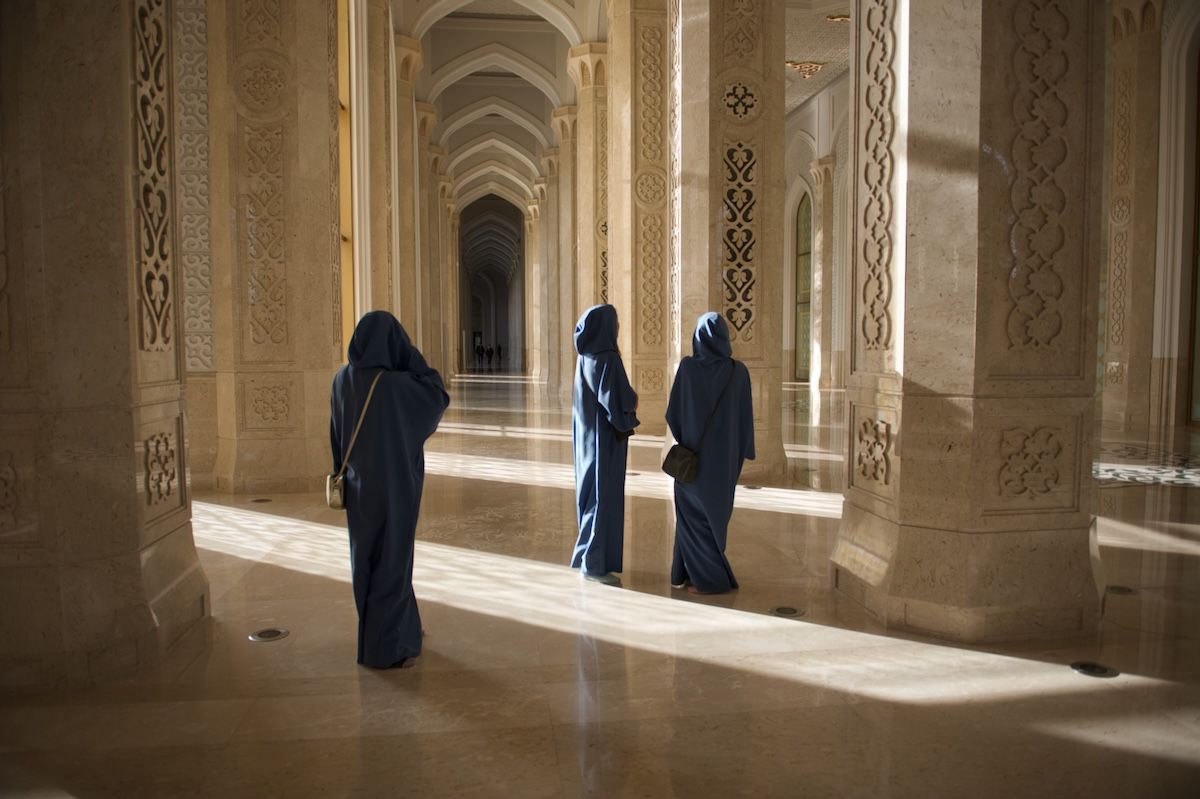
The next morning, before departure, the guests visited the Central Mosque of Astana, opened in 2023. The building can accommodate up to thirty-five thousand people and impresses not only with its scale but also with its combination of traditional Islamic architecture and modern technology.
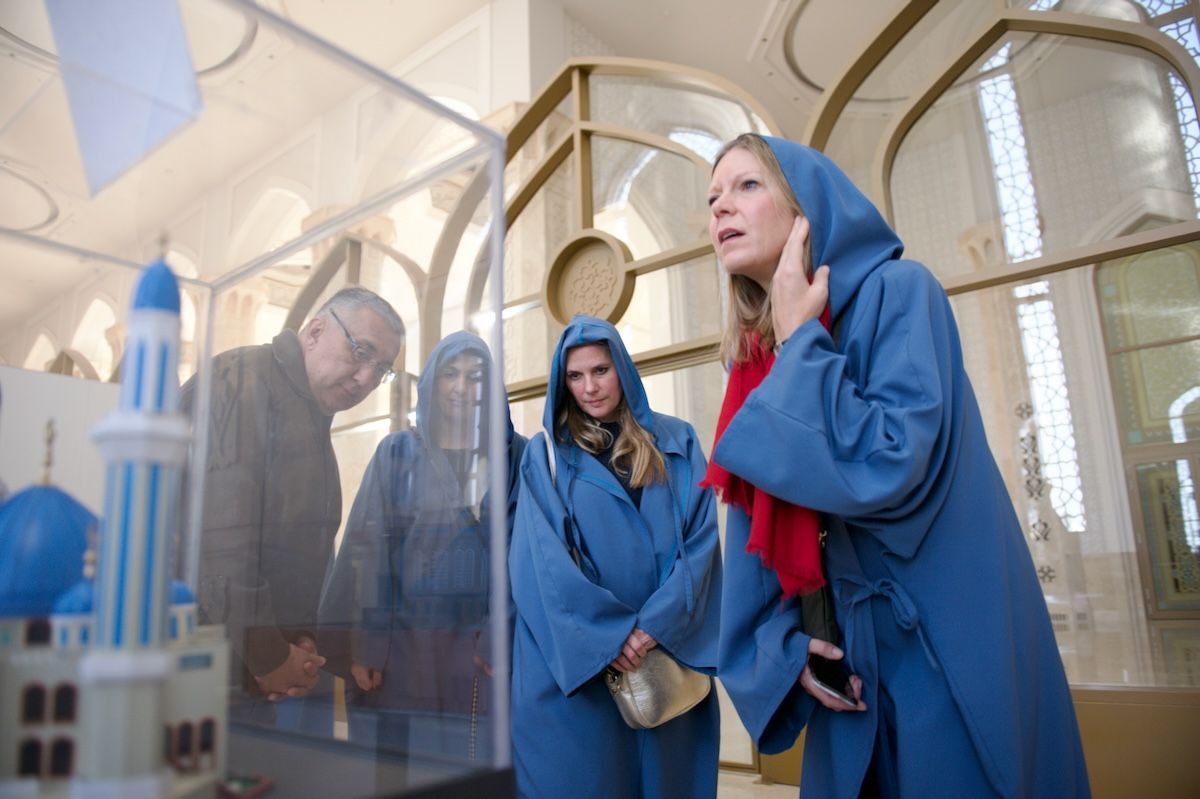
“The mosque is very beautiful,” Caroline says. “I was impressed by the modern elements. I have never seen escalators, parking facilities, vending machines, cafés, and shops inside a mosque. I know that Astana also has the large Hazret Sultan Mosque, which I saw during my previous visit — it is big as well, but the Central Mosque is even larger.”
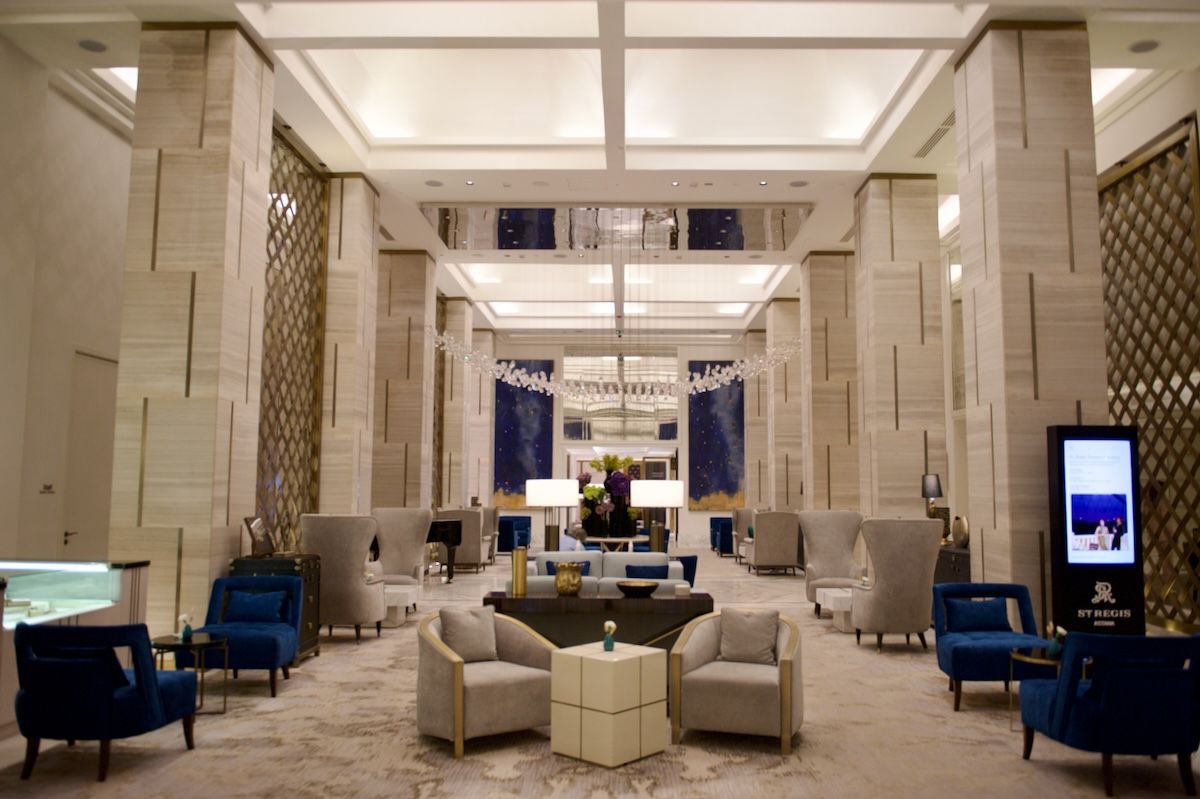
In Astana, Caroline and her companions stayed at the St. Regis hotel.
“The breakfasts were excellent, the service precise and highly professional,” Caroline shares. “Last night we had a Mediterranean menu, and I loved how they blended local Kazakh flavors into it. The menu included Aral Sea salt, Kamchatka crab, and other regional products. It became a luxurious set with local notes but in a Mediterranean style. St. Regis is truly a wonderful and world-class hotel with a truly excellent spa. Our trip came to an end — ten days flew by very quickly, but I am already making plans for my next visit. I want to return to Astana, stay again at the St. Regis, see the new bathhouse of our new friend Aigerim, and watch a performance at the Astana Opera… that’s the plan. It is always fascinating to visit Kazakhstan and this time I was excited to see so many new developments. But the main appeal remains the same: it's the people for me, Kazakhs know the art of true hospitality and are always ready to share their history and culture with visitors.”
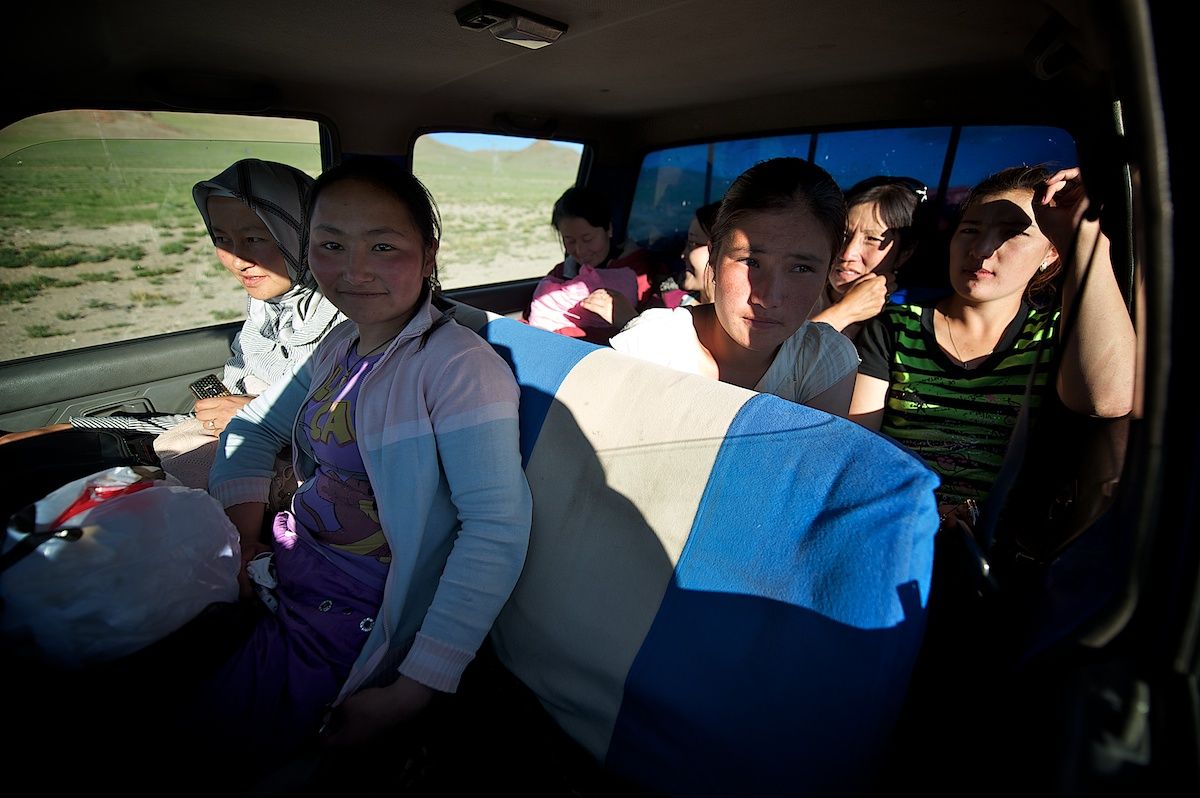
Expedition “In the Footsteps of Chinggis Khan”: Mongolian Kazakhs, Naadam, steppe roads and nomad life… Photo essay by Karlygash Nurzhan.
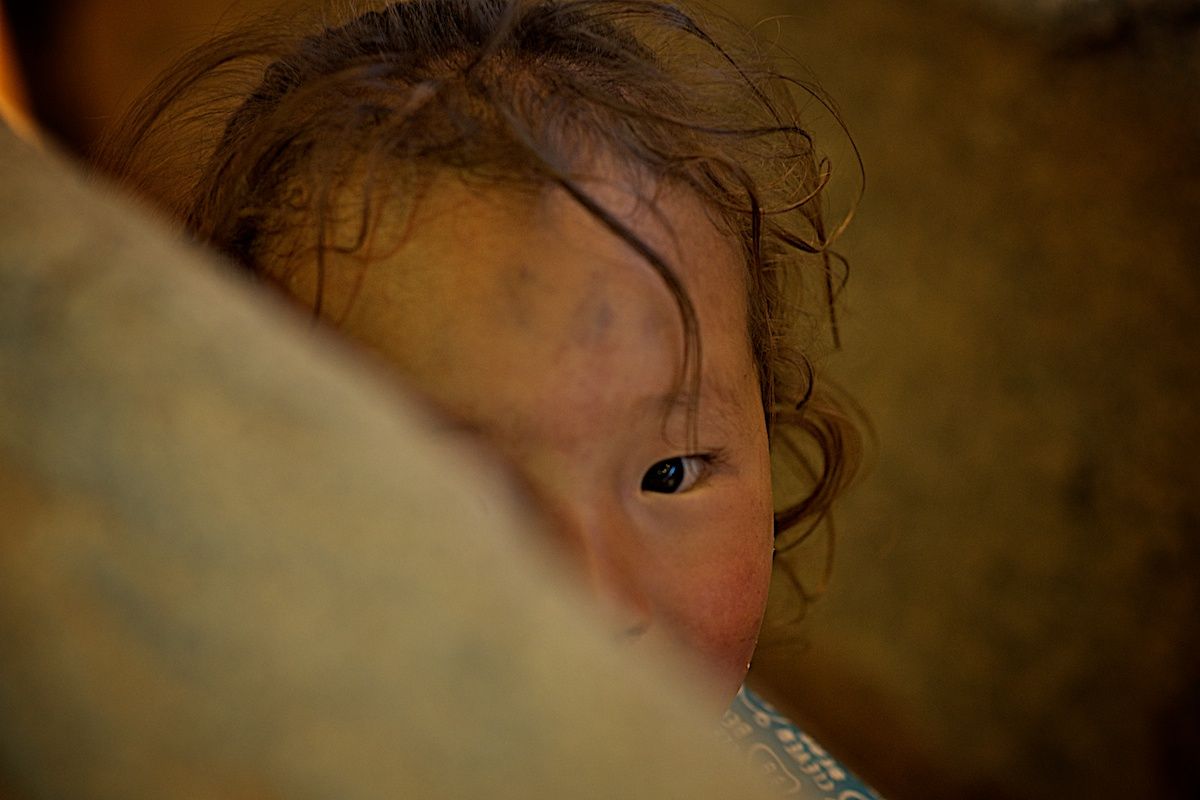
A 15-day journey through Karakorum, Kül Tegin’s monument, and the legacy of Great Mongolia. Photo essay by Karlygash Nurzhan for Shanger.kz
The Kazakh diaspora in Turkey: migration history, daily life, traditions and human stories… Фоторепортаж Карлыгаш Нуржан для Shanger.kz
Comments
No comments yet. Be the first to comment!