WHEN THE SMELL OF BREAD RETURNS: HALYK SUPPORTS BEINEU
Shanger.kz and Карлыгаш Нуржан
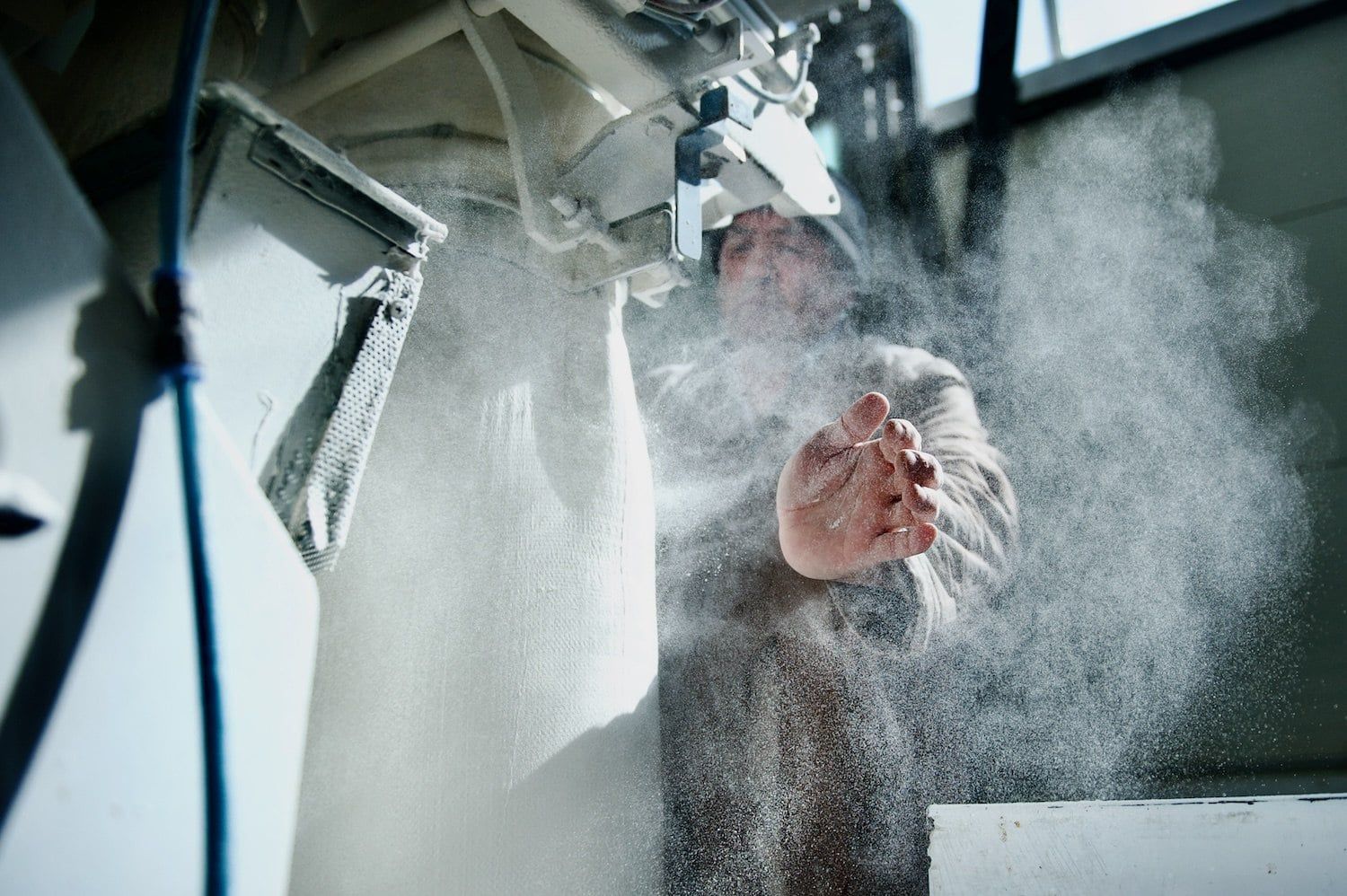
Beineu village was founded in 1960 during the construction of the Makat–Mangyshlak railway and has since become an important transport hub connecting Kazakhstan with the countries of Central Asia. Today, 56,348 people live here, making Beineu the largest village in the country. Despite having village status, the settlement is developing rapidly: new houses, schools, and kindergartens are being built. And the revival of the Beineu grain terminal has become a strategically important step not only for the village but for the entire Mangystau region. Local residents explain why this matters so much.
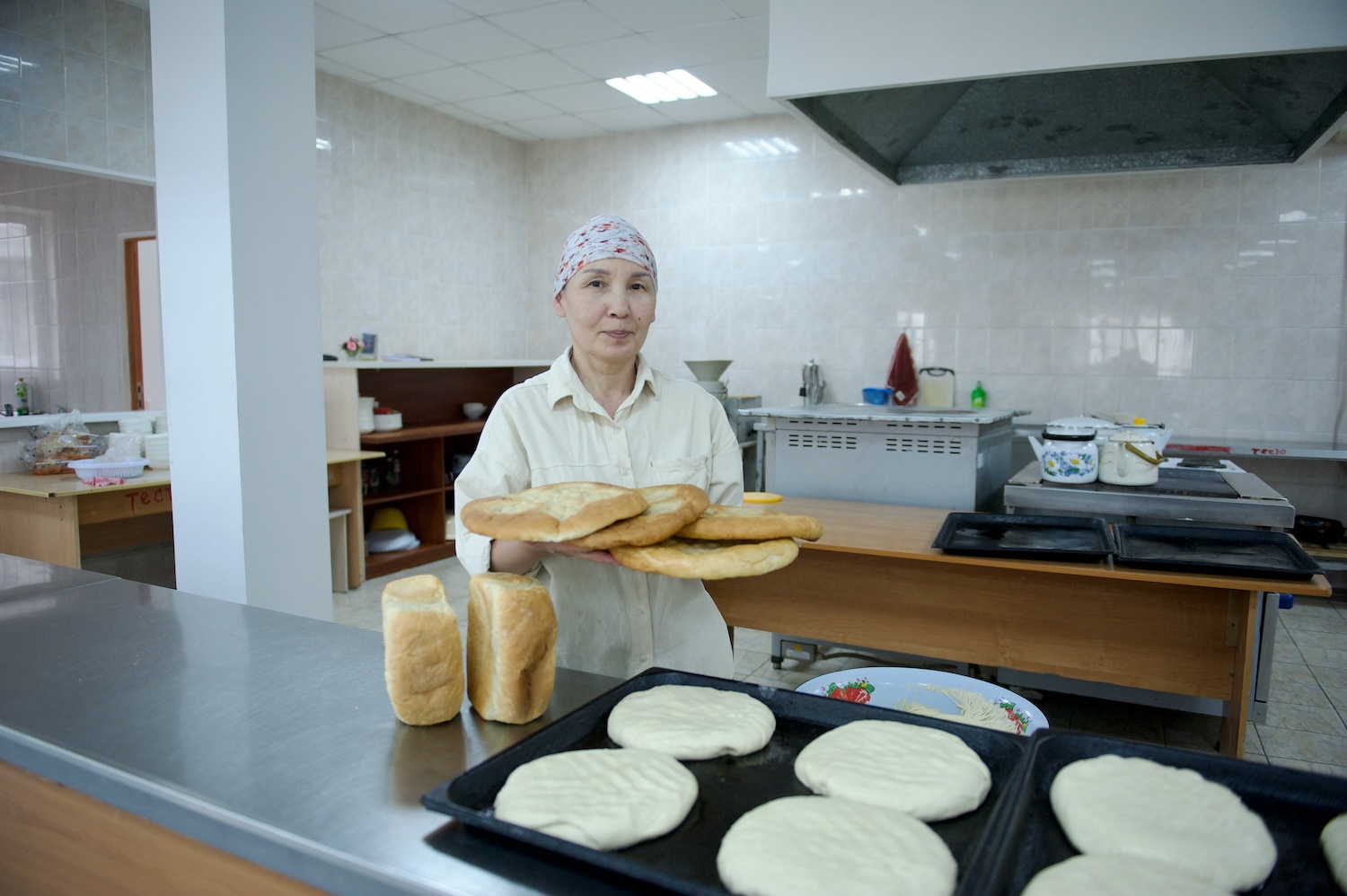
— This bread is baked from flour produced by our terminal, and the first to taste it were the workers, — says baker Sarygul Bugabayeva. The dough made from our flour rises well, the bread comes out crunchy and delicious. The terminal stood idle for seven years, and the launch of the mill became a truly important event for us. Many welcomed the news with enthusiasm. Now we can produce our own goods, and most importantly — people in the village have jobs.
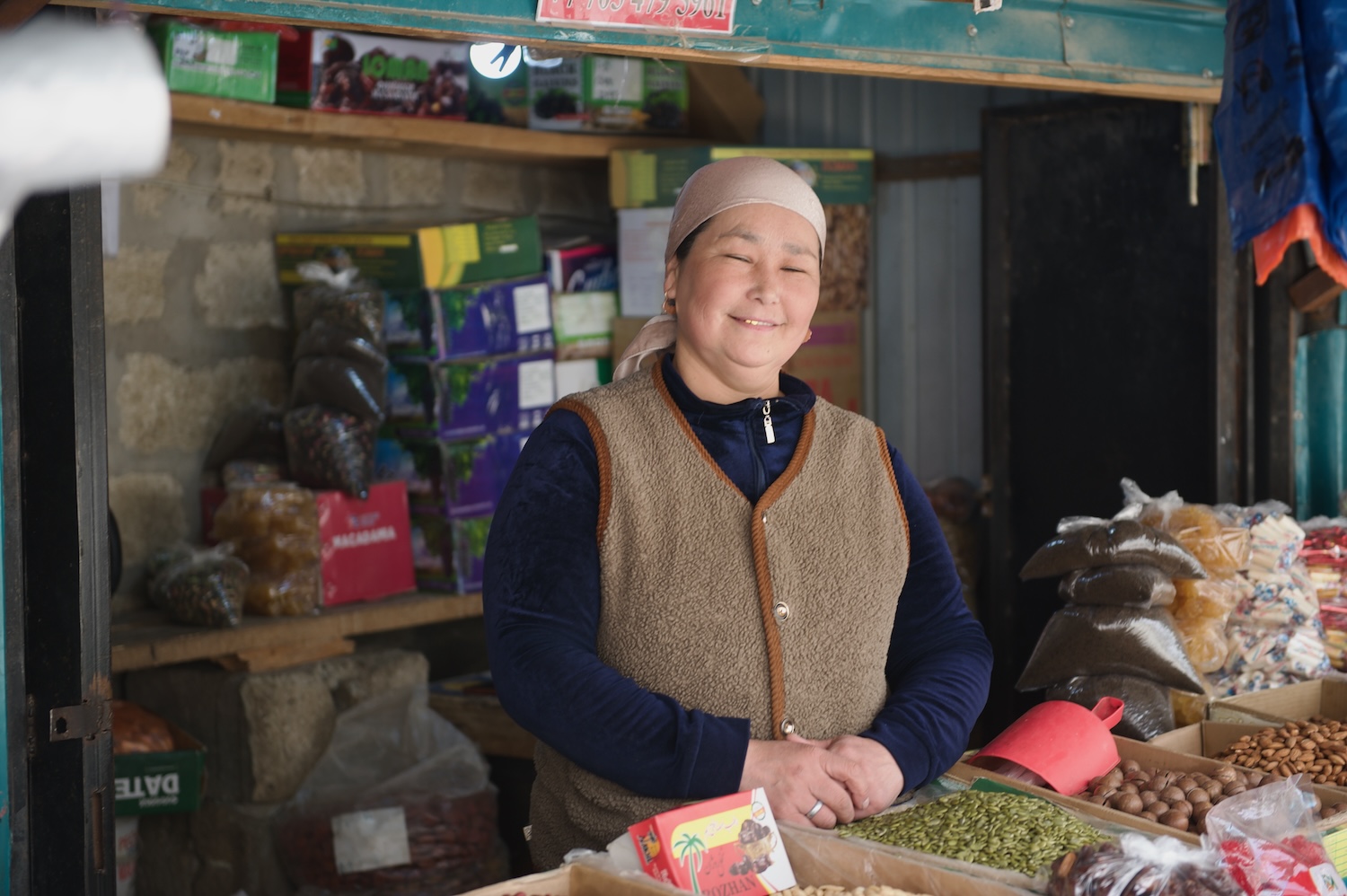
— My son works at the mill, thank God he is doing well, — says Zhanyldyk Nurdauletova, a vendor at the «Agnia» market. We waited a long time for the terminal to open. I didn’t even know why it was closed or what happened. Now, I hope everything will be fine and the plant will not shut down again.
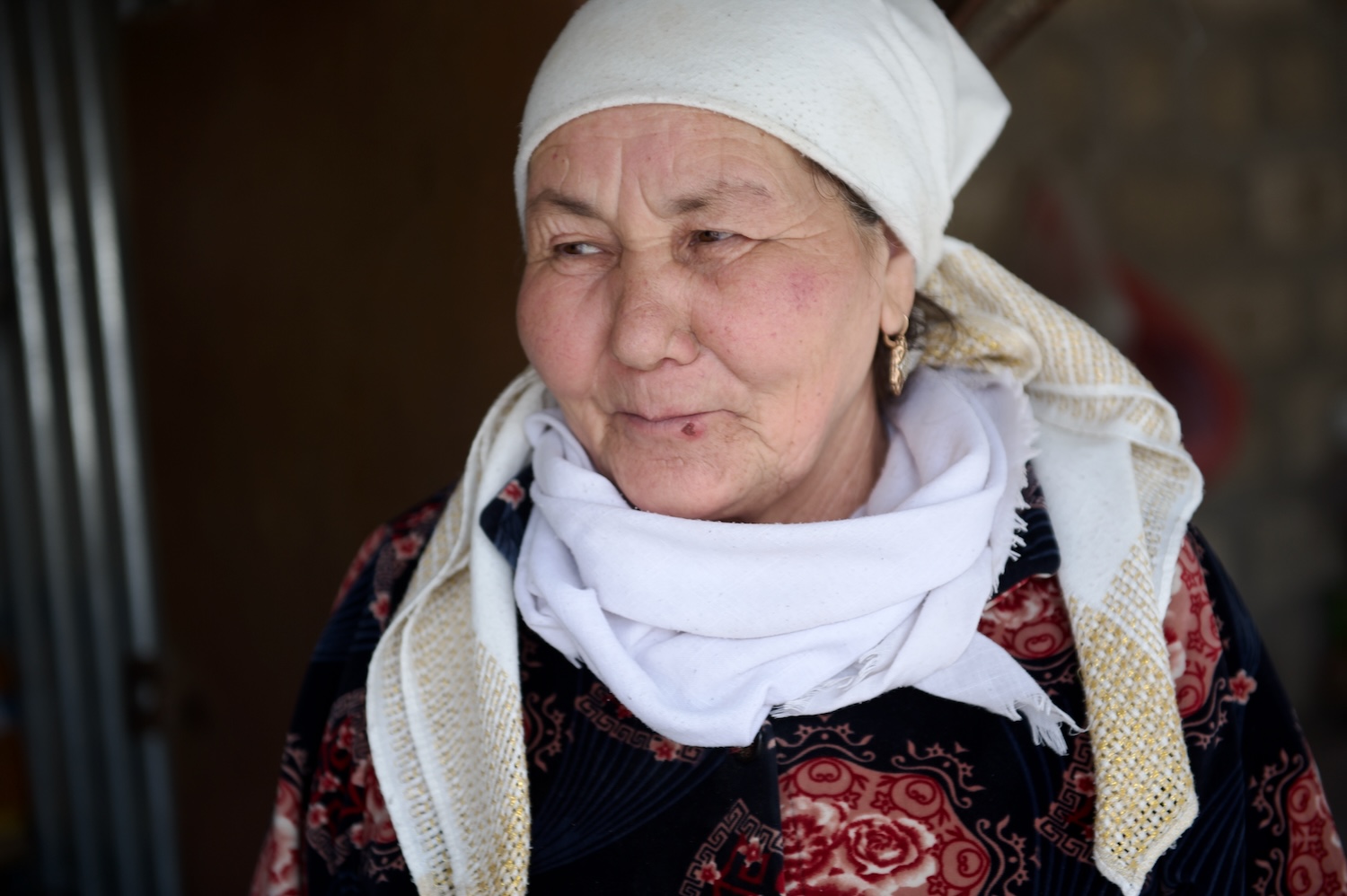
— We are very grateful that the flour mill has reopened, — says pensioner Bazargul. This is a big matter for the village: when products are manufactured locally rather than imported, the price of flour and bread eventually becomes cheaper.
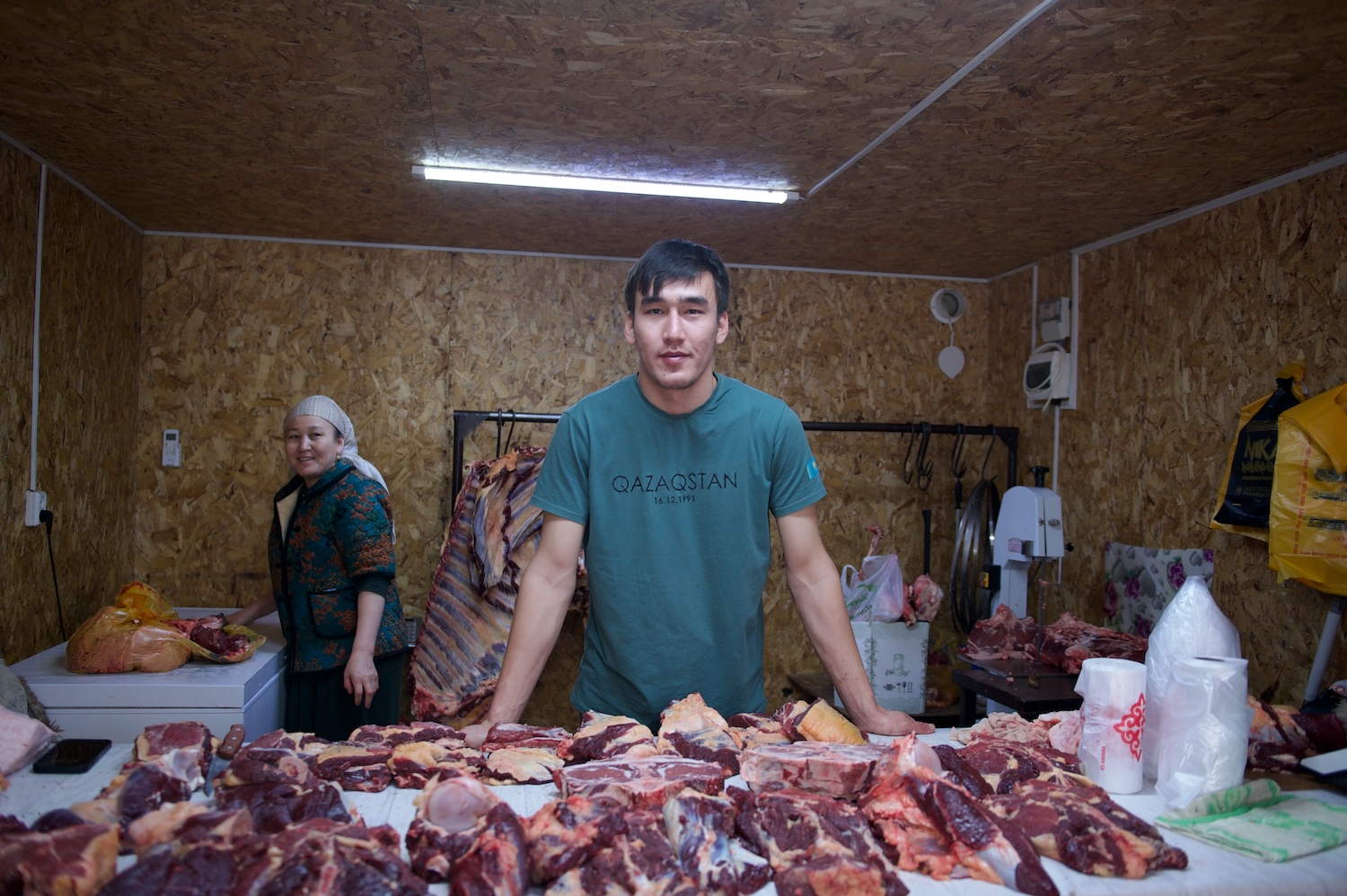
— Why is the mill reopening so important? Because it brings stability, it benefits everyone — the village, the region, the country, — says meat seller Shakhzat Turekhanov. — And it creates jobs. The terminal stabilizes prices and provides employment. Livestock farming is highly developed in Mangystau, but feed is very expensive now. We hope that thanks to the terminal, the cost of flour and bran will decrease. Then life will become easier for livestock owners and ordinary residents. For example, a kilo of bran now costs about 3300 tenge — that is expensive. We have lived here for many years and want our children and grandchildren to have a future on their native land. Schools are working, the plant has been launched — which means there is hope for the region’s development.
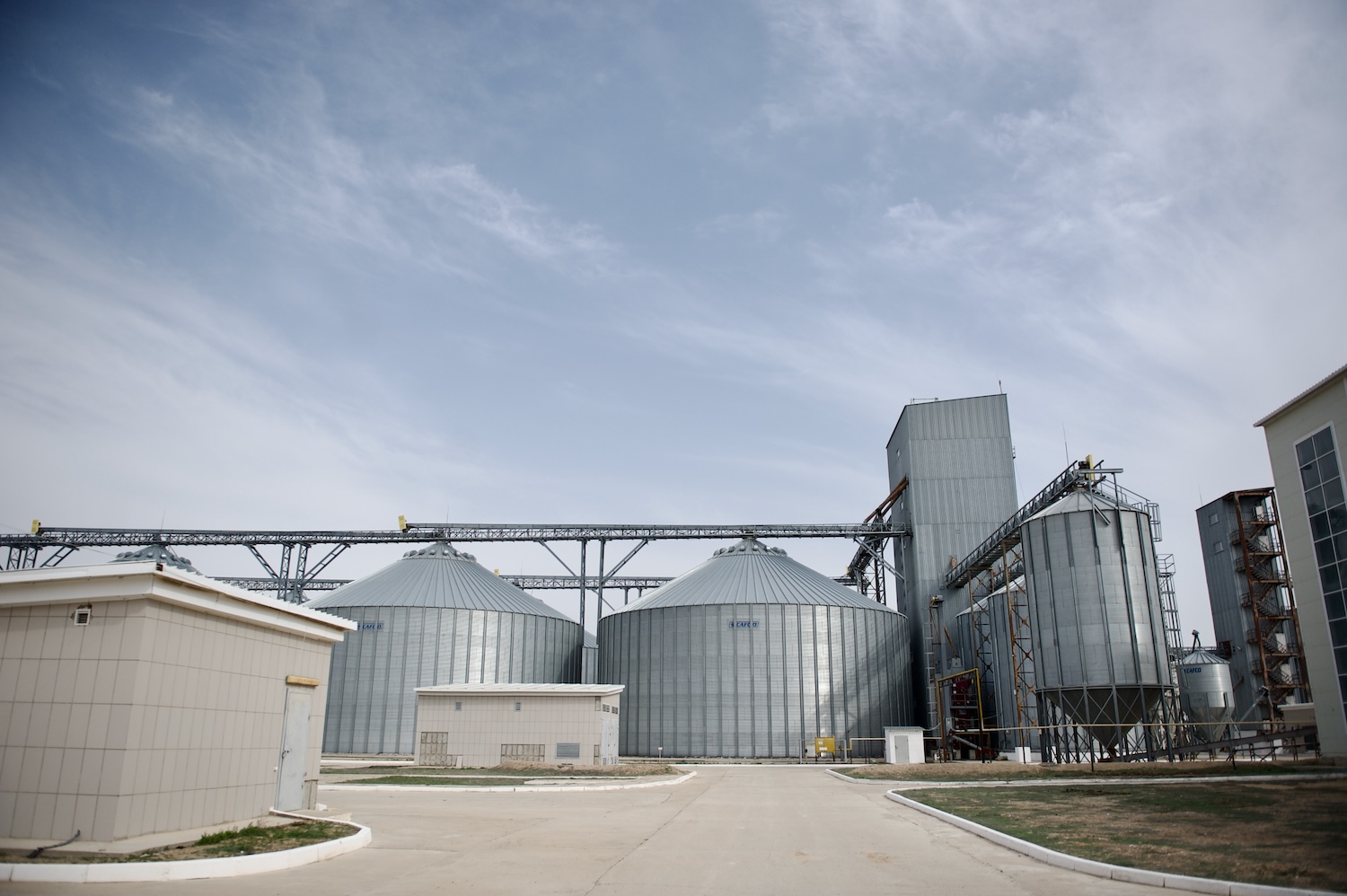
The grain terminal, commissioned in 2010, suspended its operations in 2018. After seven years of downtime, the facility was relaunched thanks to the Halyk Foundation of Timur Kulibayev, which allocated 1.8 billion tenge for its revival under a memorandum of charitable cooperation with the Mangystau regional administration. These funds were used to modernize the terminal, equip it with modern machinery, expand the production capacities for flour and bran, and establish export routes to neighboring countries. In addition, to ensure reliable transportation of the products, the Aktau–Beineu highway was repaired.
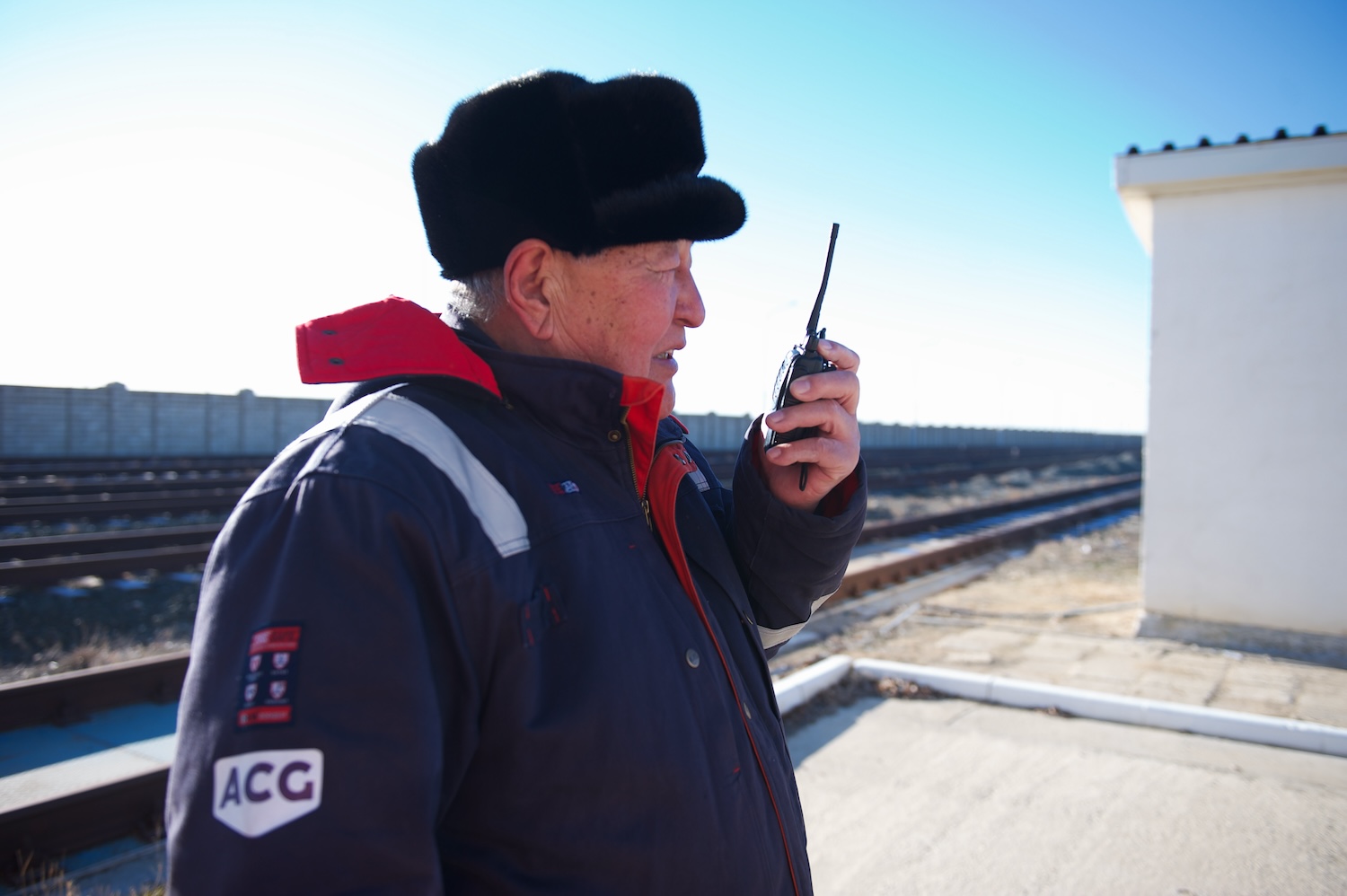
— We began reconstruction of the terminal in July of last year, — says Seidakhmet Kozhakhmetov, Chief Engineer of the Beineu Grain Terminal. — At that time there were many technical issues: the plant had been idle for more than seven years, cables were missing, parts were worn out, some gears needed replacement, and mechanisms had to be lubricated. We carried out major repair works and prepared everything for the launch. The official opening took place at the end of March. Our wheat supplies are now sufficient: recently we unloaded five wagons, and another 15–17 wagons are on the way — more than a thousand tons. We have prepared warehouse capacity for 40,000 tons, and the entire elevator can hold up to 100,000 tons.
According to the regional agricultural department, the terminal’s relaunch will fully supply livestock with concentrated feed. During winter, the region requires 25,000–28,000 tons of bran and compound feed.
— Additionally, we are preparing to launch compound feed production. We plan to install extra equipment and bunkers. Currently, compound feed in Mangystau is imported from Russia and other regions, and delivery significantly increases the cost. Local production will reduce transportation expenses and bring prices down by 15–20%. We plan to produce up to 250 tons of feed daily — about 7,500 tons per month — and have already ordered the necessary machinery from Turkey. The compound feed will be formulated for cattle, sheep, and poultry, with added corn, rye, and other ingredients, — explains Seidakhmet Kozhakhметов.
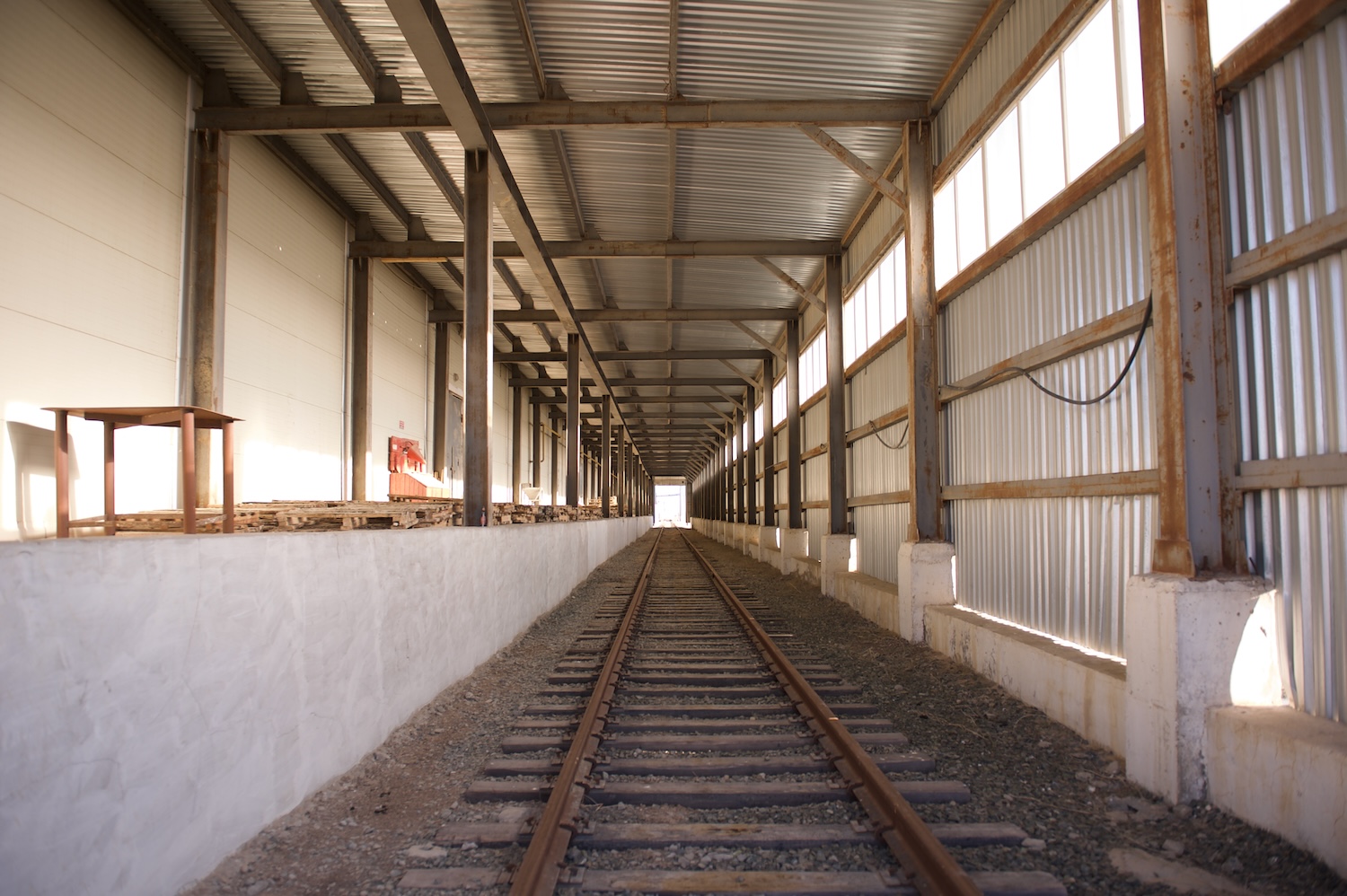
Предприятие располагает собственным подвижным составом и восьмикилометровой железной дорогой, обеспечивающей прямой выход к казахстанско- туркменской границе. Продукция будет экспортироваться в Узбекистан, Таджикистан и Афганистан. Проект не только повысит продовольственную устойчивость региона, откроет экспортное направление, но и создаст около 200 новых рабочих мест.
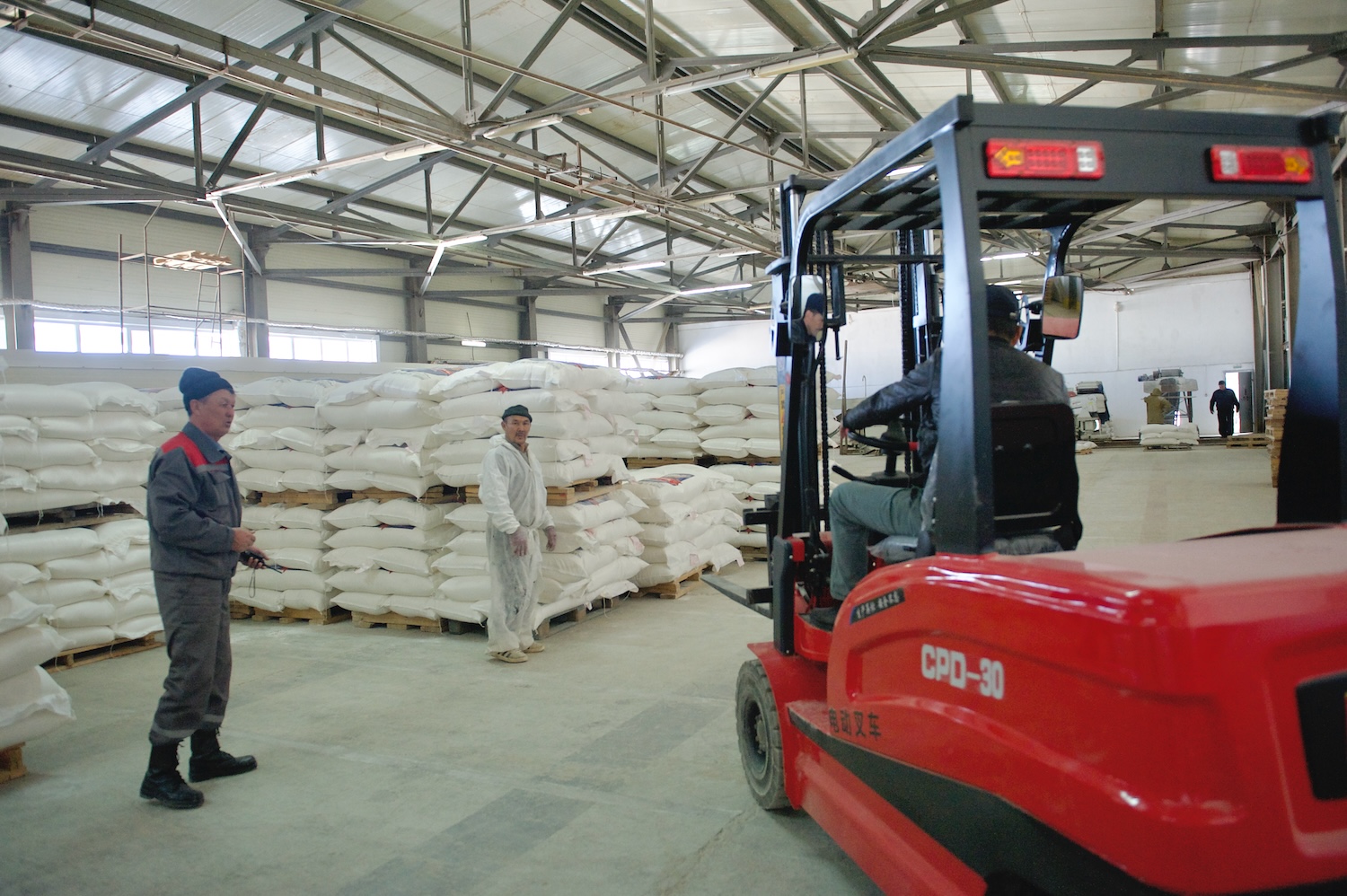
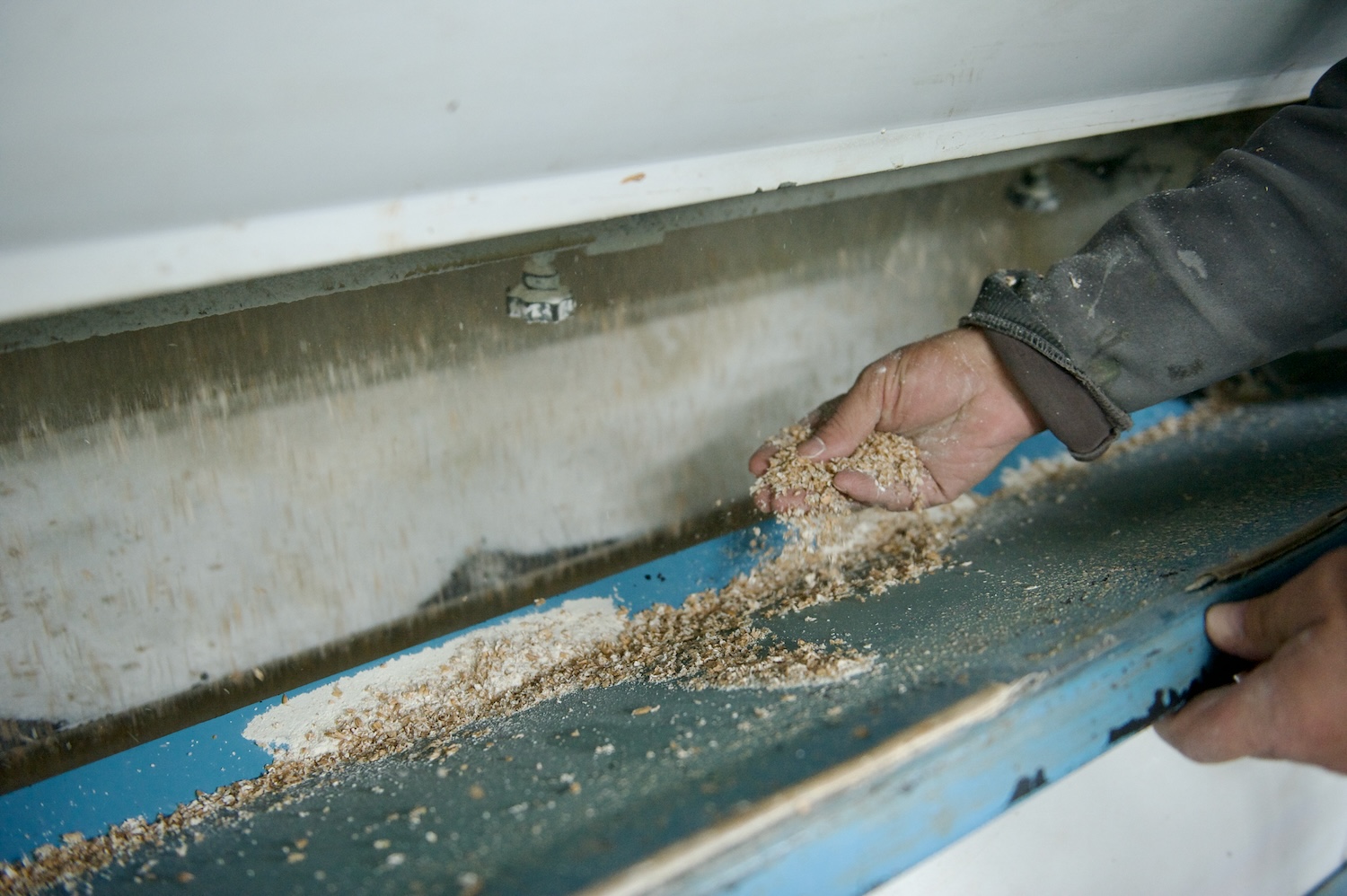
— The plant’s capacity allows processing up to 400 tons of grain per day: about 300 tons of flour and 100 tons of bran, — says Seidakhmet Kozhakhmetov. — We are currently negotiating with partners in neighboring countries. There is demand in the domestic market as well, especially in the Mangystau region. In the future, we expect our products to be in demand across Kazakhstan — we are confident in their quality.
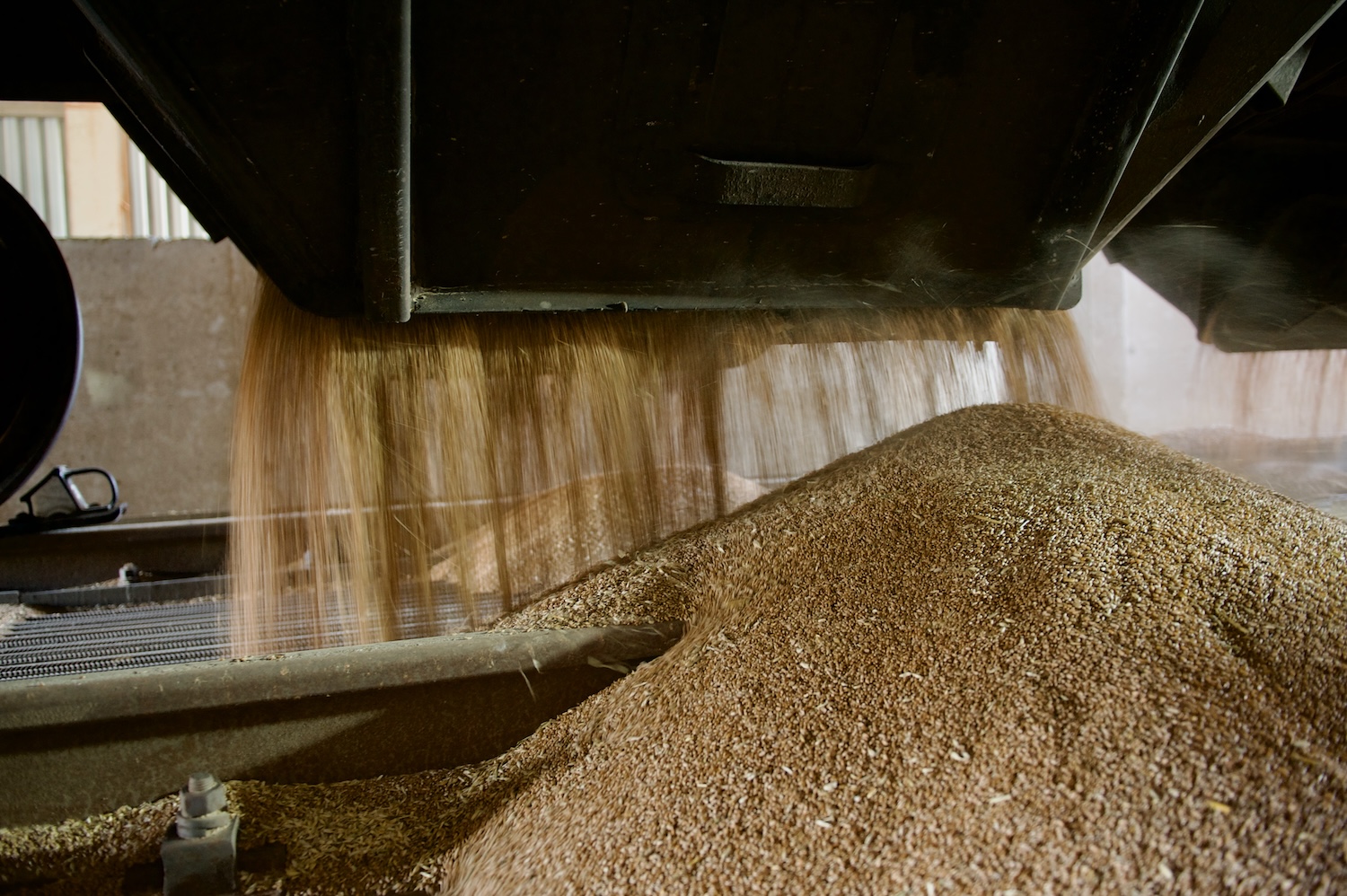
— We currently produce first-grade flour — the most in-demand product on the market. For now, we produce only one grade, but we plan to expand the line. Wagon unloading is actively underway. After cleaning and moistening, the grain is soaked for about 12 hours — the exact time is determined by the laboratory depending on wheat quality. Then the processing into flour and bran begins.

— Our main task is to analyze the quality of grain, — says laboratory head Ulbike Nauryzymbetova. — We check the grain mass, which includes both the main crop and impurities — grains of other crops and weed components. Currently, the grain quality meets all standards. Mostly third-grade wheat is received — it is used for baking bread. This is standard practice: third grade is used most often, second grade less often, and first and premium grades are rare and more expensive. We also determine the grain's vitreousness: the higher it is, the higher the grade.
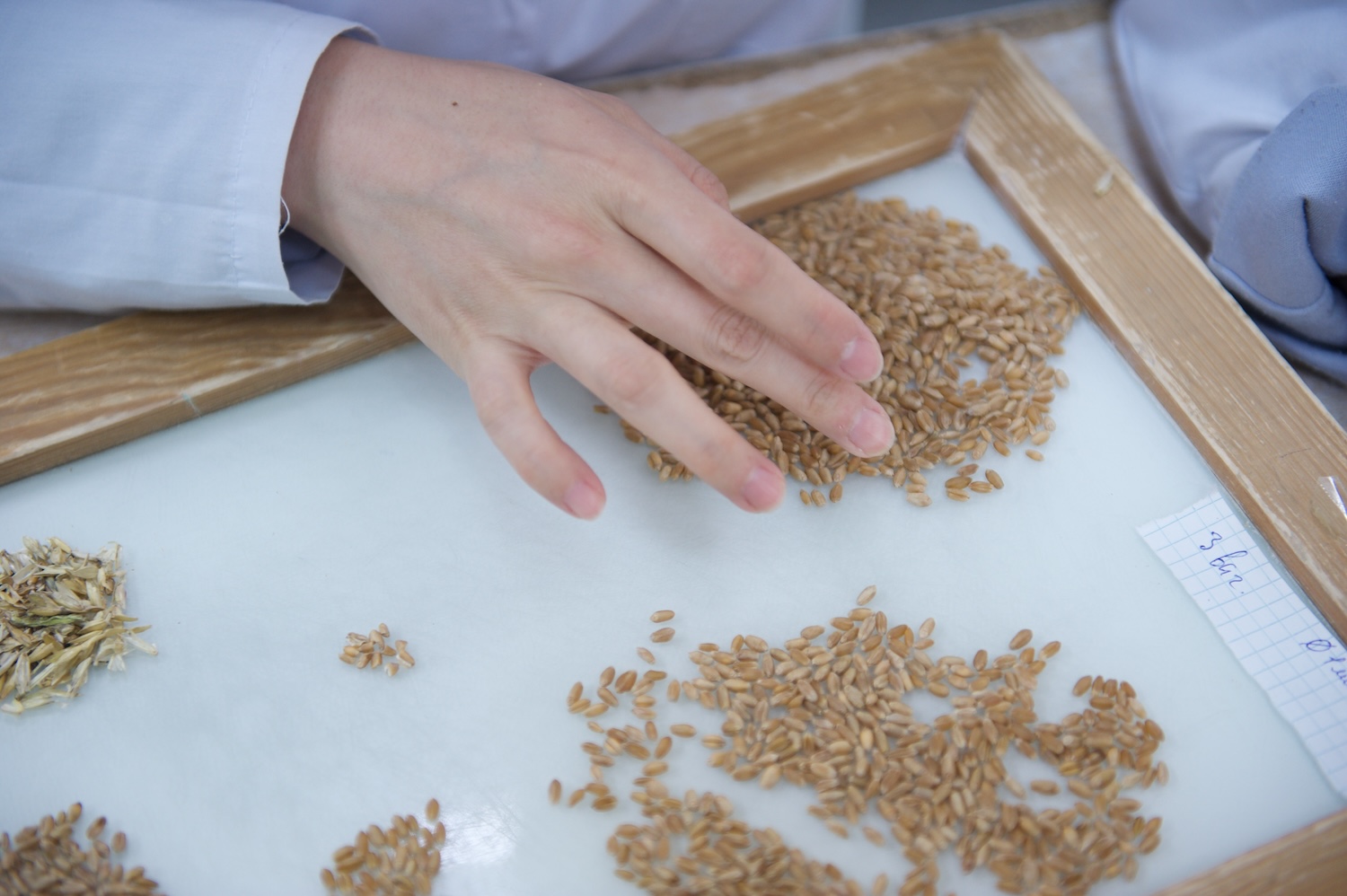
— First-grade flour is the most in demand on the market — we produce it. We can also switch to premium flour if necessary. First and premium grades include a vitamin complex with iron and other microelements. Unfortunately, second-grade flour is almost not in demand, even though it contains more nutrients because it includes parts of the grain shell.
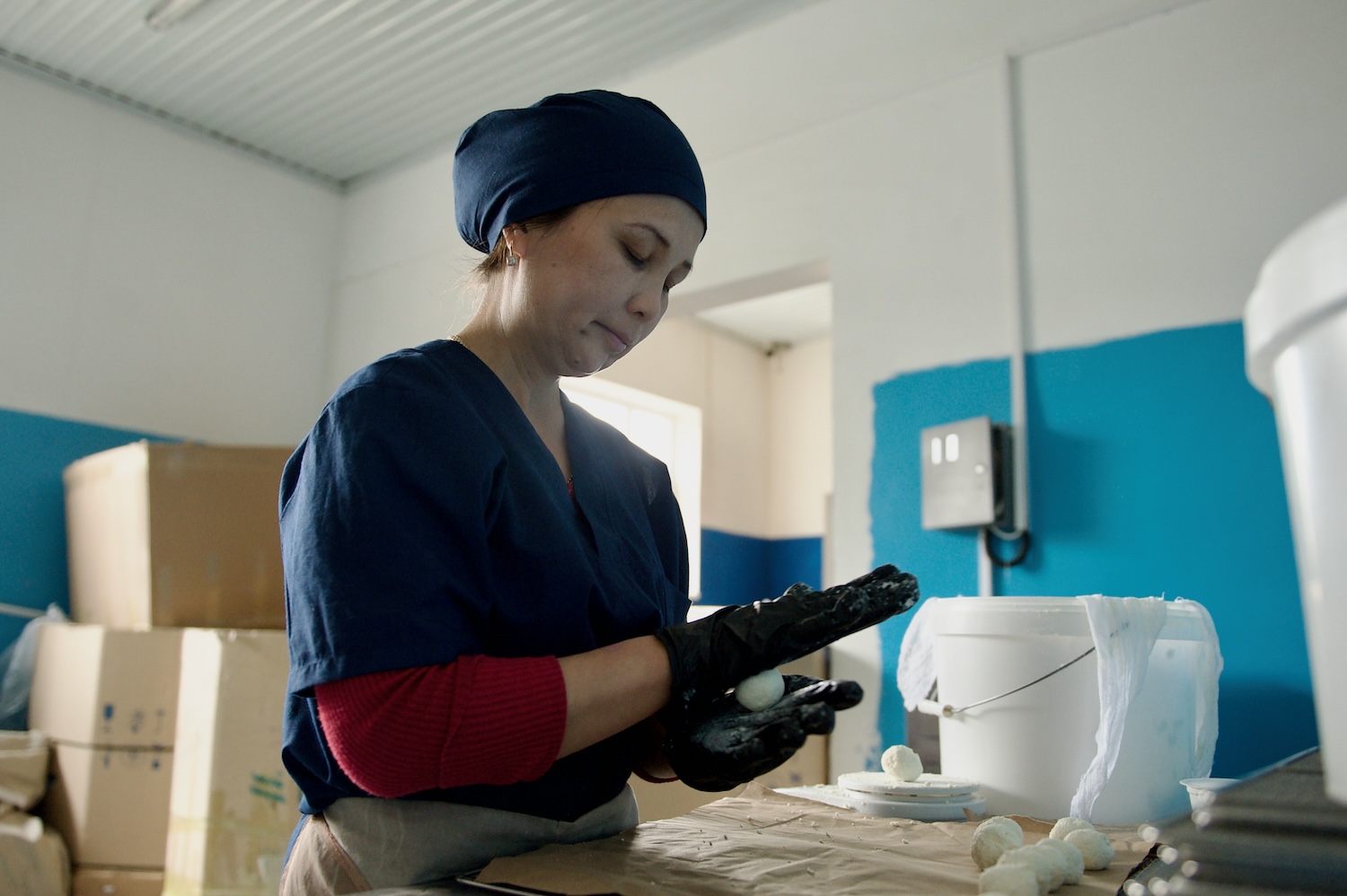
The region’s main issue is a shortage of jobs. To address this, a dairy plant operates in Beineu, employing about 100 people. In parallel, residents are developing small businesses — opening bakeries, sewing workshops, and other small enterprises.
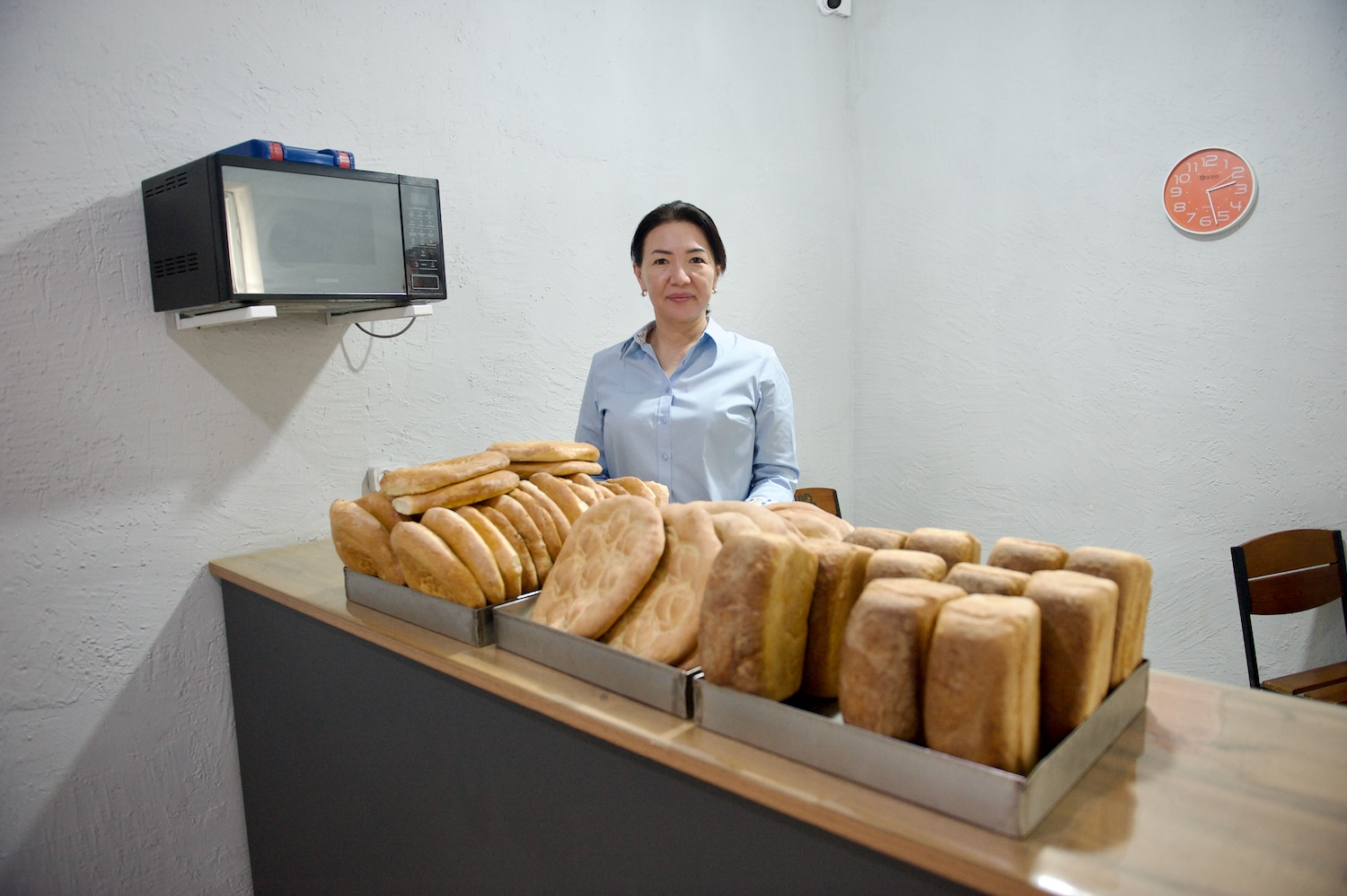
— Our family business has been operating for two years, — says bakery owner Larisa Boranbayeva. — Since January 2023, our bakery has been selling 800–1000 units of baked goods per day. We offer round loaves, wheat and rye bread. There are five or six bakeries in our district, but we are among those who started from scratch. Eight people work with us: three during the day, four at night. We do not stop even at night, because fresh bread must be delivered to shops by morning.
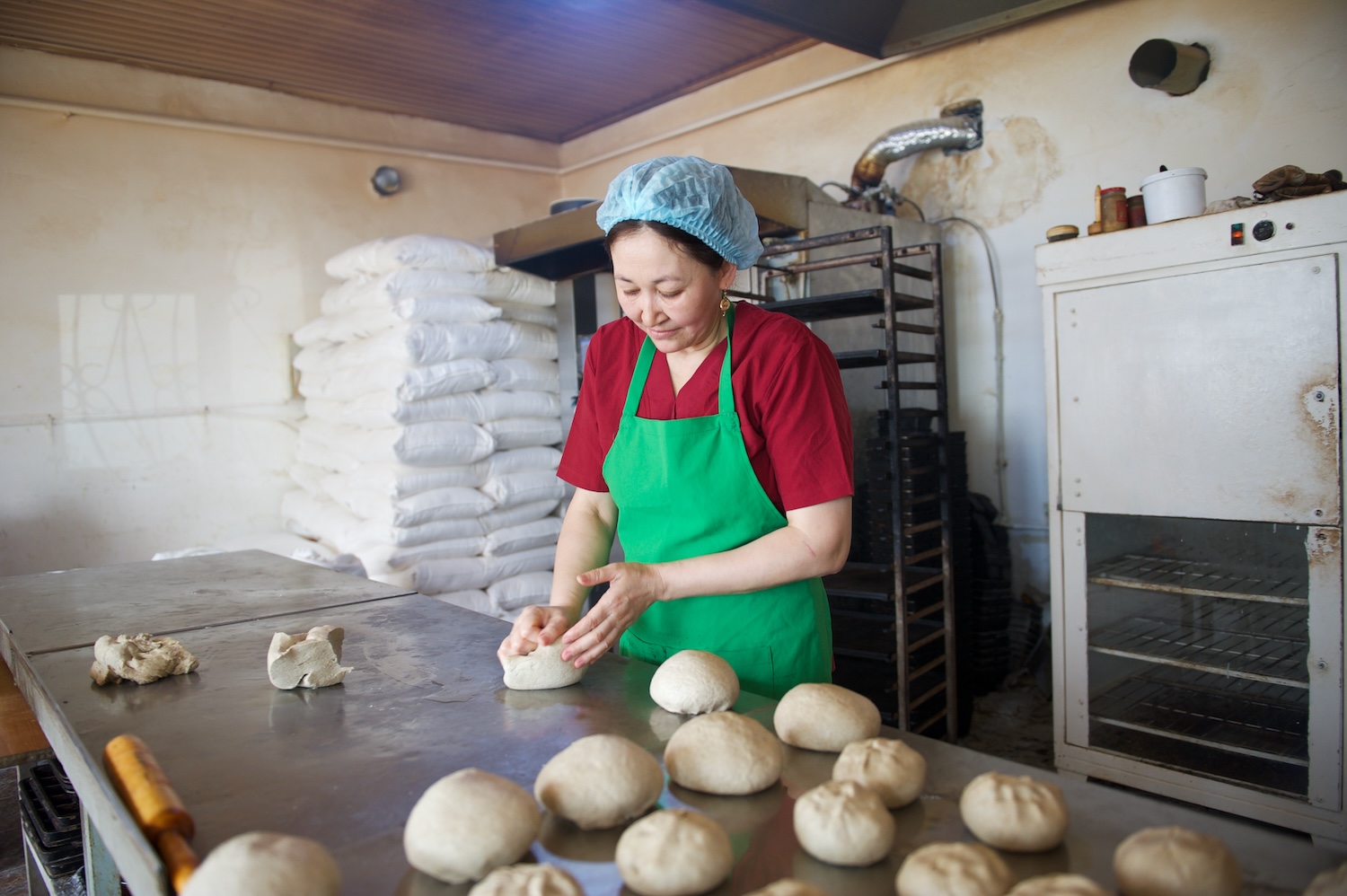
— In 2023–2024, we imported flour from the «Daulet» plant in Aktau under a subsidized program. Initially the price was 7200 tenge per sack, but with delivery it exceeded 8000 tenge. Now the subsidies have ended, and we purchase flour at a higher price — around 9500 tenge per sack. The reopening of the grain terminal in Beineu will greatly affect small businesses in our area. If flour becomes affordable, it will stabilize bread prices and benefit both entrepreneurs and ordinary residents.
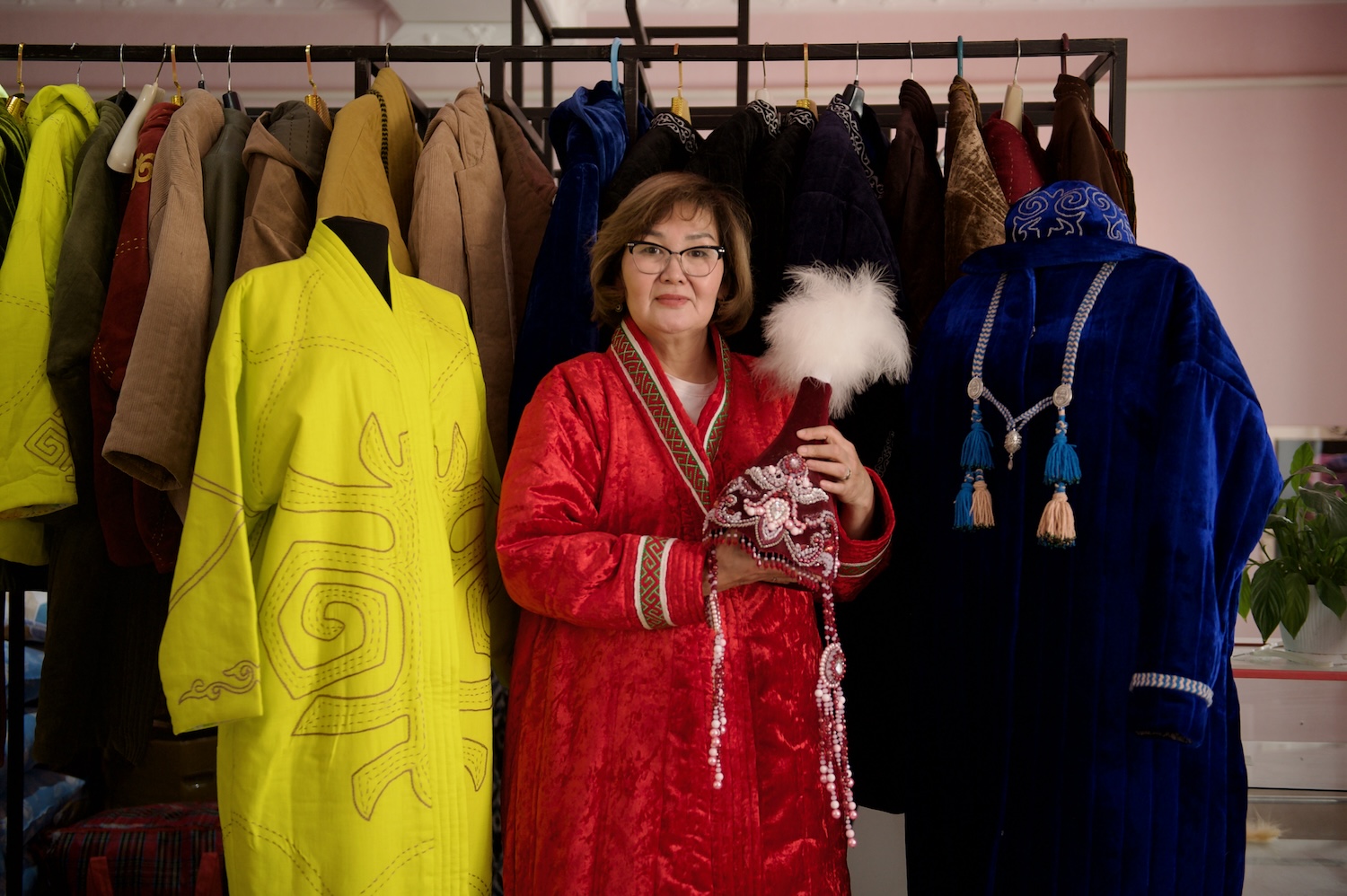
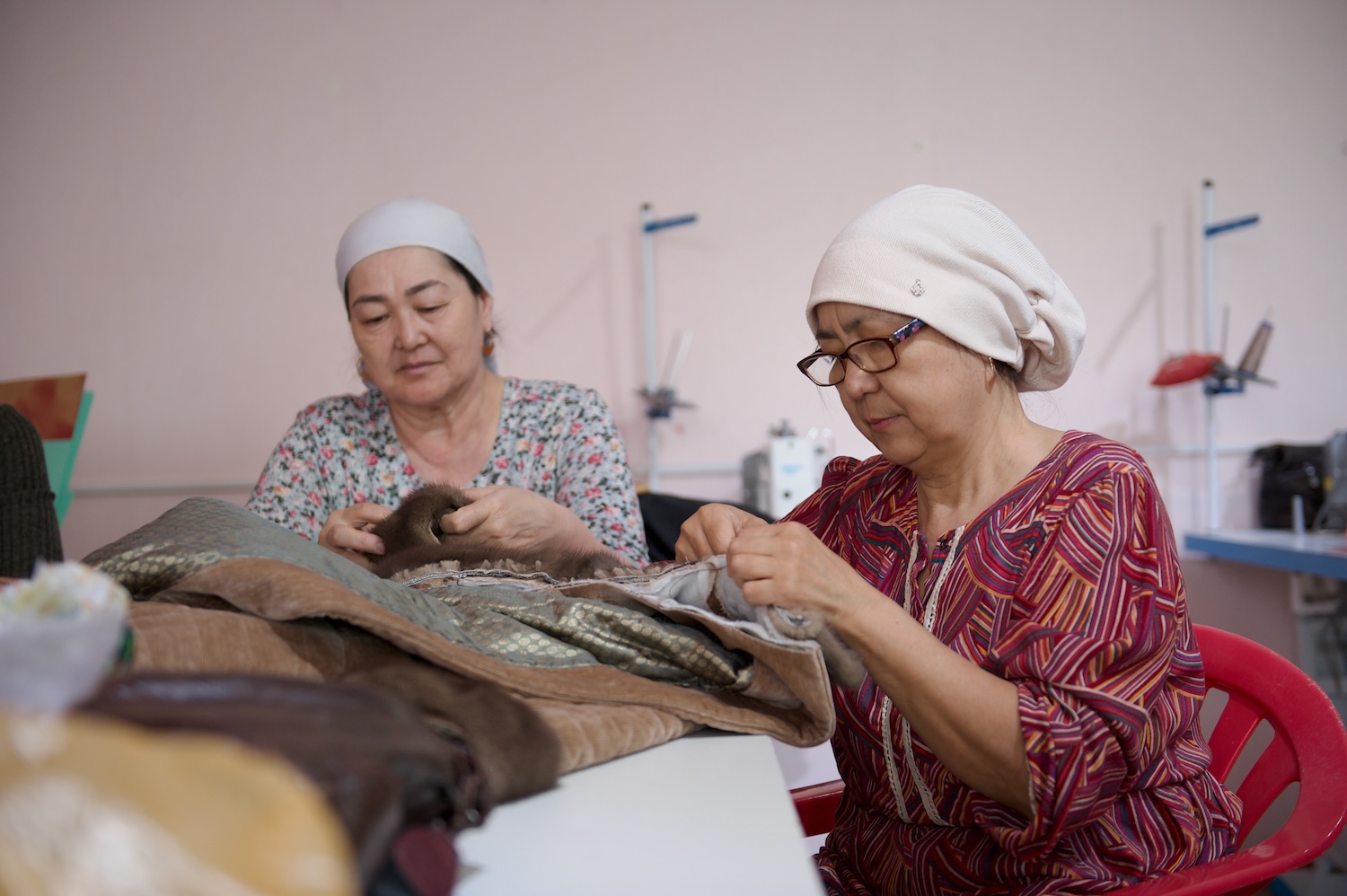
— Through the regional employment center, we hired ten seamstresses who collaborate with our own dressmakers, — says designer Zhannar Mendikulova. — This is our contribution to developing craftsmanship. Our workshop’s main goal is to preserve and reinterpret Kazakh cultural values by adapting national clothing to modern life. We create camisoles, men's and women's shapan coats, berets — garments that have already gained recognition. Our costumes participated in Best Fest Nauryz. We truly hope that in the future Kazakhstan will be able to process wool from local sheep and camels and supply seamstresses with high-quality domestic raw materials — this would be an important step forward.
— The reconstruction of the grain terminal will help reduce unemployment — a major challenge in the village — ensure the population has flour, and enable product exports. This morning I visited the Ybyrai Altynsarin School — interactive panels have been installed, classrooms have been equipped. It is heartening to see our children studying in such good conditions.
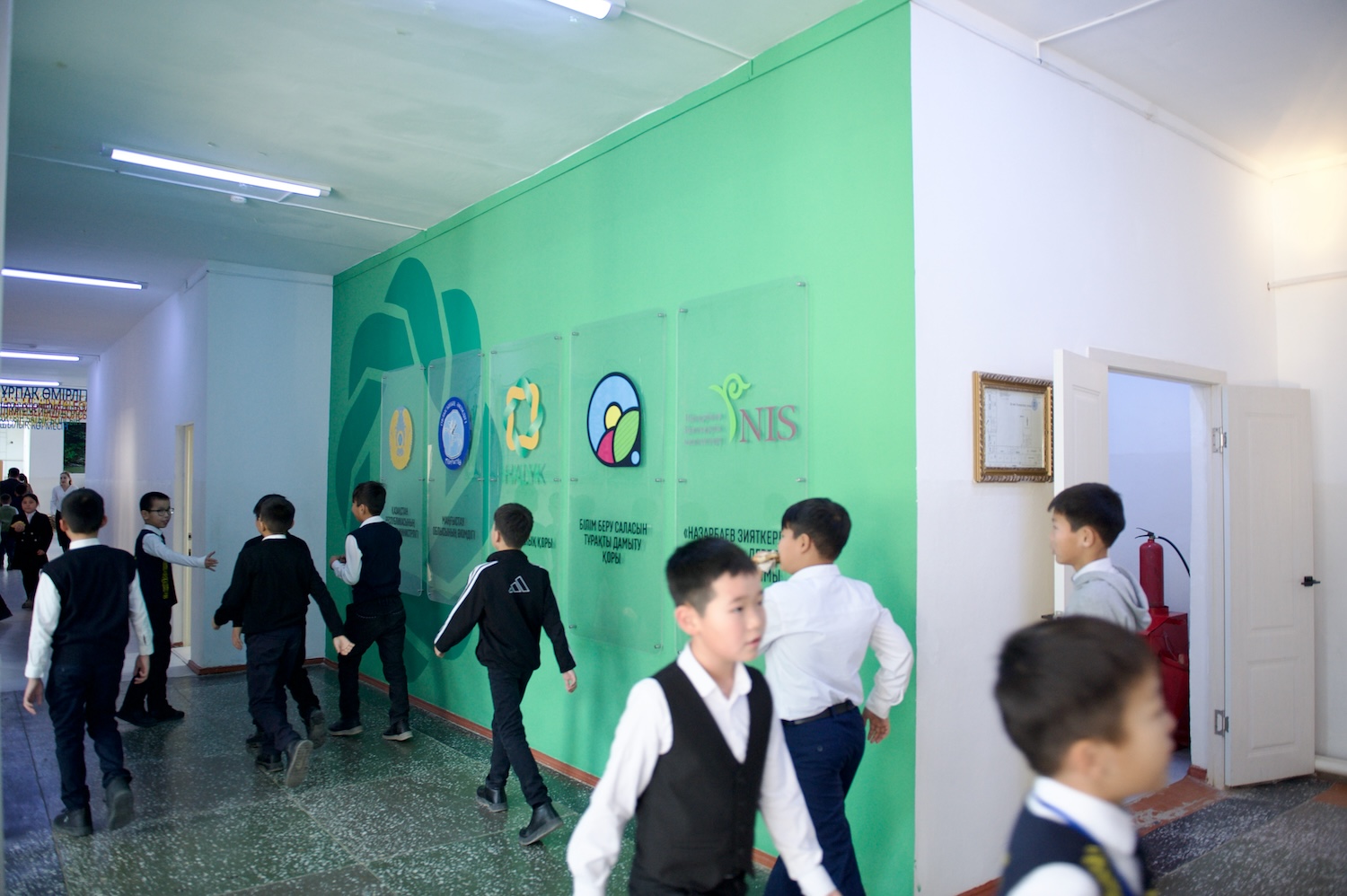
Even before the terminal launch, the village actively implemented the «Otpan» educational project. Under this initiative, the Halyk Foundation allocated 504 million tenge to modernize three schools, equipping them with modern infrastructure. This created high-quality learning conditions for more than 5,000 students and 400 teachers.
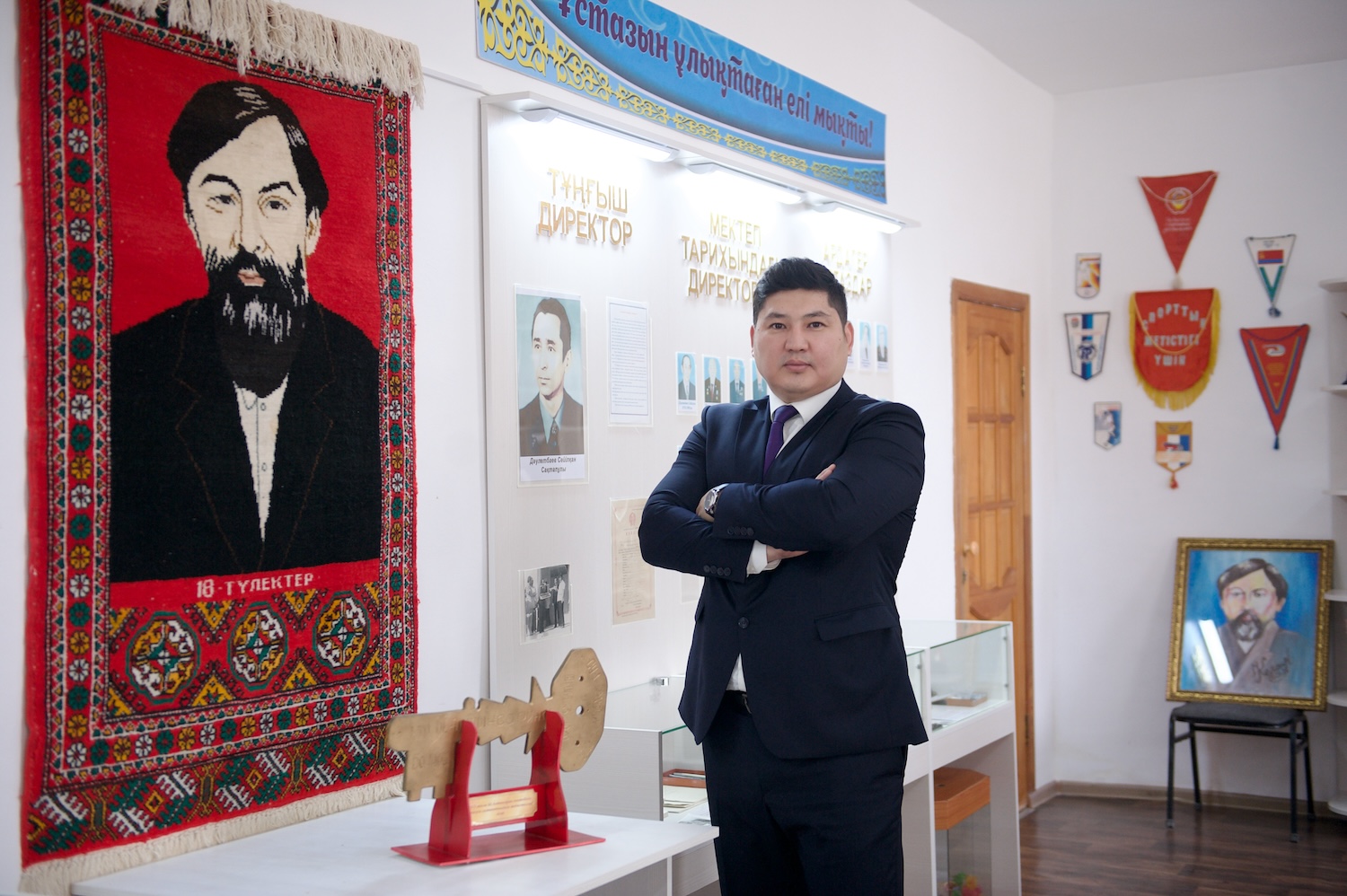
— Our school, named after the great educator Ybyrai Altynsarin, was founded in the 1970s, — says school director Sagatbek Zhubanov. — In 2019 the building underwent major repairs, and in 2020 we officially reopened as a general education institution. Today, 180 staff members work here, including 88 teachers. Thanks to the «Otpan» project supported by the Halyk Foundation, we were able to re-equip the school with 144 million tenge, purchasing new equipment for 21 educational spaces — from Kazakh language classrooms to laboratories and a television studio. This project helps us reduce the gap between urban and rural education. Our students win prizes in Olympiads and competitions in robotics, sports, and scientific projects.

— Support from the Halyk Foundation plays a huge role for our district. Today, one of the most pressing issues is unemployment, and the launch of the grain terminal partially solves it. The second major benefit is affordable feed for livestock owners: when feed is produced locally, it costs less and has higher nutritional value. This is especially important in periods of winter shortages. As for the «Otpan» project — when these children grow up and become professionals, heads of major companies, or even philanthropists, they will remember the support they received today and will surely pass it on. This is how important the contribution of the Halyk Foundation is to the development of Beineu, — summarizes director Sagatbek Zhubanov.
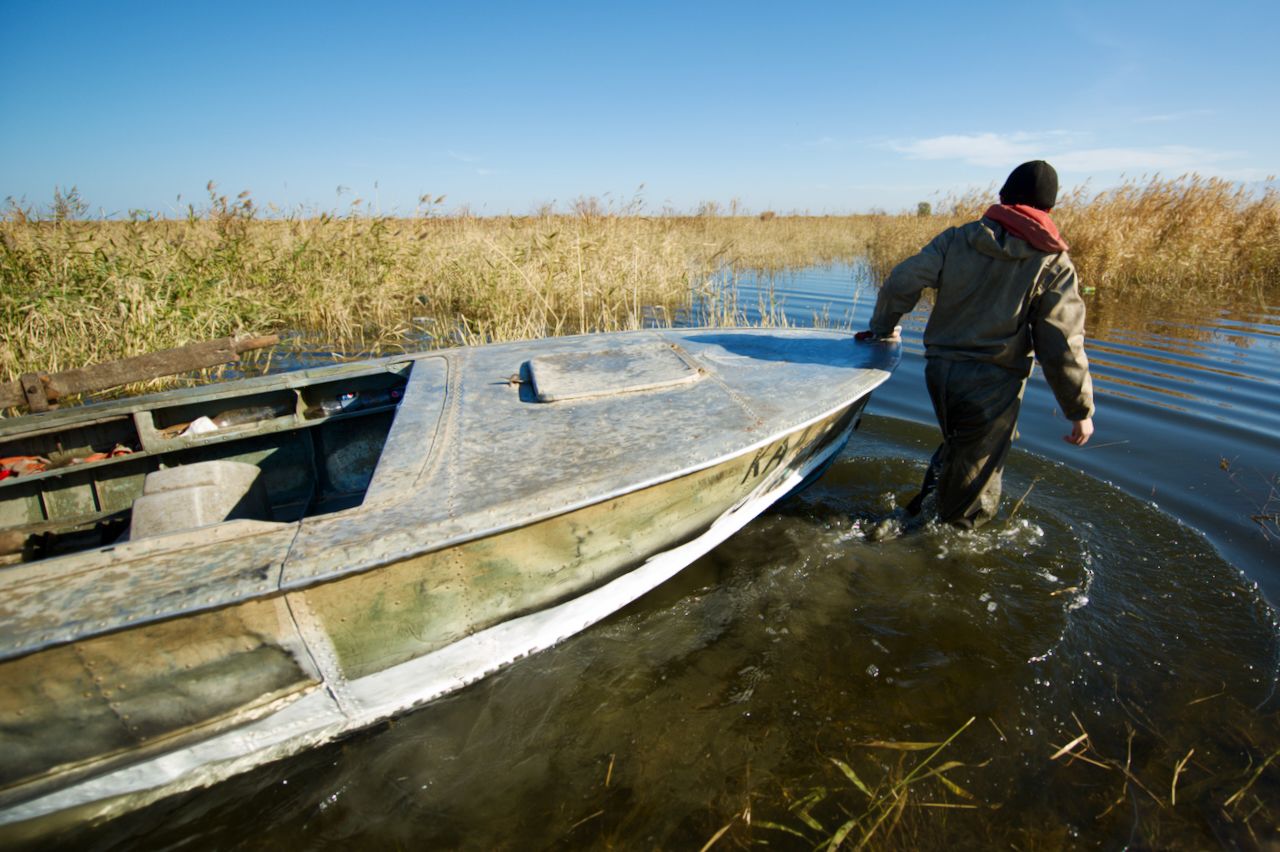
A documentary story of Koldy’s fishermen, their lives and traditions…Photo report by Karlygash Nurzhan for Shanger.kz
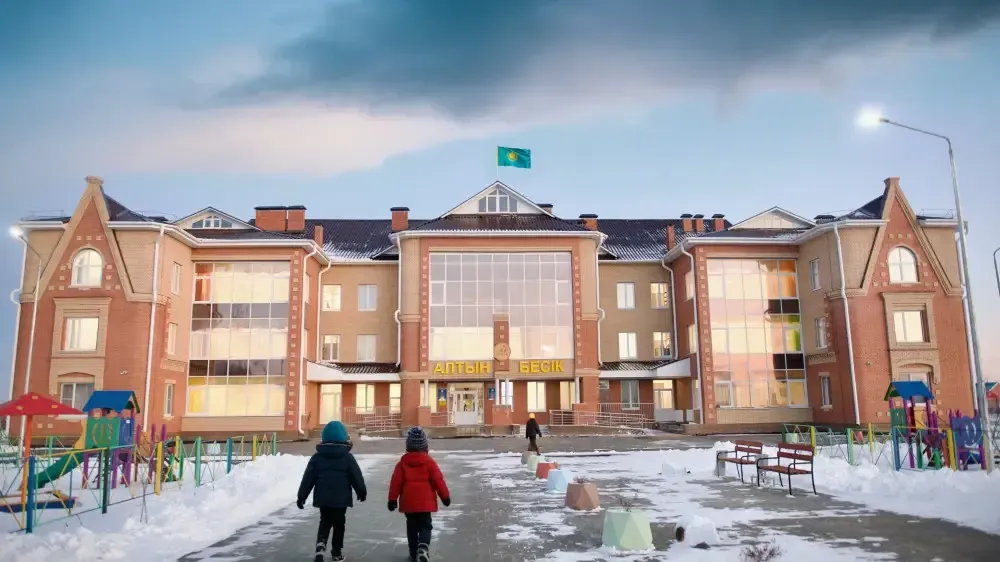
В селе Аулиеколь открыт новый детский сад «Алтын бесік», оснащённый по международным стандартам и прозванный «Аулиекольским Хогвартсом».
Comments
No comments yet. Be the first to comment!