In the Footsteps of Chinggis Khan: Journey to Mongolia
VoxPopuli and Karla Nur
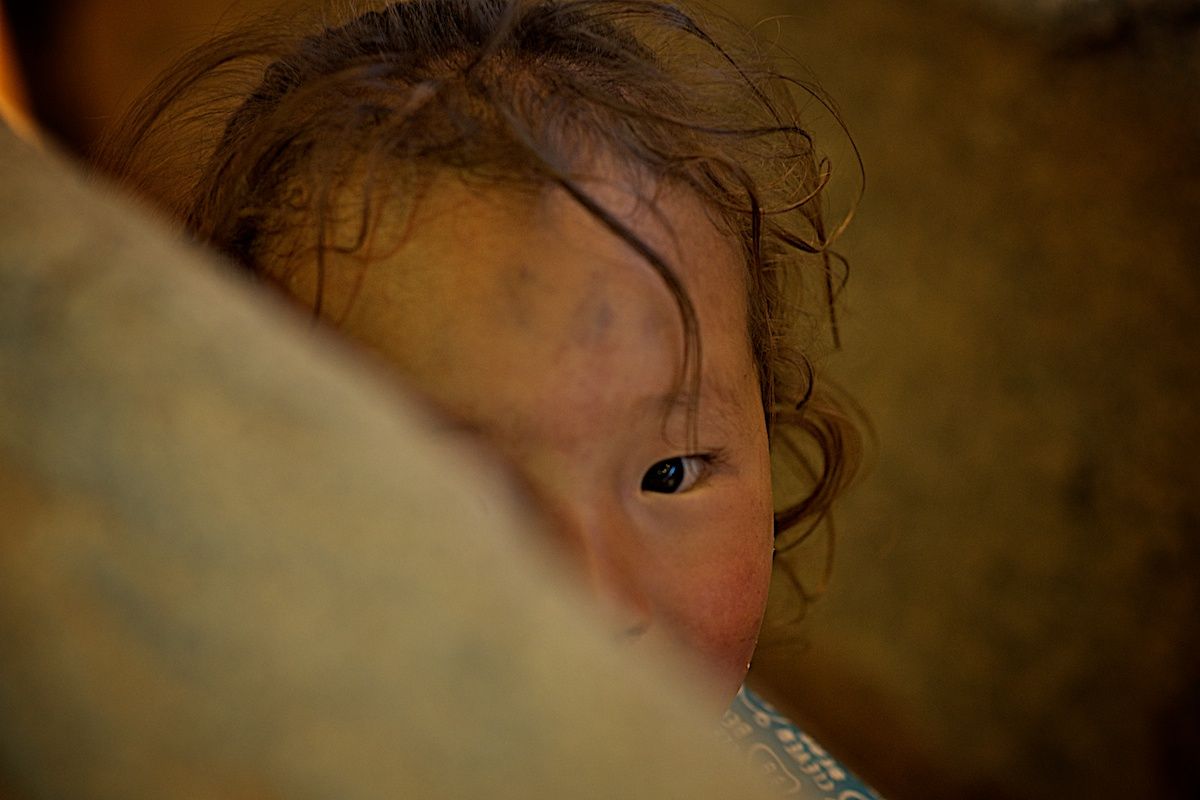
After traveling 6,000 kilometers across rough terrain, on the 9th day of the journey, the participants of the expedition “In the Footsteps of Chinggis Khan” finally reached the sacred place shrouded in ancient history. It was here, on the bank of the Onon River, that in 1206 the military commander Temüjin was proclaimed a khan and given the title Chinggis Khan. This is the very place where Mongol tribes united under the wing of Great Mongolia, creating an unstoppable empire — and the place where the history of the Turkic peoples began.
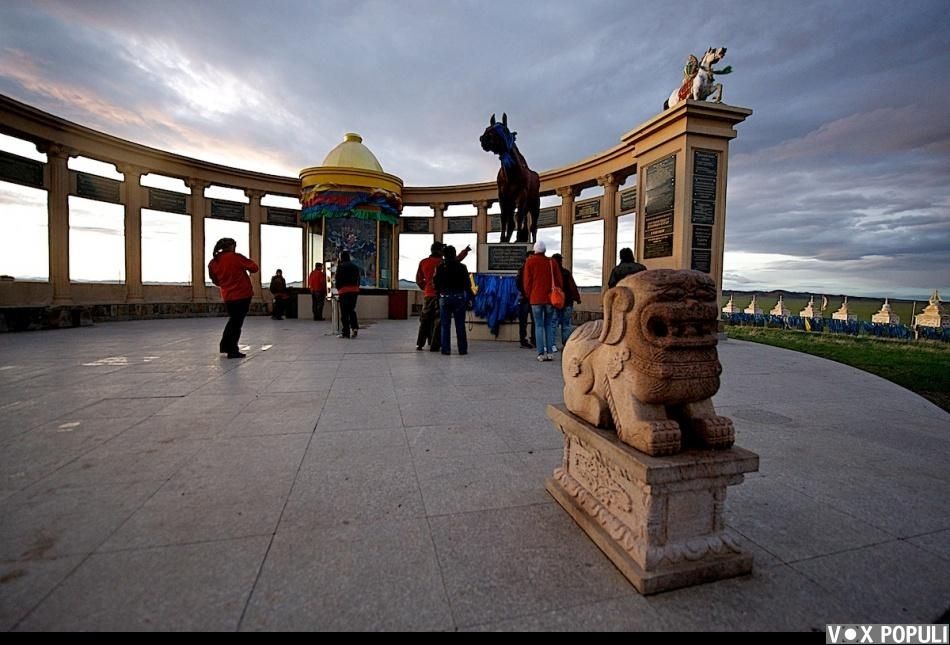
Our next destination is the city of Karakorum — the capital of the Mongol Empire from 1220 to 1260. But there are still 100 km ahead. Along the way, we stop to see the “Horse of Happiness” memorial in Övörkhangai Province, Mongolia.
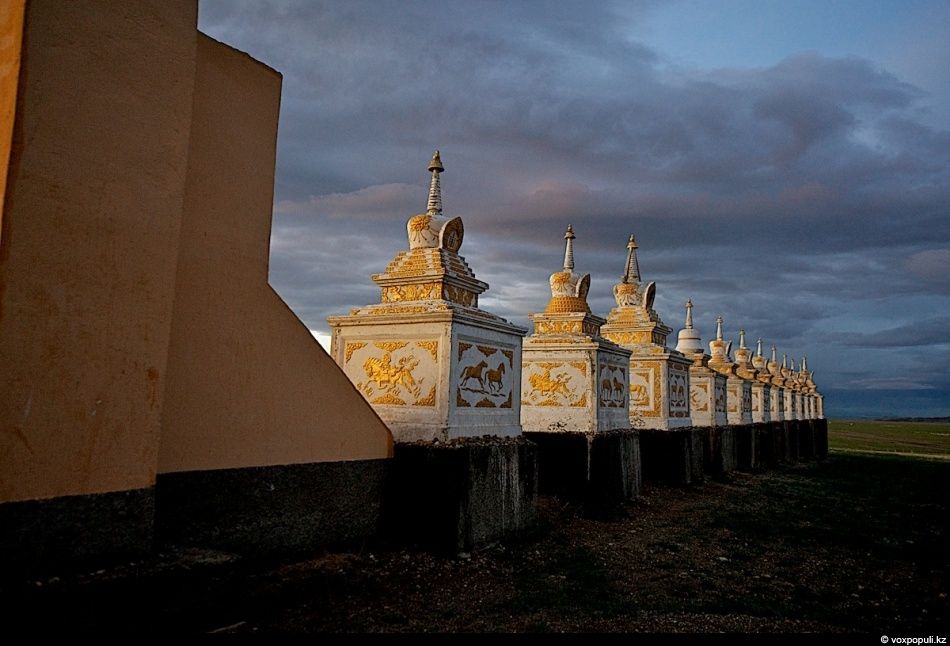
Erdeni Mori — the Horse of Happiness in Mongolian epic — is depicted on an ancient stupa. The appearance of Erdeni Mori carrying the flaming Treasure of the World, the magical Chintamani stone, symbolized the coming of a New Era. “Since ancient times, Erdeni Mori wanders, and his Treasure shines. At sunrise and sunset all becomes silent — it means the great white horse is passing somewhere...”
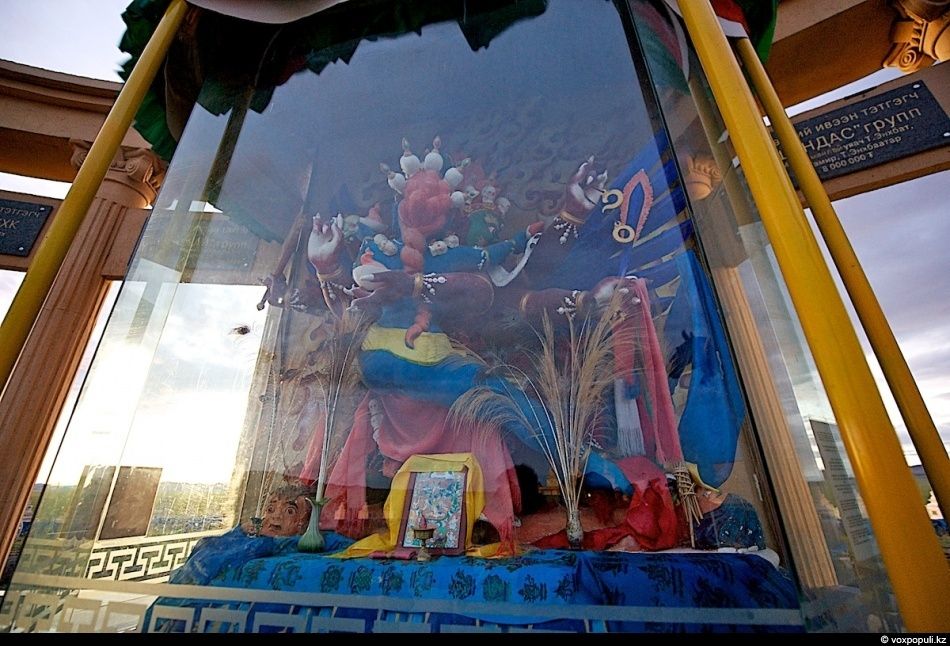
Bukhran (a sculpture of a saint), Janraiseg.
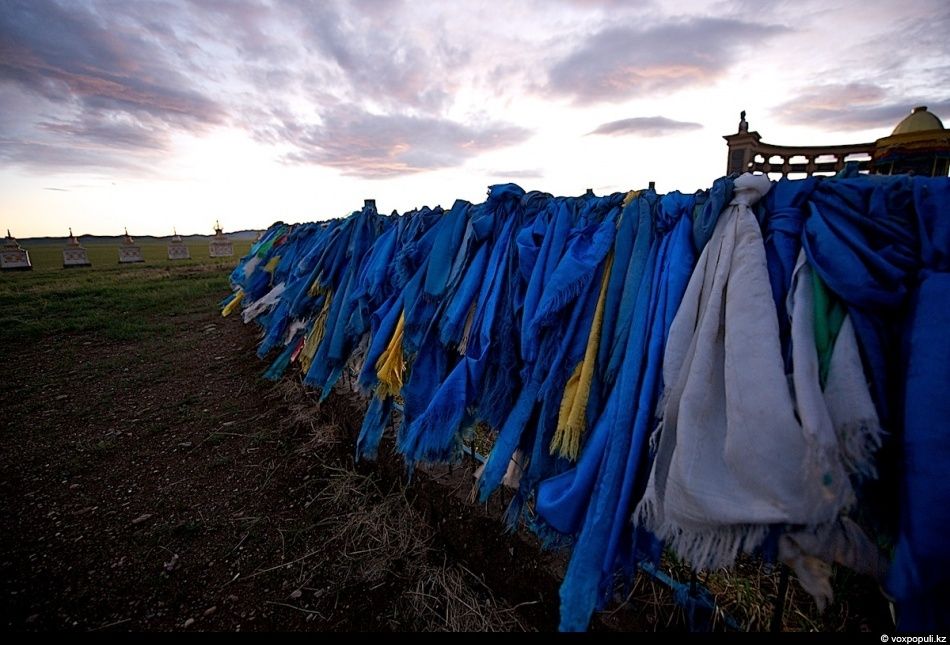
Blue “khadag” ribbons are tied around the memorial — they are widespread in Mongolia and symbolize respect and blessing.
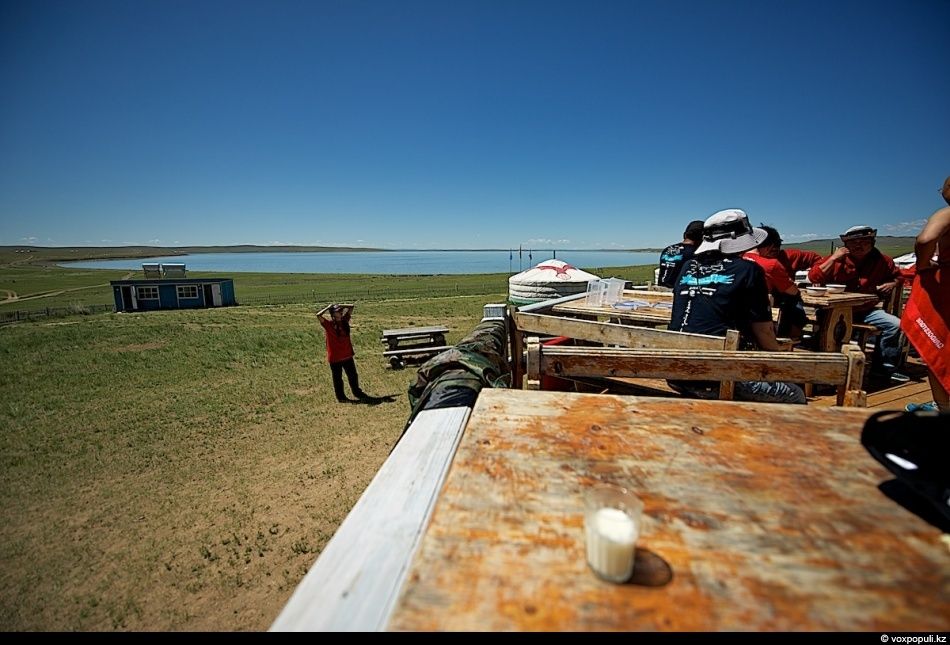
The next morning, participants awoke in yurts at the “Ogii Nuur” tourist camp near Karakorum. The road to the camp descended sharply, so the group was only able to rest at 4 a.m.
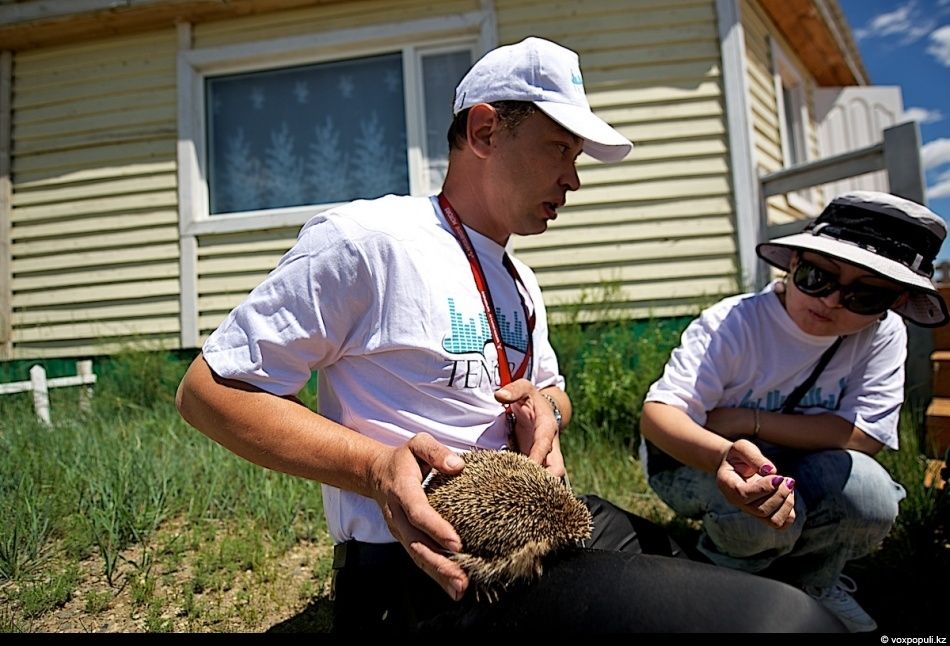
After breakfast, curious tourists brought a hedgehog. “It’s a female,” said our driver Evgeniy. “Judging by her round belly, she’s pregnant.” Evgeniy once kept hedgehogs at home for many years, so he recognizes them well.
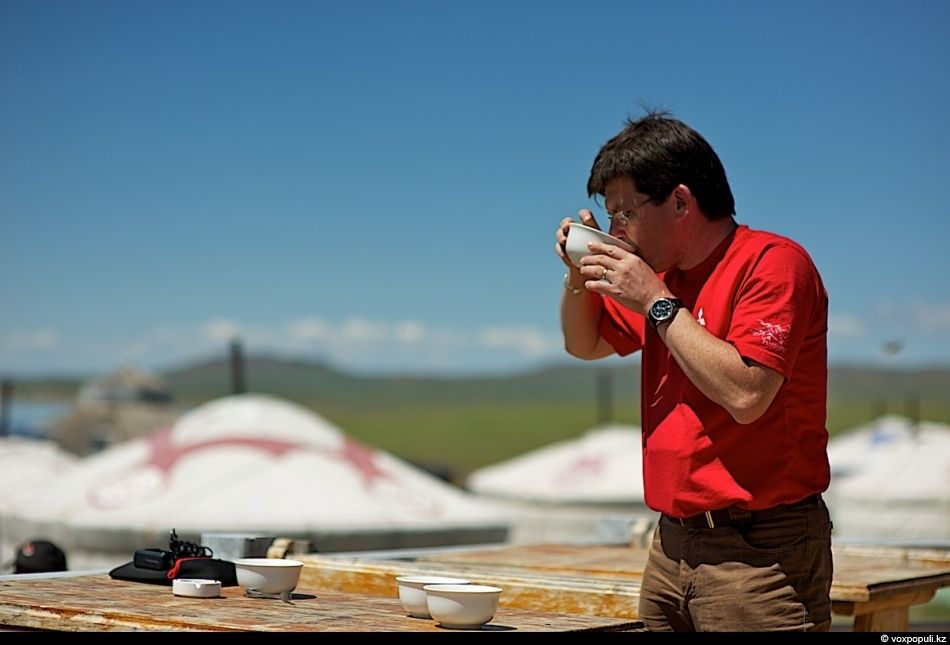
Turkologist Robert drinks his last cup of kumys before departure. It is time to visit the historical sites.
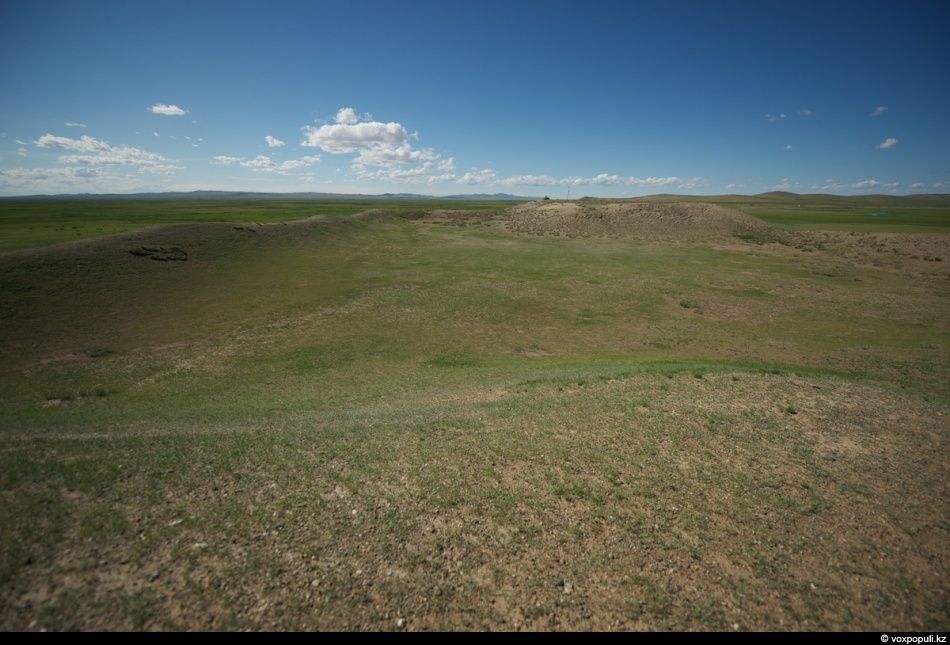
Here, in the VIII–IX centuries, stood the ancient city of Chilen Balik.
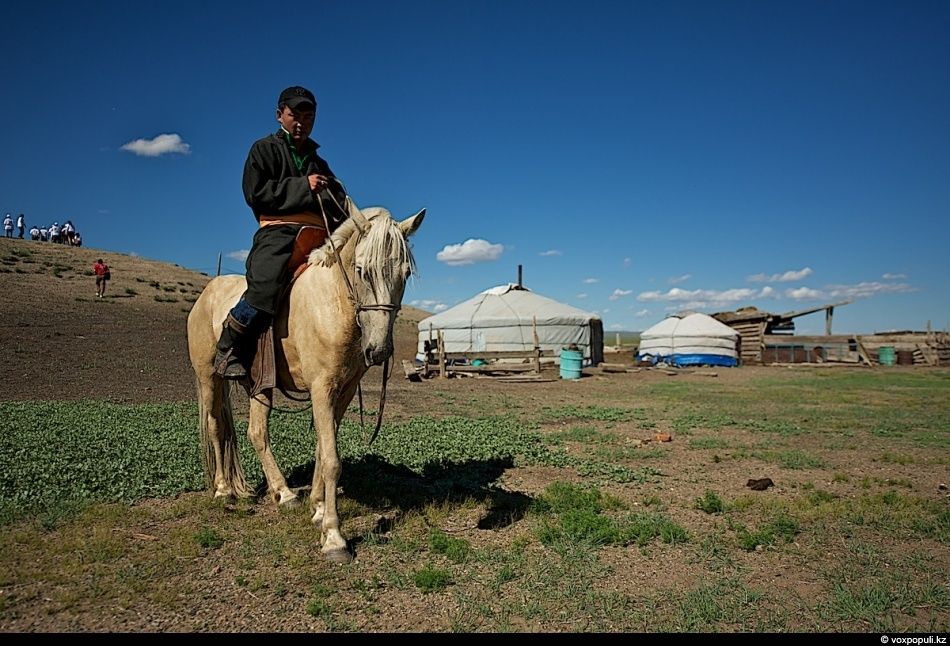
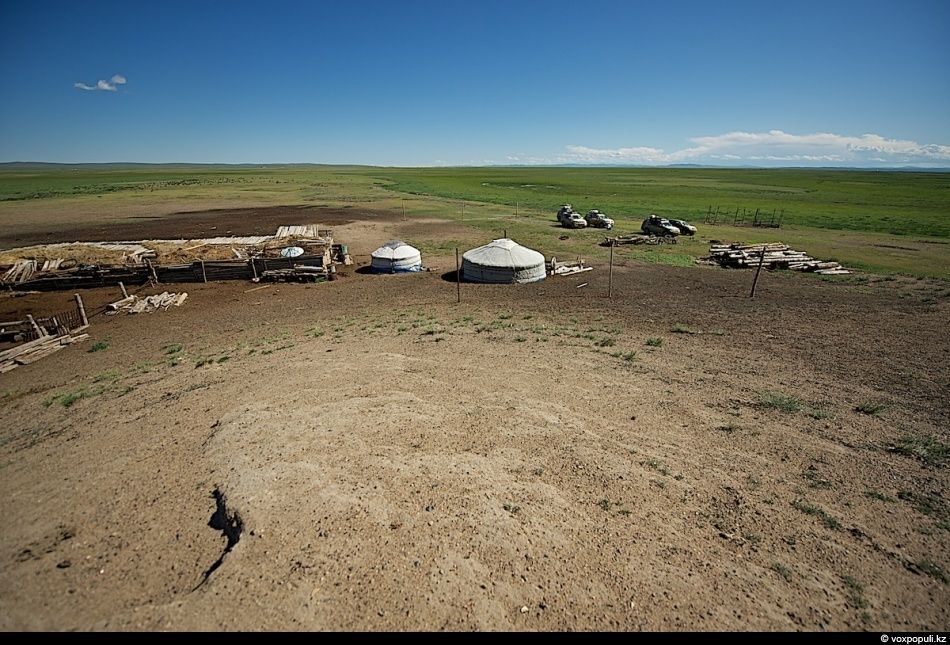
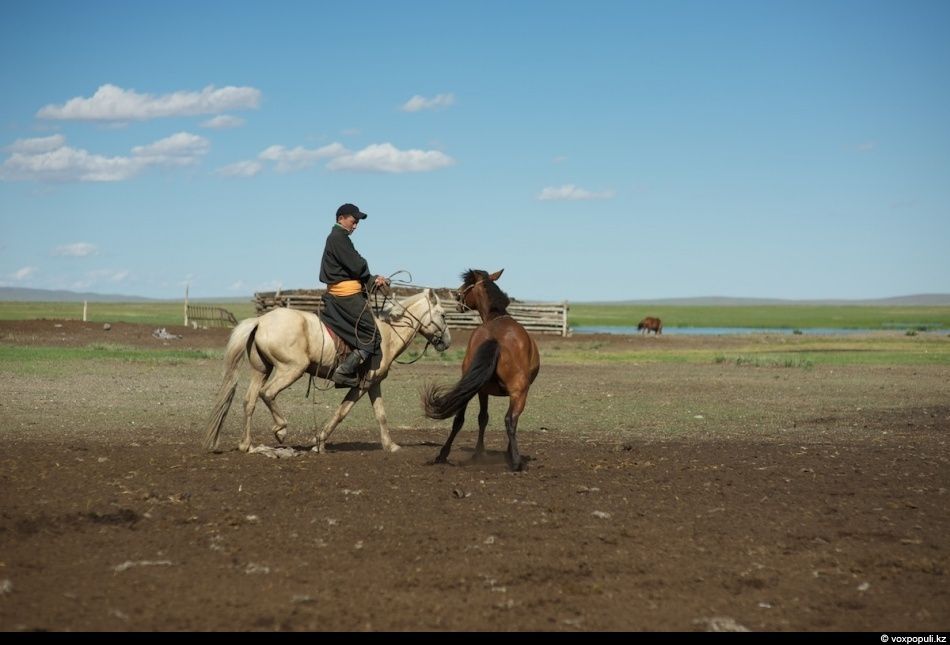
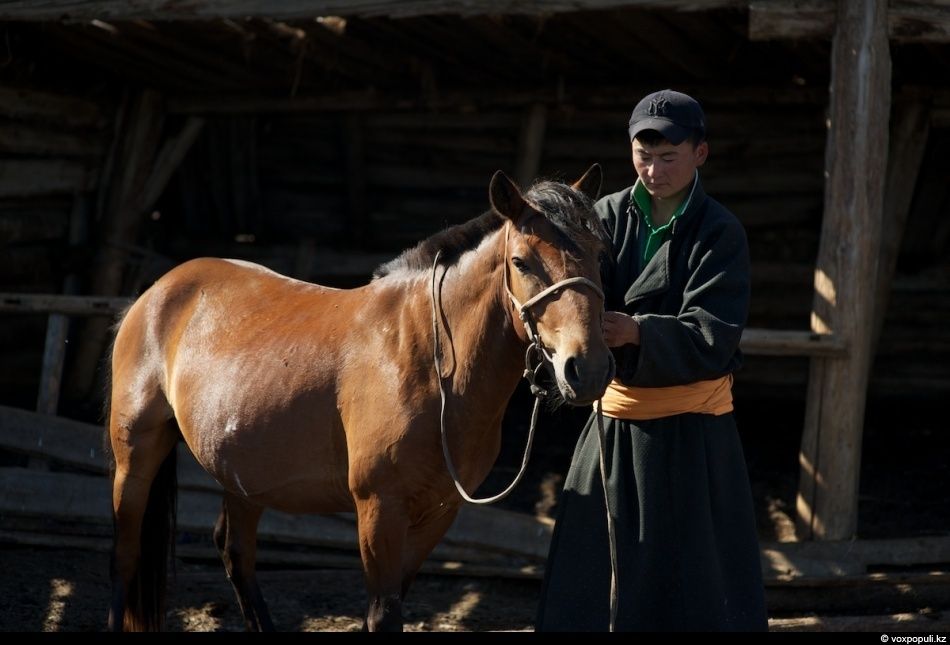
Next to it is a small farmstead where residents raise livestock and at the same time look after the ruins.
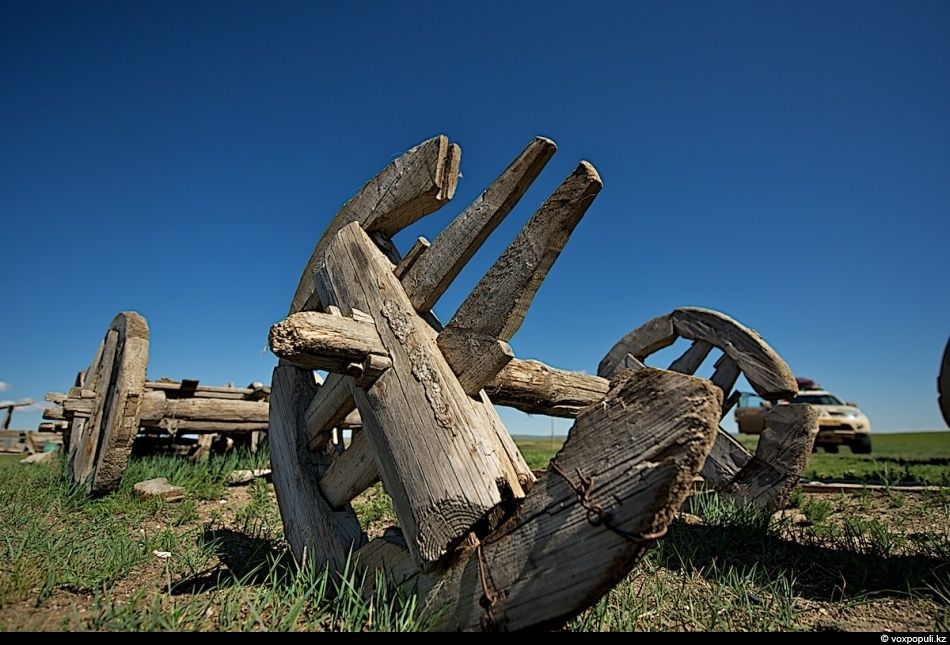
A broken cart with an unusual wheel structure draws the group’s attention.
— “In Mongolian, a wooden cart is called ‘modon tereg’,” explains Turkologist Napil Bazylkhan.
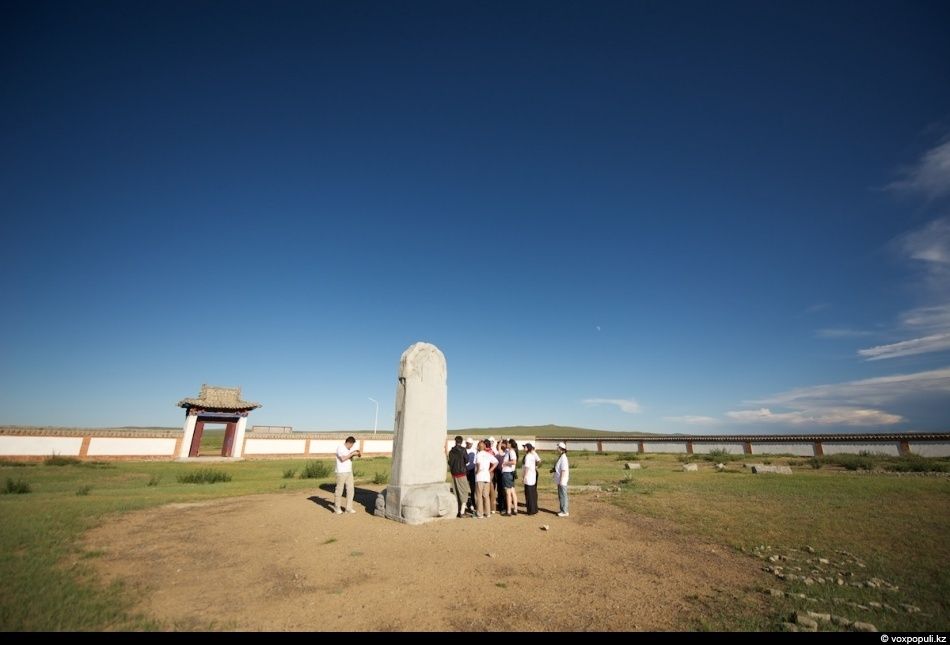
The most important place is the memorial complex dedicated to the great commander and prince of the Second Turkic Khaganate, Kül Tegin, who lived in the VIII century. The complex is located 45 km north of ancient Karakorum on the left bank of the Orkhon River. Inside the complex stands only a replica of the famous stele — the original is kept at the Mongolian Archaeological Institute.
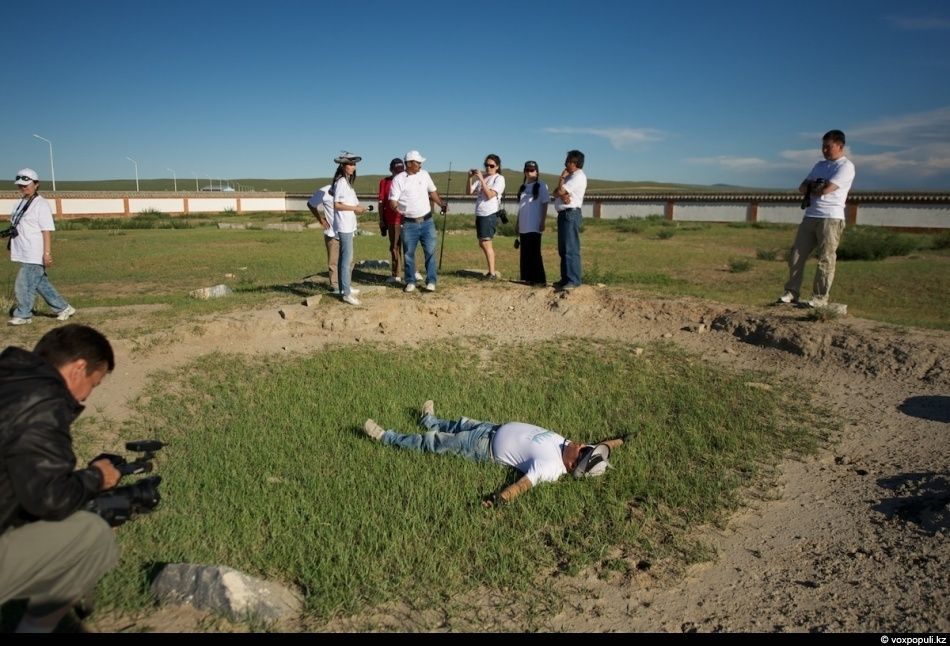
Director Rustem Abdrashev draws energy from this sacred place — it was here that the monument to Kül Tegin was discovered. The brilliant Turkic commander became known for his heroic feats from the age of 16.
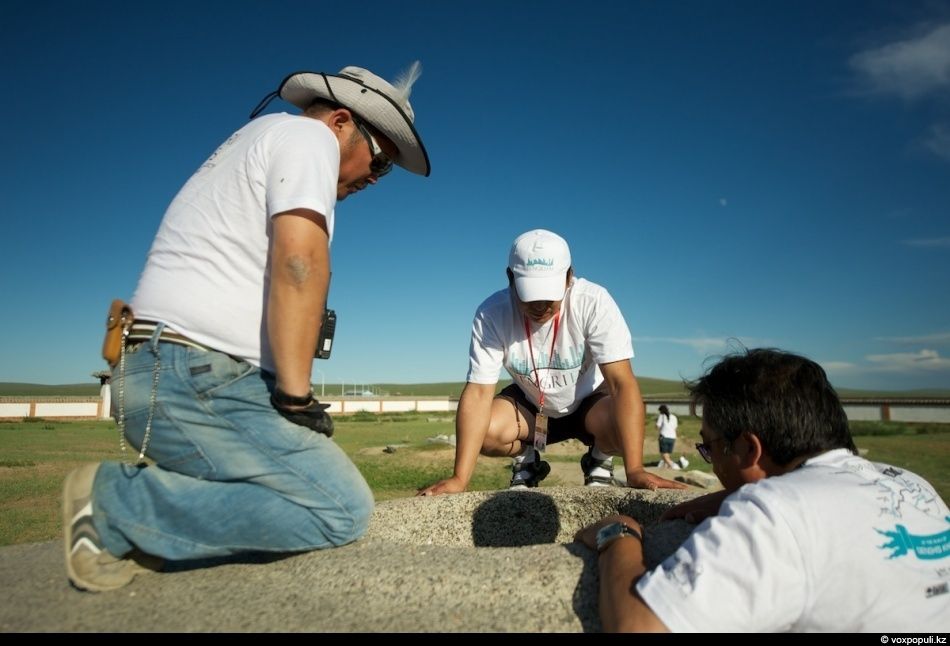
A stone slab with a one-meter deep hole into which tourists throw coins.
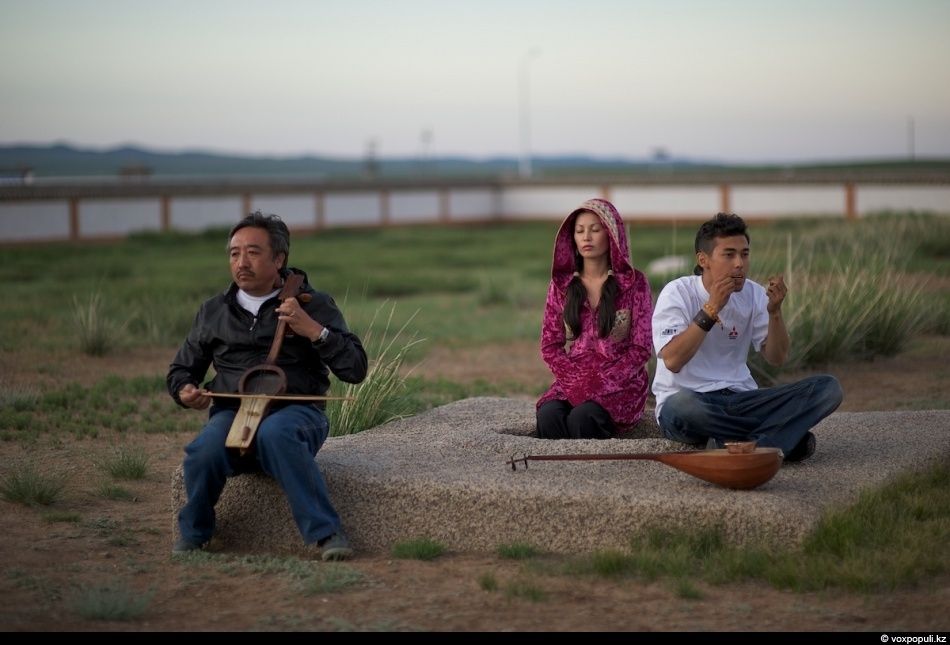
To remember this place and film a documentary, the “Tengri” group performs a Kazakh song.
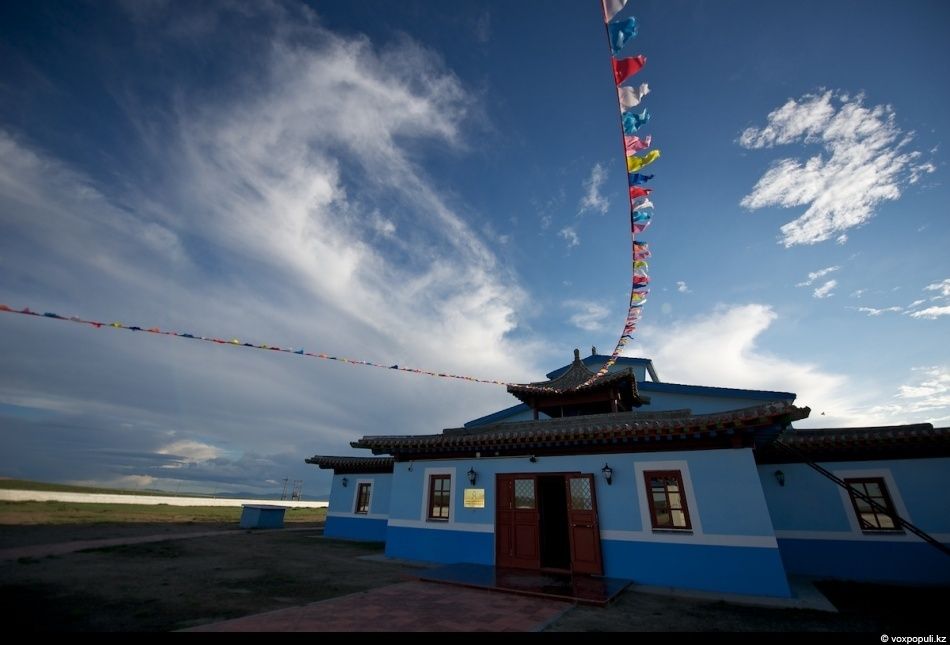
Near the memorial stands an archaeology institute built with Turkish funding.
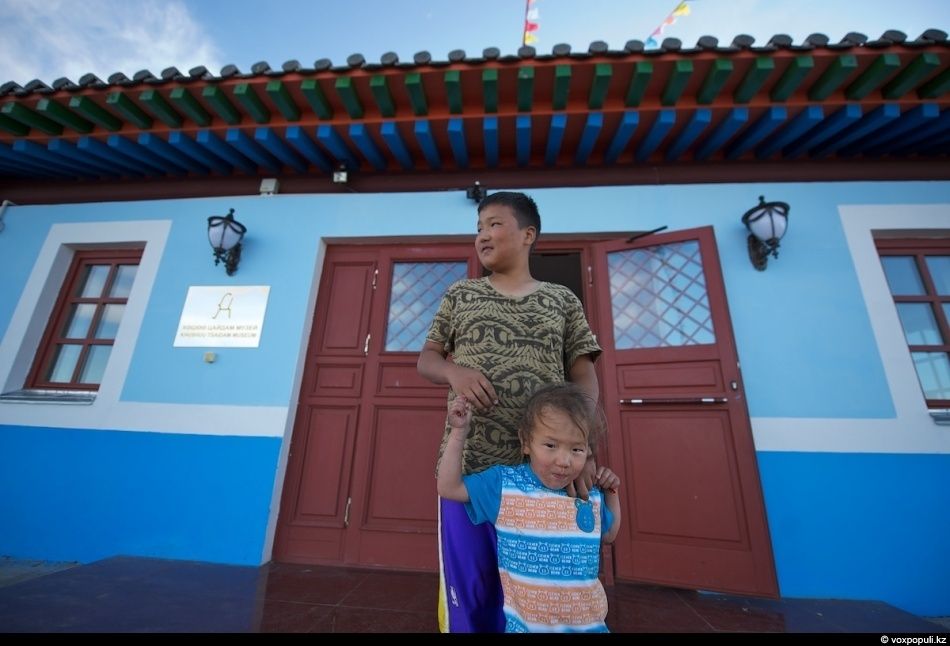
Since 1997, under a Mongolian-Turkish agreement, archaeological excavations and preservation of historical monuments have been carried out here.
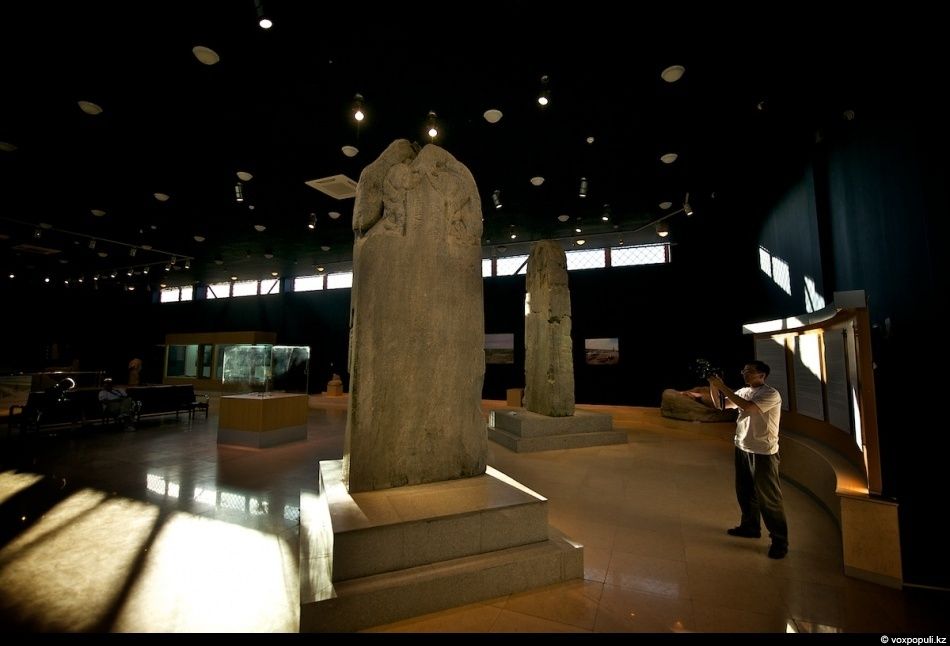
The original Kül Tegin stele is stored here. The marble stone is decorated with three fighting dragons and the “khagan” symbol carved in the form of a deer. The entire surface is covered with ancient Turkic inscriptions.
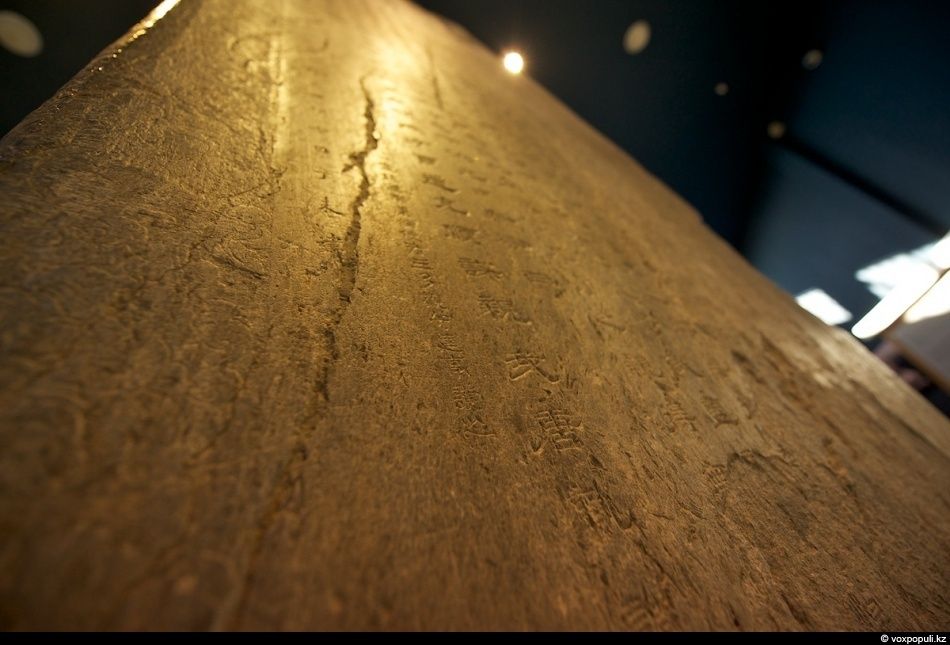
The key to reading Turkic inscriptions was discovered by Danish linguist Vilhelm Thomsen in 1893. A translation of the ancient text can be read here.
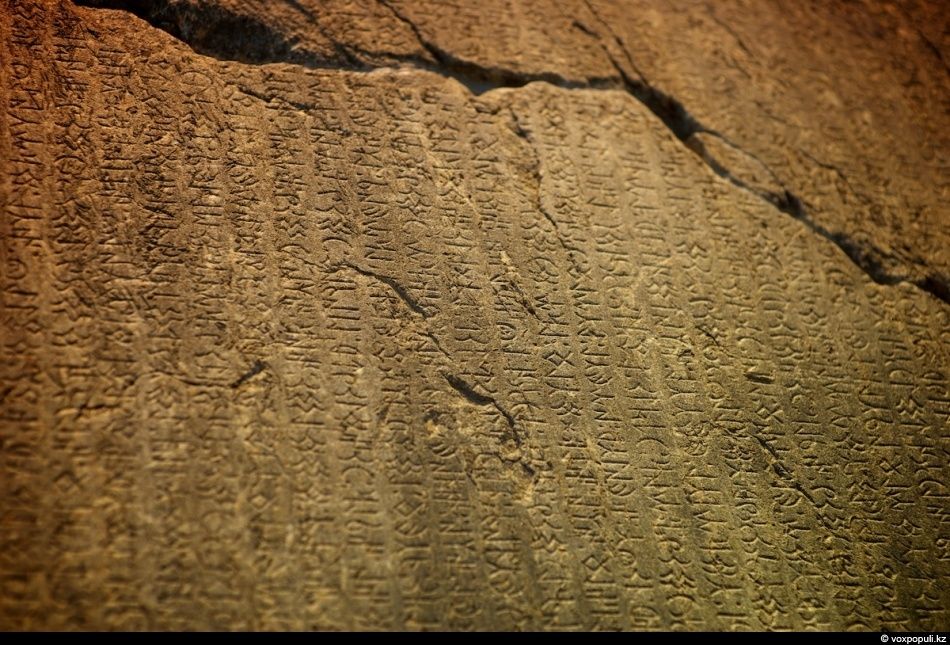
In 1956, the upper part of the stele was badly damaged by lightning.
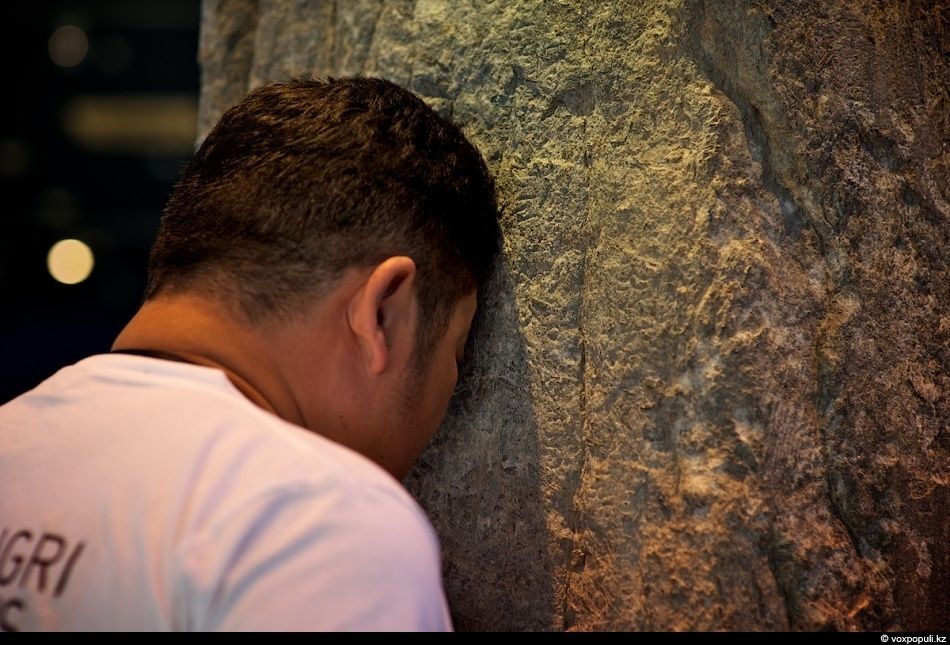
Here, Rustem Abdrashev again draws energy by leaning against the sacred stone.
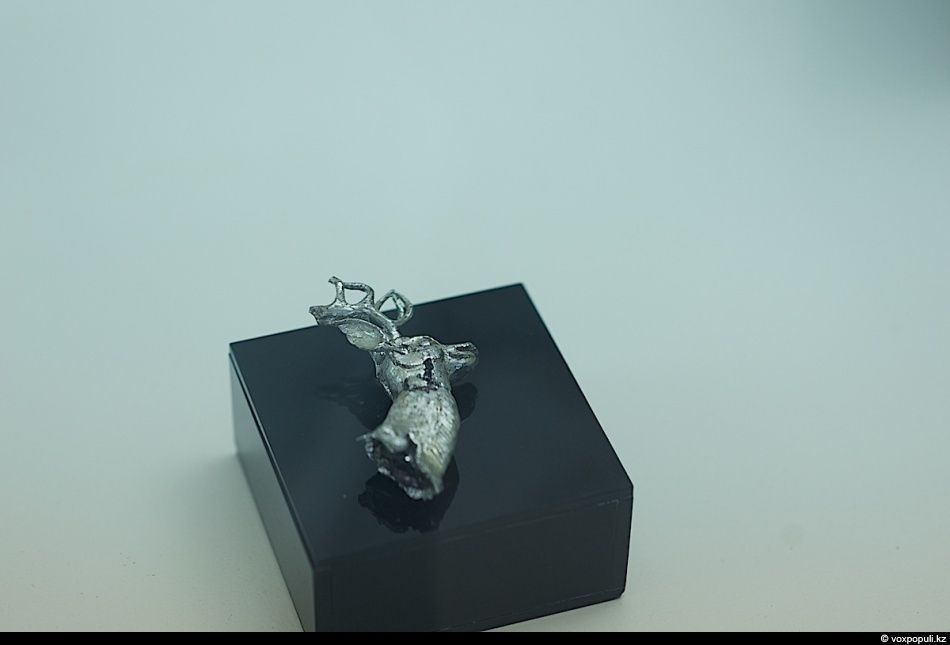
Silver ornaments found in Kül Tegin’s burial.
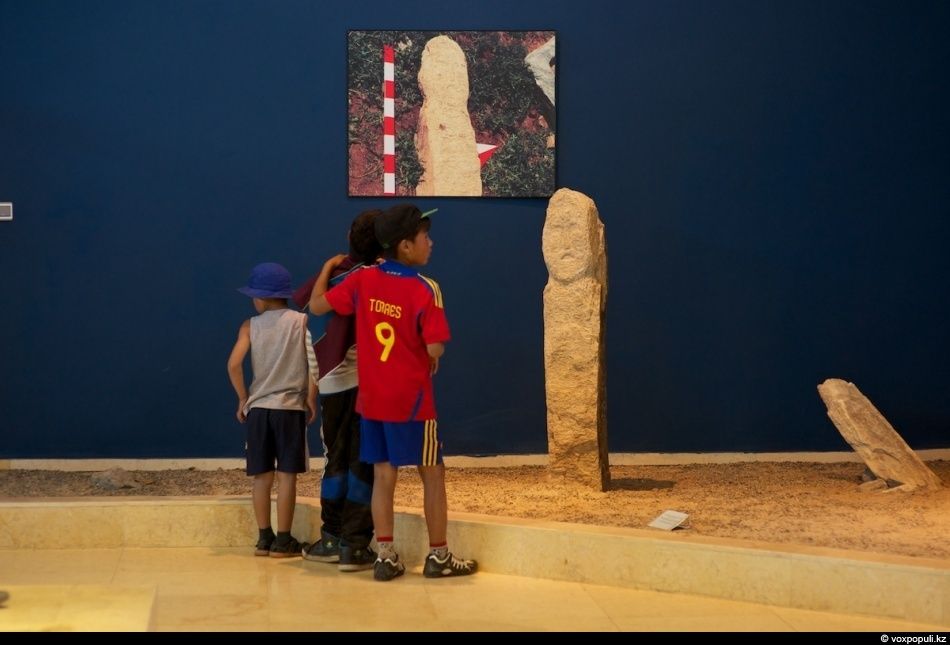
A stone statue of the Turkic period — a balbal. These statues were widespread from Mongolia to the South Russian steppes. Each was made differently depending on the tribe. Most depict male figures with heavy brows and drooping mustaches. Earlier balbals resemble flat slabs with carved faces and hands.
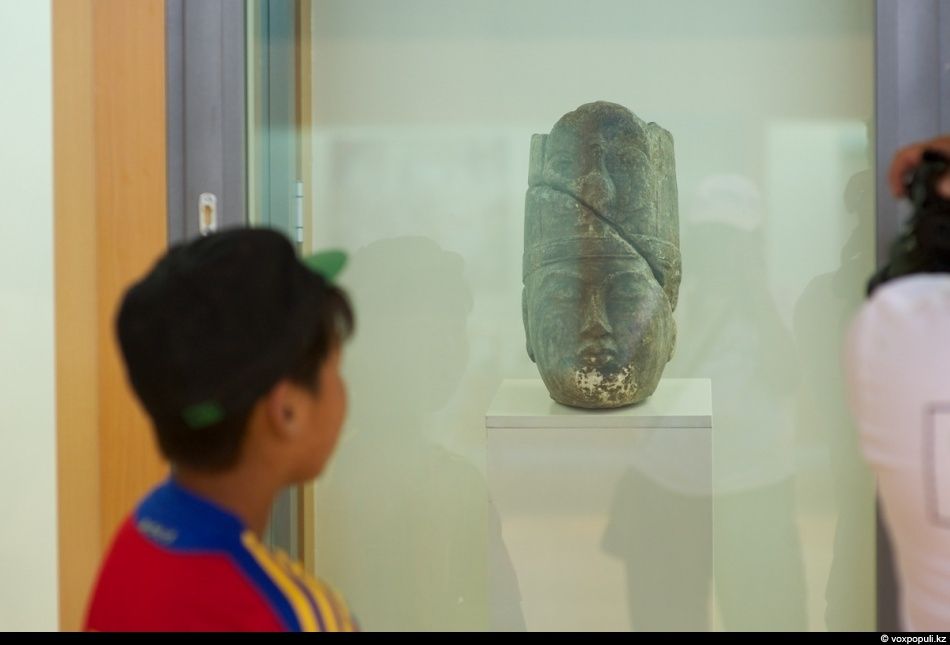
The marble head of Kül Tegin.
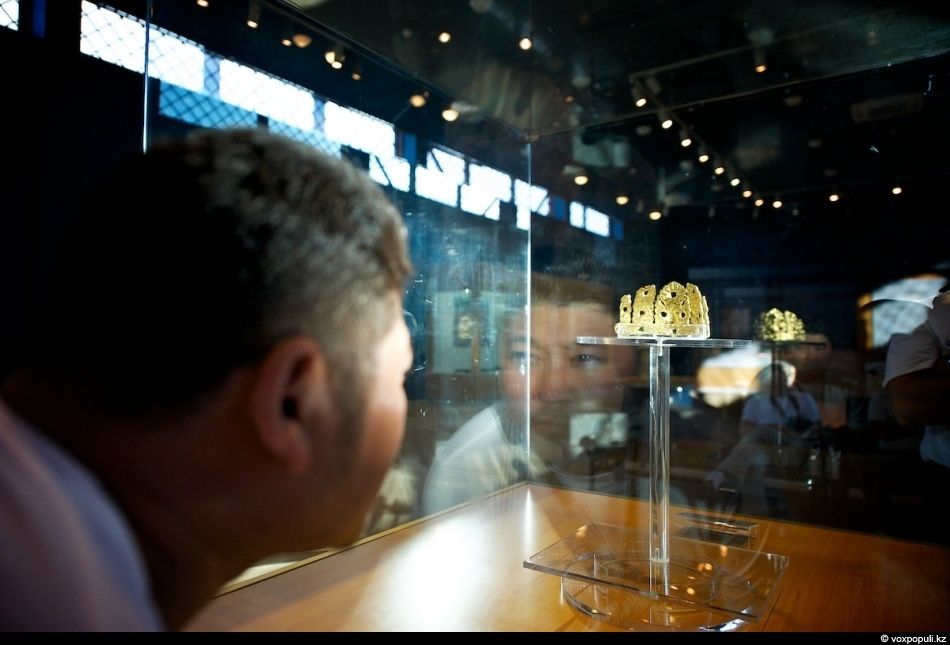
In 2001, archaeologists led by Professor Bayar discovered the golden crown of Bilge Khan adorned with precious stones.
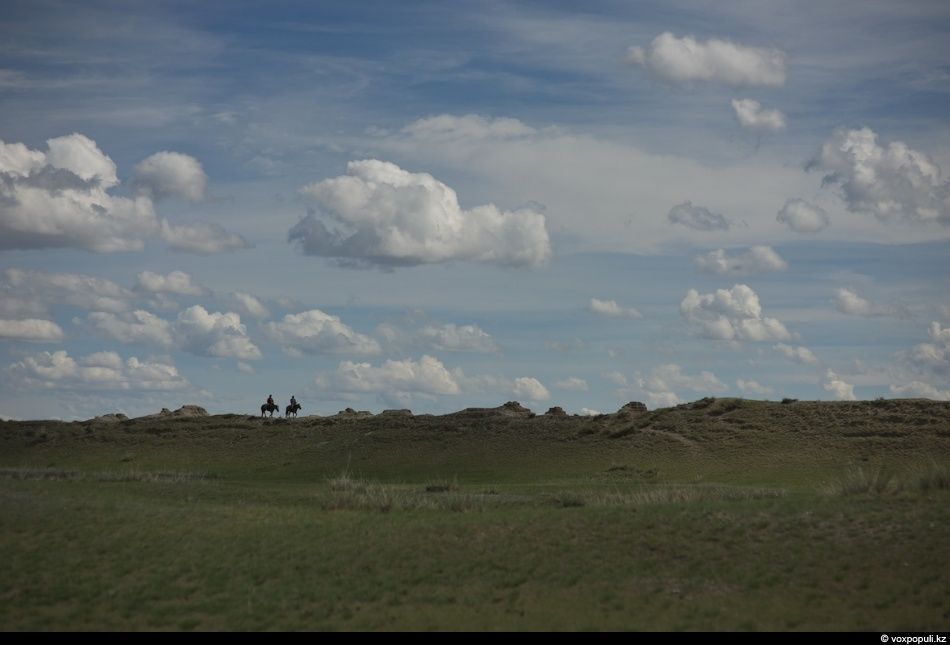
The next destination lies toward the ancient city of Ordu Balik — the capital of the ancient Turkic El and Uyghur Khaganate.
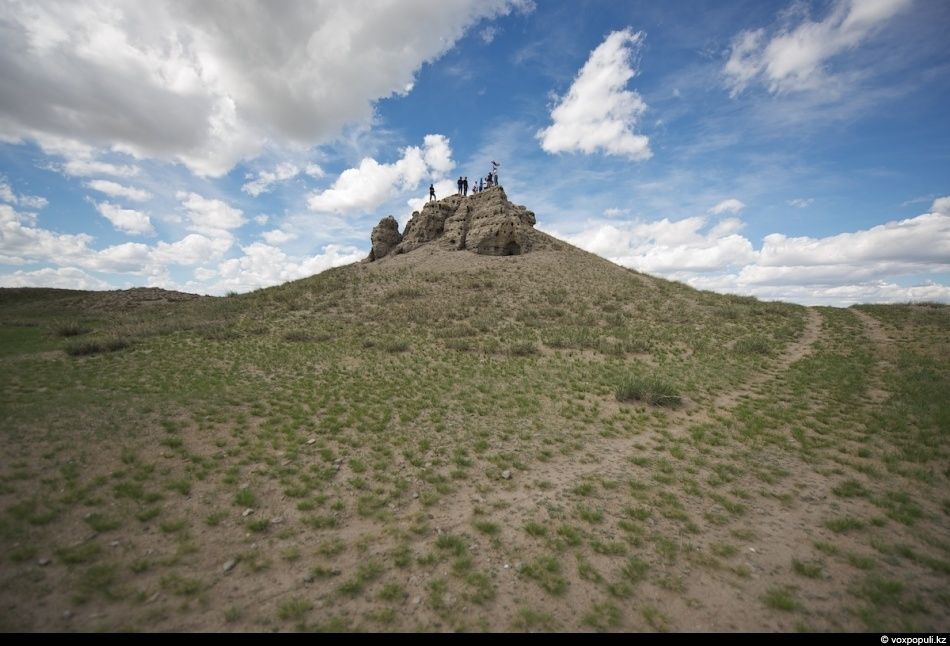
German scientists discovered this city in 2009. By scanning the ground, they found a buried metropolis measuring 50×50 km.
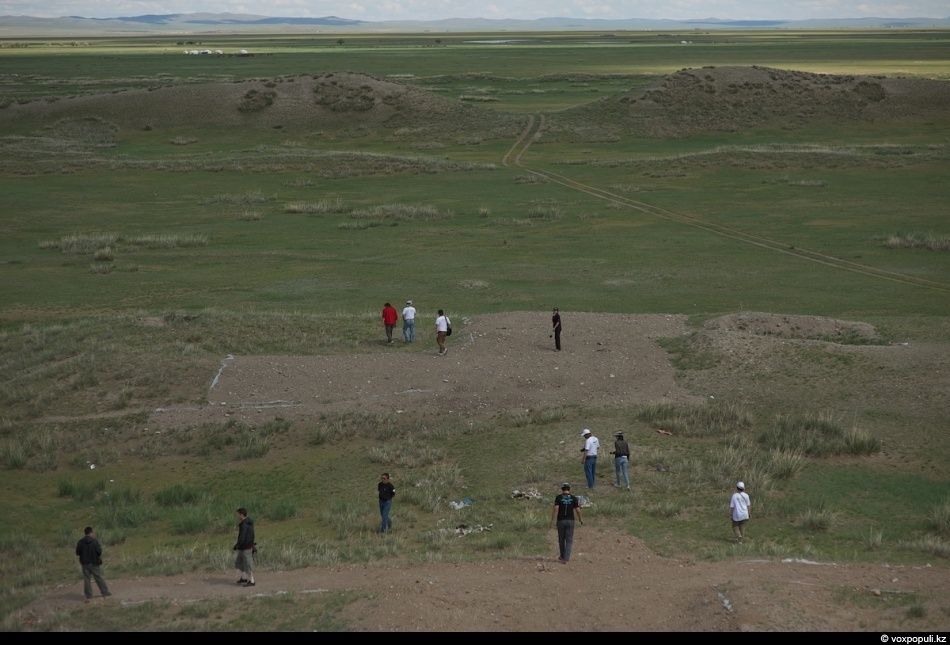
Joint German-Mongolian excavations are planned again next year.
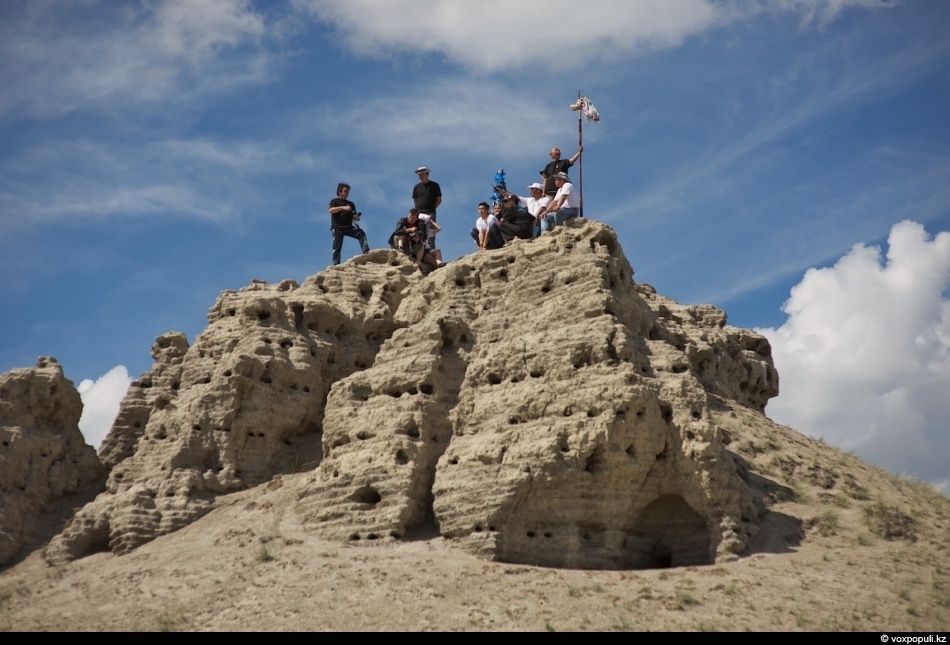
Raising the ancient Turkic banner at Kagan Saray.
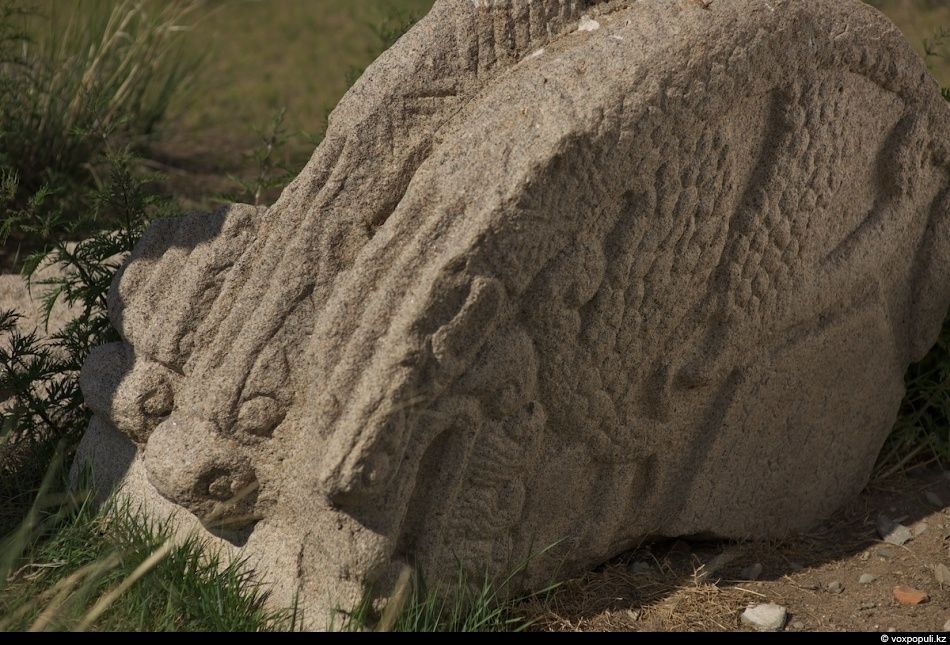
A fragment of the upper part carved in the shape of a dragon. Approximate date — 808–832 AD. Turkic inscriptions remain on the fragment.
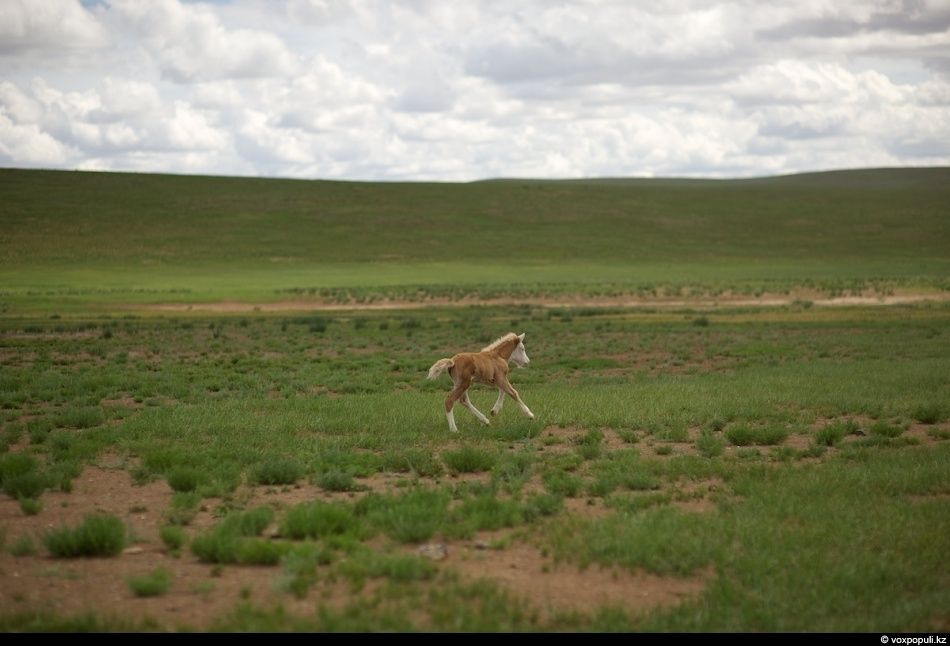
In the steppe, the group encounters a lost foal. They decide not to intervene and continue their journey.
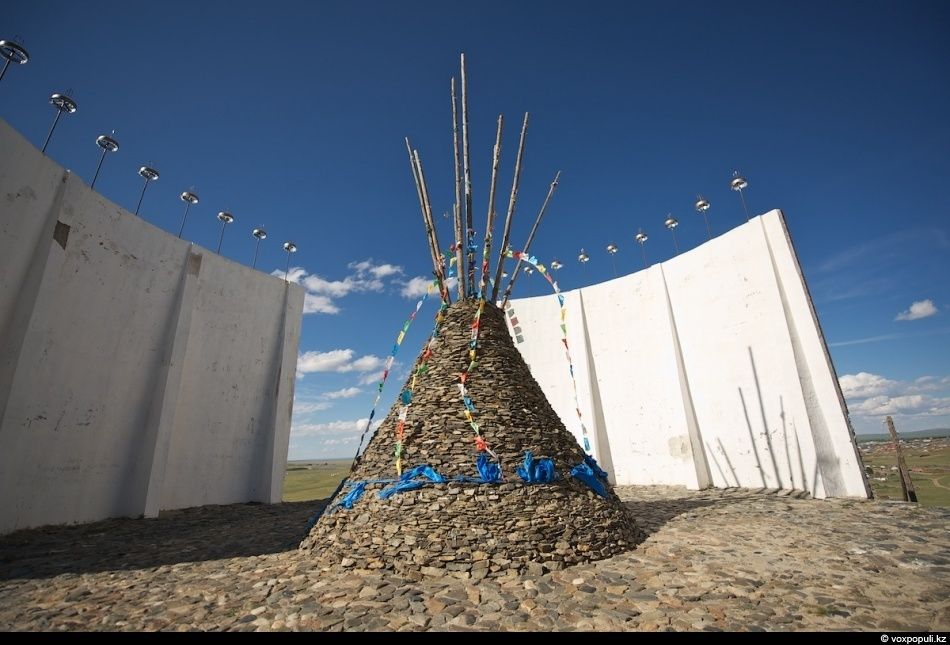
Near Karakorum stands a memorial dedicated to three great empires: the Xiongnu (III BCE — III CE), the Turkic (VI–IX CE), and the Mongol (XIII–XIV CE). Three walls display maps of these empires.
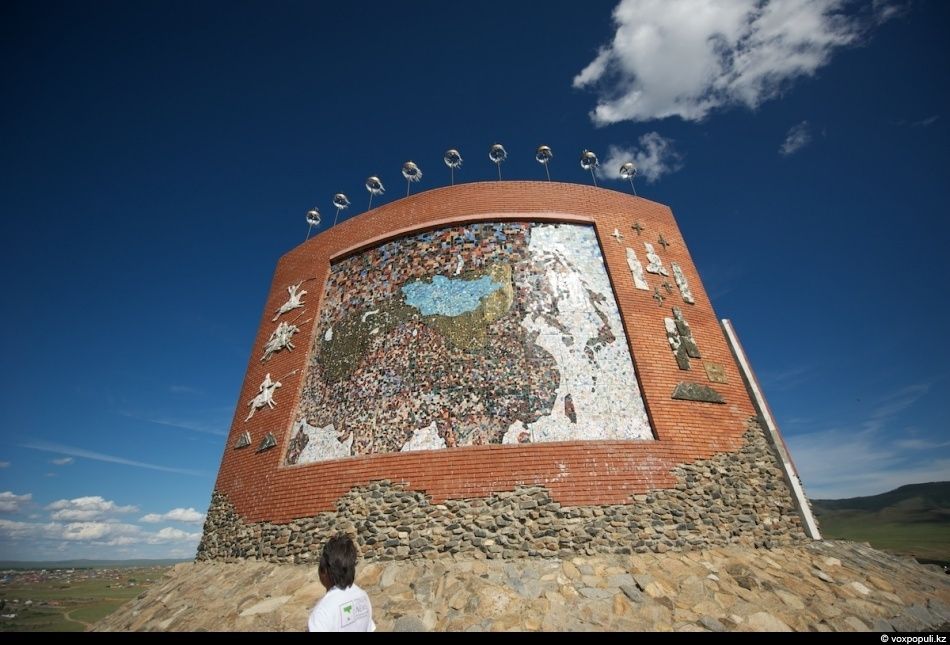
On the back side is the map of the Mongol Empire.
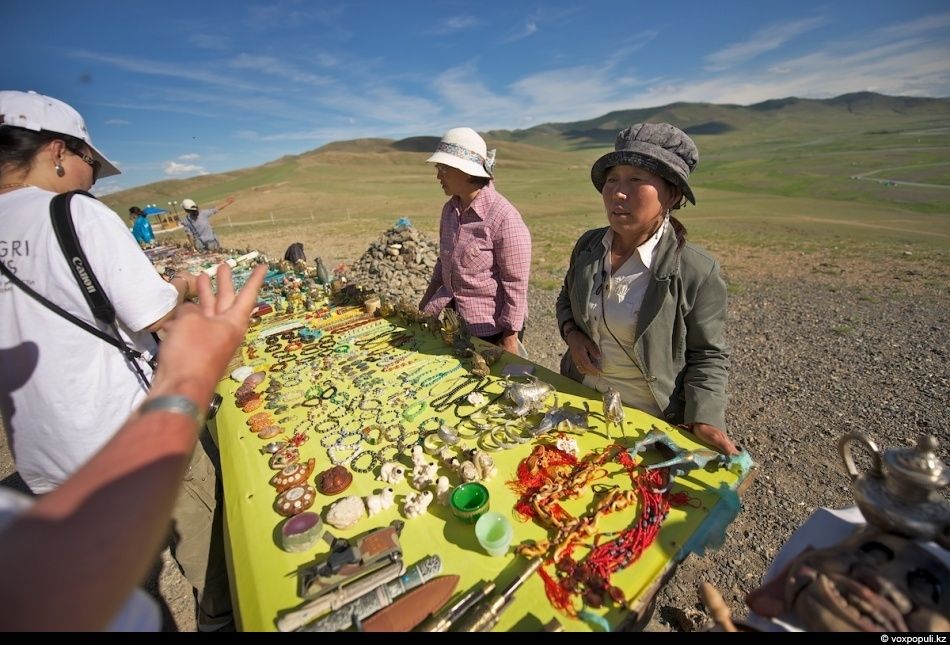
Souvenirs are sold near the memorial — three times more expensive than in Karakorum.
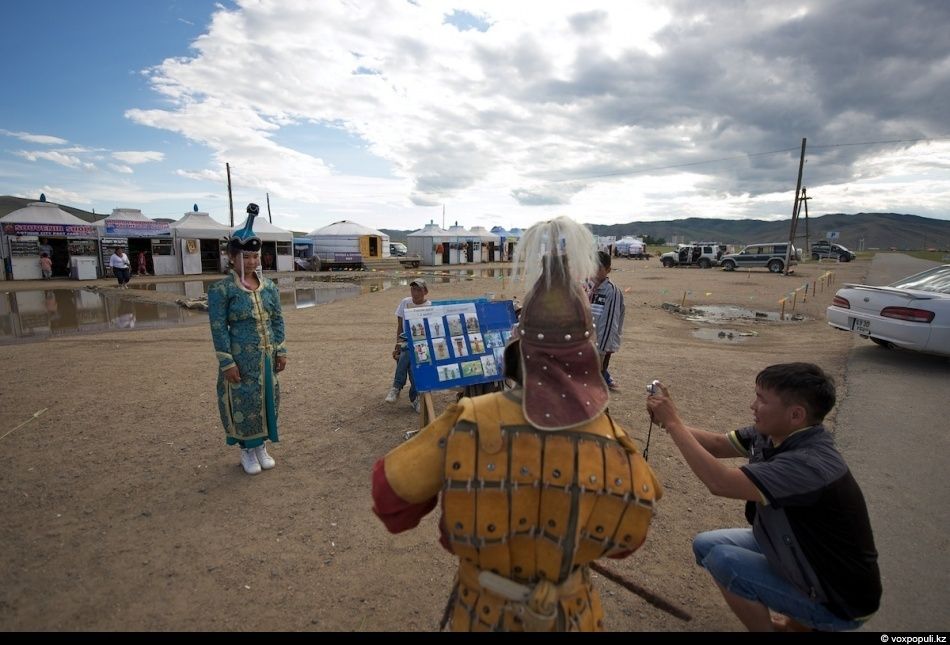
Photographs of medieval noble costumes near the Erdene Zuu Monastery.
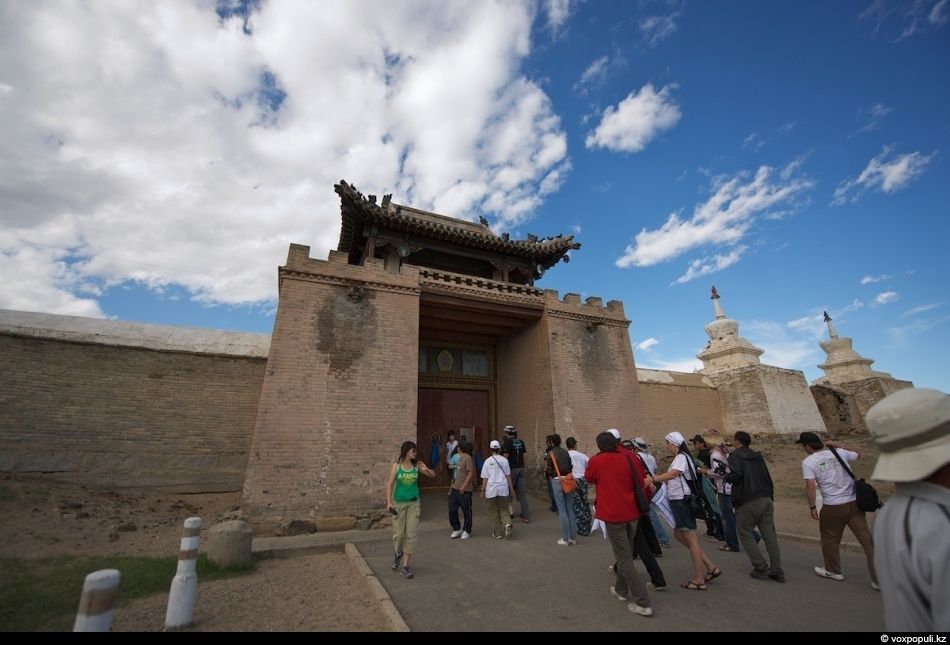
Erdene Zuu is one of the oldest Buddhist monasteries in Mongolia. It was built in 1586 by Abtai Khan on the site of the powerful Mongol capital Karakorum.
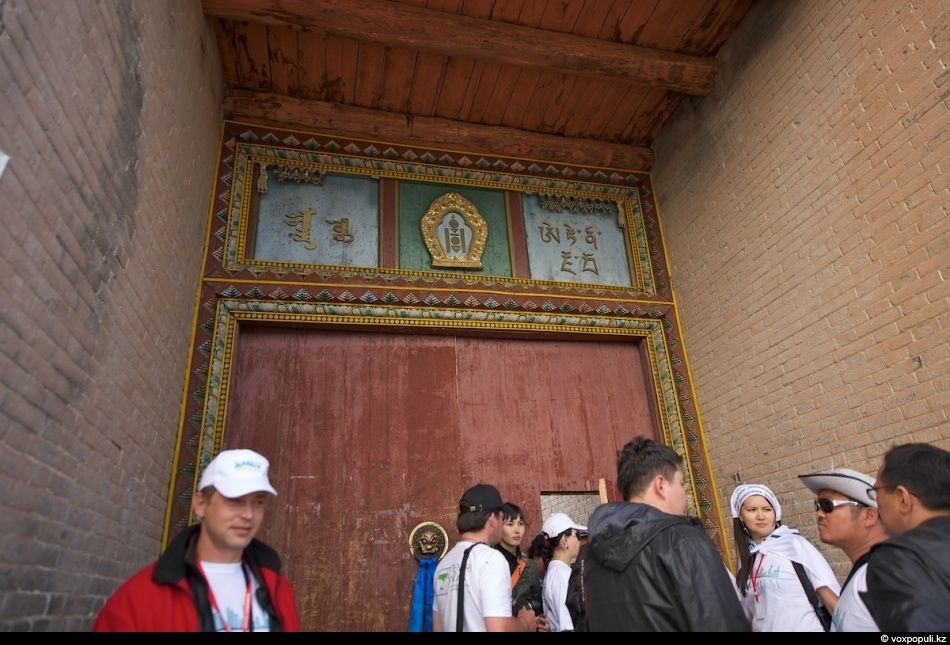
When the group arrived, the monastery was closed.
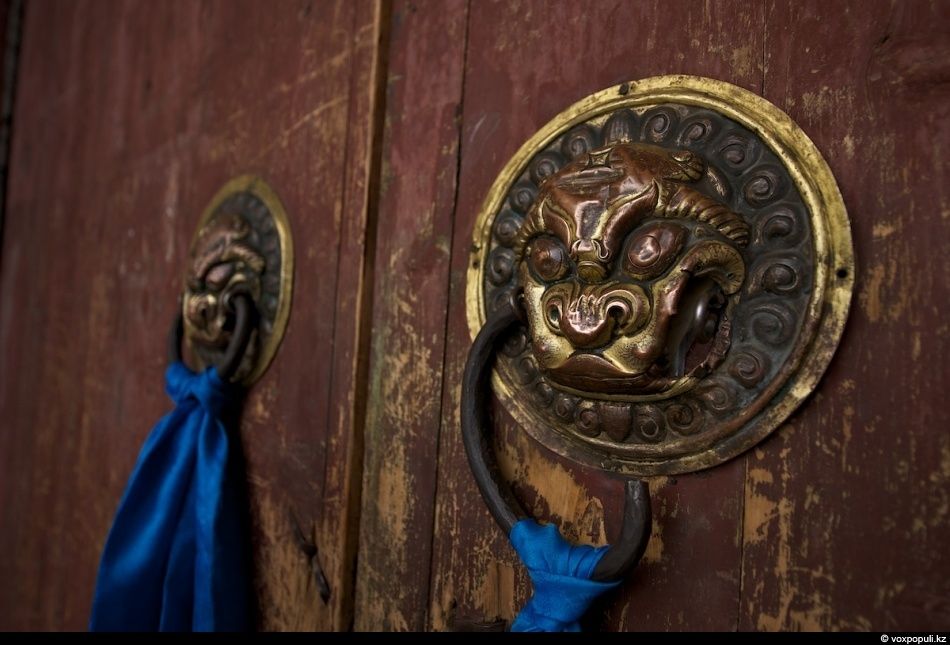
But for visitors who had come from faraway Kazakhstan, it opened its doors.
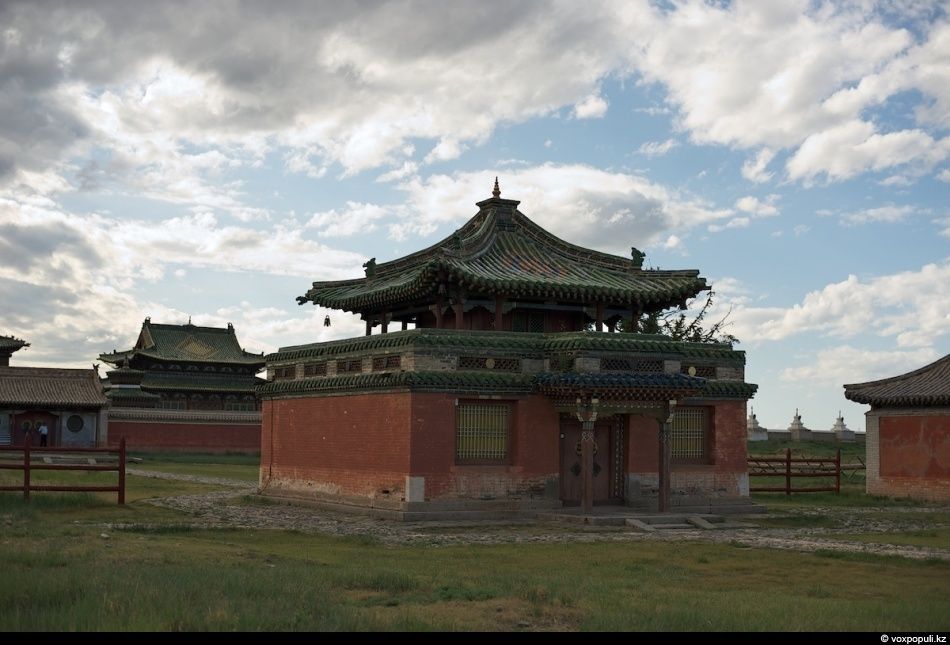
Inside the monastery are three temples located close to one another.
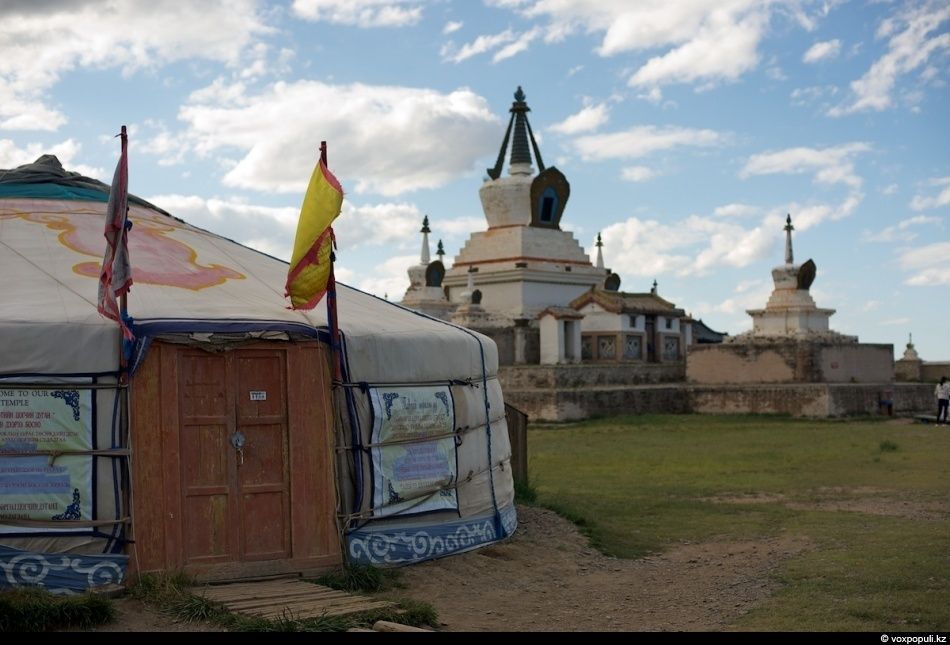
All temples and yurts were closed, but even the exterior was enough to admire the architecture.
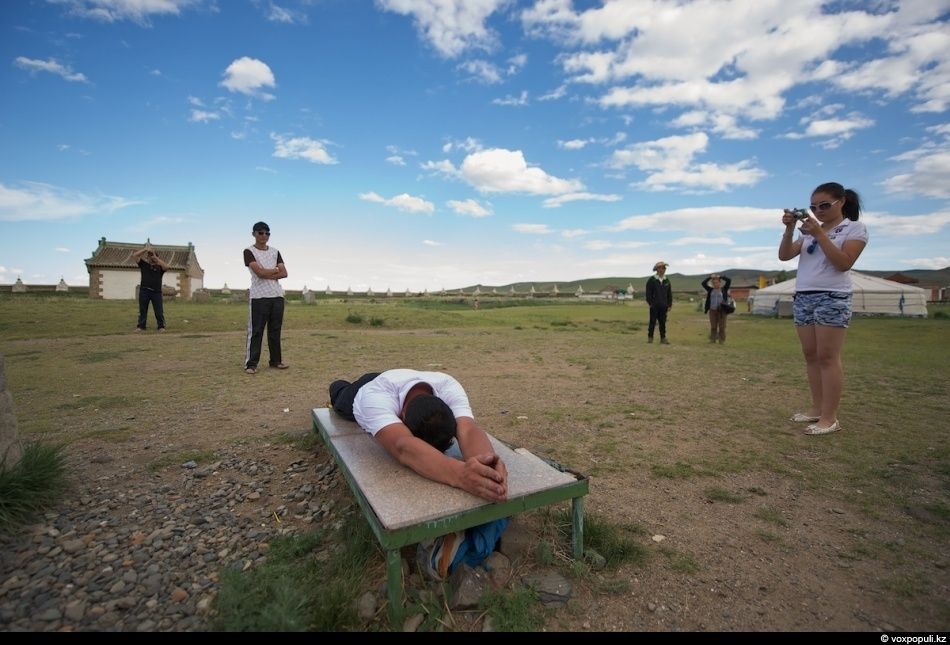
The monastery is also a pilgrimage site for locals and tourists. A man bows repeatedly before the temple as part of a ritual.
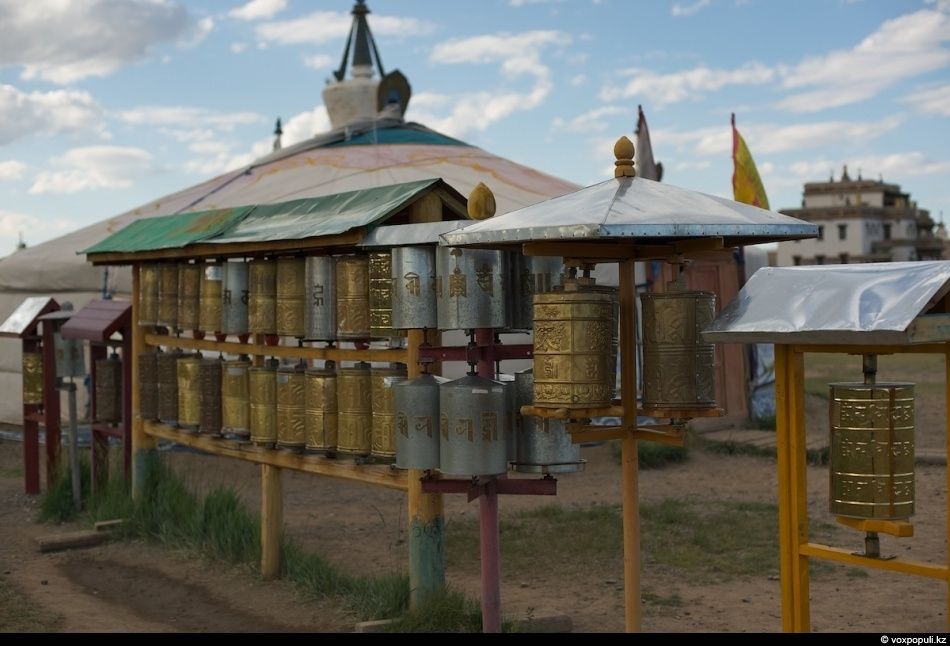
Prayer wheels represent rotating cylinders inscribed with prayers and mantras. Spinning them counts as having read the prayer.
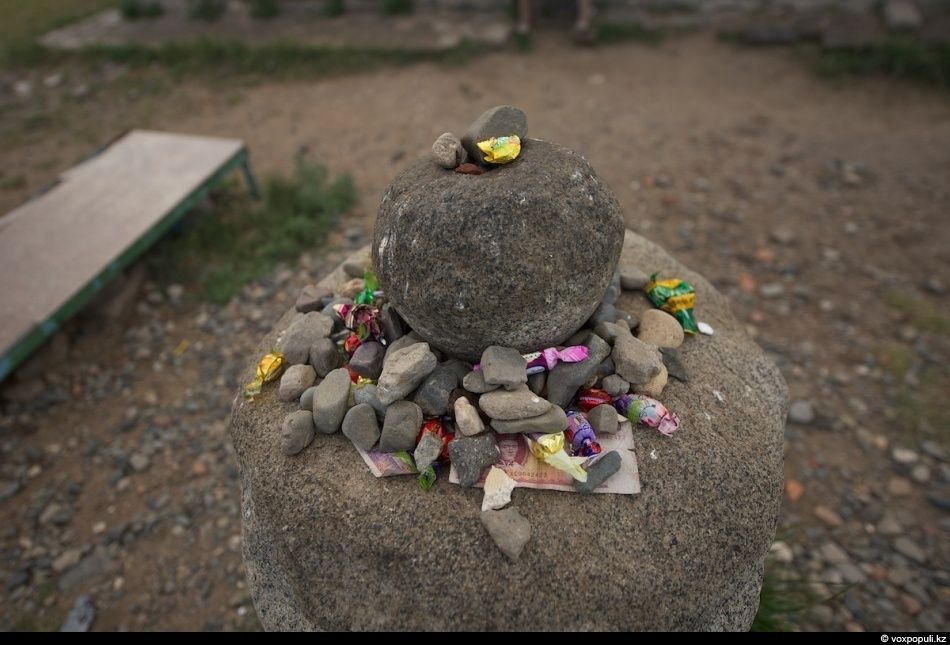
Offerings may include not only money, but also candies, cookies...
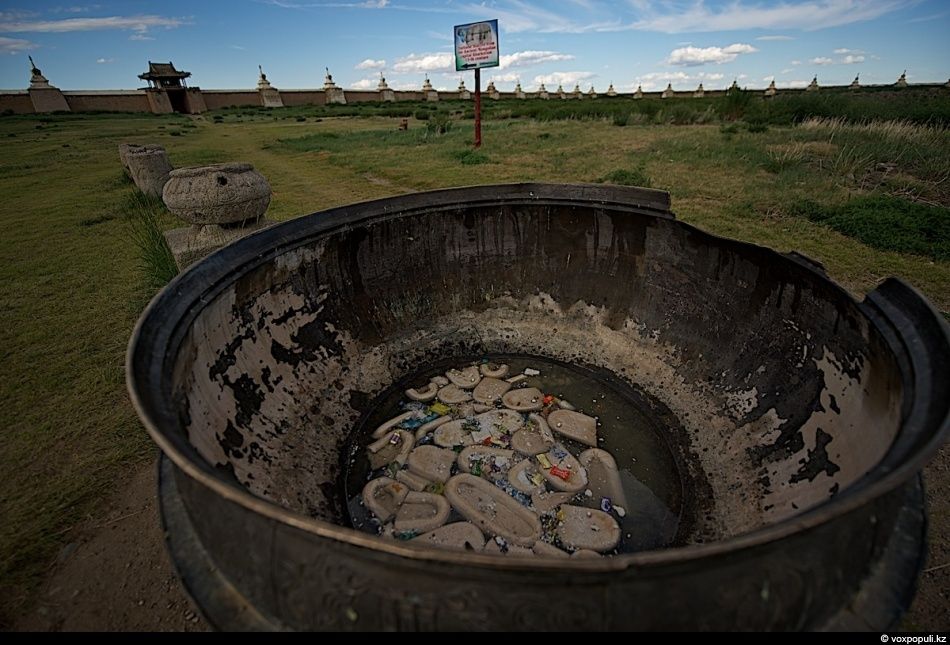
...and bread.
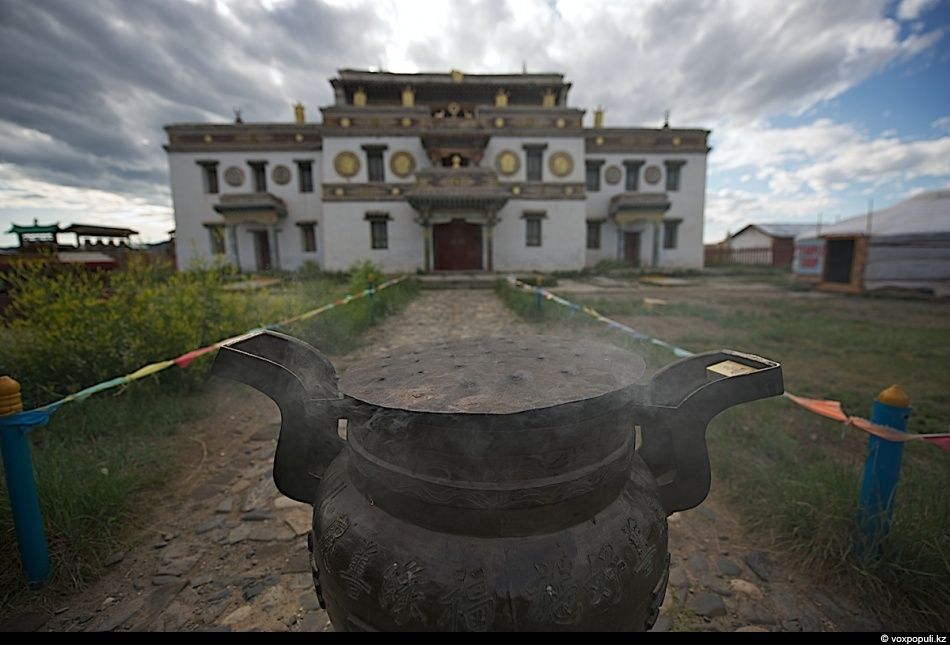
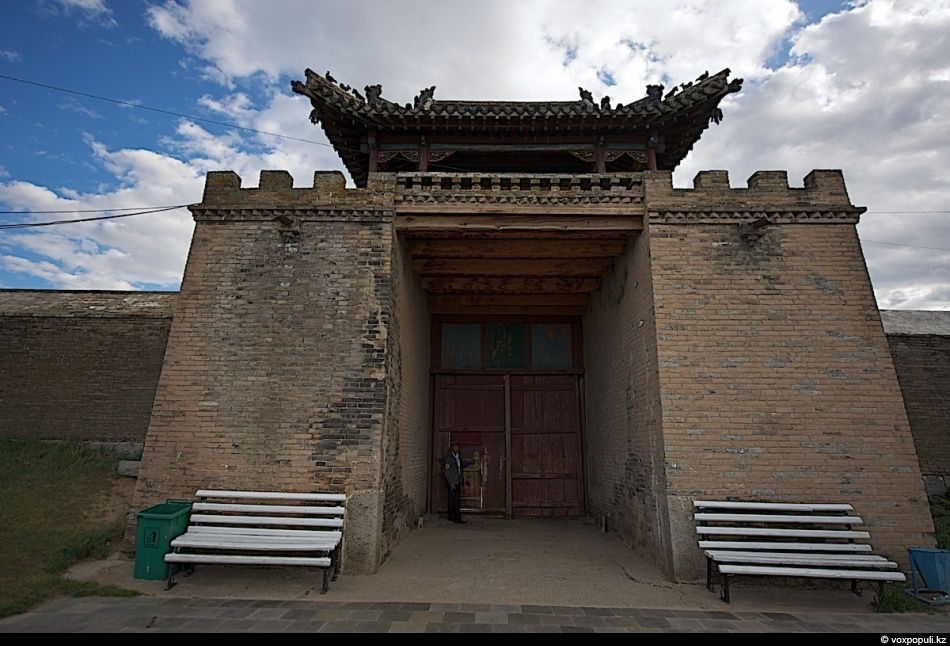
Security patiently waits for the whole group to leave the monastery.
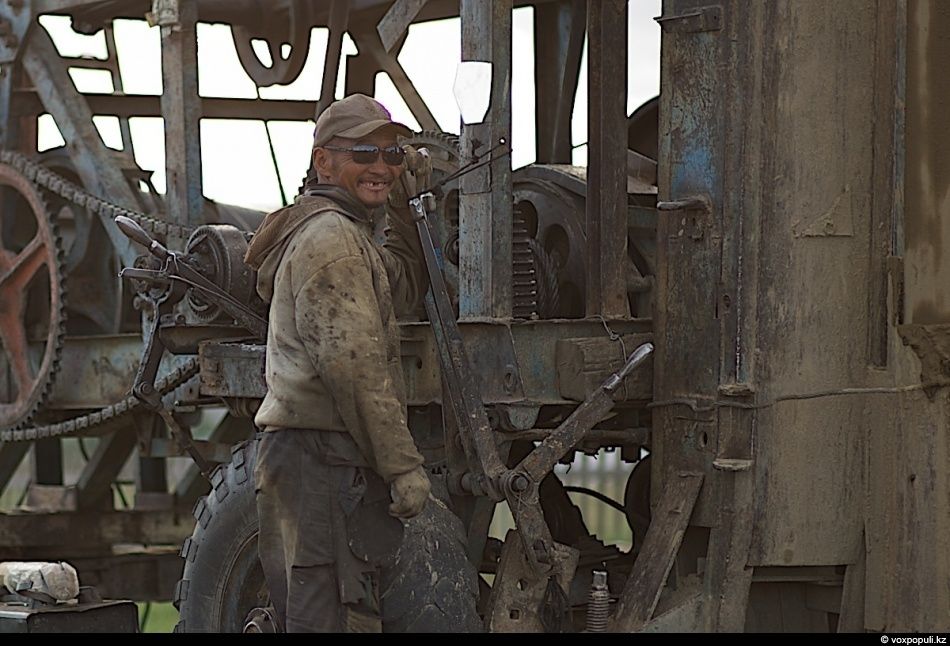
Local residents greet the group warmly on the way.
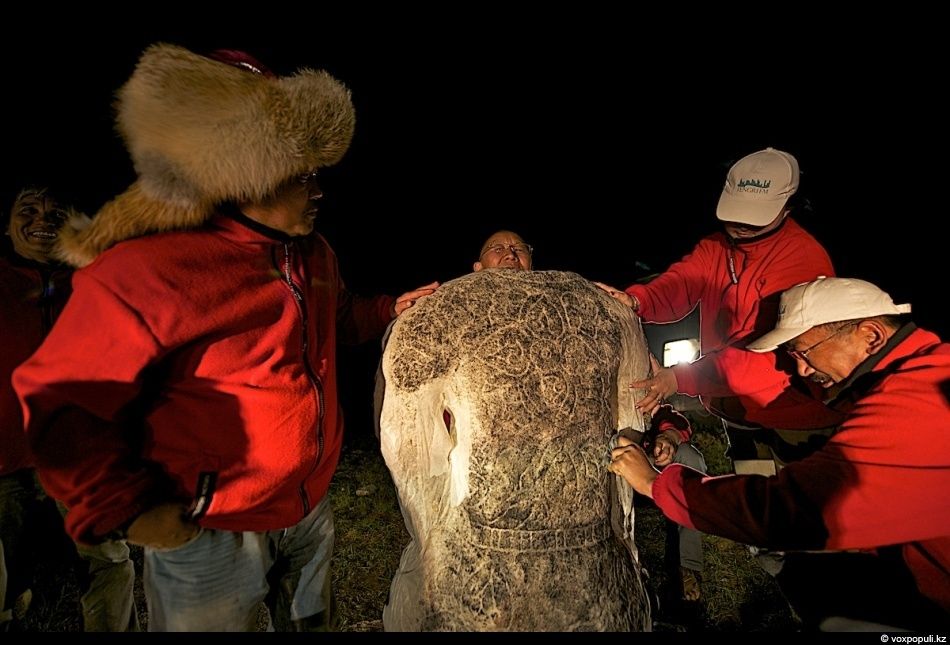
At night, on the road to Ulaanbaatar, scholars take an estampage of rock carvings at the Khögnö Tarnyn memorial. There are still 370 km to the capital.
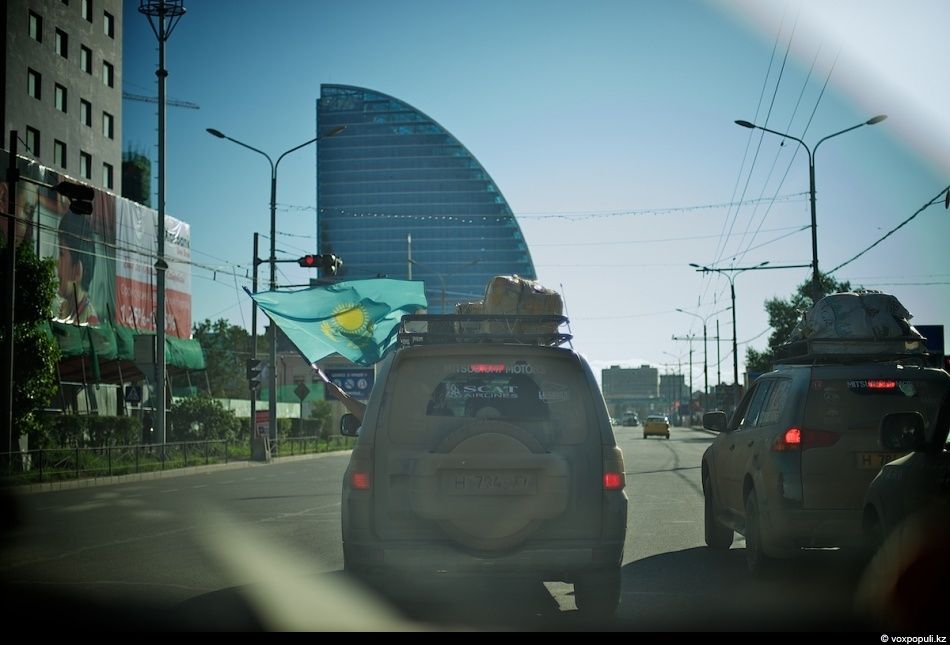
Ulaanbaatar is a modern city, strikingly different from the steppe Mongolia. It is a favorite place of European tourists. English, Russian, Kazakh, and Mongolian languages are heard everywhere.
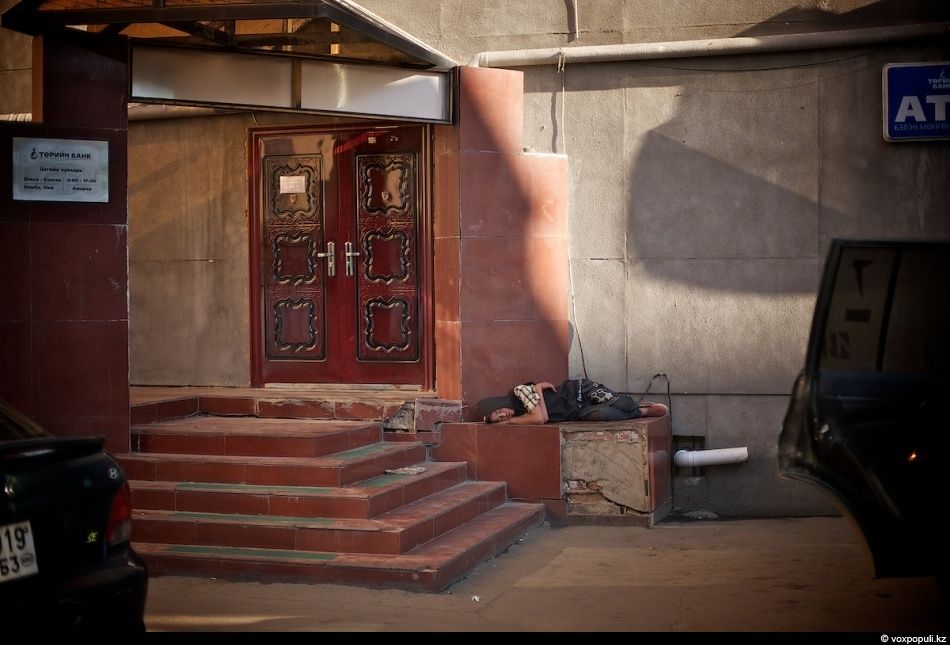
Ulaanbaatar is the largest city in Mongolia and home to one-third of its population — about 1,172,400 people.
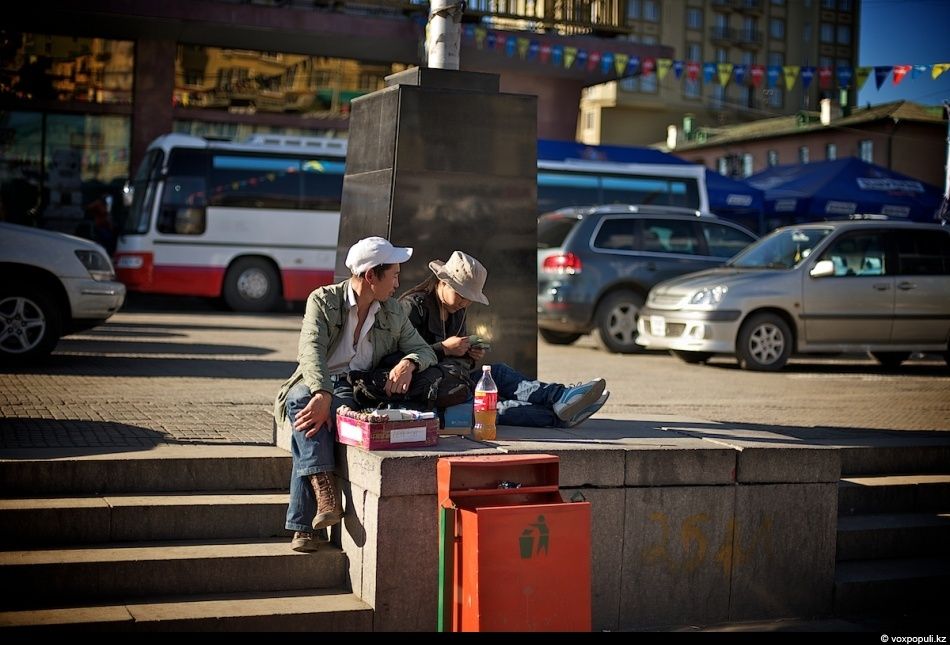
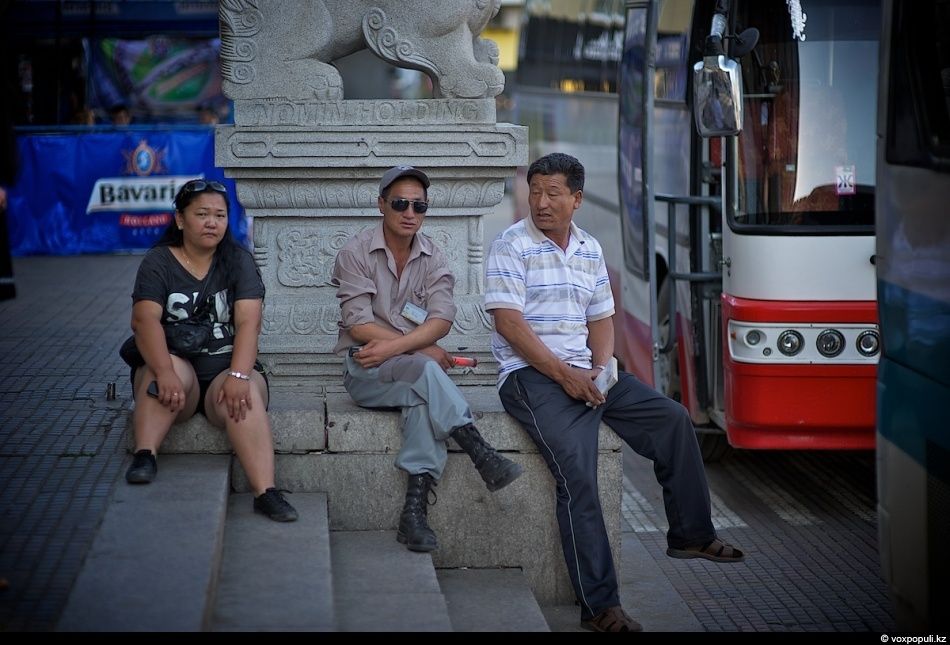
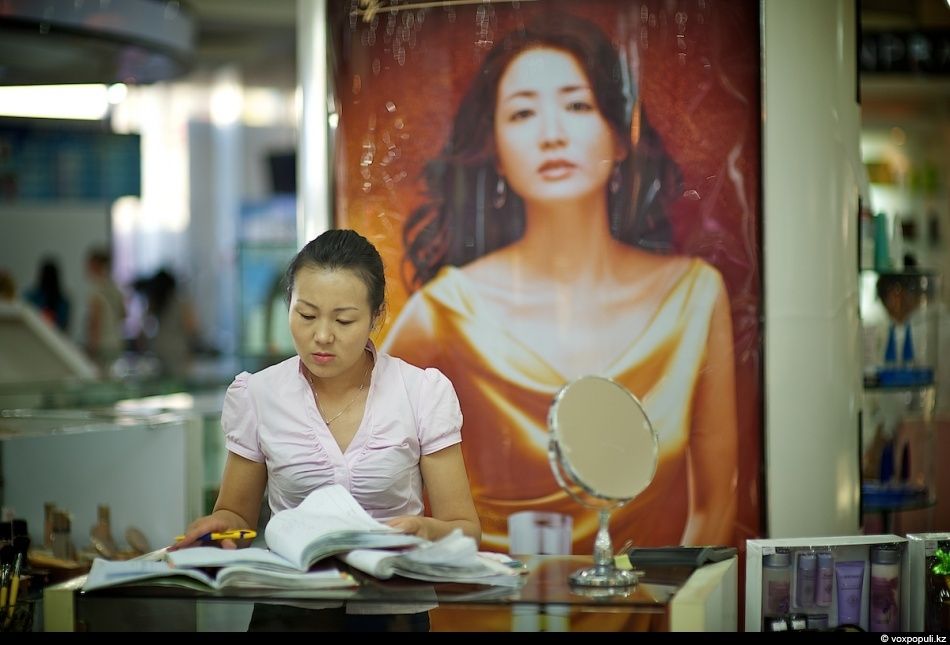
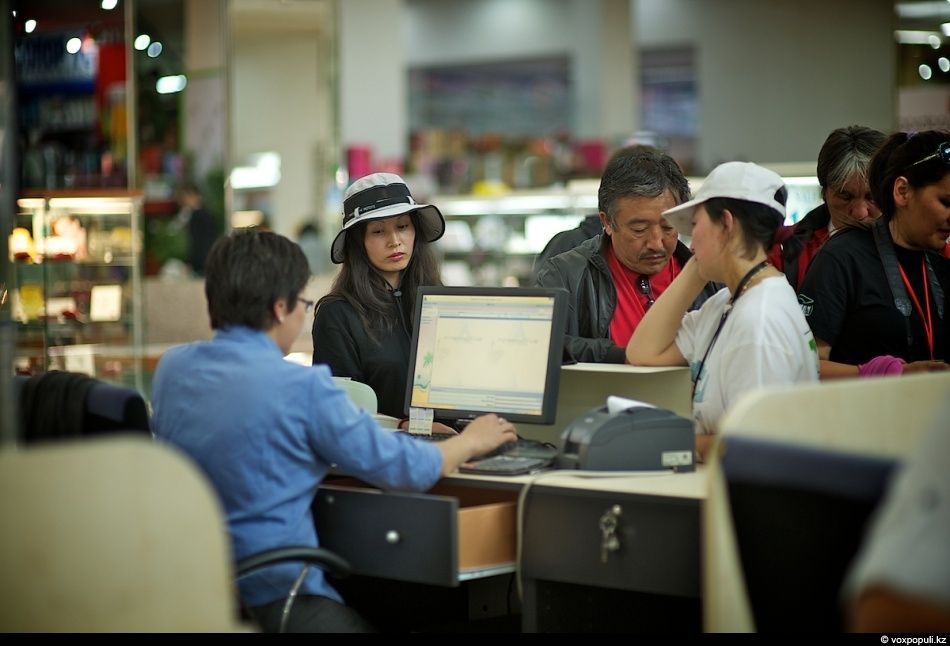
— “It felt strange stepping into a modern supermarket after traveling through the ‘past’,” shares rock singer Asem. — “We will fly home tomorrow, which means we will have to part ways. In these 15 days we grew very close.”
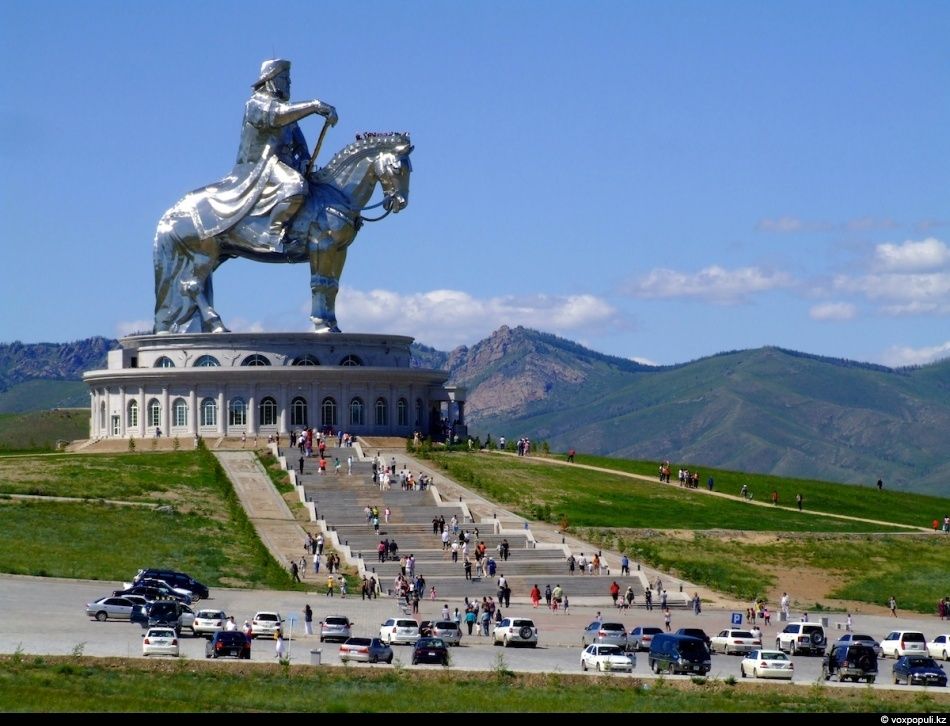
The next morning, the group heads to Mongolia’s major attraction — the newly opened statue of Chinggis Khan, located 50 km from Ulaanbaatar. The height of the sculpture is 40 meters, and the pedestal is 10 meters. Thousands of visitors from around the world come to see it.
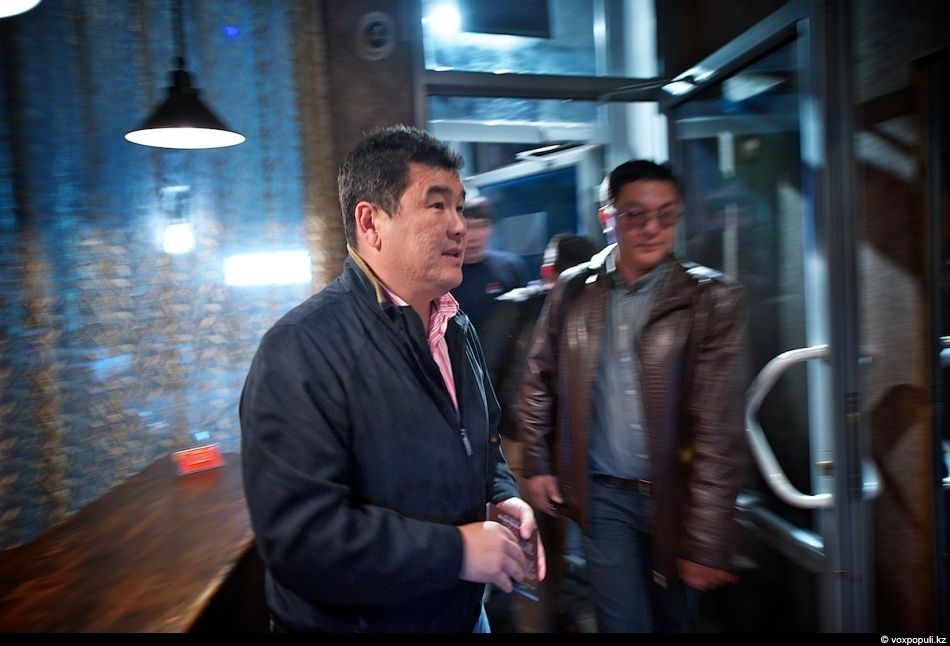
In the evening, the participants are warmly received by Orman Nurbaev, the Ambassador Extraordinary and Plenipotentiary of Kazakhstan to Mongolia.
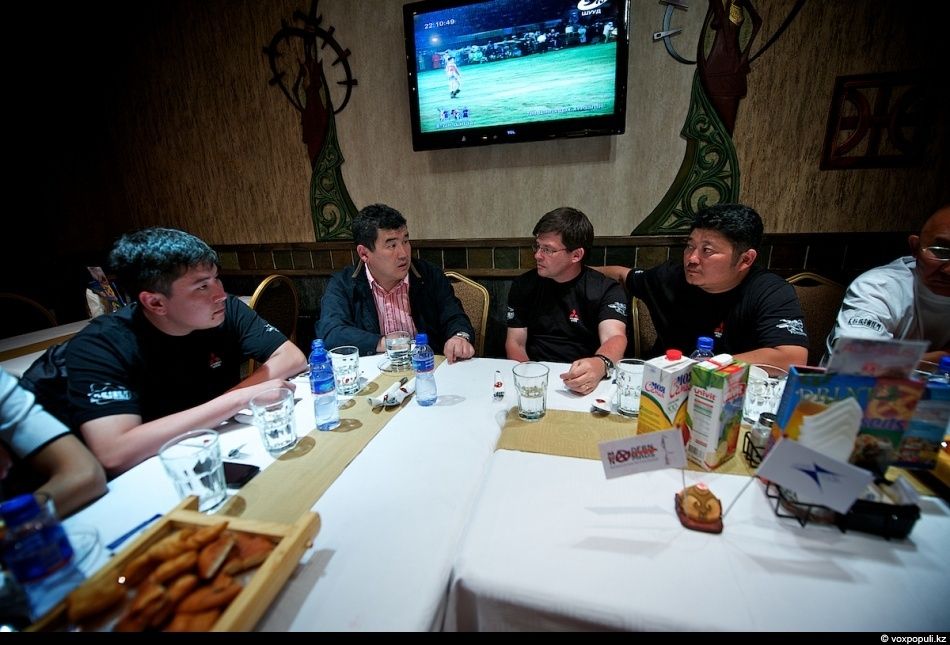
During dinner, the ambassador helps solve the group's departure issues. According to Mongolian law, those who enter the country by car must leave the same way.
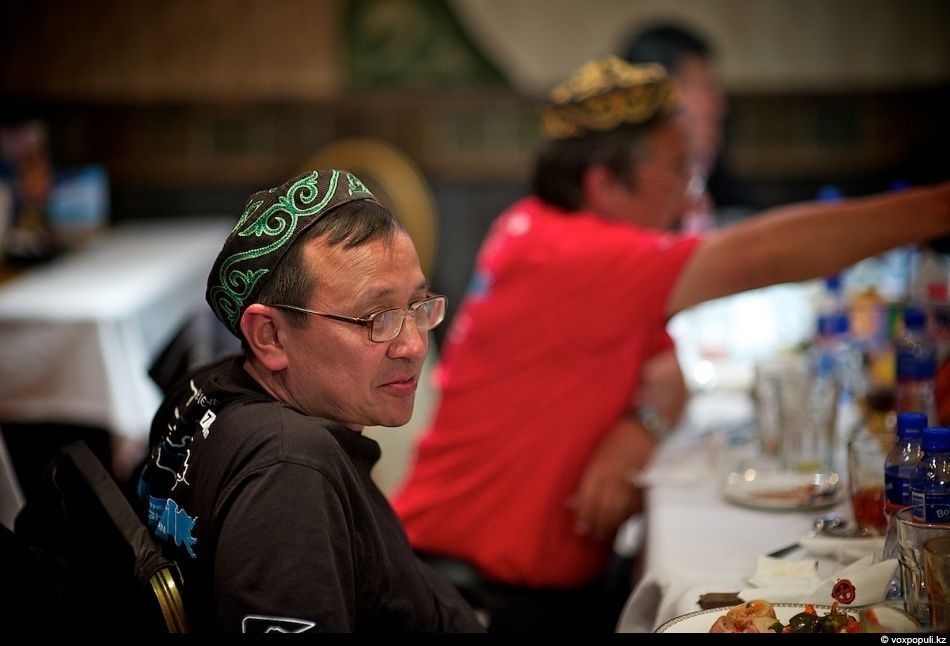
The whole group receives souvenirs: hats for men and embroidered bags for women.
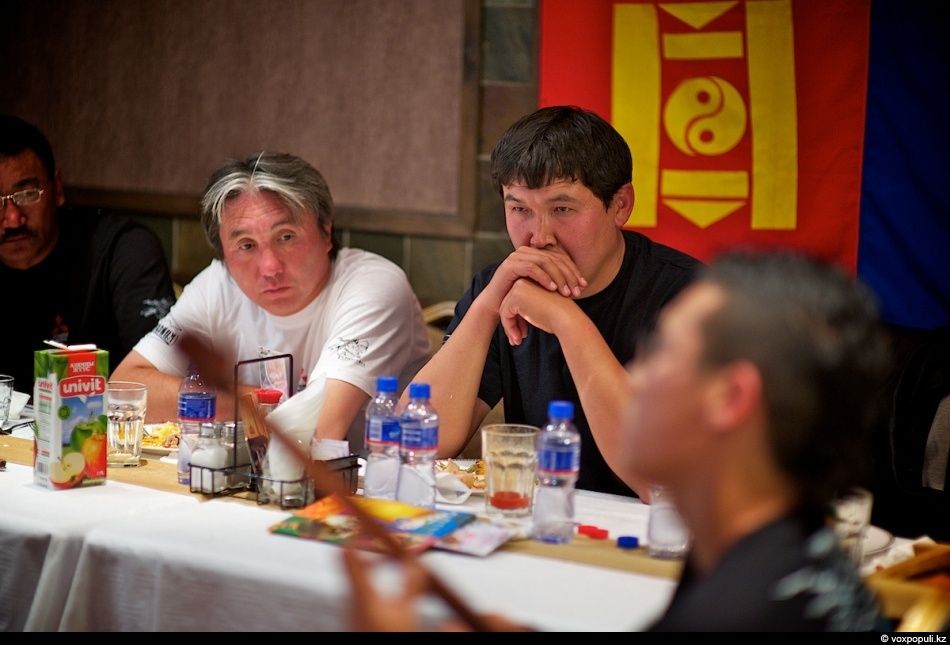
The evening concludes with a Kazakh song performed by Abulkhair Abdrashev.
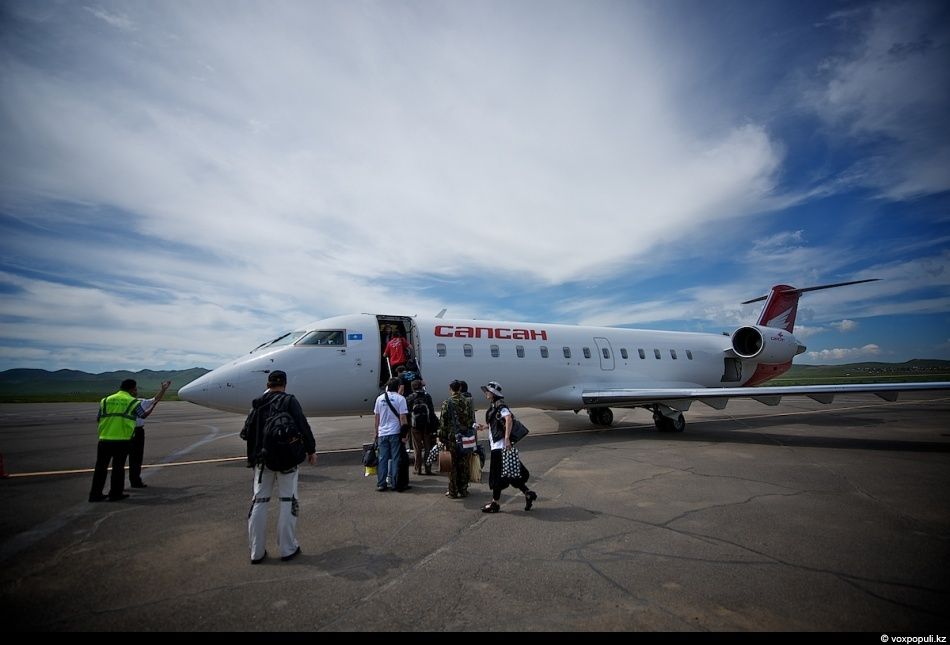
The next day, participants prepare to fly home.
— “When comparing airlines, the most convenient departure time was offered by Air Astana,” says organizer Bauyrzhan Bulatkhanov. — “Our participants fly today, and journalists from Almaty will arrive to join representatives of Mitsubishi on the return drive from Ulaanbaatar to Almaty in our vehicles.”
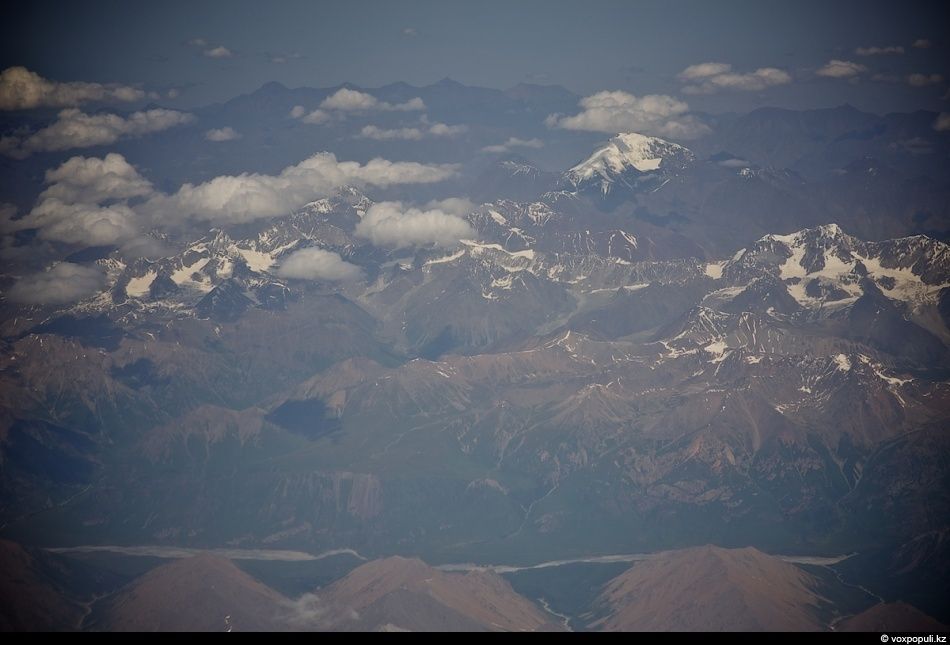
The saddest part was that the journey from Almaty to Ulaanbaatar had taken 15 long, fascinating days, while the return flight lasted only three fast, uneventful hours.
The plane flies over the Altai Mountains — and beyond them lies Kazakhstan.
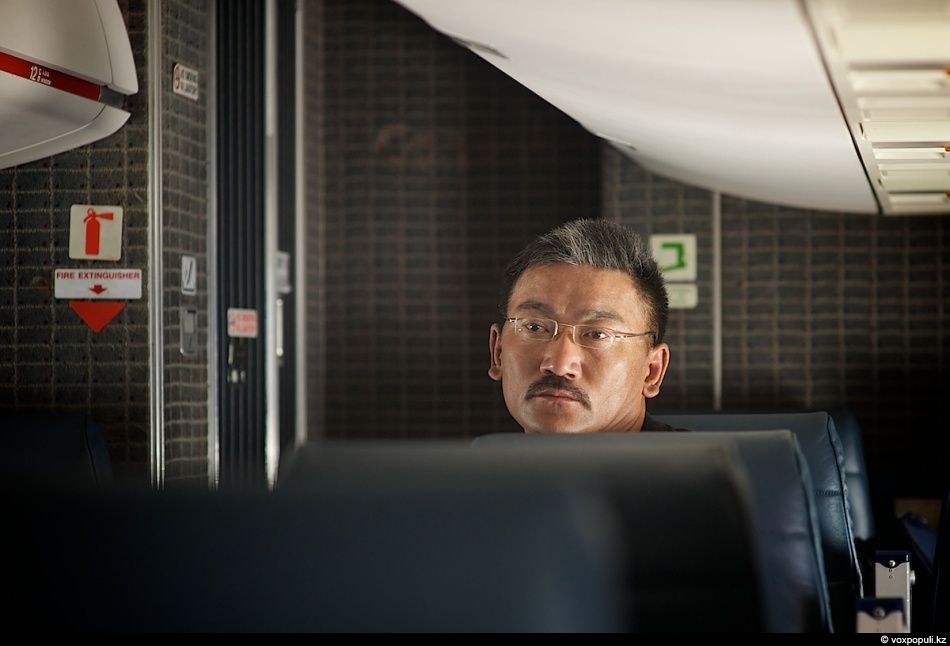
— “This trip was incredibly interesting and useful,” says Napil Bazylkhan. — “I haven’t been home in almost ten years. Right now we lack popularization of historical monuments and cultural cooperation between Mongolia and neighboring countries, even though all of them are linked by a shared Turkic past.”
This autumn, Rustem Abdrashev’s film studio “CentauRus” plans to release a multi-episode documentary “In the Footsteps of Chinggis Khan. Almaty — Karakorum,” based on the 15-day journey through the historical sites of Kazakhstan, the Altai region, and Great Mongolia.
The original version of this material was published on Voxpopuli.kz (closed in 2023). Author Karlygash Nurzhan restored the text and photos from her personal archive to preserve documentary and historical heritage.
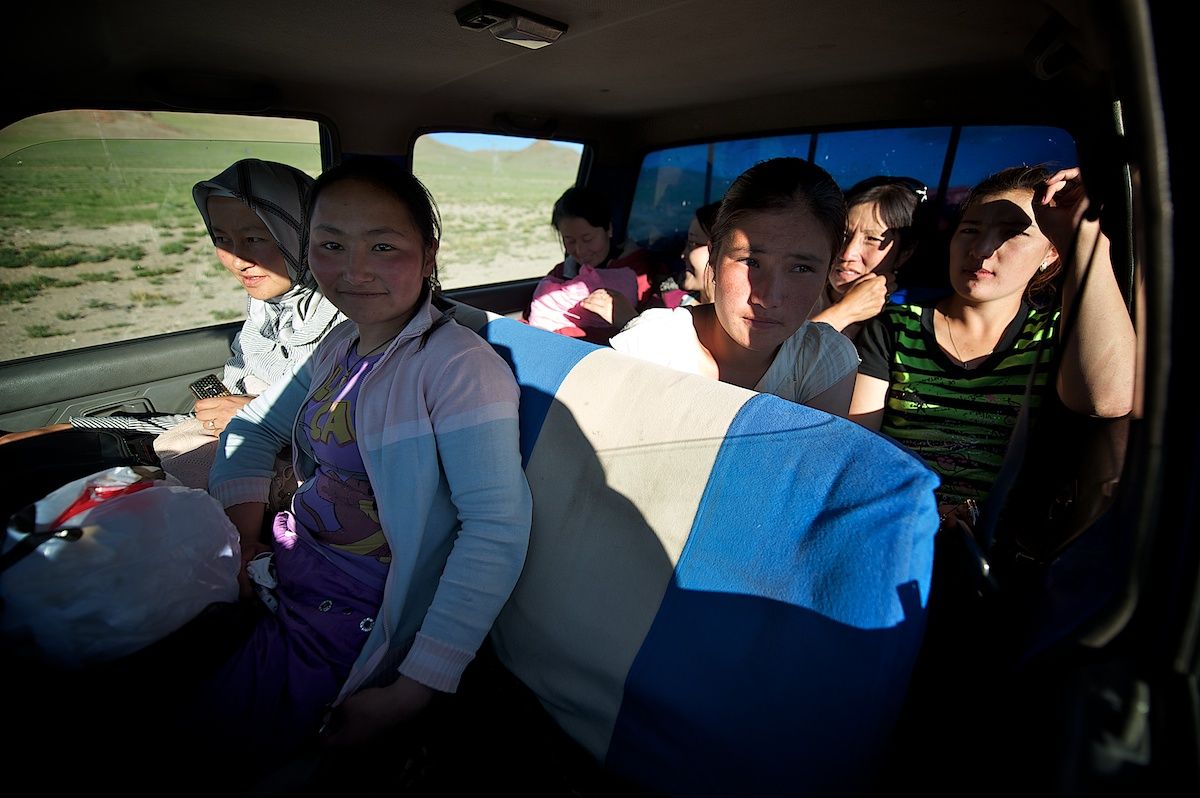
The Kazakh diaspora in Turkey: migration history, daily life, traditions and human stories… Фоторепортаж Карлыгаш Нуржан для Shanger.kz
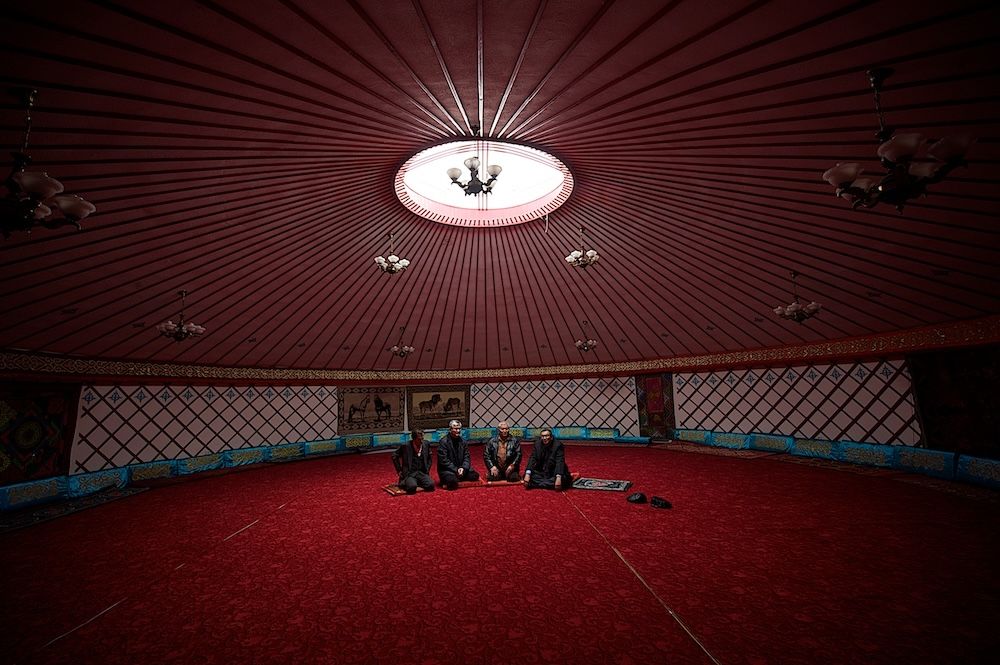
Expedition “In the Footsteps of Chinggis Khan”: Mongolian Kazakhs, Naadam, steppe roads and nomad life… Photo essay by Karlygash Nurzhan.
Экспедиция «По пути Чингисхана» по Алтайскому краю — древние города, курганы и память кочевой культуры. Фоторепортаж Карлыгаш Нуржан для Shanger.kz.
Comments
No comments yet. Be the first to comment!