Almaty’s New Mosque and the City’s Religious Landscape
Shanger.kz and Qarlyğaş Nūr Jan
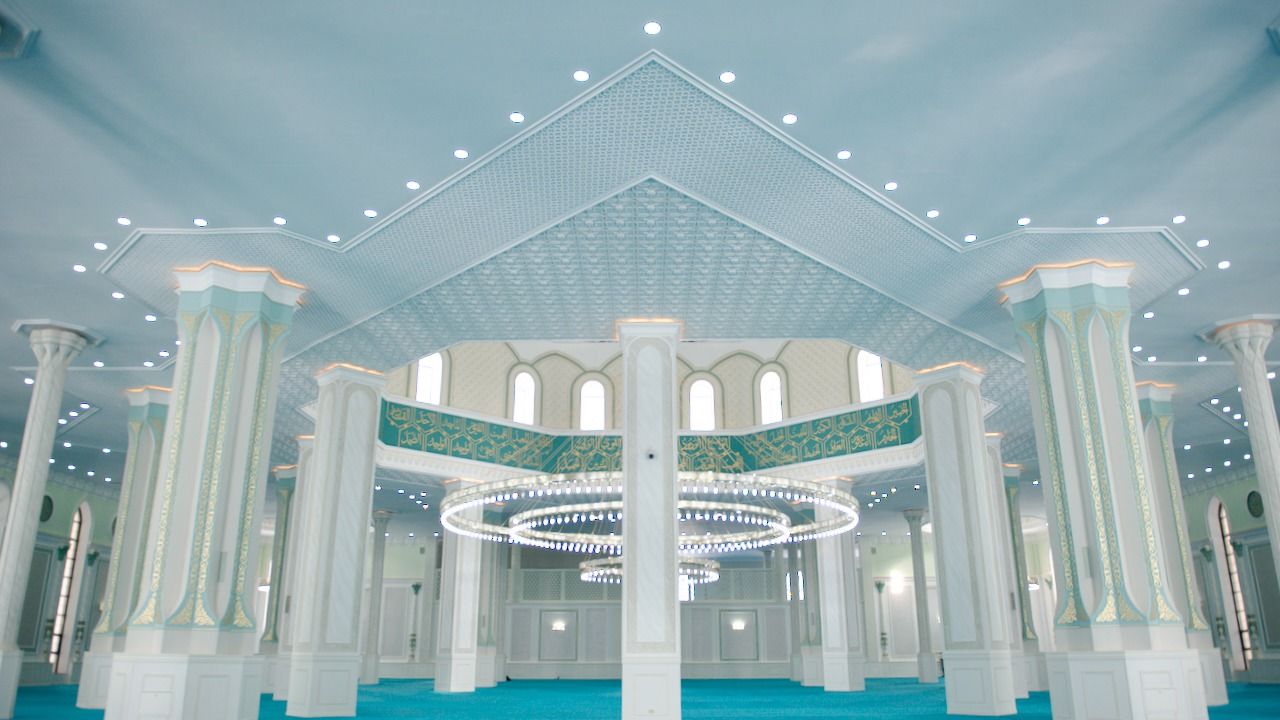
Today, there are 56 mosques operating in Almaty.
What happened?
Currently, Almaty has 56 mosques, but with the city’s growing population, the need for new religious facilities is increasing. In 2025, another mosque will open, helping to ease the congestion during Friday prayers. However, on social media some commenters are already calling it the “Kulibay Mosque,” although this is not an official name. The new building may become part of the city’s identity. Here, we explore the history and symbolism of Almaty’s mosques, where each structure reflects the spirit of its era and the transformations the city has undergone over the centuries.
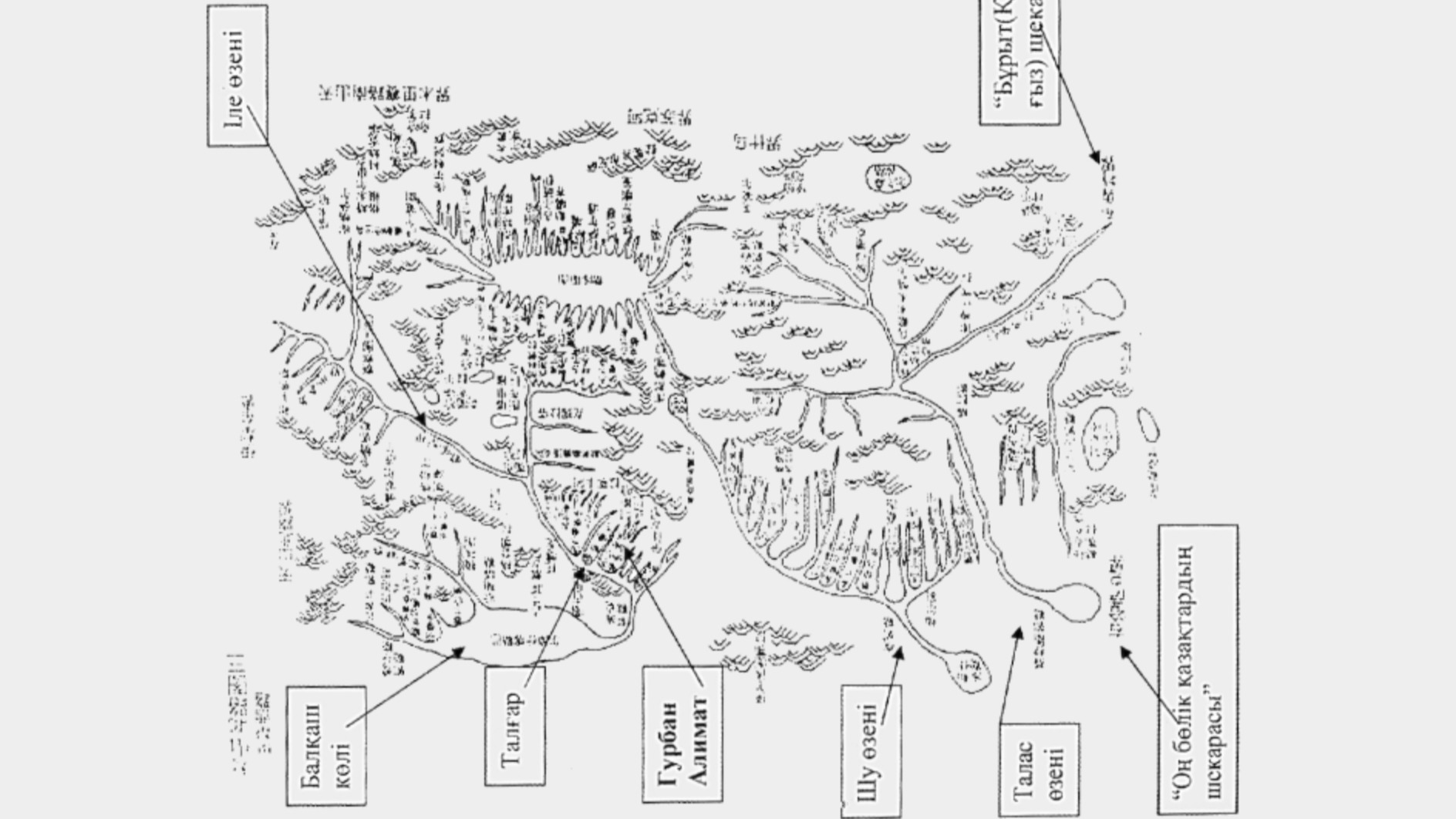
Карта Семиречья, составленная маньчжурами
History of Almaty
The concentration of major necropolises, sanctuaries and settlements indicates that since the 7th century BC, the Almaty region was one of the spiritual cradles of Central Eurasia.
The history of the city itself spans at least a thousand years. In Arab–Persian sources, it is mentioned as Almatū. As early as the 10th–11th centuries, the city was an important trade hub on the Great Silk Road.
From the book Notes of the Imperial Russian Geographical Society (1880):
“As for the city of Almatū, its location in the Ili River basin is indirectly indicated by the Chinese commentator of Chang Chun’s ‘Xi-yu-ji’. He writes that ‘in his time, the great river flowing from east to west (that is, the Ili River) was called A-li-ma-tu.’
Since in Central Asia rivers are often named after the cities located in their basins, the city of Almatū should be sought in the basin of the A-li-ma-tu River, meaning the Ili.
Moreover, it is now reliably known that the present-day city of Verny (modern Almaty), located between the Ili and Chu rivers on a tributary of the Ili, was built on a place historically known as Almatu (Almaty).”
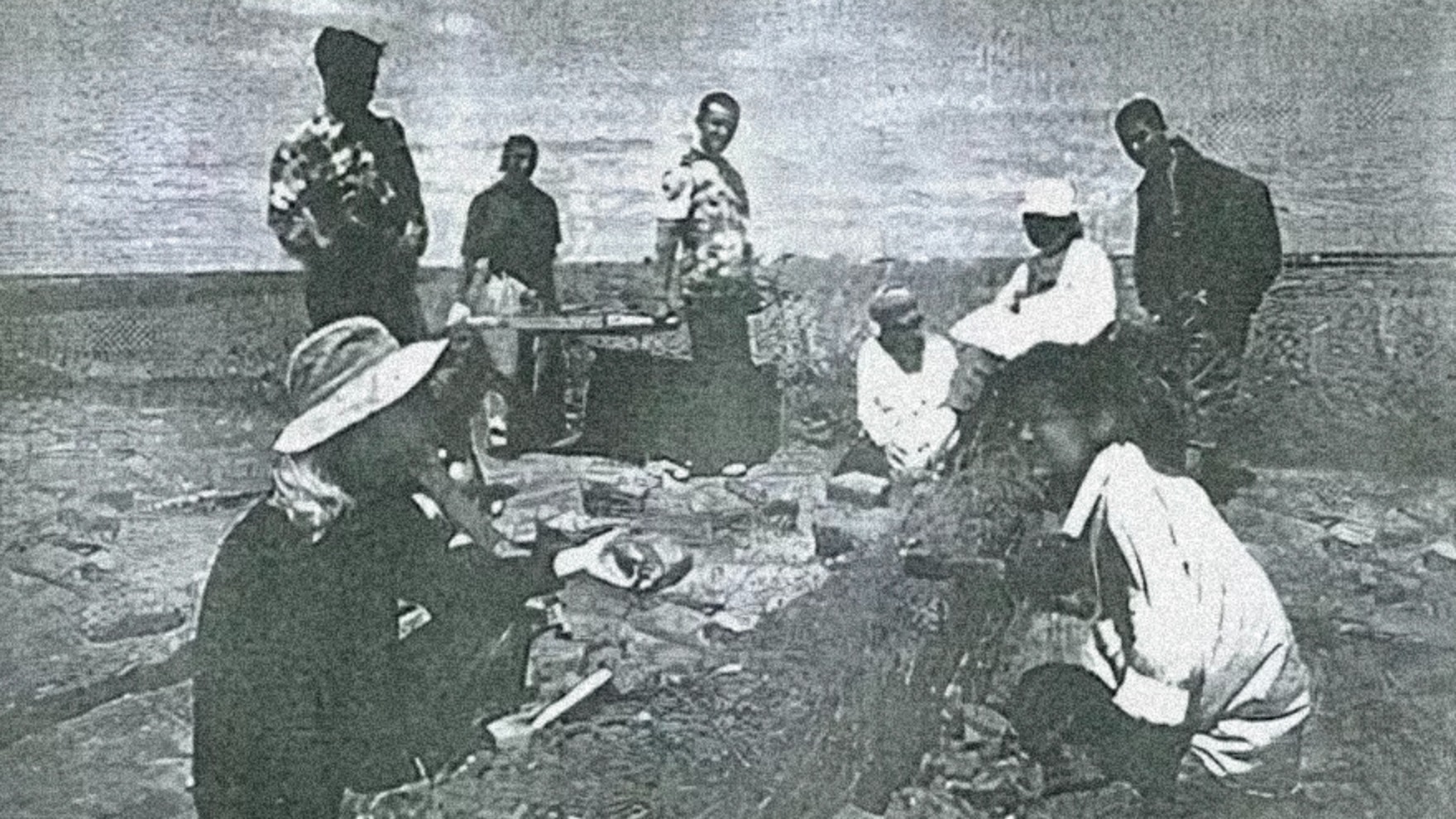
Археологические раскопки в Алматы
Archaeological research in Almaty has uncovered remains of a settlement dating back to the 9th–13th centuries in the areas of Gorny Gigant, the Botanical Garden, Zarya Vostoka, and the current Military Institute of the National Security Committee, confirming the existence of a developed urban culture. In the 13th century, a mint operated on the territory of Almaty. In 1978, archaeologists discovered a forge and a dirham dated to 1285 at the excavation site. The inscription reads: “Power belongs to Allah alone, the Almighty! This dirham was minted in balad Almatū.” The term balad confirms the city status, and the religious inscription suggests that Almaty likely had mosques at that time, especially considering that it may already have been a Muslim center of the region.
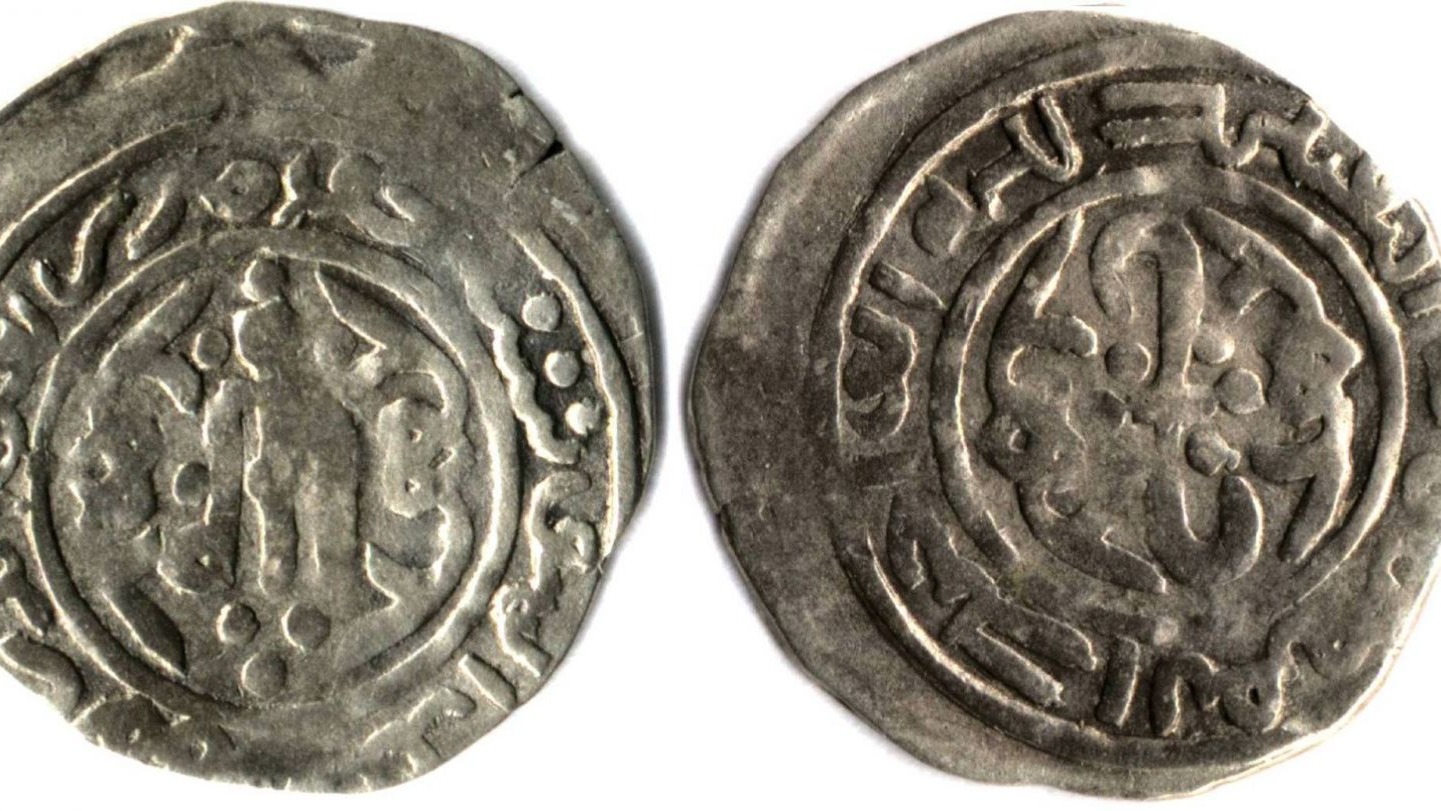
Посеребрённые медные дирхемы, чекана монетного двора года Алматы в 1271-1277 годах
The name Almaty, inscribed on a late 13th-century coin, is the earliest known written mention of the city. Earlier, the primary source was considered to be the Baburnama, which lists “Almalyk, Almatū, and Yangi” (modern Otrar) among the cities north of Fergana, all of which were destroyed by the early 16th century. Almaty is also mentioned in Mirza Muhammad Haidar’s Ta’rikh-i Rashidi, which describes the 1508 battle near “Almatū – a well-known place of Moghulistan.” By the late 15th – early 16th century, the city of Almatū, known for its urban Muslim culture and architecture, had been destroyed. In the 19th century, this land was colonized by the Russian Empire. Major Peremyshlensky, in his report, noted “excellent pasture lands between the Bolshaya and Malaya Almatinka rivers,” and in 1854 a fortress was founded here, which became the foundation of future Verny.
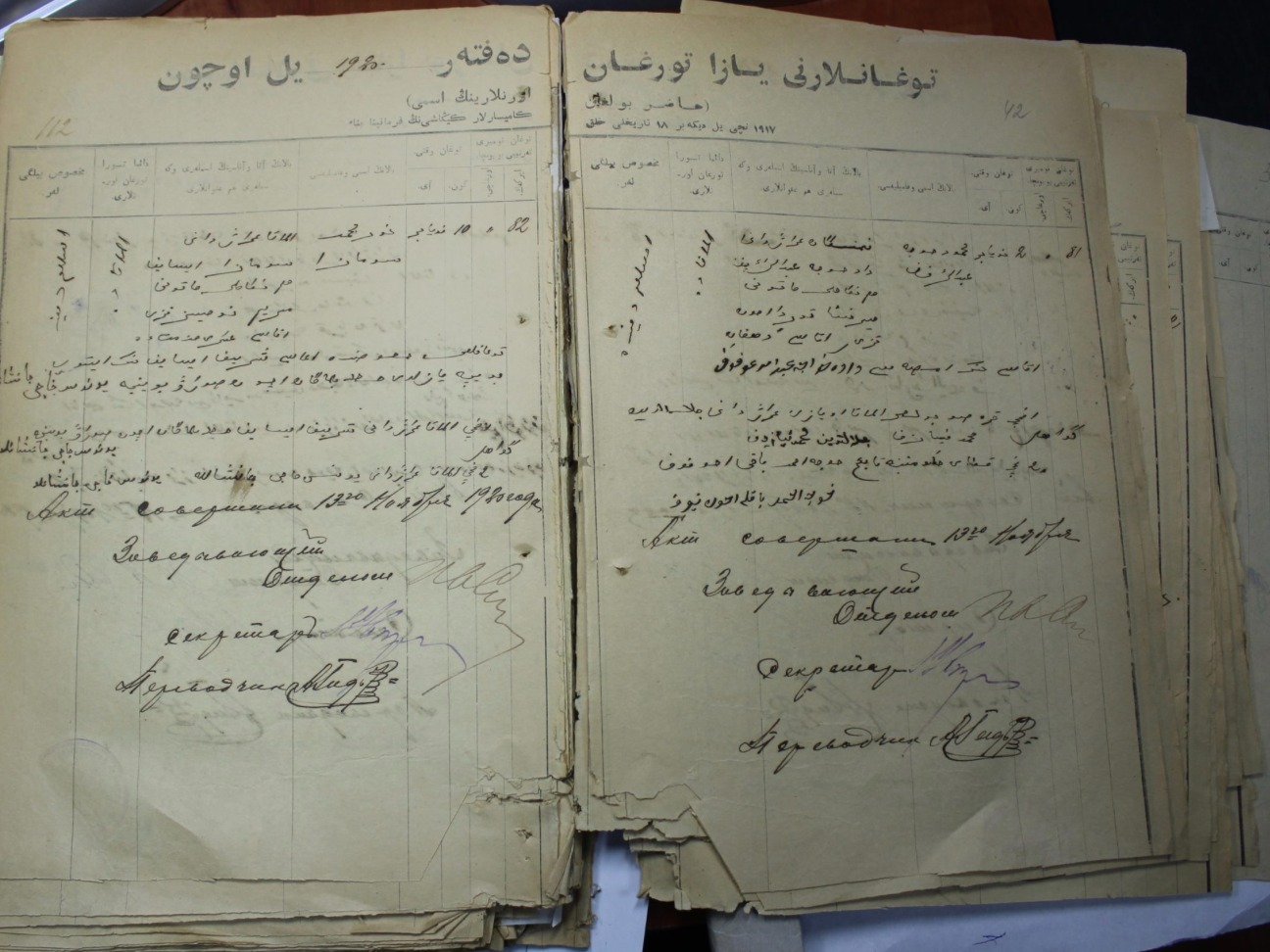
Список мусульман города Верного 1920 года
Mosques of Almaty
In the new city, with a population of about 17,000 Muslims, there were 12 functioning mosques. Among them, six of the most notable can be highlighted:
• The mosque in the Bolshaya Stanitsa;
• Two Dungan mosques in the western part of the city;
• The “Fatima” mosque in the Tatar settlement district;
• Mosque No. 4 of the Orenburg Mohammedan Assembly;
• A mosque built by the Karatal Kazakhs who migrated to Verny from the Karatal River valley. It was located on Pushkin Street and existed until the 1990s.
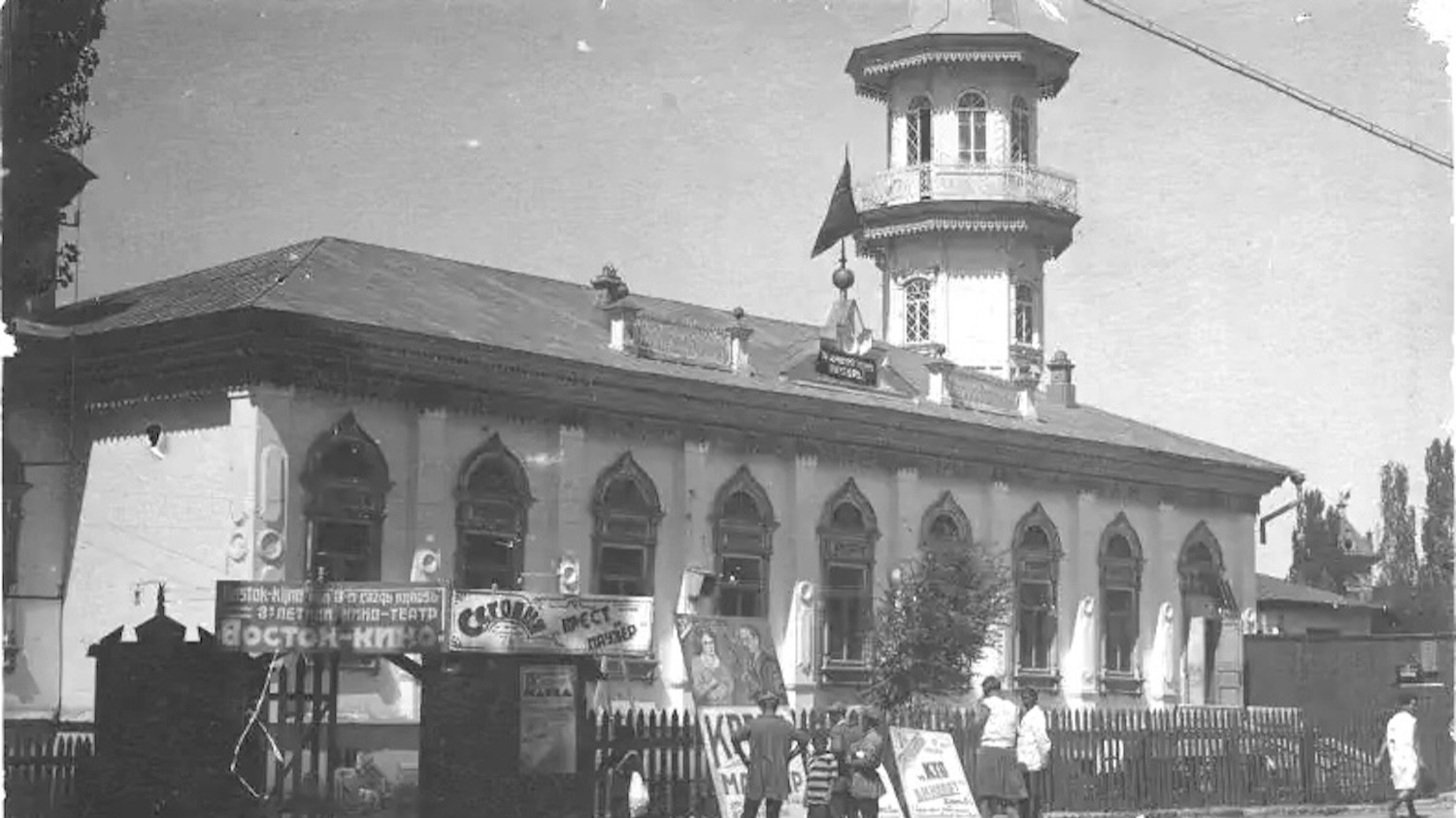
Кинотеатр "Восток" в бывшей мечети Исхакия"
«Iskhakia»
The largest Mosque No. 4 of the Orenburg Mohammedan Assembly, known as “Iskhakia,” was located at the corner of today’s Nazarbayev Avenue and Zhibek Zholy Street, near the Small Bazaar. Its architectural appearance was defined by a tower-shaped minaret built in the Tatar style. Previously, it was believed that the mosque had been constructed with funds from the wealthy merchant Ishak Gabdulvaliev, but recent research by local historian A. Voronov indicates that its construction was the result of collective efforts by believers from across the region.
In the 1930s, during the period of active atheist state policy, the mosque building was not demolished but repurposed for cultural needs: first as a theater for national minorities, and later as the “Vostok” cinema. In the 1960s, the mosque was finally demolished, leaving only memories in the city’s history.
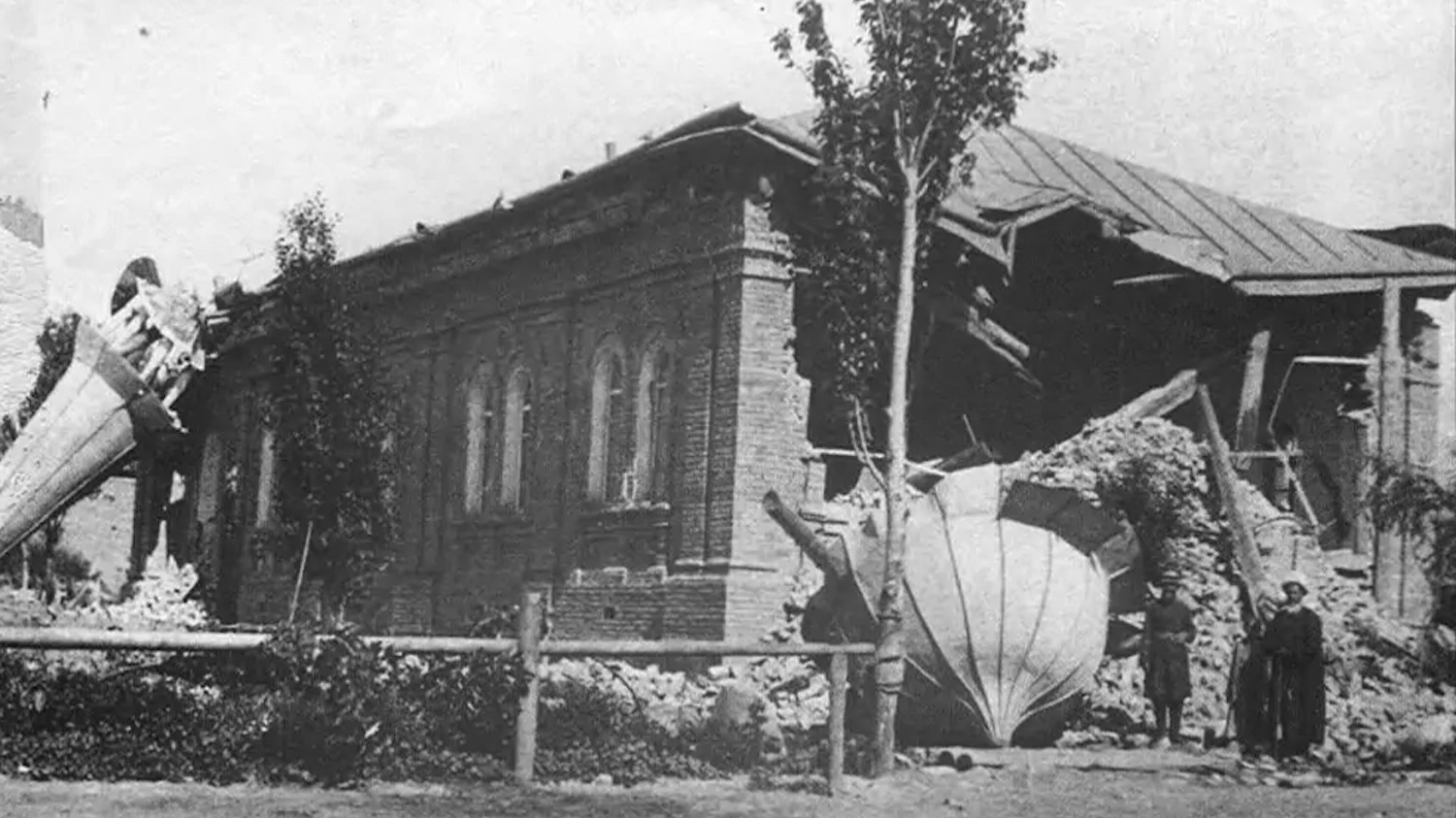
Разрушенная в 1887 татарская мечеть
«Fatima» Mosque
The “Fatima” Mosque, named in honor of the daughter of the Prophet Muhammad, was built in the mid-19th century in the historical district of the Tatar settlement. The sponsor of its construction was Alimov, the first merchant of Verny. The building, made of brick, originally included a madrasa where up to 70 boys studied. However, the 1887 earthquake partially destroyed the mosque. It was later restored, but already in a wooden version, and continued to function until 1940. During the Soviet period, the building lost its religious purpose and was converted into a warehouse for a felt-boot factory.
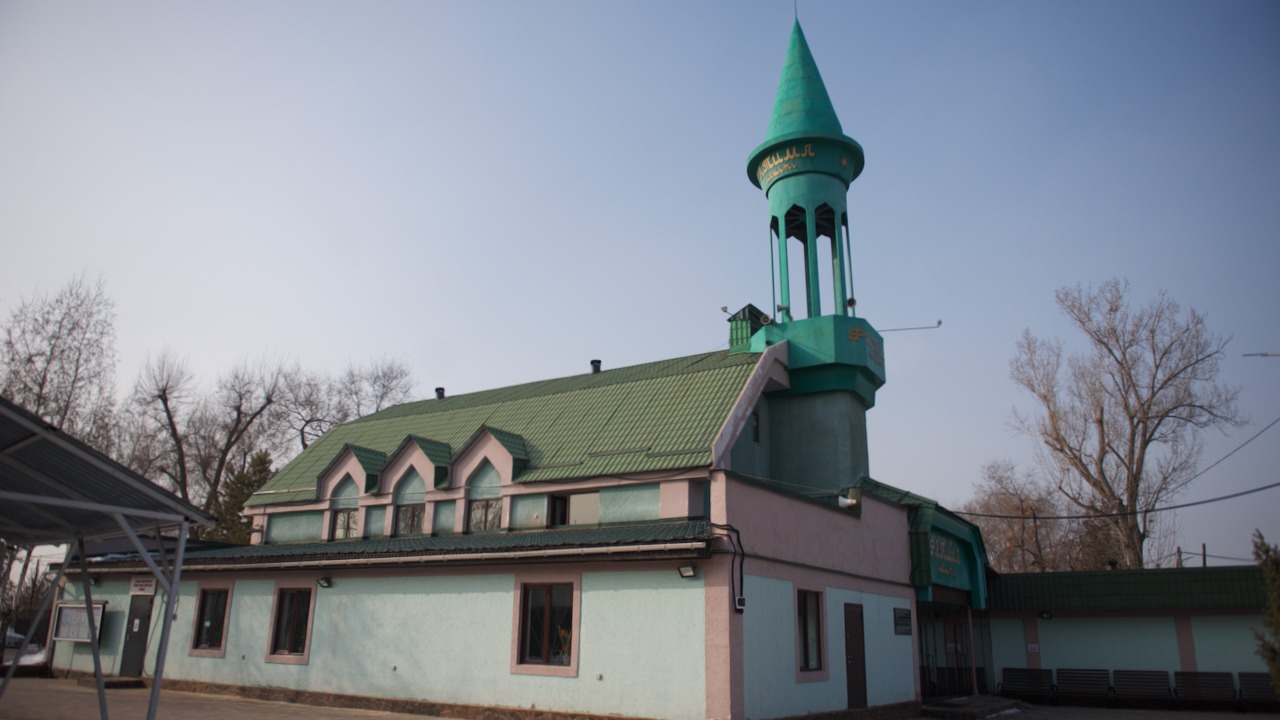
Восстановленная татарская мечеть "Фатима", фото 2025 года
It was only in the mid-1990s that the “Fatima” Mosque was restored. According to longtime residents, its current appearance largely resembles the pre-revolutionary building. Unlike most mosques in Almaty, it stands out for its architectural design — a pointed minaret dome crafted in the finest traditions of Tatar architecture, which gives the mosque a distinctive historical identity and unique character.
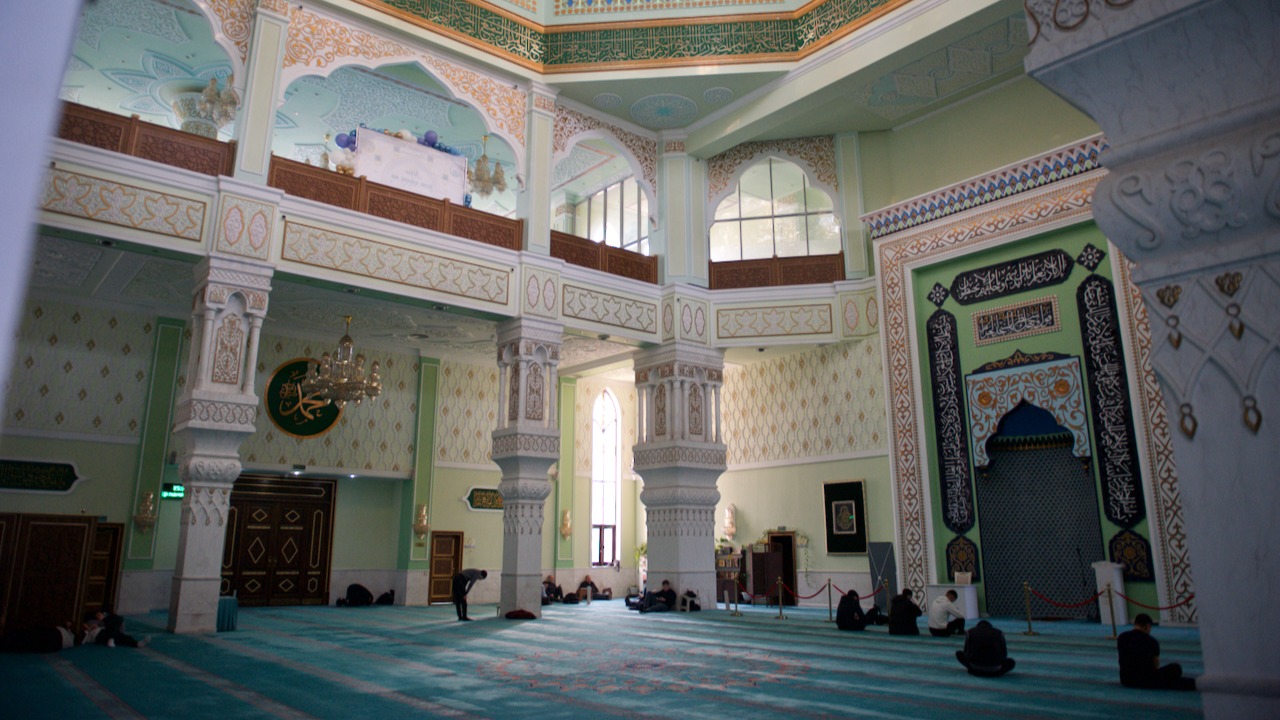
Молитвенный зал мечети "Байкен", фото 2025 года
«Baiken» Mosque
After Kazakhstan gained independence in 1991, the country experienced an active rise in mosque construction, which became an important part of the nation’s spiritual revival. In Almaty, many religious sites were built or restored, including the Central Mosque of Almaty, the “Baiken” Mosque, the “Al-Madina” Mosque, the mosque in the Orbita district, the “Fatima” Mosque, and others. One of the most striking examples of this revival is the beautiful “Baiken” Mosque, built in 2014 on the site of a former casino. It was named in honor of Baiken Ashimov, a prominent statesman of the Kazakh SSR. The complex occupies more than 6,000 square meters and can accommodate up to 3,000 worshippers at once. Its interior is decorated in light tones, and the spacious halls are filled with natural light from large windows and elegant stained-glass elements, creating an atmosphere of harmony and tranquility.
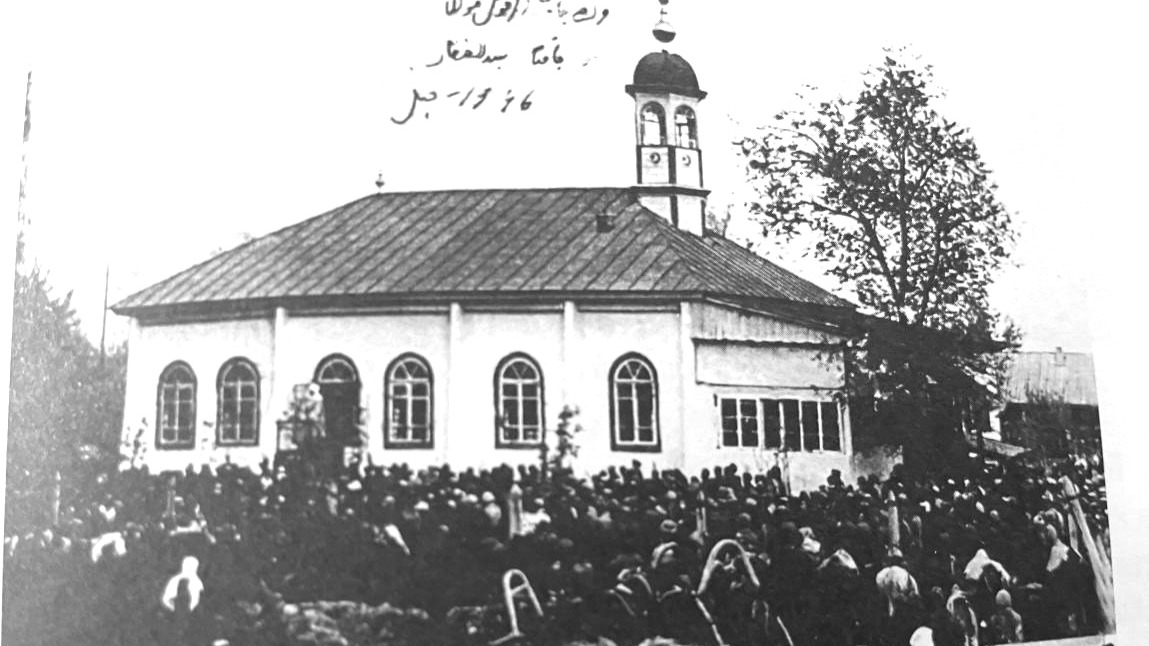
Старая мечеть Алматы построенная переселенцами из Каратала, фото 1948 года
The Mosque of the «Karatal Kazakhs»
According to archival records from 1924, the mosque on Pushkin Street was built by settlers from the Karatal region, commonly known as the “Karatal Kazakhs.” The mosque was constructed entirely from pure spruce wood and covered an area of 100 square meters. Although there is no information about the exact year it was built, it is considered one of the earliest mosques in Almaty. It was also referred to as the “mosque of the ‘half-Kazakhs.’” To understand the meaning behind this name, we cite an excerpt from an article by Nuraddin Mollagazin published in the newspaper “Qazaq”, issue No. 50, dated February 14, 1914:
“In Almaty, the largest city of the Zhetysuy region, there live about 500 Kazakhs from various clans, who are engaged in trade.” […] Some of them have been Kazakhs since the time of their ancestors, while others have intermarried with Nogais, Sarts, Kashgarians, and Taranchi people. That is why they are referred to as ‘half-Kazakhs.’
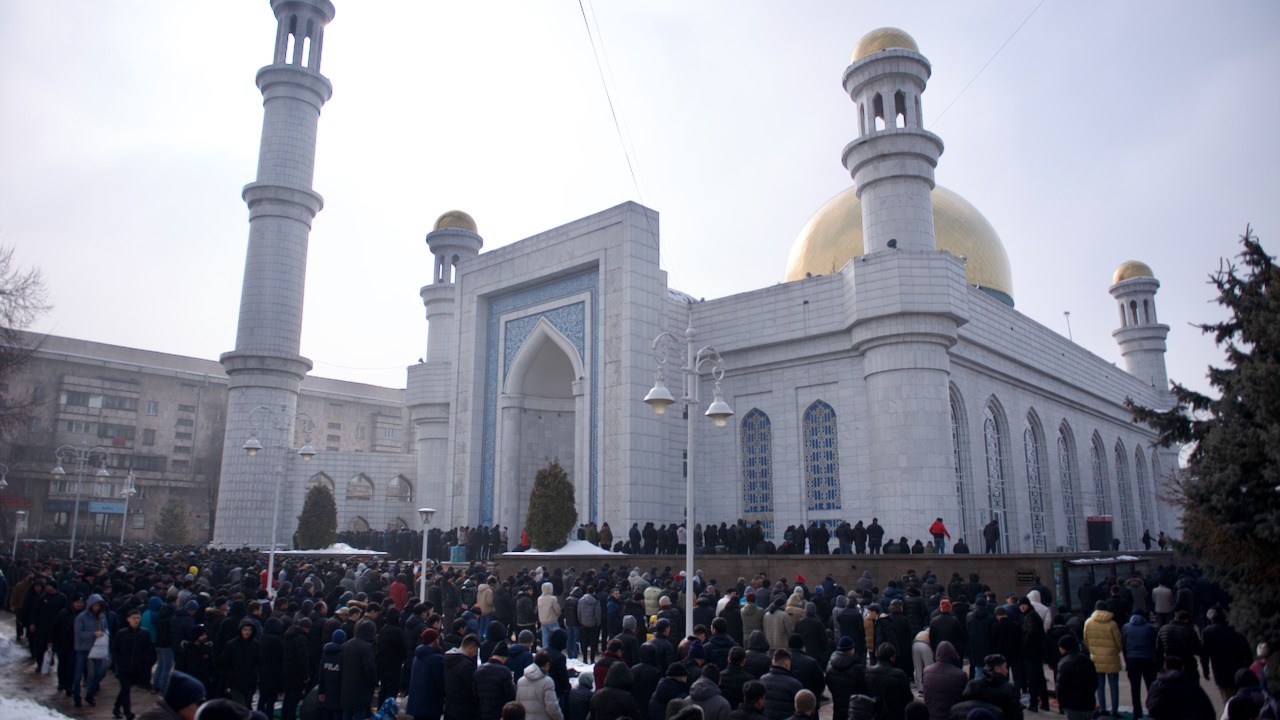
Джума-намаз (пятничная молитва) на территории Центральной мечети, фото 14 февраля 2025 года
In the 1990s, the old mosque of the “Karatal Kazakhs” was demolished, and the Central Mosque was built in its place. The building is clad in marble and decorated with colorful tiles, while its architectural appearance is emphasized by a dome 20 meters in diameter and 36 meters high. The mosque’s minaret rises to a height of 47 meters. The project was designed by architects S. Baimagambetov, Zh. Sharapiyev, K. Zharylg’anov, and designer K. Tolebayev. The Central Mosque of Almaty can accommodate up to 7,000 worshippers at the same time.
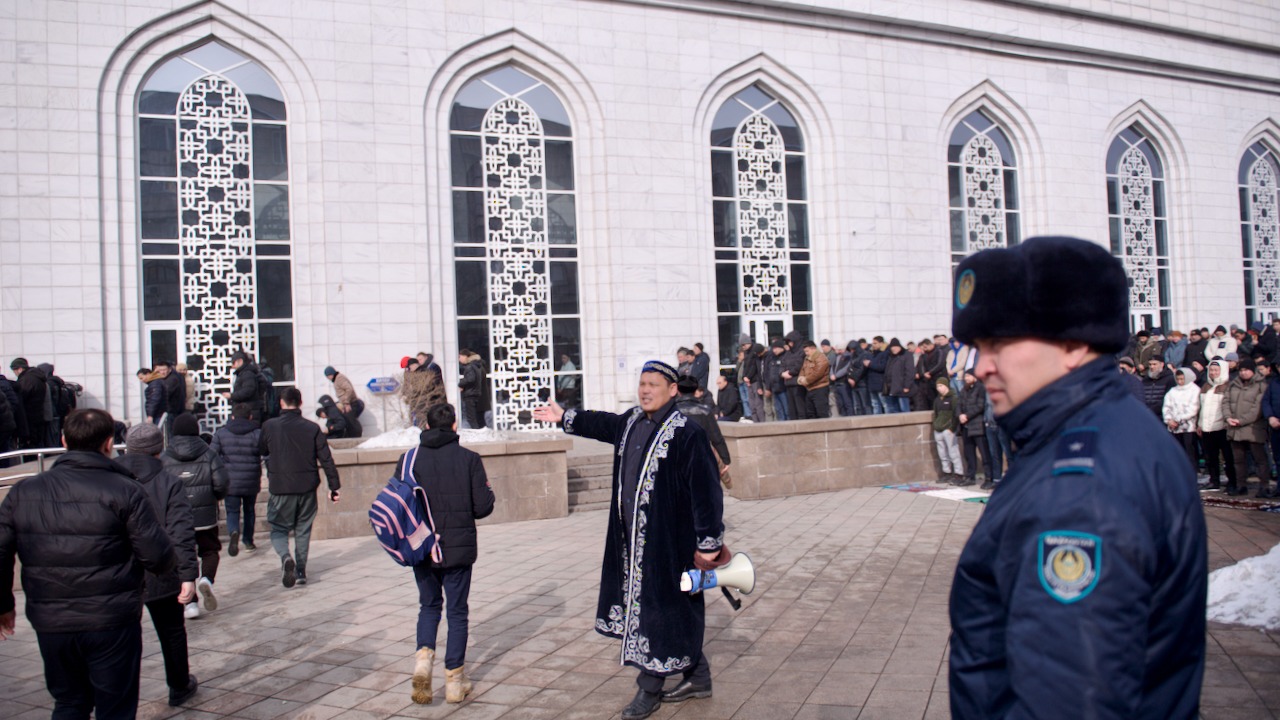
Джума-намаз (пятничная молитва) на территории Центральной мечети, фото 14 февраля 2025 года
Why it is important to build a new mosque
As of 2024, Almaty has 56 mosques, with capacities ranging from 250 to 7,000 people. However, this number is insufficient, and many worshippers are forced to pray outside, which often leads to traffic difficulties and congestion. For instance, on December 6, 2024, dozens of attendees at Almaty’s Central Mosque were unable to fit in the courtyard and ended up occupying the roadway during Friday prayer. Despite pre-arranged accommodation for worshippers, once the jumu‘ah prayer began, part of the congregation settled directly on Manshuk Mametova Street, causing a full-scale traffic collapse.
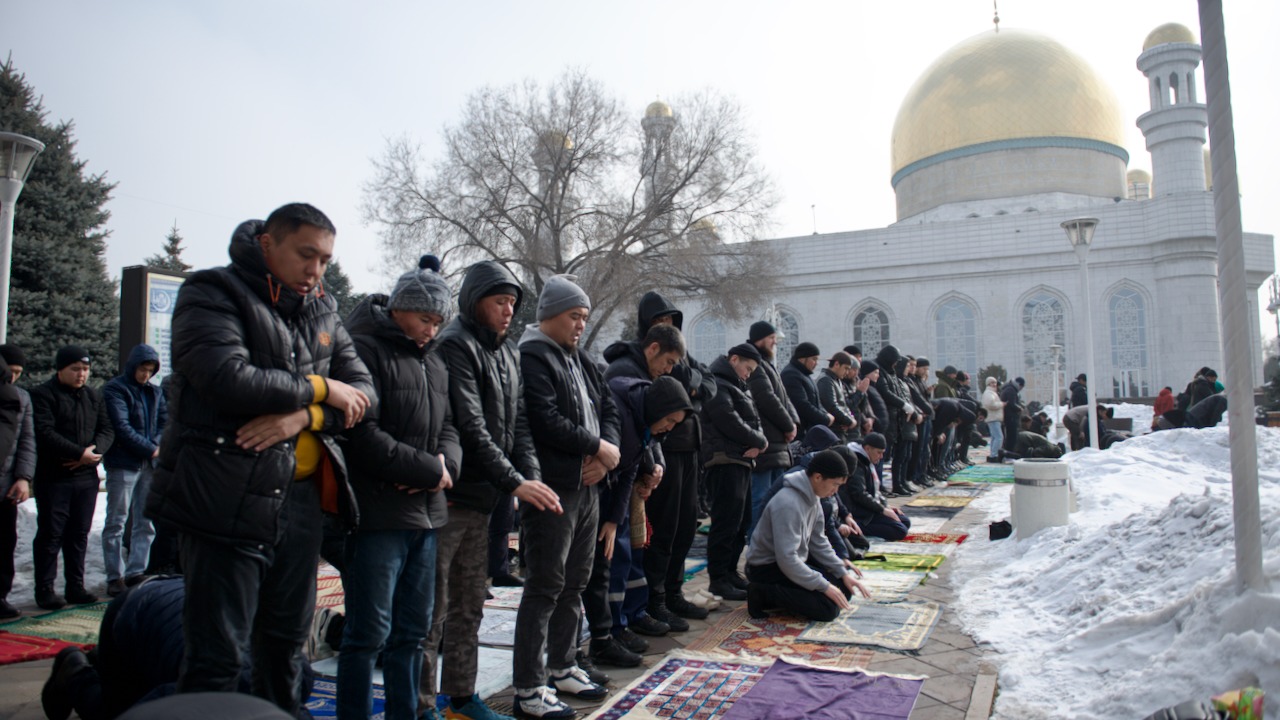
Джума-намаз (пятничная молитва) на территории Центральной мечети, фото 14 февраля 2025 года
Experts note that solving this problem requires not only the construction of new mosques, but also a comprehensive approach to transportation accessibility. It is important to provide additional parking areas, optimize traffic organization in surrounding districts, and develop effective measures to manage the flow of worshippers during peak hours.
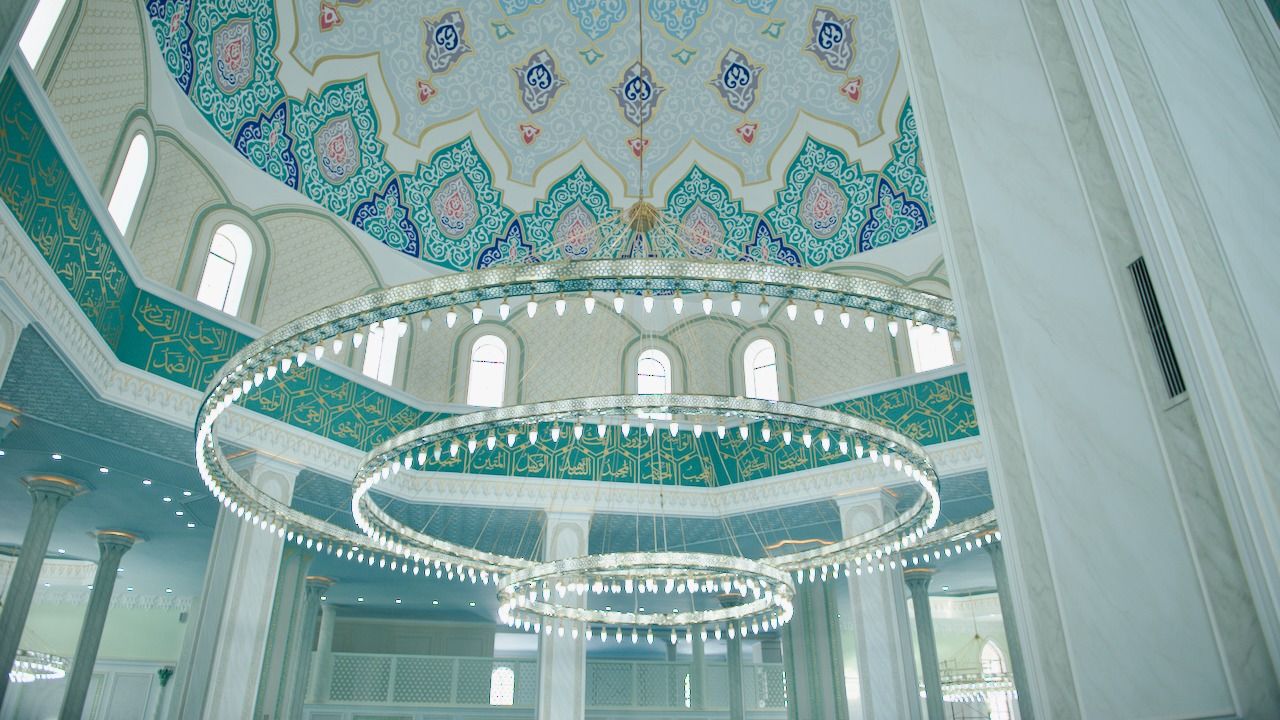
Новая мечеть, открытие которой планируется в 2025 году
New Religious Complex
Construction of mosques in Almaty continues, and in 2025 the city will open a new religious complex that people have already nicknamed the “Qulybai Mosque” or the “Kulibayev Mosque.” The new facility is expected to significantly reduce the load on the city’s existing mosques, where a shortage of space is often observed on Fridays. The total carpeted area of the new mosque will be 13,500 square meters, and together with the adjacent territory it will be able to accommodate more than 20,000 worshippers, making it the largest mosque in Almaty. The complex infrastructure will include parking for 1,100 cars, a library, a 400-seat event hall, and a dedicated area for marriage ceremonies (nikah). The opening of the mosque will not only meet the needs of the growing number of believers but will also become an important element of urban infrastructure, considering the rapid population growth in Almaty.
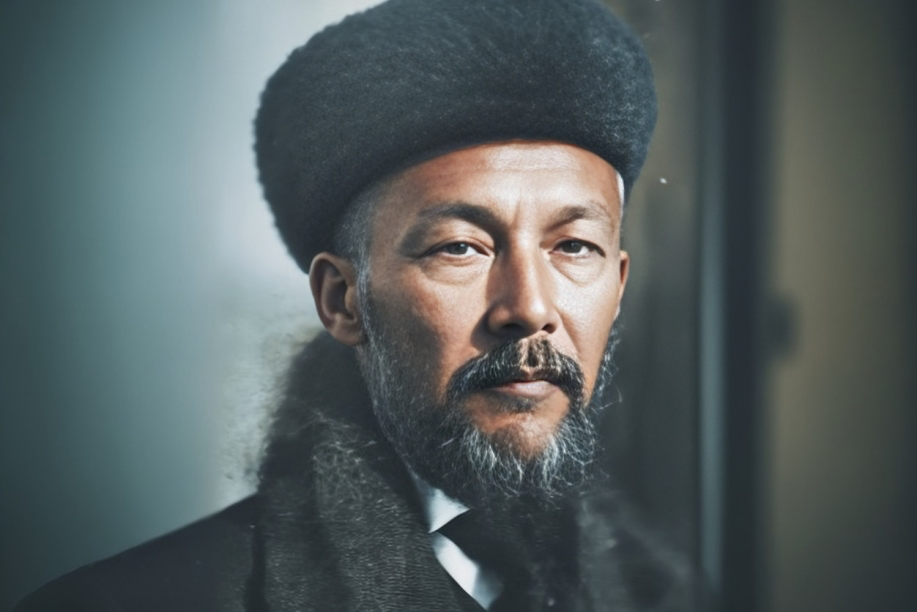
Shangerei Bokey shaped early Kazakh visual culture as the first photographer and educator. Story by Karlygash Nurzhan for Shanger.kz
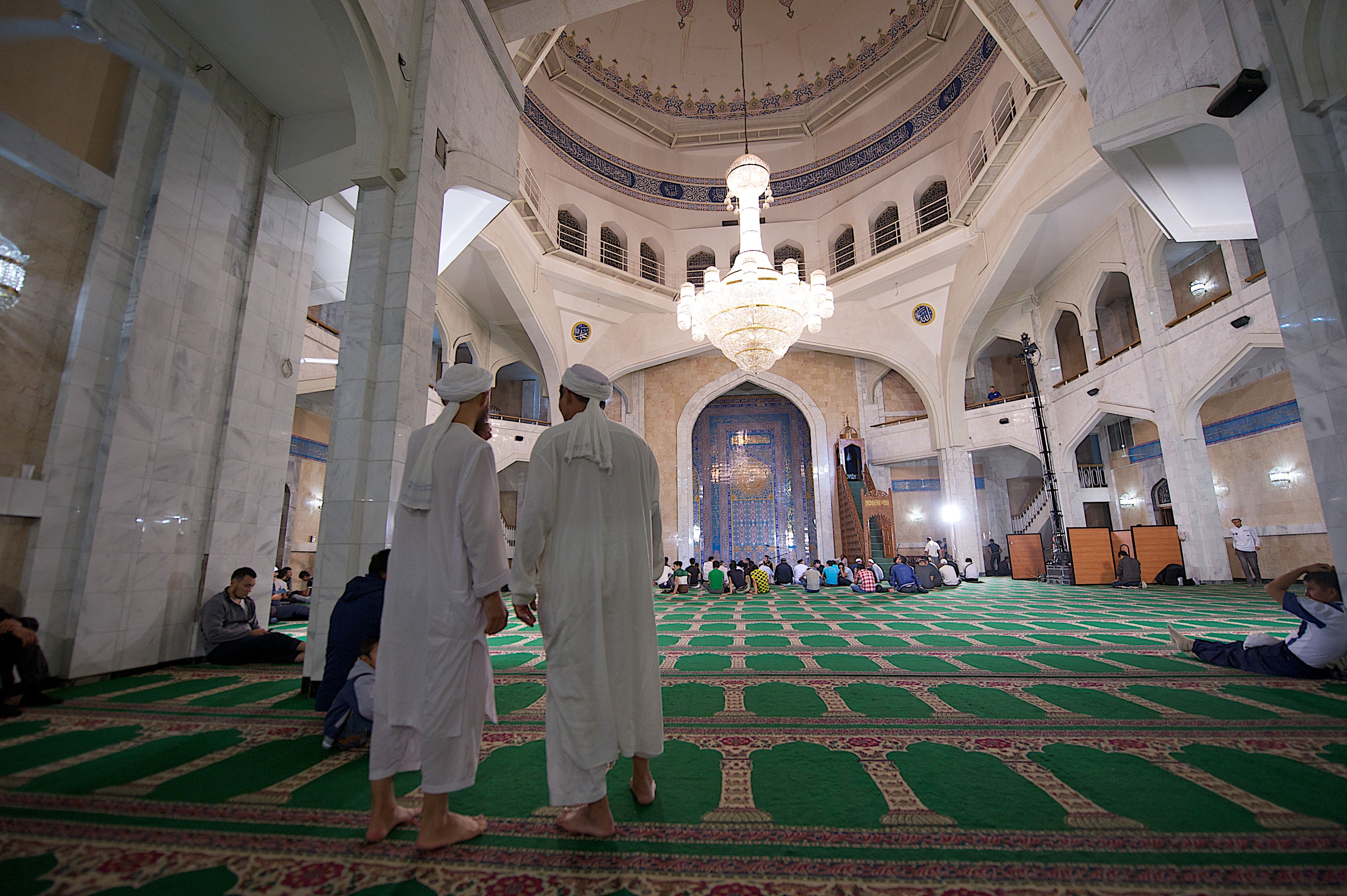
Over 10,000 worshippers gathered at Almaty’s Central Mosque on Laylat al-Qadr for Quran recitation, prayers, and forgiveness.
Comments
No comments yet. Be the first to comment!