SHANGEREI BOKEY – PHILANTHROPIST AND ENLIGHTENER, POET AND THE FIRST KAZAKH PHOTOGRAPHER
Shanger.kz and Qarlyğaş Nūr Jan
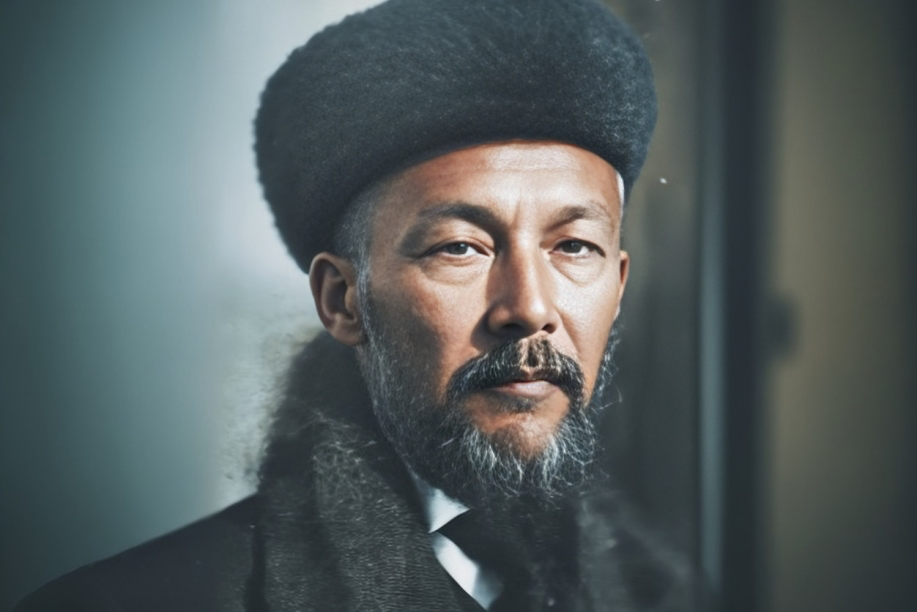
In 1839, at the French Academy of Sciences in Paris, Louis Daguerre and Joseph Niépce introduced photography to the world. Three years later, in 1841, Zhangir Khan opened a school in Orda and hired a photographer to document its students. Thanks to this, archival photographs of many members of the Kazakh intelligentsia who graduated from the Zhangir School have been preserved. Yet few people know that the first Kazakh photographer was Zhangir Khan’s grandson — Shangerei Bokey.
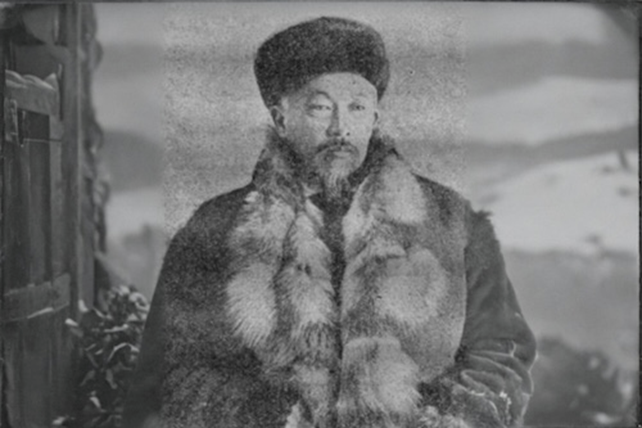
Shangerei Seitgerieiuly Bokey was born in 1847 in the Khan’s Orda, in the village of Zhasqus in the West Kazakhstan region. When he was five years old, his father passed away, and the boy was raised by his mother, Ermek. Shangerei’s childhood was marked by fears and a series of losses. The death of his father was only the first in a chain of family tragedies that deeply shaped his worldview and would later be reflected in his poetic work. Despite this early loss, Shangerei never experienced material hardship: thanks to his family’s wealth, he had the opportunity to study and receive an education from a young age. After completing his early studies, he entered the Orenburg Cadet Corps, which trained officers for the local administration. However, he studied there for only two years before refusing to continue his service, openly stating that he had pursued education not to punish the Kazakh people, but to enlighten them.
Although Shangerei Bokey came from the ruling dynasty of the Inner (Bukey) Horde, he was known for his simplicity and kindness in dealing with people, which earned him the respect and affection of the local population. For some time, he served as a magistrate in the Samara Governorate, after which he retired and returned to his homeland. Thereafter, he no longer engaged in administrative work; he was officially registered as a nobleman of the Samara Governorate and spent most of the rest of his life on his own estate.
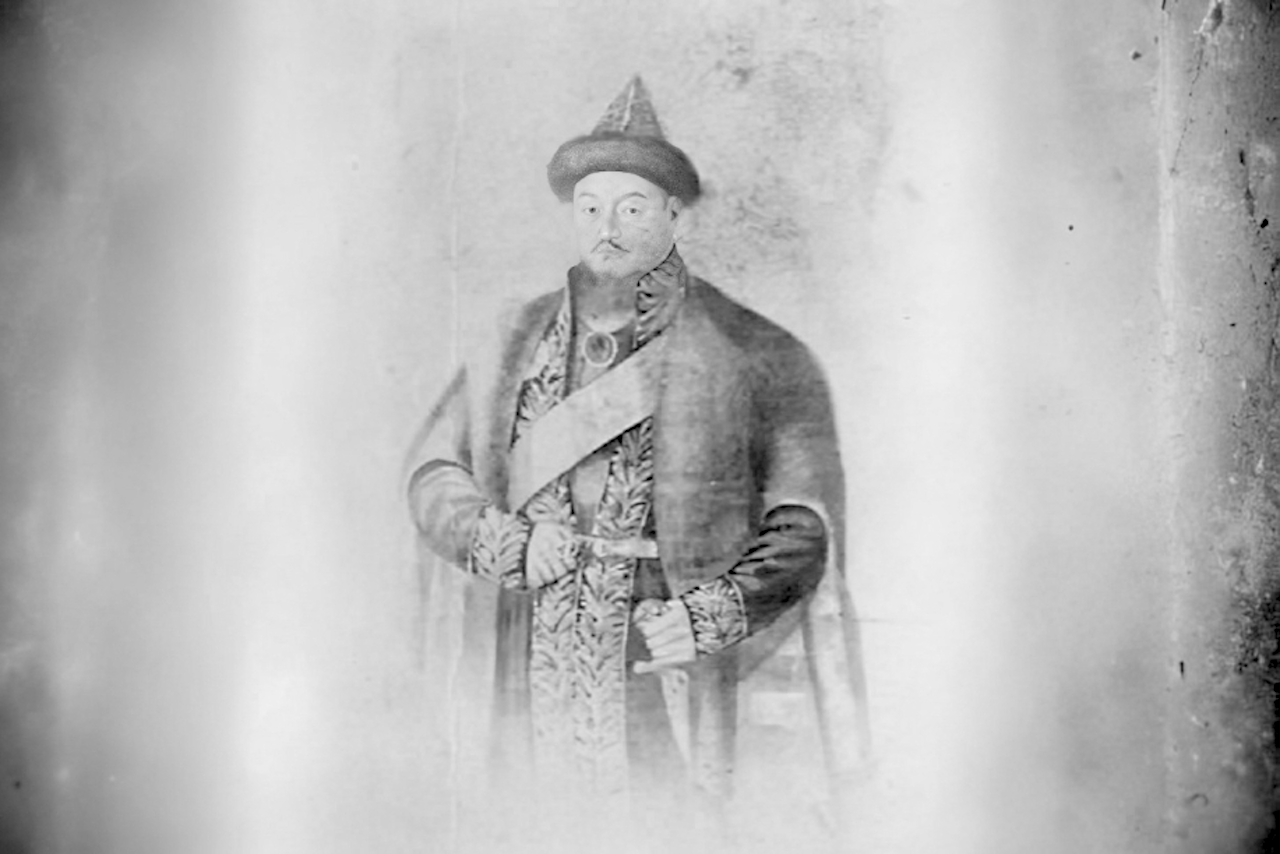
Zhangir Khan. 1832–1840. Work by an unknown artist.
He settled in the summer palace of his grandfather, Zhangir Khan, in Kolborsy — a residence that had stood abandoned for many years. There, Shangerei established the first kumys-based treatment facility and planted a fruit orchard whose harvest became highly popular among local residents. On his estate, he enjoyed hunting, kept various birds, and raised fine sighthound dogs. Under his care were 40–50 households. Shangerei lived in his ancestral village of Kolborsy on the banks of the Torgyn River, between Sarytau (Saratov) and Samara, where he launched his own educational initiatives: he built an elementary school and personally funded the education of local boys and girls. Thus, in the last quarter of the 19th century, he became one of the first pioneers of public enlightenment in the Kazakh steppe.
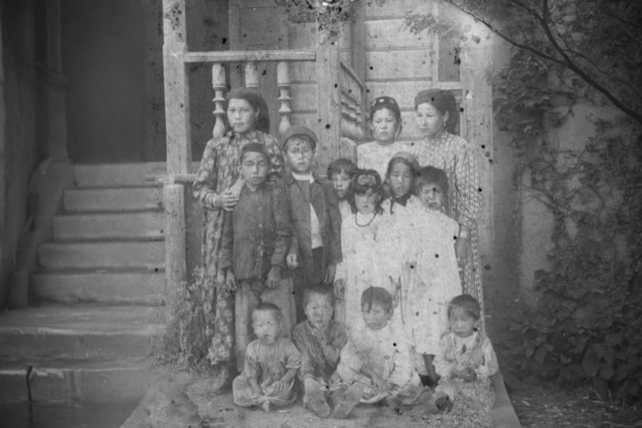
He immersed himself fully in the life of the people and hired Gumar Karash as a teacher for the village children. Shangerei taught him the Russian language and introduced him to Russian novels and short stories. He himself continued to grow spiritually: he wrote autobiographical poetry inspired by his personal experiences and emotions, and translated works of various Russian poets and writers into Kazakh. In 1911, Shangerei Bokey translated and published Mikhail Lermontov’s novella “The Fugitive” in Kazakh, creating one of the earliest examples of artistic literary translation.
Shangerei also collected and published the literary heritage of the Kazakh people and took an active part in developing the new newspaper “Kazakhstan,” donating 1,500 rubles to support its publication.
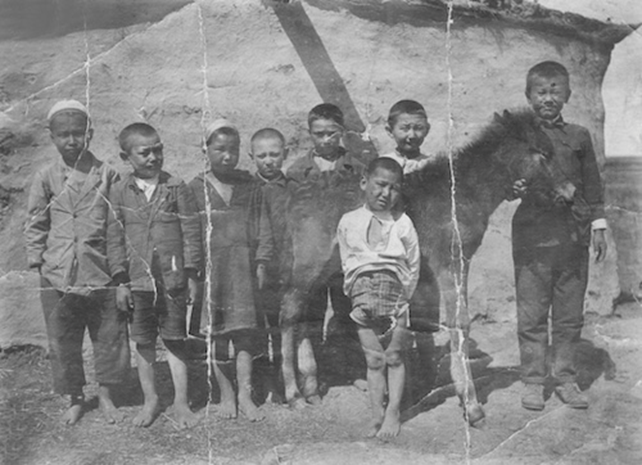
In Kazakh literature, Shangerei Bokey is often compared to Sergei Yesenin. He was a poet of refined aesthetic taste and a devoted admirer of folk creativity, especially folklore. As a gifted lyrical poet who became widely beloved among the people, he founded his own poetic school. Prominent poets such as Gumar Karashev, Arystangali Berkeluly, Gali Sadyruły, Sultash Eraliev, and others sought his advice. Beginning in 1911, his works were published in collections such as “Shair,” “Kökshilder,” “23 Traura,” “Three Centuries Sing,” and “Five Centuries Sing.” In 1934, his personal poetry collection was released, and in the following decades his works were included in school textbooks and anthologies of Kazakh literature.
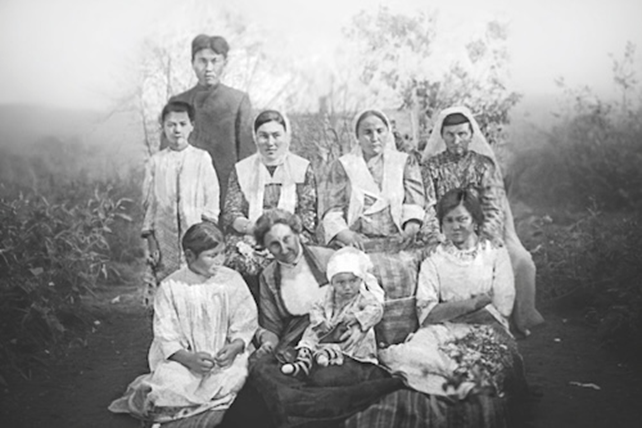
A true admirer of modern innovations, Shangerei Bokey was also fascinated by phonograph recordings and used the device to capture performances of traditional kyuis and songs by renowned masters such as Eskendir Shyntasov, Sary Tartchekin, Zhakia Asanov, Makar Zhaparov, and Sultash Eraliev.
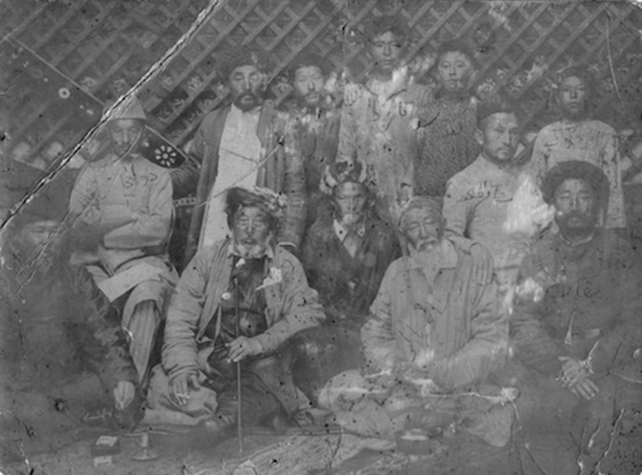
It is noteworthy that Shangerei Bokey is regarded as the first Kazakh photographer. One can confidently say that the origins of Kazakh photography are closely tied to the West Kazakhstan region. In 1901, in honor of the 100th anniversary of the Bukey Horde, Emperor Nicholas II presented Shangerei Bokey — who had been invited to St. Petersburg as an honored guest — with a camera and all the necessary equipment in recognition of his contributions to the enlightenment of the Kazakh steppe. Photography became one of his greatest passions.
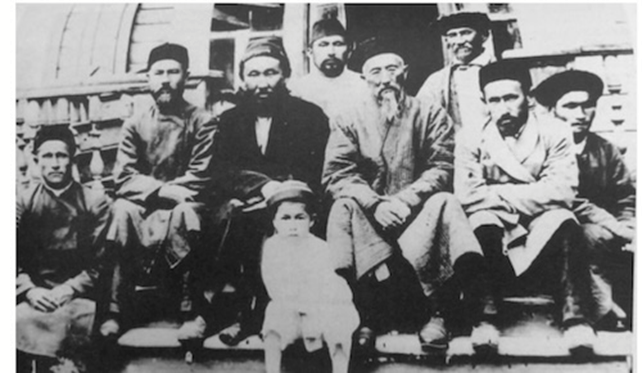
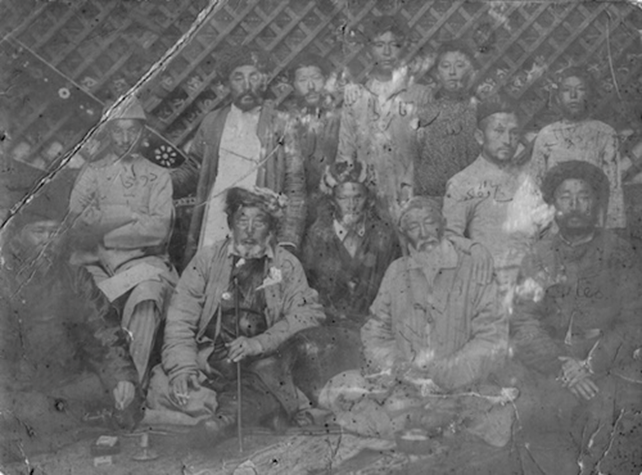
In the bottom row, the first from right to left is Gumar Karash, and in the top row, on the left, is Shangerei’s secretary, Ishangali.
The photograph of the house above was taken by Shangerei himself. This is the residence in Kolborsy where he settled — formerly the summer palace of Zhangir Khan. It was in this very house that the editorial office of the first Kazakh newspaper “Kazakhstan” operated between 1911 and 1913. Shangerei created all the necessary conditions for Gumar Karash and Elevsin Buirin to work there, enabling them to publish the newspaper while protecting them from the surveillance of the gendarmerie and police. As a master of photography, Shangerei captured many prominent figures of his era. In this photograph, the first person in the bottom row from right to left is Gumar Karash, and in the top row on the left is Shangerei’s secretary, Ishangali.
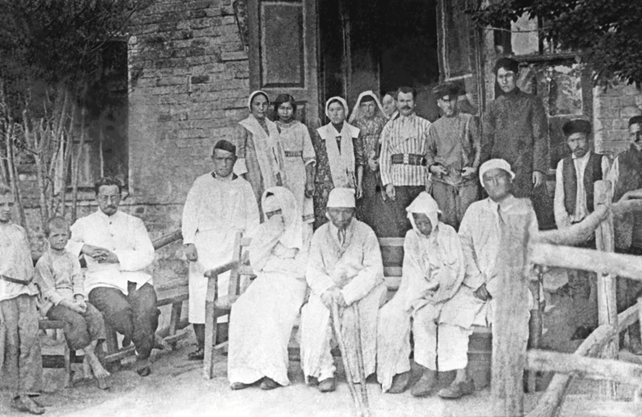
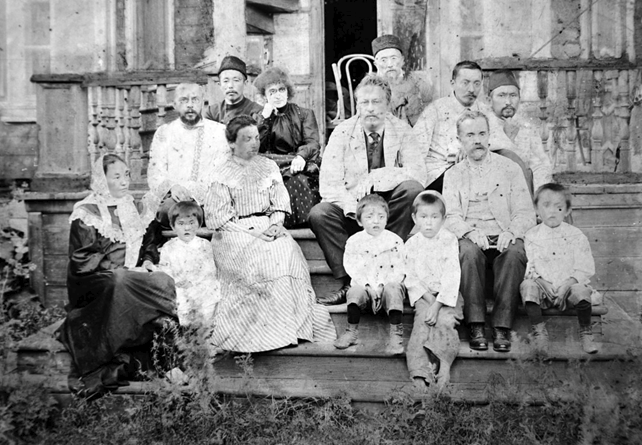
Unfortunately, the original photographs taken by Shangerei Bokey have survived only in scattered private collections; however, some of his works are preserved in the archives of the West Kazakhstan Historical and Regional Studies Museum. Among them are photographs of Shangerei’s daughter Zauresh with the haymaker Aynok, rare images of Shangerei himself with family and friends, and photographs of the family of Dr. Dauletsha Kusepkaliev — one of the first educated physicians in Kazakhstan and a member of the Alash movement — together with his wife Aysha Bokey, as well as photos of Aysha Bokey with her daughter Gainizhamal (1909–1989). The museum’s collection also includes group portraits of Kazakh intellectuals, such as the physician Aubakir Aldiyarov, photographs of Kazakh children against the backdrop of traditional mazanka dwellings, kumys dairy workers, and other vivid scenes from everyday life in the Kazakh steppe.
После революции 1917 года Шангерей Бокей, оставив свою землю Советской власти и испытывая ухудшение здоровья, вместе с семьёй переехал погостить в урочище Акбакай к врачу Даулетше Кусепкалиеву, где в январе 1920 года скончался. Его жизнь и творчество привлекли внимание многих видных казахских учёных и литераторов, среди которых Н. Манаев, М. Ауэзов, К. Жумалиев, З. Ахметов и другие. Сегодня в фондах музеев Казахстана бережно хранятся оригинальные фотографии, сделанные самим Шангерей Бокей, а его произведения опубликованы в "Сборнике произведений казахских акынов XVIII–XIX веков", изданном в 1962 году Академией наук Казахской ССР. В 2006 году в местечке Акбакай в его честь установили памятную гранитную доску, а в 2022 году страна отметила 175-летие со дня рождения Шангерей Бокей — поэта, просветителя и первого казахского фотографа, оставившего яркий след в истории культуры и литературы Казахстана.
The material uses information and photographs from the article by Gulzada Bakitova (ibirzha.kz), the chief curator of the West Kazakhstan Regional Historical and Ethnographic Museum.
The revival of the iconic Aqqu Café brings back a cherished cultural memory for Almaty residents and preserves the city’s heritage.
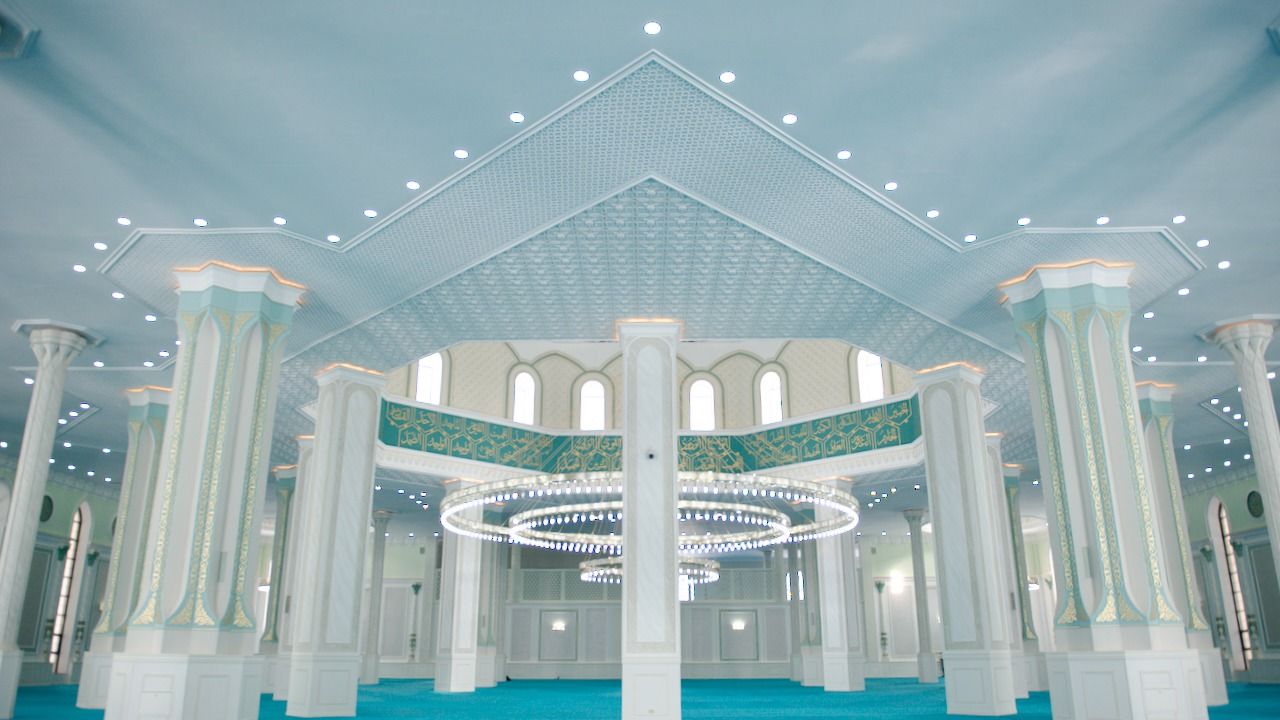
The new mosque opening in 2025 will welcome over 20,000 worshippers and strengthen Almaty’s expanding religious infrastructure.
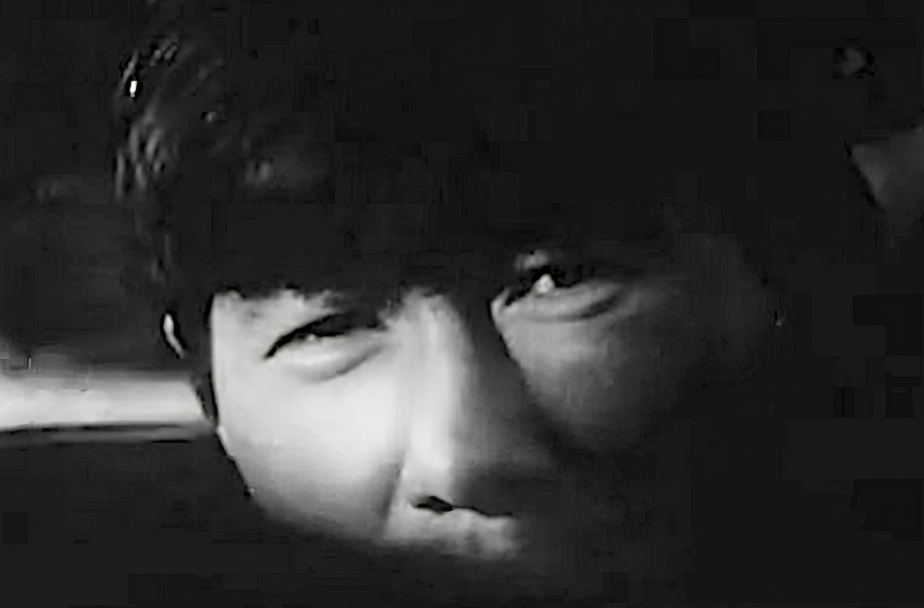
Фоторепортаж и свидетели 16–18 декабря 1986 г.: как студенты вышли в Алма-Ате, с чем столкнулись и как это изменило путь к независимости Казахстана.
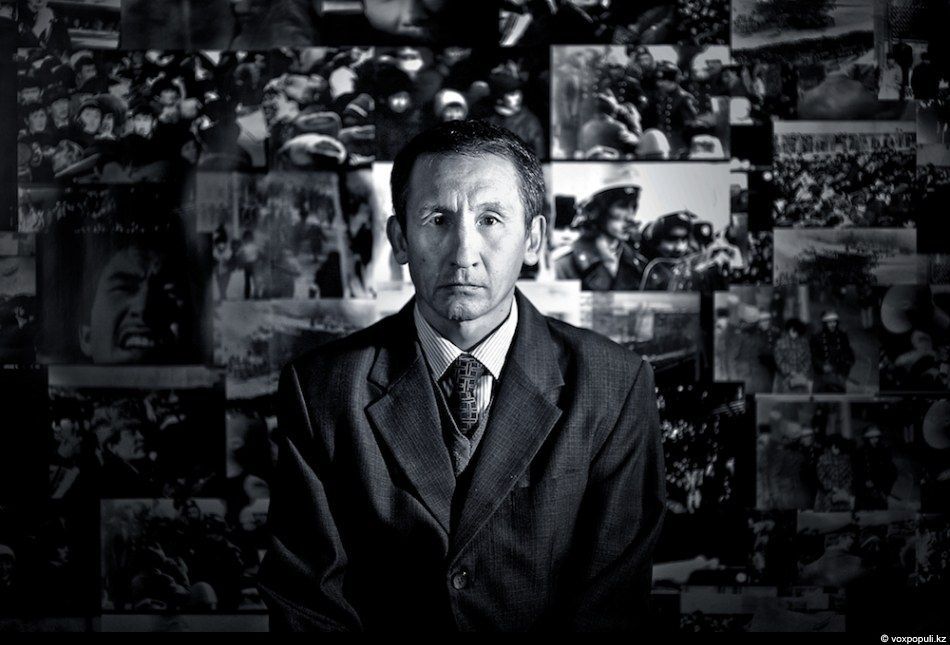
Фоторепортаж и интервью с участниками событий 16–18 декабря 1986 года: студенческий протест, аресты и дорога к свободе Казахстана.
Comments
Круто! Очень интересная статья
👍🔥