Kandas of Batyr: return of Kazakhs to ancestral land
Shanger.kz
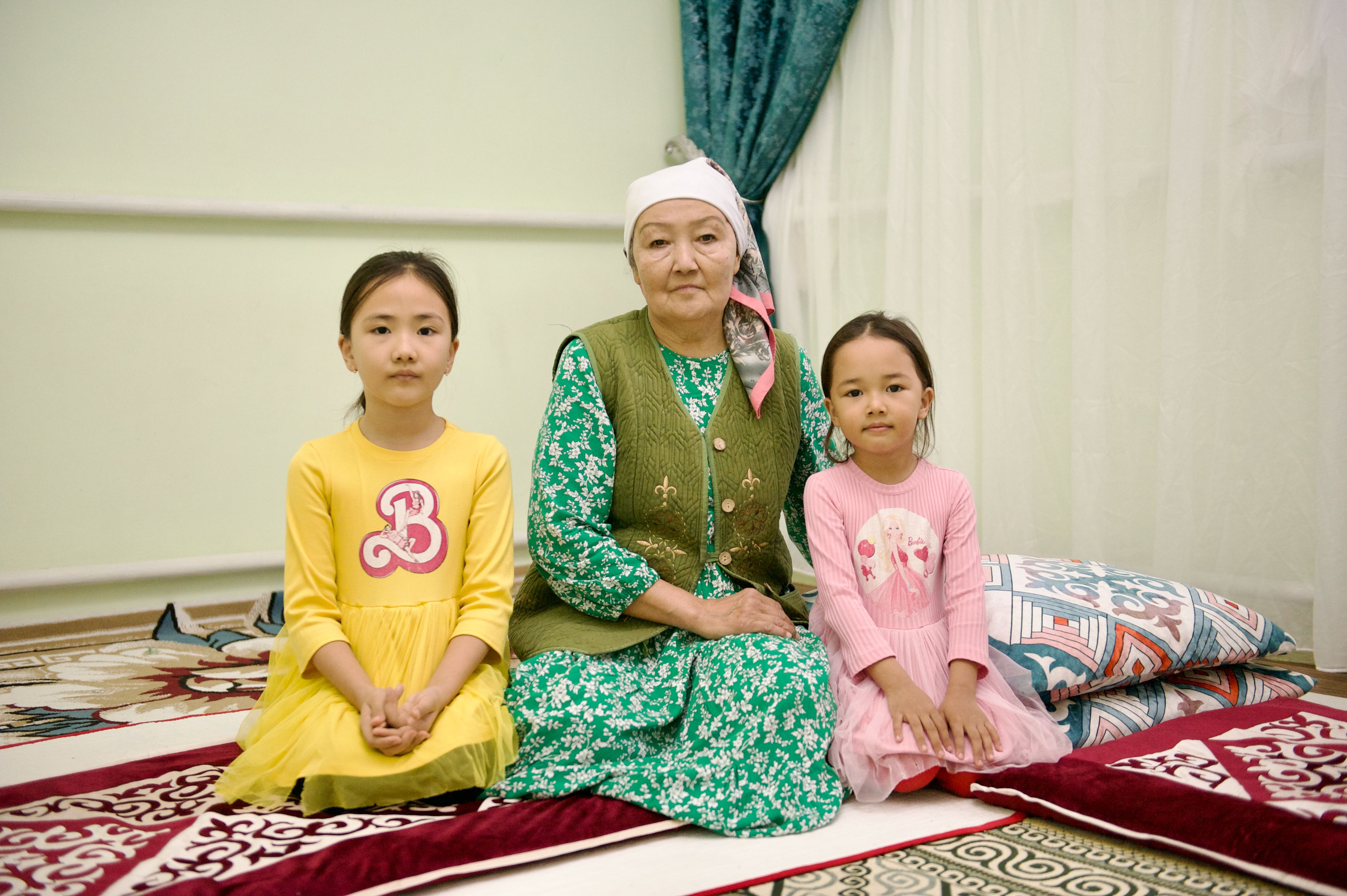
A century ago, Kazakhs across the entire territory of Kazakhstan left their homeland for different reasons. One of the most tragic was the famine of the 1930s, when, fleeing starvation, entire families were forced to abandon their auls. Later, in the Soviet period, resettlements happened for other reasons as well: in search of work, education, or due to administrative decisions. Nearly a century later, the descendants of those who left began to return. The village of Batyr in Mangystau Region became one of the centers for ethnic Kazakhs who came back to their historical homeland.
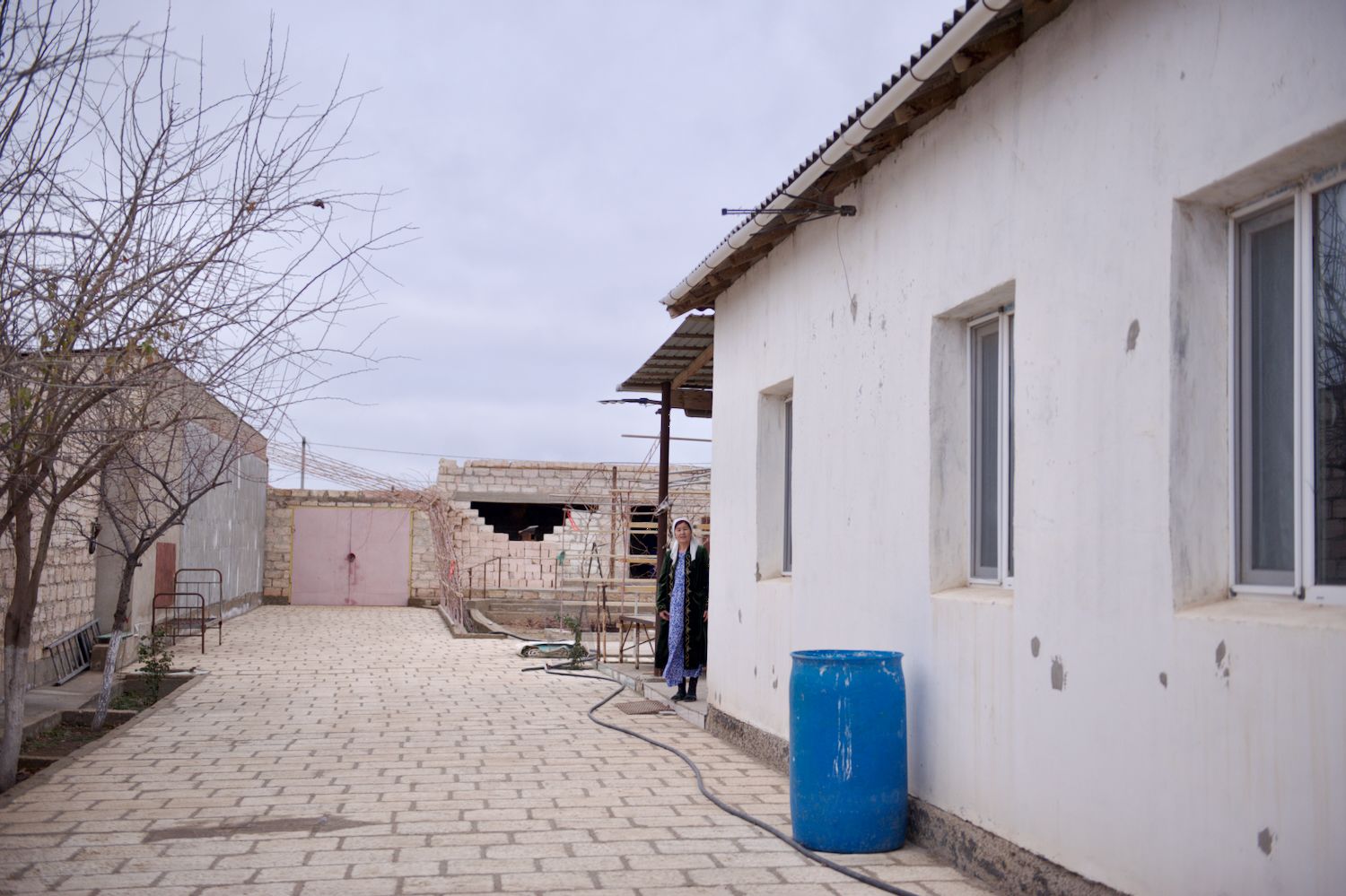
The village of Batyr was established in 2011 as a settlement for kandas. It is located on the Mangyshlak plateau, not far from the village of Mangystau. Today, kandas make up 75 percent of the population of the Munaily District. Since 2007, more than 46 thousand people have moved here from Turkmenistan, Uzbekistan, Karakalpakstan, Iran, and Afghanistan. According to the 2021 census, 16,621 people live in Batyr.
- My name is not Kazakh at all, and there is a story behind it, - says Linda Zhumagametova. - My father’s close friend was a Lithuanian, ethnically German. And one day my father’s friend said: “If your wife has a child, a son or a daughter, it doesn’t matter - I will give the child the name.” And that is what happened. When I was born, my father’s friend named me Linda. I always joke that I am my father’s most beloved “European” daughter.
Because I lived in the Soviet Union and in Turkmenistan, I speak three languages fluently: Kazakh, Turkmen, and Russian. I know a bit of English and Uzbek as well. So, in total, I speak five languages.
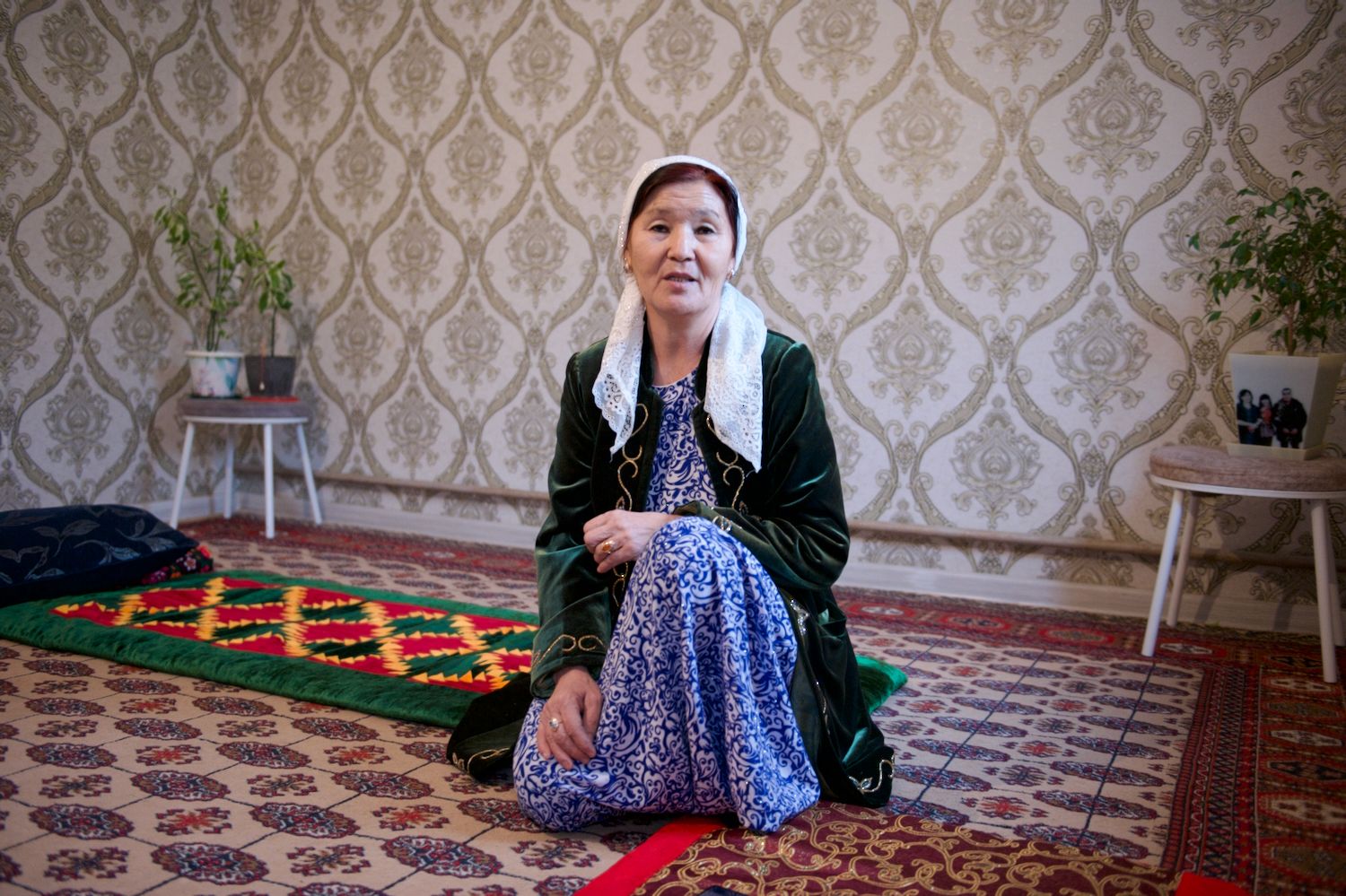
Linda was born in Turkmenistan, but her family’s story begins in Kazakhstan. She knows the path of resettlement from the stories of her parents, grandmother, and grandfather.
Originally, my ancestors lived in Kazakhstan. This was around 1920–1924, the years of a terrible famine, when people were literally trying to survive. After those events, my grandfather had only one donkey left, which they used to carry their belongings. They loaded cauldrons and the most necessary things and set off on foot. Mostly they were representatives of the Junior Zhuz, the Adai. They walked for a very long time; the road took about half a year. Many died right on the way. The Kazakhs moved in large groups, stopped to rest, and then continued onward. Over time, people began to disperse: some went to Chardzhou, some to Ashgabat, some to Tejen or Mary.
My grandmother said that along the way they encountered thickets of camelthorn higher than a human. To cut a path through those thorny thickets, the strongest people walked first. That is how my grandmother and grandfather reached Tejen. My father was born later in Ashgabat. After that, the family moved further, through Mary and Murgab, and eventually settled in Kushka, the southernmost point of the Soviet Union, a city on the border with Afghanistan. There, in Kushka, the family settled and gradually began to build a life. Children were born, and little by little life started to stabilize. Over time, the brothers married, the family grew, and there were many of us.
I was also born and raised in Kushka. My childhood, youth, and school years passed there. Later I entered a university and then got married. Three daughters were born in our family. We lived an ordinary life, like many other families in that border town.
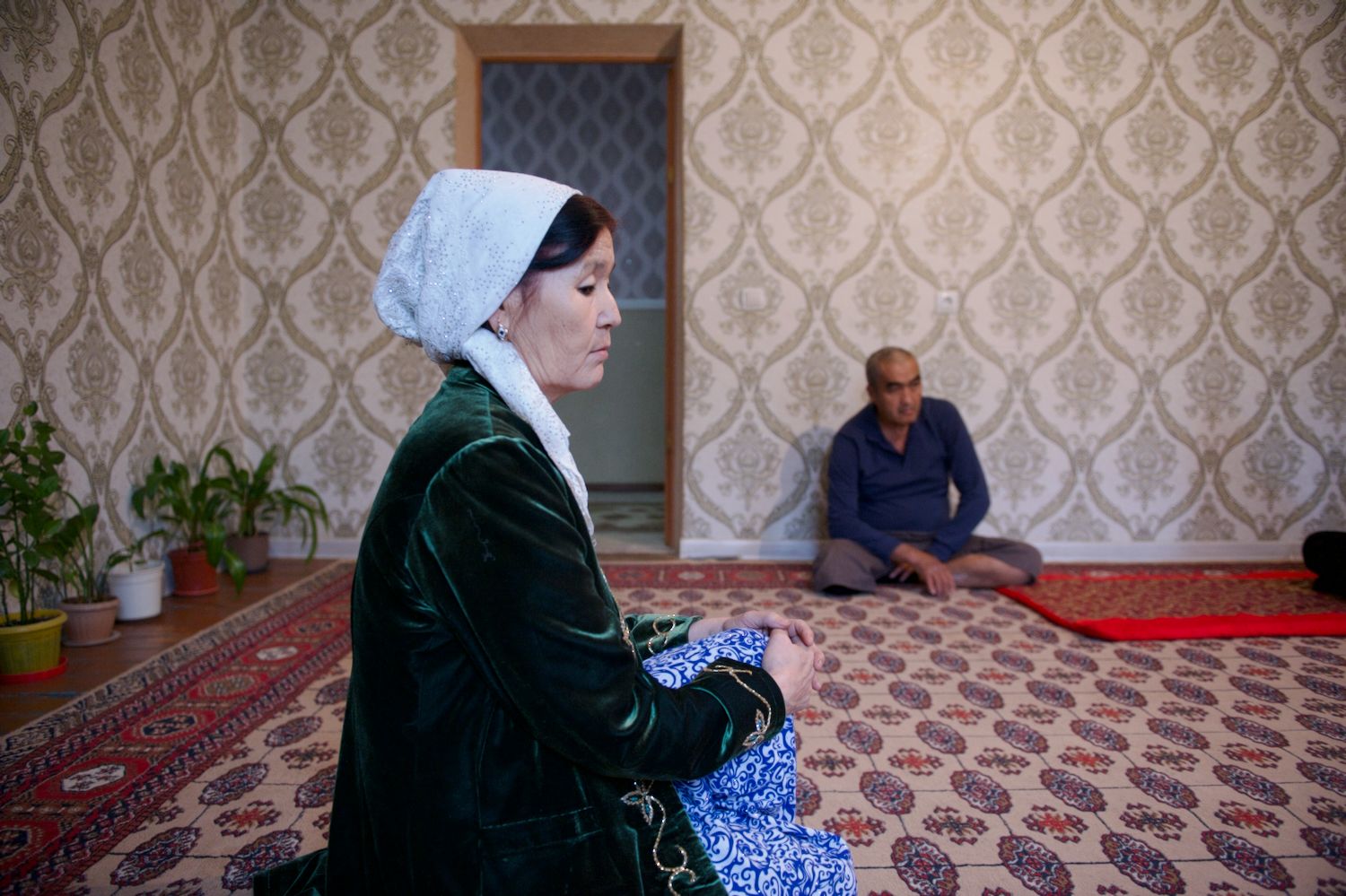
- My husband became disabled because of the negligence of servicemen. During the years of military actions, from 1979 to 1989, the Kushka River ran along the border with Afghanistan. One day, while crossing it, my husband noticed something beautiful on the ground. Later it turned out to be an anti-personnel mine. He either stepped on it or touched it, and there was an explosion. He came to his senses already without a leg.
Soon we learned about Nazarbayev’s program for the return of ethnic Kazakhs. Since then, I began to ask myself more and more often: isn’t it time for us to go home? Almost no Kazakhs remained in Turkmenistan; everyone gradually left. And I wanted our three daughters to grow up among their own people, and to marry Kazakh men.
We left almost among the very last, in 2014. After us, only one Kazakh woman remained, but she also returned to her homeland a year later.
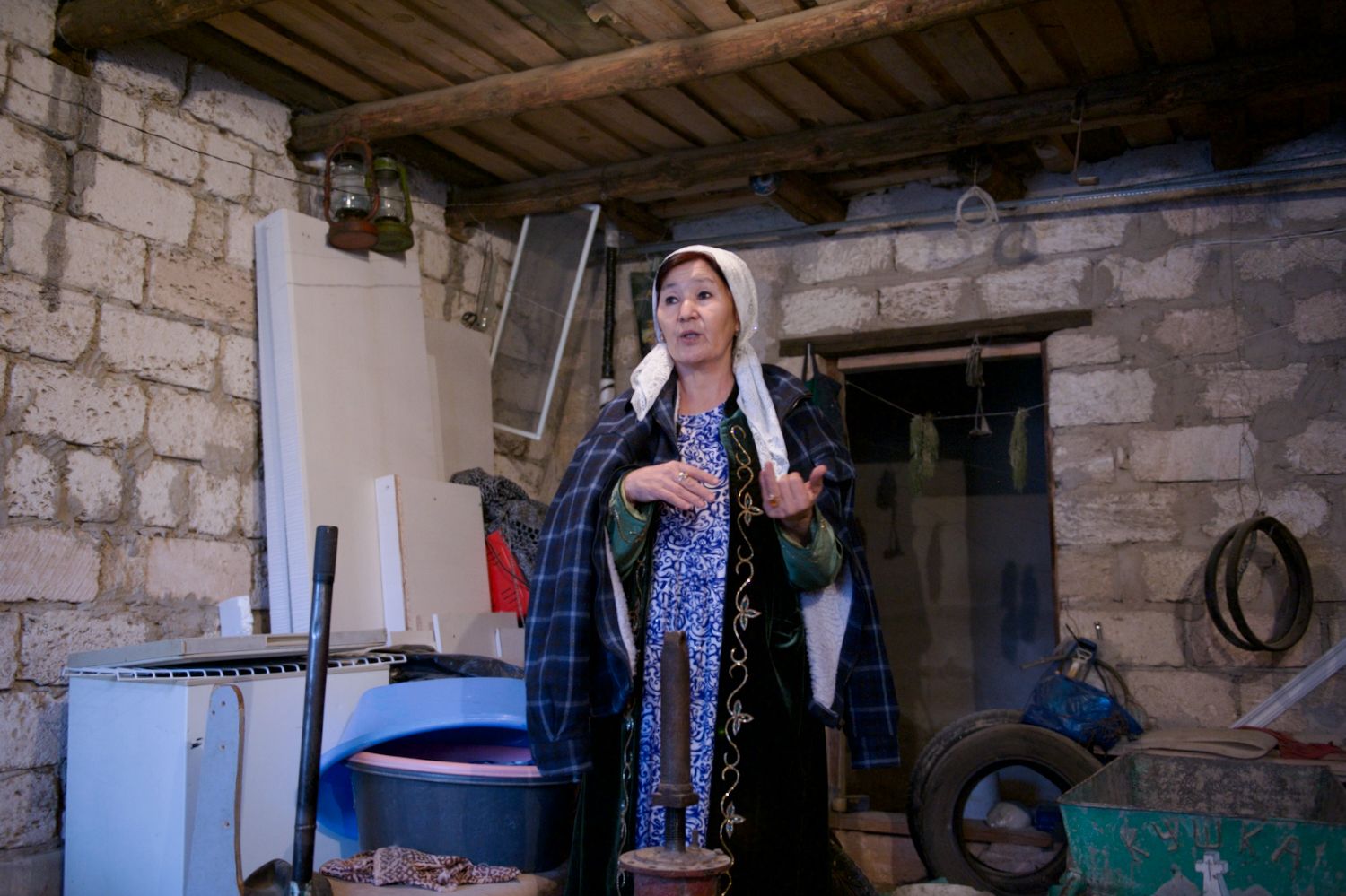
- We did not come empty-handed. Before leaving, we sold our house in Turkmenistan. We had money, but it was enough only for a foundation and something like a roof - some kind of house at least. Turkmen money meant almost nothing here; compared to local prices, those were incomparable sums.
At first we lived literally under a canopy: we stacked big stones, laid boards on top, and hid in the shade - without walls, with open sides. Even though my husband is disabled, we did everything ourselves. The two of us poured the foundation, and we carried every stone with our own hands.
Over time we built a house, found work, and life gradually improved. And when we registered our residence and settled all the documents, it finally became clear that returning to the homeland had been the only right decision.
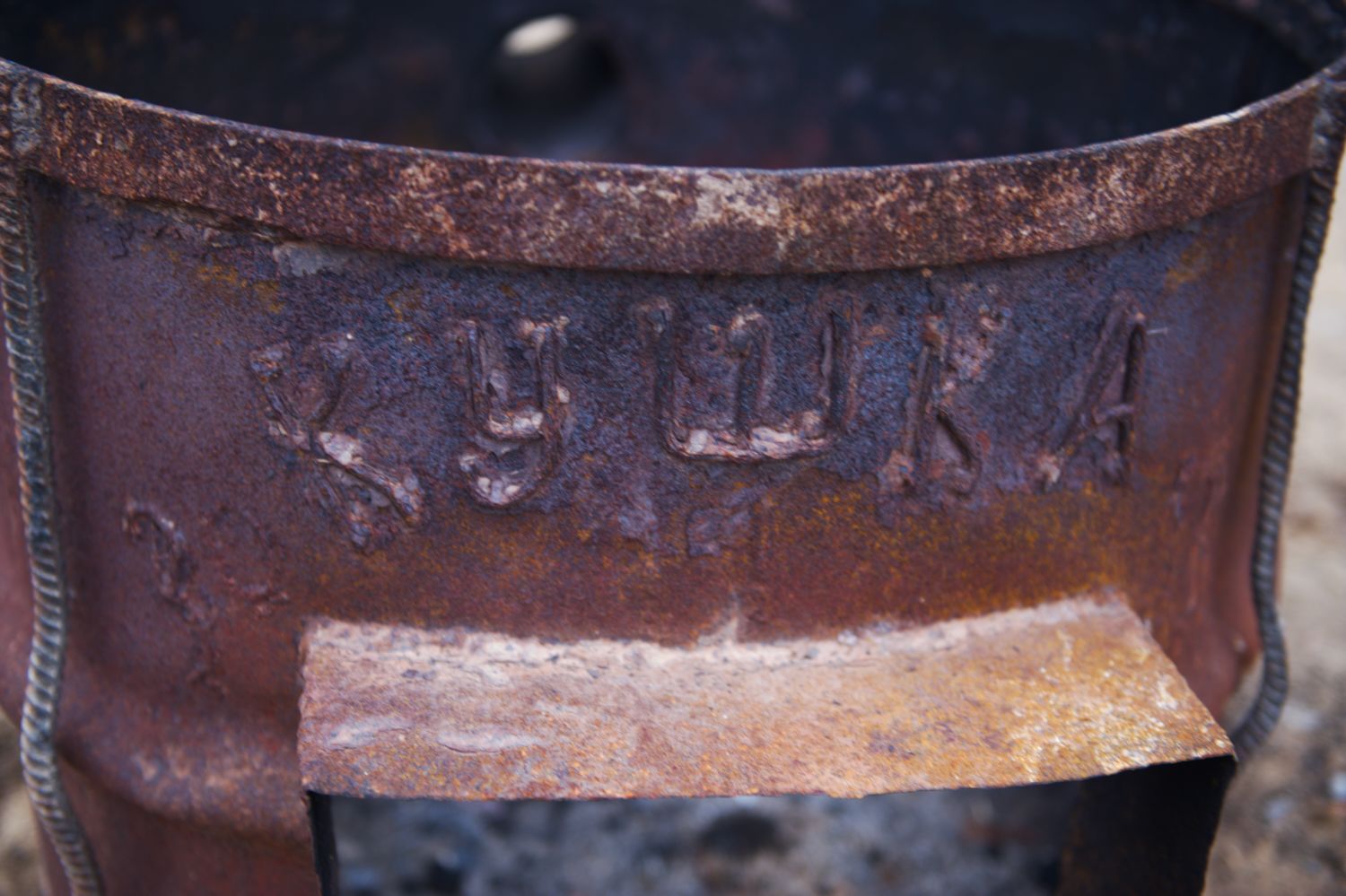
- We brought some things with us, for example, this stove. You see, the name of our city, Kushka, is stamped on it. And at home I keep Turkmen hand-made carpets from the 19th century, made of pure wool. They look new because you have to care for them properly. Sheep’s wool is washed, felted, spun - and such carpets can last for centuries.
I do not regret returning to Kazakhstan. Here is our nation, our land; here you feel freer. In Turkmenistan I also had a life, my own home, my household, but here the feeling is different - it is yours.

- The story of our family’s resettlement begins with my grandfather, his name was Zhumabay, - says Abdirasil Zhumabayev. - He lived in Aktobe Region, in the Alga District. According to relatives, my grandfather was a well-off man, but exact information about how much property and livestock he had has not been preserved.
First the Bolsheviks came and took most of the livestock and the household. Then the famine began. My grandfather had twelve or thirteen children; only three survived. These were the years 1933–1934. By that time, most of the older relatives had not survived the tragedy.
To save the remaining members of the family, my grandfather decided to leave his native lands and move to Karakalpakstan.
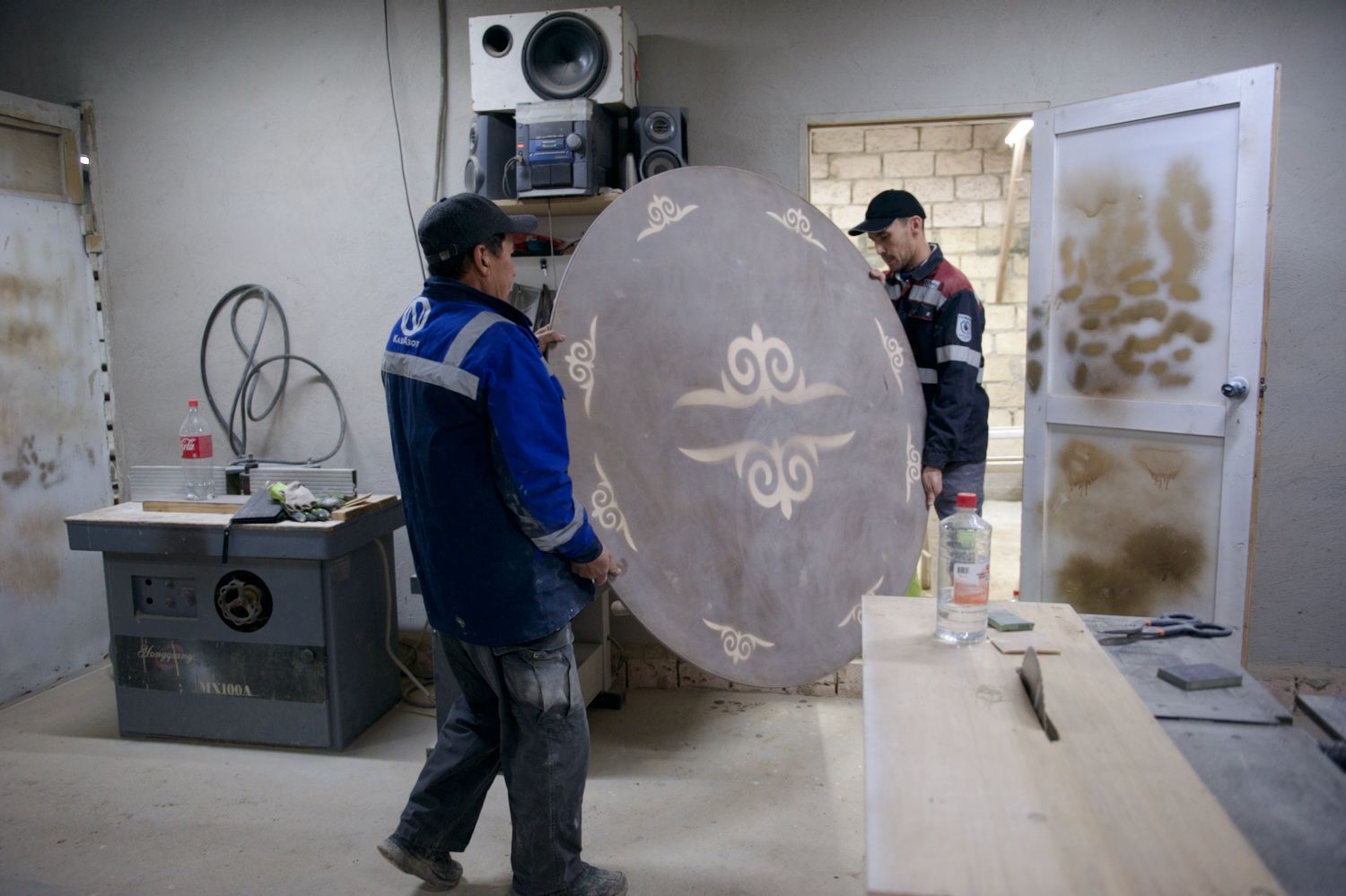
- The second reason for the resettlement was that my grandfather Zhumabay was a mullah and taught at a madrasa in Aktobe. With the arrival of Soviet power, persecution of clergy began; many were arrested and sent to prisons. For some time, before the final resettlement, my grandfather had to hide.
At first the family stopped in Konyrat, then moved to the city of Shymbay. It was there that my father grew up - one of the three children who survived the famine. Other families who left Kazakh lands together with my grandfather went further, toward Turkmenistan and Iran. Those who had no strength or opportunities stayed behind.
My ancestors also tried to go toward Iran, but they could not: the family was young, with small children. Those were hard years. However, life in the new place was much easier. Here you could grow watermelons and greens; nearby was the Aral Sea, where you could catch fish. That is how the family survived.
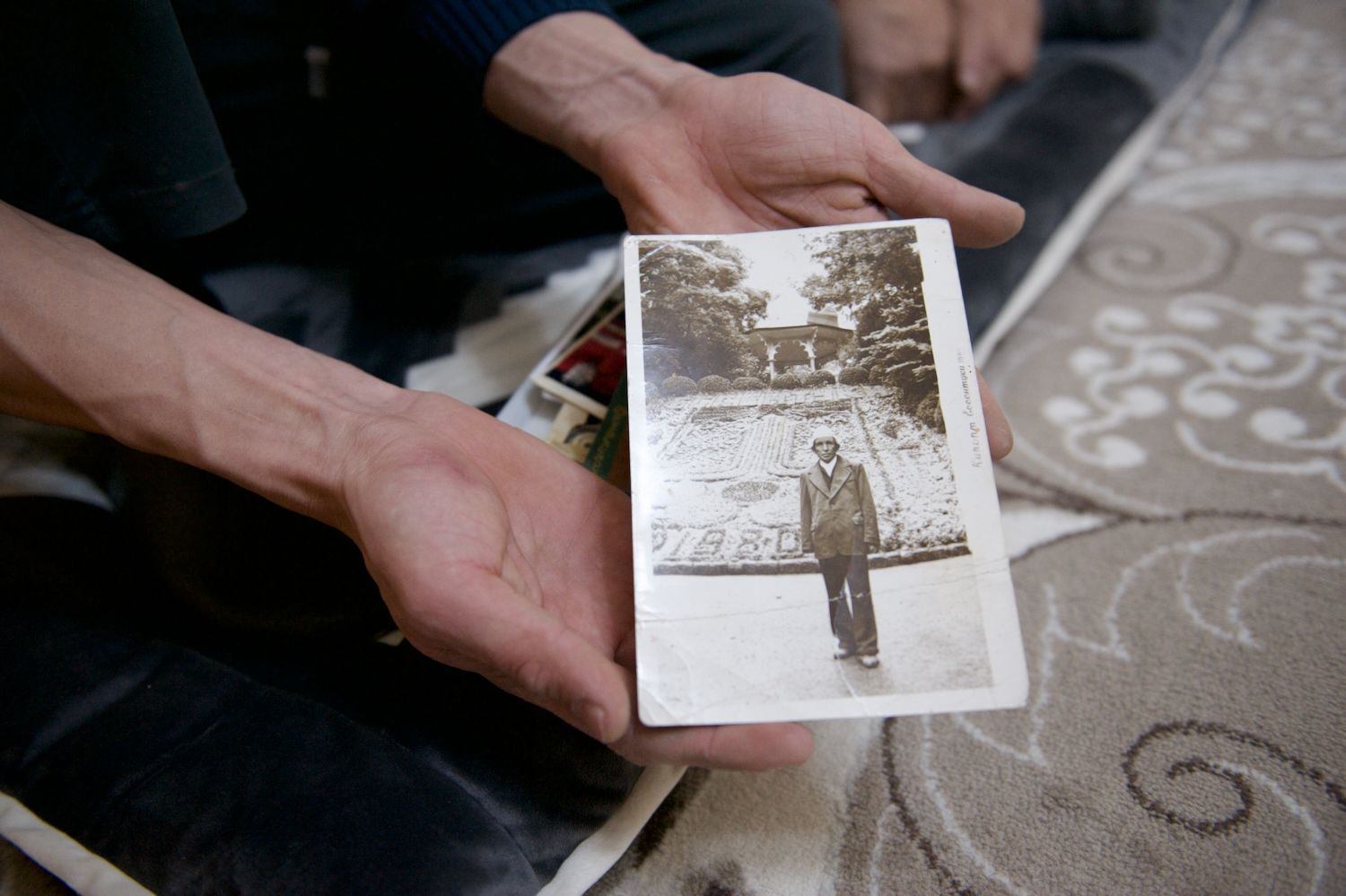
- No material valuables have been preserved from my grandfather. The only things that reached us are the shezhire (genealogy) and the Quran. My father said that my grandfather managed to keep this Quran and bring it with him to Karakalpakstan, considering it the greatest value.
In those years, Qurans were brought from Kazan, from Tatarstan. Our ancestors traveled there on camels, traded, brought wool, and exchanged sugar and other necessary goods for Qurans from Tatar merchants.
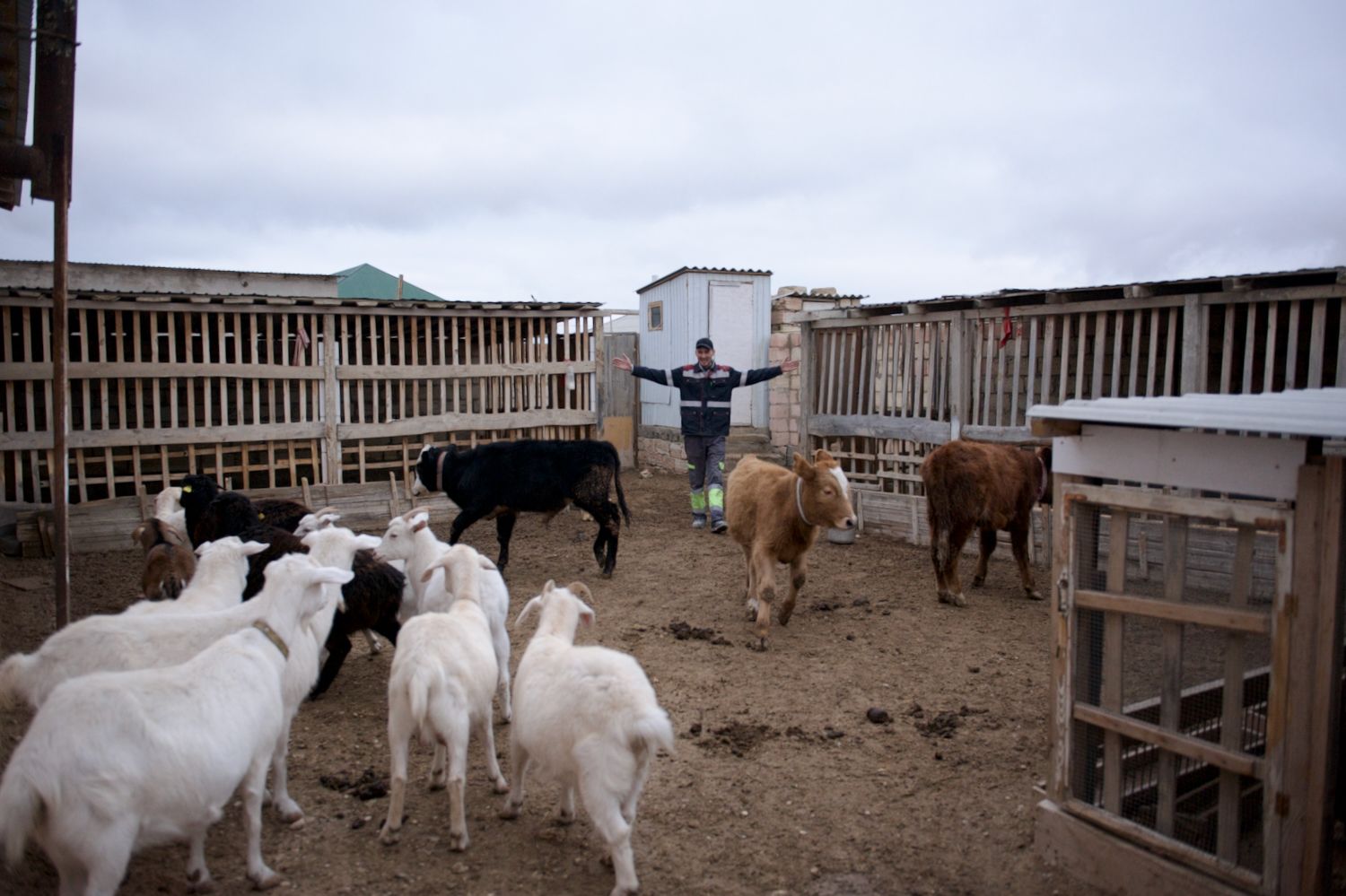
- Our family returned to Kazakhstan only in 2015, - continues Abdirasil’s young son Kazhymukan. - Before leaving Uzbekistan, we sold all our property and received about two million tenge. With these funds we were able to buy a land plot, and we built the house with our own hands. We did not count on a quota, because the program operated only until 2011.

- Later we were told about the “Auyl Amanaty” business support program, under which you can receive a loan at 2.5%. We used this opportunity, took almost five million tenge, and opened our own business. In Uzbekistan, business development is constantly hindered by high taxes and endless inspections. Here the conditions are simpler: no one comes with inspections without reason, and you can work спокойно.
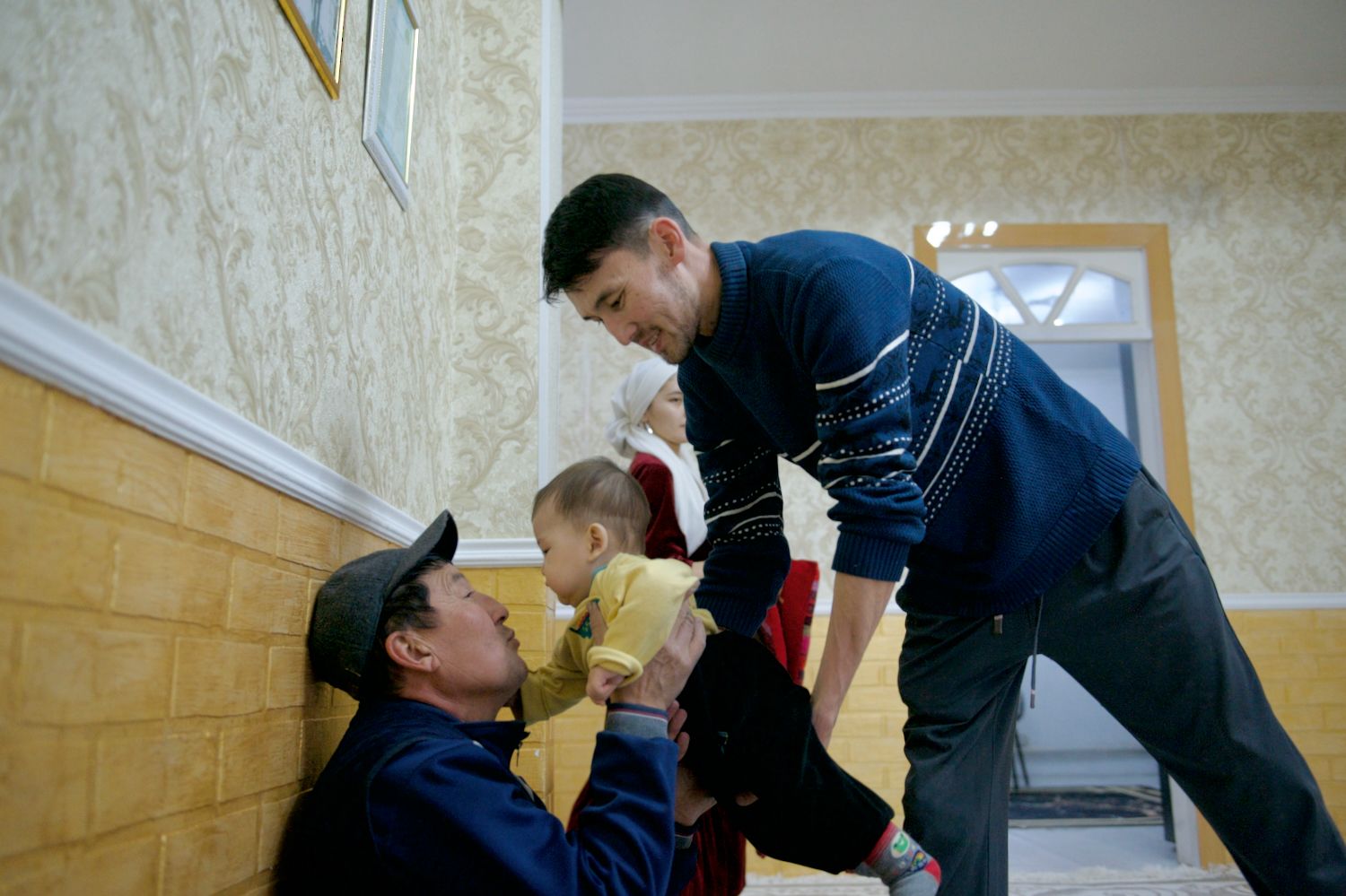
- Sometimes I have to face awkward situations because my documents list Uzbekistan as my place of birth. This sometimes raises unnecessary questions. But my son is already local: he was born here, in Aktau, and that is especially important for me. He lives on the land of his ancestors not formally, but by right of birth. It turns out that once a great-grandfather had to leave in order to save the family - precisely so that his great-great-grandson could be born on the land of his ancestors.
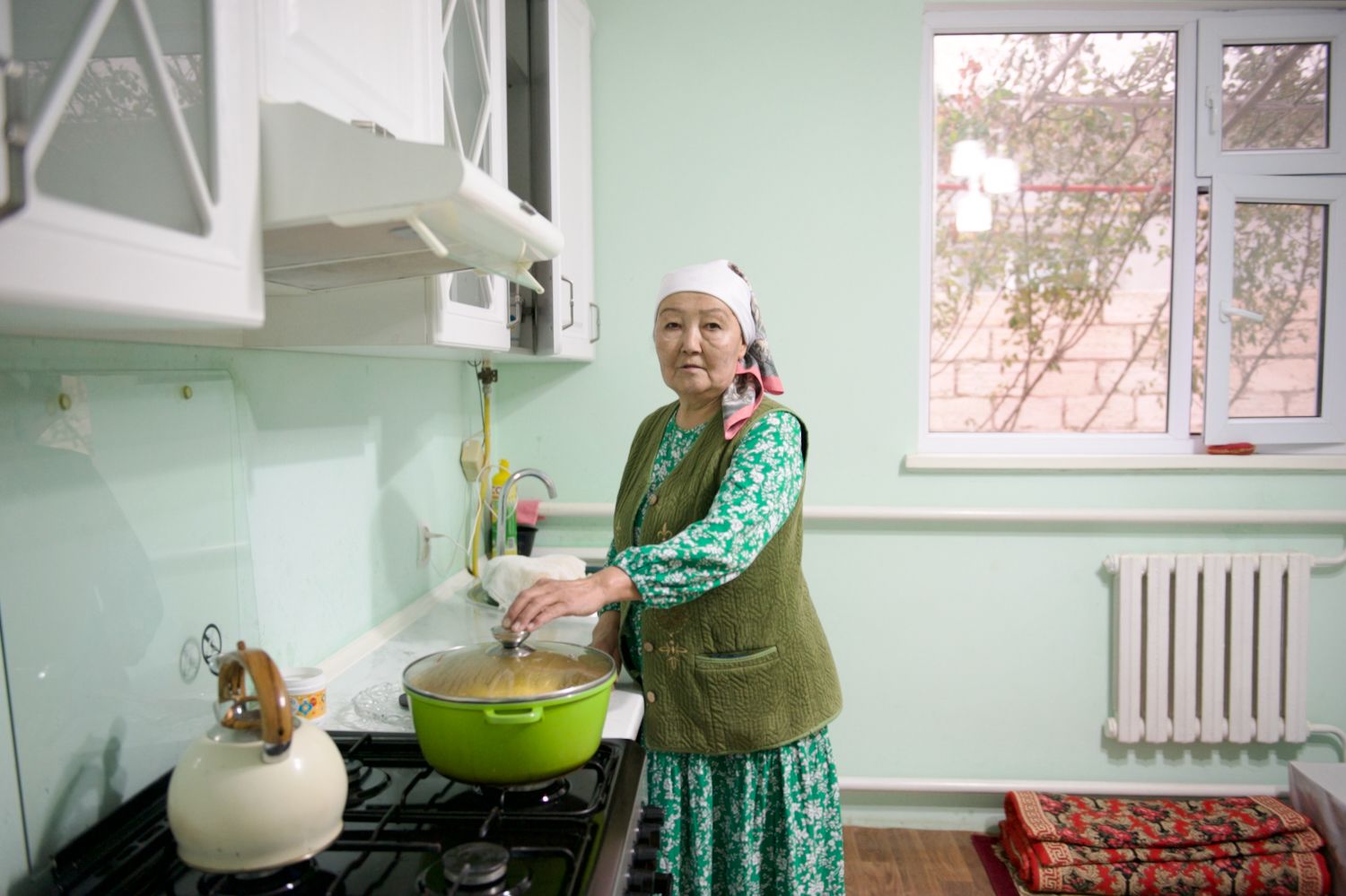
- My ancestors lived in Atyrau Region, in the Maykomgen District, - says Kalampyr Kiyanova. - But I was born and raised in Uzbekistan, in the city of Gagarin. My father sometimes told me about the difficult years of the famine, when people’s last livestock was taken away, and in order to survive and save their children, entire families were forced to flee. In the Soviet Union, borders were hardly felt, but after each state gained independence, we decided to return to our historical homeland.
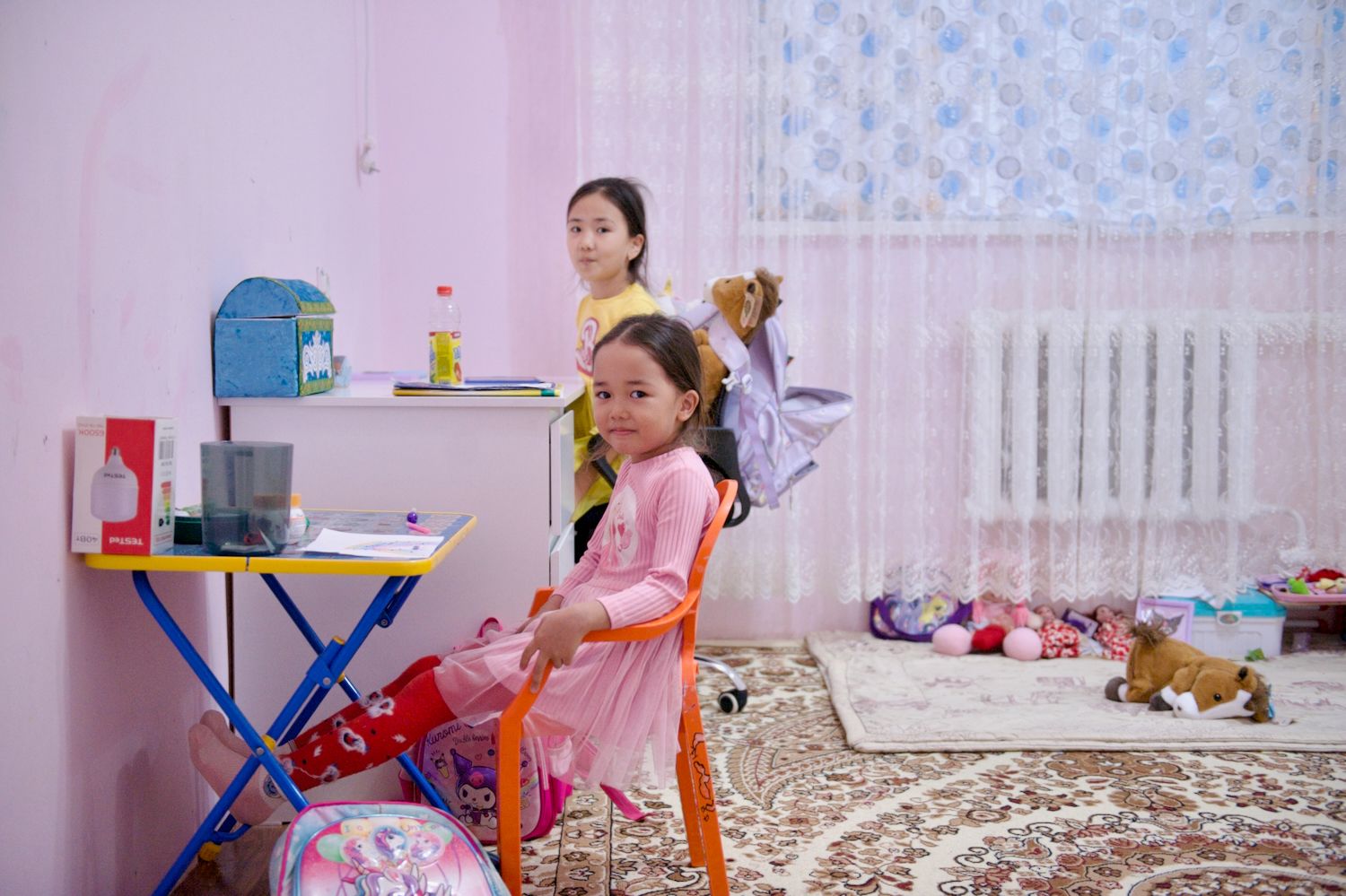
- My son and I returned to our historical homeland in 2011. Apart from my sister, who had moved from Uzbekistan earlier than us, we did not know anyone here. Through my sister we began to settle in. At first we rented apartments, processed documents, and gradually life started to improve. My son married, grandchildren were born, we bought land in the settlement of Batyr and built a house.

- When we bought the land, the settlement was only beginning to be built up; only a few houses appeared each month. Now it is almost unrecognizable: it has become like a small city. Modern schools No. 19 and No. 20 were built буквально within a year. Earlier there were difficulties with water, so planting trees was not easy, but now water is постоянная, and people активно plant greenery. Roads, sidewalks, good street lighting, a clinic have appeared. A plot has already been allocated for the construction of a hospital; a supermarket operates nearby; there is its own mosque; every year they build and благоустраивают a park.
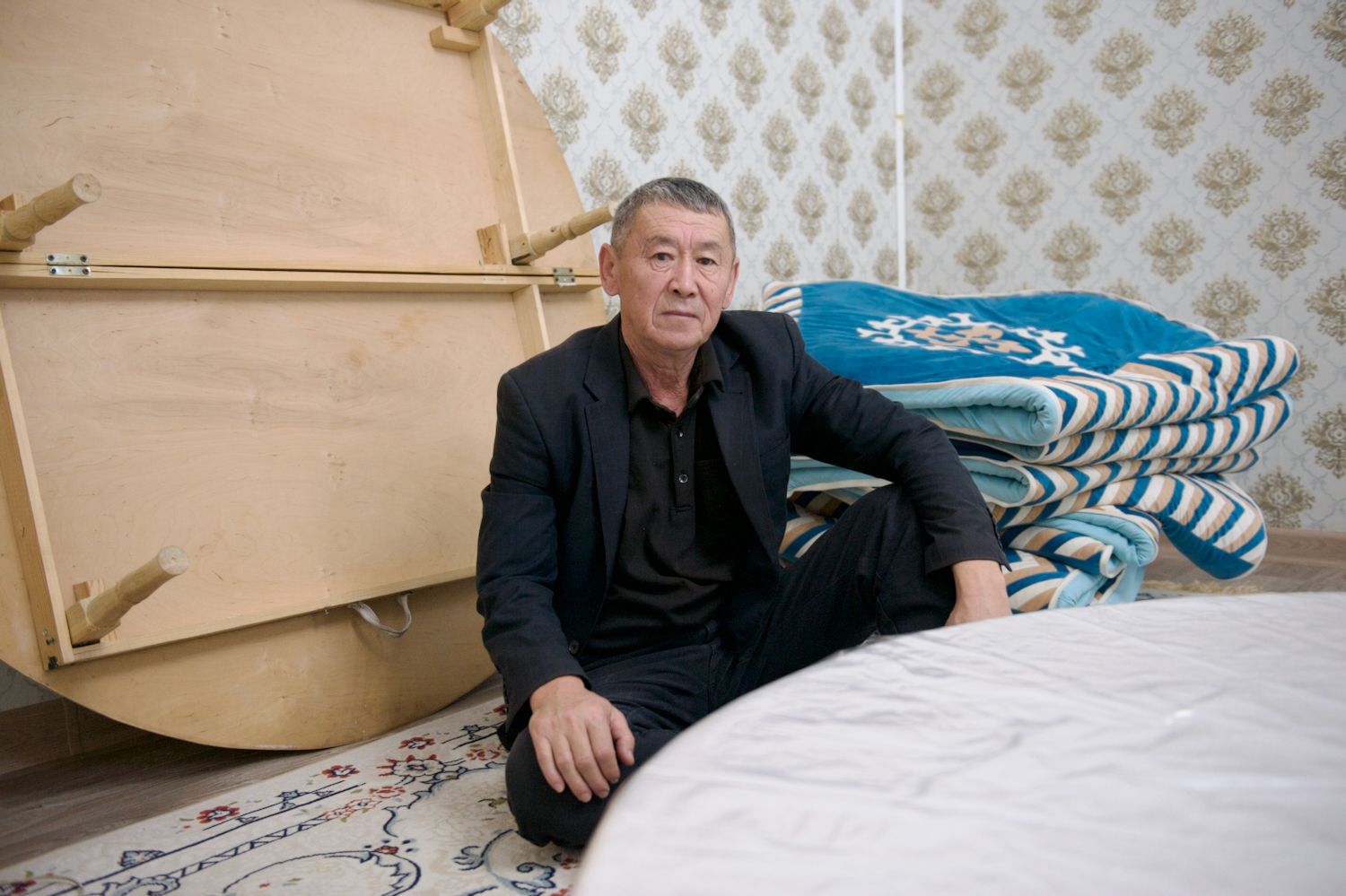
- My ancestors, the Adai, are originally from Aktobe Region, the Bayganin District, - says Kenzhebay Kaldygulov. - I do not know the detailed history of the resettlement. It is only known that in the 1930s, during the famine, they were forced to leave their native lands and move to Turkmenistan. My father was born there. I lost my parents early. I lost my father when I was very small, and my mother died when I was in the sixth grade. There was simply no one in the family to pass down the story in detail, and over time much was lost.
- I returned to Kazakhstan in 1989, when the Soviet Union was no longer stable and its collapse was inevitable. Then it looked like an ordinary move, as if from one city to another. I lived like everyone else, gradually settling in. First I came to Shymkent Region, and later, in 2012, I moved to Aktau.
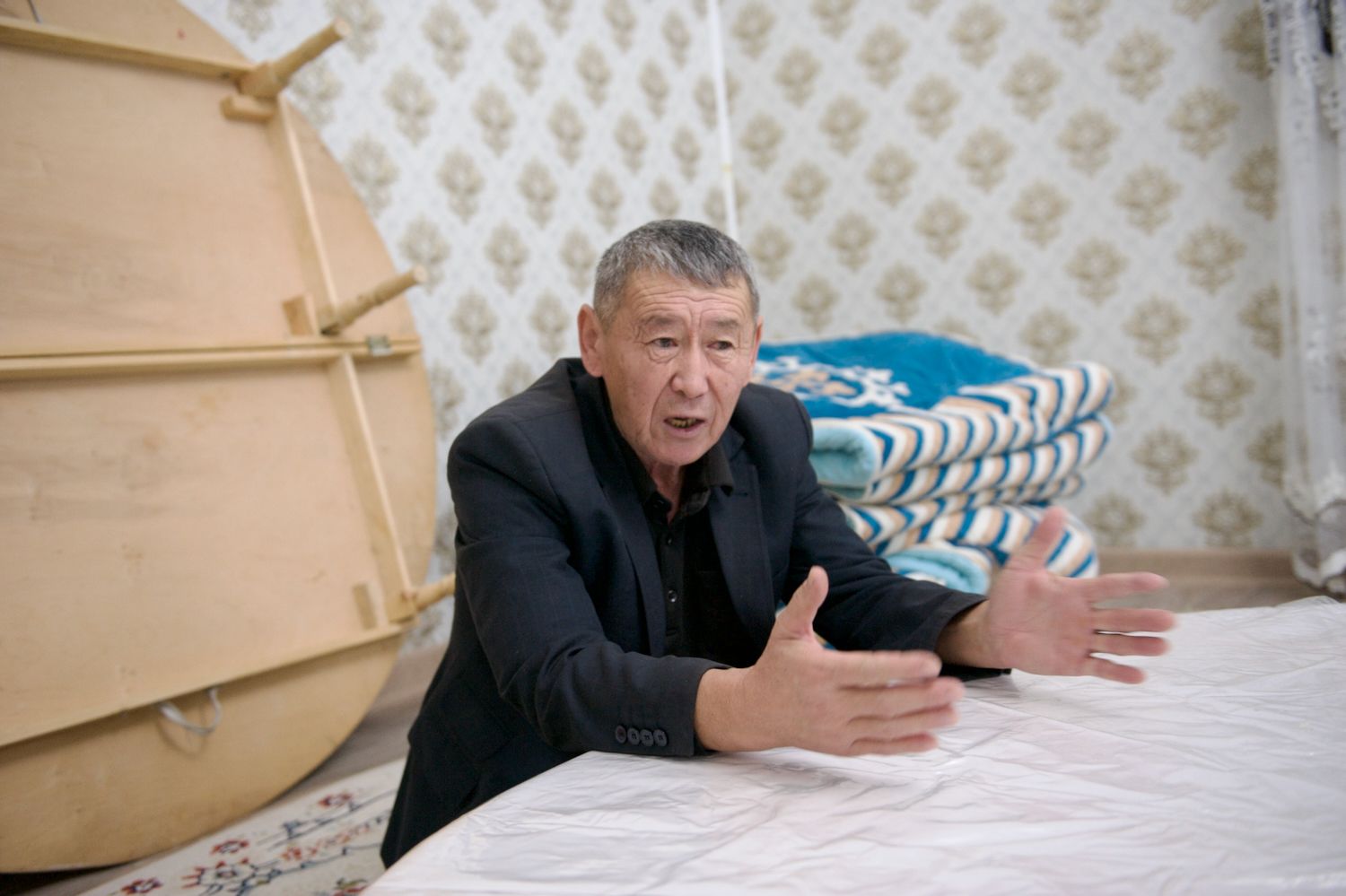
- In 2012 there was almost nothing here: no schools, no water, no gas, and electricity problems were constant. We simply survived as best we could. Today this place is impossible to recognize. Schools have appeared, water, electricity, and gas were brought in, roads were paved, and a full infrastructure formed. Now four public schools and one private school operate in the settlement. Bus connections are established, school buses run, there is a city route. The settlement continues to develop, and changes are visible every year. My six children have already grown up and live and work in the city. And here, in the homeland, my grandchildren are now being born - the future of our family.
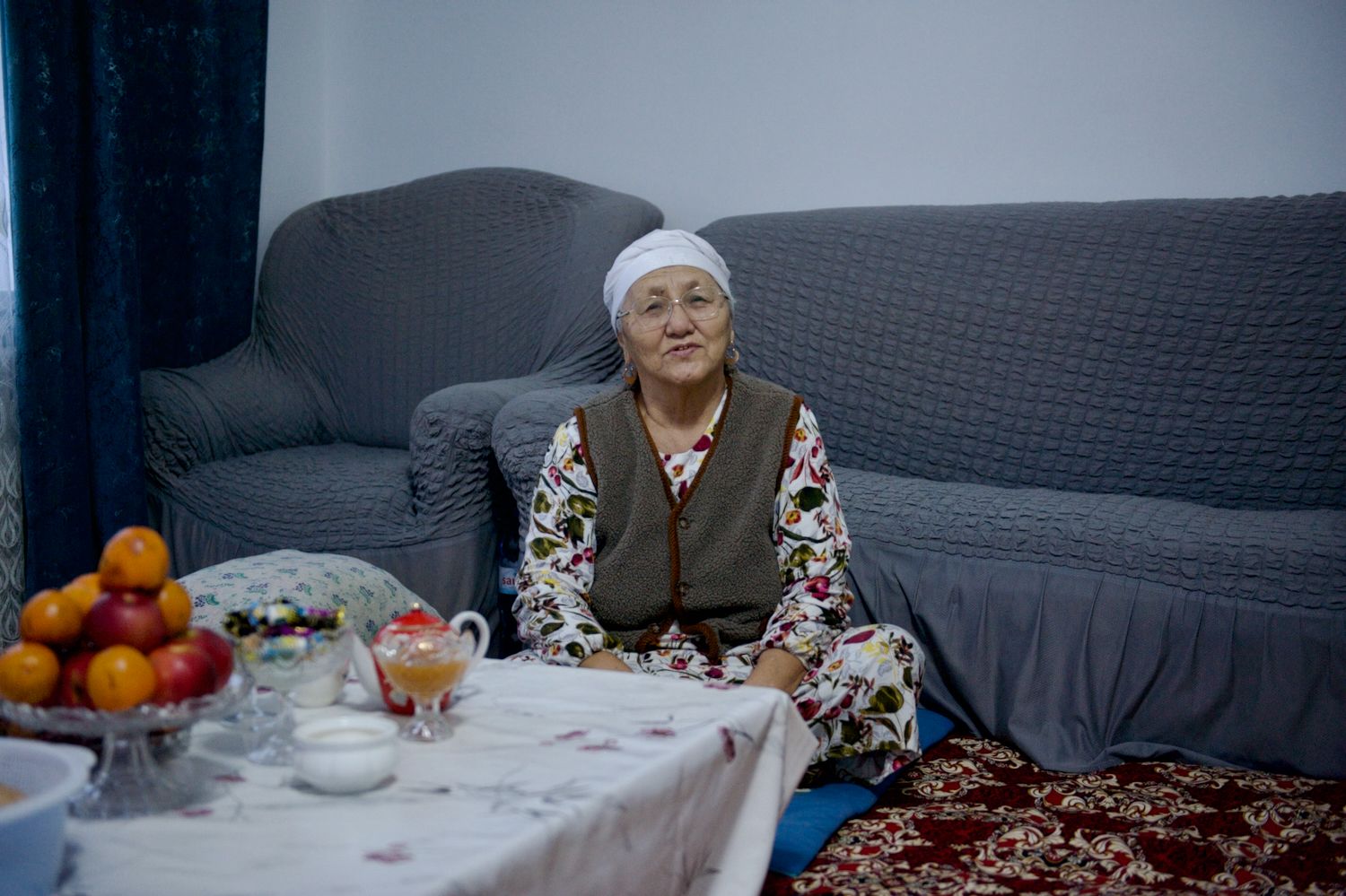
- I was born in 1949 in Aktobe, from the Tabyn clan of the Junior Zhuz, - says aje Duman Raushanova. - In 1957 my father decided to go to Uzbekistan to open a mosque, and our whole family moved with him. Most of my life passed there: I married and raised six children.
When the children grew up, we decided to return to the homeland so that the grandchildren would grow and live on their own land, in their own country. Now one of my daughters lives in Aktobe, and five live in Mangystau Region.
The first to move, in 2019, were my children - two daughters and a son. When they settled in Kazakhstan, I followed with the rest of my children and grandchildren. We spent almost four months processing documents; we had neither work nor income, but the children supported us greatly. They took any job they could, and later they found stable work. Step by step, we got back on our feet.
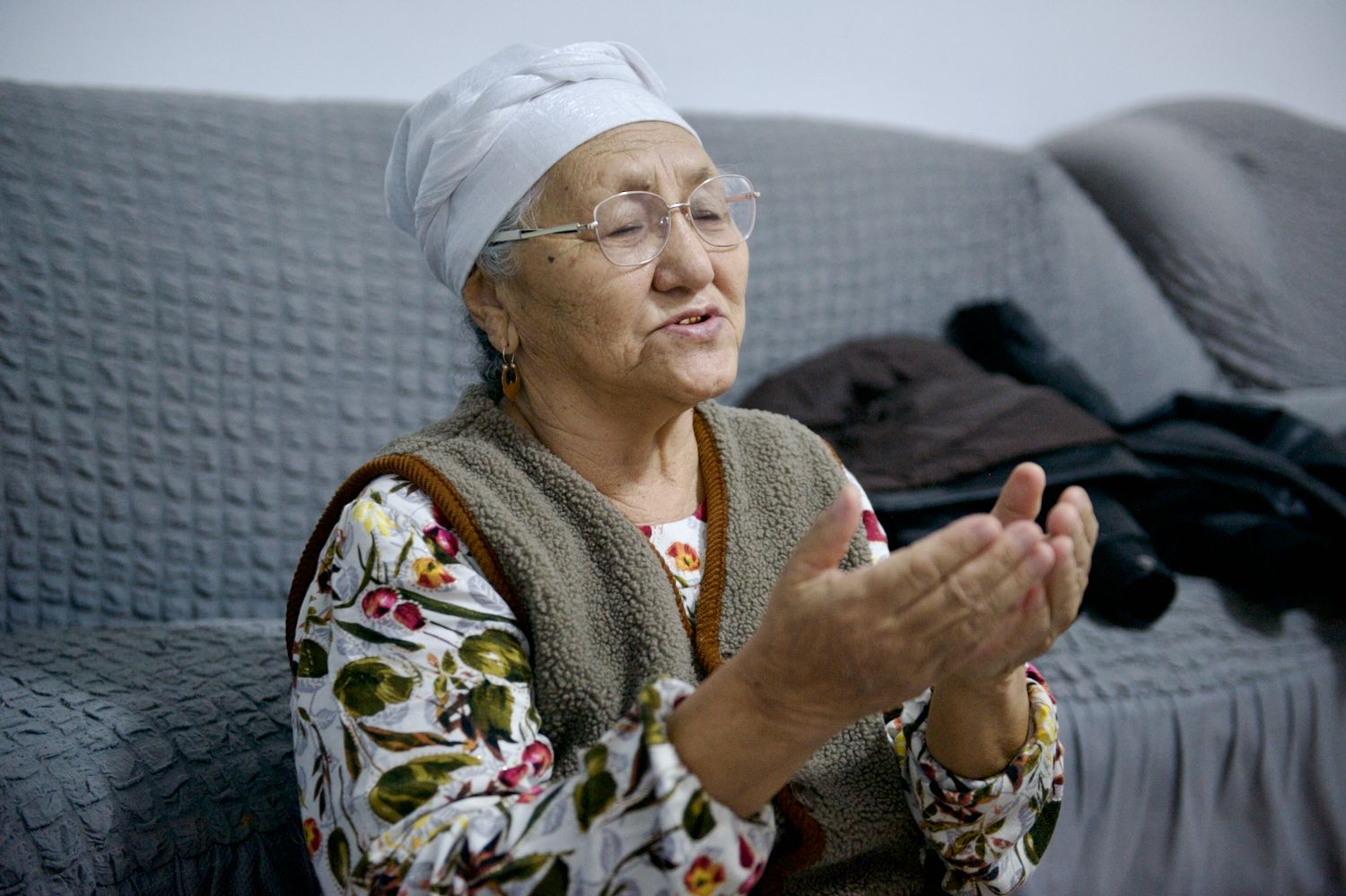
- My grandchildren study well at school. The eldest grandson, while still in the sixth grade, took part in the “Myng Bala” olympiad and became a winner. After that, he continued his studies in the city, finished the eleventh grade, successfully passed his exam, and now studies at a university in Uralsk. The other children and grandchildren also try - they study, reach for knowledge, all are focused on education.
When asked how many grandchildren she has, Duman aje reaches for a notebook under the table and checks her notes. - Eighteen, - she laughs. - There are so many that I already get confused and have to write everything down.
Quite recently, a shobere (great-grandchild) appeared in Duman aje’s family. Among Kazakhs there is a special tradition: when a shobere is born, the baby’s palm is smeared with butter and the lips lightly touch it. It is believed that this rite brings blessing and symbolizes a long, continuous life of the lineage. Let this tradition become a sign of a new beginning for the returned descendants - a sign of a calm and confident life on their own land.
The Shanger.kz editorial team expresses its gratitude to the administration of Batyr village for their assistance in preparing this material.
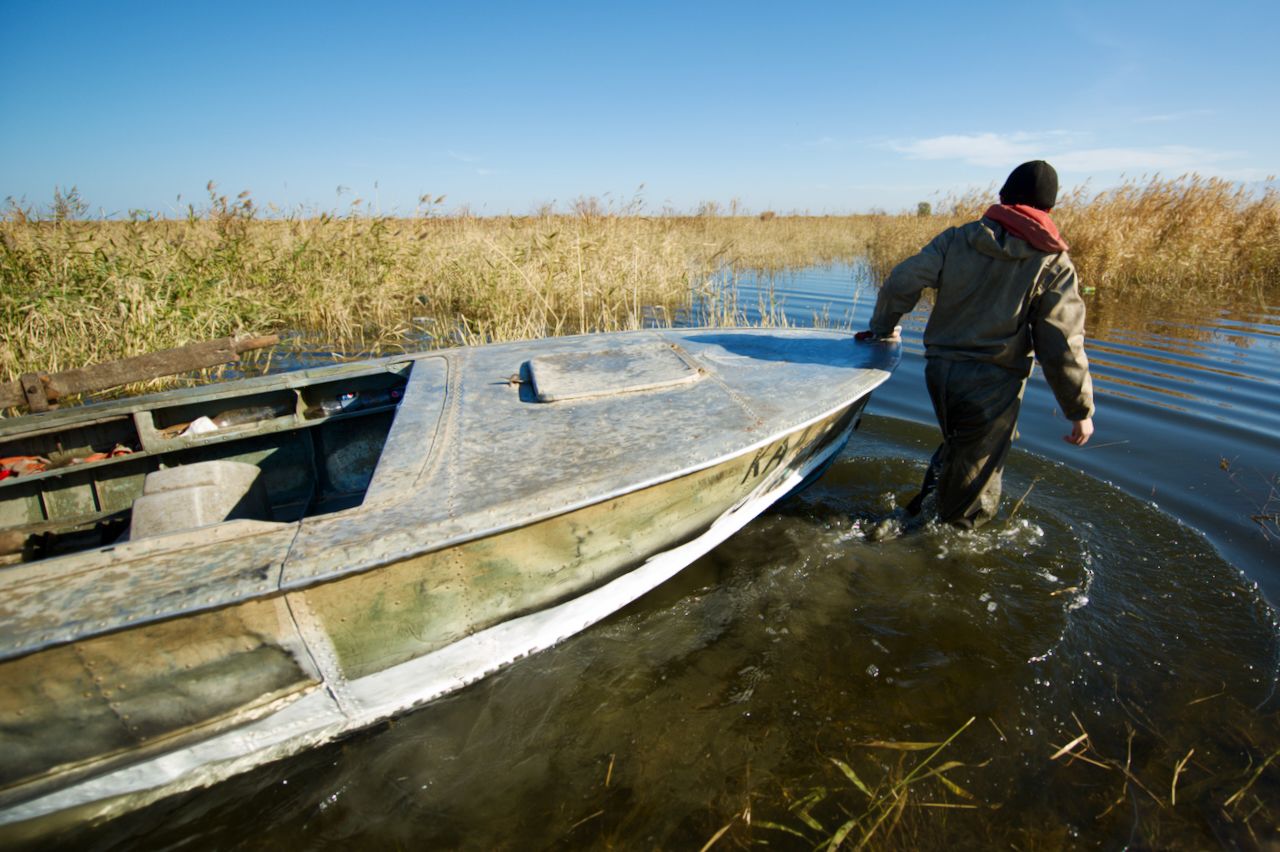
A documentary story of Koldy’s fishermen, their lives and traditions…Photo report by Karlygash Nurzhan for Shanger.kz
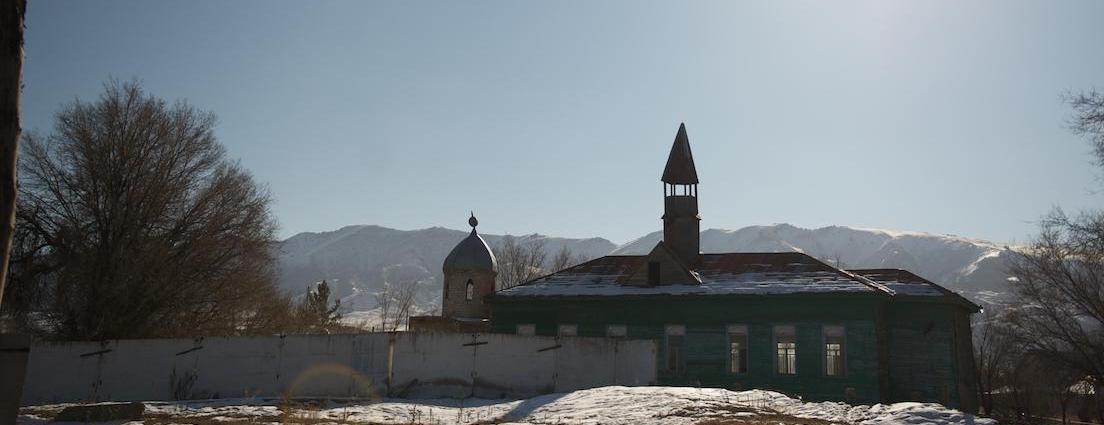
Село Капал в Жетысу — место Шокана Уалиханова, Фатимы Габитовой и купца Атбасарова. Фоторепортаж о том, как жители возрождают архитектурное наследие.
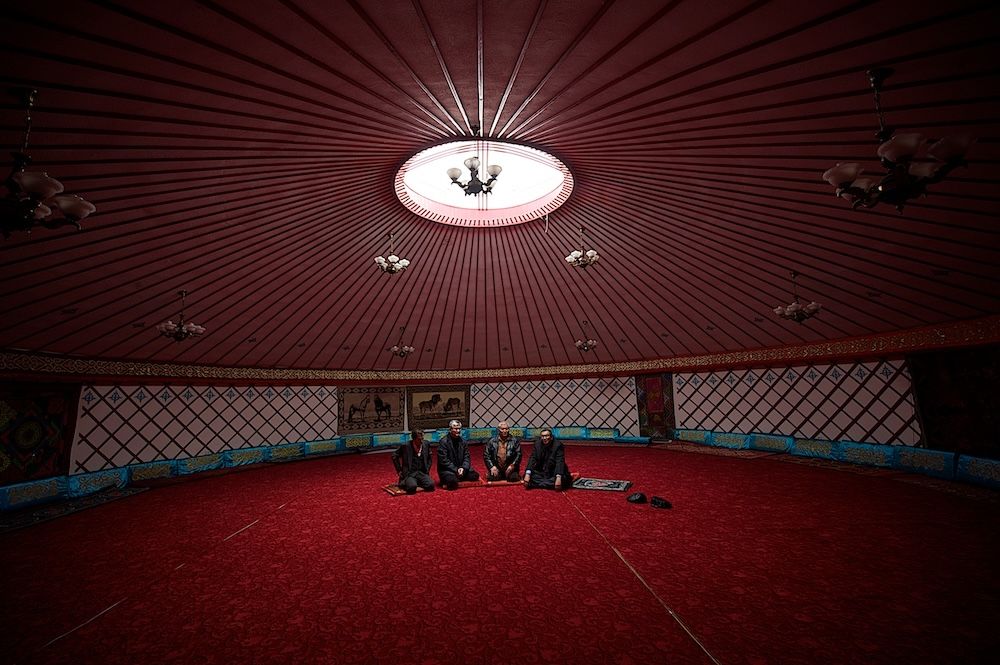
The Kazakh diaspora in Turkey: migration history, daily life, traditions and human stories… Фоторепортаж Карлыгаш Нуржан для Shanger.kz
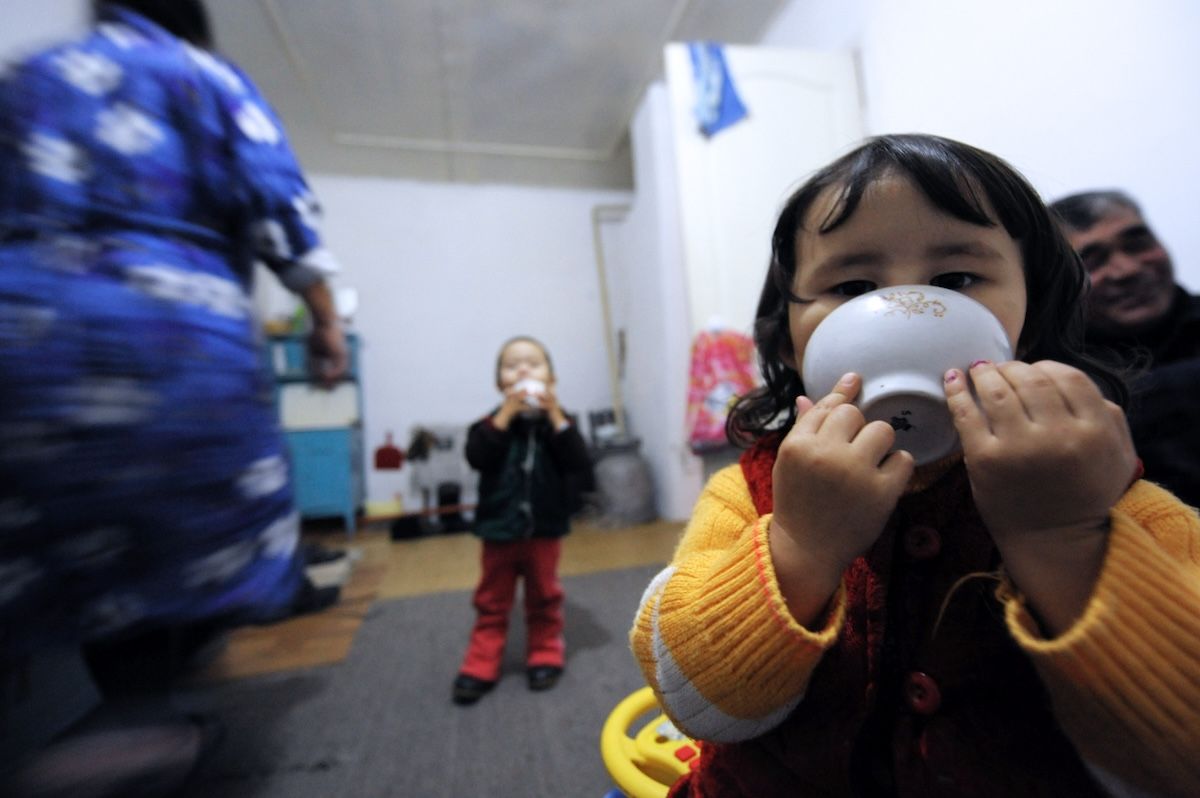
A winter day in shepherd Zhumagali’s family: true rural life of Kazakh steppes… Photo report by Karlygash Nurzhan for Shanger.kz
Expedition “In the Footsteps of Chinggis Khan”: Mongolian Kazakhs, Naadam, steppe roads and nomad life… Photo essay by Karlygash Nurzhan.
Comments
No comments yet. Be the first to comment!