Kazakhstan is a secular state with a multi-vector foreign policy, where religion is separated from the state, yet the historical experience of society has not been erased from national memory. In this history, Islam has repeatedly become a pillar for the Kazakh people: since the 10th century it formed Islamic education on the territory of present-day Kazakhstan, in the 14th century it contributed to the unification of Turkic tribes into a single people, in the 19th century it helped preserve national and cultural identity under the Russification policies of the Russian Empire, and after the collapse of the USSR it became a source of moral guidance during a period of value vacuum. Today, religion once again has the opportunity to play a socially significant role in our country.
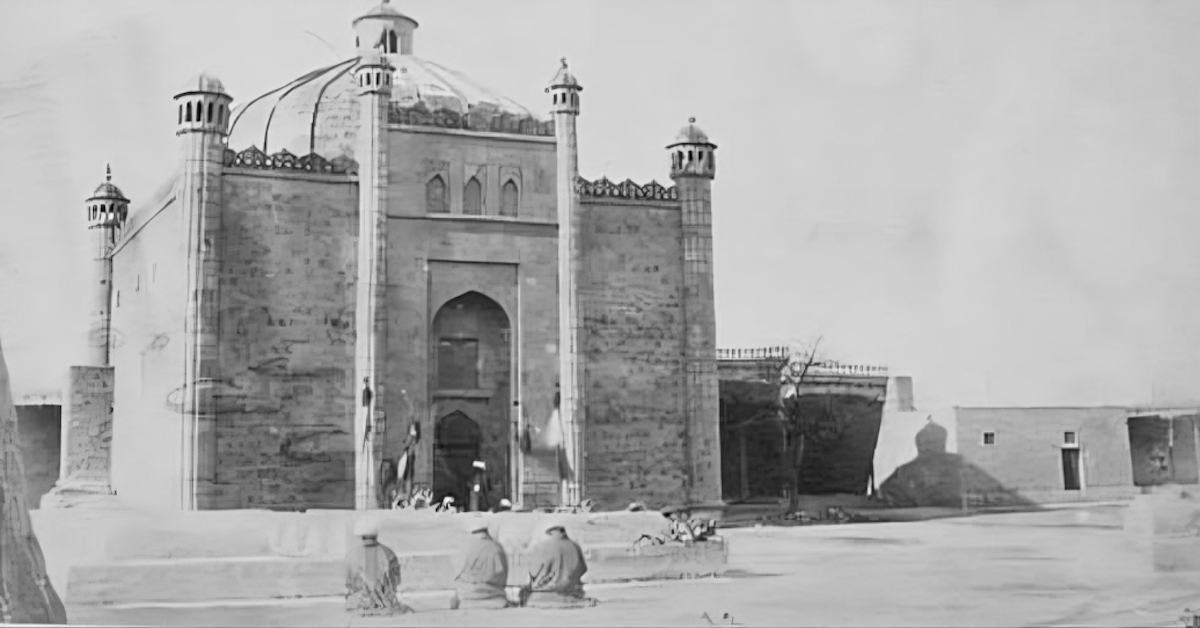
Libraries and primary schools for studying the Qur’an were opened at every major mosque. These schools taught the Arabic alphabet and language.
After the adoption of Islam by the Karakhanid state in 960, Islamic education began to take shape on the territory of present-day Kazakhstan. In the cities of Southern Kazakhstan and Semirechye - Taraz, Otrar, and Ispidjab (Sairam) - the first madrasas and educational institutions, maktabs, appeared. They provided basic literacy, taught reading and Arabic writing, the foundations of religious knowledge, and introduced students to law, philosophy, and sciences including mathematics and astronomy. For centuries thereafter, Islamic schools attached to mosques remained the main source of literacy and knowledge transmission for Kazakh society.
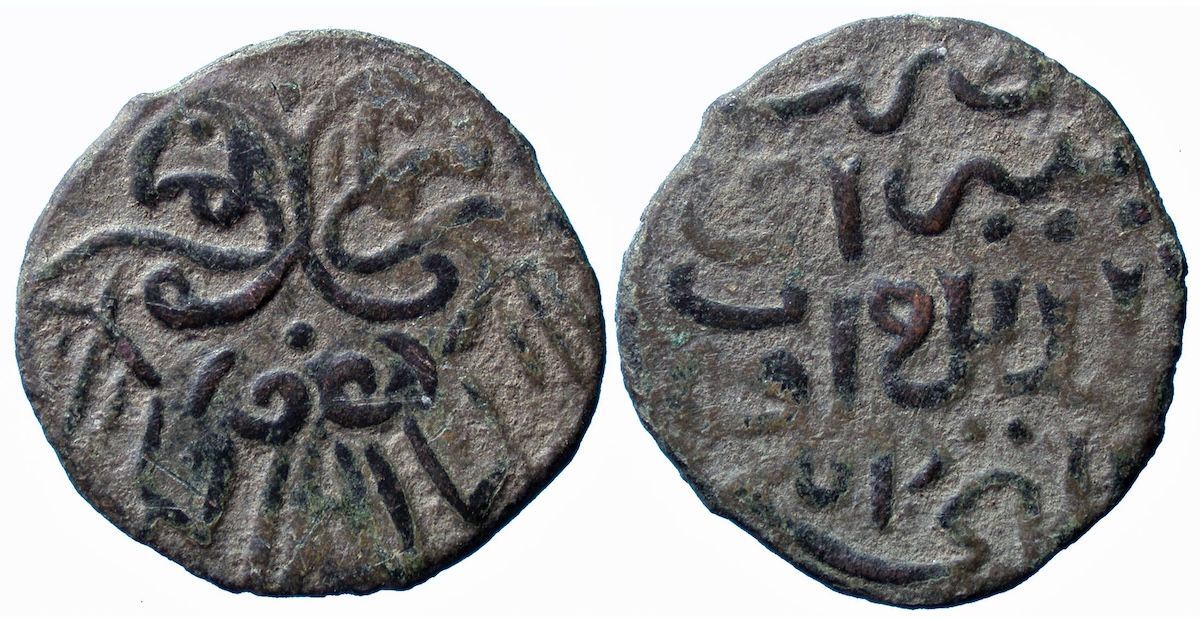
The Jochids, Golden Horde, copper pul of Khan Jani Beg, 14th century, minted in Sarai al-Jadida, featuring a double-headed eagle.
In the first half of the 14th century, the eastern part of the Ulus of Jochi - the territory of modern Kazakhstan - consisted of numerous fragmented nomadic tribes. This situation changed with the accession of Golden Horde Khan Jani Beg, who ruled from 1342 to 1357. According to research by historian I.V. Erofeeva, the main role in spreading Islam and Islamic culture east of the Ural basin among the nomadic ancestors of the Kazakh tribes belonged precisely to Jani Beg, rather than to his more famous father, Uzbek Khan.
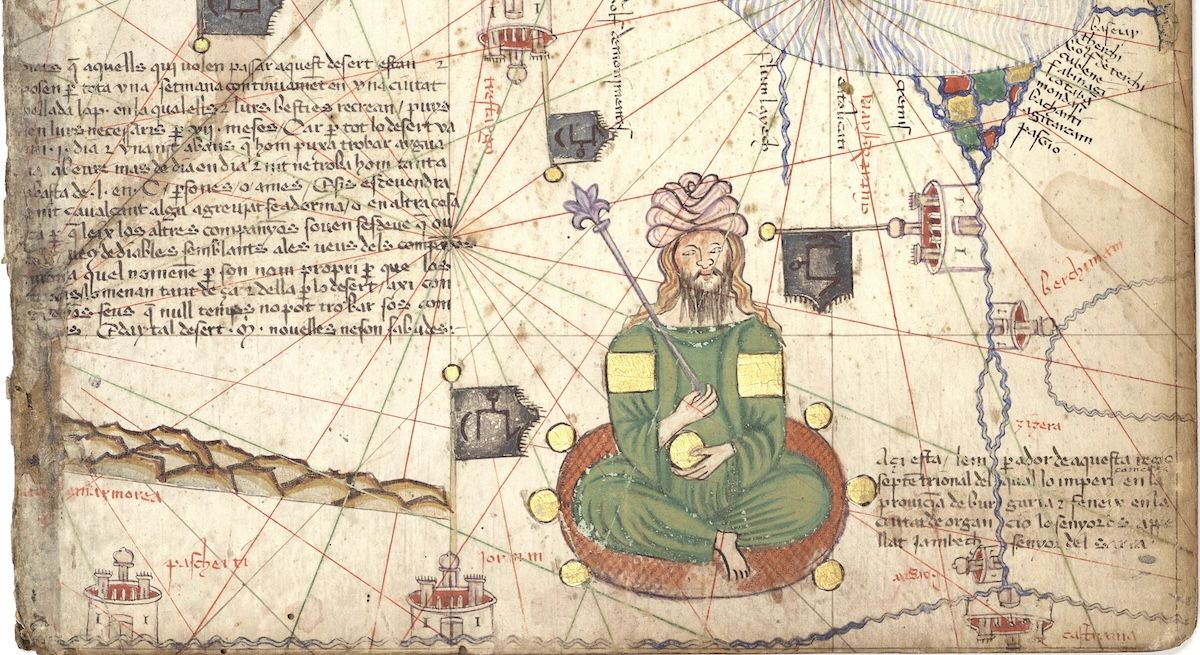
Jani Beg Khan, Golden Horde, fragment of the Catalan Atlas (1375).
Jani Beg built mosques and madrasas, while Islamic scholars and teachers received patronage from the authorities. It is especially notable that, unlike his father, Jani Beg became the most popular figure in Kazakh folklore devoted to the Middle Ages. Kazakhs dedicated an entire cycle of legends, epics, and tales about their historical past to him. The period of Jani Beg’s rule was called the “Age of the Tiger.” The Khivan khan and historian Abu al-Ghazi wrote: “This Jani Beg Khan was the best of Muslim rulers,” and in the 16th-century Persian source Tavarikh-i guzida-yi Nusrat-nameh, his followers referred to him as Aziz-Jani Beg, meaning “Saint Jani Beg.”
As Erofeeva notes, the spread of Islam helped smooth conflicts among various Turkic-speaking tribes, played a key role in forming a sense of confessional identity, and inspired resistance to the military aggression of the Oirats, who attempted to impose Buddhism on the Kazakhs by force. Thus, Islam became not merely a religion, but a cultural code that united diverse tribes into a single community of ancestors of modern Kazakhs.
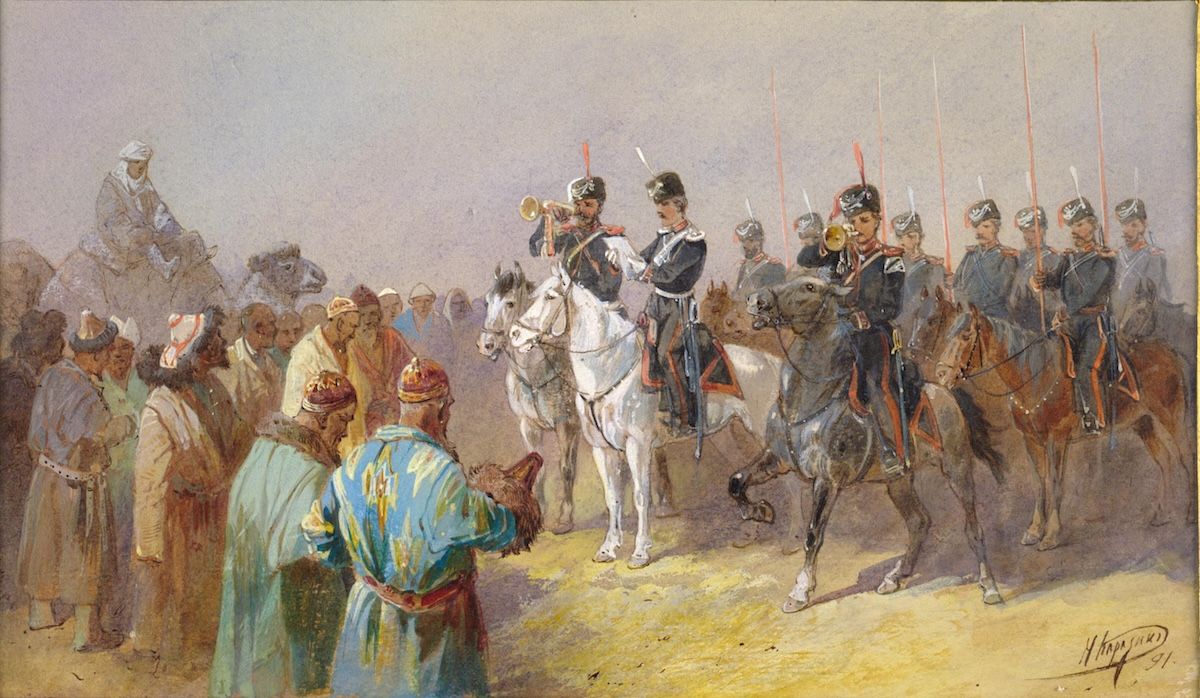
The abolition of khan power in the Middle Zhuz and the incorporation of Kazakh lands into the administrative system of the Russian Empire. Imperial decree, 1824. Artist N.N. Karazin.
After the final incorporation of Kazakh lands into the Russian Empire in the 1860s, an active policy of Russification and Christianization of the indigenous population began. The empire opened church schools for the children of nomads and practiced forced baptism of Kazakhs, especially in regions bordering Russia. From the 1880s onward, the attitude toward Islam in the Russian Empire became more rigid, and a number of measures were adopted that restricted the freedom of Muslim spiritual life.

The photograph presumably depicts Kunanbay Oskanbay (1804–1886) with his wife.
A vivid example of a Kazakh who used Islam to protect national identity is Kunanbay Oskanbay, the father of the great poet Abai. In Soviet literature, Kunanbay was portrayed exclusively in a negative light as a cruel tyrant and exploiter, but in reality he was an outstanding figure. He actively facilitated the Hajj for Kazakhs, helping his compatriots make pilgrimages to holy places. By strengthening Islamic faith, people like Kunanbay helped Kazakhs remain themselves, preserving their language, customs, traditions, and national identity.

Sobering-up station in St. Petersburg, 1992. Photo: Nikolai Adamovich / TASS Photo Chronicle.
In the Kazakh SSR, as throughout the USSR, alcoholism was a serious social problem addressed through anti-alcohol campaigns and the system of medical-labor dispensaries. Despite ideological efforts and the promotion of a healthy lifestyle, the problem persisted. According to data from 1998, 55 percent of Kazakhstanis consumed alcohol.

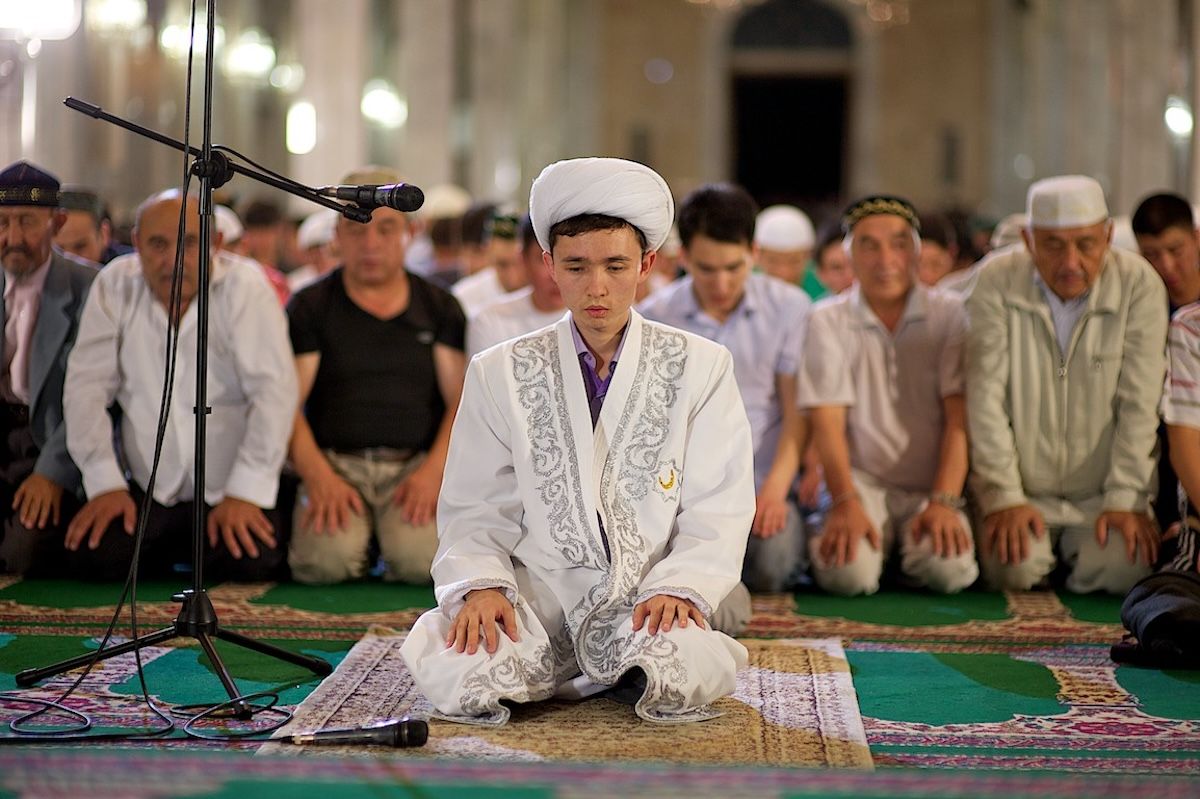
Laylat al-Qadr (Night of Decree) at the Central Mosque of Almaty, 2011.
With the acquisition of independence, an unprecedented Islamic revival began in Kazakhstan. During the Soviet period, only 25 mosques were functioning, whereas by 2011 their number had reached 2,300. Alongside the growth in the number of mosques, a steady decline in alcohol consumption was observed in Kazakhstan. Figures confirm this trend: while consumption amounted to 9.3 liters per capita in 2010, by 2022–2024 it had fallen to 5.37 liters, almost halving. Particularly striking are data from 2025, when more than one hundred settlements in three regions completely abandoned the sale of alcohol.
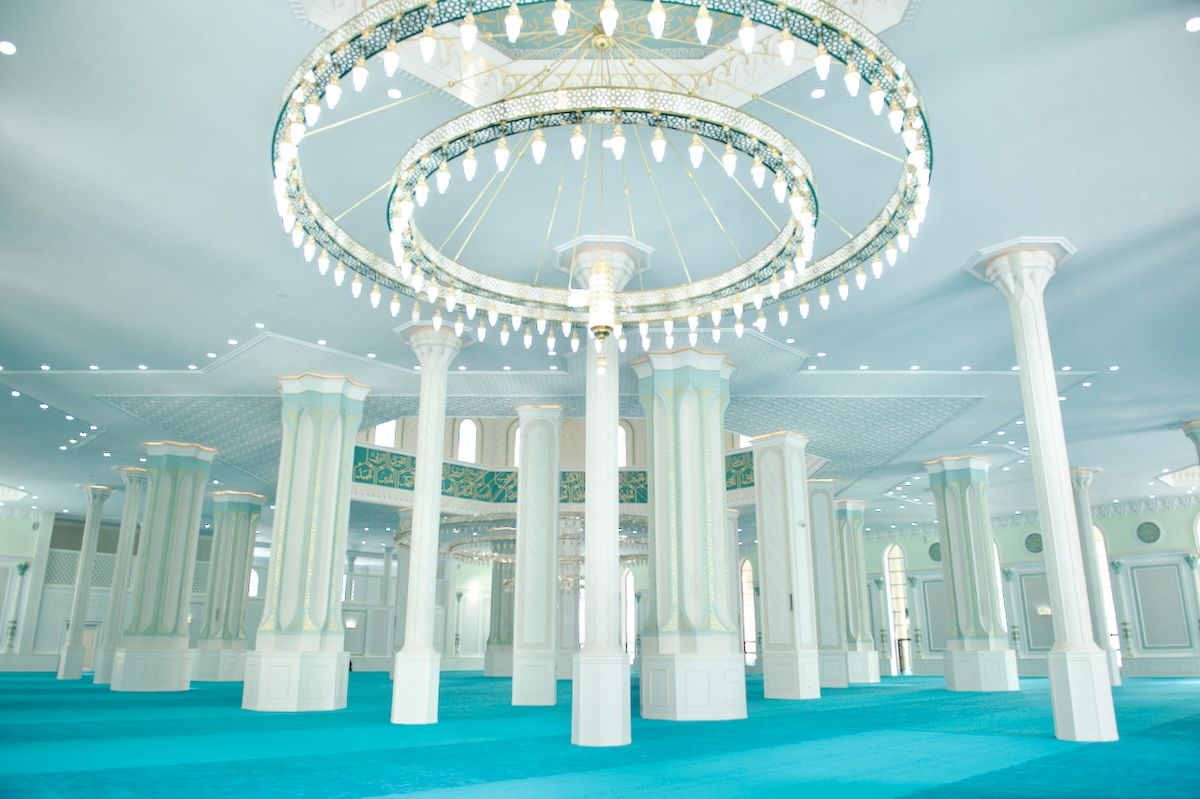
The new mosque in Almaty, built by the Halyk Foundation of Timur Kulibayev, 2025.
This correlation between the growth in the number of mosques and the decline in alcoholism is not accidental. Friday sermons by imams regularly address issues of morality, family values, and the harm of alcohol. Thus, Islam became a moral compass for a society emerging from Soviet atheism and played a key role in reducing social vices. At the same time, the growth of religious infrastructure does not alter the constitutional foundations of the country, but rather reflects the need of part of society for spiritual guidance, while maintaining interfaith balance and the secular nature of state power.

Thus, we have identified four points in history when Islam came to the aid of the Kazakh people: the spread of education, the unification of clans, the preservation of identity, and liberation from a harmful habit. Today, Islam may face a new, no less important task - restoring compassion toward animals among Kazakhstanis. The problem of cruelty toward animals and indifference to their suffering is particularly acute in Kazakhstan. Traveling across the country, it is impossible not to notice numerous sick and abandoned animals - dogs and cats - left without care. This is not direct abuse, but rather complete indifference and a lack of responsibility.

Meanwhile, Islam has a rich tradition of compassion toward animals. The Prophet Muhammad told the story of a prostitute who saw a dog dying of thirst by a well, removed her shoe, drew water with it, and gave the dog to drink - and Allah forgave all her sins. Another hadith tells of a woman who locked up a cat, did not feed or water it, and as a result entered Hell. These stories show that cruelty to animals in Islam is considered a grave sin, while compassion is a virtue capable of atoning for many transgressions.
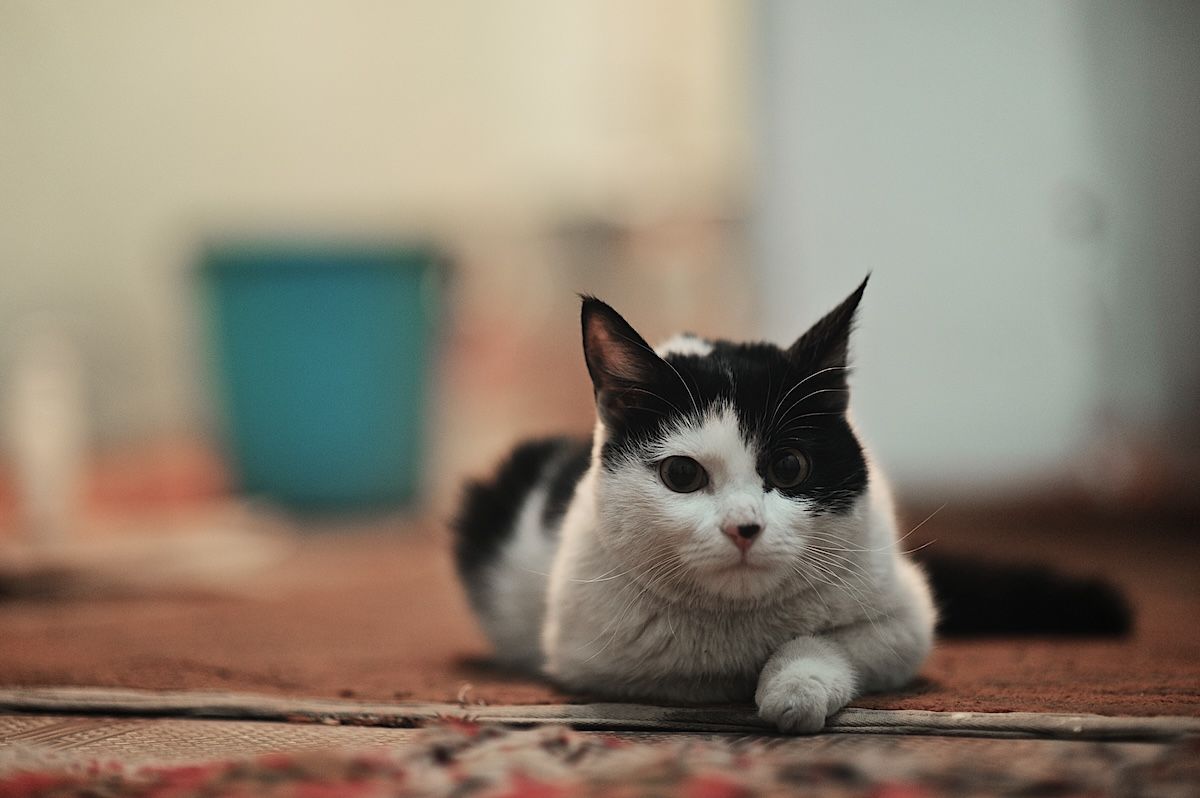
The Prophet Muhammad had a beloved cat named Muezza. Once, when she fell asleep on the sleeve of his prayer garment before prayer, the Prophet cut off the sleeve so as not to disturb her sleep. In Islam, cats are allowed to enter mosques, including the main sanctuary of Al-Haram in Mecca. One of the Prophet’s closest companions received the nickname Abu Huraira, meaning “father of kittens,” for his love of cats. Cats are considered pure animals in Islam, and water from which they have drunk is suitable for ablution before prayer. All this shows that attitudes toward animals are an important part of Islamic ethics.
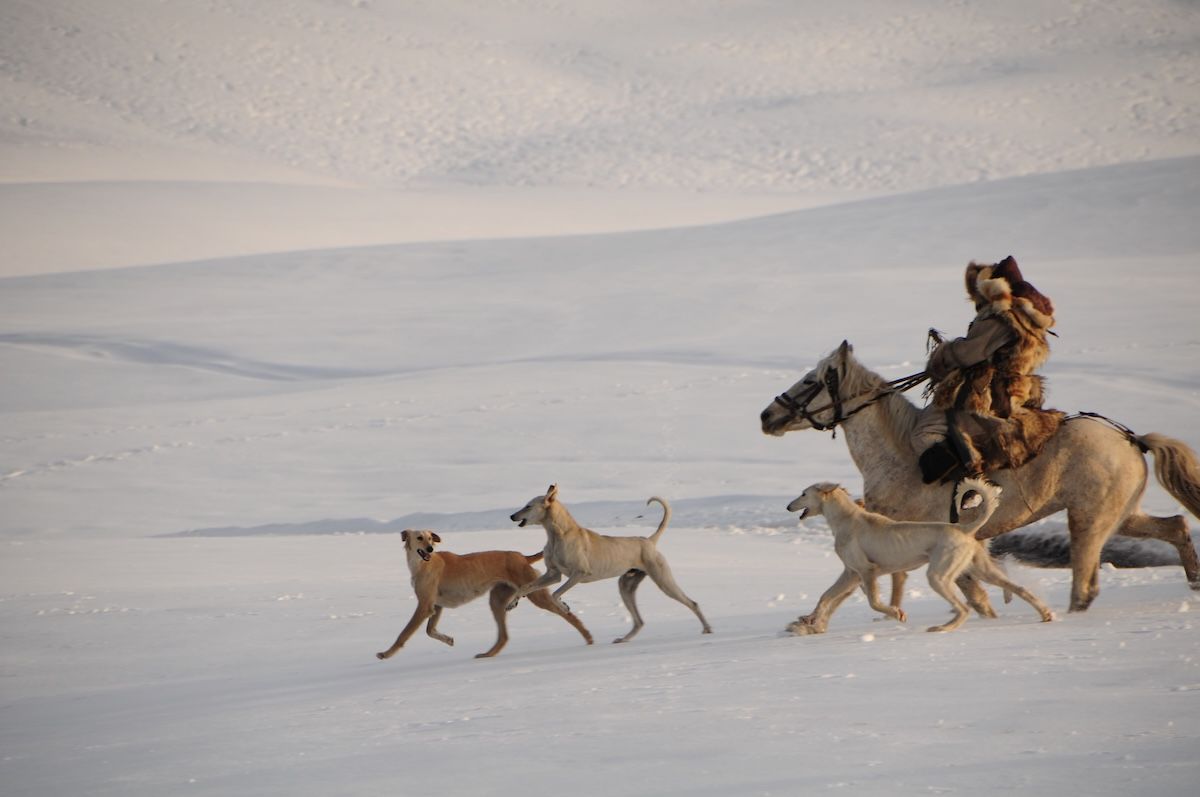
Traditional Kazakh culture also held deep respect for animals. In some interpretations of Zheti Qazyna - the seven life treasures of a Kazakh - the dog occupies a special place as a symbol of loyalty, devotion, and protection. Kazakh proverbs reflect this attitude: “If you respect the father, love his son; if you respect the master, feed his dog as well,” and “If you honor a guest, throw a bone to his dog too.” Kazakhs called the horse an “intelligent animal” (esti zhanuar) and a “speechless human” (tilsiz adam), demonstrating how deeply animals were integrated into the cultural world of nomads.
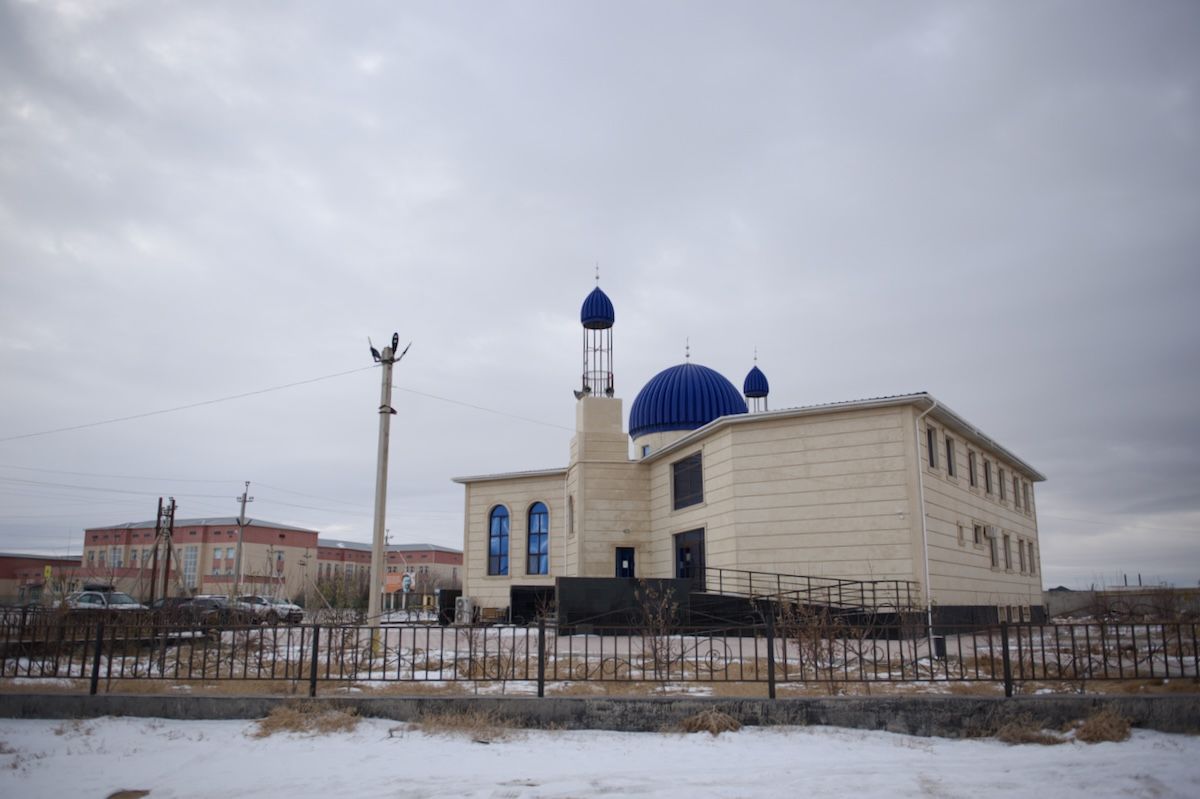
Kosai Ata Mosque in the village of Tenge, 2025.
Today, the infrastructure for spreading ideas of compassion toward animals is already in place. Nearly three thousand mosques operate in Kazakhstan, present in almost every village. Friday sermons reach millions of believers. Imams possess authority and public trust, as demonstrated by the experience of reducing alcoholism. Why not use the same model to foster responsible attitudes toward animals?
Imams could include stories from hadiths about compassion toward animals in their sermons, tell how the Prophet treated his cat Muezza, and explain that cruelty to animals leads to Hell while compassion leads to Paradise. For children, educational programs could be organized based on the Kazakh tradition of Zheti Qazyna, showing that the dog in ancestral culture was a treasure, not something despicable. It is important to show that compassion toward animals is part of Kazakhstan’s national culture.
Sources for the article “When Islam Can Once Again Extend a Helping Hand to Society…”
• E-history.kz: History of Kazakhstan. The Karakhanid Khaganate and the Islamization of Central Asia
• Abdakimov A. History of Kazakhstan (from ancient times to the present day). Almaty, 2002
• Islamic educational system in Central Asia: madrasas and maktabs
• Erofeeva I.V. “Kind or Saint Jani Beg Khan (1342–1357) in the oral historical memory of Kazakh nomads”
• E-history.kz: What is known about Kunanbay Oskanbayuly
• Wikipedia: Anti-alcohol campaigns in the USSR
• KT.kz: Alcohol consumption is decreasing in Kazakhstan
• HadithEnc: Hadith about the dog and the woman

The new mosque opening in 2025 will welcome over 20,000 worshippers and strengthen Almaty’s expanding religious infrastructure.

Over 10,000 worshippers gathered at Almaty’s Central Mosque on Laylat al-Qadr for Quran recitation, prayers, and forgiveness.
Comments
No comments yet. Be the first to comment!