A new building was constructed in Almaty. At first glance, it looks no different from other modern residential complexes, but inside it is fully designed for wheelchair users. Wide doorways, elevators, spacious rooms, and specially equipped bathrooms — everything is built to ensure a full life. The building contains 25 apartments, meaning only 25 people with disabilities can live here, while more than 400,000 people with disabilities live across Kazakhstan.
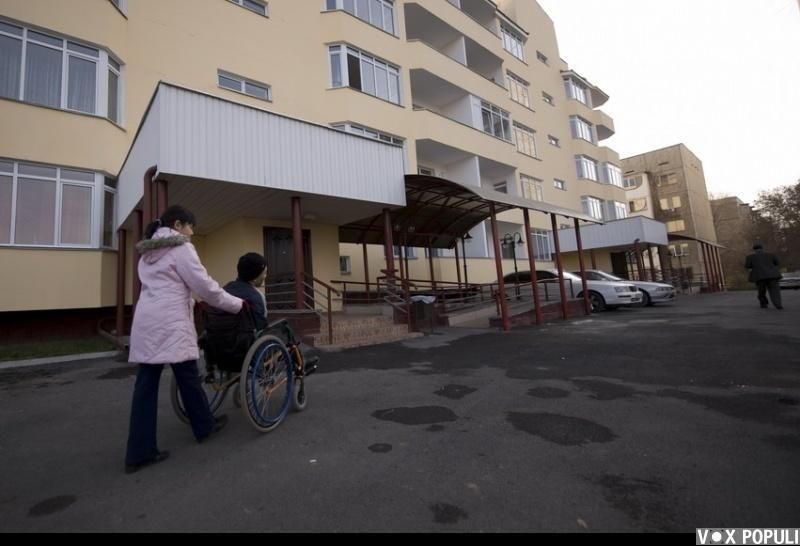
This five-story building is currently the only residential complex for people with disabilities in the country. Construction took only one year, but it took nearly 20 years of advocacy to make it happen. The apartments do not belong to the residents; they were given on a rental basis. The monthly rent is 98 tenge per square meter.
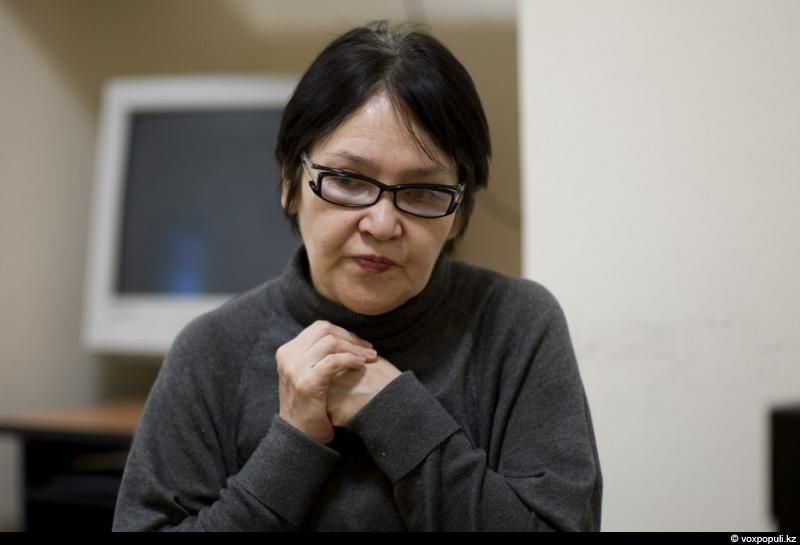
Asiya Akhtanova — chairwoman of ARDI (Association of Parents of Children with Disabilities) and a member of the Coordination Council on Disability Issues at the Almaty akimat — was the driving force behind its creation. “Housing for families with disabled children has always been one of the most urgent unresolved problems. We have more than 500 families from other cities registered with us who have no housing at all. Many live in unbearable conditions. In some houses there is no hot water, and children are carried by hand to outdoor toilets...”
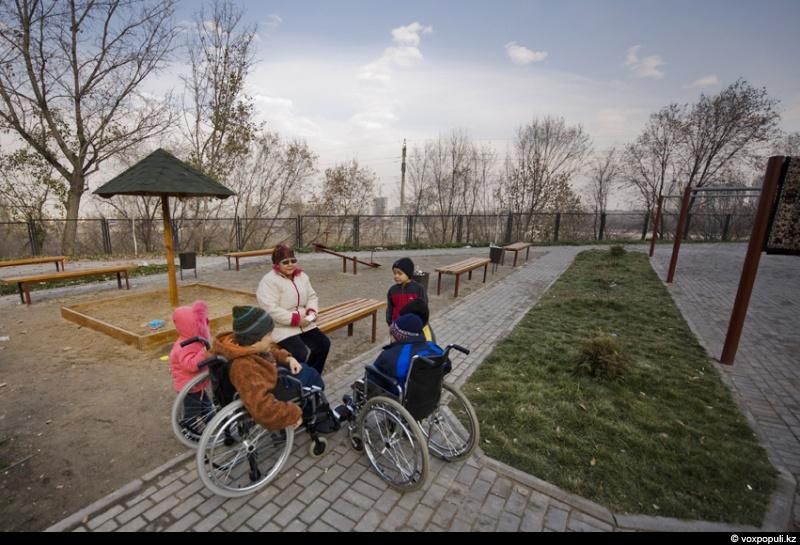
Three years ago, at a meeting with the then-mayor Imangali Tasmagambetov, the issue was finally raised and approved. A good location was chosen near Sairan Lake. A standard housing design was used as the basis but completely redesigned to meet international accessibility standards. This summer, 17 families from the ARDI foundation received keys to their new apartments. The remaining units were given by the akimat to those who had long waited in line.
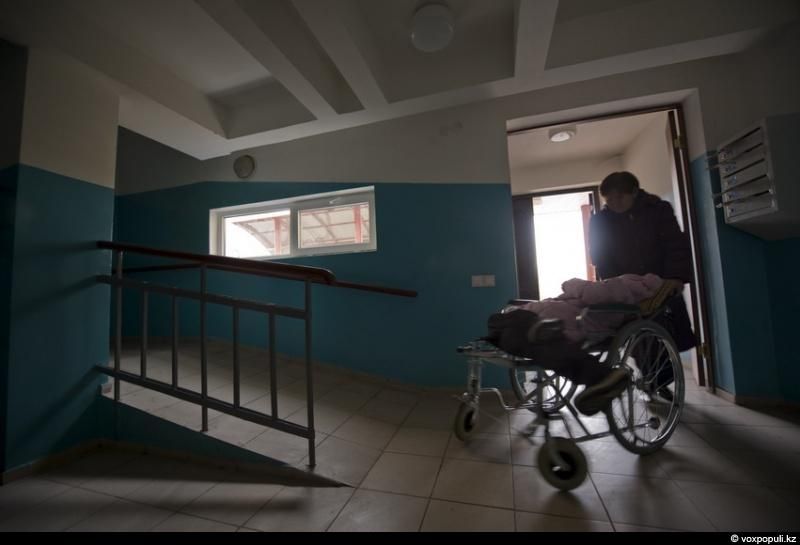
The building includes wheelchair ramps, wide corridors, and spacious elevators.
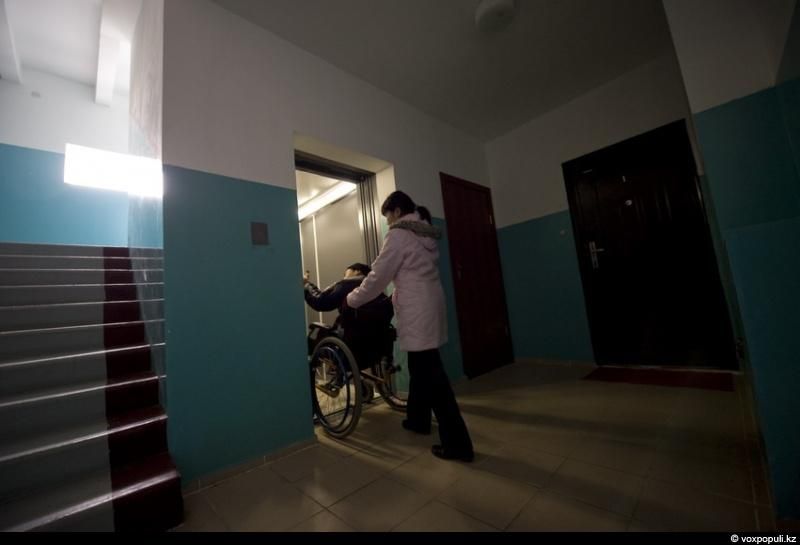
"Of course, many asked me — why build a separate house where disabled people will be isolated from society? I understand this very well," says Asiya Akhtanova. "But if we wait until all homes in Kazakhstan are built according to world standards, many simply will not live to see that day. Even during construction, two children who were supposed to receive apartments passed away..."
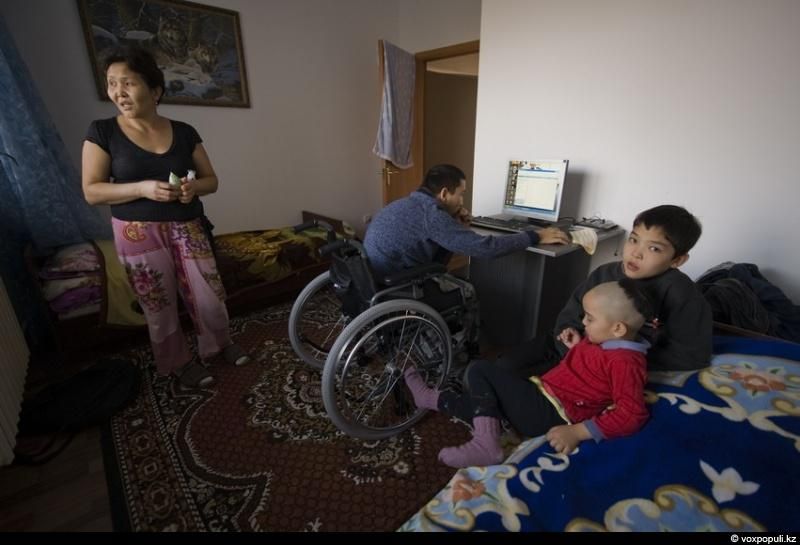
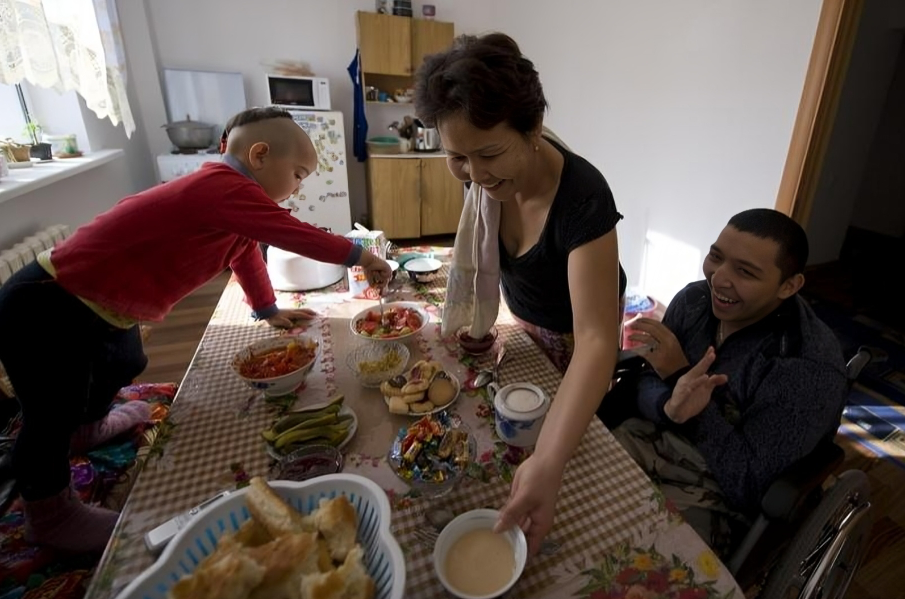
Zhasulan is 18. He lives with his parents and younger brothers. His favourite pastime is using the computer donated by ARDI. Soon, internet service with a 70% discount will be available in the building. “We used to live in Alatau district, in the Karasu village,” recalls his mother Gulmira. “For 14 years, the five of us lived in a temporary house. It was very difficult, but now that is all behind us.”
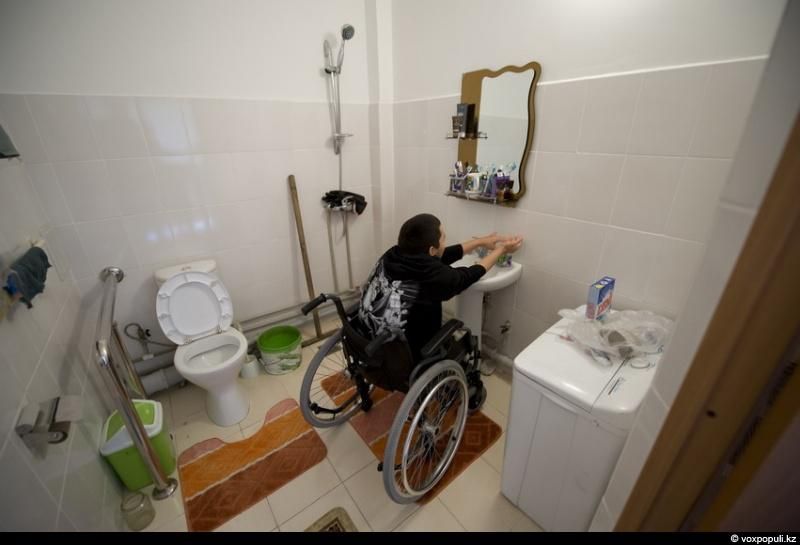
Now Zhasulan can go to the bathroom independently; he only needs help bathing.
Their apartment has three rooms and two bathrooms. Rent is 9,000 tenge plus utilities. “We haven’t received bills yet, but I’m afraid the electric stove will make it expensive,” says Gulmira. “My son’s disability pension is 22,000 tenge, and my husband earns 17,000. We still struggle, but having a roof over our heads is already a blessing.”
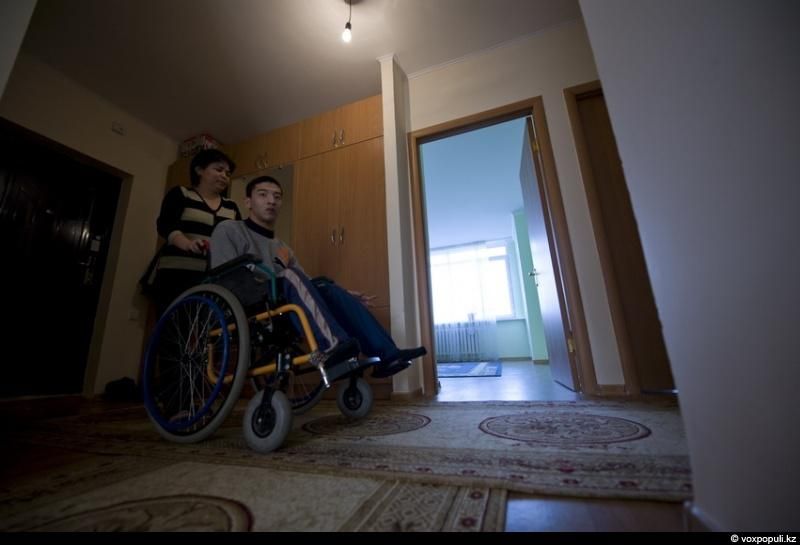
Their neighbor, Gulmira Abdullayeva, was able to take her son outdoors for the first time in many years after moving into the new building: “We used to live four people in a one-room apartment on the ninth floor. The elevator often broke down, and Rakhimzhan spent most of his life inside.”
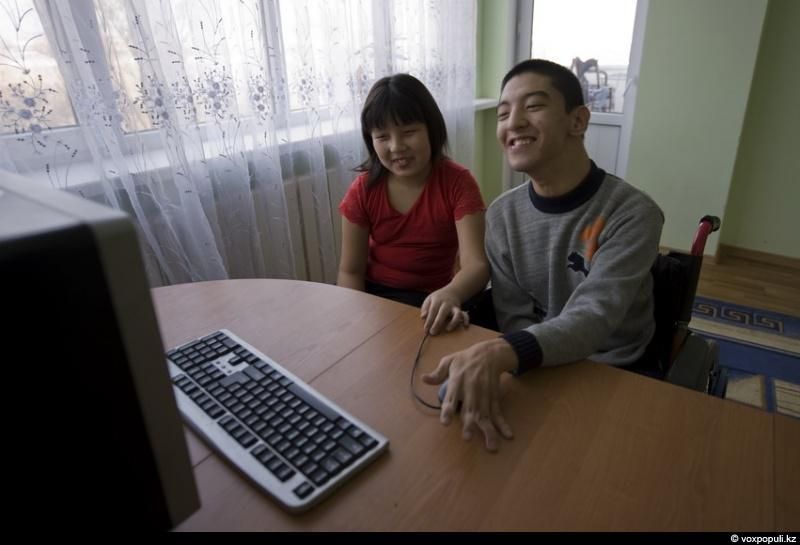
Rakhimzhan is playing computer games with his sister Aigerim. “When he relaxes, his muscles loosen, but even the smallest movement causes severe muscle spasms,” explains his mother. “I used to be ashamed to show my child to people, but then I realized he is my treasure, and I have nothing to be ashamed of.”
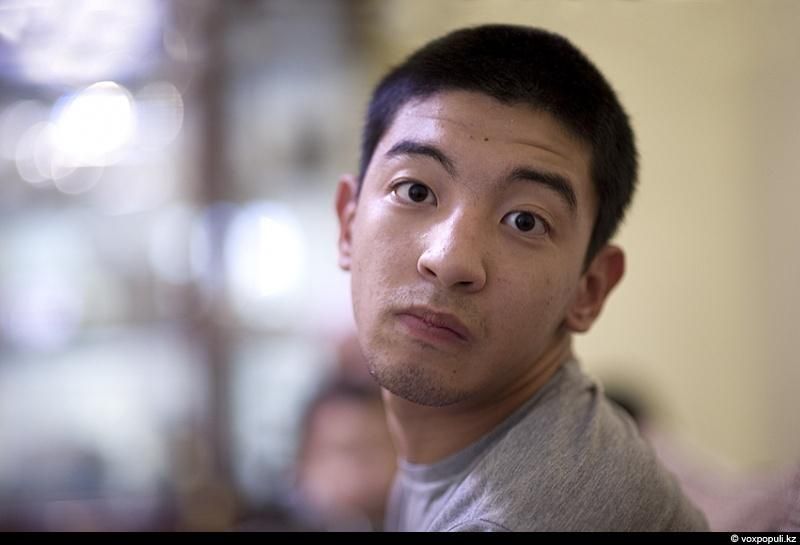
“That will do!” said Rakhimzhan, looking at his portrait.
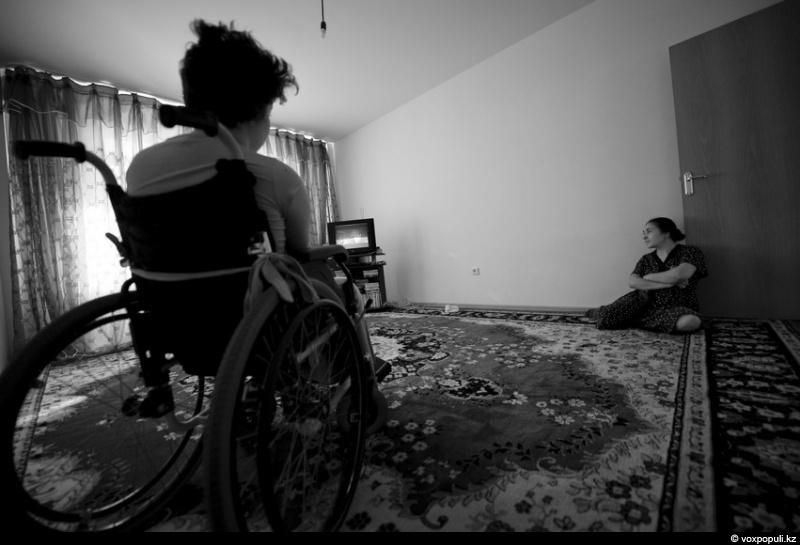
Zarina is 20, disabled since childhood. “I love reading books and watching sci-fi movies, going to the cinema with my mom. I also want to learn how to use a computer and communicate online!”
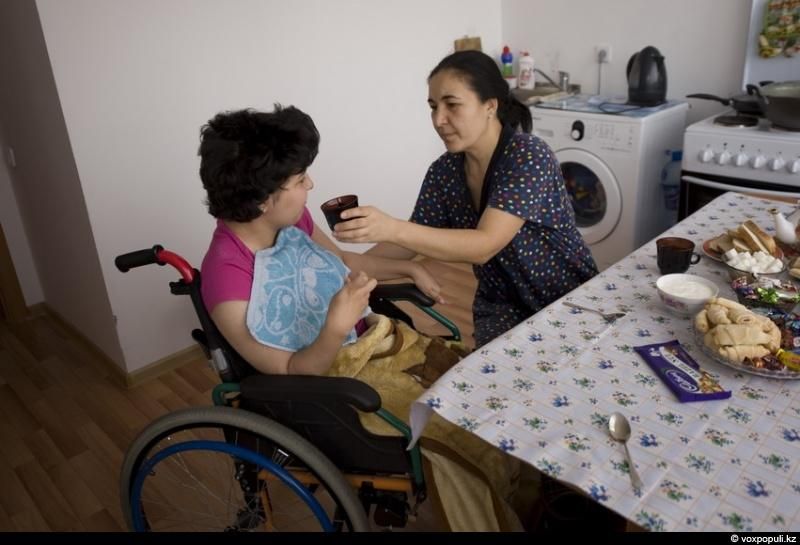
Her mother, Khatigul, has another child: “My son studies in college, works part-time, and helps us financially. When Zarina was born, I barely worked — I took care of her full time. Now I work half-days as a cleaner, because we cannot live on her pension alone. After my husband died, we rented a place for a while, then moved to my mother’s home in Gorny Gigant. We lived in one room as a large family. Ten years ago, I happened to read an article about ARDI — that they help children like my daughter. Since then we have been on the waiting list. We are very grateful for receiving a home.”
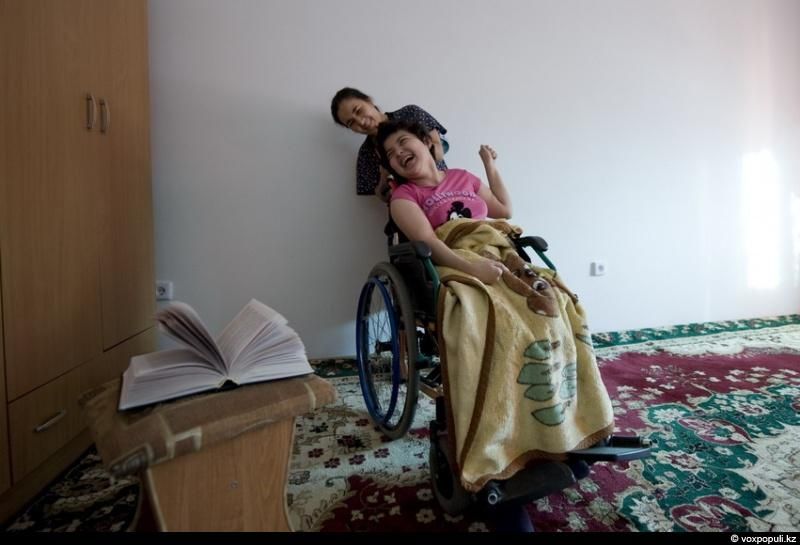
“Once Zarina told me: ‘Mom, I thank God that I am like this. There are children who are blind, deaf, mute — but I can see, hear, and speak.’” Tears appear in Khatigul’s eyes. “It is good that this building is home only to disabled children — they share something in common and help each other feel equal.”
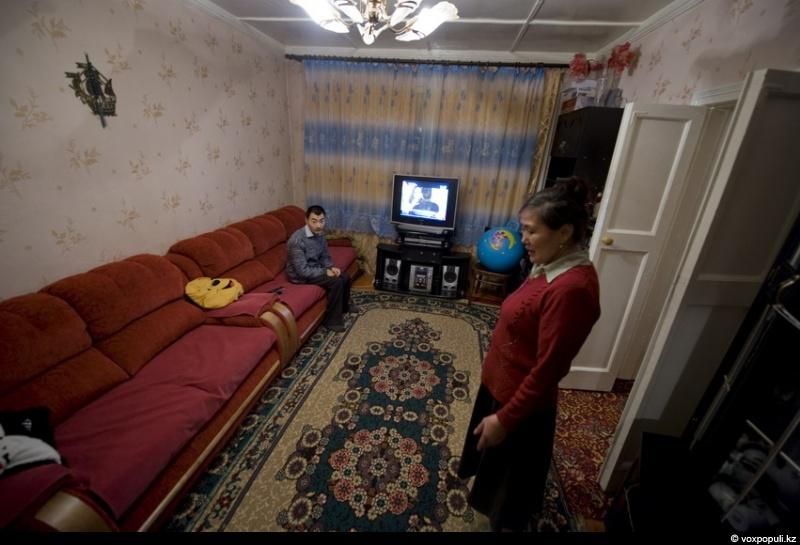
This beautiful building could house only 25 families. Meanwhile, thousands of others still live in cramped apartments or rented rooms. Near the Almaty-1 railway station, in one such building, lives Gulsim with her sons. “Besides me and my disabled child, my other son lives here with his family. Six people in 40 square meters. There is only cold water, so we heat it for bathing. Medet often has convulsions; sometimes he loses consciousness right in front of the little grandchildren.”
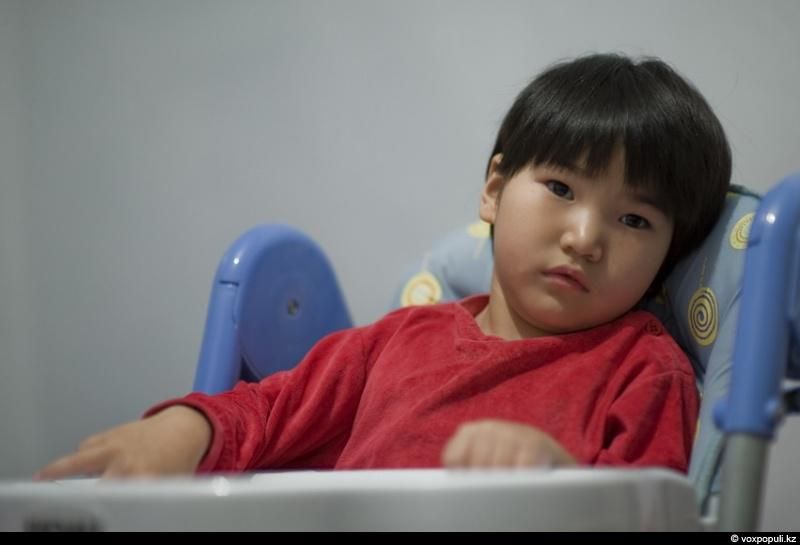
Across the street lives Gulzira with her daughter Aim, who will soon be six. Aim has cerebral palsy and visual impairment. She can only distinguish silhouettes. “We live only on her allowance and a little help from my parents,” says Gulzira. “Soon we will go to Astana for treatment — right now I’m collecting documents. They should give her an injection that may help her stand on her feet.”
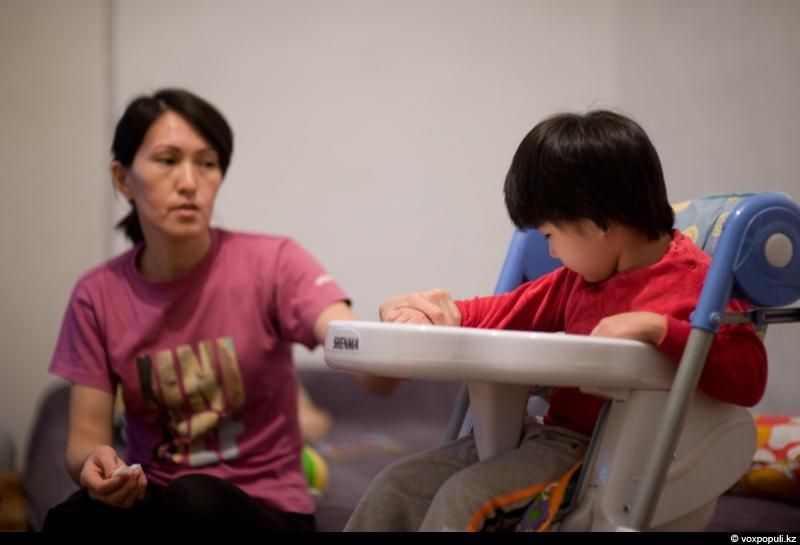
“When I was pregnant, my husband drank heavily and beat me,” Gulzira says. “We divorced three years ago. Six months ago he remarried. He doesn’t visit Aim, but his mother comes often...”
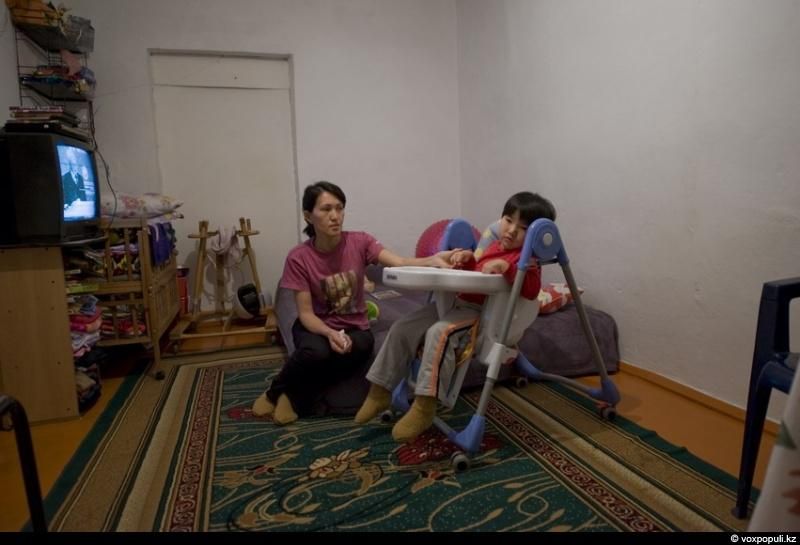
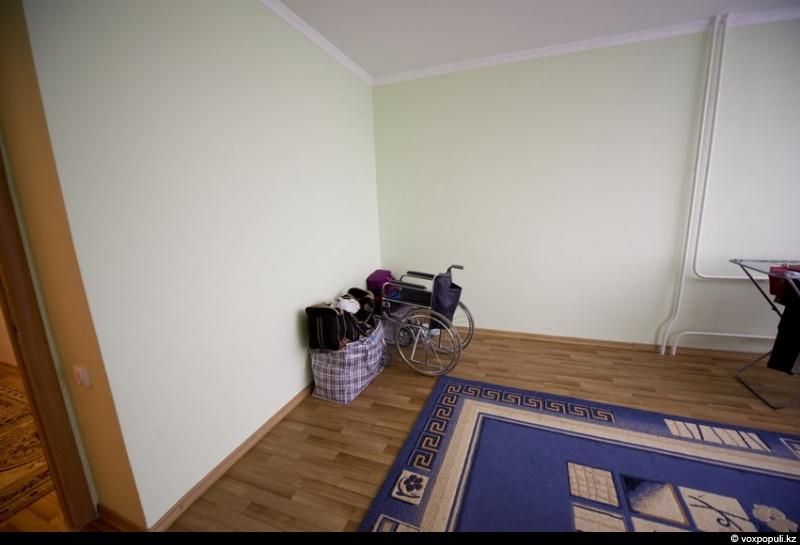
ARDI cannot place them in the housing queue due to document issues. “I managed to register us, but they also require a copy of the house register — and the homeowners refuse to provide it.”
In our future photo reports, we will continue to raise disability issues and share the challenges, joys, and other important moments from their lives.
The original version of this material was published on Voxpopuli.kz (before its closure in 2023). The author restored the text and images from a personal archive to preserve documentary and historical materials.

A photo story about blind people and their loyal guide dogs — a portrait of trust and dignity. By Karlygash Nurzhan for Shanger.kz

Медицинские поезда Казахстана, которые доставляют врачей и обследования в самые отдалённые сёла страны. Фоторепортаж Карлыгаш Нуржан для Shanger.kz.

A night inside Almaty Hospital No. 4: injuries, emergencies, and the real work of trauma doctors seen through a photo-reportage.

Джонатан, волонтёре из США, который преподаёт английский в селе Шаульдер и изучает казахский язык. Фоторепортаж Карлыгаш Нуржан для Shanger.kz
Comments
No comments yet. Be the first to comment!