Omnivorous Children — Doctors Save Babies from Danger

Statistics show that every fourth child under the age of six will inevitably swallow or inhale a foreign object. Vox Populi visited the Emergency Surgery Department of Children’s City Clinical Hospital No. 1 — a department that, unfortunately, is always full of young patients. The aim of this report is to warn parents once again and remind them how dangerous the most ordinary household items can be.
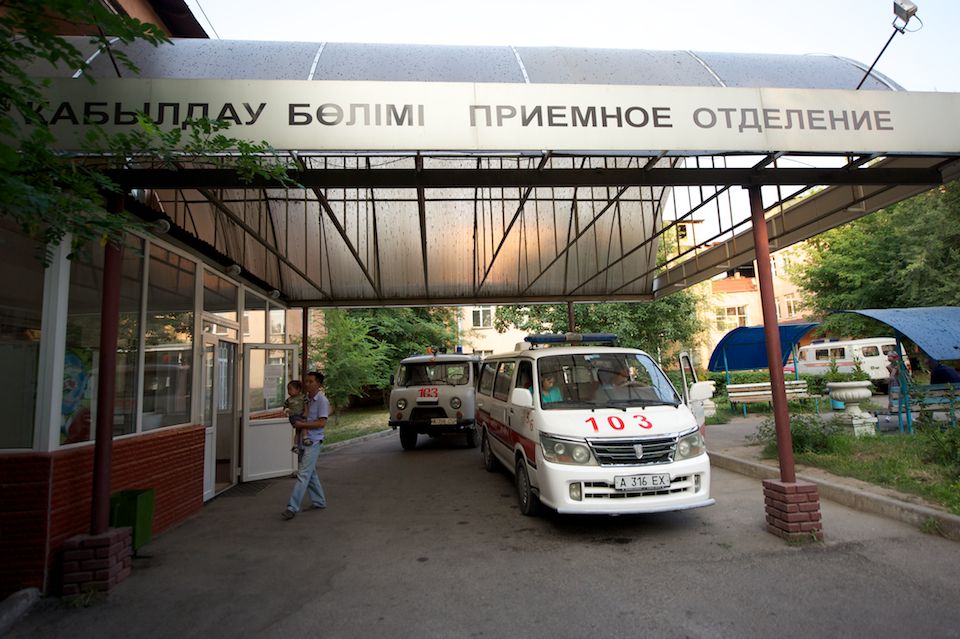
Ambulances bring children almost continuously. Every day, 180–200 patients arrive at the emergency surgery reception. Last year, the department saw 60,931 patients, 9,000 of whom had to be hospitalized.
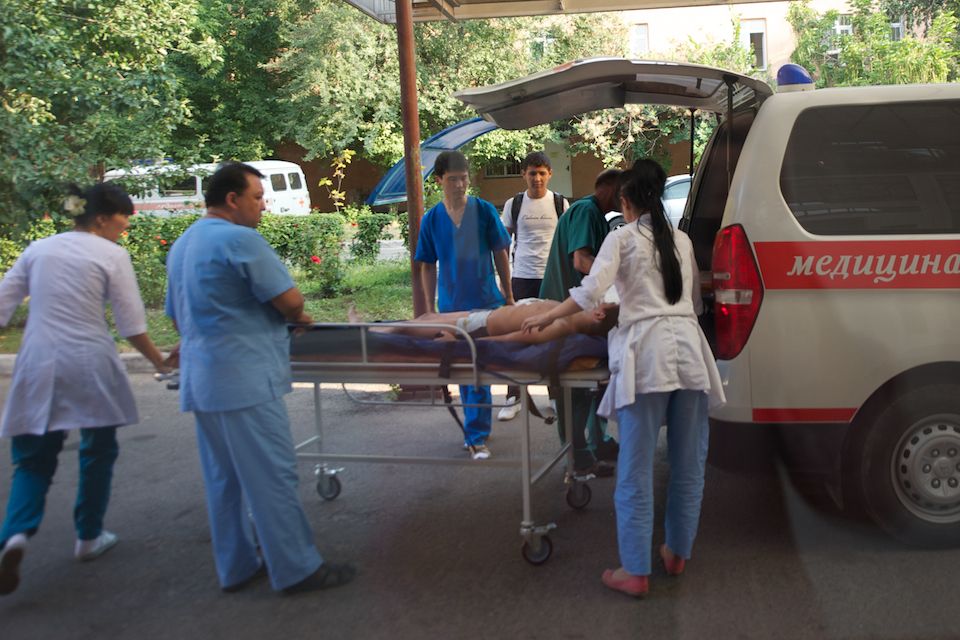
Children are brought here with all kinds of cases, not only foreign body ingestion. Just now, a boy with an open abdominal injury was delivered. He is urgently taken to the operating room, where a team of surgeons, a resuscitator, and an anesthesiologist are already waiting.

The examination rooms in the reception area are never empty.
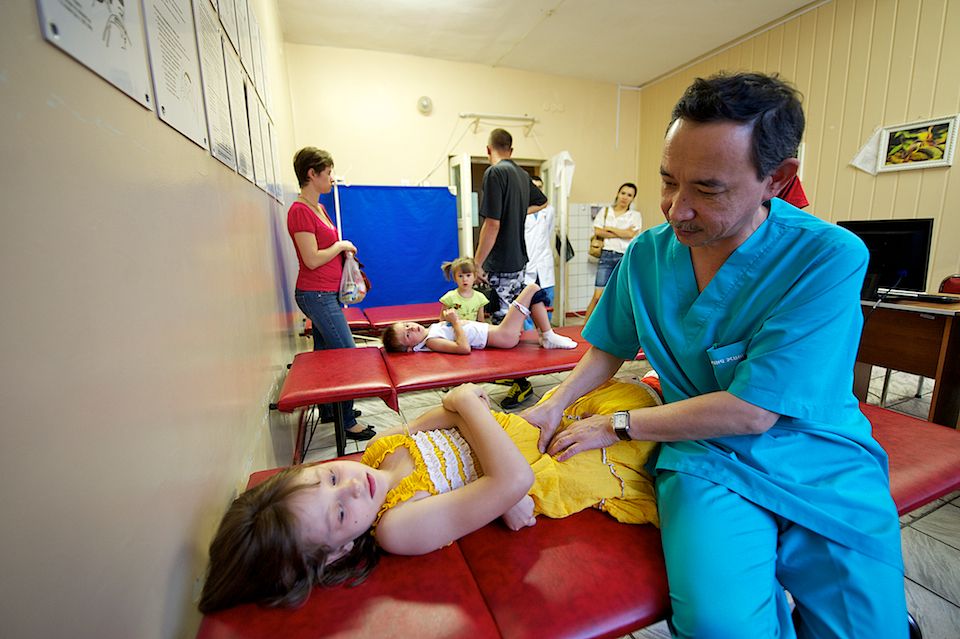
Bulat Muratovich Akhmetov is one of the leading surgeons of the department, with 20 years of experience. He is examining a girl who complains of abdominal pain, vomiting, and high fever.
“We suspect appendicitis,” says Bulat Muratovich.
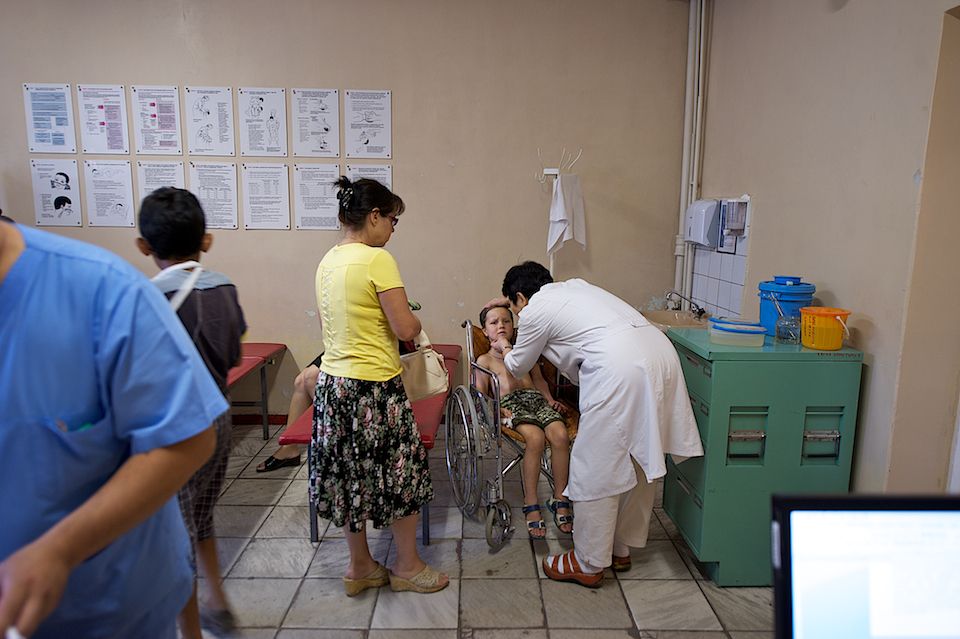
A five-year-old boy fell from a bunk bed in kindergarten and was brought in with a complex elbow fracture.
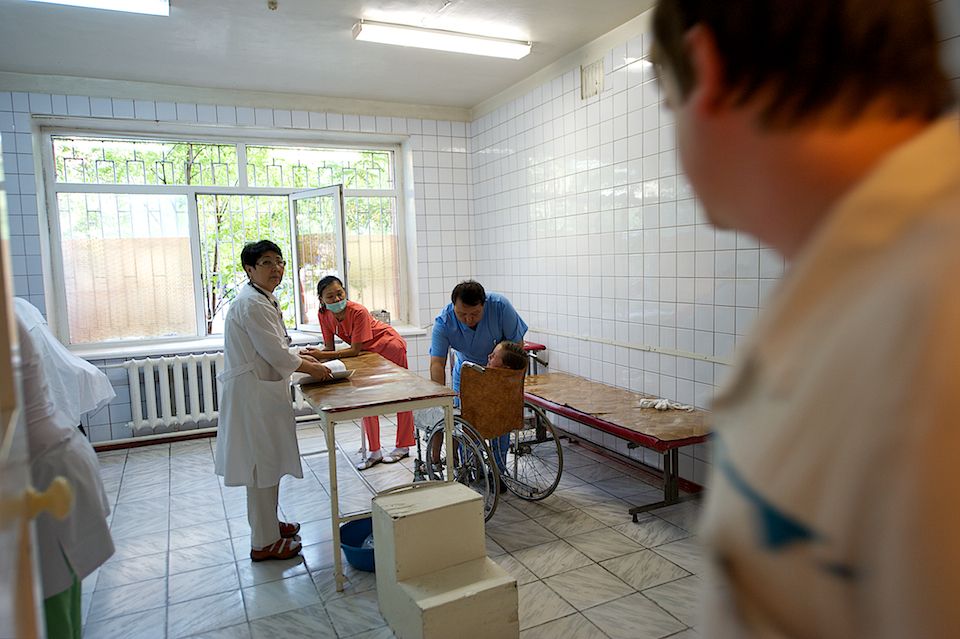
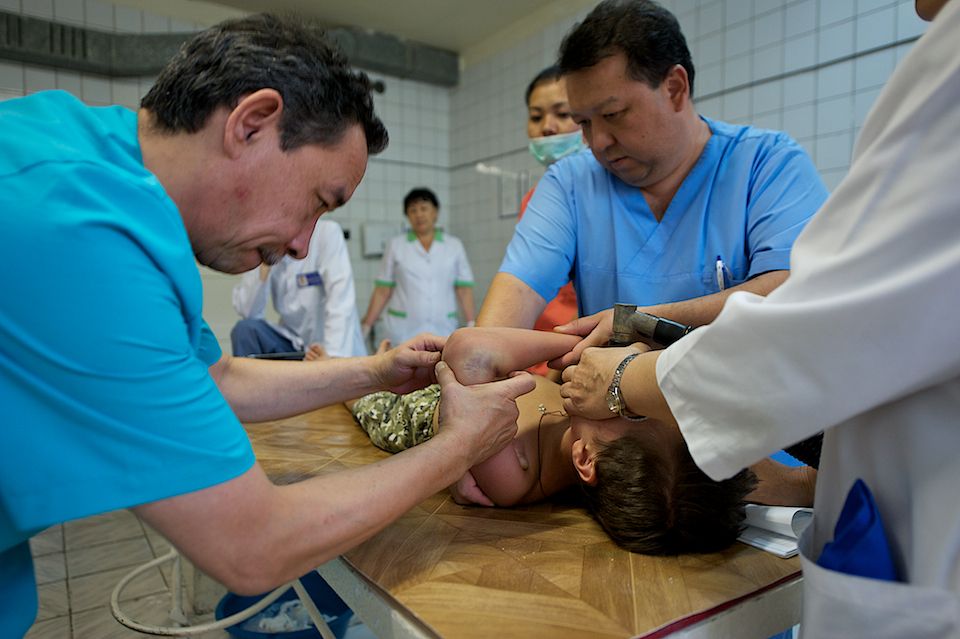
The child is under anesthesia. Bulat Muratovich sets the joint without surgery. Later, the boy will receive a splint.
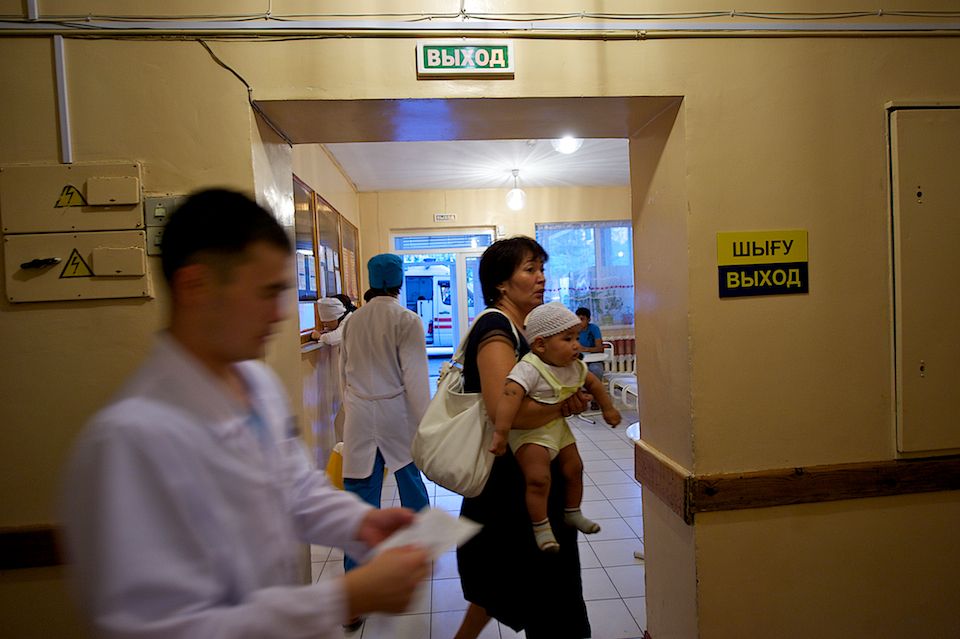
Even the youngest children become patients of emergency surgery — hernias, burns, foreign bodies, various injuries.
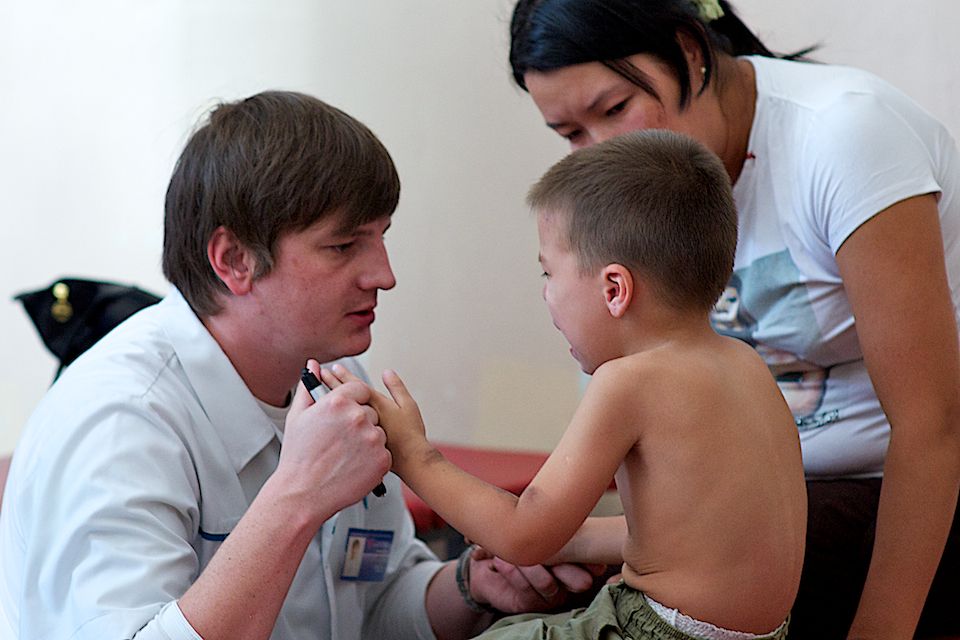
Andrey Vladimirovich Mishchenko is a pediatric neurosurgeon. A child was admitted with suspected closed head trauma. The surgeon asks the mother when the injury occurred, whether there was vomiting, and whether the child feels dizzy. To calm the child, he crouches down to eye level and speaks to him in fluent Kazakh. As it turns out later, Andrey Vladimirovich records all medical history (“anamnesis collection”) in Kazakh, and the clinic conducts Kazakh-language lessons three times a week for Russian-speaking staff.
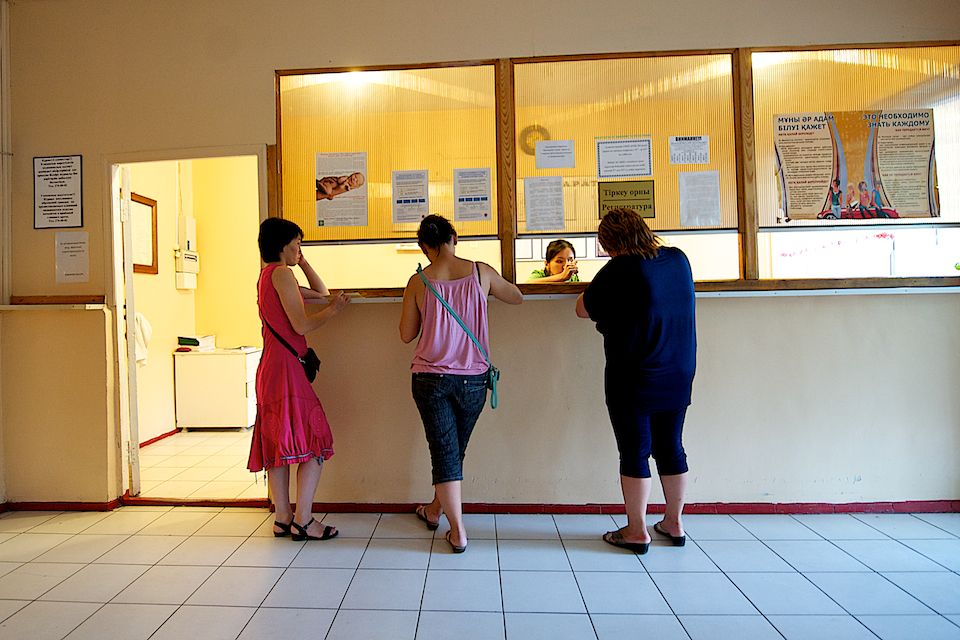
While doctors examine children, mothers fill out forms at the registration desk.
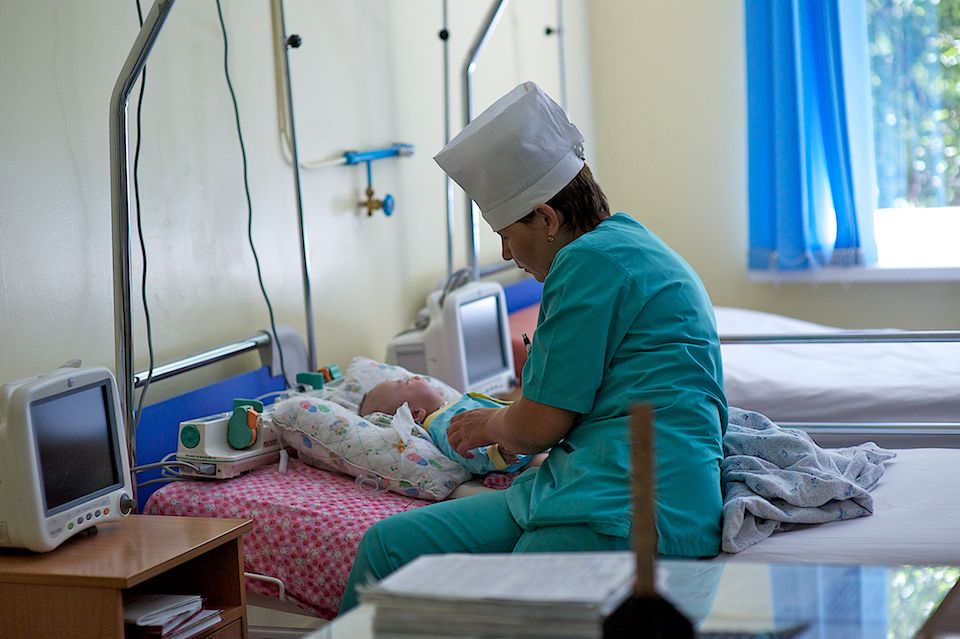
On the second floor is the intensive care unit. A doctor is constantly on duty in each room, monitoring the patients’ condition. Even parents of infants are not allowed inside because this department houses severely ill children who have undergone surgery, and the risk of viruses and bacteria must be minimized.
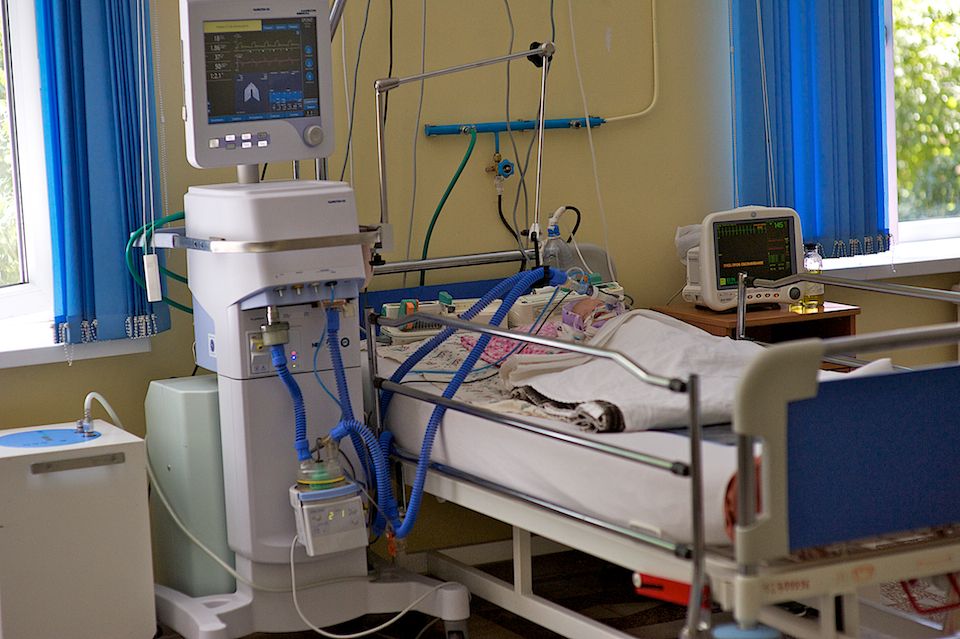
A one-year-old baby has survived two strokes. Now he is in a coma, connected to a ventilator. Doctors do not make predictions but say that a child’s brain has remarkable compensatory abilities — and that hope still exists.
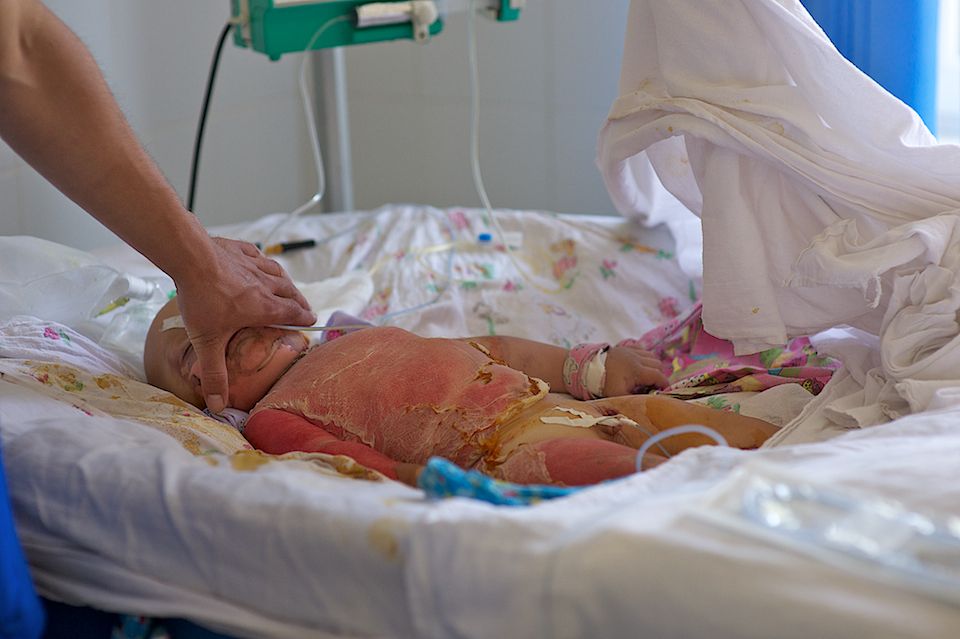
A severe case in the ICU: an 18-month-old boy spilled boiling water on himself, sustaining burns over 50% of his body. To our question, “Will he survive?”, the doctors reply: “He will survive — children can survive burns of up to 75% of the body.” The boy lies in a special burn bed equipped with an air cushion to prevent bedsores.
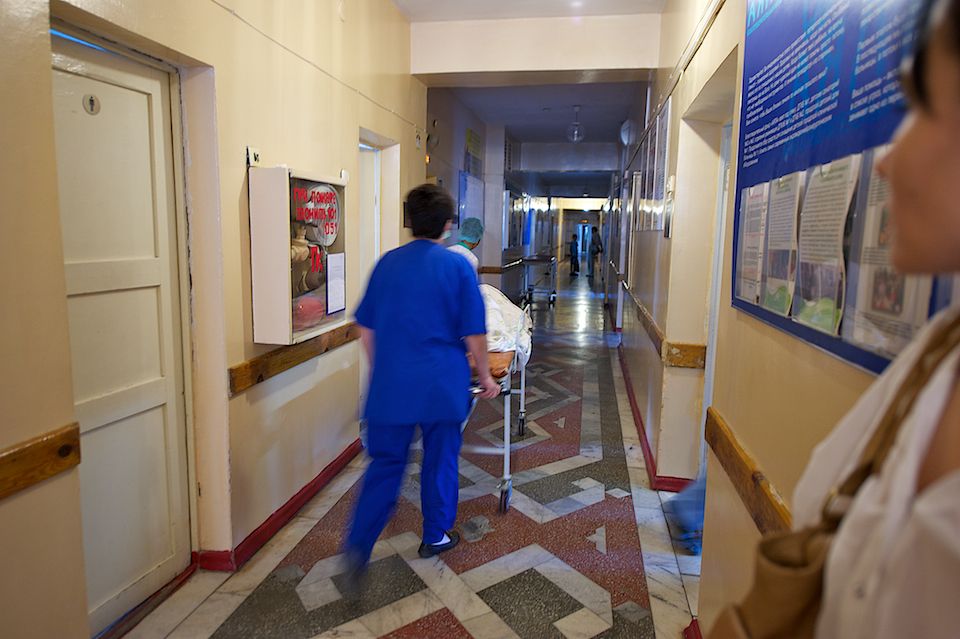
These are children who swallowed or inhaled foreign objects, or came in with esophageal burns from ingesting vinegar, gasoline, potassium permanganate solution, or battery acid. A child who suffers severe burns of the esophagus or stomach is almost disabled — scars heal poorly, tear, and bleed. Such a child will need therapy and a strict diet for many years.
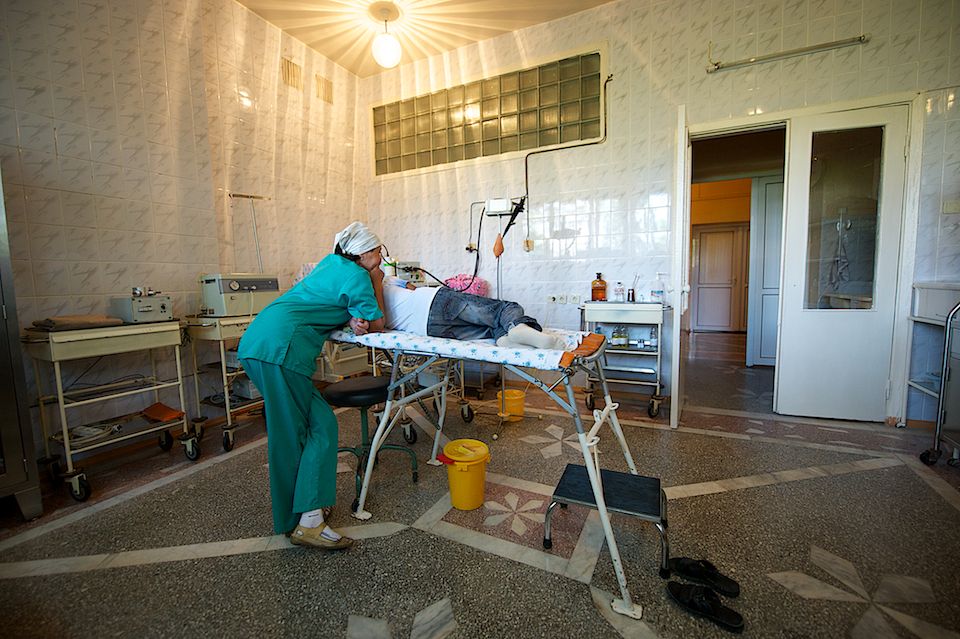
After a patient is examined for a suspected foreign body, they are prepared for endoscopy.
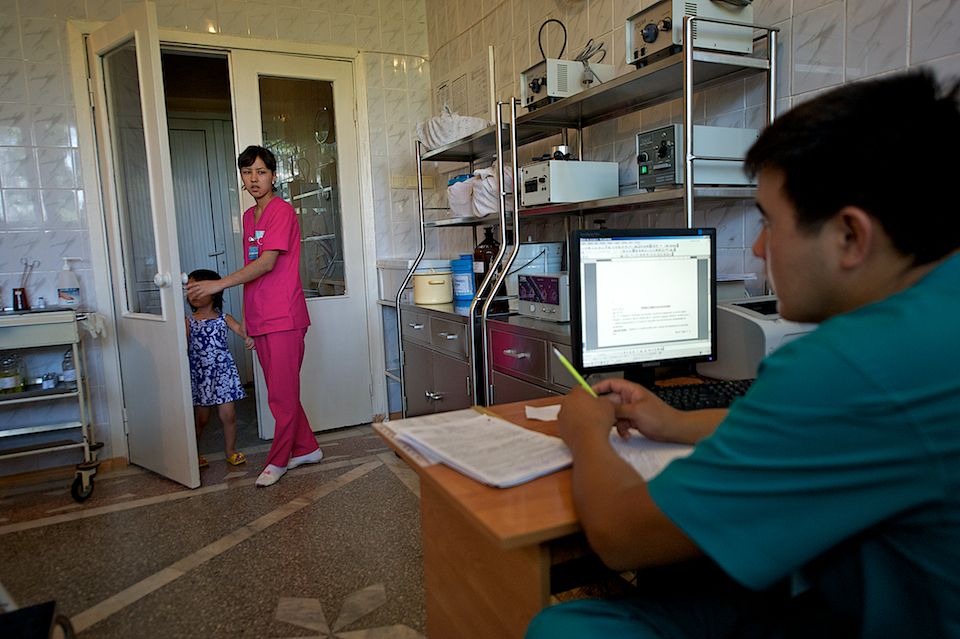
Azamat Amantaevich Rayev — a surgeon-endoscopist — receives the next patient.
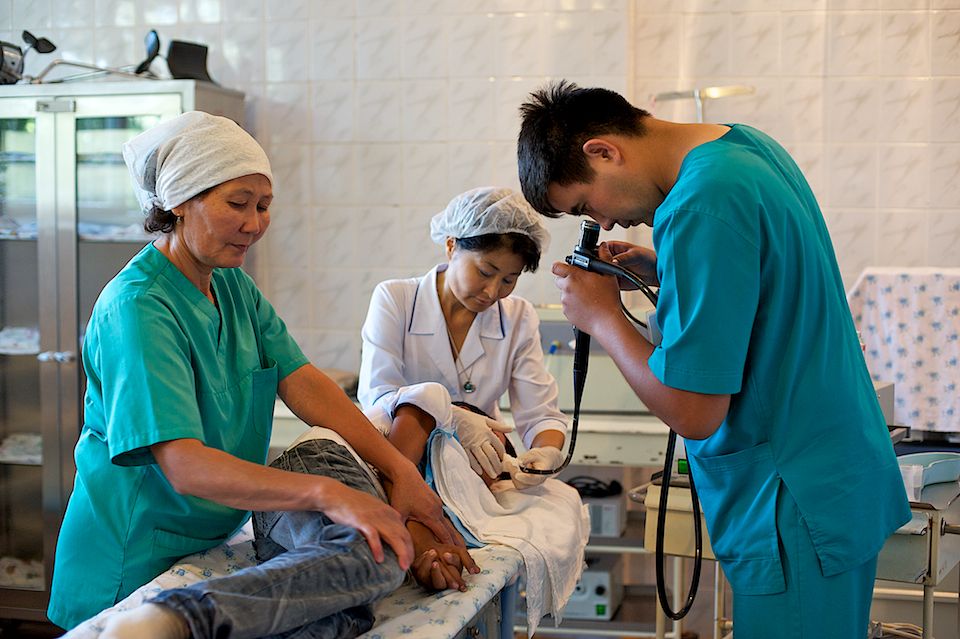
“This probe is manufactured in Israel and has served us for eight years,” says Azamat Amantaevich.
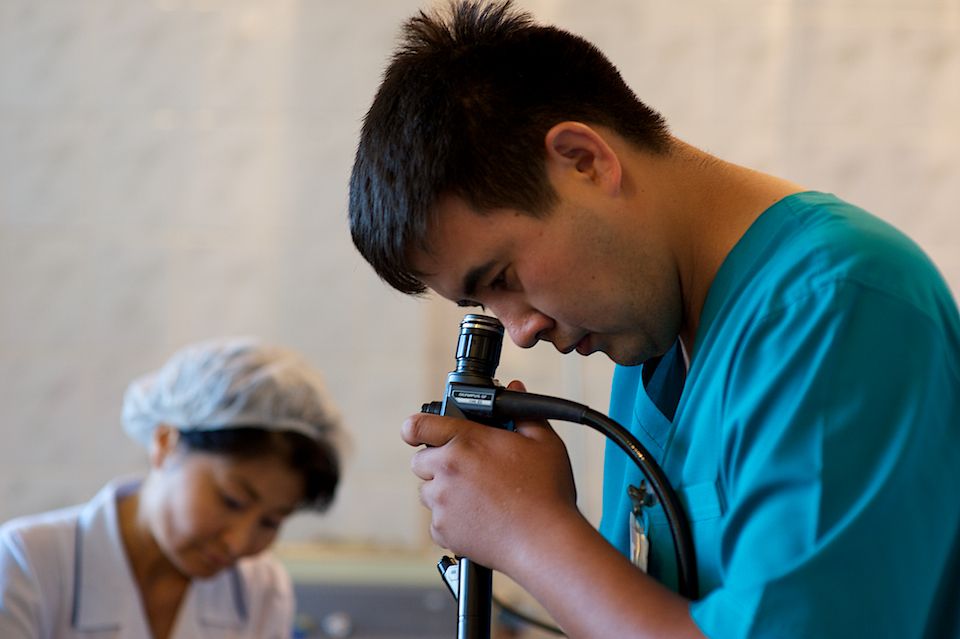
“There is now a new generation of probes equipped with monitors — they are much more convenient. They allow the endoscopist to see the esophagus and control the forceps simultaneously.”
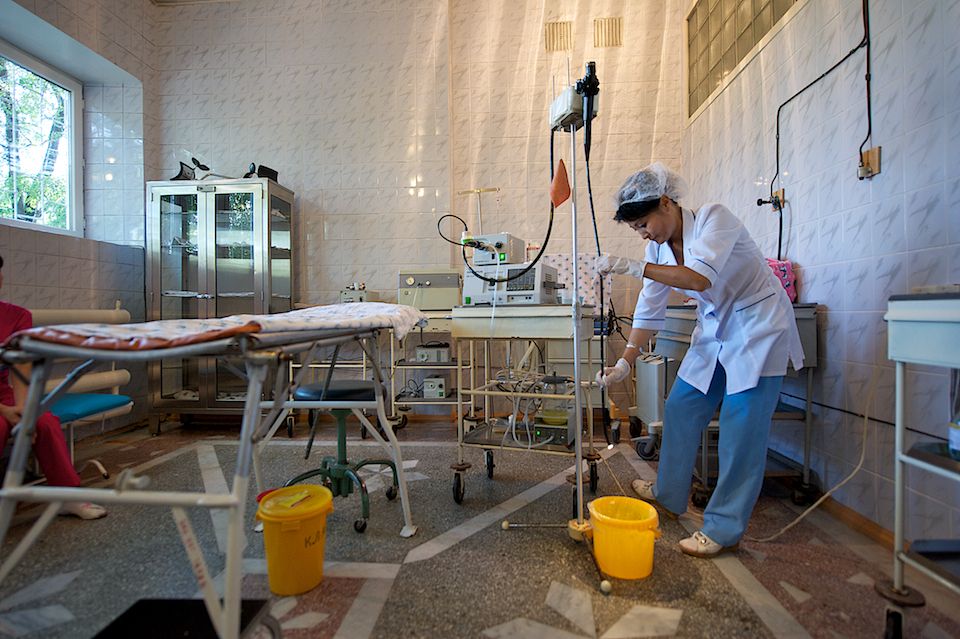
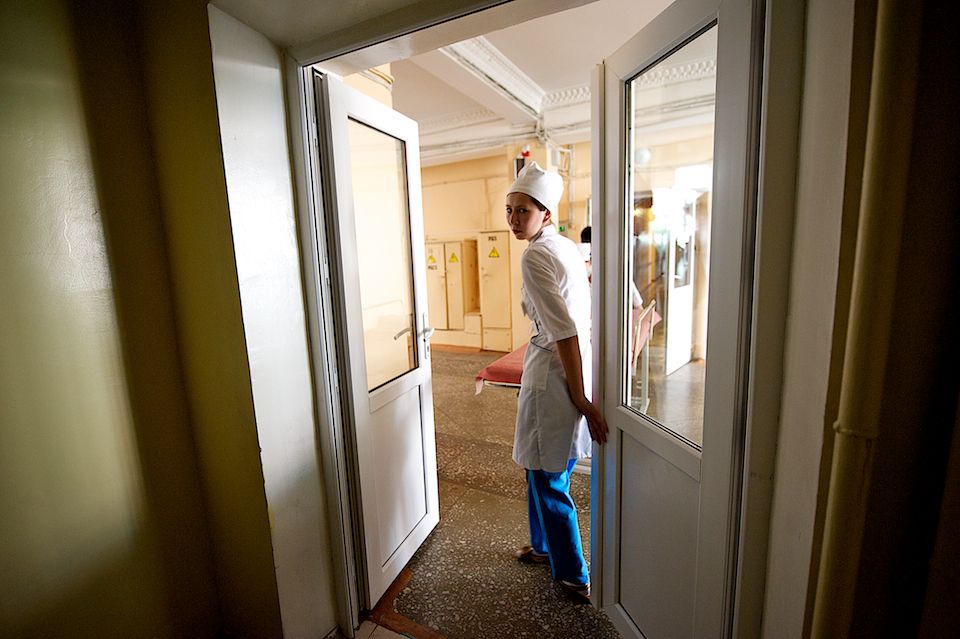
Hospitalized children under the age of 3–5 stay in the clinic together with their parents.
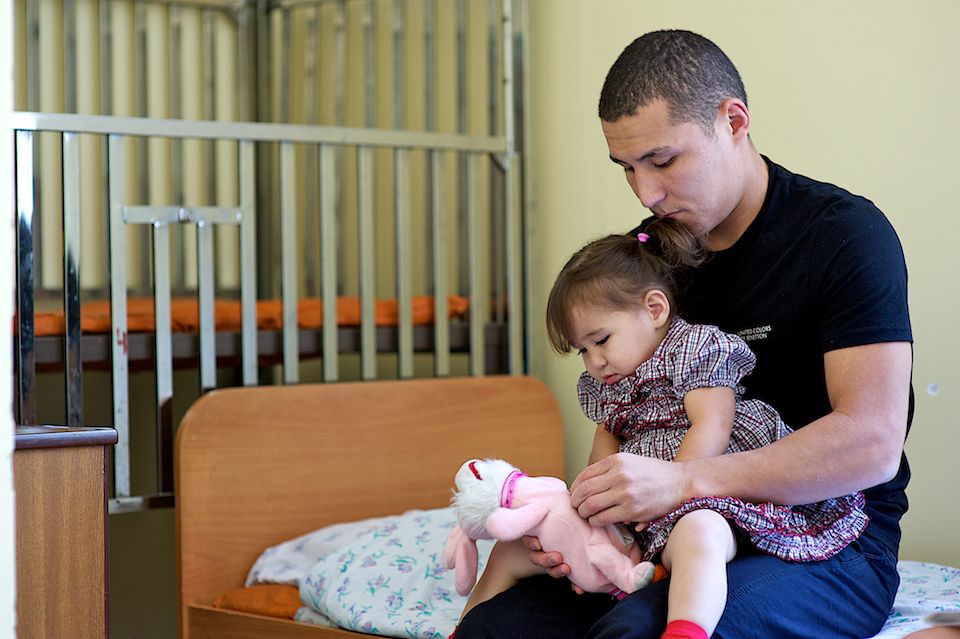
Samat Bigaliyev is in the clinic with his 2.5-year-old daughter Sabina.
“My daughter licked crystals of potassium permanganate,” the father says. “Despite emergency medical measures — stomach lavage — she was diagnosed with first- and second-degree burns of the esophagus. My wife is at home with our younger child, so I’m here with Sabina. She already feels much better, and they said we will be discharged soon.”

Makhabbat Akmarova, the mother of one-and-a-half-year-old Ramil, says they did not immediately reach Children’s Hospital No. 1.
“Two weeks earlier, we went to the district clinic, where they diagnosed acute bronchitis and sent us to an infectious diseases hospital. But there they found no viral inflammation. Later, with suspected foreign body ingestion, we ended up here.”
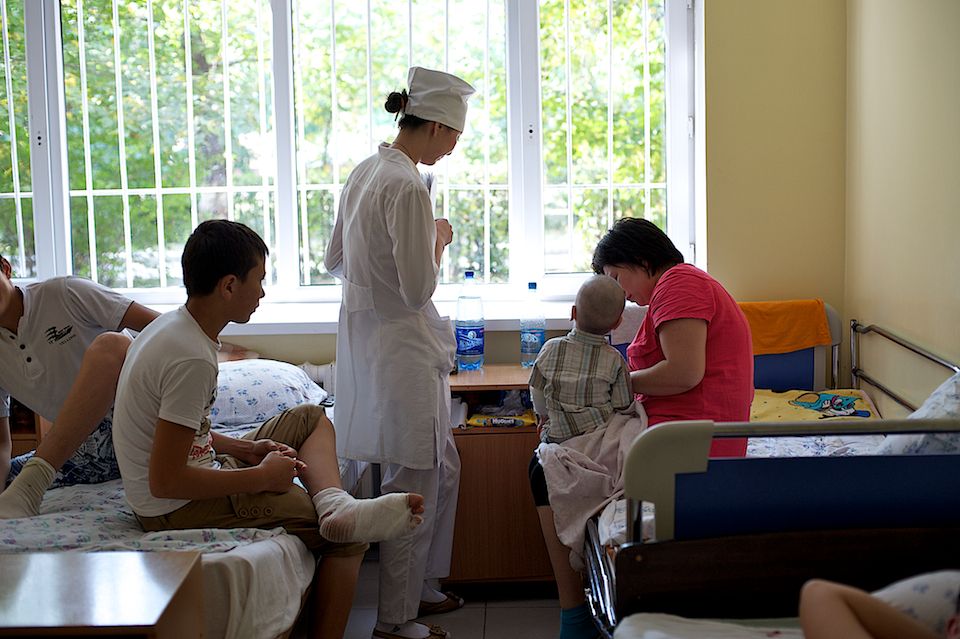
According to the clinical data and the child’s condition, surgeons were confident there was a foreign body in the airways, although the X-ray showed nothing. The mother believes that a piece of apple peel might have entered the bronchus.
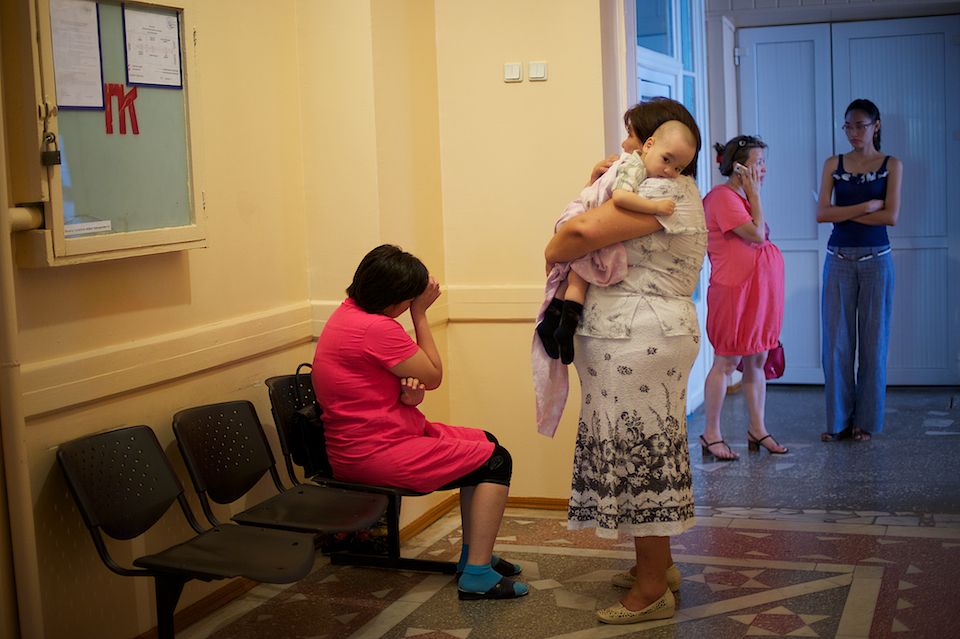
Little Ramil waits with his mother and grandmother while doctors prepare the operating room for bronchoscopy. The procedure is performed under anesthesia. The women are so anxious they cannot hold back their tears.
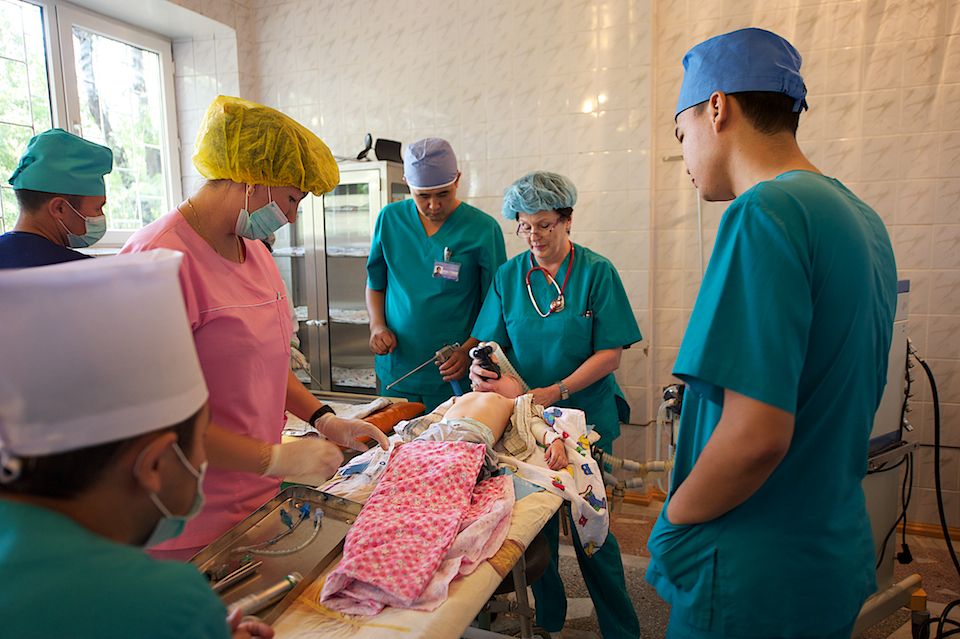
Often, a foreign object in the respiratory tract is accompanied by bronchitis or pneumonia. Doctors hoped to find something in the bronchi, but because Ramil arrived late, they suspected the object may have descended into the lungs. For more than three weeks, Ramil has been coughing at night and experiencing shortness of breath. This is his second examination. In any case, clearing mucus from the bronchus will give only temporary relief.
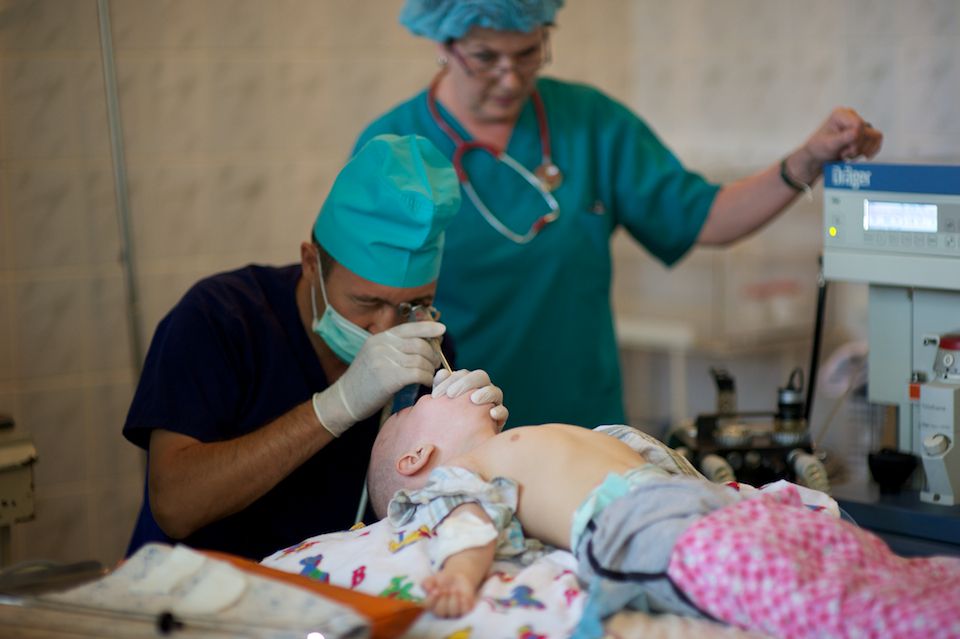
Unfortunately, this examination also yielded no results — no foreign body was found.

The boy’s mother is devastated by the results of the bronchoscopy. Although she is not a doctor, in despair she voices her own theories — from tuberculosis and asthma to whooping cough.
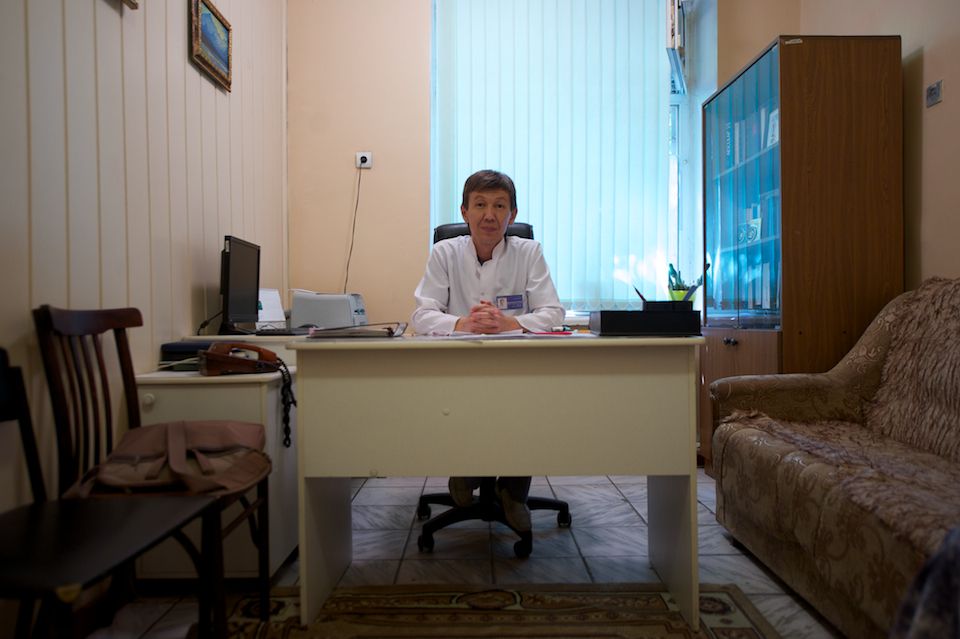
Dinmukhamed Beksautovich Ruzuddinov, head of the Emergency Surgery and Traumatology Department, shared last year’s clinic statistics:
“In 2011, 90 children were admitted with the diagnosis ‘foreign body in the esophagus,’ 55 with ‘foreign body in the bronchi,’ 87 with ‘chemical burn of the esophagus,’ 10 with ‘foreign body in the stomach,’ one in the rectum, and one in the vagina.”
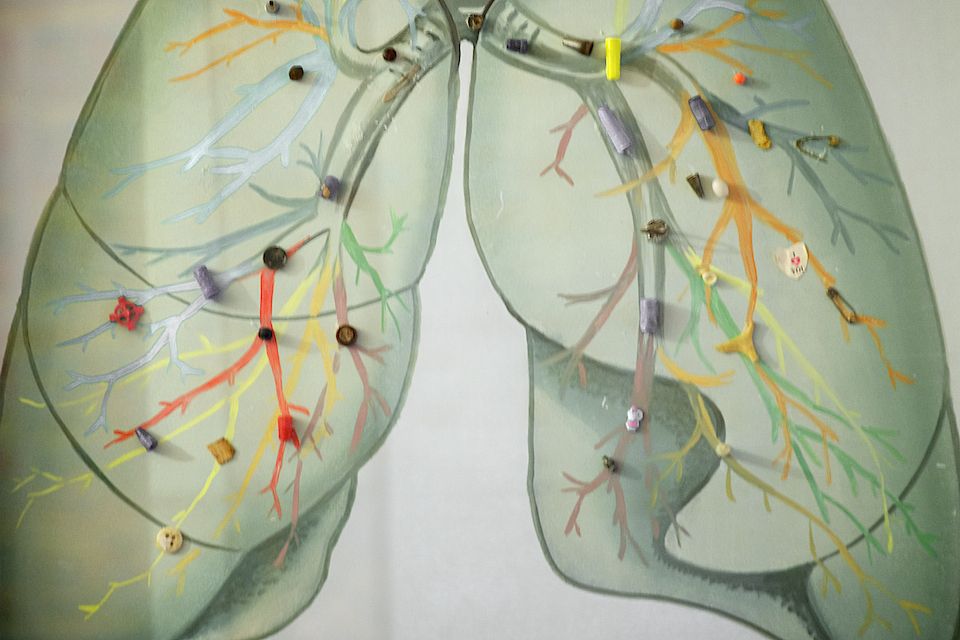
At the entrance to the reception area hangs an illustrative board showing various small objects removed from children…
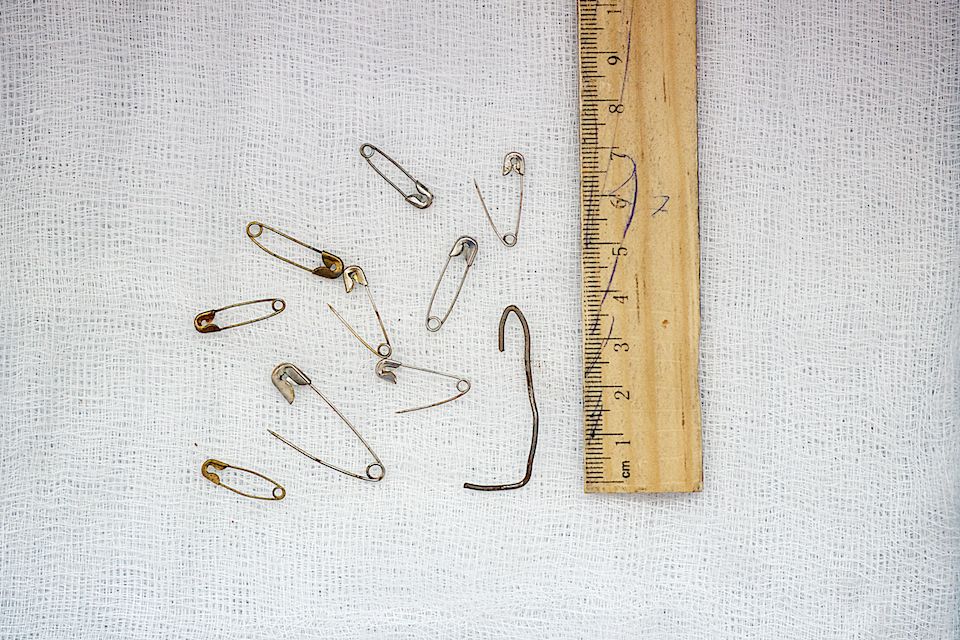
…needles, pins, batteries, magnets, coins, buttons, clips, small plastic parts…
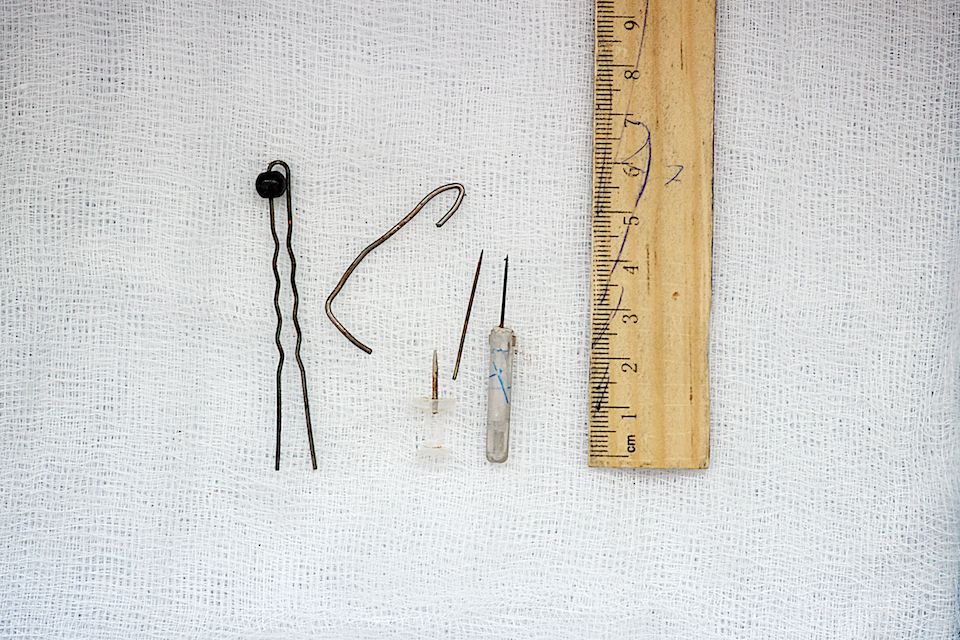
Professor Kapan Turysunovich Turysun keeps a large collection of foreign objects removed from children. He uses it as visual material for training future surgeons. According to doctors, foreign bodies in the respiratory tract are far more dangerous than those swallowed, because they can cause choking and airway swelling. To remove them, the child’s breathing must be stopped for several seconds, during which the surgeon must work extremely quickly and precisely. Organic objects — nuts, seeds, corn — most often enter the trachea and bronchi. They are dangerous because they swell from moisture and block the airway. Plastic items are less common.
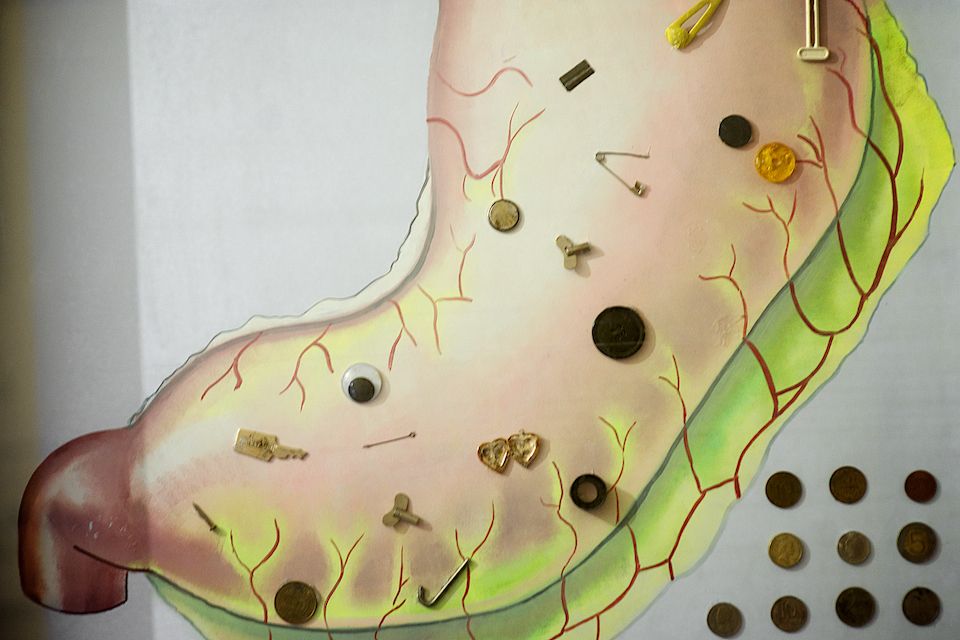
Some foreign objects pass through the intestines without causing injury. But in most cases, they get stuck, causing obstruction, inflammation, and perforation. Obstruction caused by a foreign object results in severe pain. Such objects are removed either by a probe or during surgery.
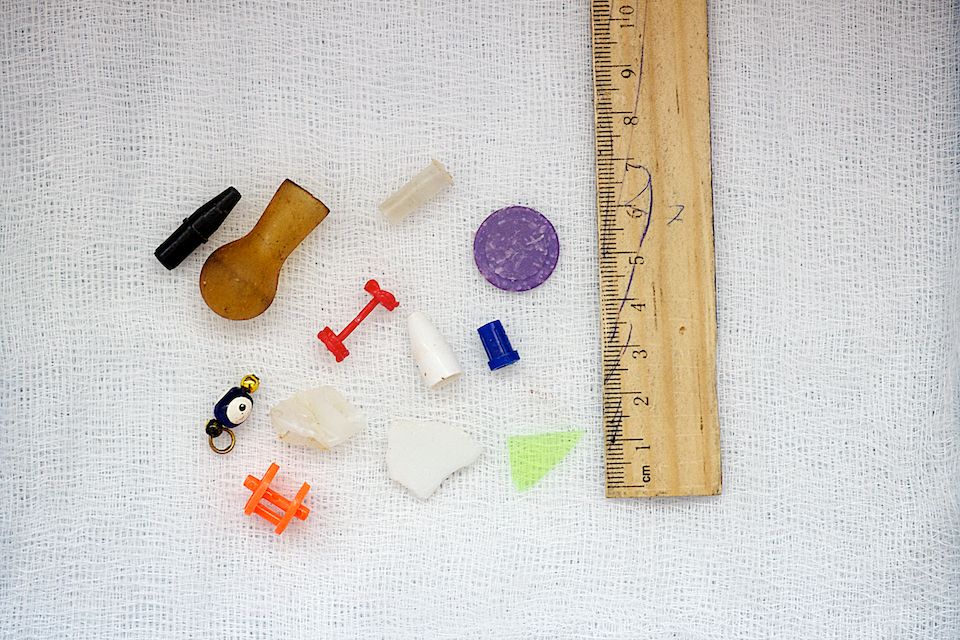
Plastic and organic materials do not appear on X-rays, so surgeons must rely on their experience. In severe cases, laparoscopy is performed — a laparoscope is inserted through the navel to locate the foreign body. If confirmed, a full abdominal surgery is performed to remove it.
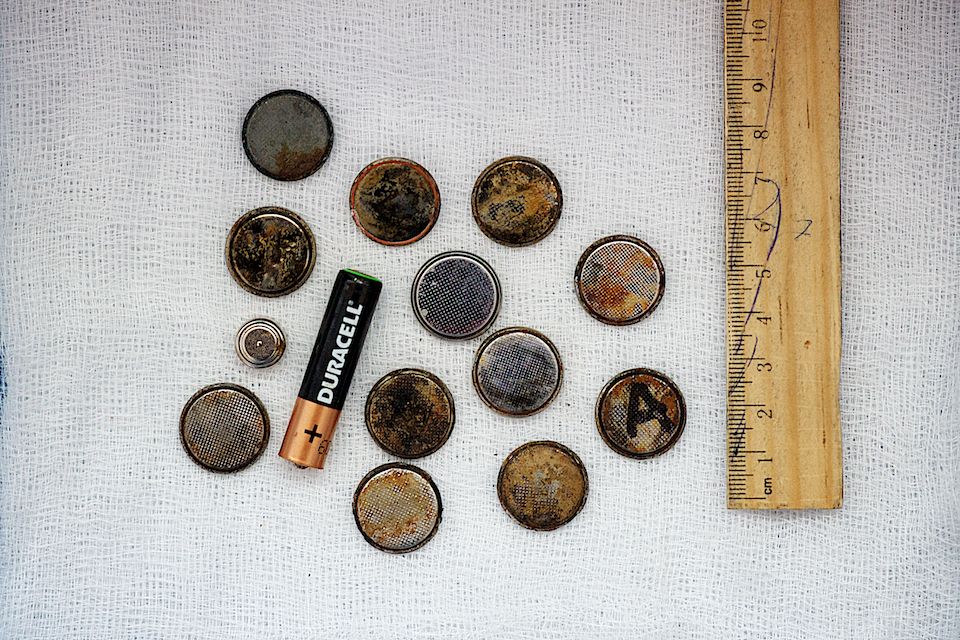
Batteries are extremely dangerous. Once in the stomach, they oxidize rapidly. Small batteries are especially harmful — their contents burn through the stomach lining, causing erosion.
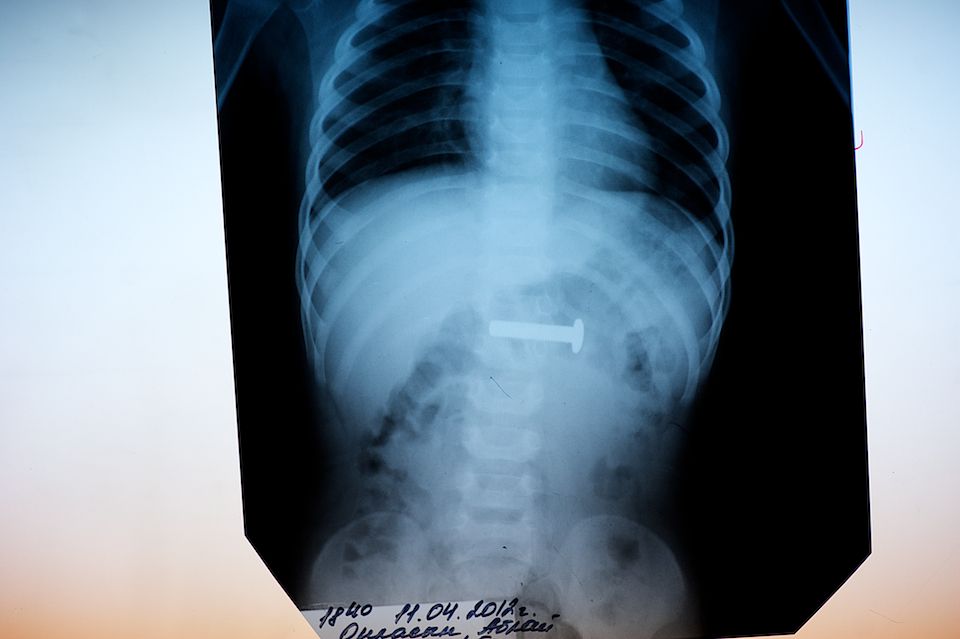
A 3-centimeter bolt was successfully removed from a child’s stomach using an endoscopic probe. The X-ray clearly shows the foreign object.
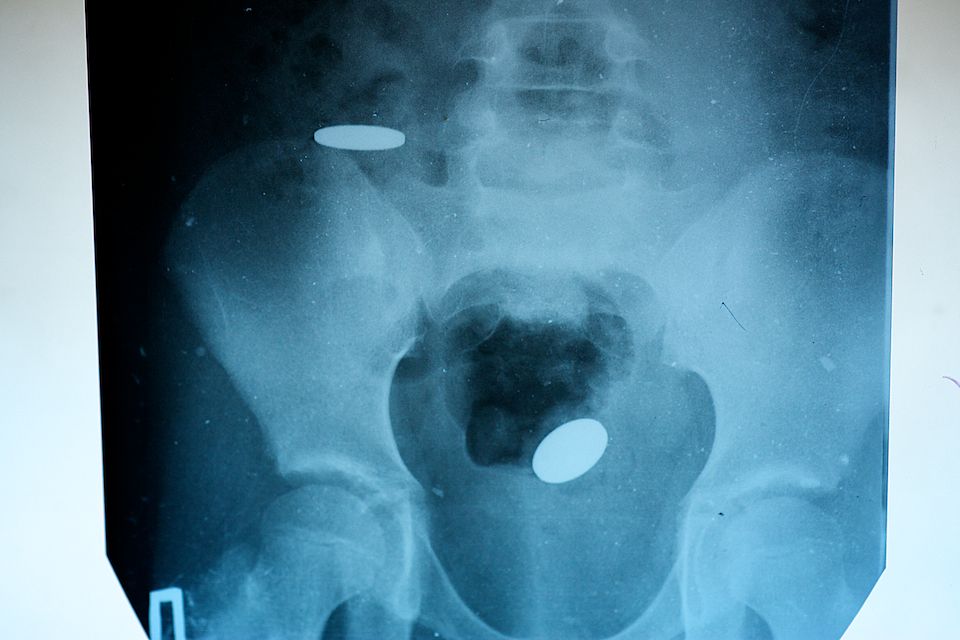
Swallowed coins, unfortunately, do not always pass naturally. Due to the structure of a child’s intestines, they can also cause obstruction, inflammation, and perforation.
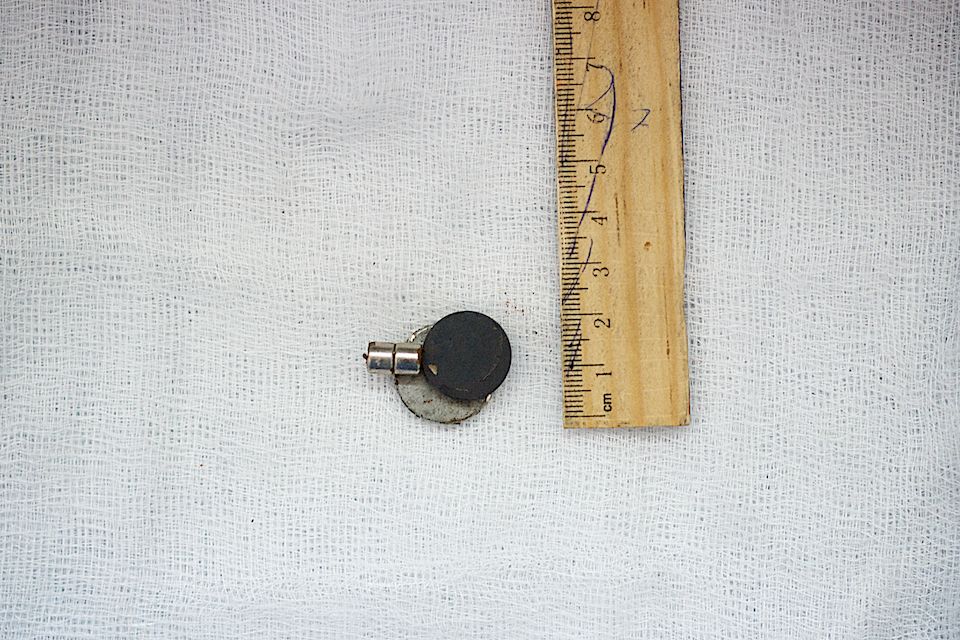
Magnets, despite their round shape and small size, are extremely dangerous due to their magnetic force. Once inside different parts of the intestines, they attract each other so strongly that the tissue between them dies, causing perforation. Even one magnet is dangerous — it can be attracted to metal items on clothing, such as belt buckles. Surgeons compare the damage from magnets to gunshot wounds: abdominal surgery, suturing of the intestines, peritonitis.
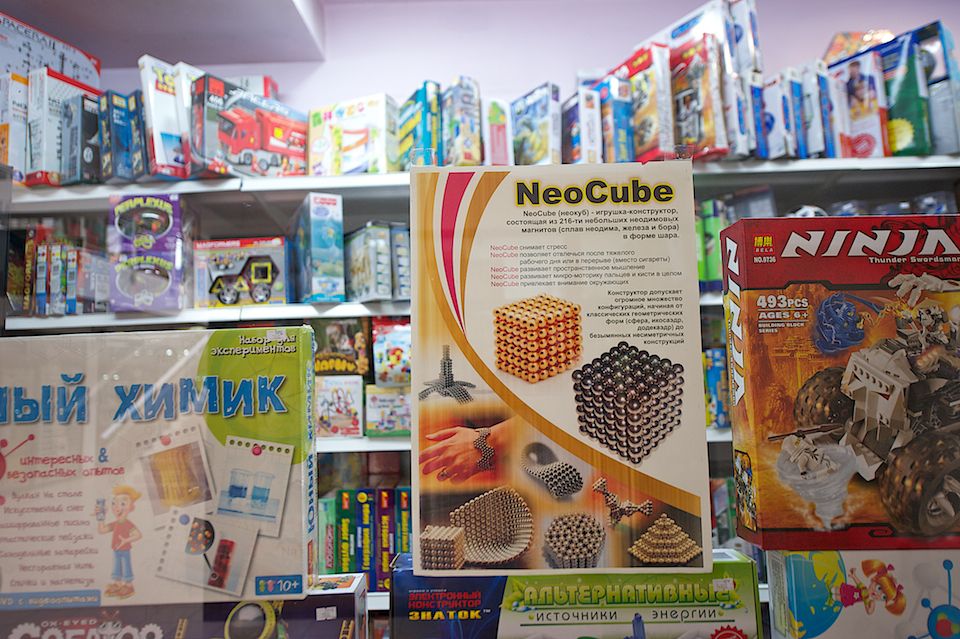
A Neocube (Buckyball) is a highly dangerous toy. Made from a neodymium-iron-boron alloy, the magnets are extremely strong — a handful of beads can hold a hammer. In a child’s intestines, they attract each other with tremendous force.
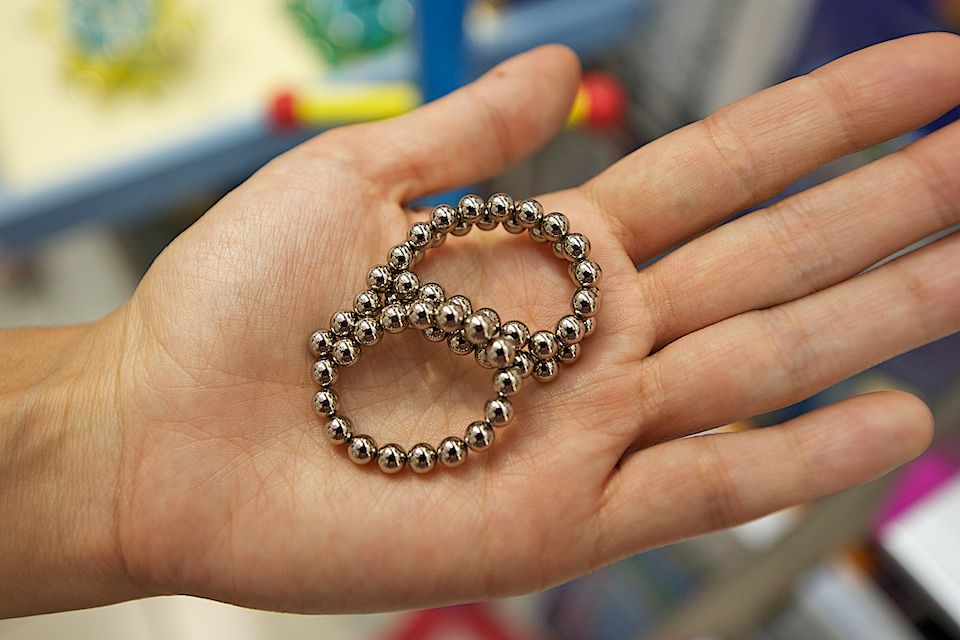
These magnetic beads form rings in the intestines, causing severe pain, vomiting, and fever.
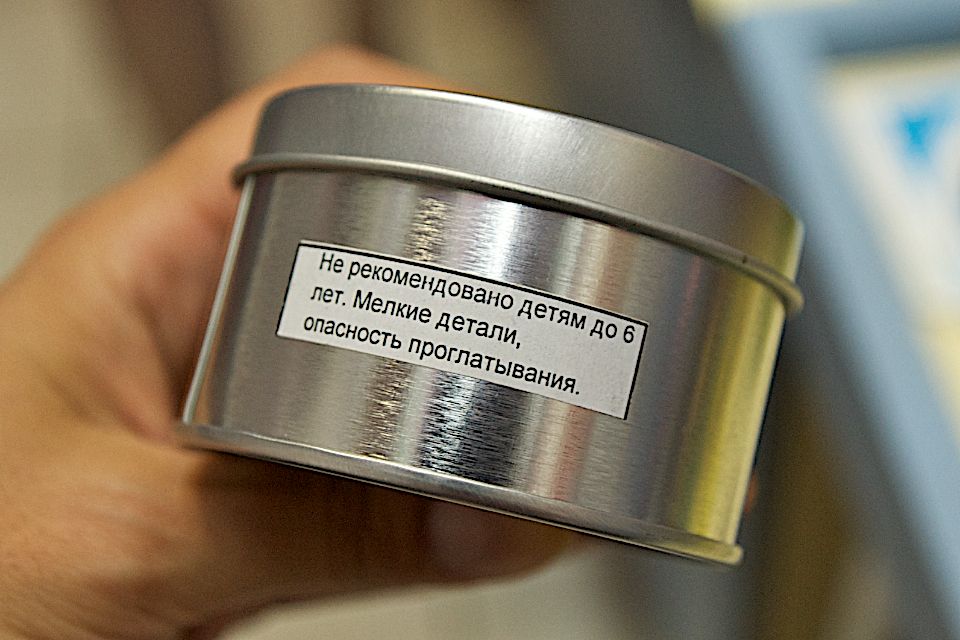
Journalist Anastasia Akhmetova experienced this danger firsthand. Two months ago, her two-year-old daughter swallowed 10 magnetic beads and required emergency surgery. This was already the third such surgery in the clinic. When Anastasia bought the toy a year and a half earlier, the tin box had no age restrictions, and the seller in the “Smart Toys” section said nothing about the danger. “I am sure most parents have no idea these powerful magnets can attract inside the intestines,” Anastasia says. After the incident, she threw away all the magnets. We hope that after this report, the company importing this toy to Kazakhstan will add warnings and age restrictions on its websites.
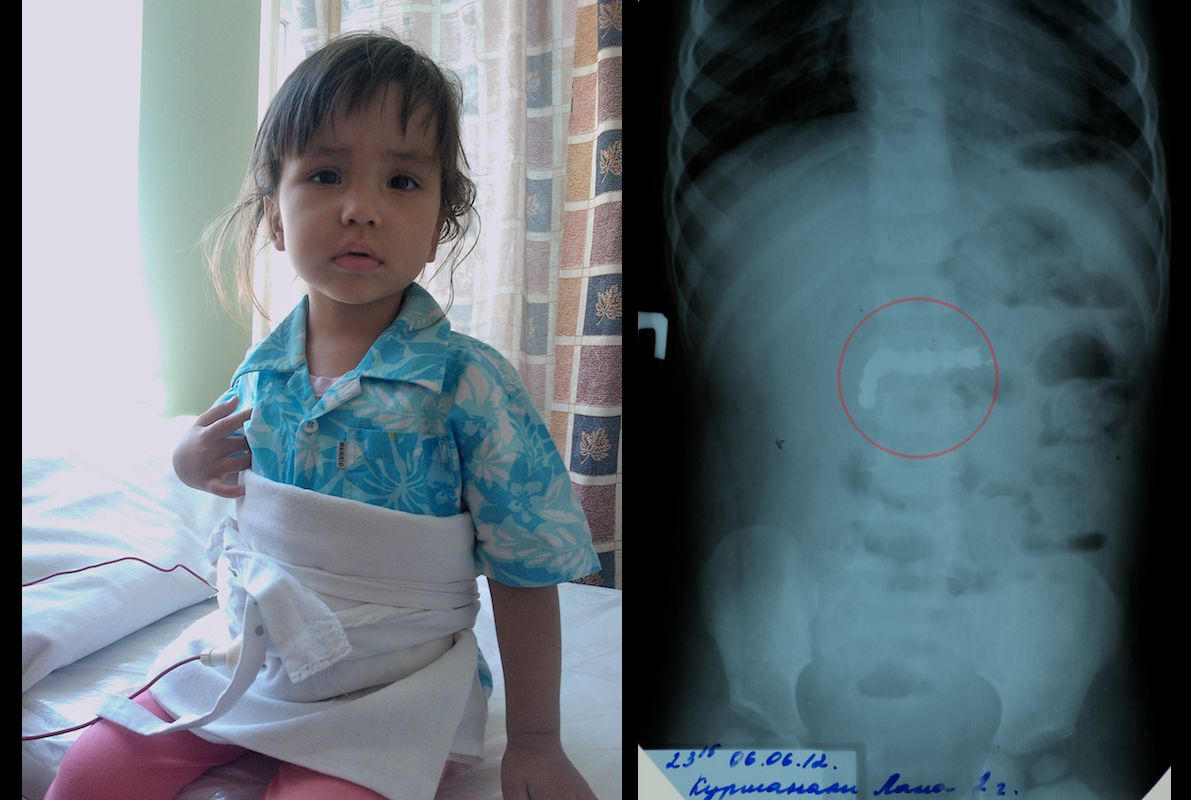
Surgeon Bulat Muratovich, who examined the girl in a severe condition with all signs of intestinal obstruction and peritonitis, immediately recognized the magnetic beads on the X-ray. During laparoscopy, perforation of the intestine was diagnosed, and an emergency abdominal surgery was performed. Lana spent 5 days in intensive care, 10 days in the surgery ward, and one and a half months on a strict diet. She is now healthy.
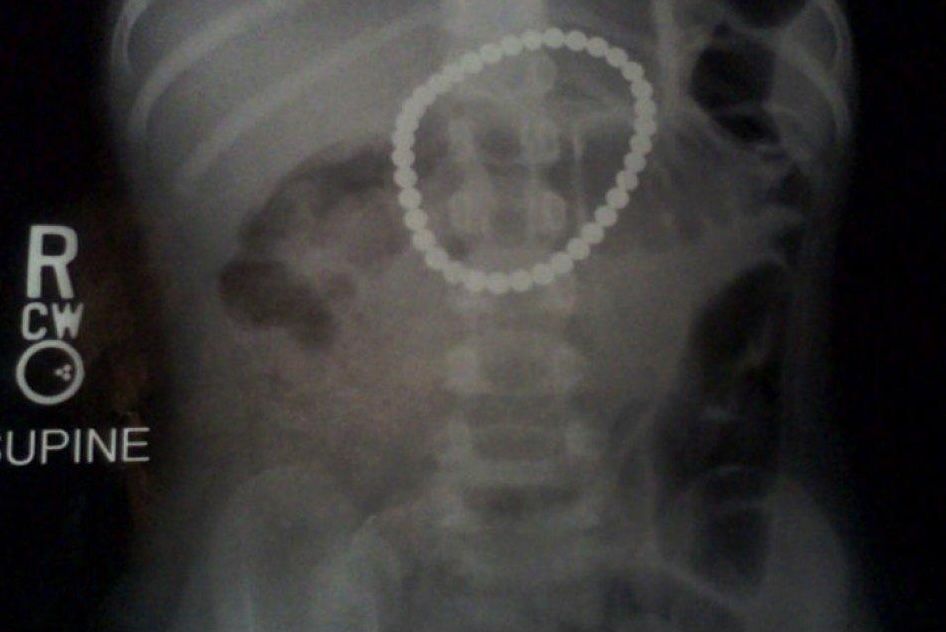
Here is an X-ray of three-year-old Peyton Bushnell, who swallowed 37 Buckyball magnetic beads. Her parents thought she simply had stomach pain, but the X-ray revealed a closed magnetic chain inside her intestines.
Journalist and mother Anastasia Akhmetova, together with the Vox Populi editorial team, expresses deep gratitude to the surgeons of Children’s City Clinical Hospital No. 1. Despite the common belief about the low quality of medical services in Kazakhstan, we have doctors worthy of the highest respect — true professionals who treat their young patients with exceptional skill and heartfelt care.
The original version of this material was published on Voxpopuli.kz (before its closure in 2023). Author Karlygash N. restored the text and photos from a personal archive to preserve documentary and historical materials.

Медицинские поезда Казахстана, которые доставляют врачей и обследования в самые отдалённые сёла страны. Фоторепортаж Карлыгаш Нуржан для Shanger.kz.

A night inside Almaty Hospital No. 4: injuries, emergencies, and the real work of trauma doctors seen through a photo-reportage.

Проект «Ангел-хранитель» фонда «Кус Жолы» и Казкоммерцбанка, подарившем надежду новорождённым детям. Фоторепортаж Карлыгаш Нуржан для Shanger.kz

Inside open-heart surgery: patient preparation, the surgical team, cardiopulmonary bypass and postoperative recovery.
Comments
No comments yet. Be the first to comment!