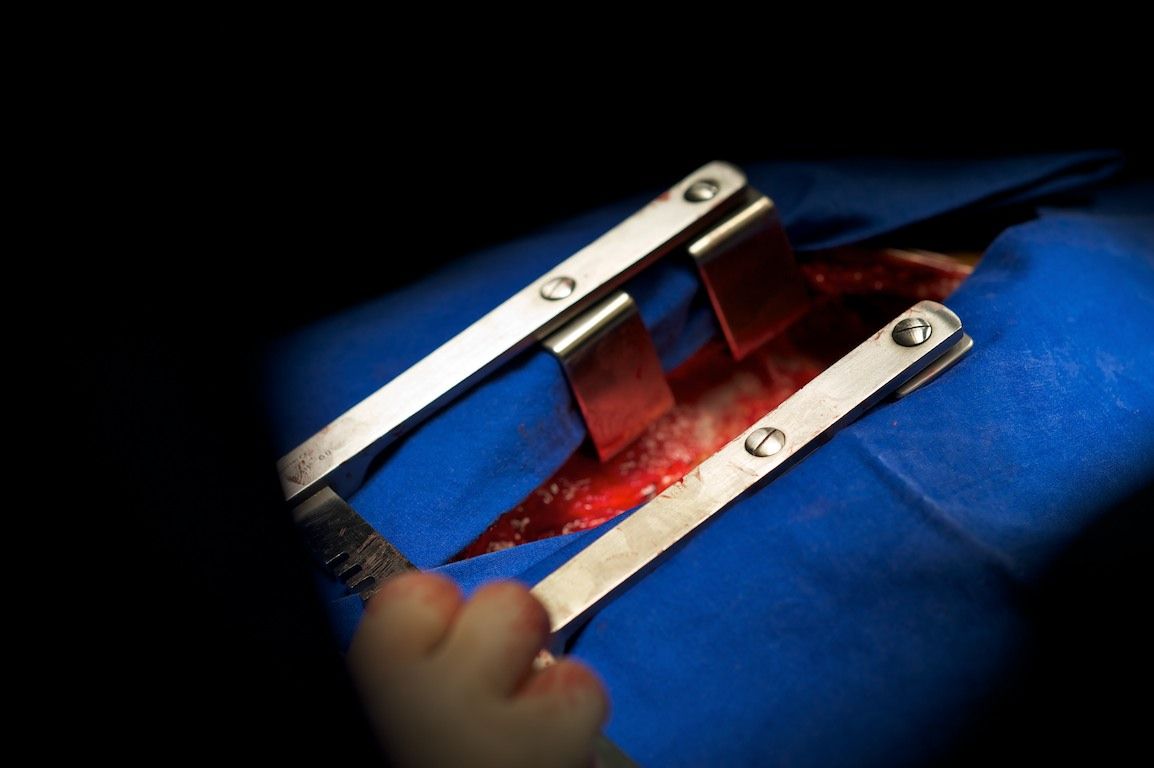
The most precious things a person has are the heart and soul. While many things, from religion to books, can help heal the soul, cardiac surgeons are responsible for keeping the heart working properly. In this report, we will take you inside AlmatySemaHospital and follow a patient through every difficult stage of heart surgery. If you are not sure your heart can withstand such scenes, it may be best not to view this report.
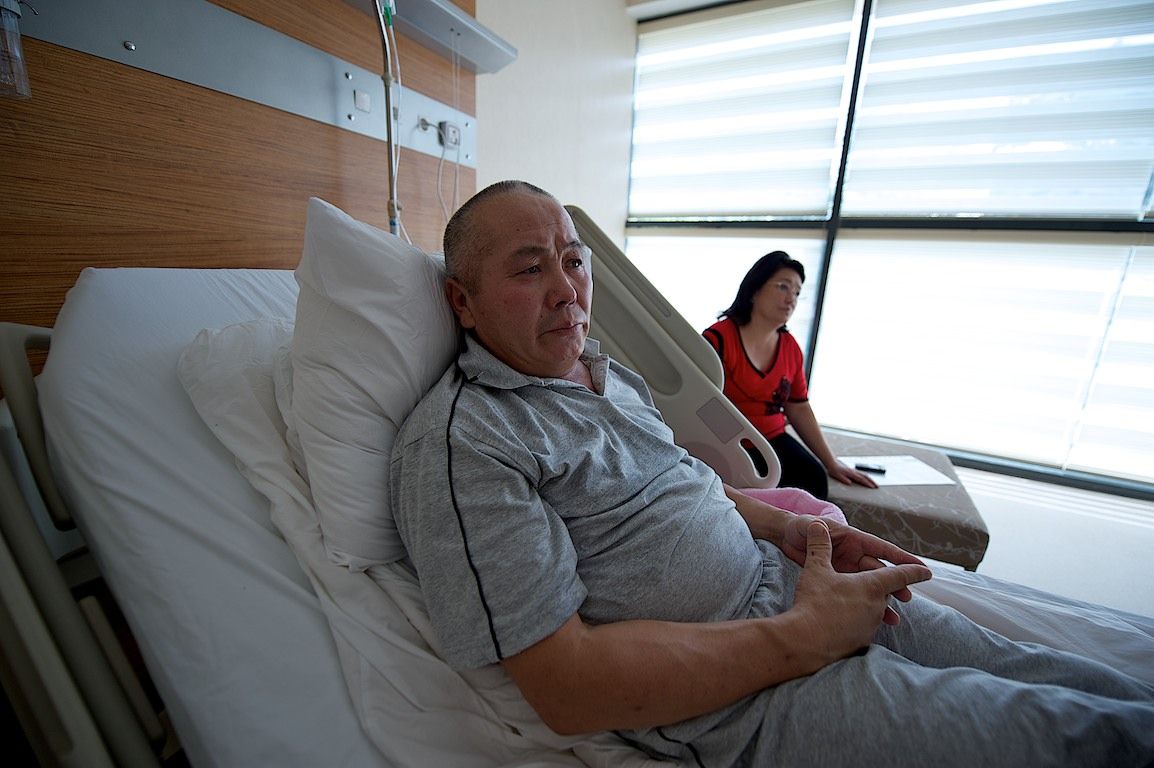
In search of the best surgeons, Zhamaldin Bolushov came from Kyrgyzstan. “I looked for good doctors in my own country, but my cardiologist advised me to undergo treatment at this clinic.” An extract from Zhamaldin’s medical history reads: “Coronary artery disease. Exertional angina. Three-vessel coronary artery disease. Comorbidity: type 2 diabetes mellitus, severe course. Decompensation. Chronic obstructive pulmonary disease.”
“My heart problems began because I had smoked for many years. I had been smoking for 30 years. The first pain in my heart appeared in 2008, and that same year I suffered my first myocardial infarction. The second happened this summer. In Bishkek, doctors found damage to all three major vessels of my heart and recommended urgent surgery. I have also been living with diabetes for four years...”
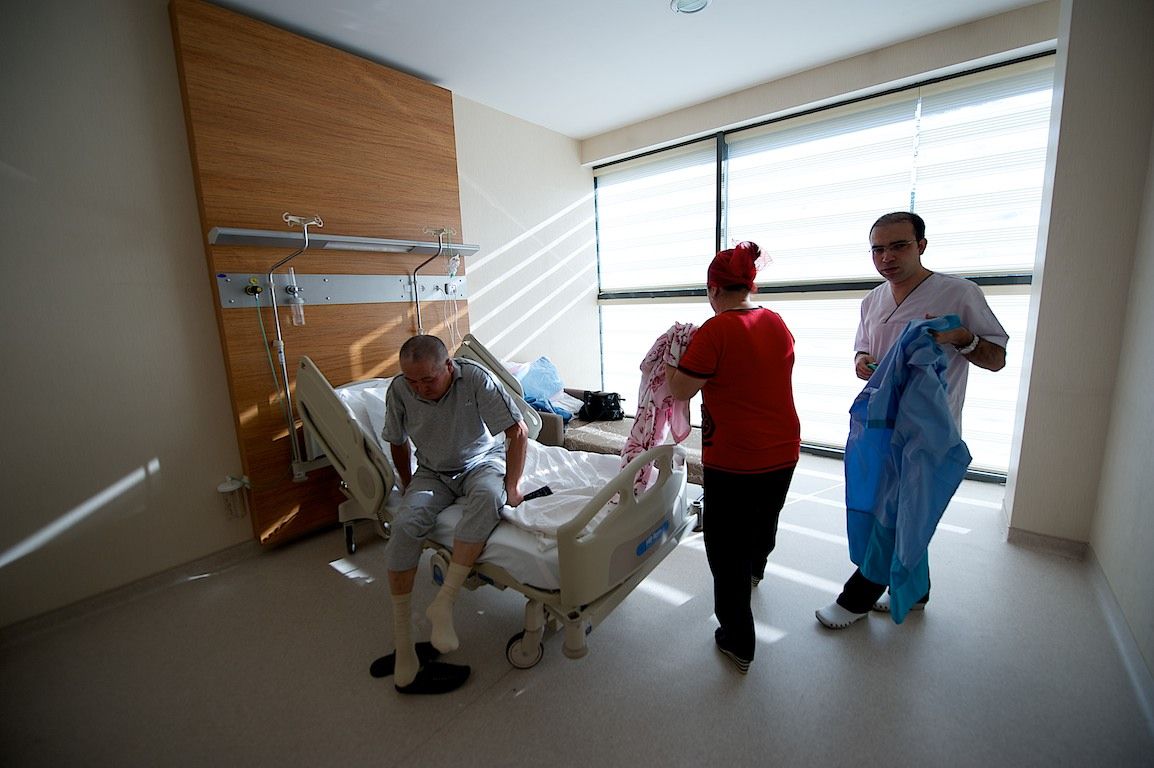
On the day of surgery, preparations begin at 8 a.m. Zhamaldin’s wife helps him change into special clothing.
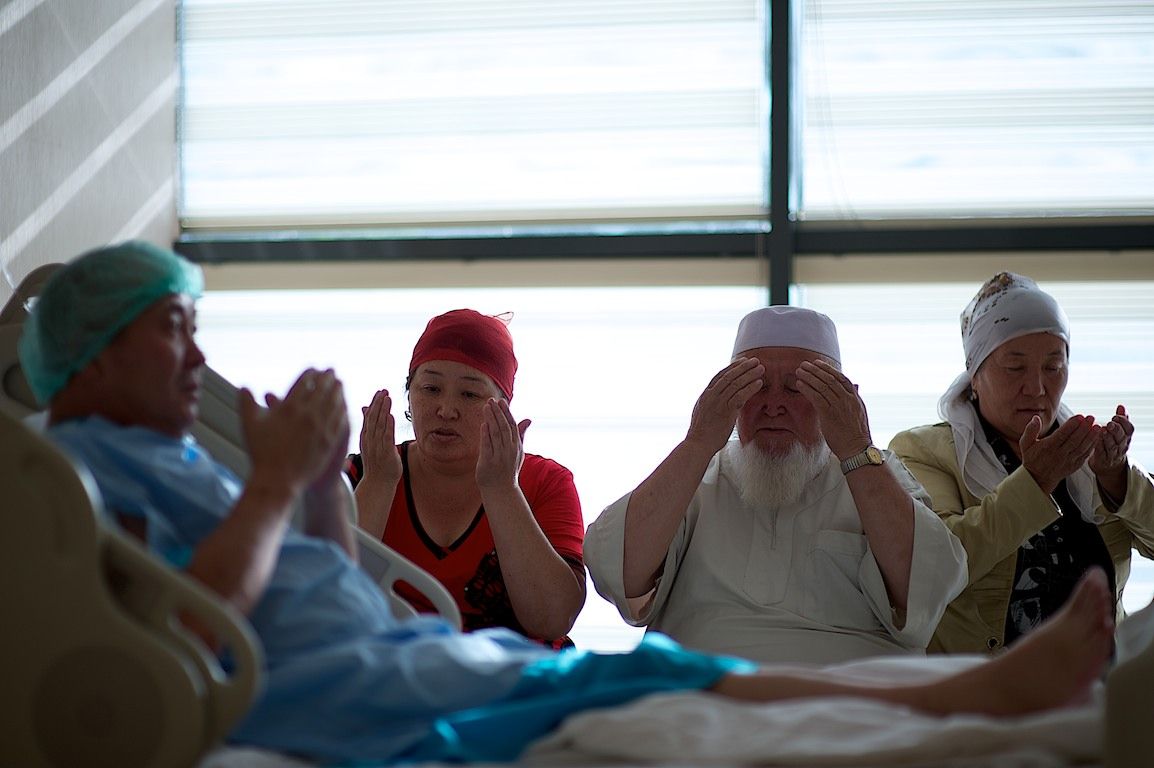
A prayer before the operation helps ease some of the anxiety felt by the patient and his relatives.
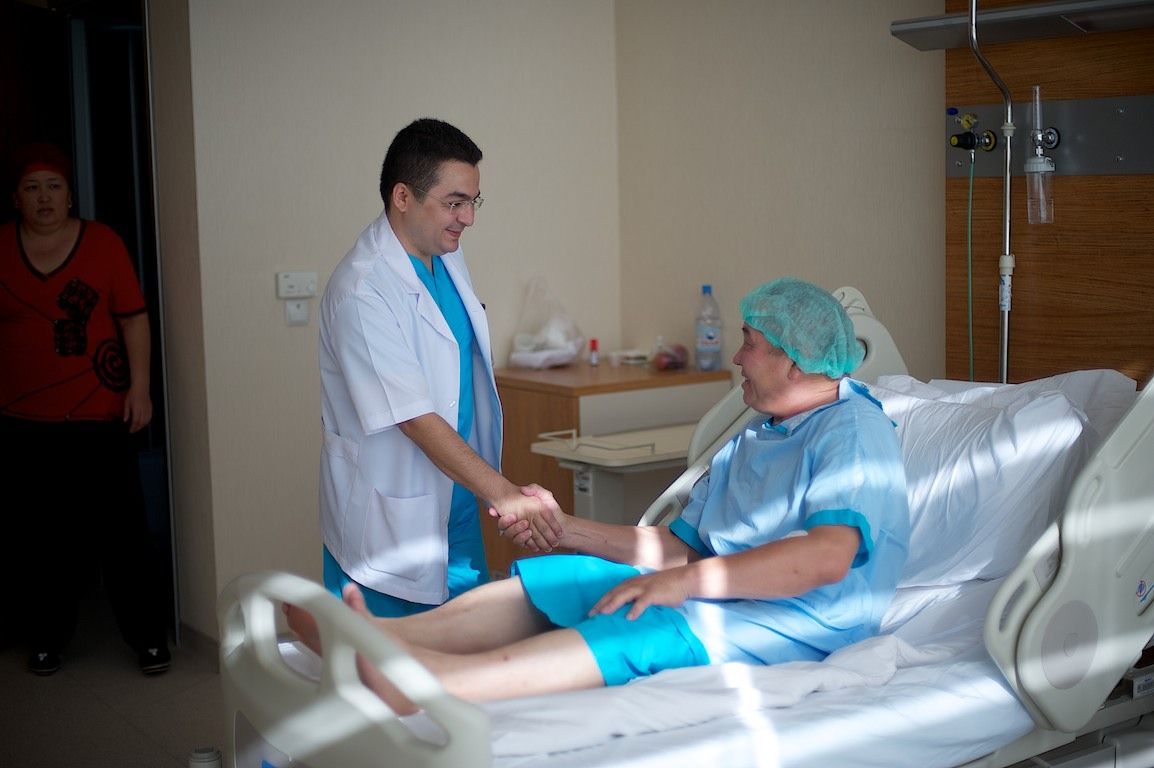
Tansel Türkoğlu is an experienced cardiovascular surgeon with 15 years of work at prestigious Turkish clinics behind him. While working in Türkiye, he performed as many as 800 similar operations a year. Tansel has been working in Almaty since the spring of this year.
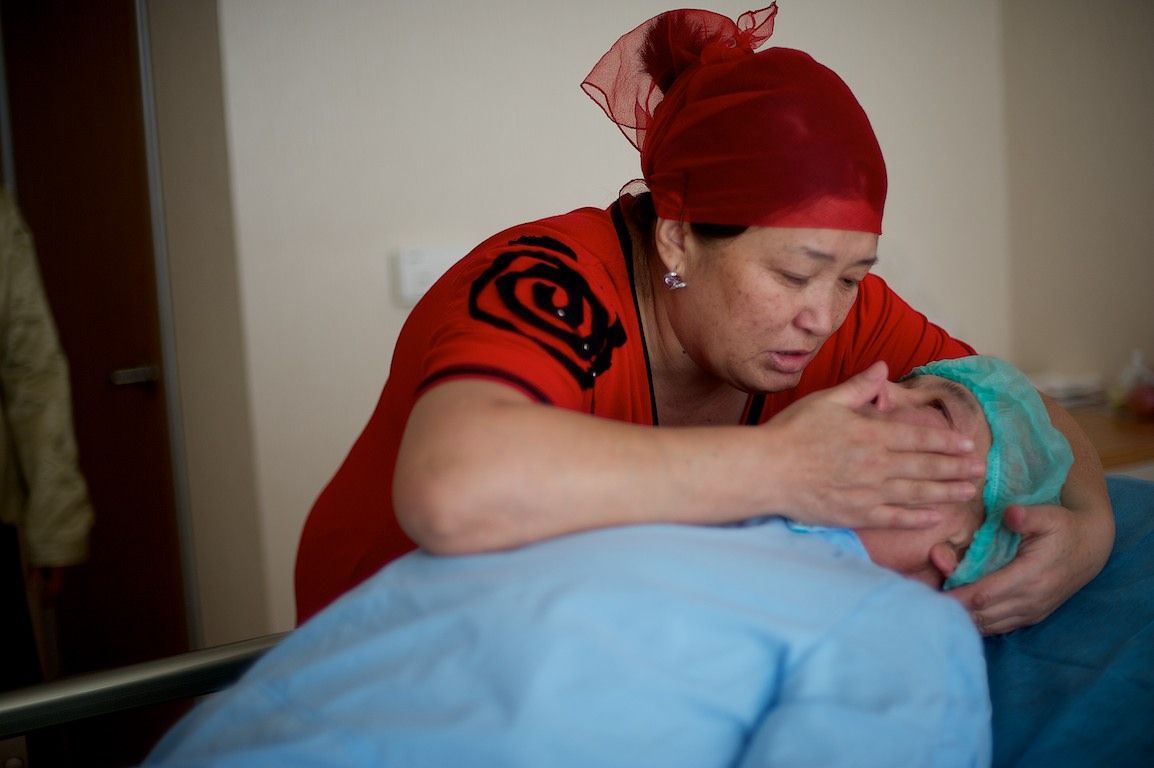
A few minutes before Zhamaldin is taken into surgery, he quietly speaks to his wife. Zamira says: “Everything is in Allah’s hands. He is our only hope...”
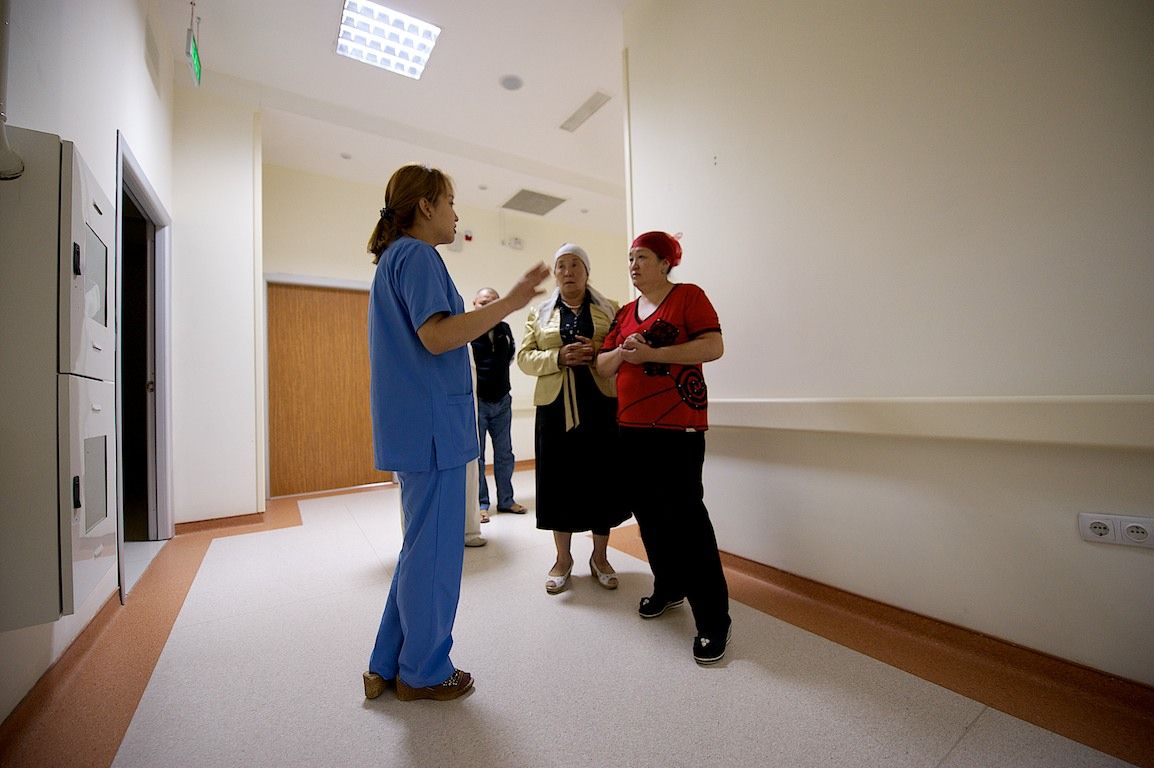
The doctor responsible for the inpatient department explains to the patient’s relatives where he is being taken and approximately when they will be able to see him again.
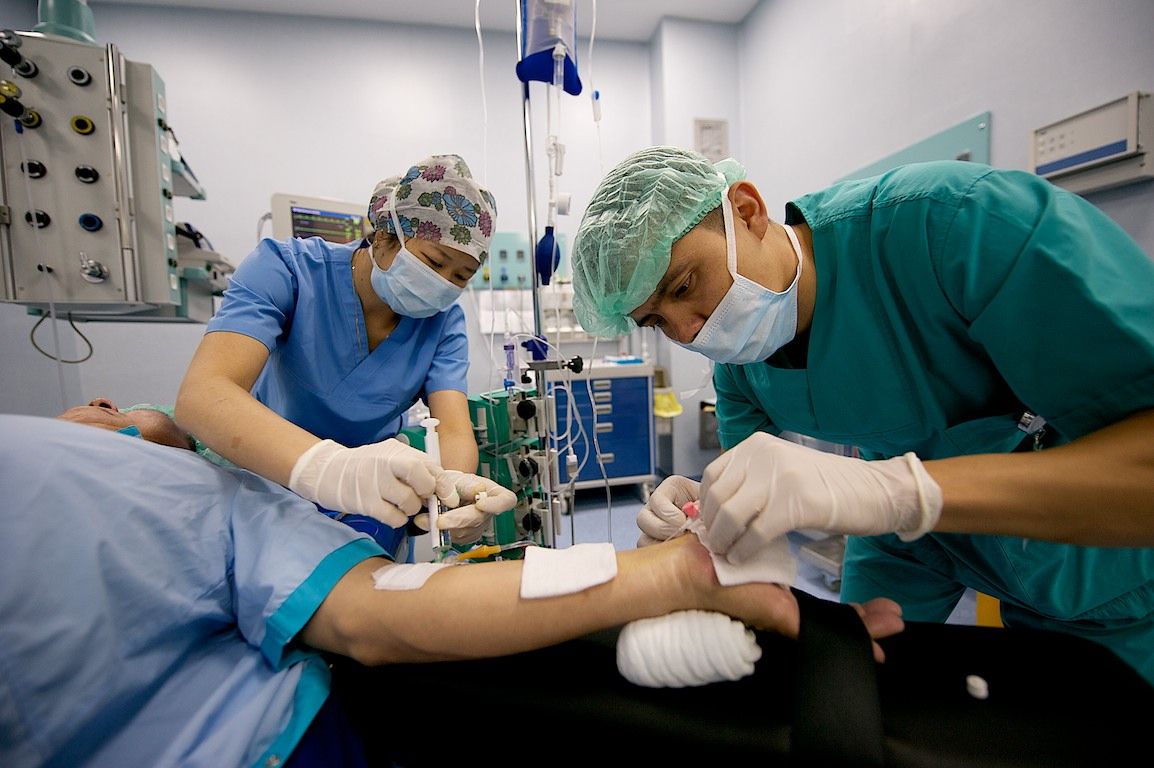
When anesthesia is administered, the patient receives medication that relaxes all the muscles in the body, including those responsible for breathing.
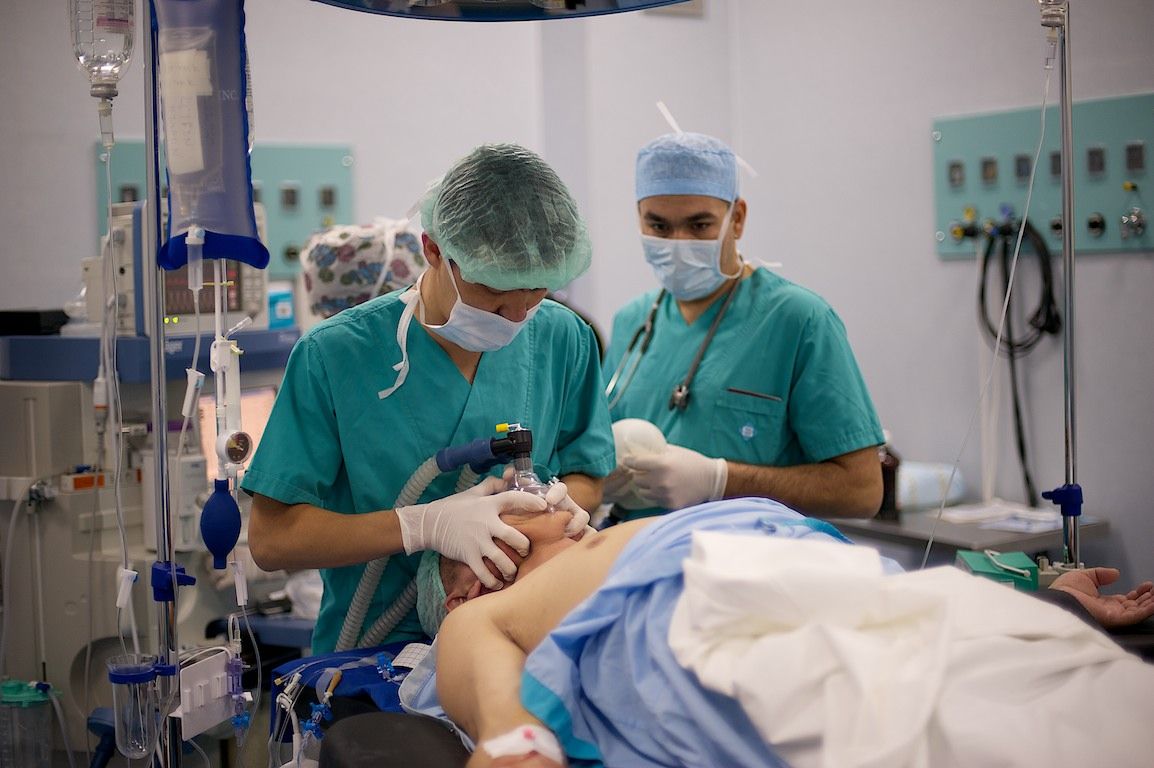
After the breathing tube is inserted, the mechanical ventilation machine is connected. Anesthesiologist Feruz Babashov presses the mask firmly against the patient’s face to improve oxygen saturation in the lungs. Once the artificial breathing system has been connected, Feruz checks the patient’s lung function.
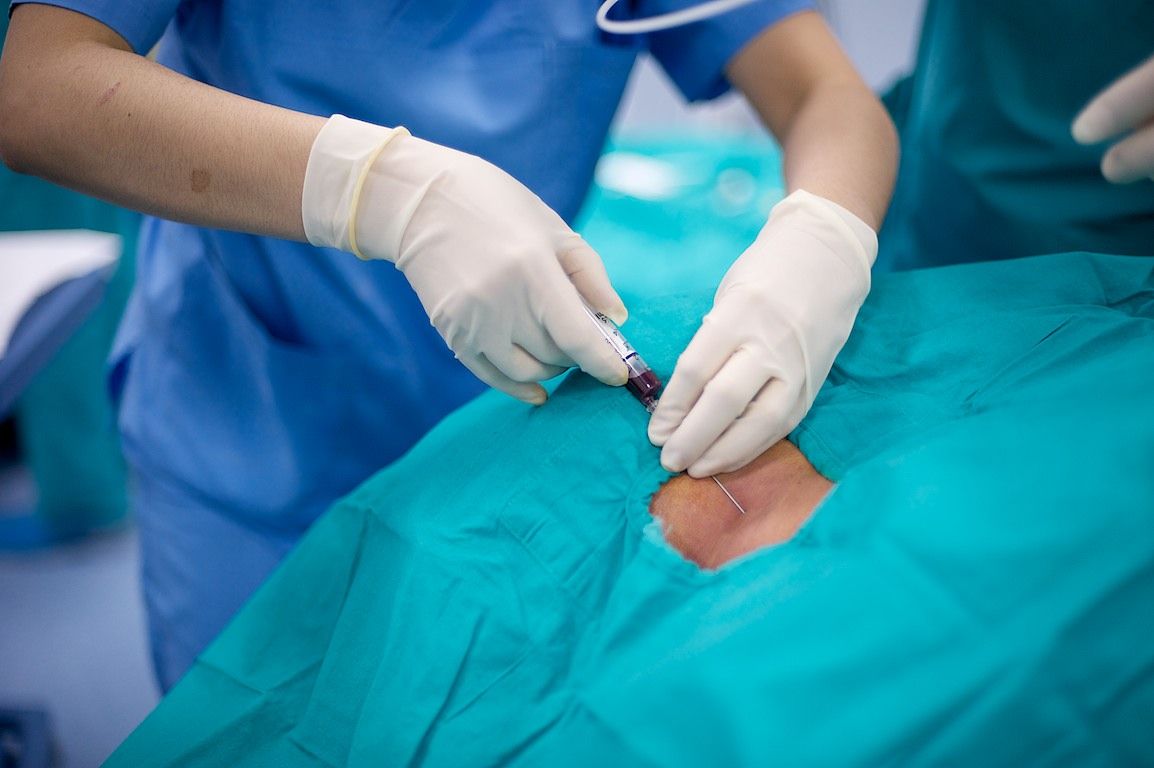
Large blood vessels are used to administer medication during surgery. The jugular vein is punctured so that solutions can subsequently be infused.
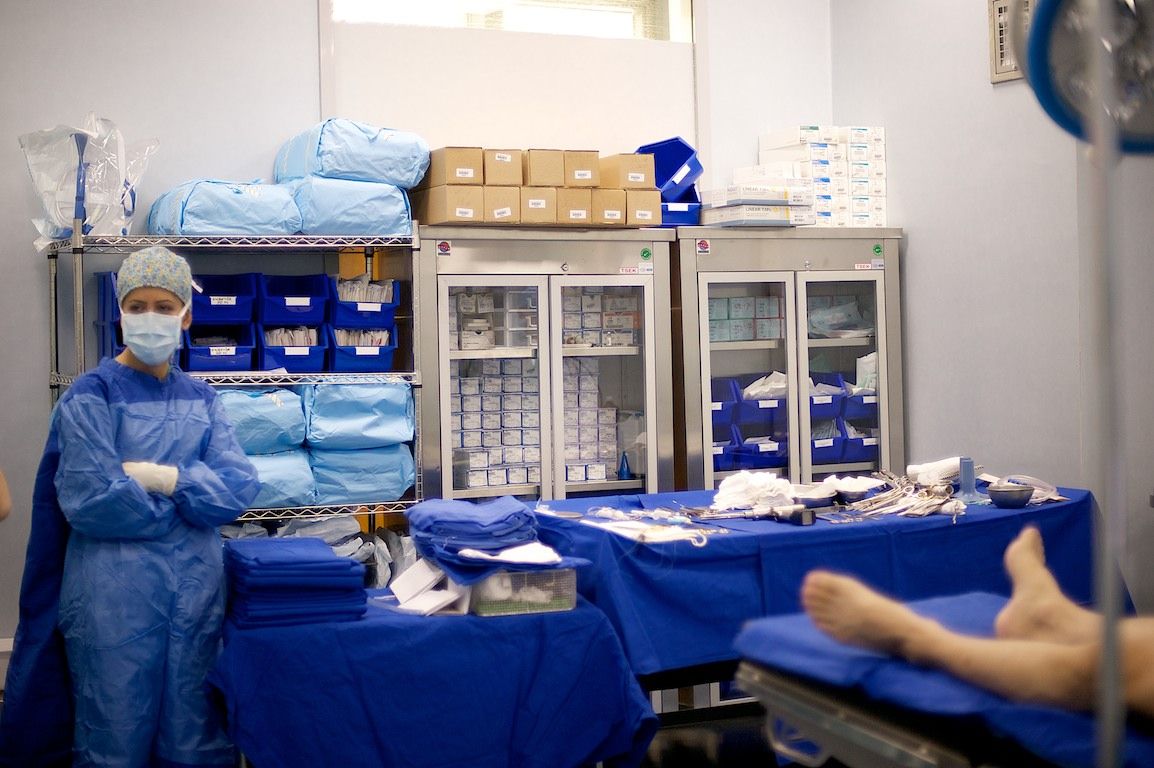
The operating-room nurse waits for the anesthesiologists to finish their work before beginning to prepare the surgical field and the patient. Everything around her is sterile. Touching the table, the nurse or the instruments is strictly prohibited. If this rule were broken, the operation would have to be postponed while everything was sterilized again.
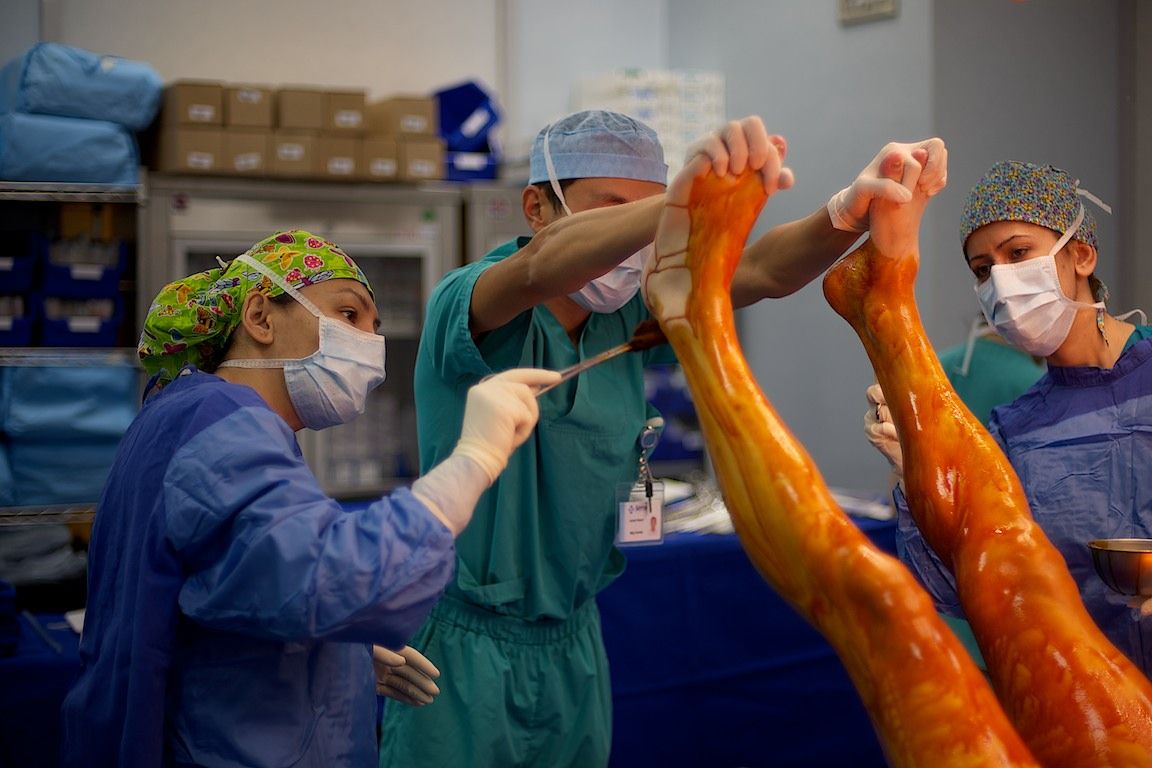
The surgical field must remain sterile to prevent the wounds from becoming infected after surgery. The legs are prepared so that blood vessels can later be harvested. Once the surgical field has been prepared, no one except the surgeon and the operating-room nurses is allowed to cross the designated boundary.
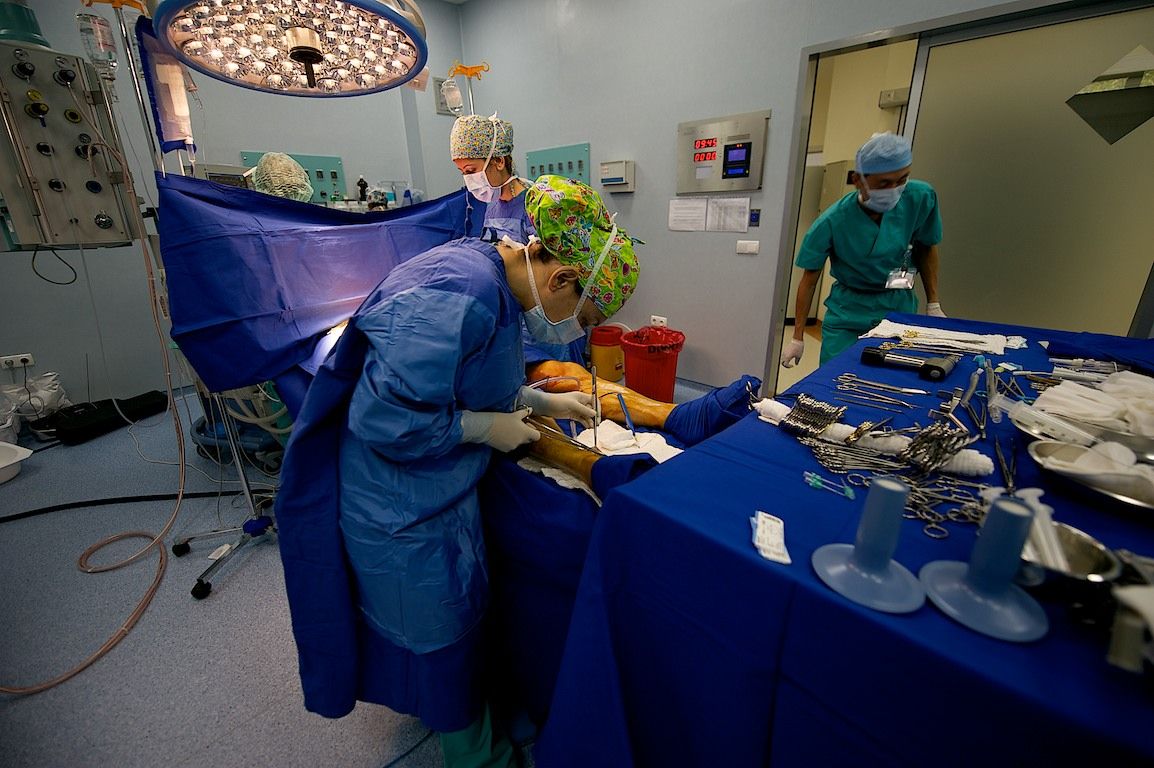
Nurse Yasemin Selçuk begins the first stage of the operation. She must harvest the subcutaneous veins from the legs to replace the vessels in the heart. Yasemin has 12 years of experience in cardiac surgery, and because of her extensive experience, the surgeons entrust her with important stages of the operation.
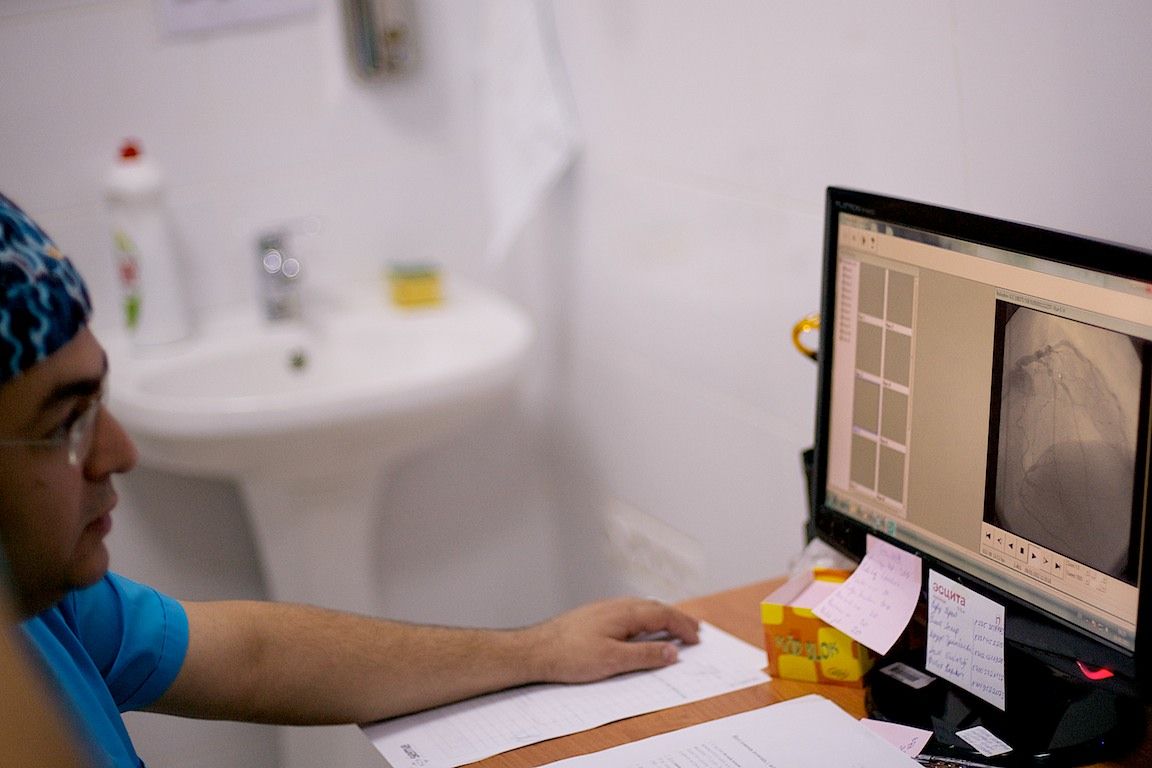
Meanwhile, cardiovascular surgeon Tansel Türkoğlu examines the coronary angiogram in another room to confirm the locations where the vessels will be grafted.
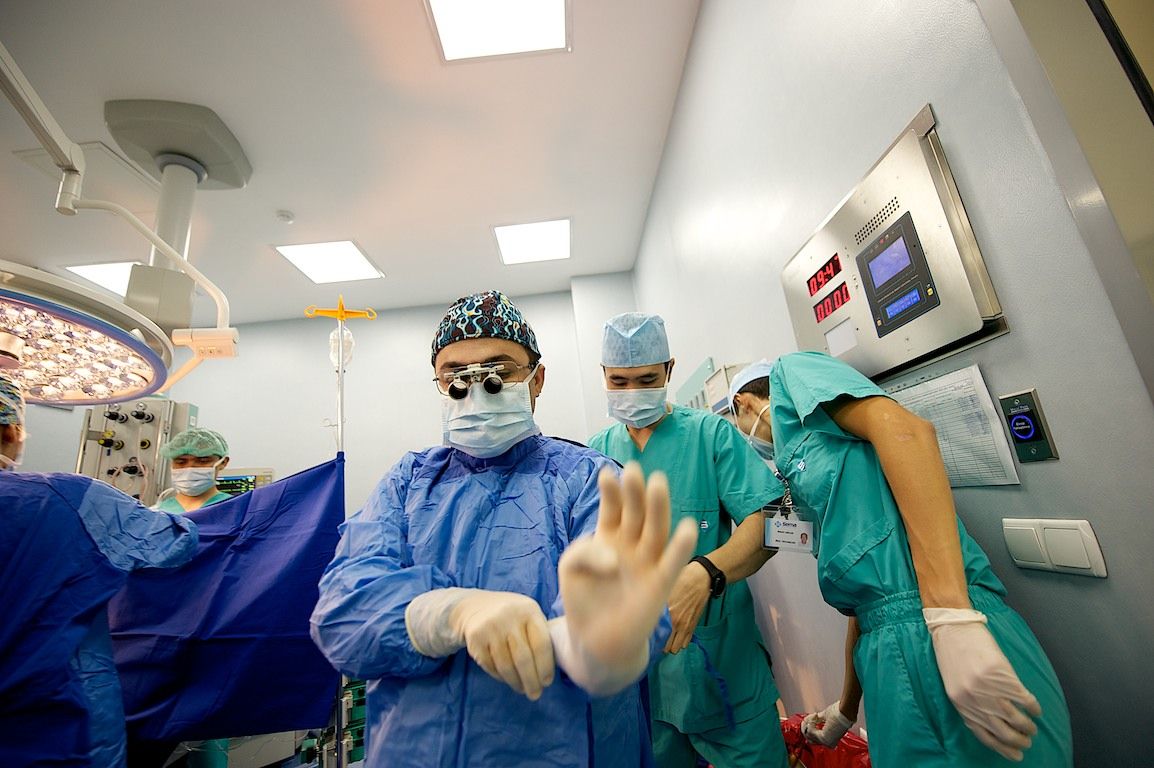
Once everything is ready, he enters the operating room. He washes his hands with a special solution and then treats them with a liquid containing a high concentration of alcohol. He puts on a sterile gown and sterile gloves. The operation can begin.
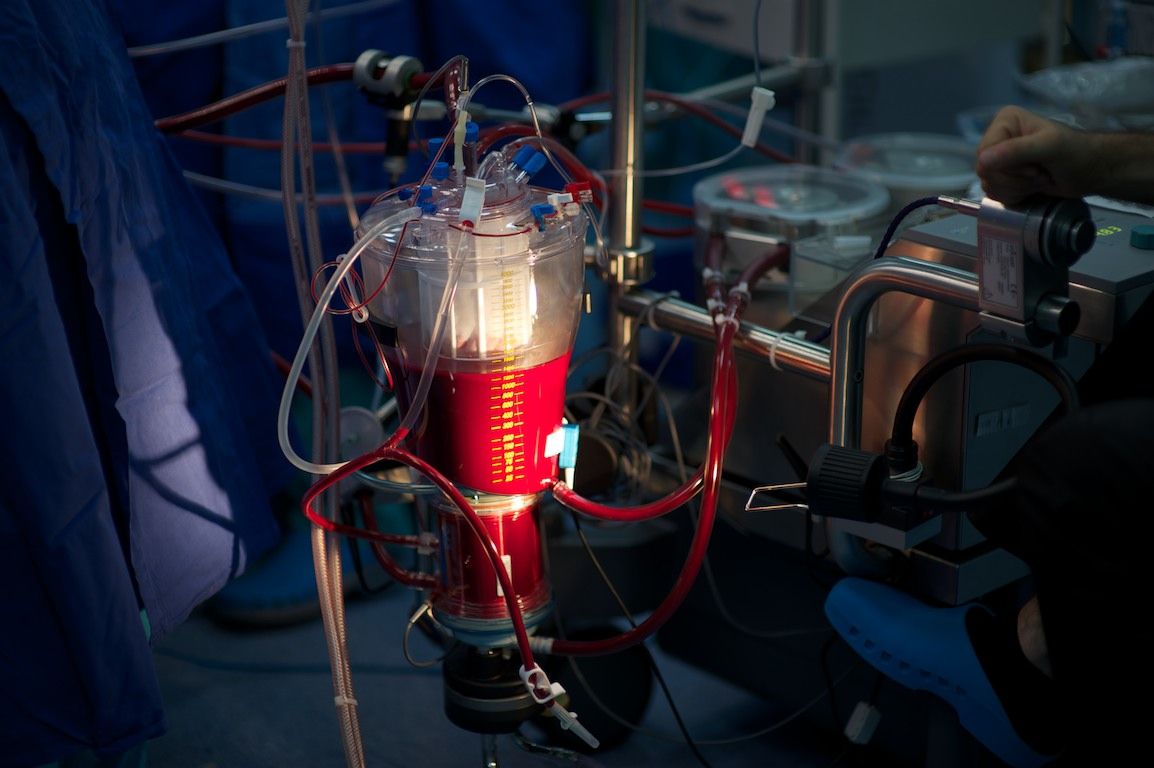
The operation begins by opening the chest and sternum with a surgical retractor. During surgery, blood mixed with a solution that stops the heart from contracting is infused into the heart vessels. The heart-lung machine is running. Blood enters it from the vena cava, is enriched with oxygen and is then delivered into the aorta so that it can circulate throughout the body. During the operation, the machine performs the functions of the patient’s heart and lungs.
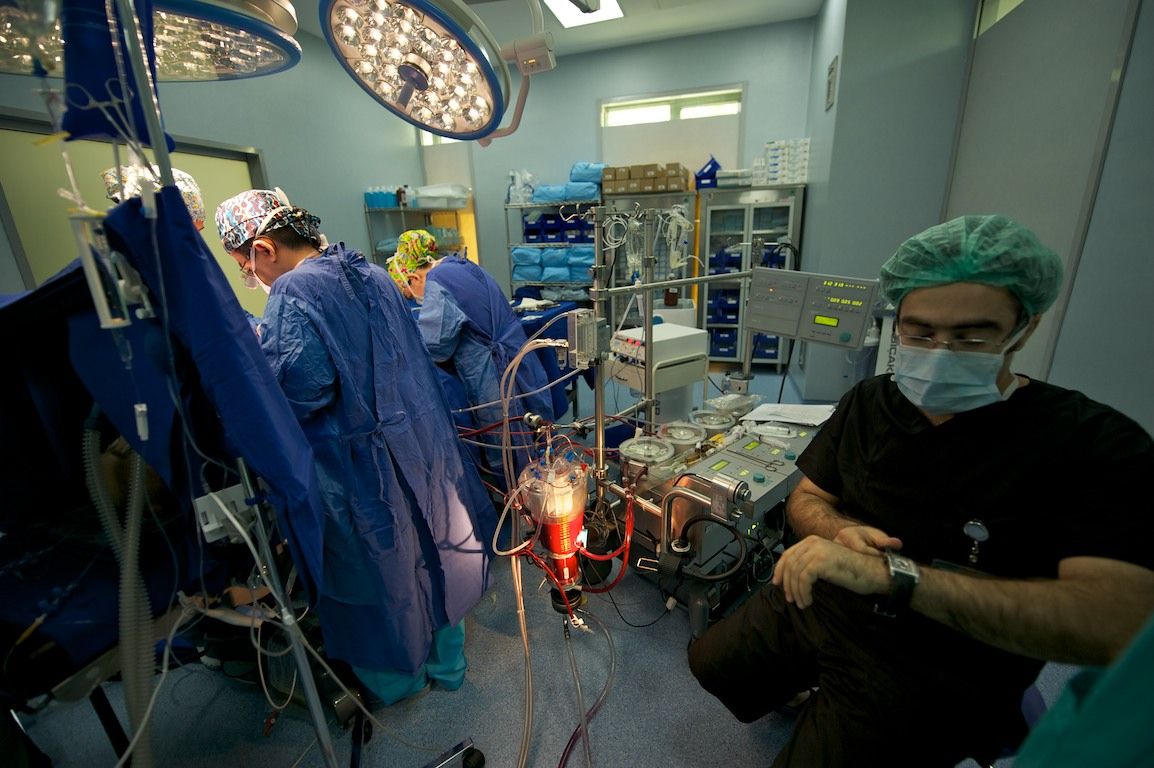
The perfusionist monitors the patient’s hemodynamic parameters during cardiopulmonary bypass. This specialist is responsible for maintaining the required levels of gases and metabolic products in the blood.
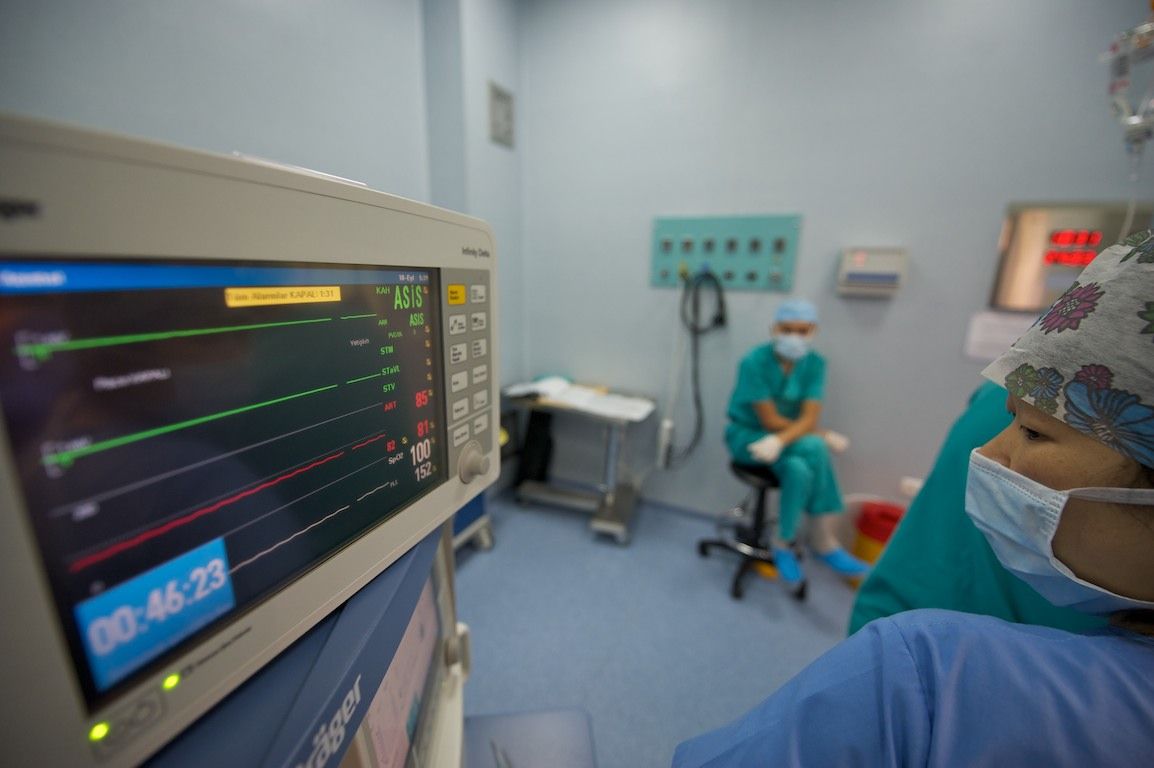
The complete cessation of heart activity is recorded on the ECG.
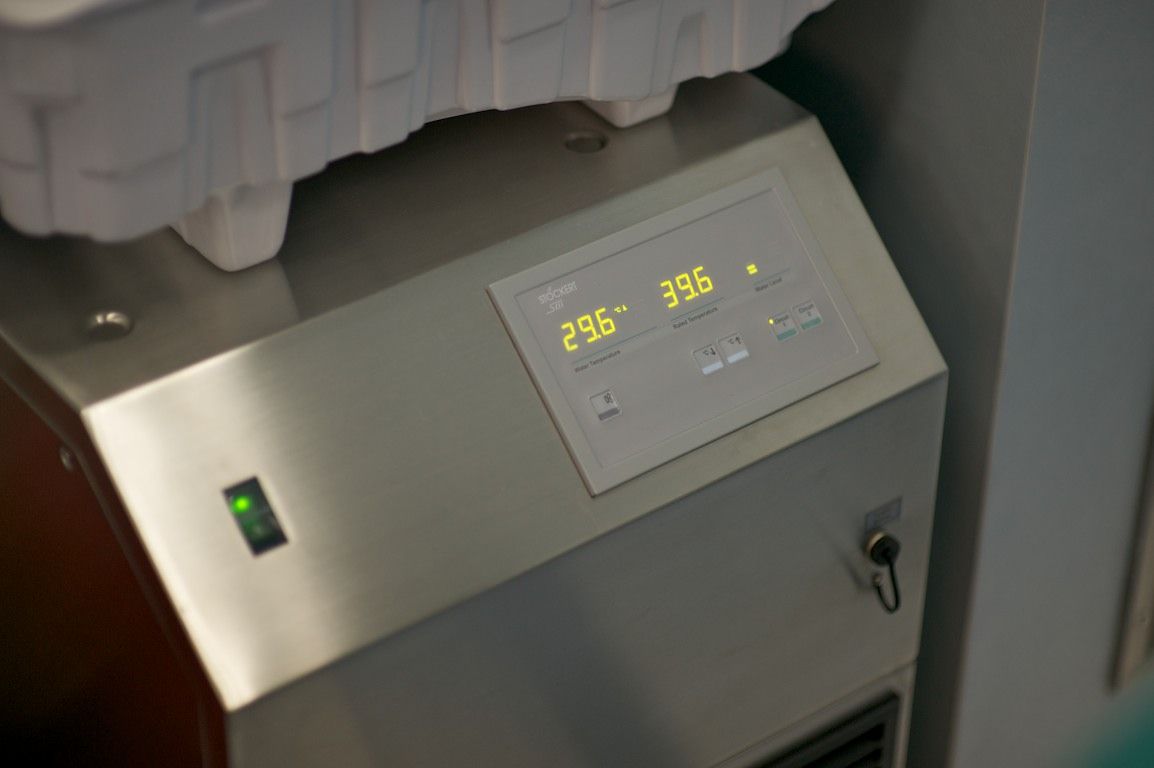
A machine lowers the temperature of the blood, as oxygenation takes place at low temperatures.
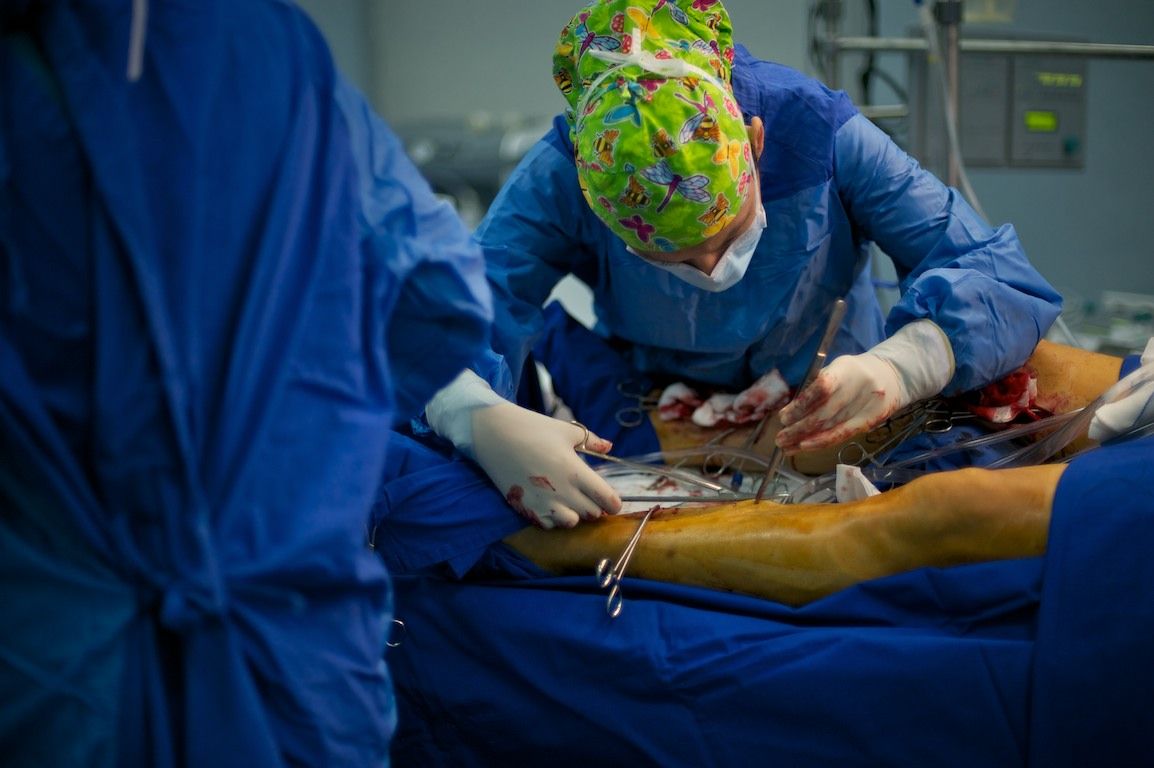
Yasemin has almost finished her work. The veins in the legs are located both superficially beneath the skin and deep within the muscles. Superficial vessels are used during the operation. Blood drainage will subsequently continue through the deep vessels.
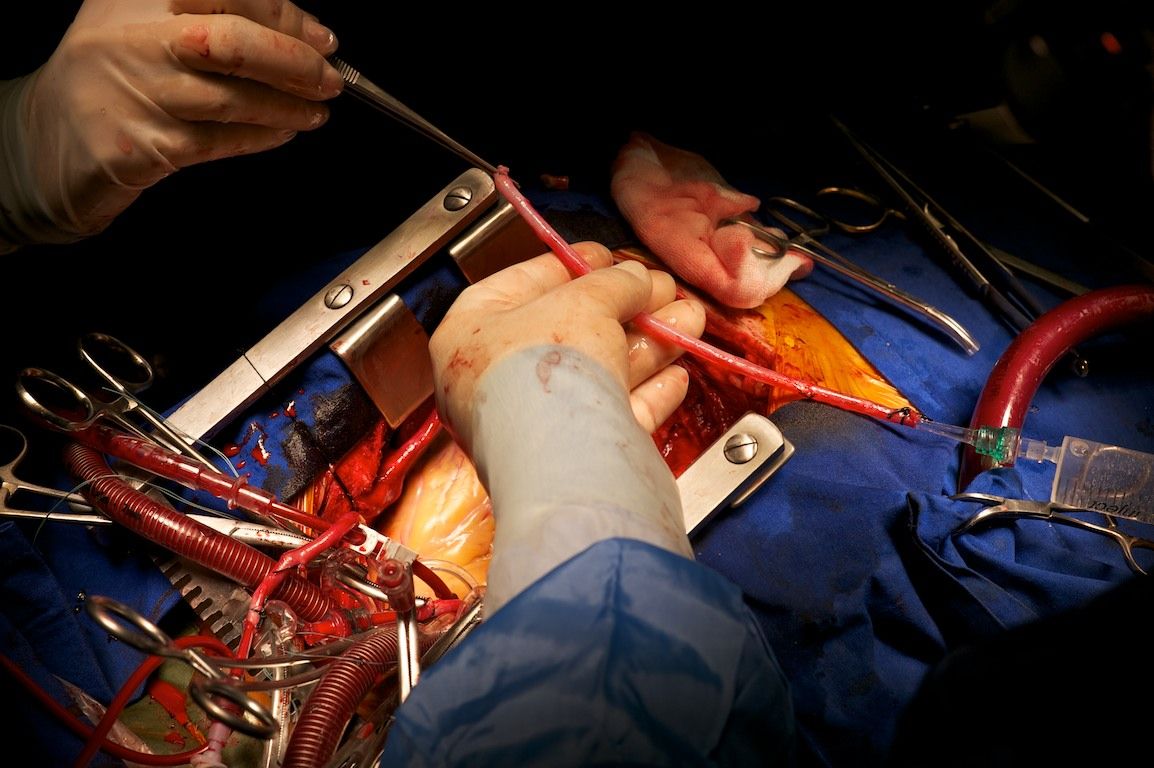
The surgeon prepares the area where the vessels will be attached to the heart. The length of the vessel is measured. It is extremely important for it to be the correct size so that the vessel is not damaged or stretched as the heart moves. The vessel is attached beyond the narrowed section of the coronary artery. Microsurgical instruments and materials are used when working on the vessels. The sutures will later dissolve once the vessel has fully integrated into its new location.
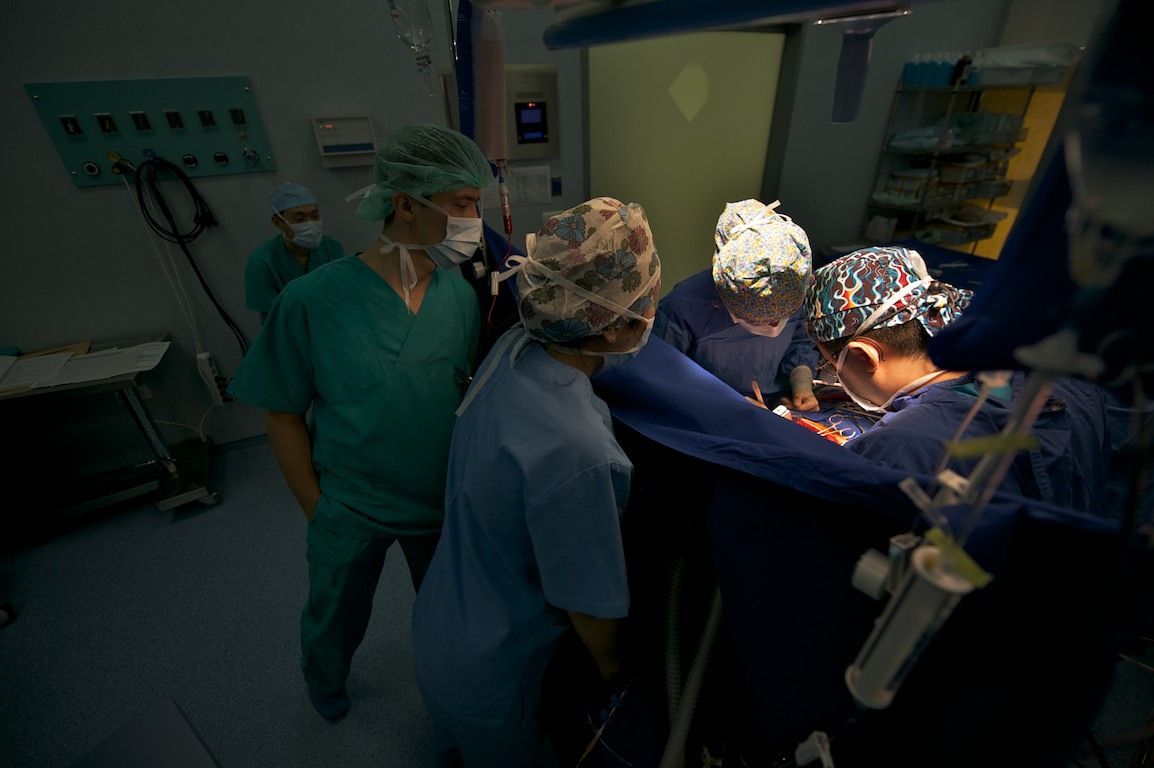
The anesthesiologists observe the operation. It is extremely important to administer medication at specific stages. The patient is in a deep sleep. His condition is stable. During surgery, the eyes are kept closed to prevent the cornea from drying out, which can later cause a condition such as keratitis, because some patients’ eyelids remain slightly open while they are under anesthesia.
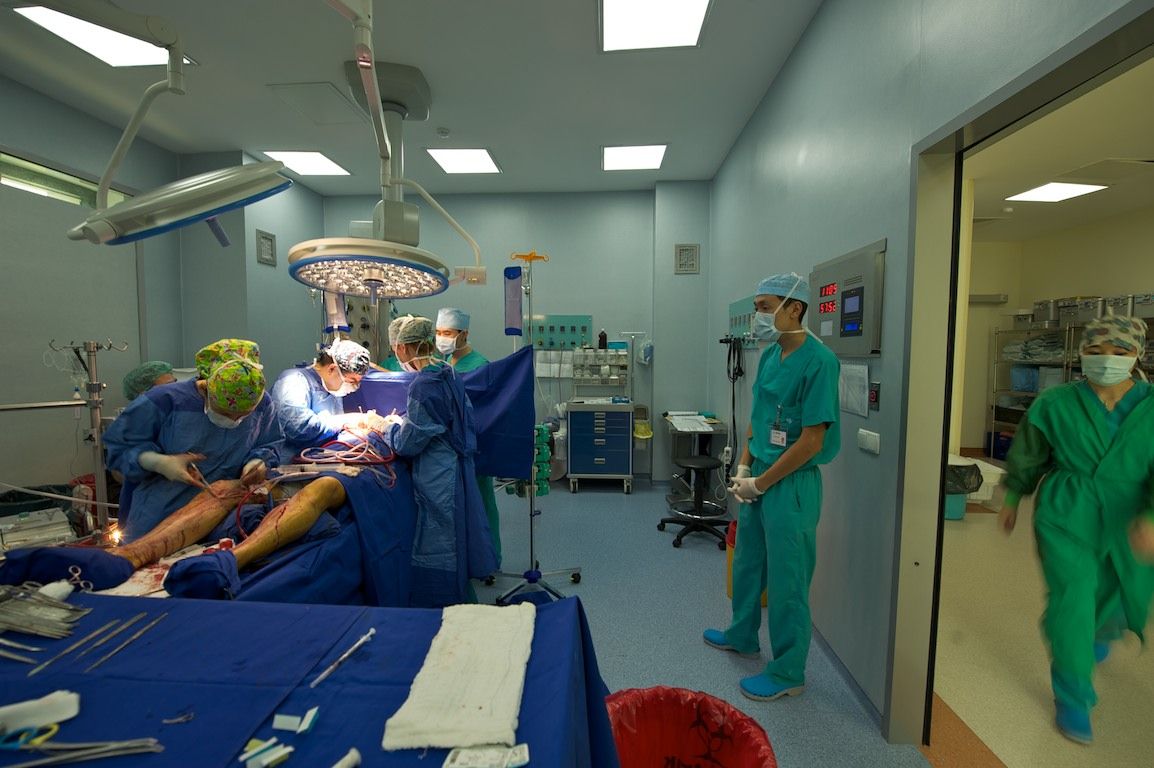
The clinic has a special air purification system. Before entering the operating room, the air passes through a filter and enters the room already purified. Before being released outdoors, it is cleaned again to prevent the possible spread of infection.
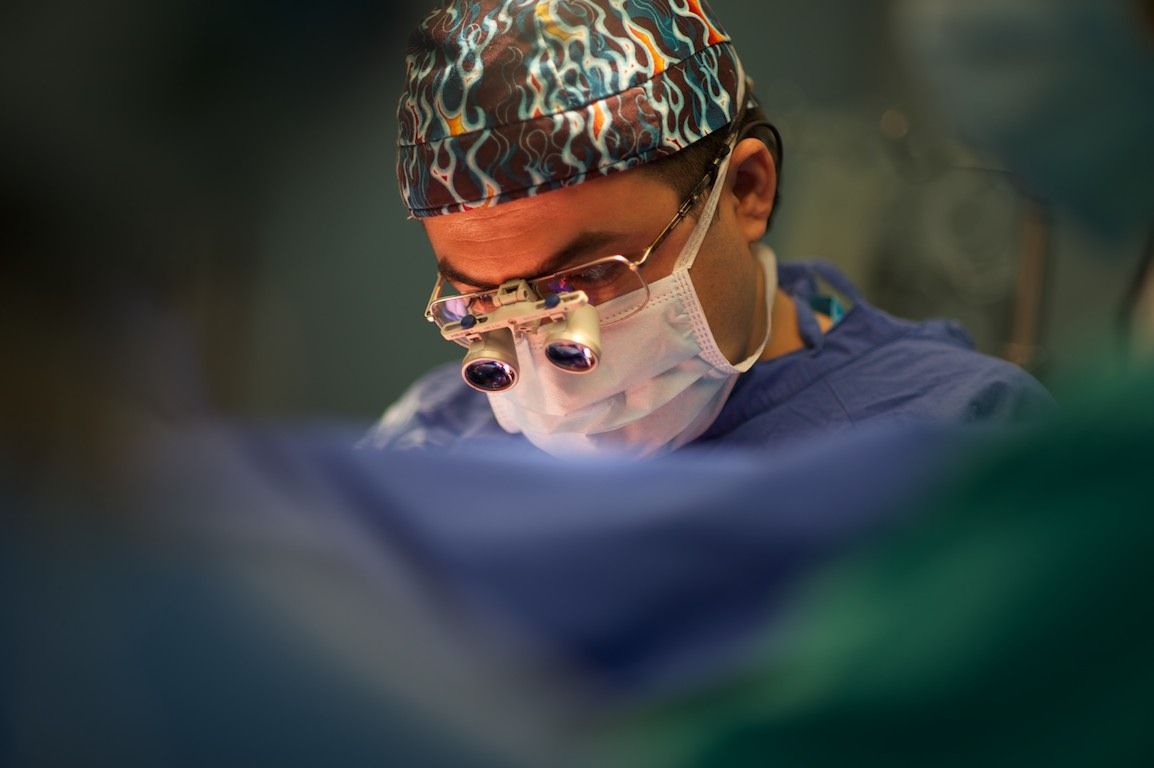
Working on blood vessels requires microsurgical precision. Every millimeter matters, and glasses fitted with surgical magnifying loupes are essential during the operation.
“Today, we performed a standard operation with the heart stopped and the patient connected to a heart-lung machine,” the surgeon explains. “We also perform surgery on the beating heart. Such procedures began to be used relatively recently. We usually use this method when bypassing a single vessel, although in July, for example, we performed a four-vessel bypass on a beating heart. After such operations, the rehabilitation period is shorter and the risk of complications is reduced. There are videos online showing minimally invasive access to the heart through the intercostal space.”
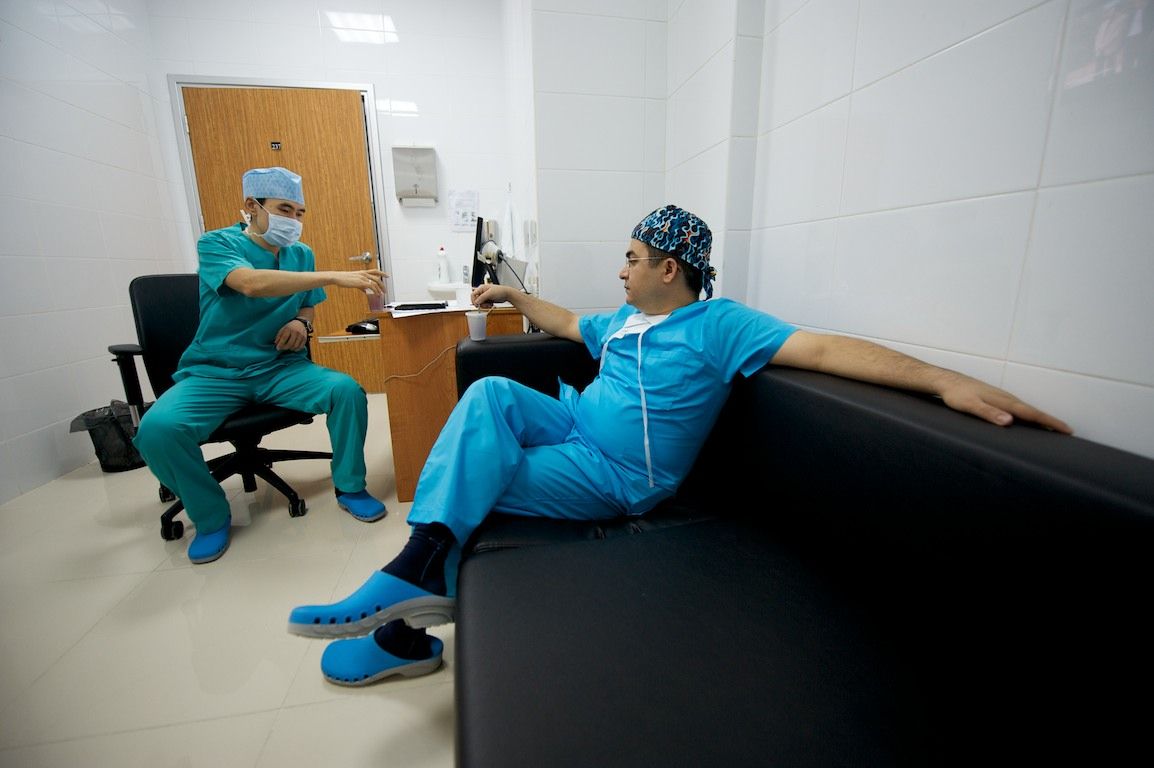
After every operation, the young surgeon Nurali asks questions that arose during the procedure. In Türkiye, after completing six years of university education, assistants spend five years specializing in a narrow field. To be allowed into the operating room, a trainee spends an entire year only observing the management of patients in the intensive care unit. Only after that is the trainee allowed to assist during operations.
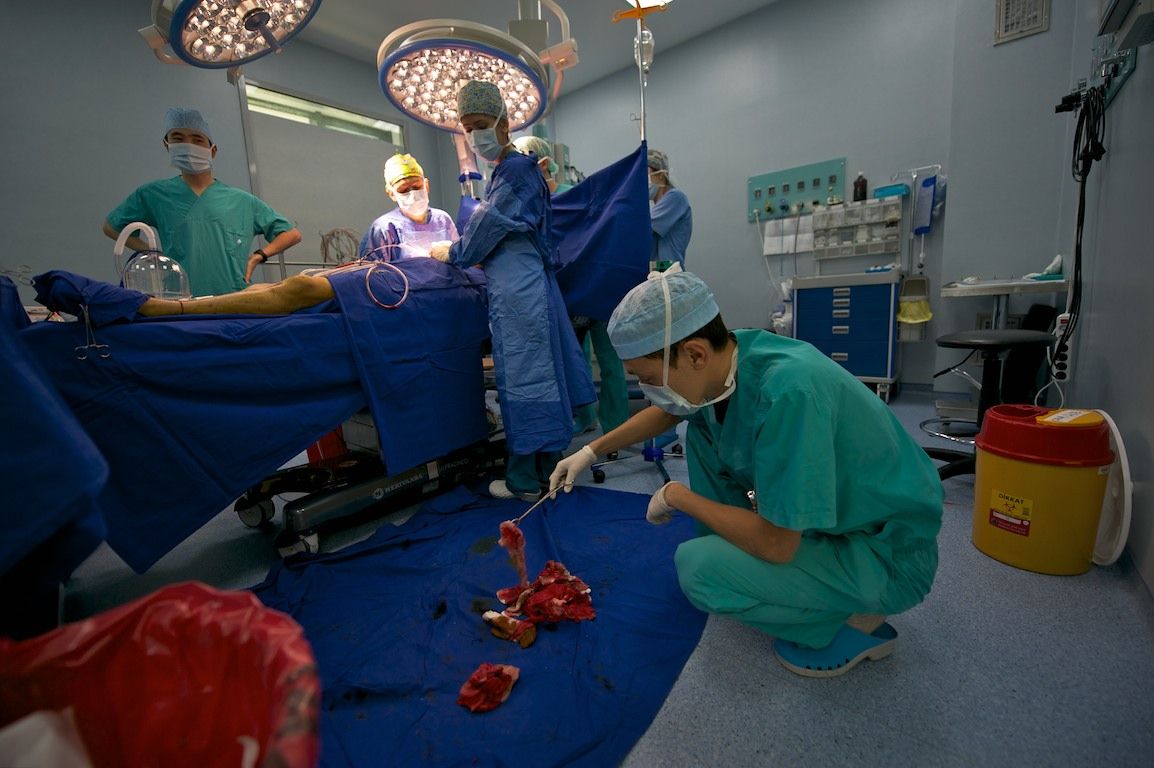
The surgical team counts the gauze swabs in the operating room. It might sound like a joke if there had not been tragic cases in which swabs and instruments were left inside a patient’s body.
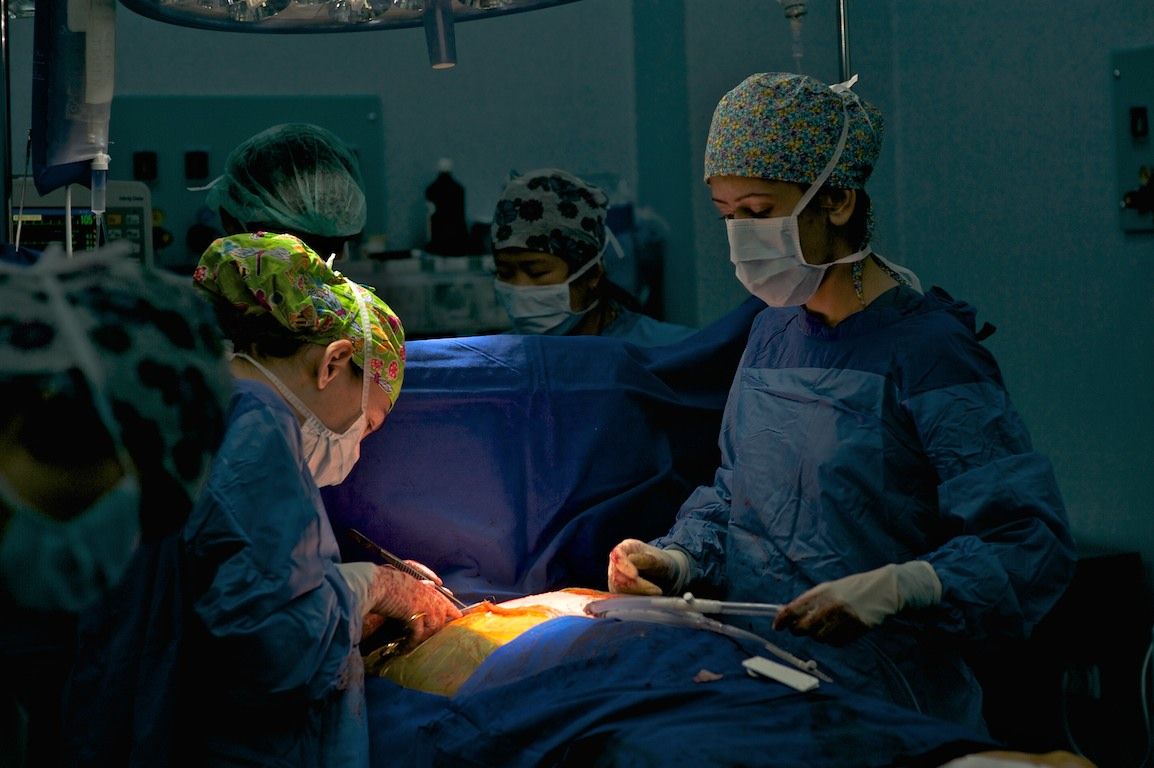
After making sure that everything is accounted for, Yasemin begins closing the sternum. The skin is closed with a cosmetic suture, and the threads subsequently dissolve. Average total blood loss during the operation is 400 milliliters. The operation lasts one hour and 54 minutes.
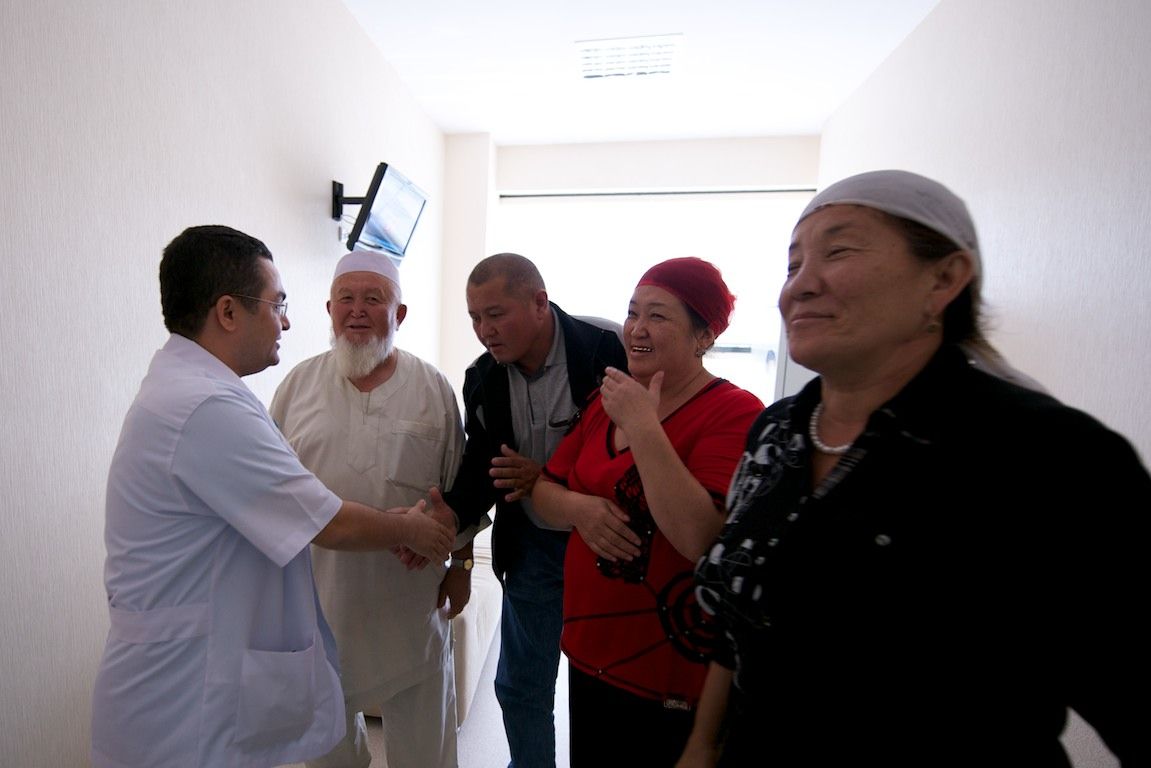
After removing his surgical clothing, Tansel goes to the patient’s relatives to tell them that the operation has been completed successfully.
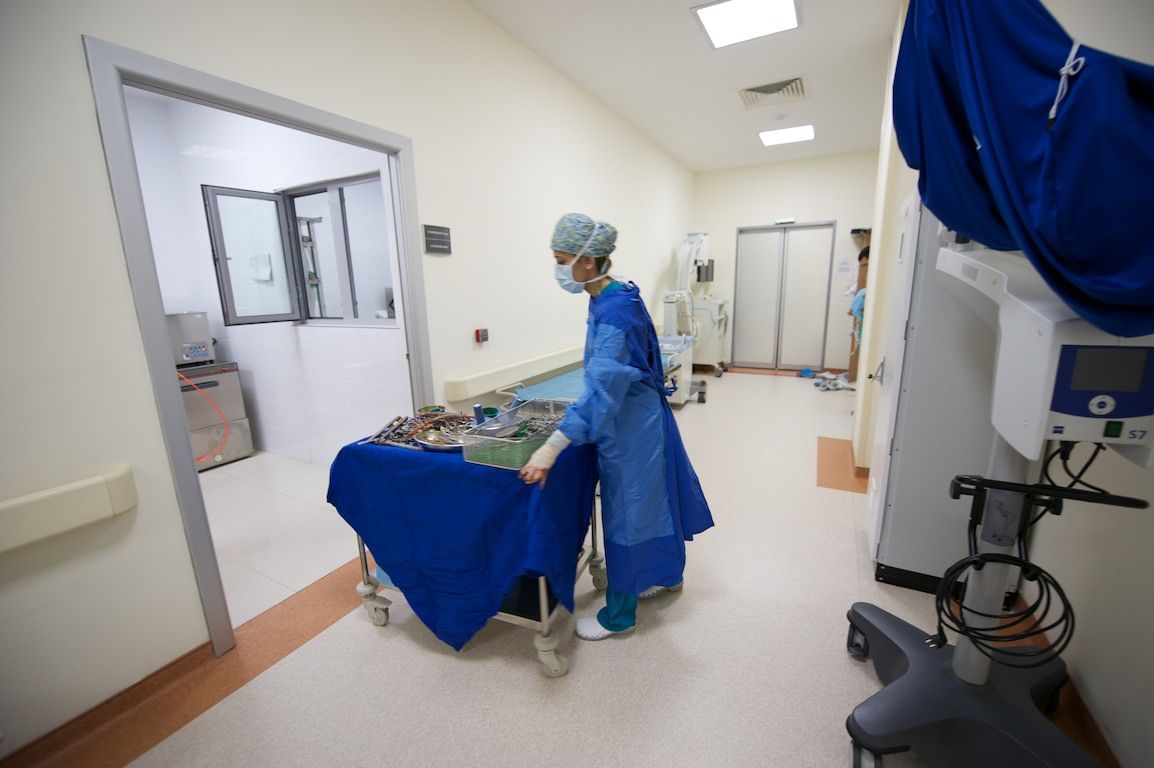
While the surgeon speaks to the relatives, work continues in the operating suite. The nurse sends the instruments used during the operation for processing and sterilization. At present, the clinic is capable of performing up to three heart operations per day.
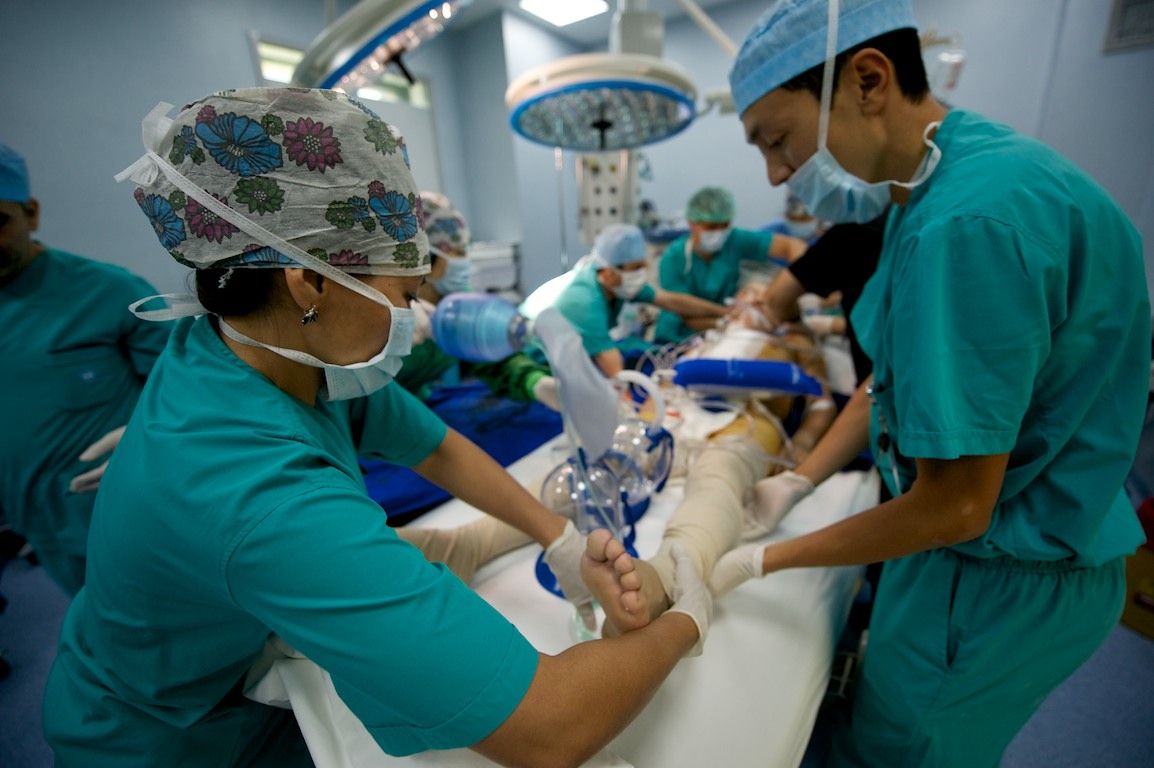
The patient is prepared for transfer to the intensive care unit. He must be moved from the operating table very carefully because all his muscles are relaxed. The staff count, “One, two, three,” and carefully transfer the patient onto a special mobile bed.
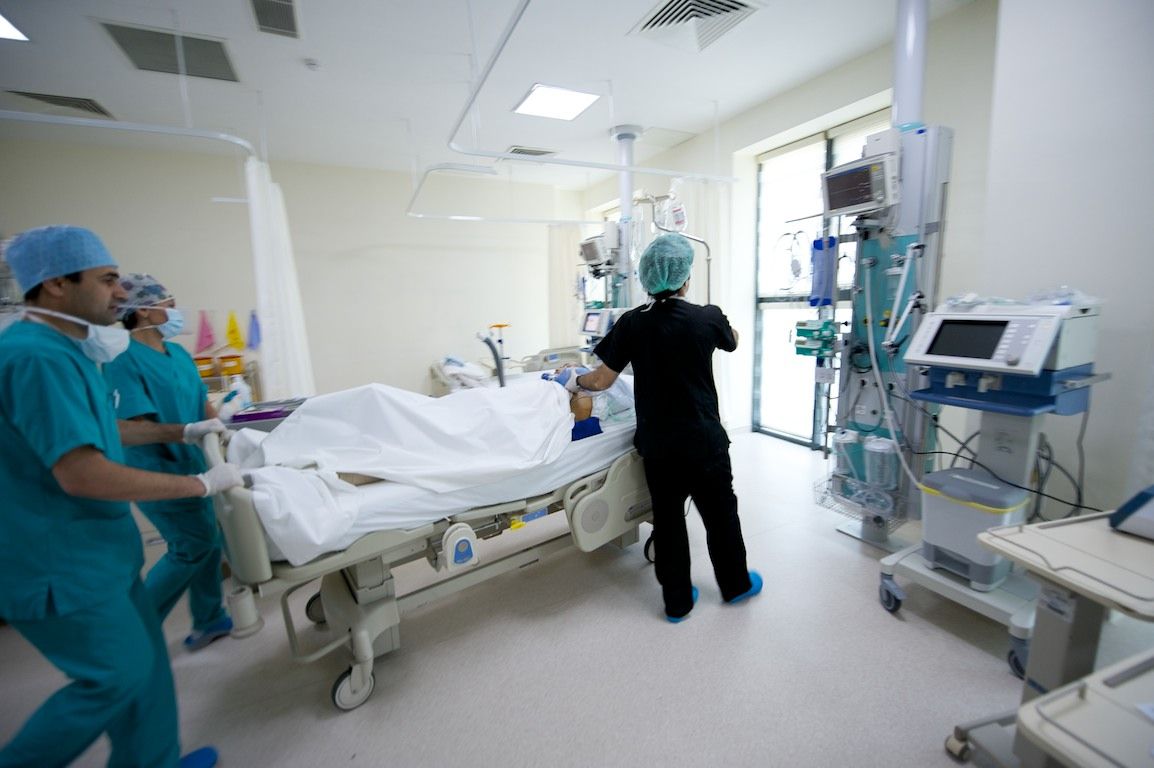
The intensive care room is located next to the operating room and contains everything required for emergency first aid. The clinic’s main staff previously worked in hospitals in Türkiye. Their principal task is to provide high-quality medical care and train Kazakhstani specialists so that the clinic can later be entrusted to capable hands.
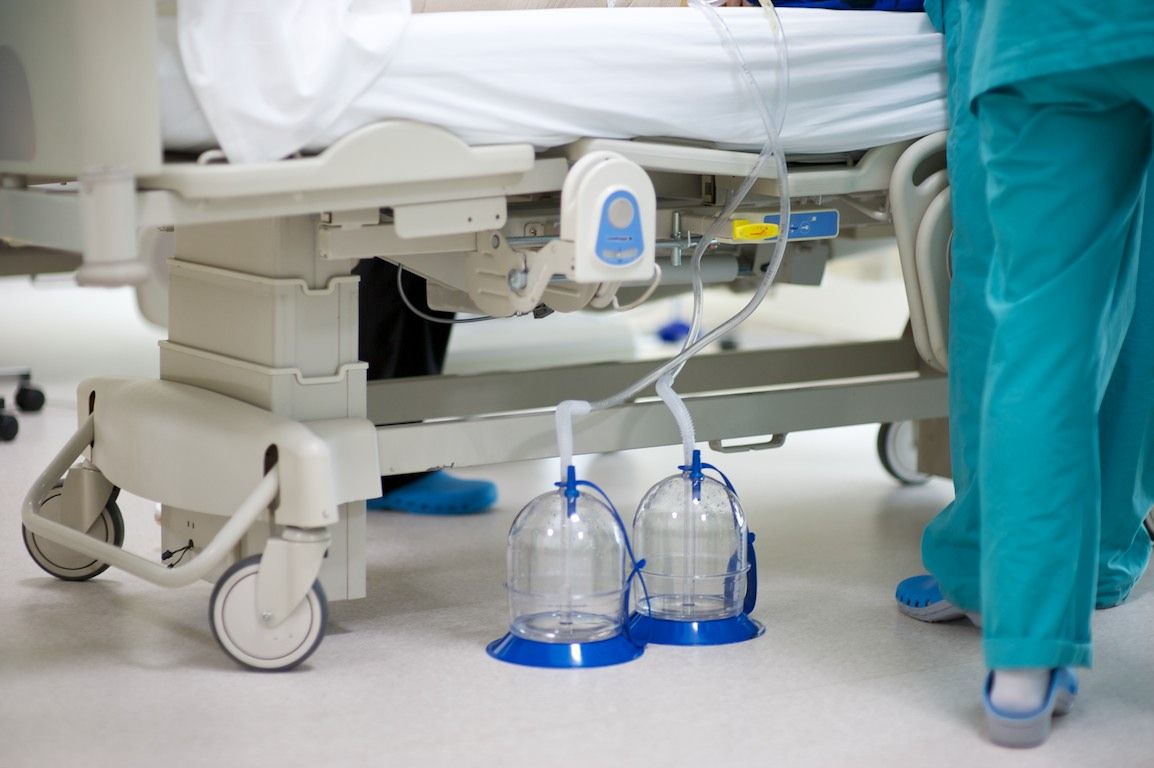
Drainage tubes are inserted into the pleural cavities and the pericardial cavity to remove fluid that accumulates during the first 24 hours after surgery.
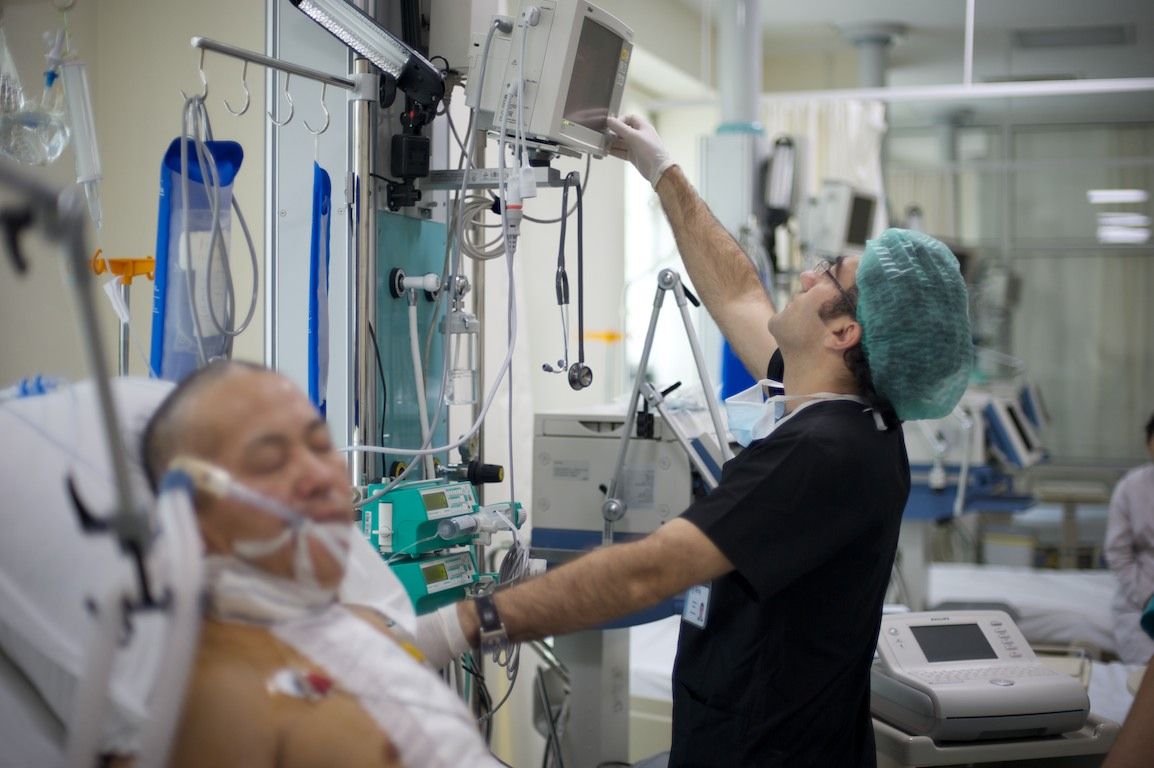
The monitoring system is switched over. The doctor monitors the patient’s main vital signs. After surgery, the patient sleeps for six to eight hours before being taken off the machine and allowed to breathe independently.

Waiting for the outcome of the difficult operation has exhausted everyone. During these few hours, the relatives have time to rest.
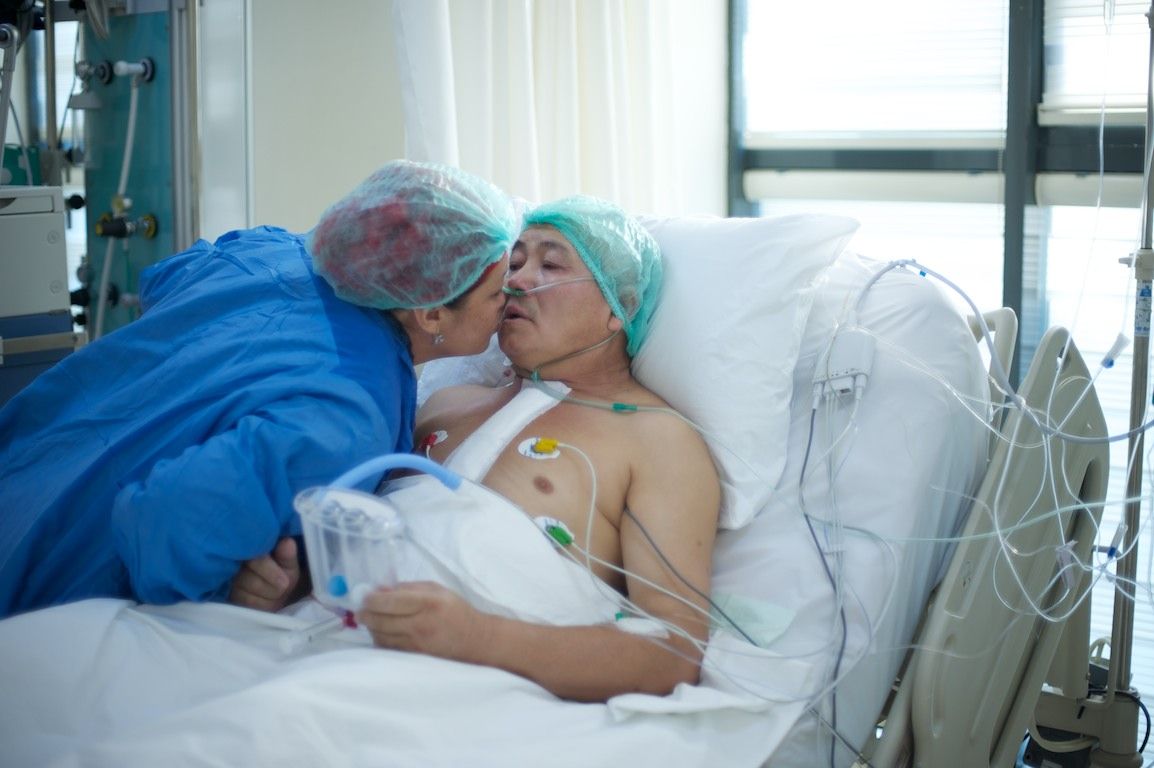
At six o’clock in the evening, the relatives visit the patient. He must remain in the intensive care unit for 24 hours so that his condition can be monitored during the early postoperative period. It has been a difficult day for him.
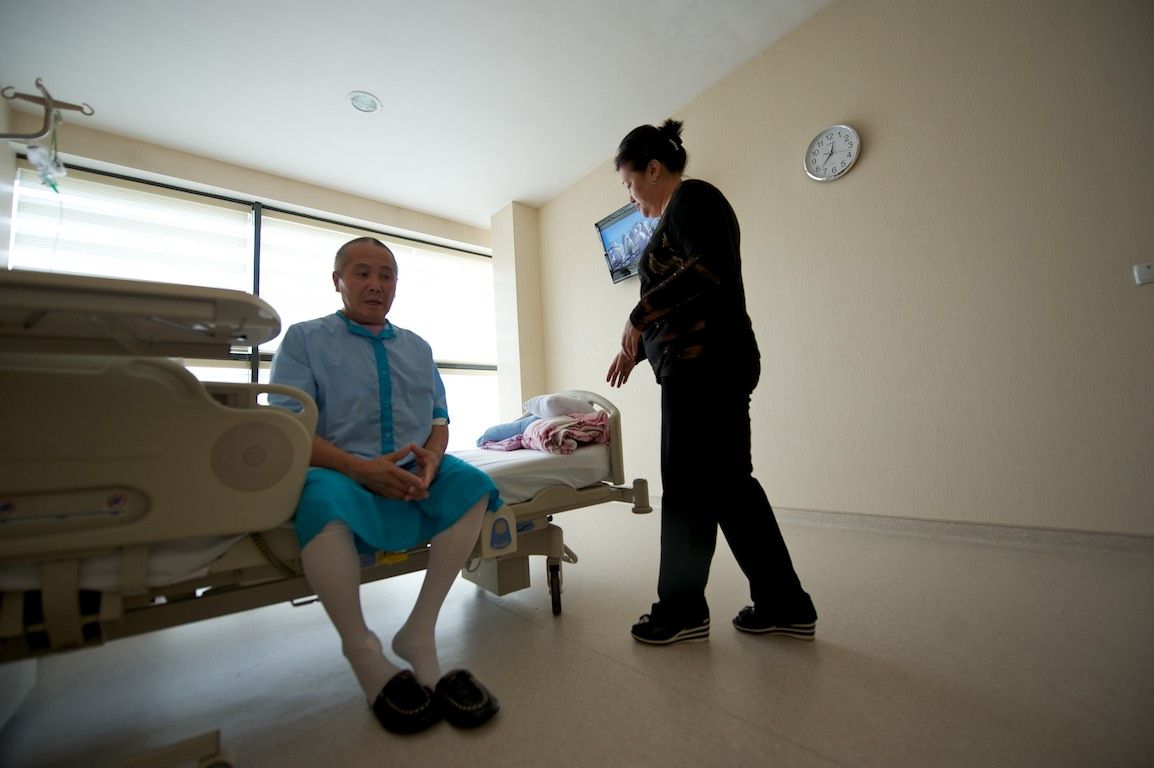
Exactly one week later, Zhamaldin is already in a regular ward and will soon be prepared for discharge. The main problem after surgery is the lengthy process of restoring full lung function. If a patient has smoked for many years, recovery takes longer.
“Everything has been fine since the operation, everything is fine...” Zhamaldin repeats in a halting voice. “You can feel the difference immediately. Before the operation, even the simplest movements made my heart beat rapidly. I felt tired, and my heart beat irregularly. Now nothing bothers me. I sleep peacefully and walk normally. There is some pain, but it is only because the wounds are healing. My deepest thanks to all the doctors who work here.”
The original version of this report was published on Voxpopuli.kz before the portal closed in 2023. The author restored the text and photographs from a personal archive in order to preserve these documentary and historical materials.
Comments
No comments yet. Be the first to comment!