Magic Antlers. A Maral Deer Farm in East Kazakhstan
VoxPopuli and Karla Nur
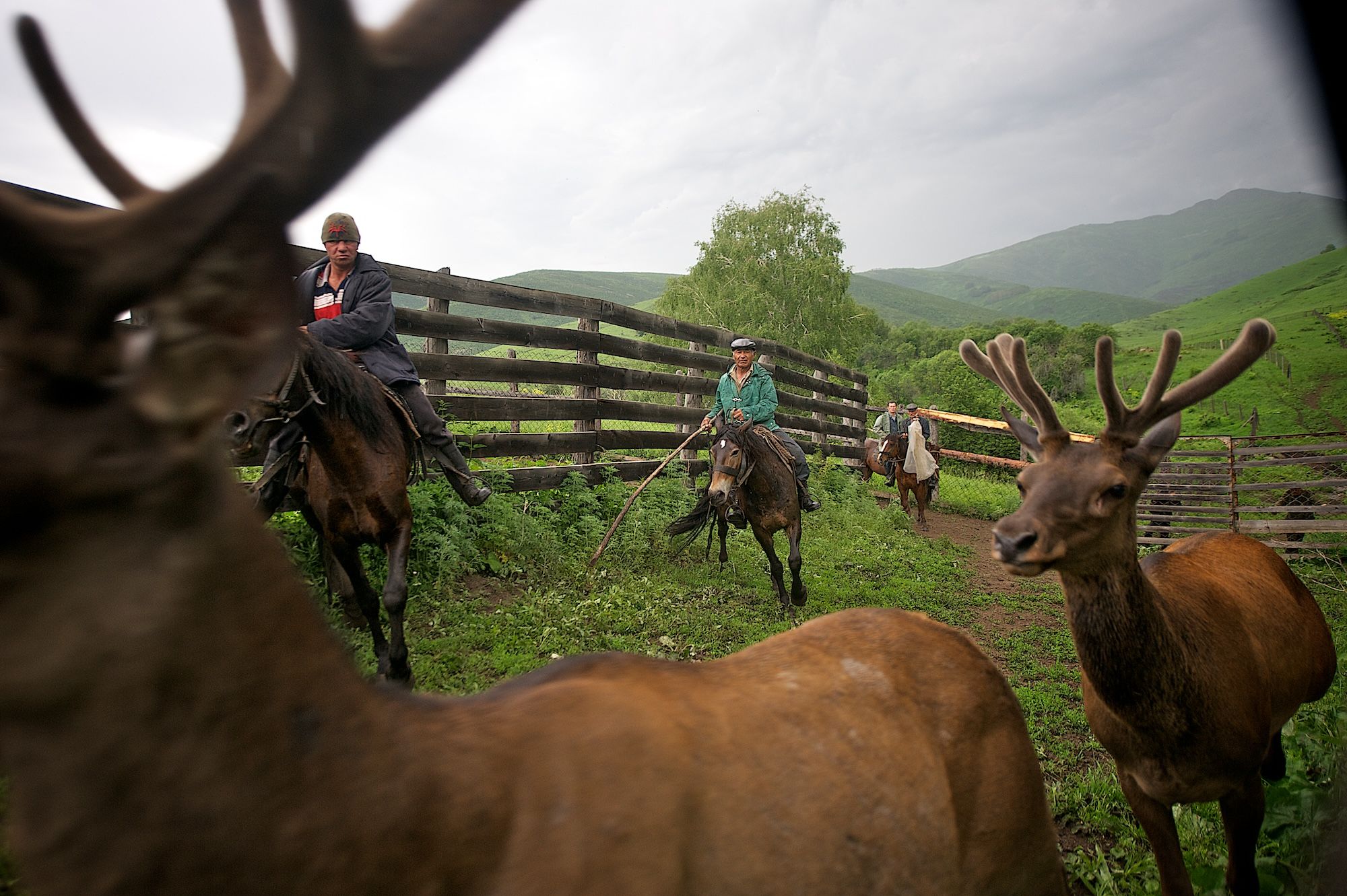
The first recipe for a healing medicine made from deer antlers appeared in China in 168 BC. Over time, knowledge about the medicinal properties of antlers spread throughout the world, and today velvet antler farming is well developed in Kazakhstan, China, and New Zealand. In one of the most beautiful regions of our country — the Katon-Karagai district of East Kazakhstan — there is a small maral deer farm with 500 animals, where preparations for antler harvesting begin as early as May.
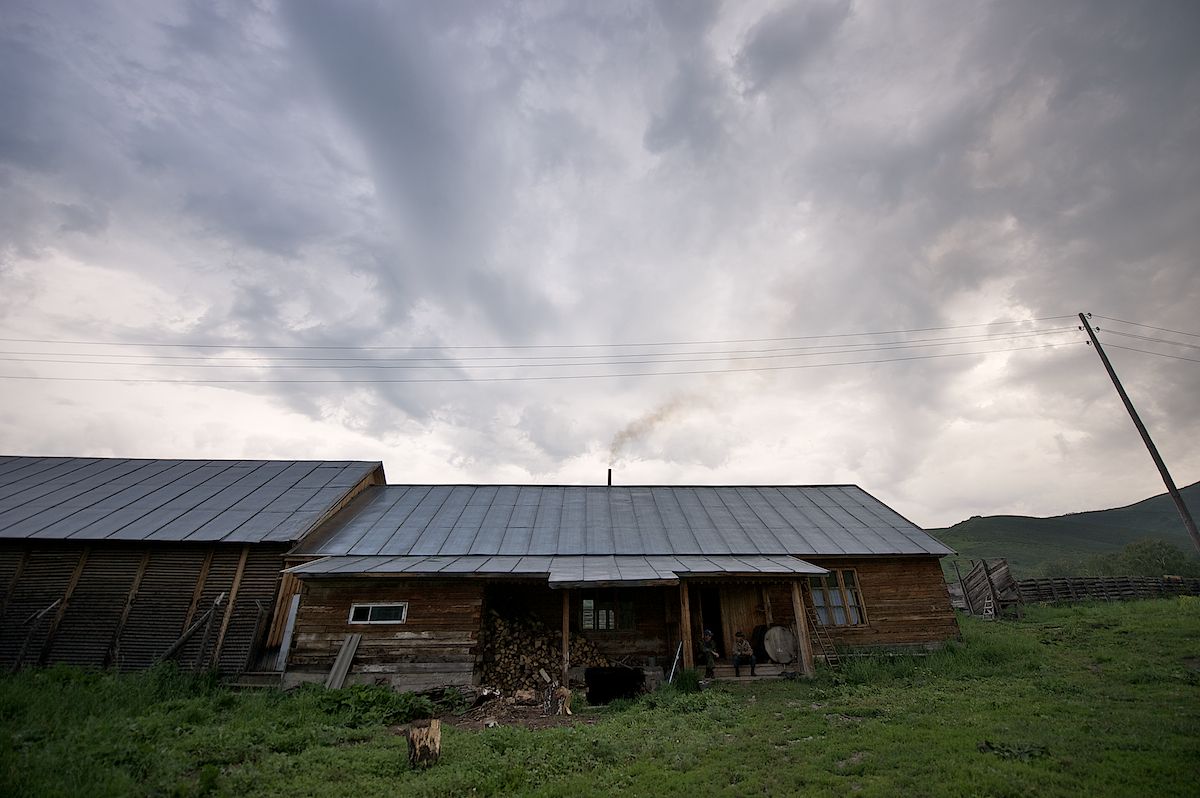
In summer, antlers are cut every three days. The cutting procedure takes place early in the morning so that weakened deer do not fall under the harsh sun.
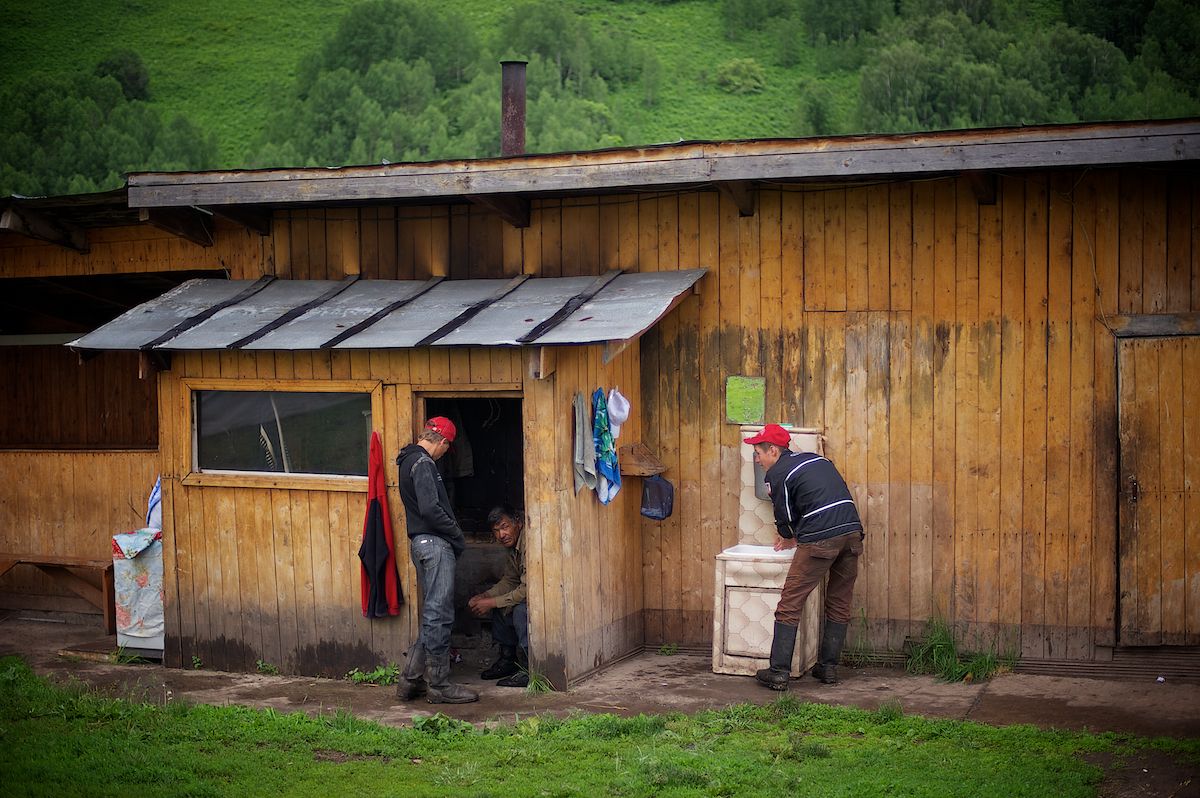
For this, maral farmers wake up at five in the morning and head to the pastures where the deer graze.
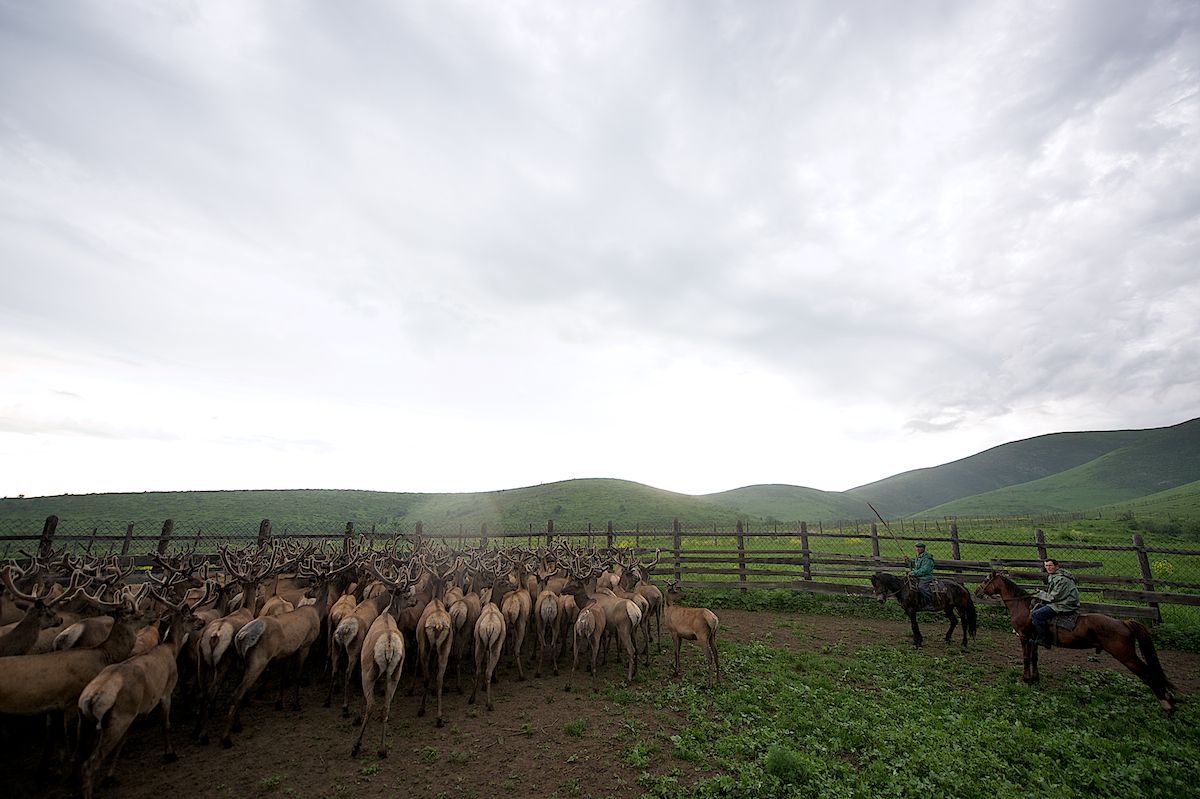
To drive the velvet-antler deer into the enclosure, farmers have to use loud, Native American–style calls.
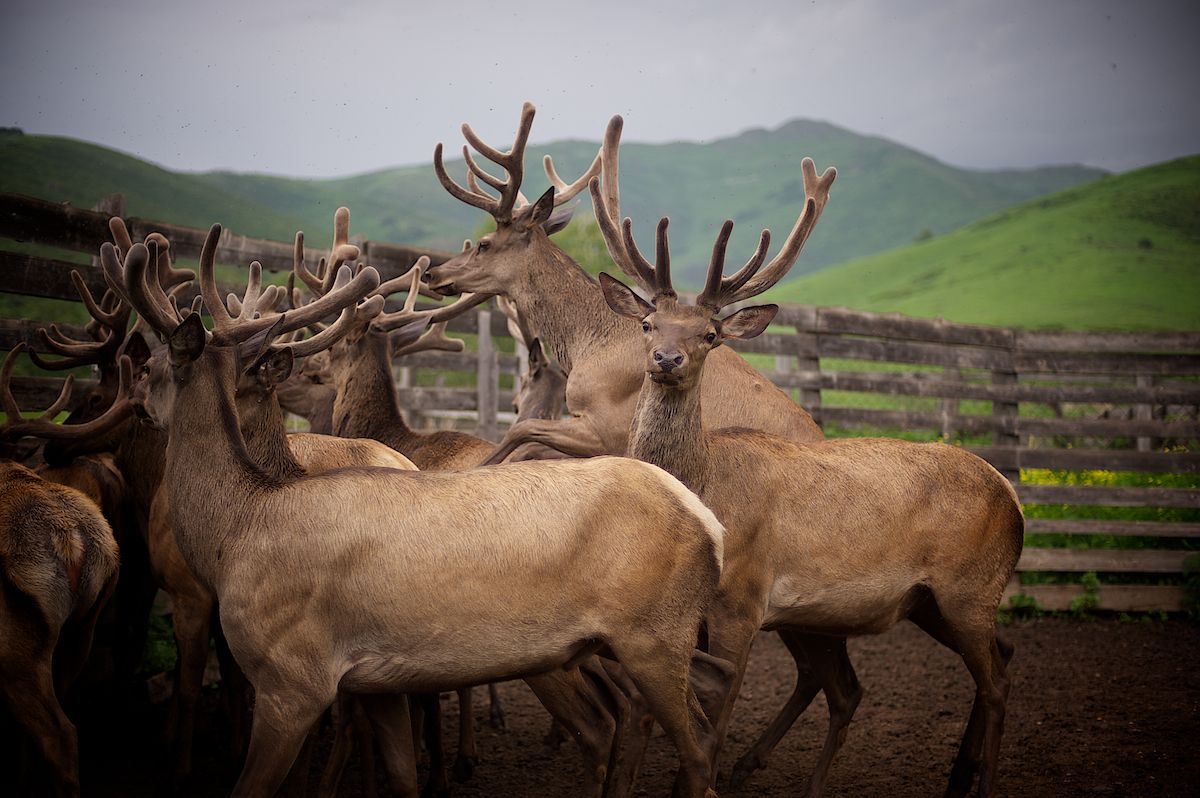
Only those deer whose antler tips reach 5–7 cm are selected.

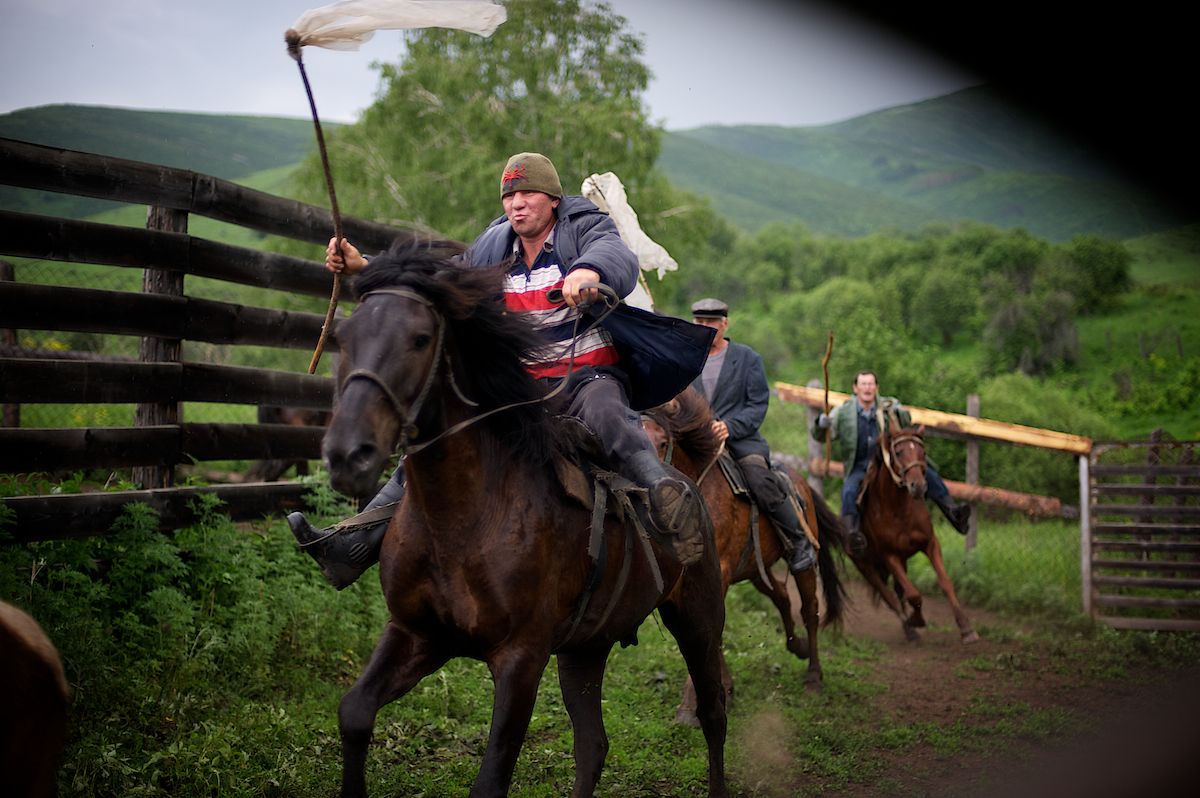
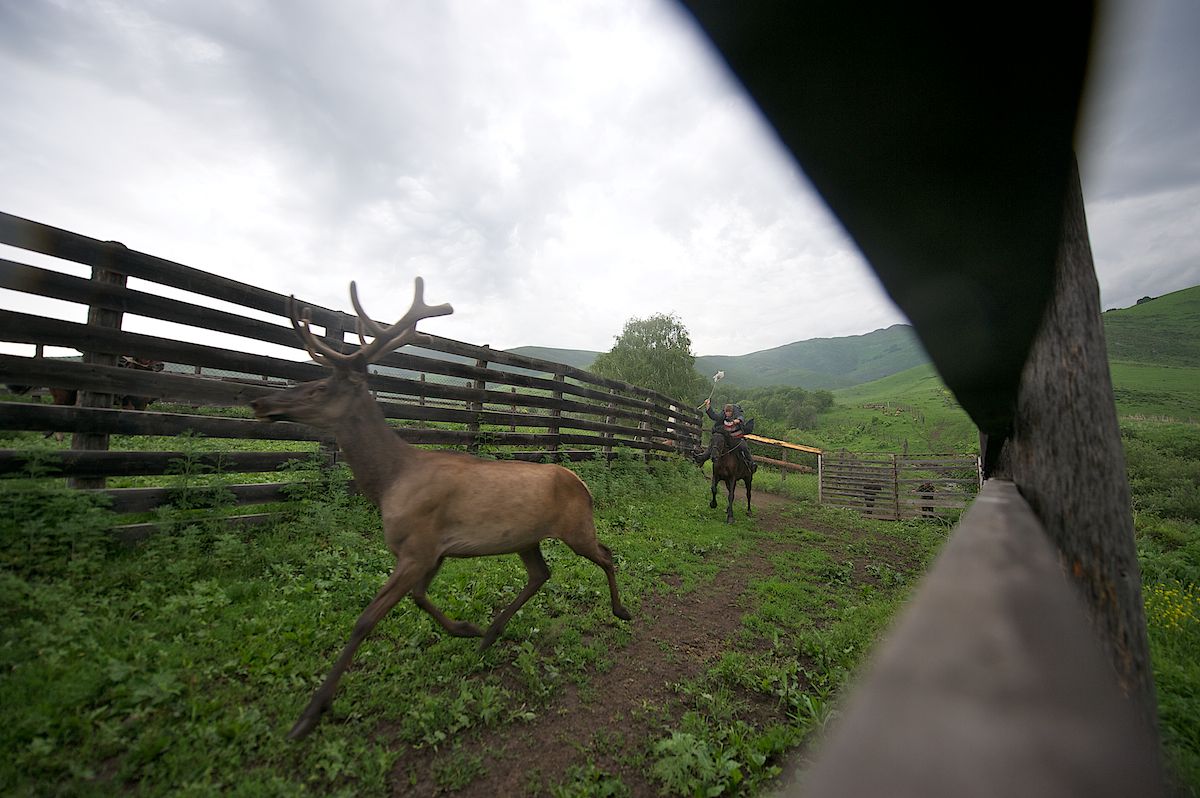
A selected deer is singled out from the herd.
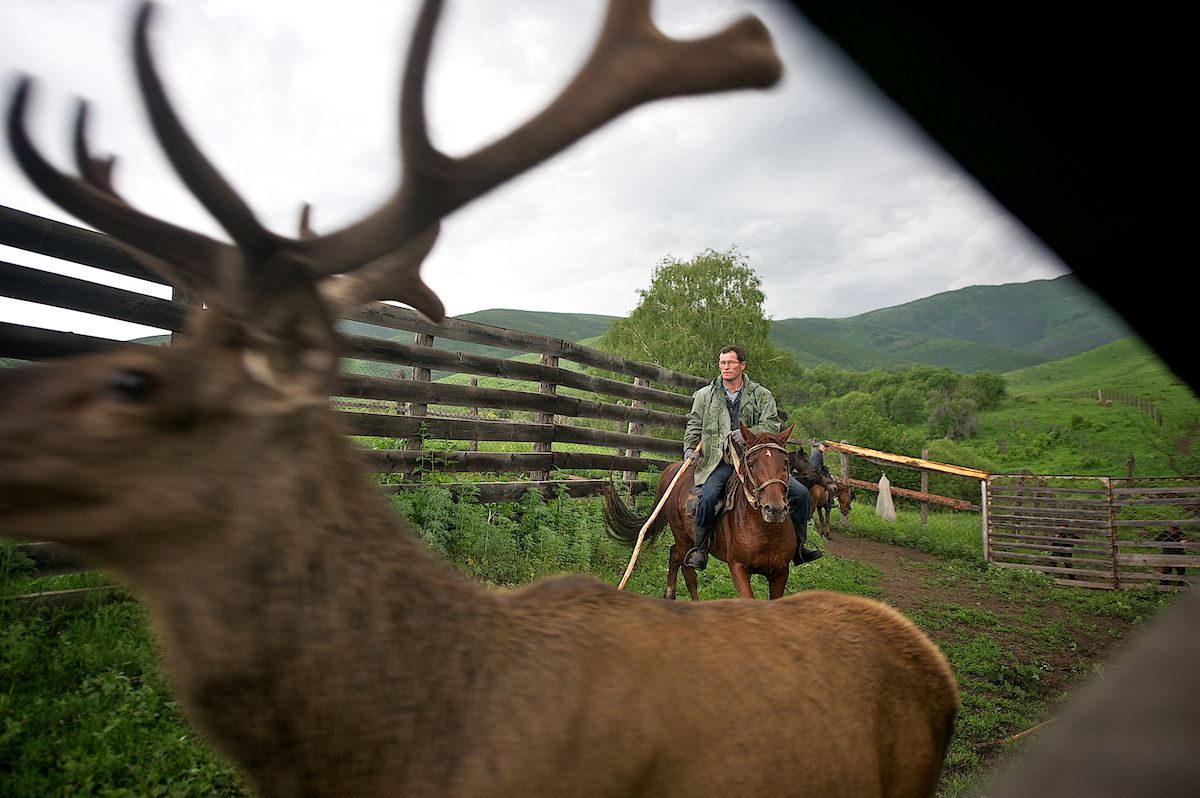
Bulat, the owner of the maral farm, also participates in the antler cutting.
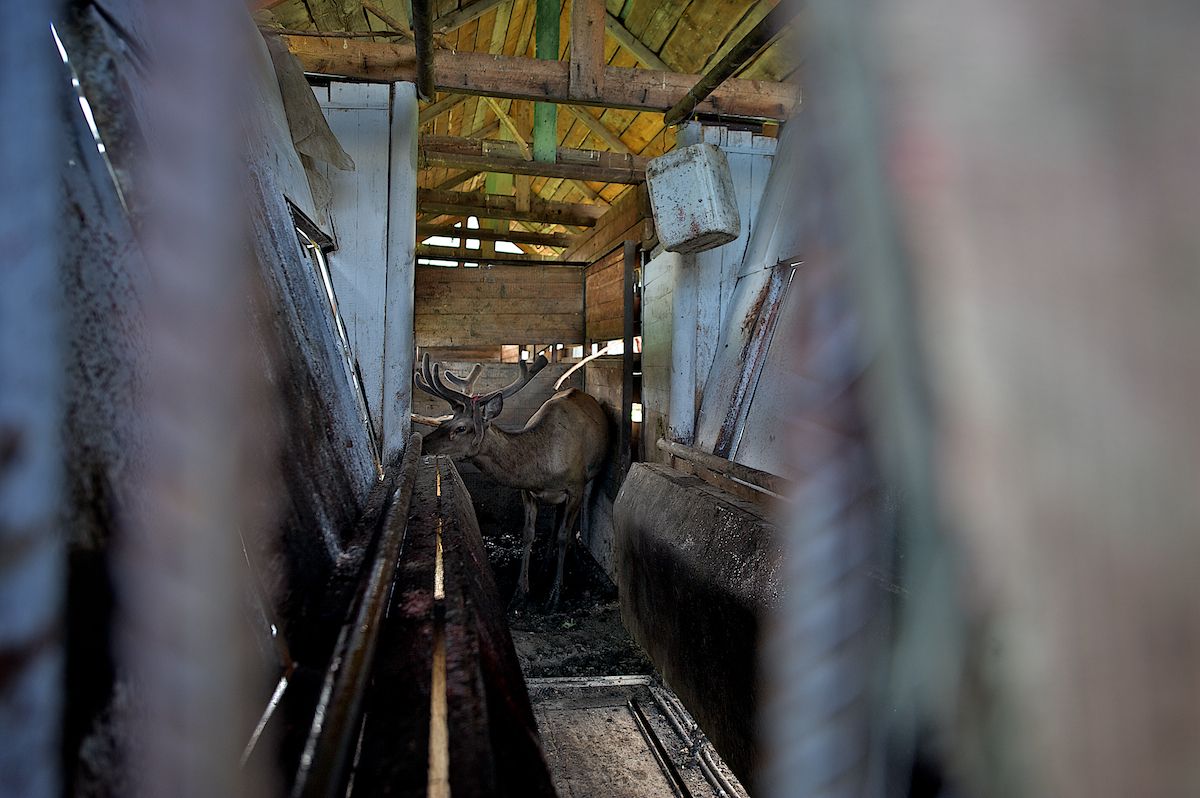
The selected deer is placed into a “machine” — a special device made of two metal plates that clamp the animal from both sides.
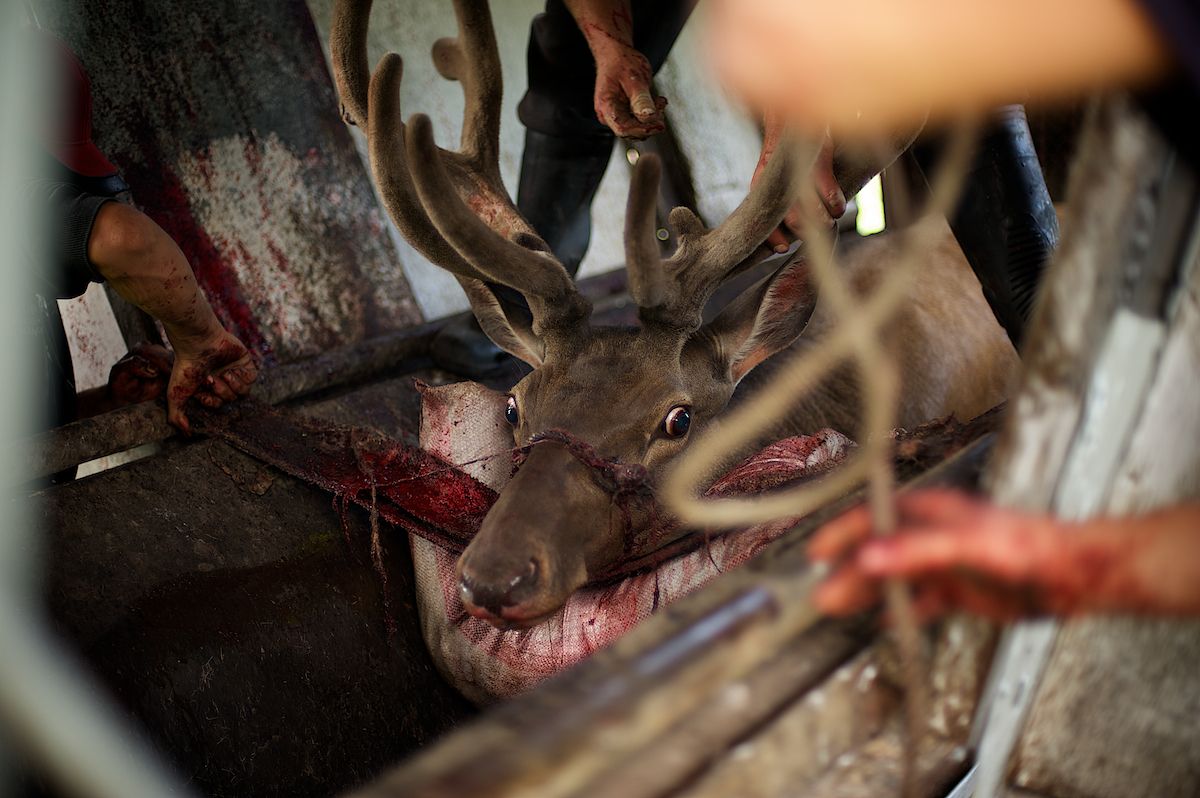
A device called a “bayan” is placed on the deer’s muzzle to fix the head in place. Today, antler cutting is a humane procedure. In ancient times the animal was simply killed for its antlers.
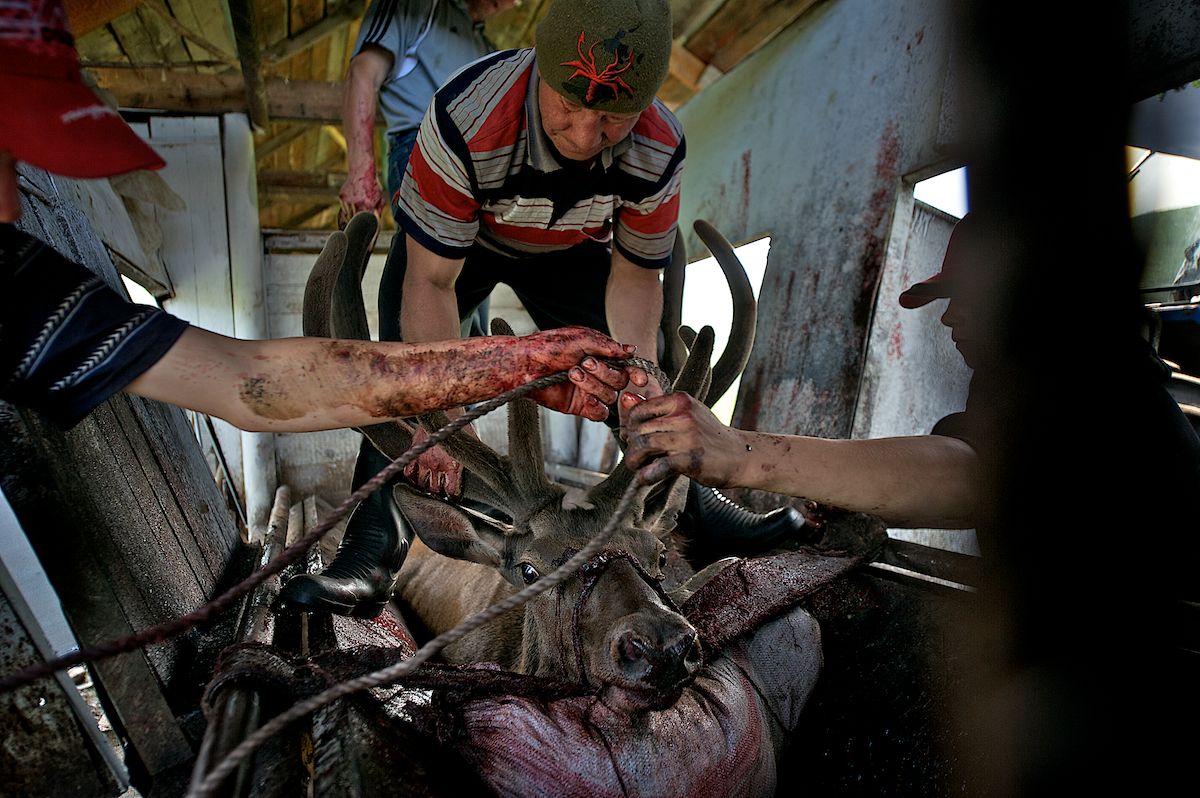
Cutting the antlers is a very delicate process: it is easy to damage the fragile velvet during cutting, so Bulat removes the antlers himself. He uses only a handsaw, never an electric tool, as it can easily injure a resisting deer.
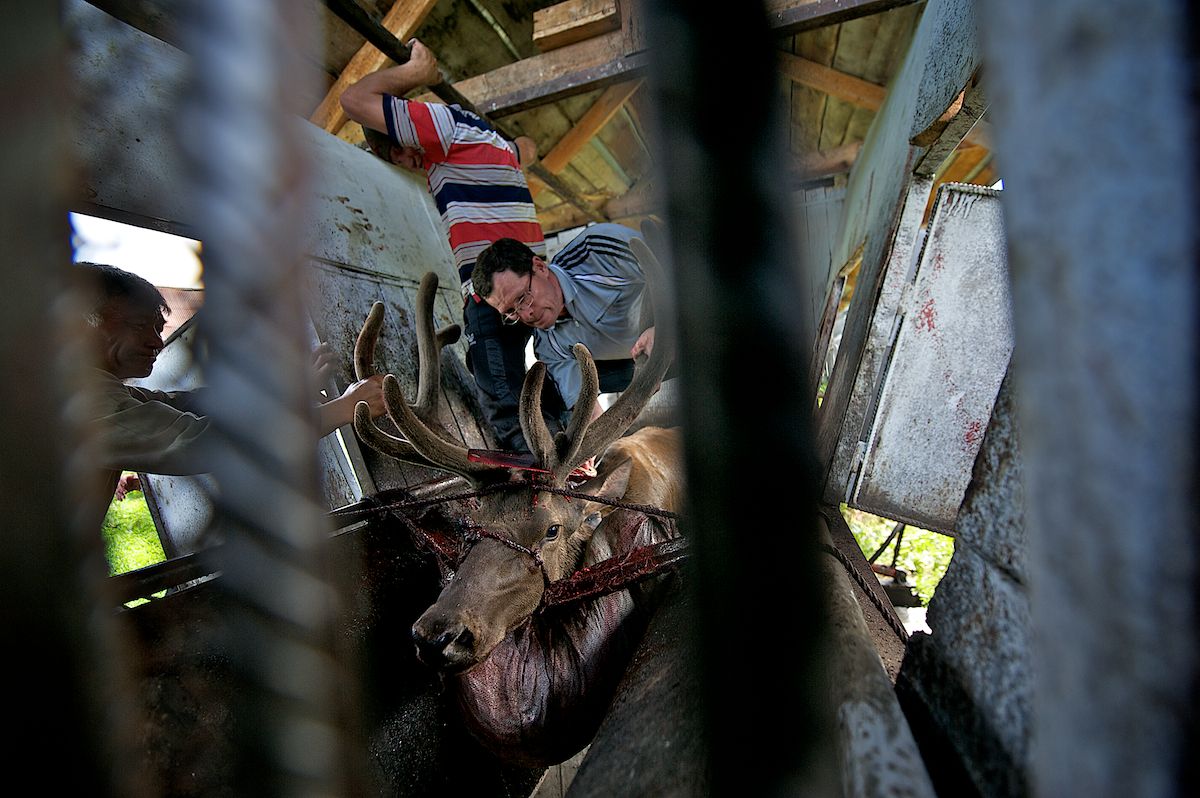
The entire process is very fast — about three minutes — because the antlers themselves are very soft.
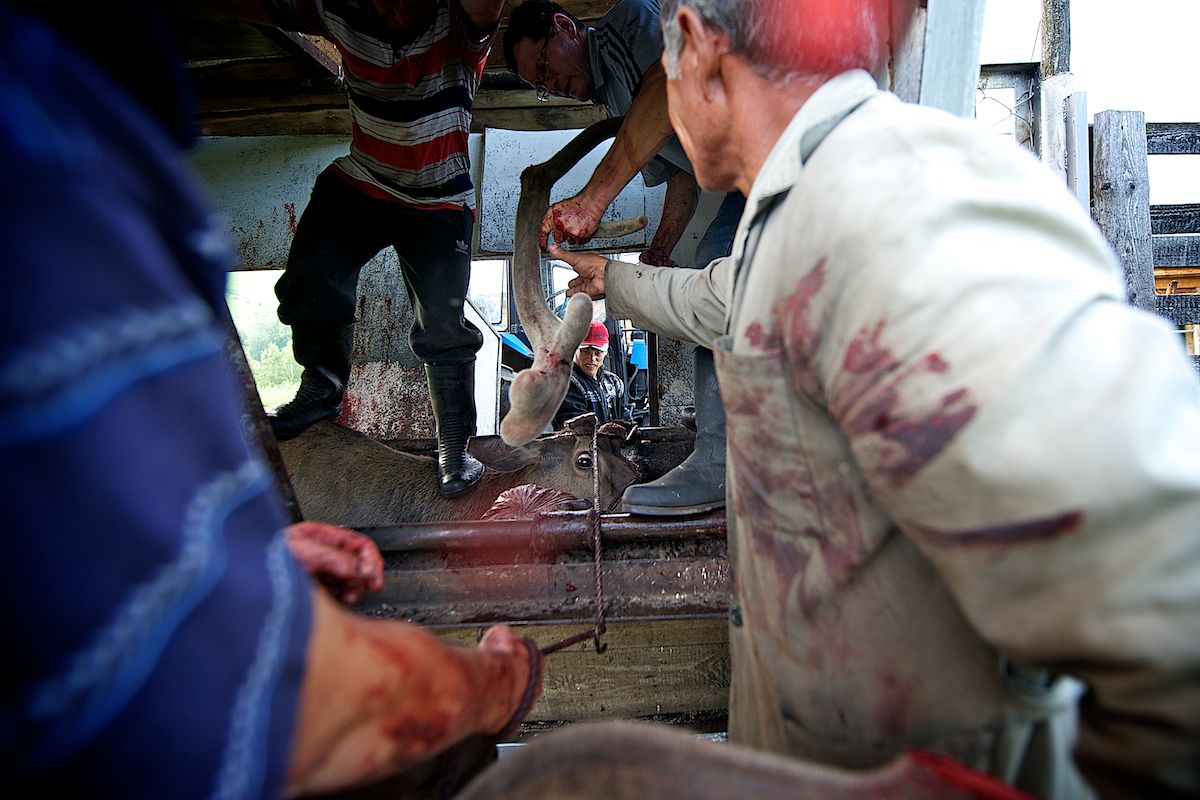
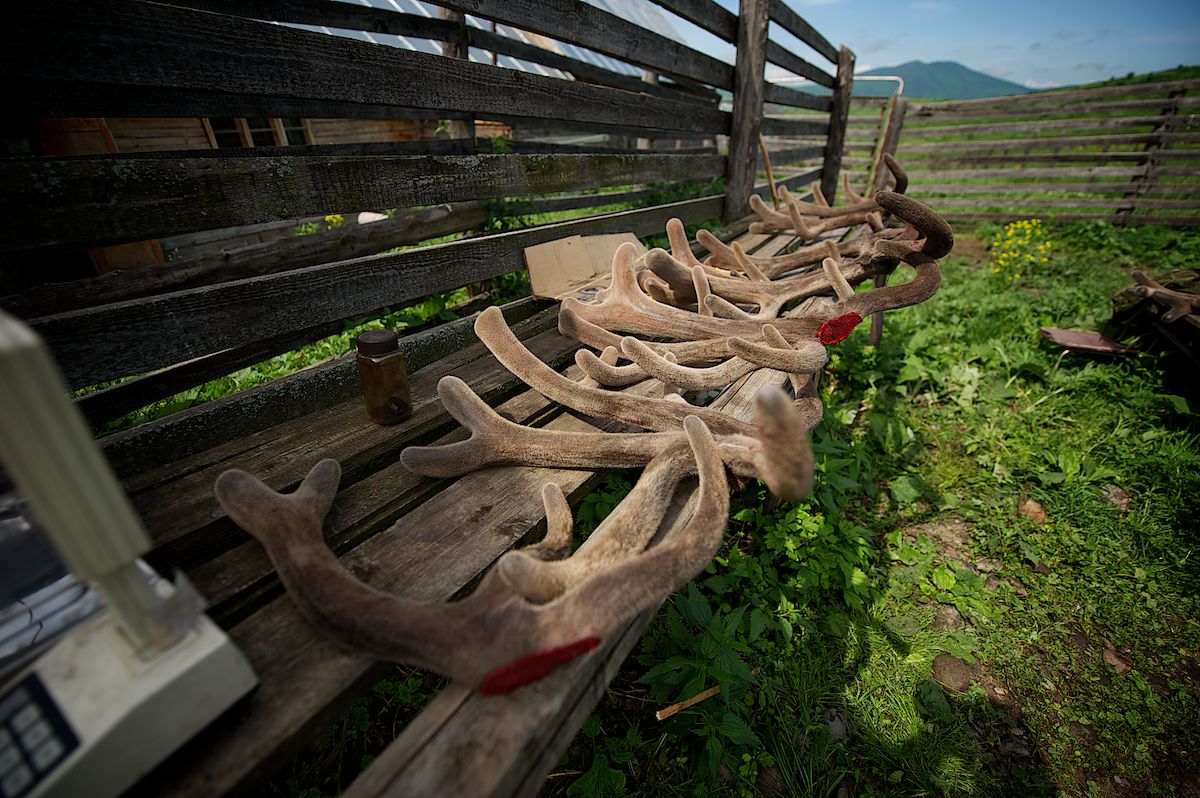
Velvet antlers are young, unossified deer antlers covered with soft skin and filled with blood. Preparations made from velvet antlers are considered the most effective and safest adaptogens in the world.
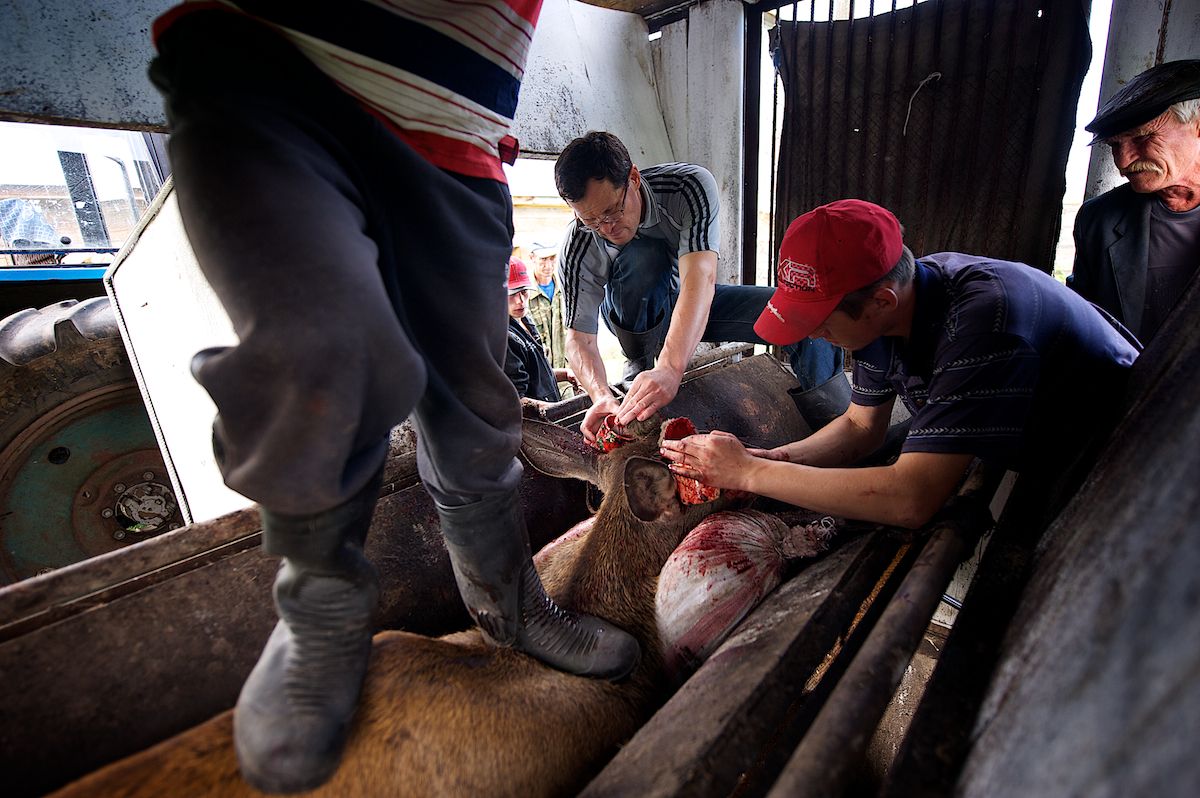
In Eastern medicine, antlers were ground into powder and taken as medicine. Research confirms that velvet antlers and deer blood contain huge amounts of bioactive substances, protein compounds, and natural energizers that are essential not only for treating various diseases, but also as preventive remedies for healthy people.
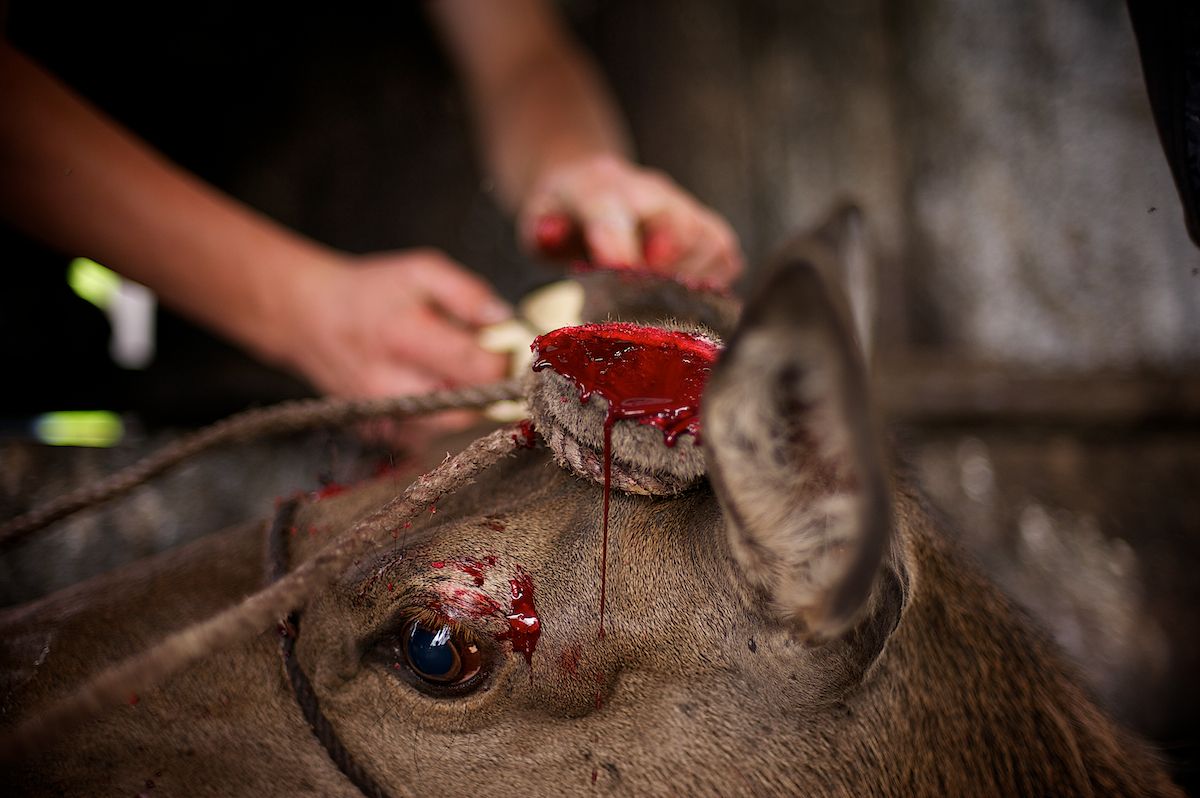
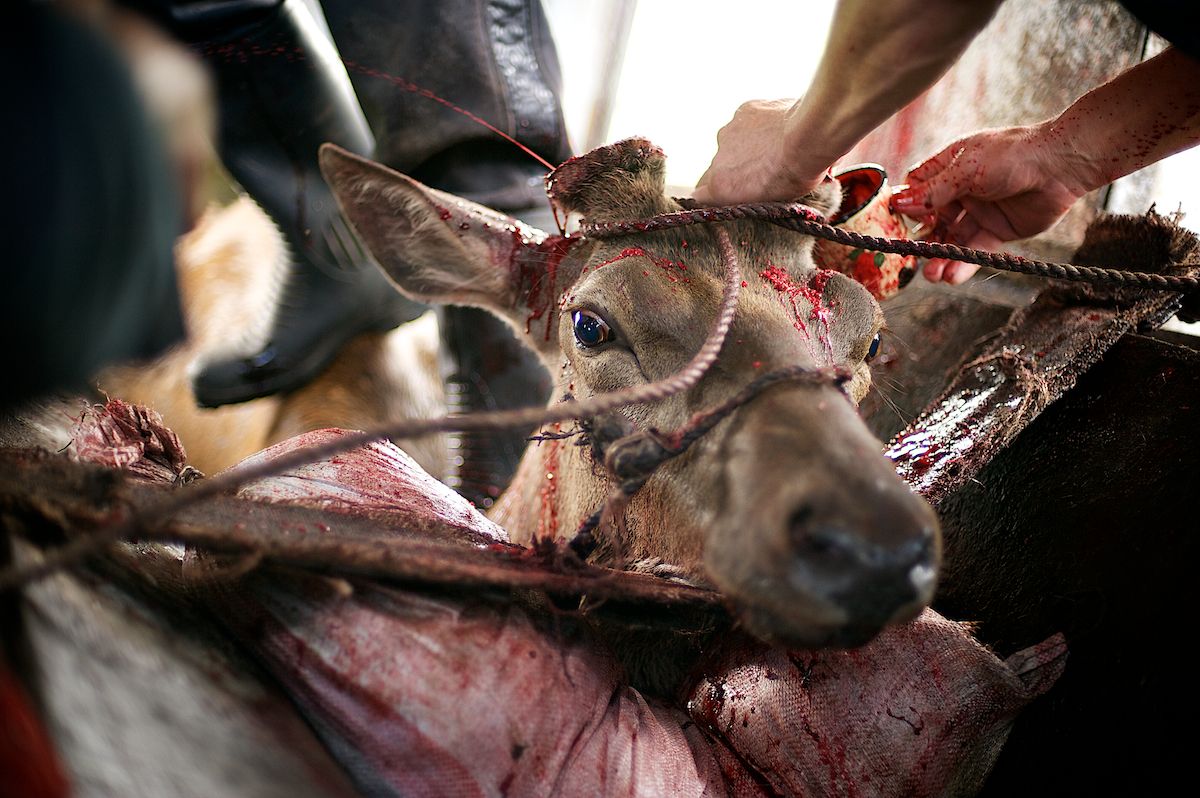
Next year new antlers will grow in place of the removed ones.

Antlers are cut only once a year. Some deer have undergone this procedure many times.
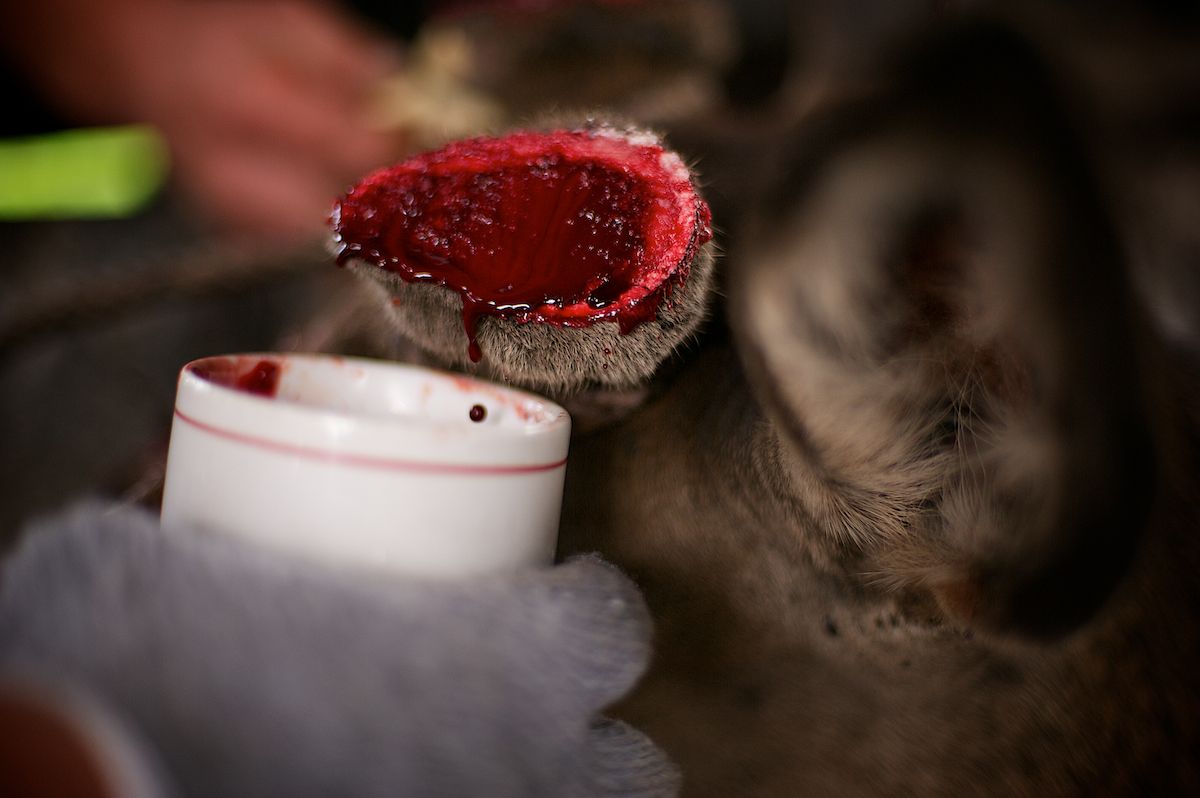
The blood of a velvet deer, when entering the human body, becomes a carrier of healing power that corrects deviations from the norm and restores cellular metabolism. As a result, immunity strengthens, wounds heal faster, bone structure recovers more quickly, intellectual and physical condition improves, sexual endurance increases, and aging processes slow down.
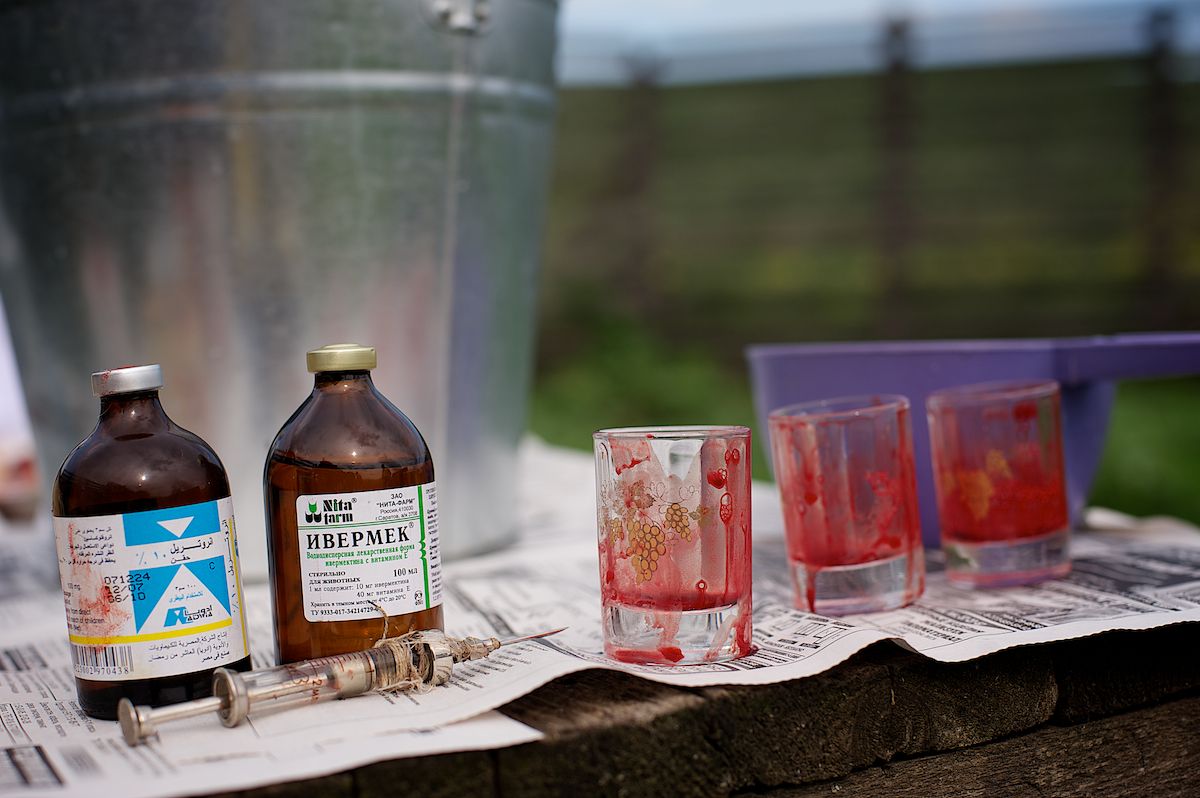
Fresh deer blood is thick and warm to the taste.

Pantogematogen is made from deer blood. It is believed that preparations based on it increase human life force, strengthen willpower, promote tooth growth, dissolve bladder stones, cure purulent bone infections, and reduce irritability.
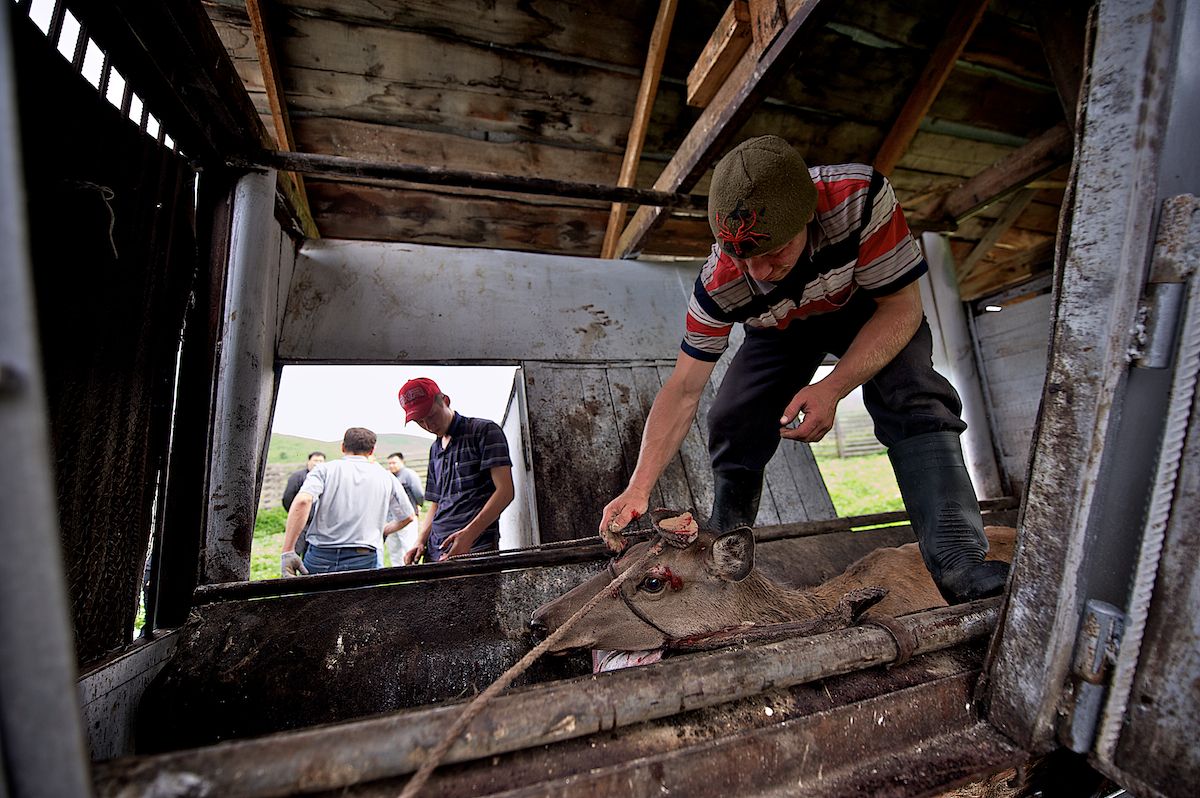
The antler cutting site is treated with a special solution — “alum,” with added naphthalene, so that the cuts heal faster and insects do not infect the wound.
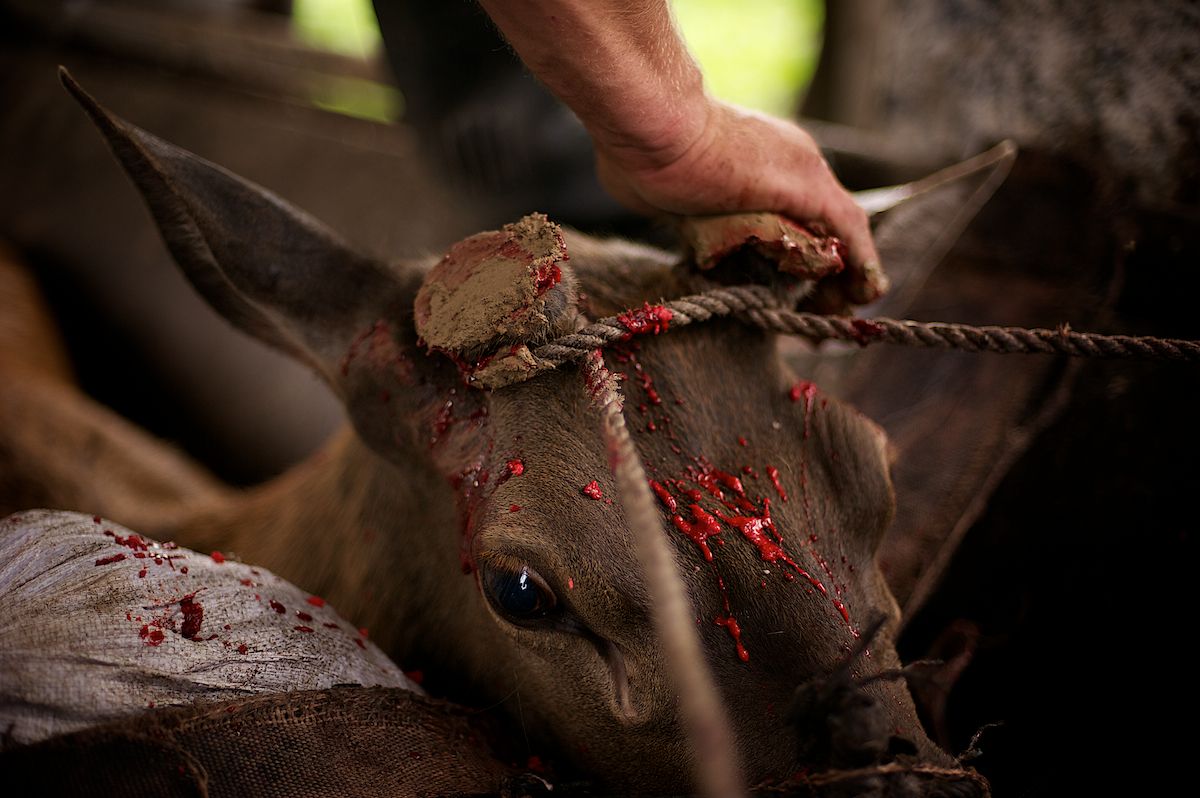
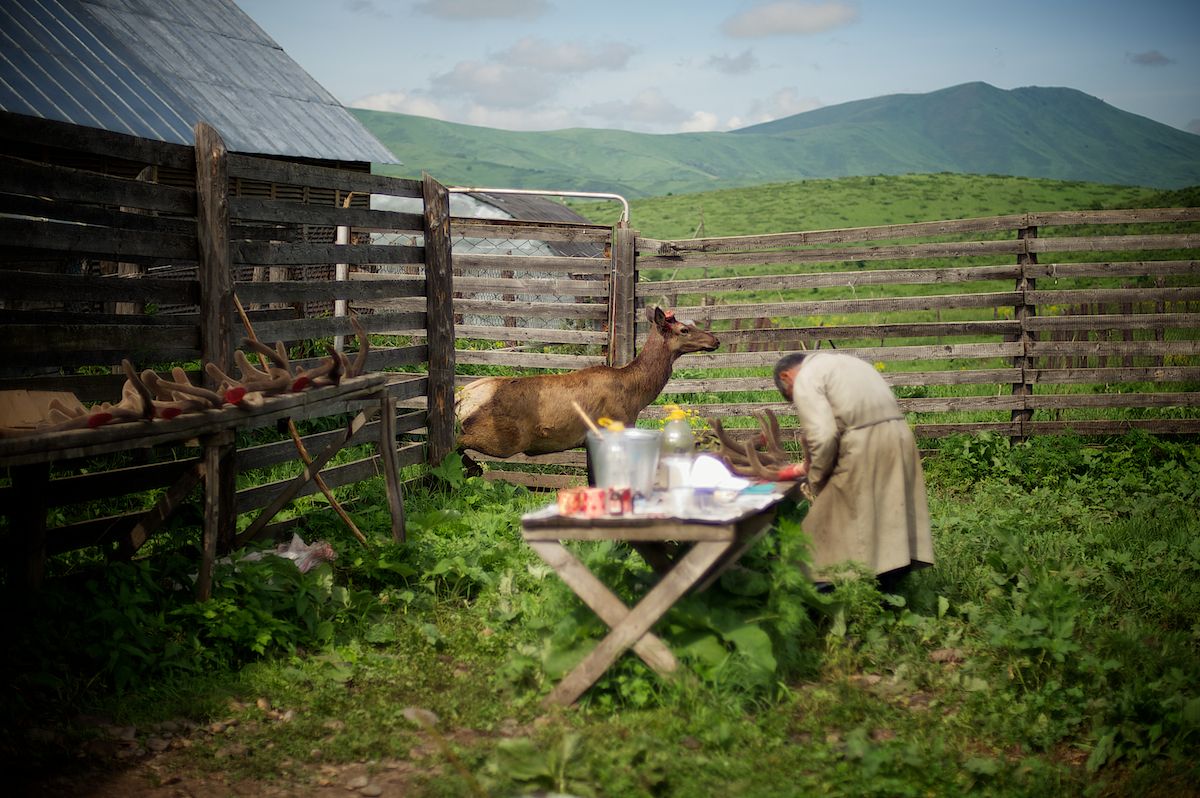
After that, the necessary vaccination is given, and the animal is released.
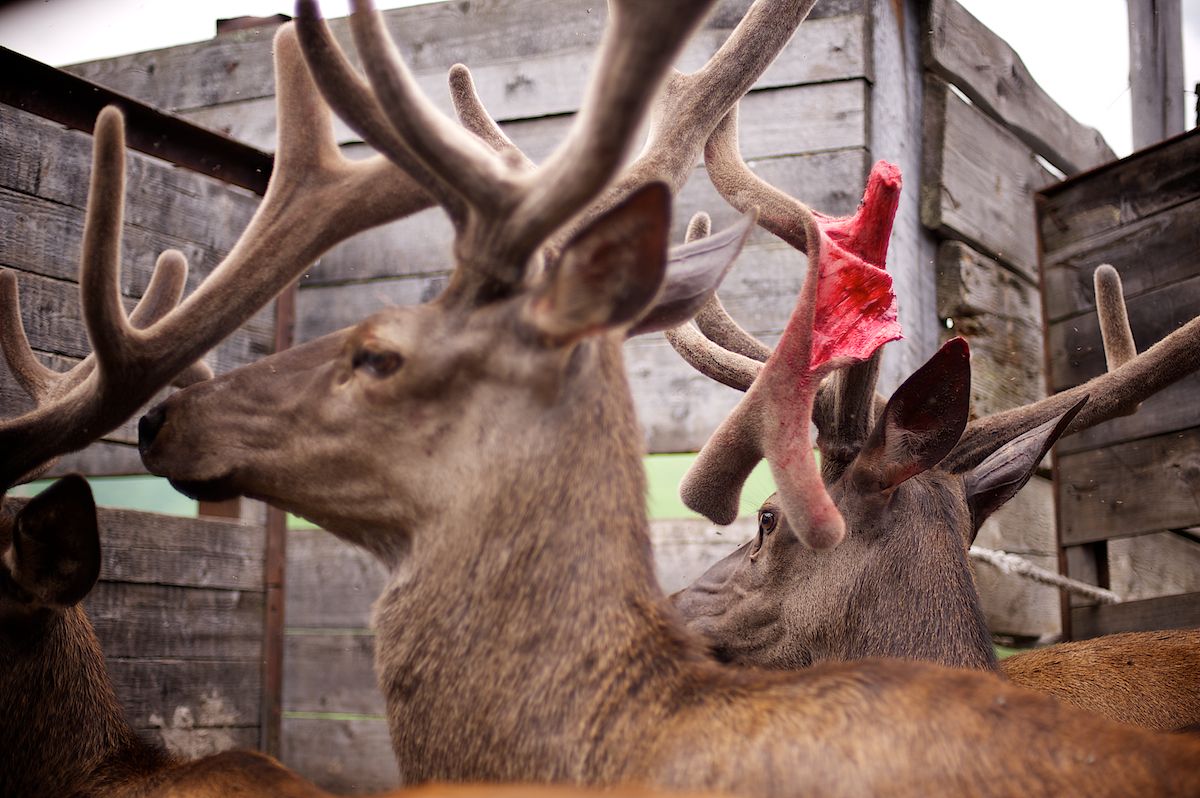
Sometimes, in the enclosure, deer injure each other’s antlers while competing.
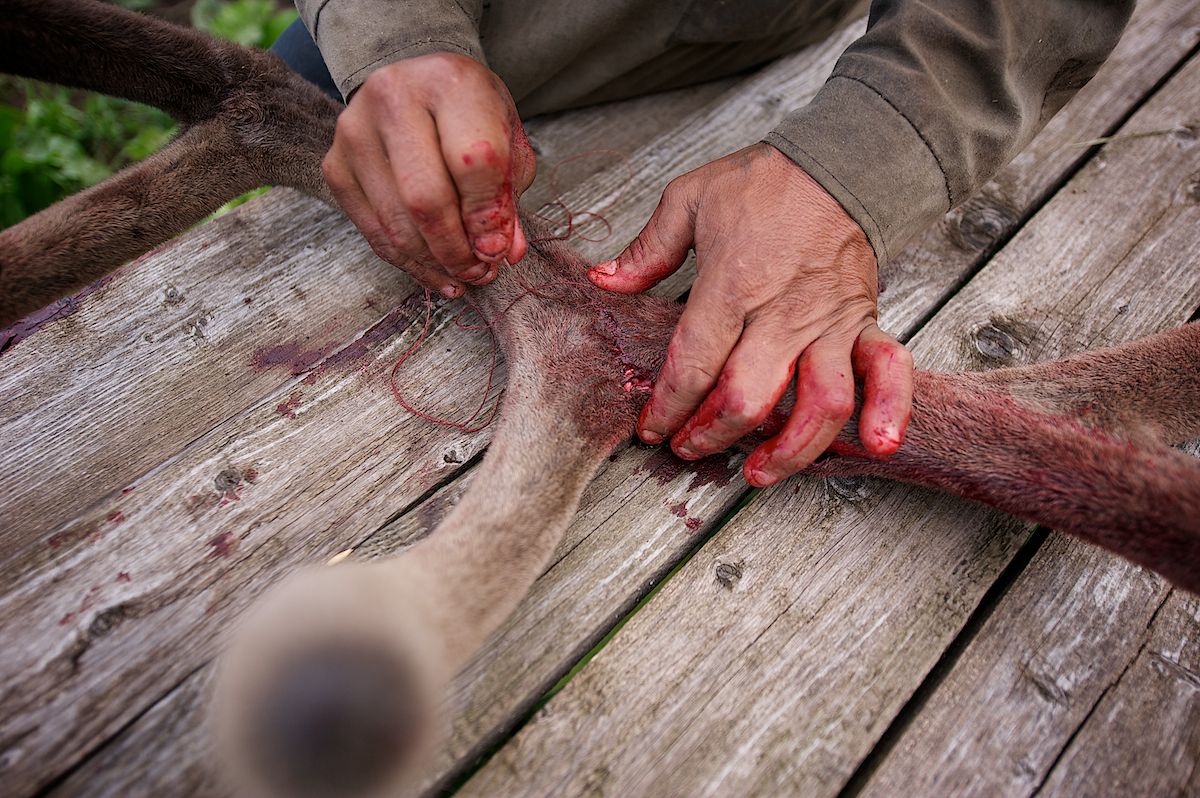
Broken antlers are collected and stitched. Such antlers are considered defective and sold at a discount. All antlers are exported to Korea. Kazakhstan hardly produces medicines from velvet antlers.
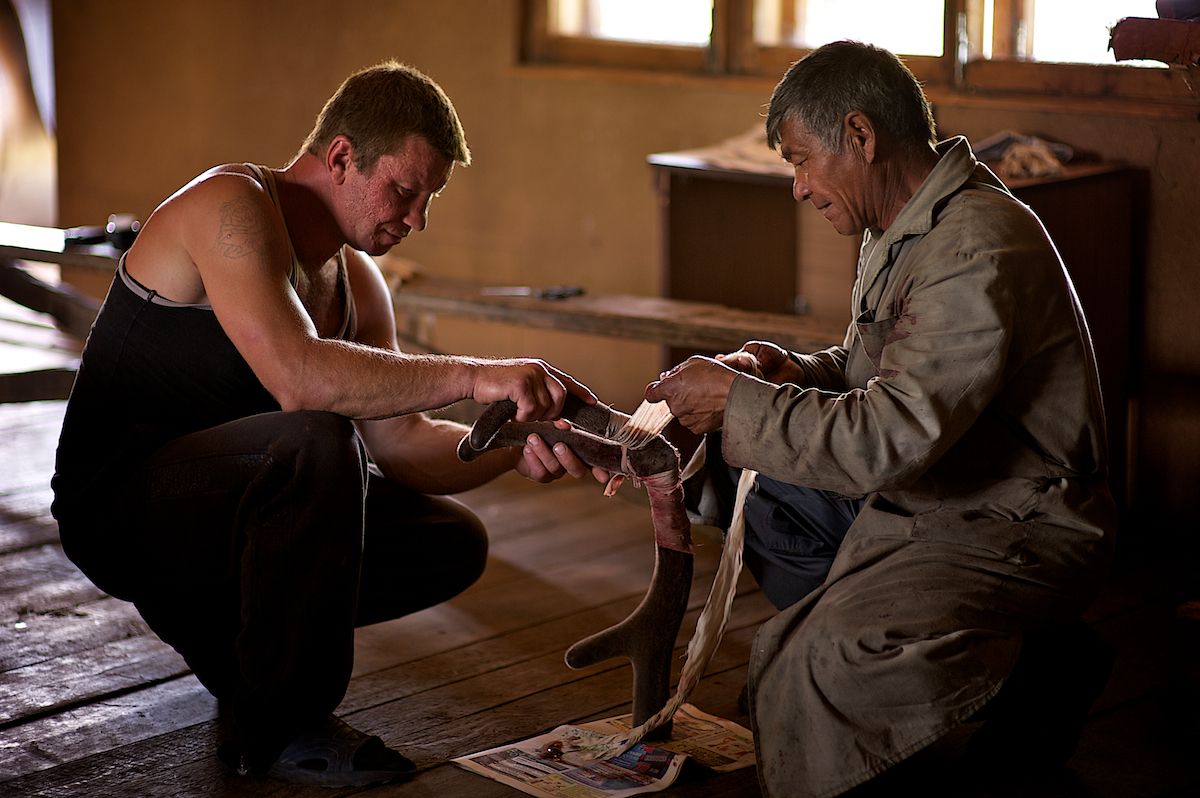
To grind antlers into powder, they need to be preserved. For this they are boiled, roasted, and dried for two months. Freshly cut antlers are wrapped in bandages before boiling to prevent the soft tip from bursting.

The water in the cauldron must reach the necessary temperature — about 85–100°C.
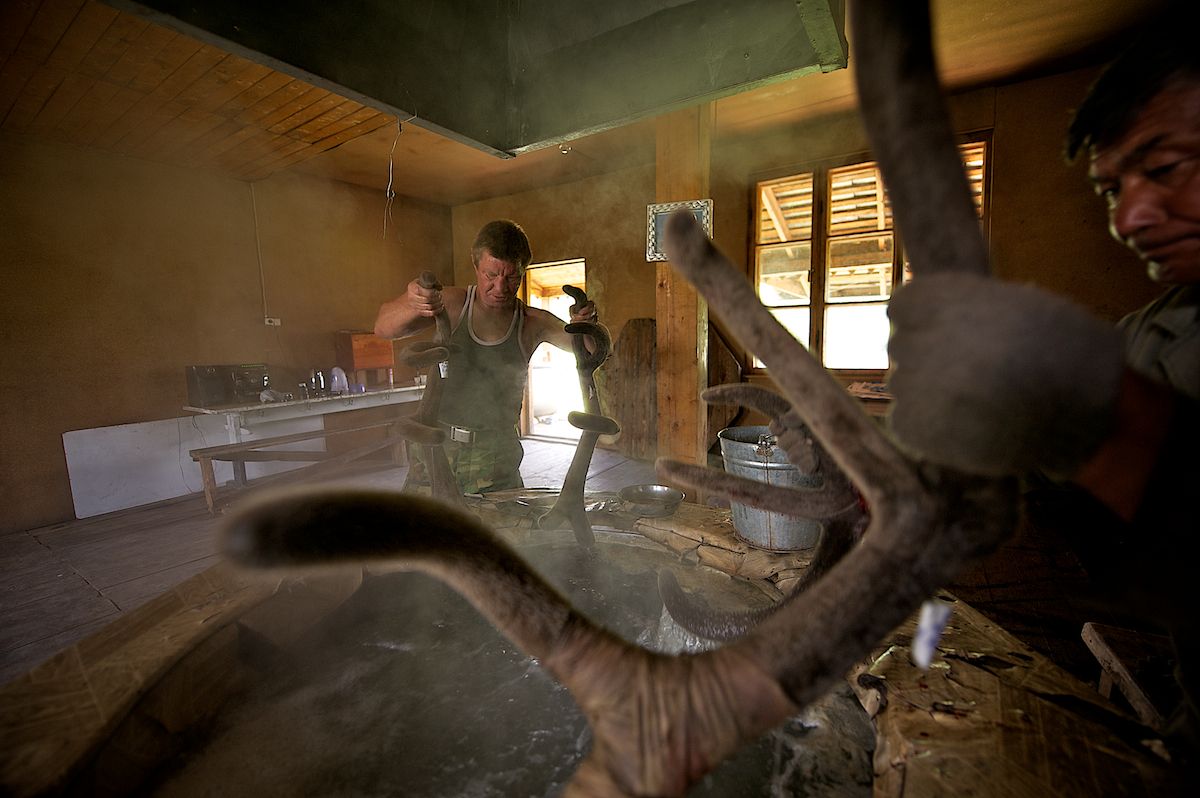
Antlers are boiled to preserve their beneficial properties and purify them. For three days, they are dipped into boiling water for one to two minutes, depending on their weight.
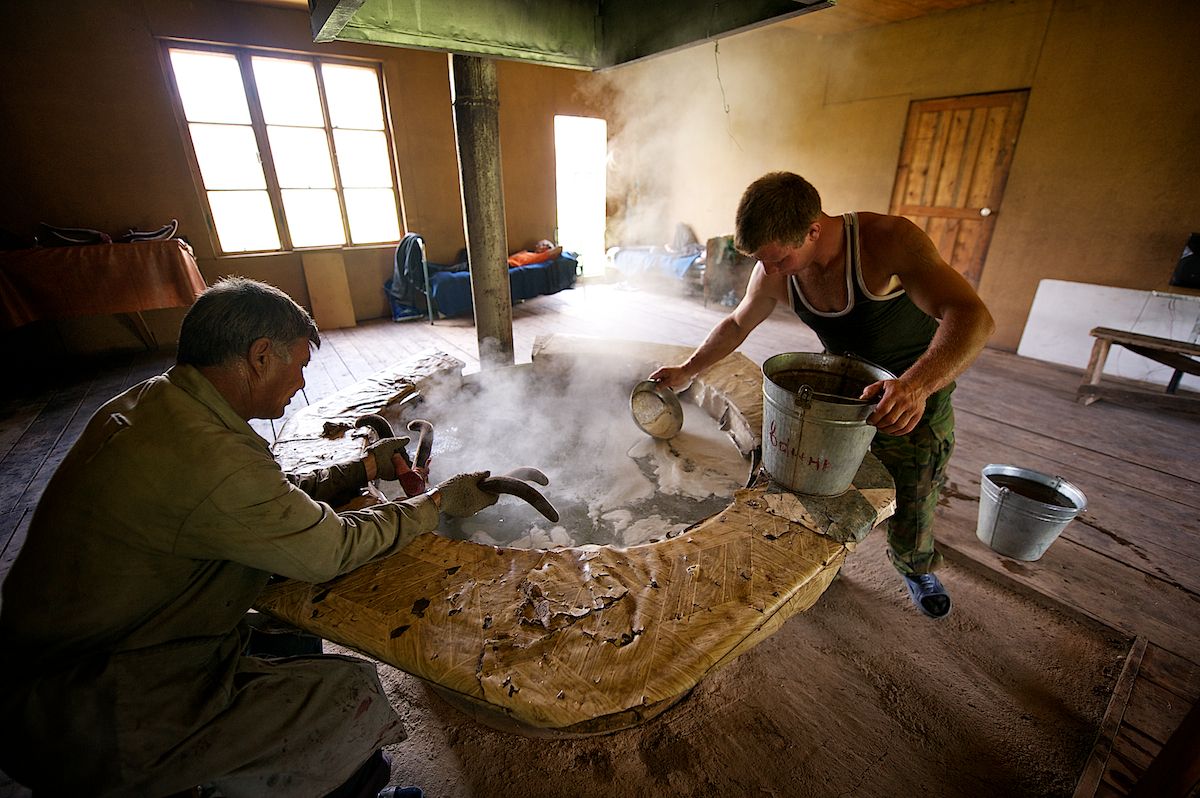
The antler is dipped until blood begins to appear on the cut. Then it is removed and dried.
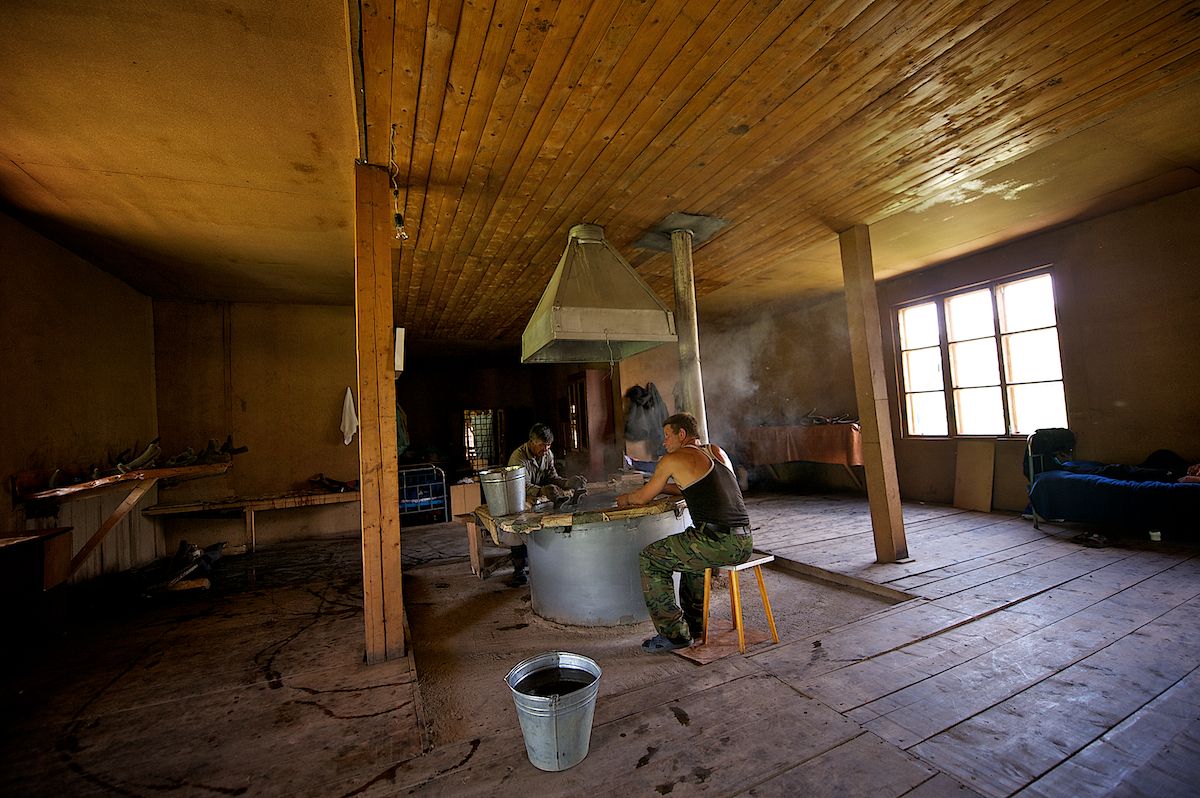
The cauldron holds 900 liters of water.
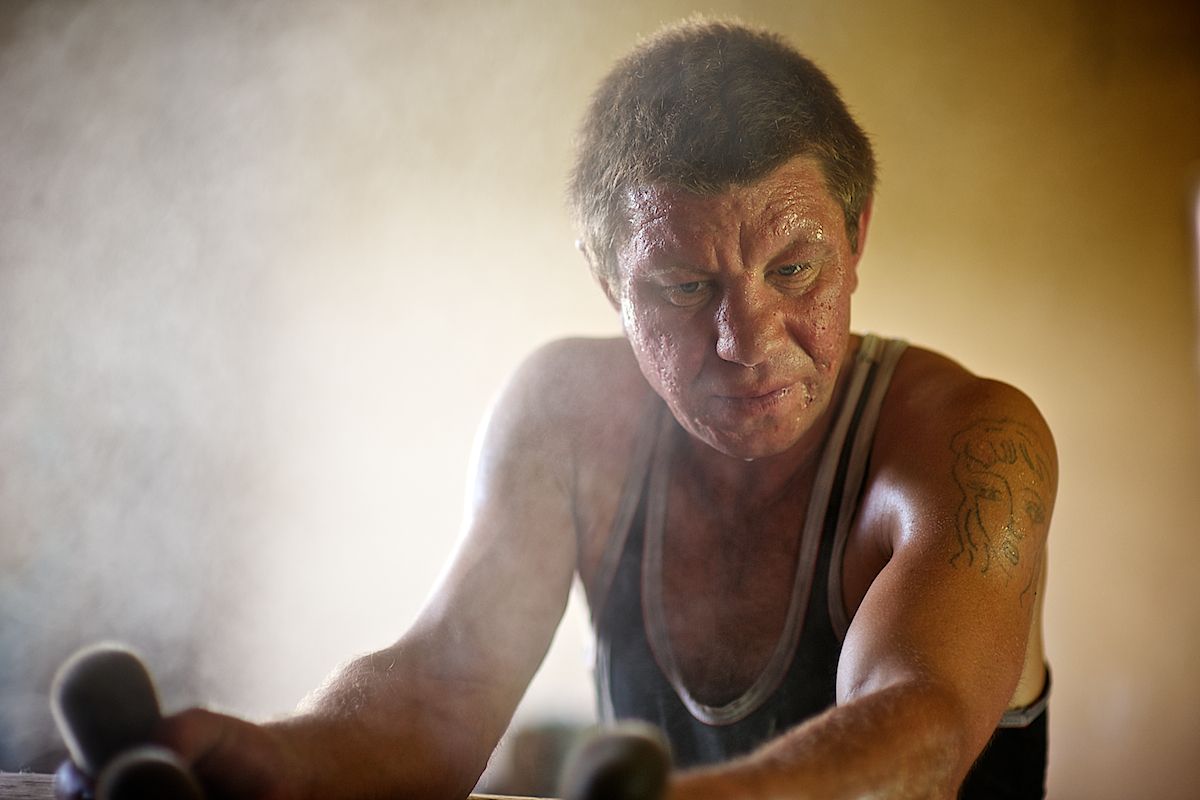
This entire procedure is done manually, under rising steam.
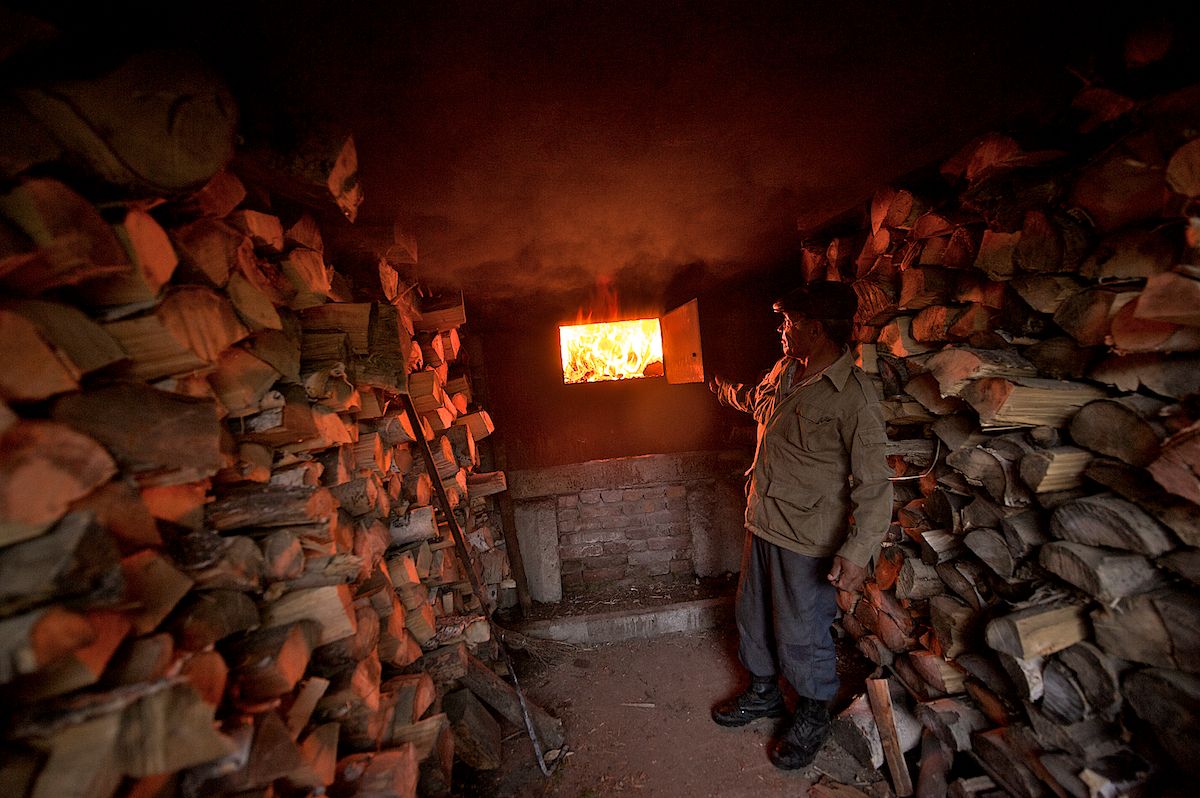
The temperature in the cauldron is kept constant.

Adalbergen is considered the chief specialist at the maral farm. He is an experienced antler processor with 15 years of experience, having lived and worked in the Katon-Karagai district all his life.
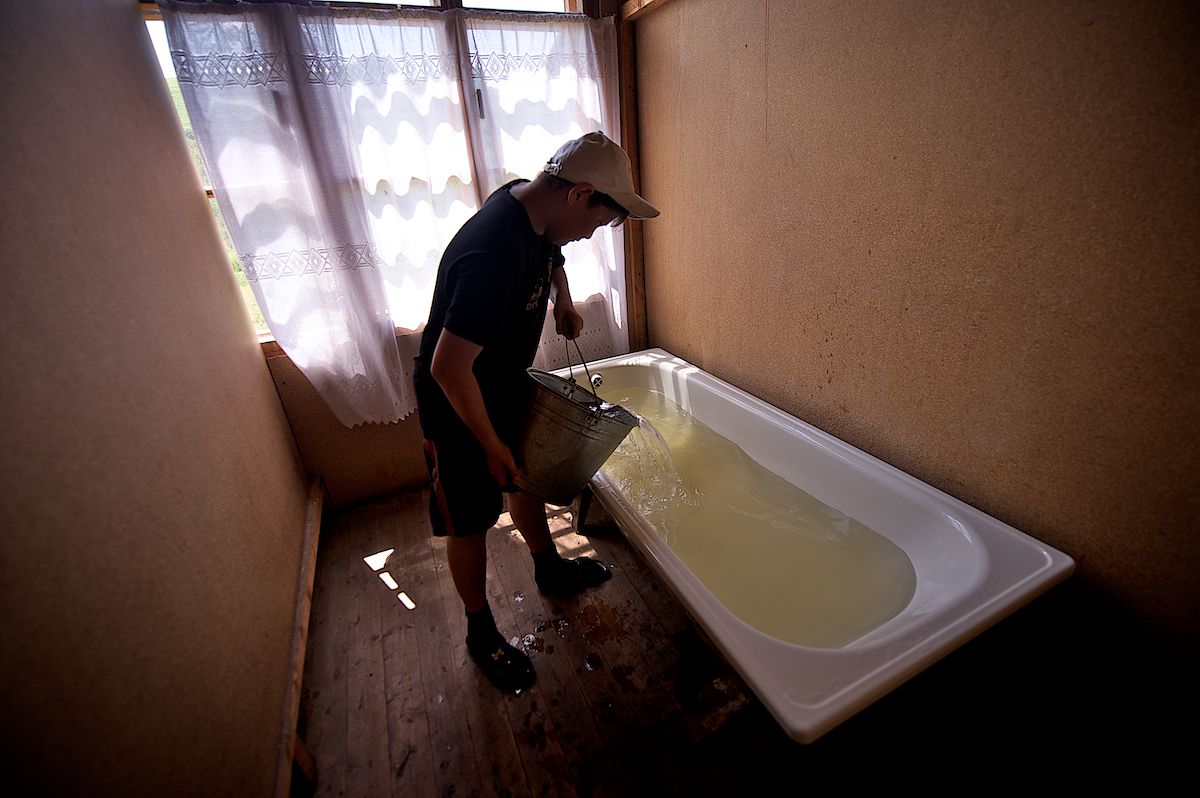
After boiling, a valuable liquid remains — the healing “sorpa,” also known as the antler bath. It is just as beneficial as medicine made from antlers.
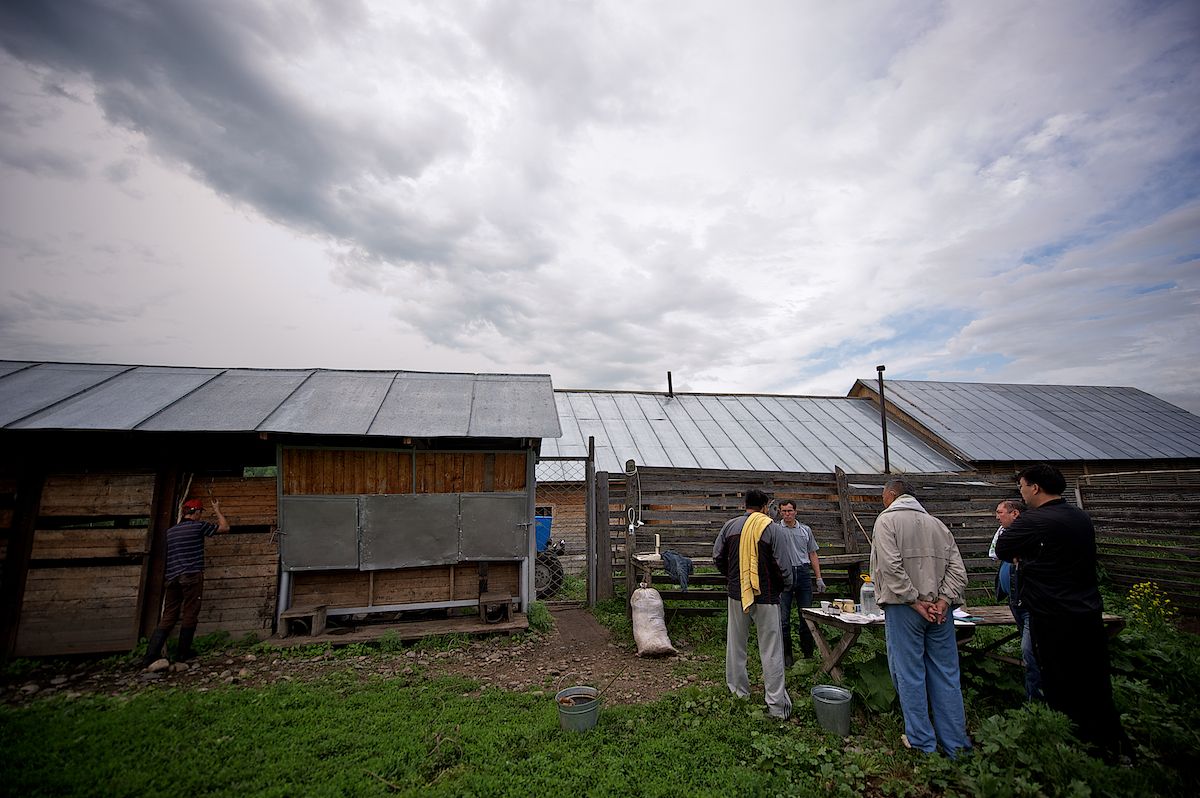
Guests relax after antler baths. However, the processing of antlers is not finished yet — they still have a long journey through roasting and drying before being exported to Korea.
The original version of this material was published on the Voxpopuli.kz portal (before its closure in 2023). Author Karlygash Nurzhan restored the text and photos from her personal archive to preserve documentary and historical materials.
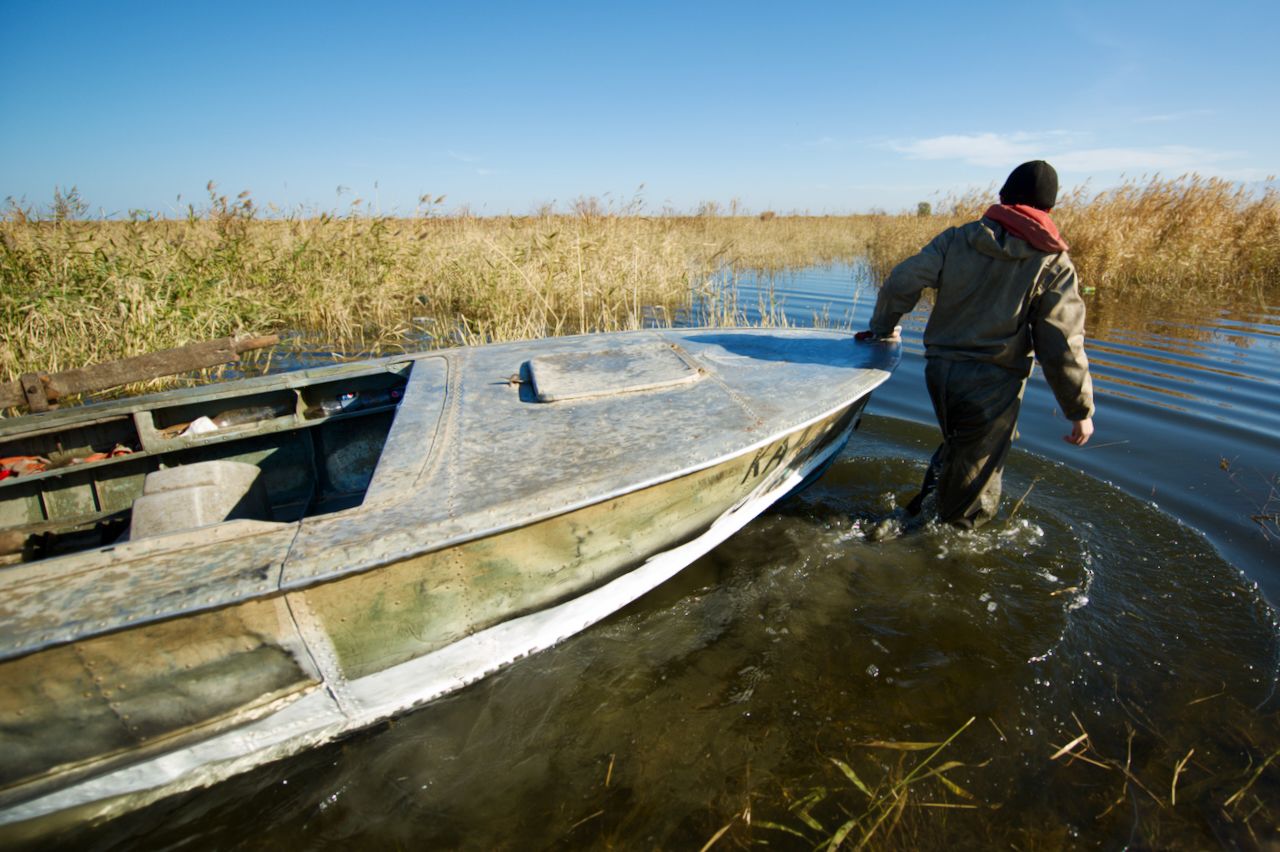
A documentary story of Koldy’s fishermen, their lives and traditions…Photo report by Karlygash Nurzhan for Shanger.kz
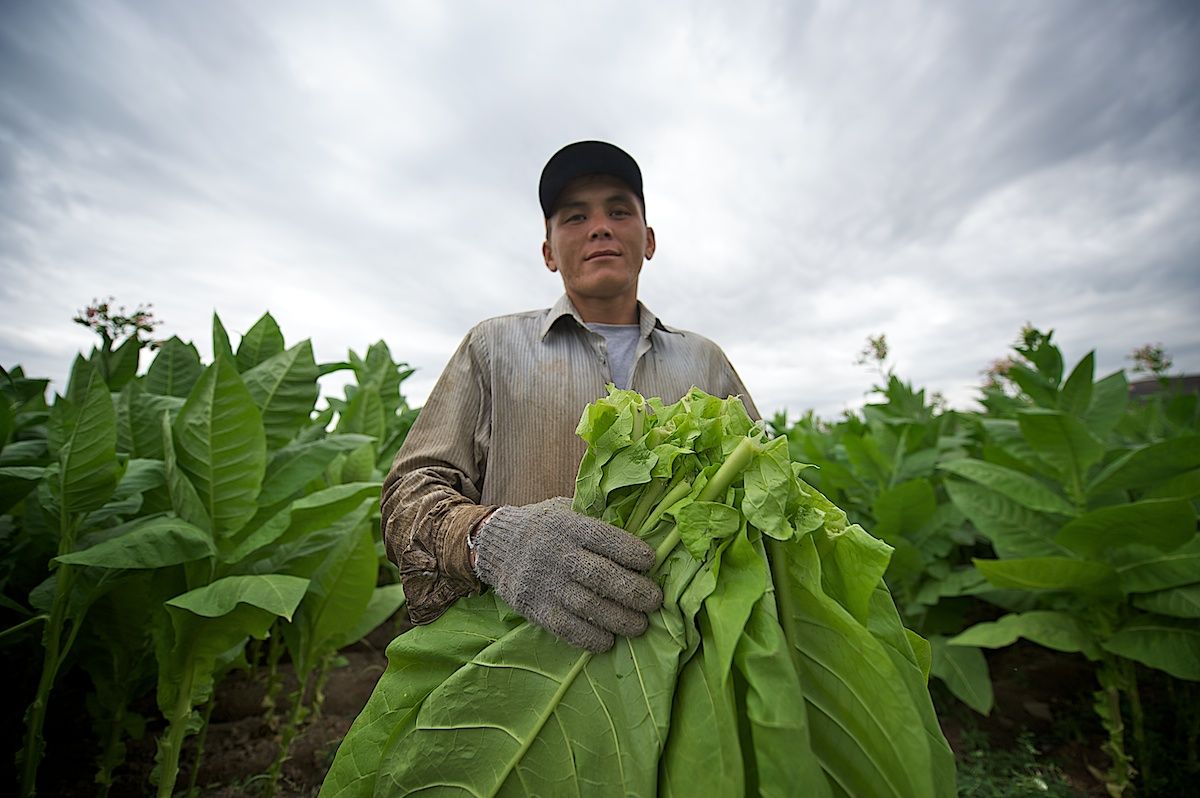
Выращивание табака в Алматинской области от посева и ухода за растениями до сушки листьев и подготовки урожая к переработке.
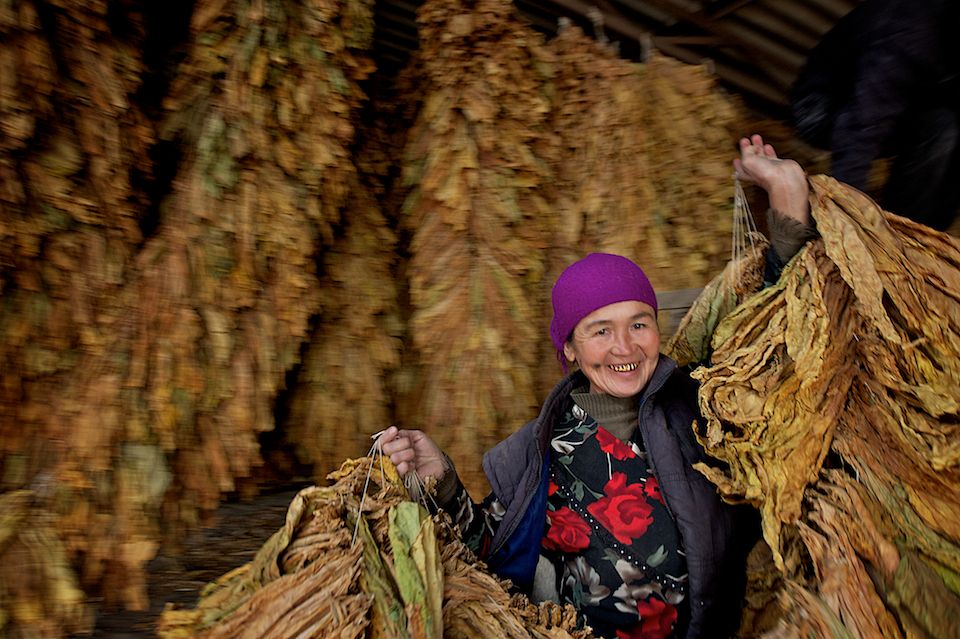
Второй этап табачного сезона в Казахстане — от сортировки и прессовки до сдачи урожая на пункт приёма компании «Филип Моррис»
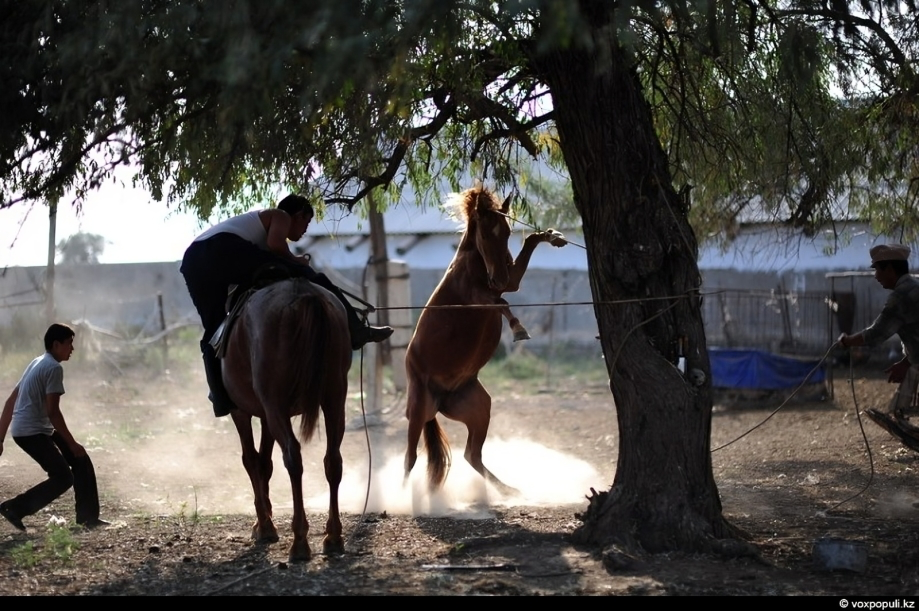
Kazakh sogym traditions: horse slaughter, kazy making, and ancestral food culture… Photo report by Karlygash Nurzhan for Shanger.kz
Comments
No comments yet. Be the first to comment!