The idea to create a story about inflight meals appeared in the newsroom in 2010. Negotiations with the Almaty airport lasted for a year, but obtaining access was not possible. Only three years later, with the support of Air Astana, we finally managed to visit two catering centers located in Aktobe and Baku.
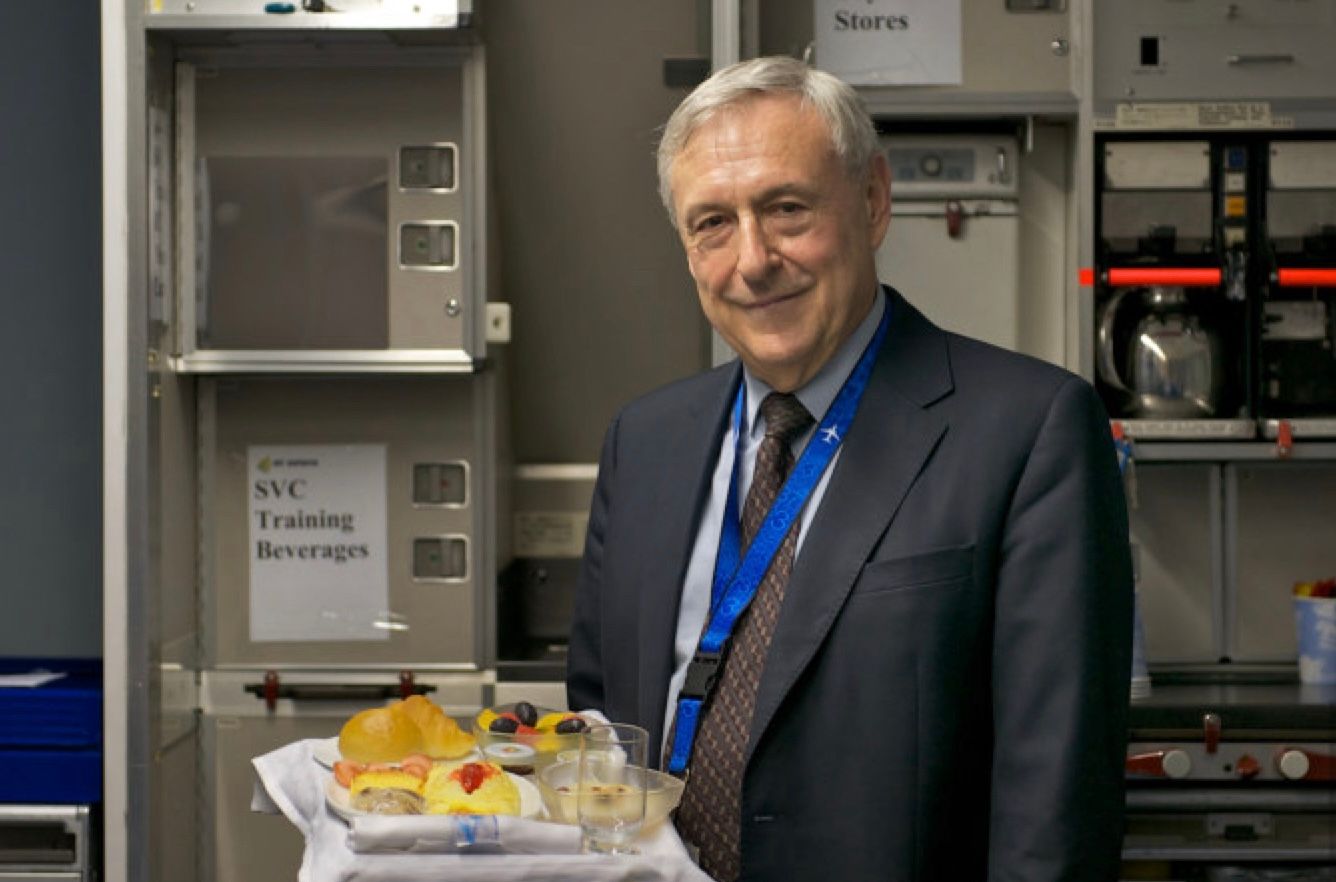
Before visiting the catering centers, VoxPopuli met with Fred Gorman, the manager of the inflight catering department, who is responsible for monitoring and developing Air Astana's onboard meals.
Until 2006 our menu was very modest and included only fish, beef and chicken. As an innovation we changed the approach to cooking, improved the quality and presentation of meals, expanded the assortment, introduced new technologies and Western food standards into Kazakhstan’s catering centers. We made the meals less caloric so that passengers would not feel heaviness or discomfort during the flight. In business class we offer white meat such as chicken or turkey. There is also beef, veal, lamb, and all types of seafood including lobster.
For economy class passengers we offer two hot dishes or sandwiches on short flights. All passengers can also request special meals in advance. These include dietary, vegetarian, children's and other menus. We have contracts with almost all cities to which we operate flights for preparing passenger meals. For example, meals for flights departing from Astana are prepared by the Astana catering unit, while meals for flights departing from Moscow are prepared by the Moscow unit. Partners strictly follow our recommendations and are fully responsible for the quality of meals. Every passenger complaint is investigated thoroughly so we can identify causes and prevent future incidents. In Kazakhstan our choice of fresh fruits and vegetables is limited and dependent on the season. In summer we use only local produce, while in other seasons we rely on imported items. We constantly have to find different solutions when working with local suppliers. There have been cases when suppliers said: "There are no tomatoes now." Although, to be honest, the situation has improved in recent years. As an international airline we take into account the taste preferences of passengers from different regions. Therefore Air Astana does not serve dishes that contain pork or horse meat. On flights to India we load mostly vegetarian meals instead of beef.
Employees of Kazakhstan’s catering facilities had no experience working according to European standards. Most of the women who cooked the meals had no professional culinary education. To change this, the head chef and I visited each facility, stood beside the staff, and taught them how to cook. We demonstrated how to properly cut meat, prepare vegetables, make side dishes and pastries.
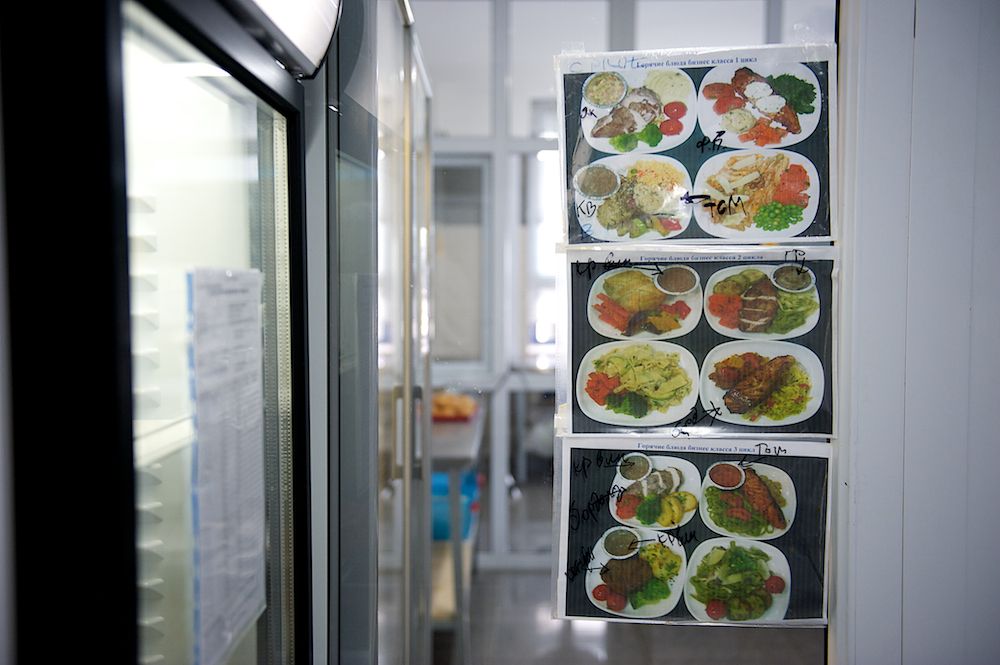
We provided the cooks with recipes and photographs of every dish. Today the process of preparing meals is strictly controlled to ensure full compliance with all norms and requirements, and we continue working to further improve quality. There are six catering centers in Kazakhstan: Astana, Almaty, Aktau, Atyrau, Aktobe and Karaganda. The catering center located at Aktobe airport has grown over the years from a small café into a full-scale inflight meal production facility.
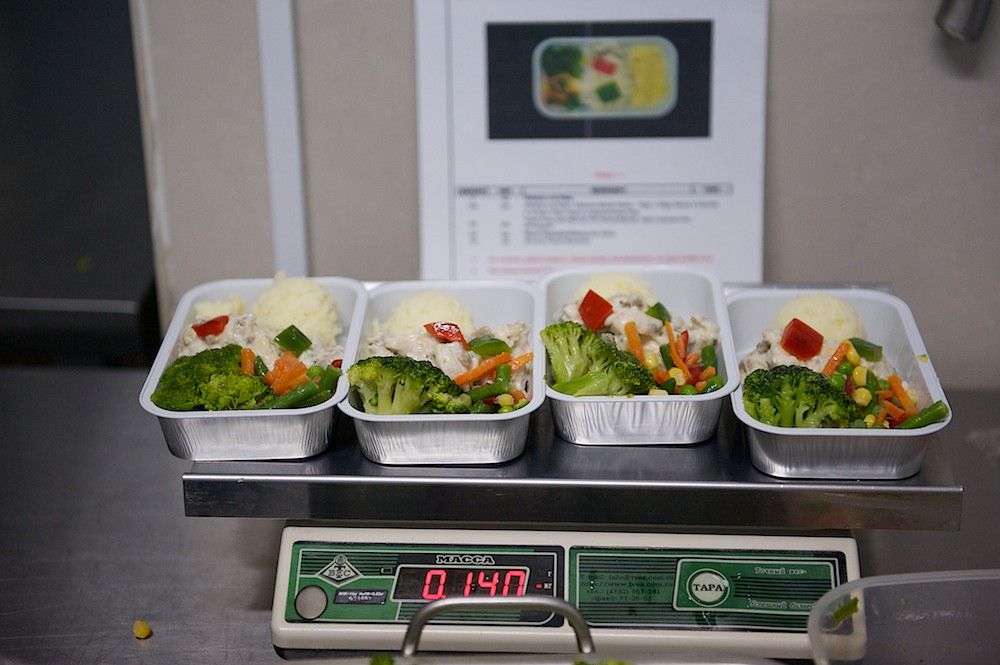
The catering center in Aktobe immediately agreed to the proposal to create a report about inflight meals. A significant contribution to the development of the Aktobe inflight catering facility was made by Air Astana’s head chef Hubert Francis. Work in the facility begins at eight in the morning. For each flight approximately six to seven meal types are prepared: two options for economy class, two options for business class, a meal for the captain, a meal for the first officer, meals for flight attendants and a special menu requested by passengers. Special meals are ordered rarely, and when an order arrives, it is usually no more than one or two portions per entire flight.
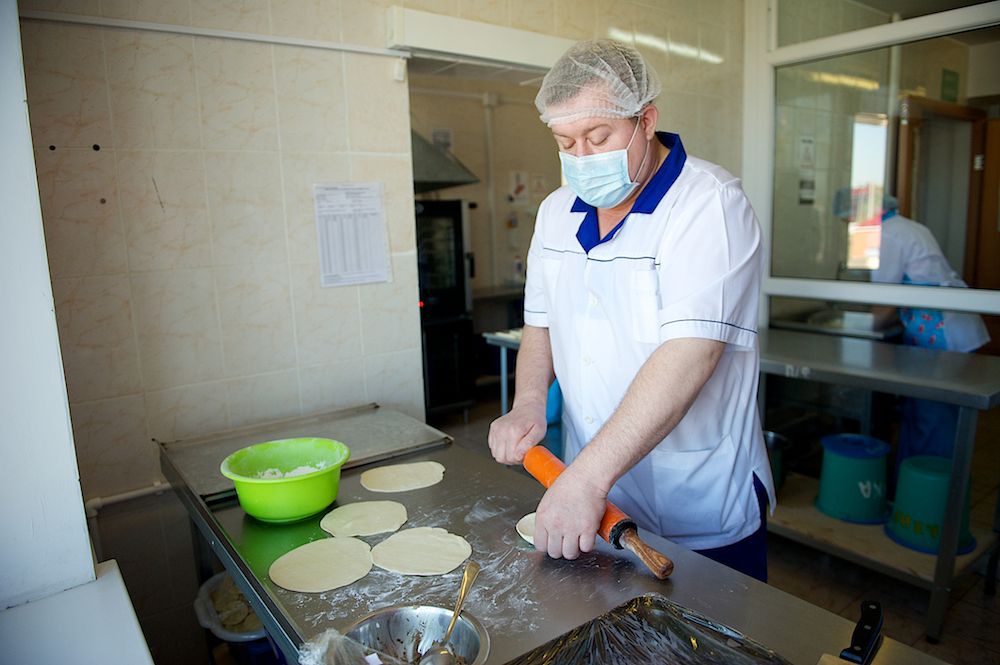
Chef Valera is responsible for preparing meals for business class passengers, pilots and flight attendants. Despite compliance with safety regulations, the risk of food poisoning still exists and therefore each airline requires its pilots to eat different dishes. This reduces the risk of both pilots being poisoned at the same time.
For the pilots I cook beef and chicken, Valera explains.
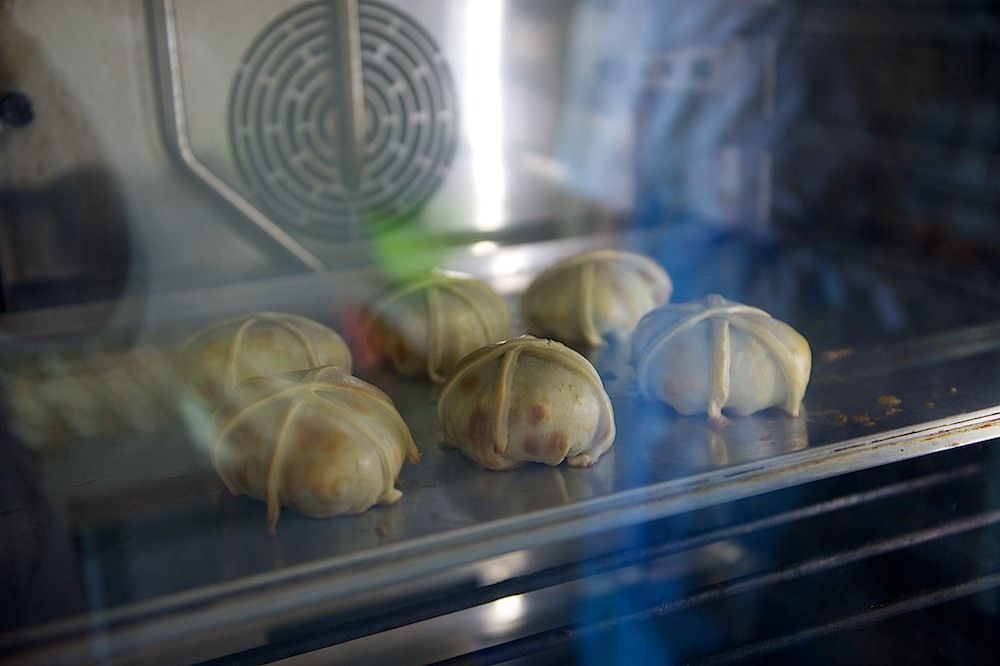
A dish called Wellington is a beef steak wrapped in puff pastry with mushrooms. Today there are four flights, and in some flights there are not two but three pilots, therefore one or two extra portions must always be reserved.
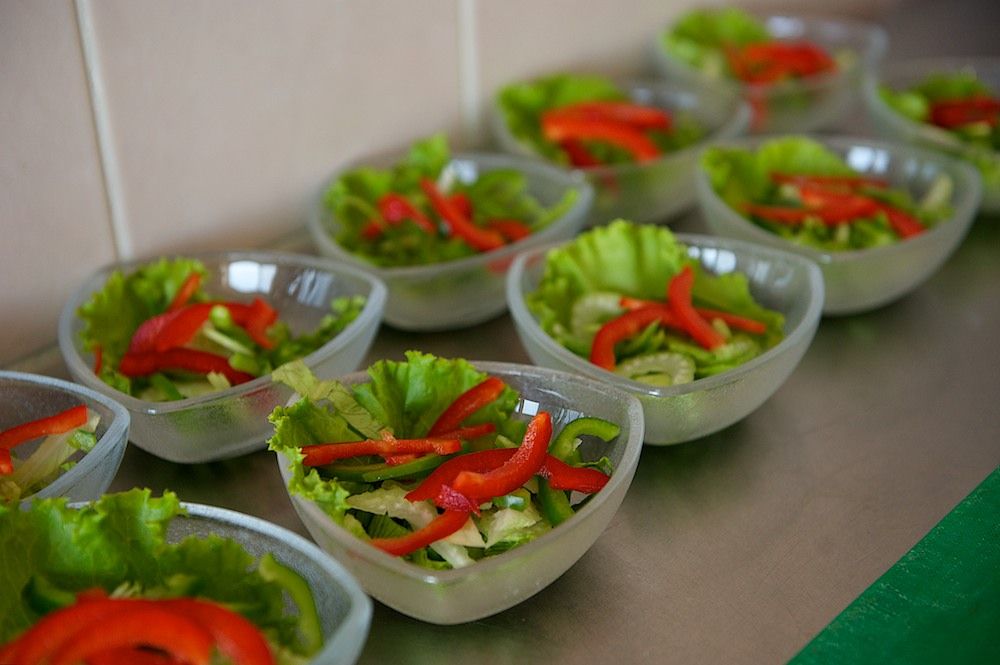
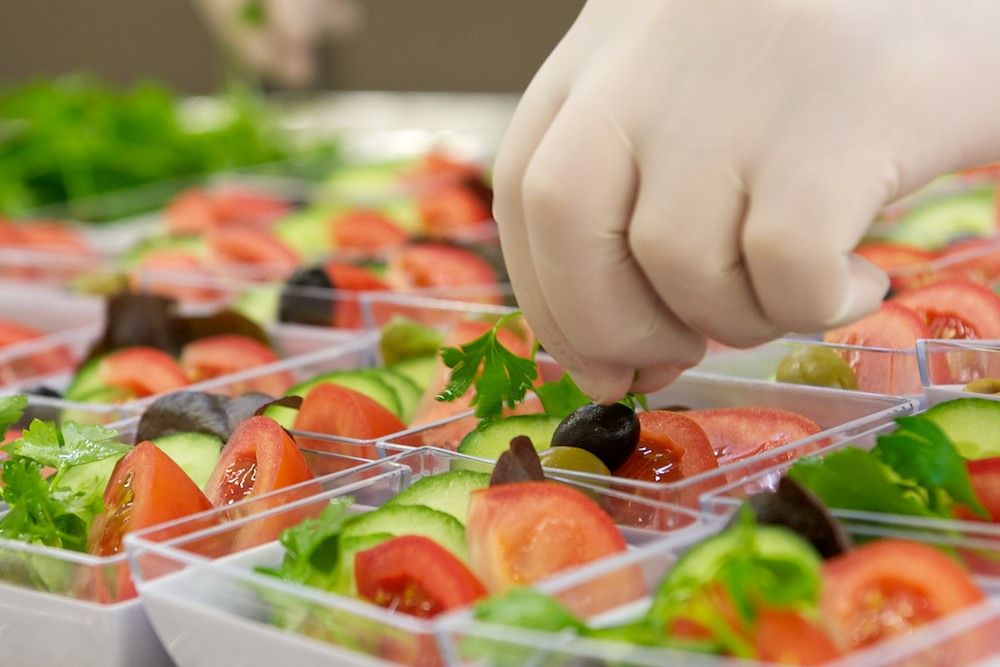
A business class salad includes whole and chopped lettuce leaves, celery, red and green bell peppers, cucumbers and tomatoes.
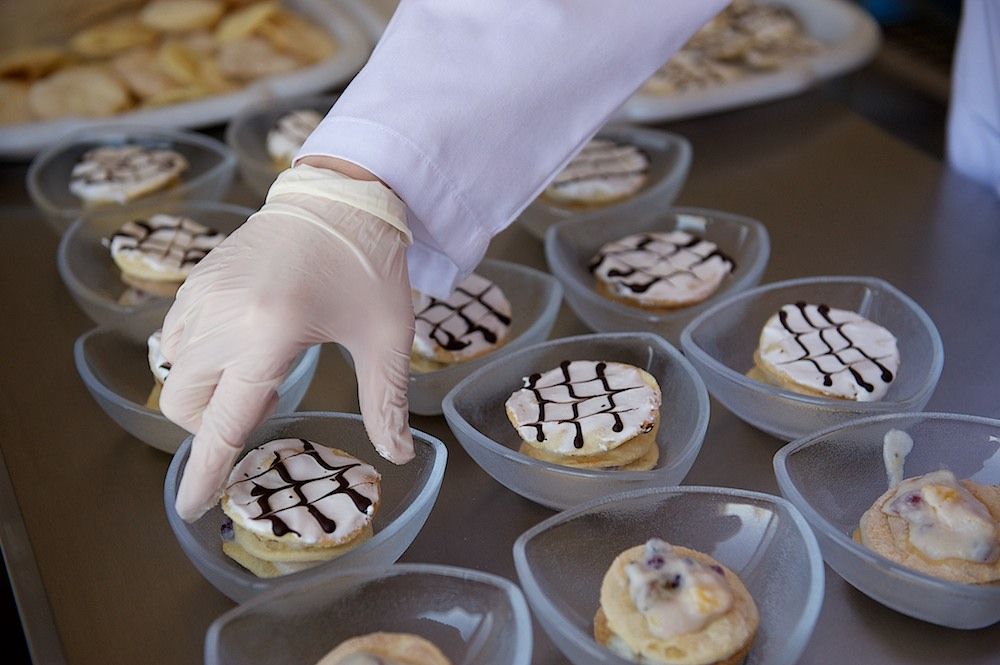
Desserts prepared for business class passengers.
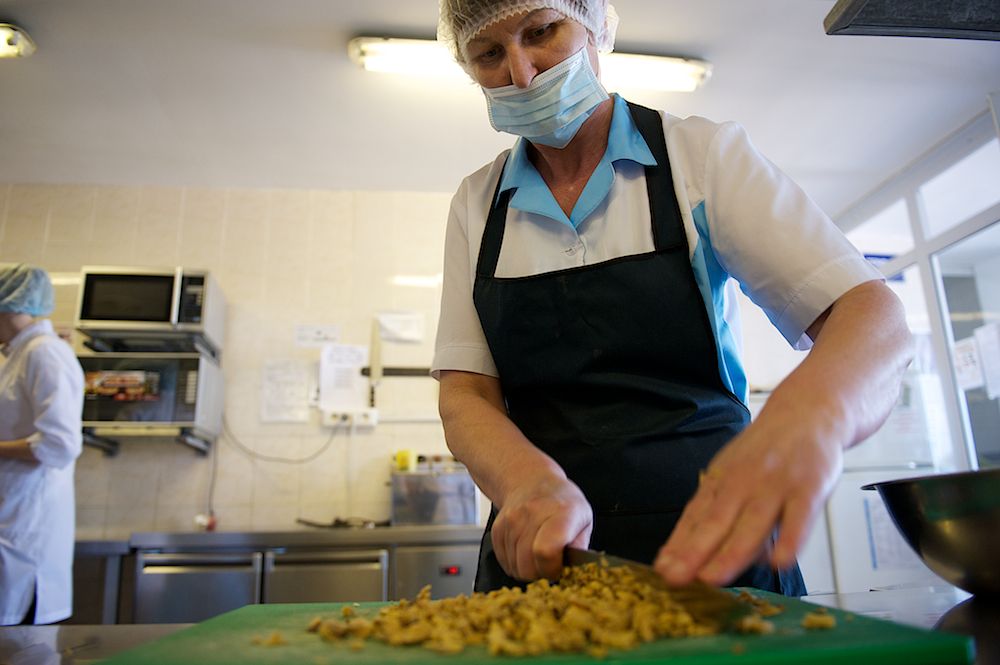
Head chef Tatyana not only oversees the entire inflight catering process but is also fully responsible for preparing meals for economy class.
The Aktobe Almaty flight departs at 12:50 and to prepare the meals on time I arrive at four in the morning, says Tatyana. One flight requires 140 to 147 portions and up to seven kilograms of beef and chicken are cut daily. Besides Air Astana, we also serve two other airlines: SCAT and the Russian airline RusLine. There are few flights, but this has its advantages. Meal preparation does not turn into conveyor work, we have the opportunity to devote more attention to each dish and work with care.
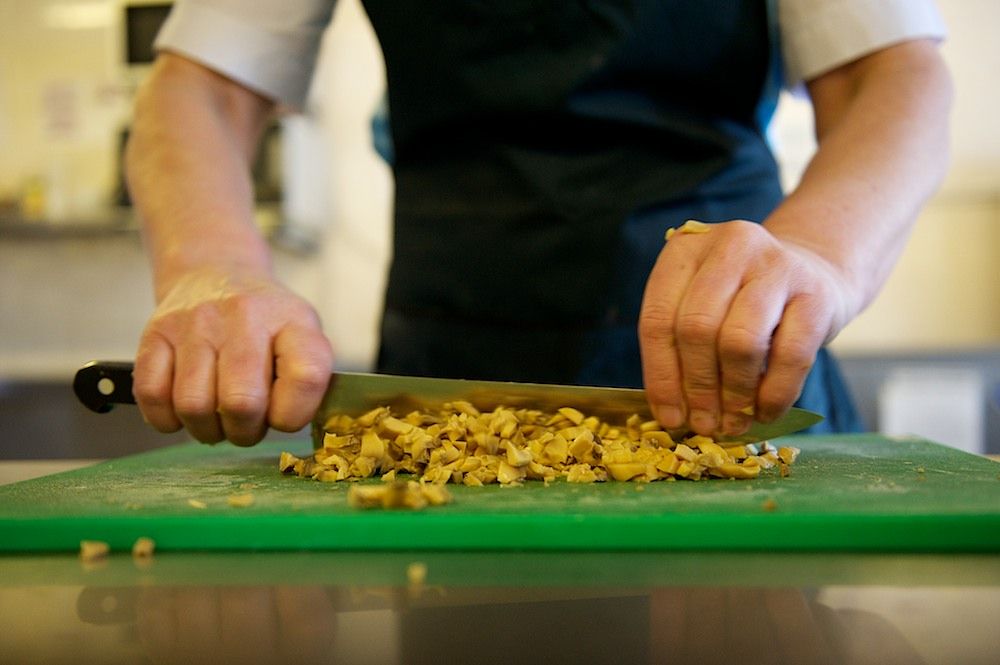
During raw preparation and cutting, gloves are not used to avoid pieces of rubber accidentally entering the food. Gloves are used only during service and when handling ready-to-eat items.
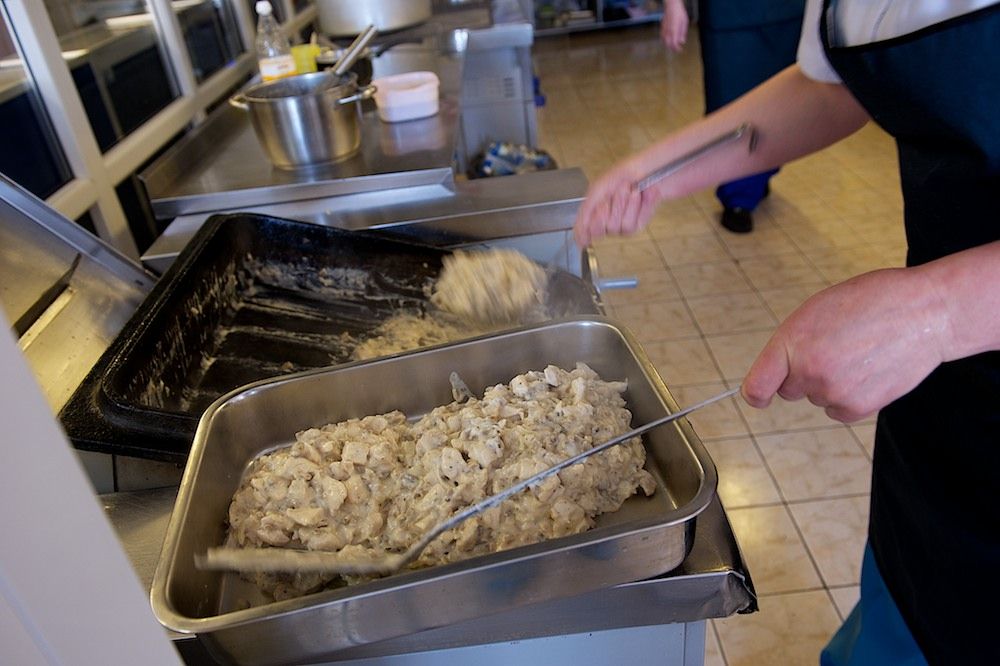
A dish called Provencal is prepared from chicken. A frying pan is heated, and chicken meat is fried in one-kilogram portions. Separately onions and mushrooms are sautéed, and at the end the chicken is mixed with the onions, mushrooms, spices and Bechamel sauce. After cooking the chicken meat is rapidly cooled in a special refrigeration chamber and within fifteen minutes its temperature drops from 65 °C to 5 °C. Beef is cooked similarly, but instead of Bechamel, Demiglace sauce is used. Passengers prefer beef dishes. If 50 portions are prepared, 27 of them will be beef and 23 chicken. Since the company was founded, pork has never been used in the menu.
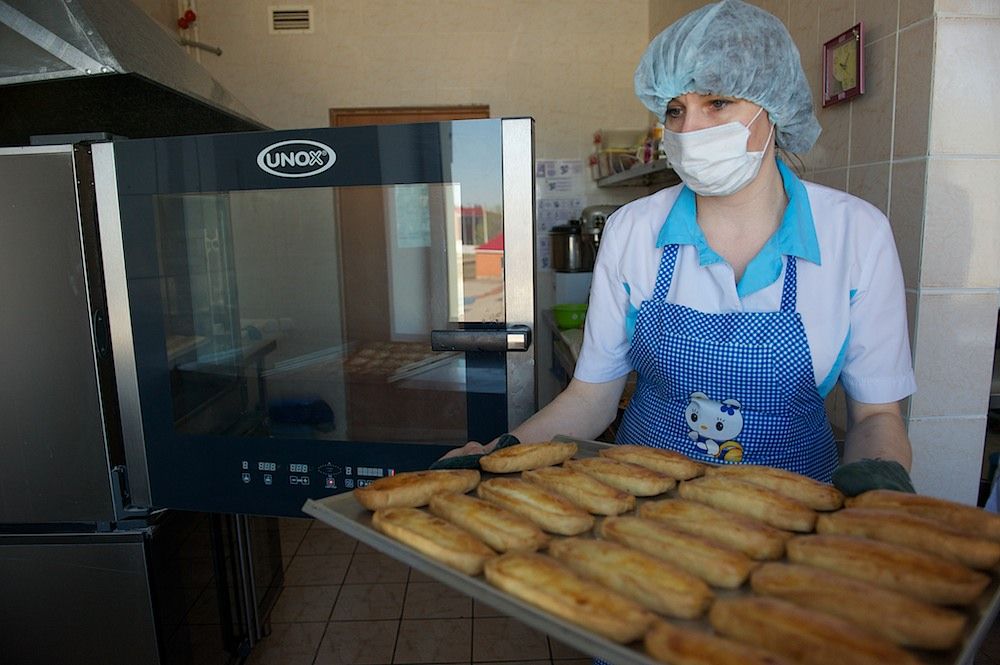
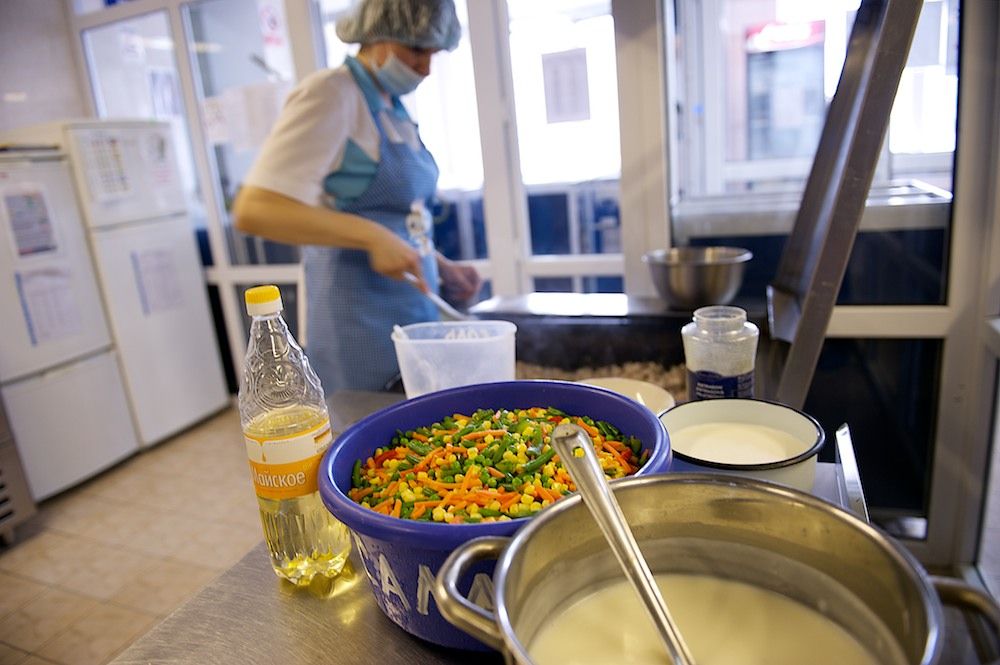
For short flights the airline offers cold snacks in the form of sandwiches. The sandwiches for the Aktobe Astana flight are filled with chicken and Mexican vegetables. In each city the filling differs: for example, in Astana the filling may be fish or chicken with regular vegetables and spices. At the request of passengers, curry was recently removed from the chicken filling, and the fish filling, which passengers also do not favor, will soon be replaced. The puff pastry for sandwiches consists of margarine, citric acid, salt, eggs, flour and water. The baking time of sandwiches in the oven is only thirty minutes.
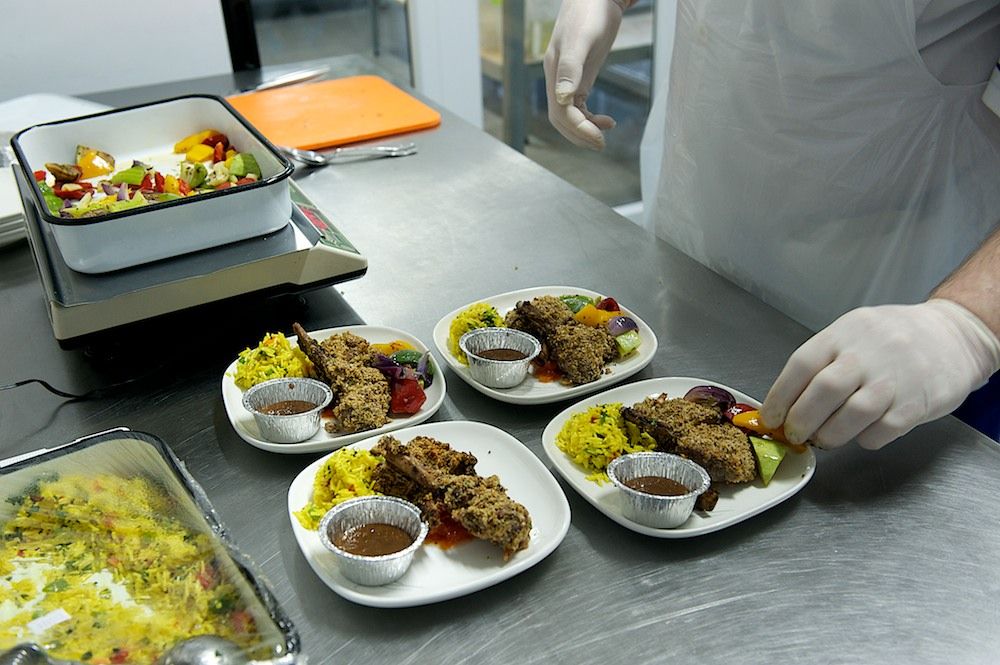
In the hot meal portioning facility food is divided in a room with a temperature not exceeding 16 °C, on tables with cooled working surfaces. Manual portioning and plating are performed in disposable rubber gloves. Meals are arranged according to a visual template, and the weight and appearance of every cassalette and every business class dish are monitored. The inflight menu is updated seasonally every three months. Garnishes, salads or sandwich fillings are changed. Each seasonal menu includes three cycles of meal variations, which rotate every ten days. Each airline has its own branded containers for hot meals called cassalettes. Air Astana cassalettes cannot be confused with others. One cassalette must contain 120 grams of meat, 60 grams of garnish, 30 grams of broccoli and 30 grams of vegetable mix, making a total of 240 grams. After portioning, the meals are placed in a refrigeration chamber until they are loaded into trolleys.
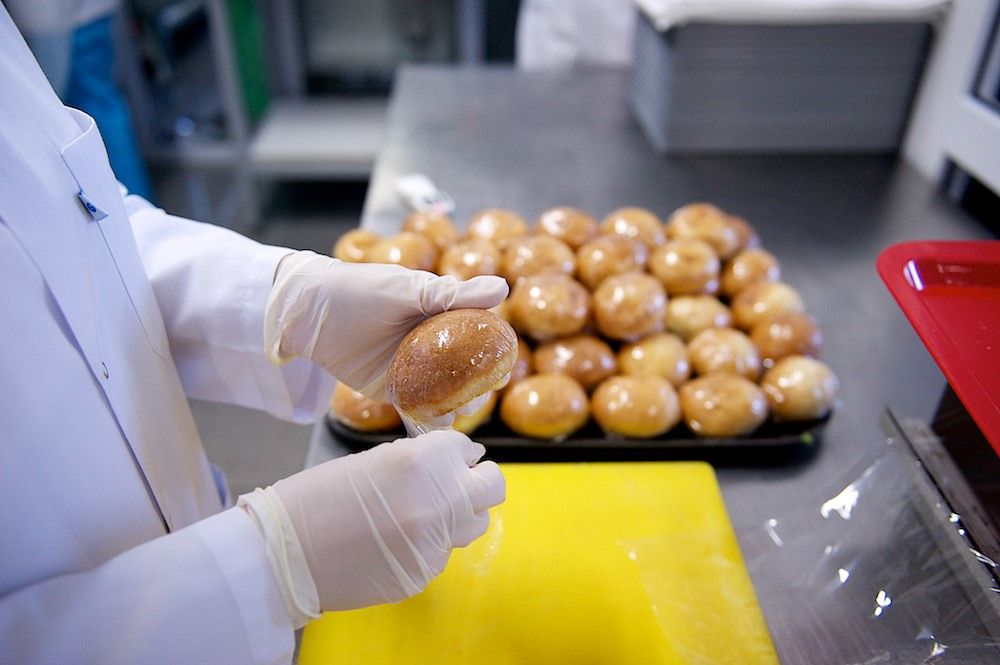
In the room next to the hot and cold food preparation areas, buns and sandwiches are packed. About 200 buns are wrapped each day.
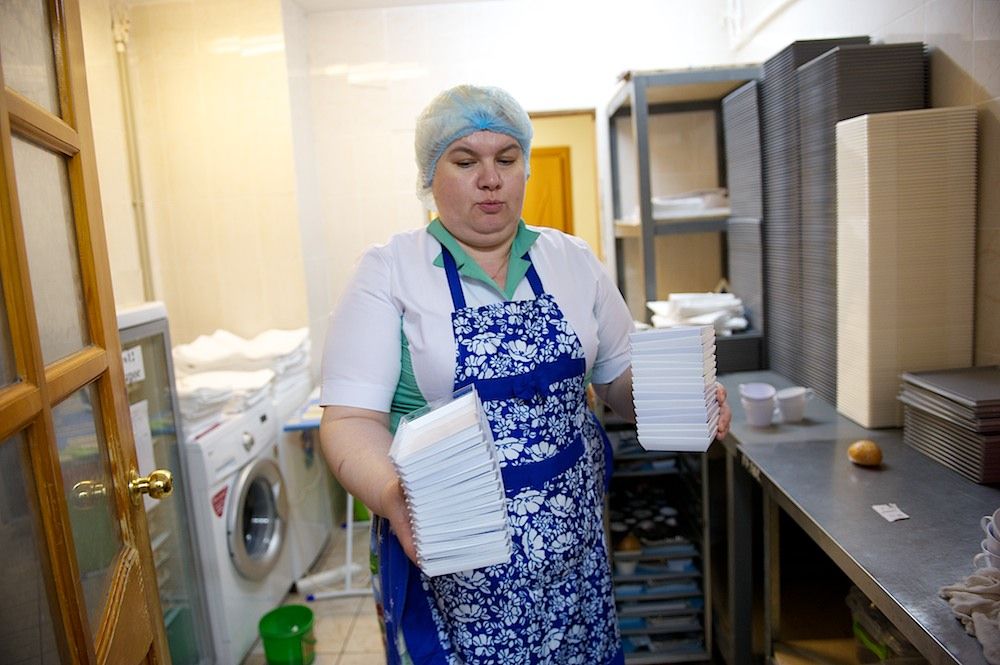
While the food is being prepared, the dishwashing section cleans the inflight tableware. All dishes from an arriving flight are cleaned of food residues, washed in a dishwasher and dried. Business class napkins are washed and ironed. Napkins with stains that cannot be removed are returned to the company. Stains vary; some passengers wipe tables with them, some even wipe their shoes, yet business class always has clean, white, neatly ironed napkins.
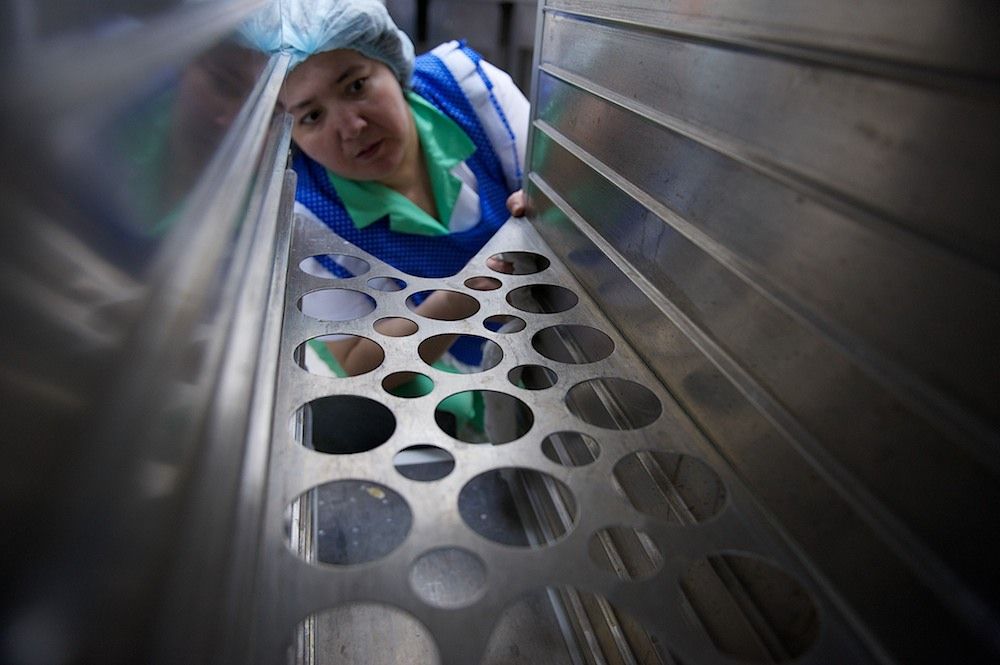
The inflight catering trolleys are also cleaned.
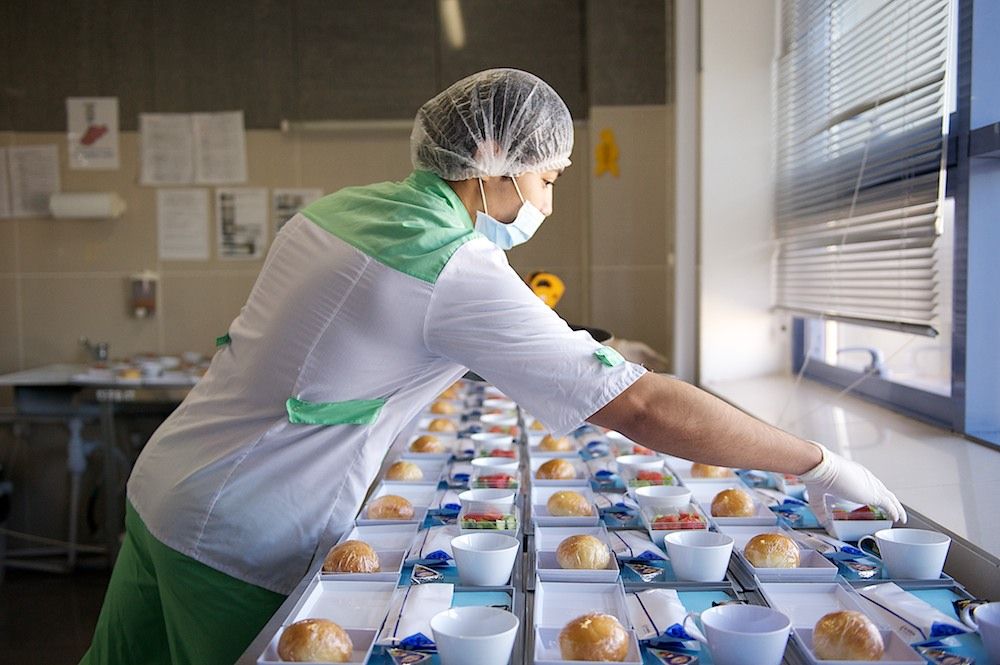
In the cold food preparation area, meals are arranged on trays according to established directives. Proper placement is required and chocolate must be changed in every cycle.
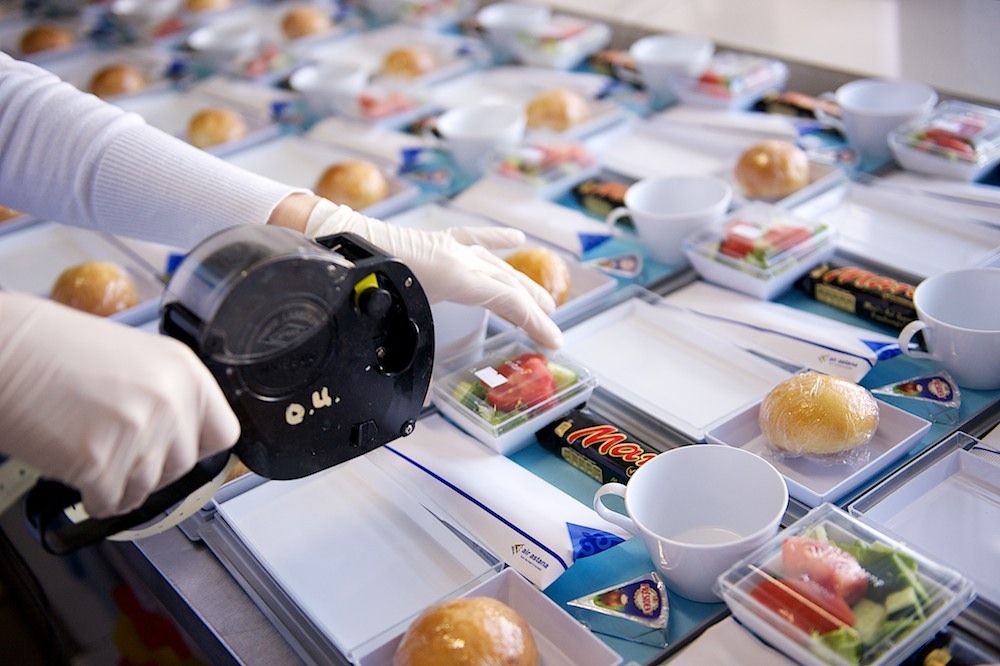
The prepared meals are labeled with the date and time of preparation. Three hours before departure, the trays are loaded into trolleys and placed in the refrigerator, where they remain with open doors until they are delivered to the aircraft.
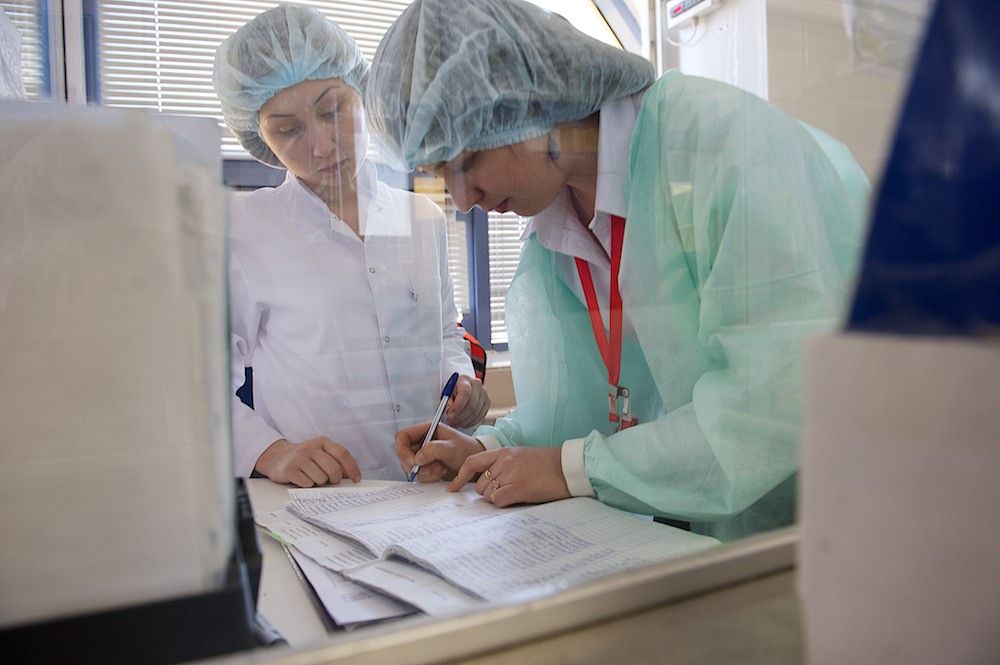
Before each dispatch of meals to a flight, a SAB employee inspects the trolleys for any foreign objects.
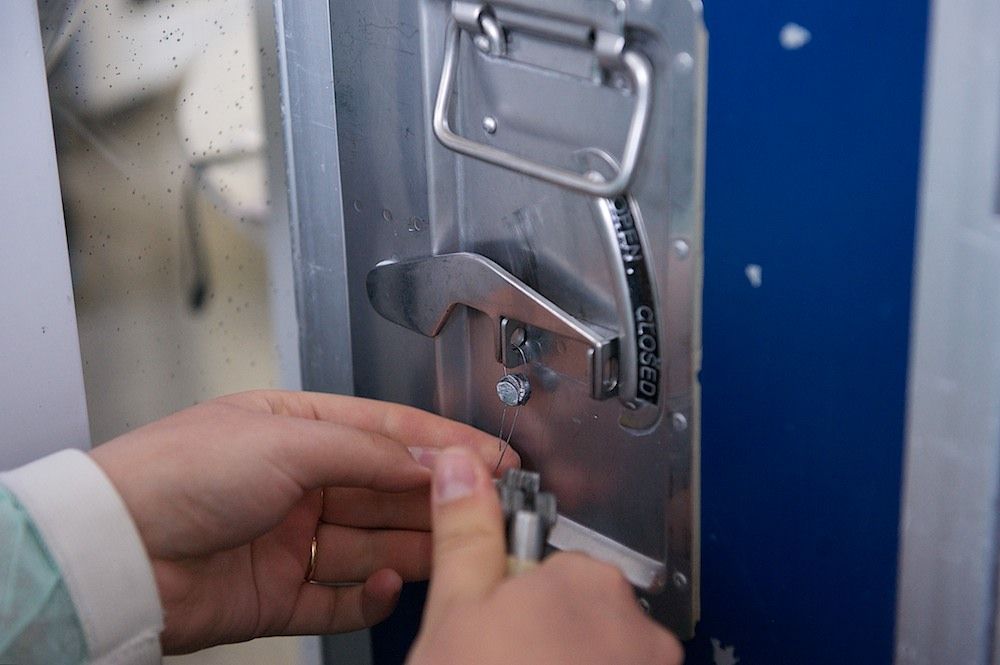
Only after this are all trolleys sealed and labeled with complete information: the name of the kitchen, flight number, date, departure time and expiry date. These labels are kept until the end of the flight.
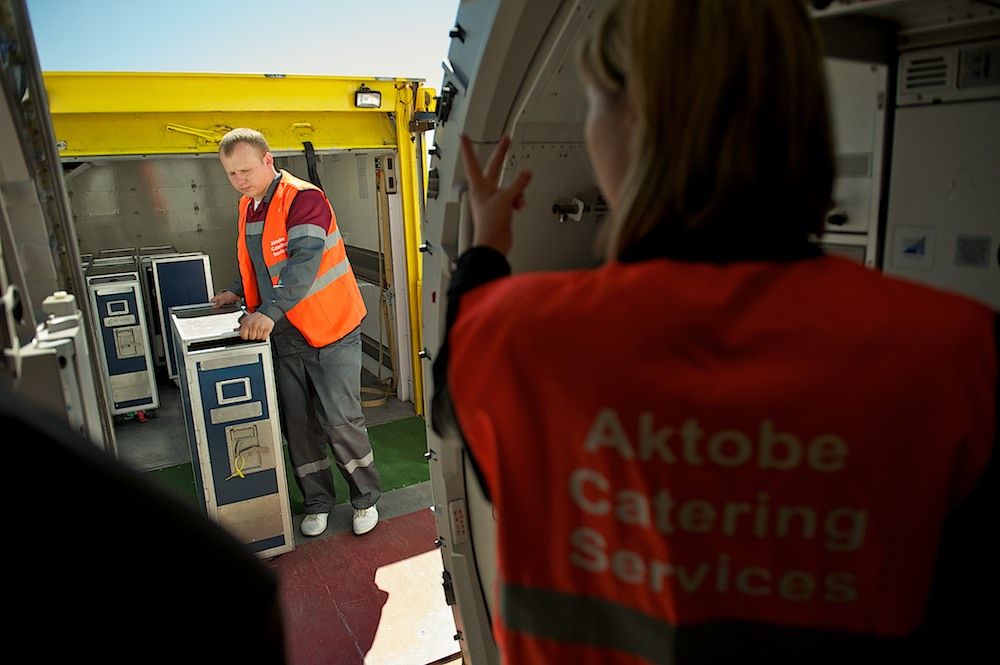
The assembled inflight meals are transported to the aircraft in refrigerated vehicles. If the food has already been taken out of the catering chamber for loading and a long delay is announced, all meals are discarded, and the airline orders new meals from the catering center. If a delay is announced but the food has not yet been removed from the catering chamber, it can be stored for another three hours in refrigeration units. Flight attendants check the integrity of seals, the accuracy of labels and the expiration dates of meals. The cassalettes are heated in special electric ovens.
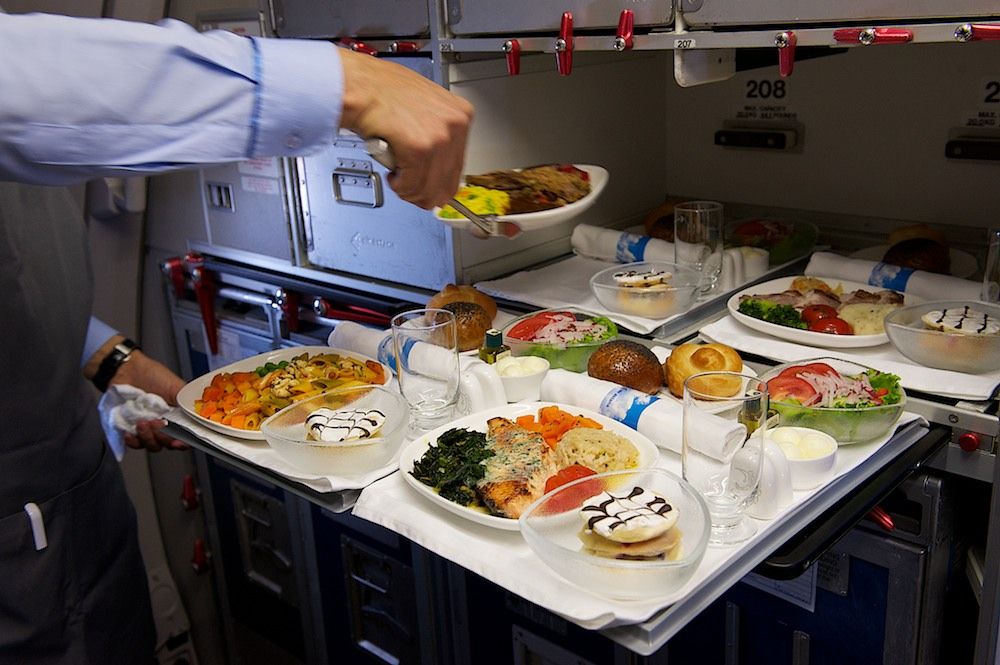
After the aircraft reaches a safe altitude, preparation for service begins. Meals are heated, packaging is removed from business class dishes and service begins. The photo shows the preparation of a business class tray.
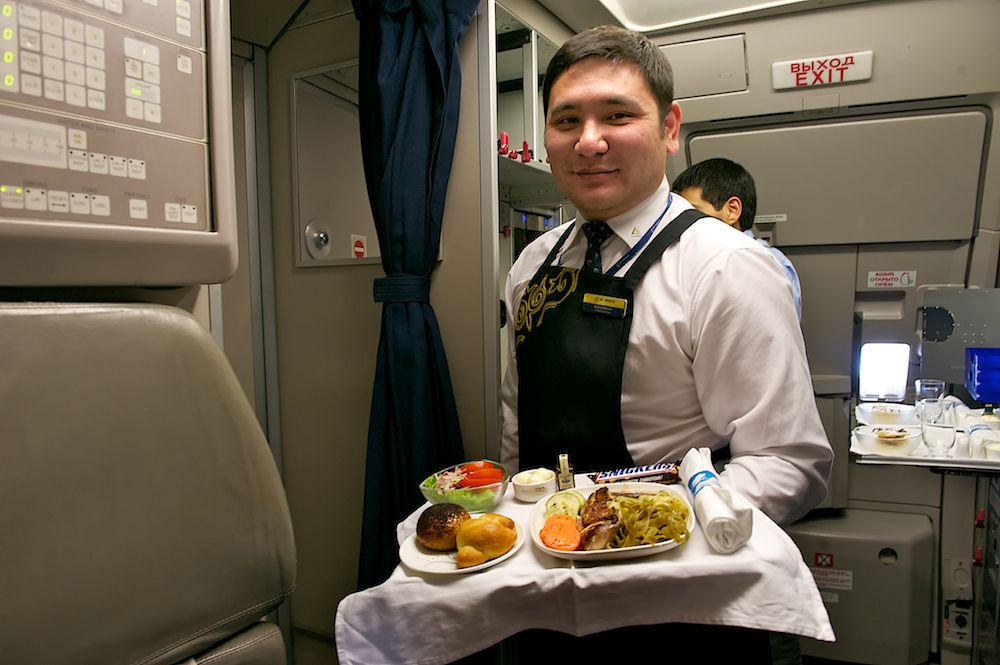
Chicken in sauce for the first officer.
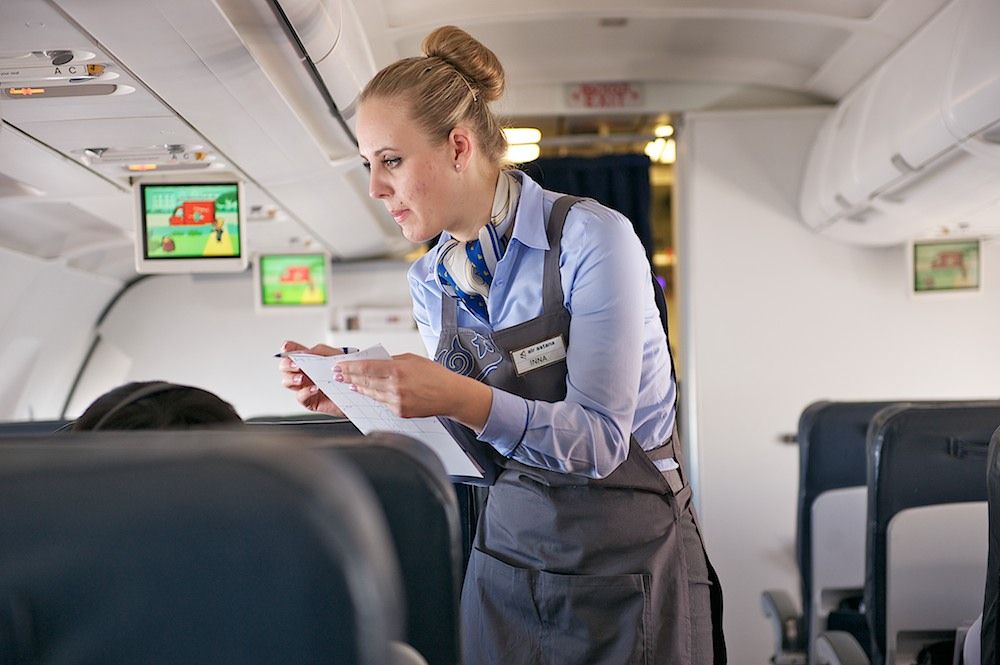
A flight attendant takes orders from business class passengers. Before starting service, flight attendants must wash their hands thoroughly and put on aprons.
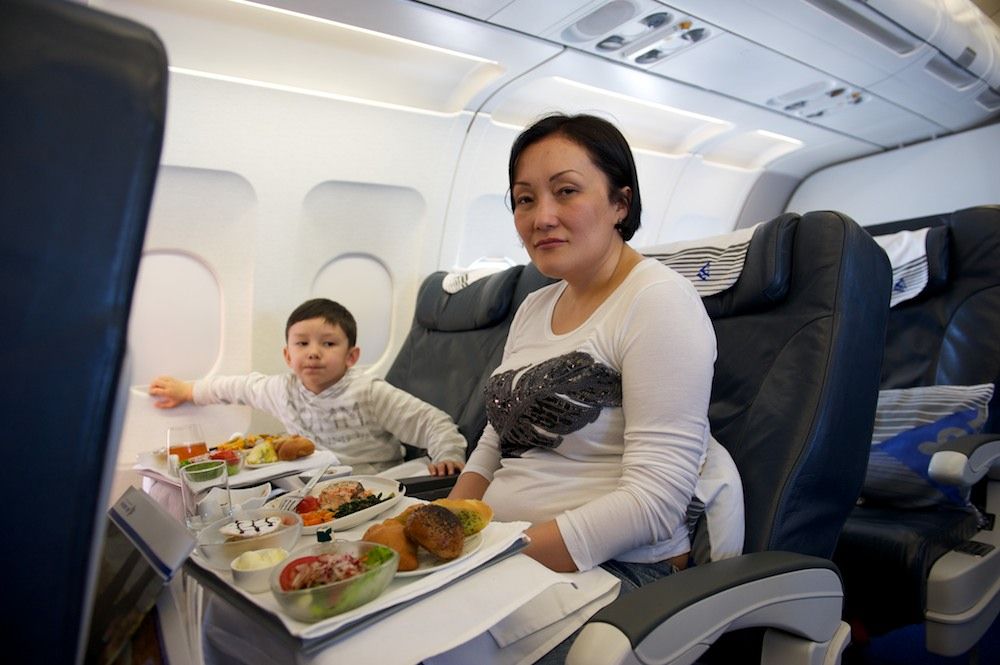
They cook very well, says Madina. Today I ordered fish, it was prepared very well, but the beans were a bit firm. For children it would be good to expand the menu; they do not eat meat well, they prefer pasta with cheese and mashed potatoes.
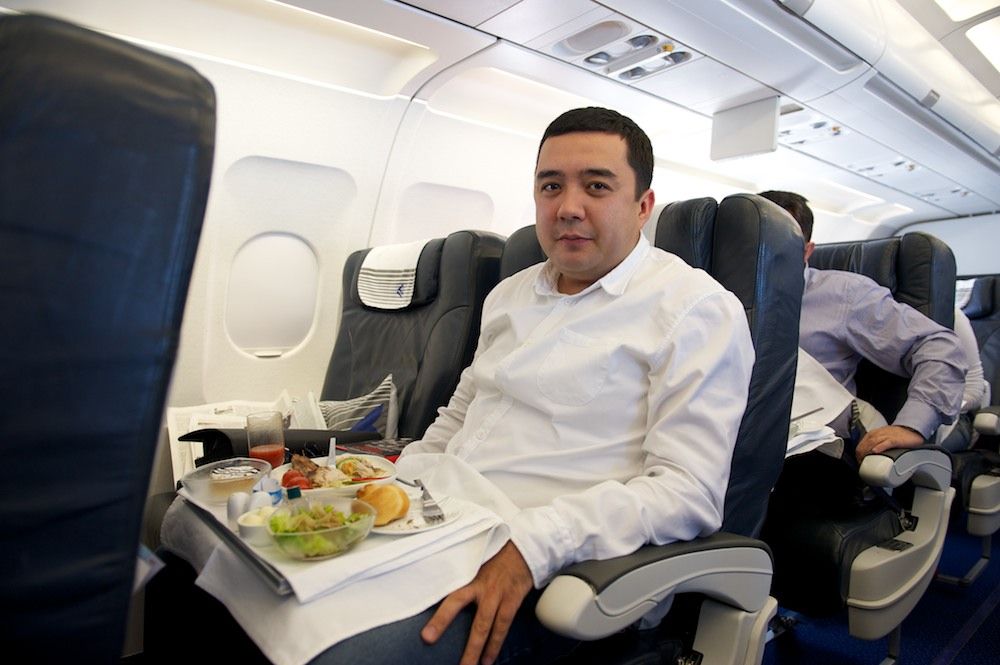
I ordered chicken, says business class passenger Adil. I like everything, I fly often and have never had complaints about the meals.
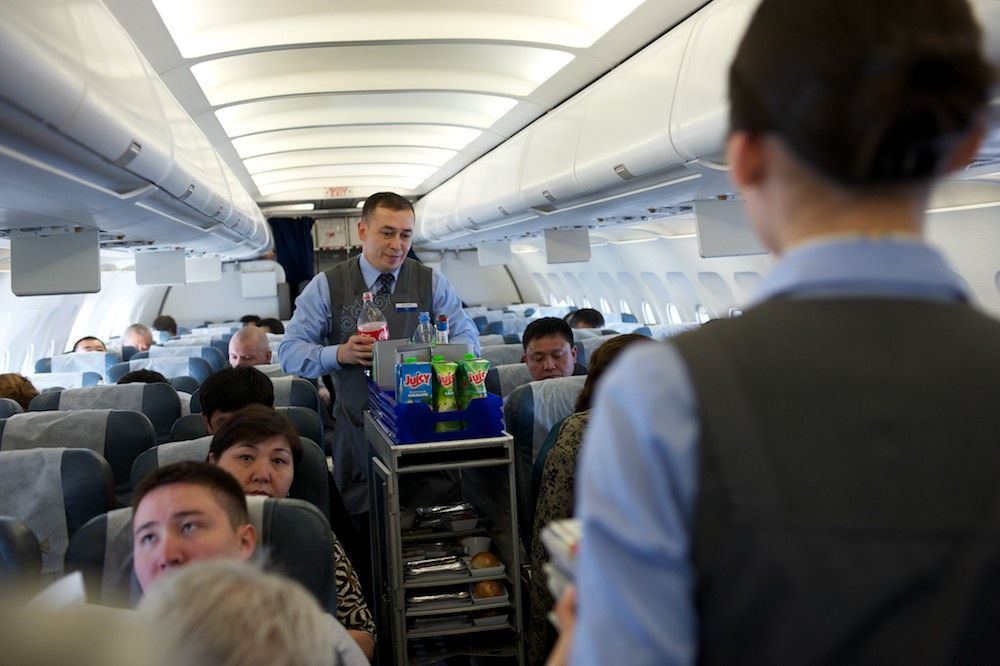
Distribution of hot meals in economy class. Air Astana is a full service airline, not a low cost carrier. Reducing the variety or quality of meals does not reduce ticket prices. When considering the airline's expenses for one flight, the largest share goes to aviation fuel, which accounts for 31 percent. Airport services account for 13 percent. Passenger related expenses, including inflight meals, make up only 6 percent. For example, Air Astana pays about 330,000 dollars per week to the Almaty catering facility. During this period more than 230 flights are operated.
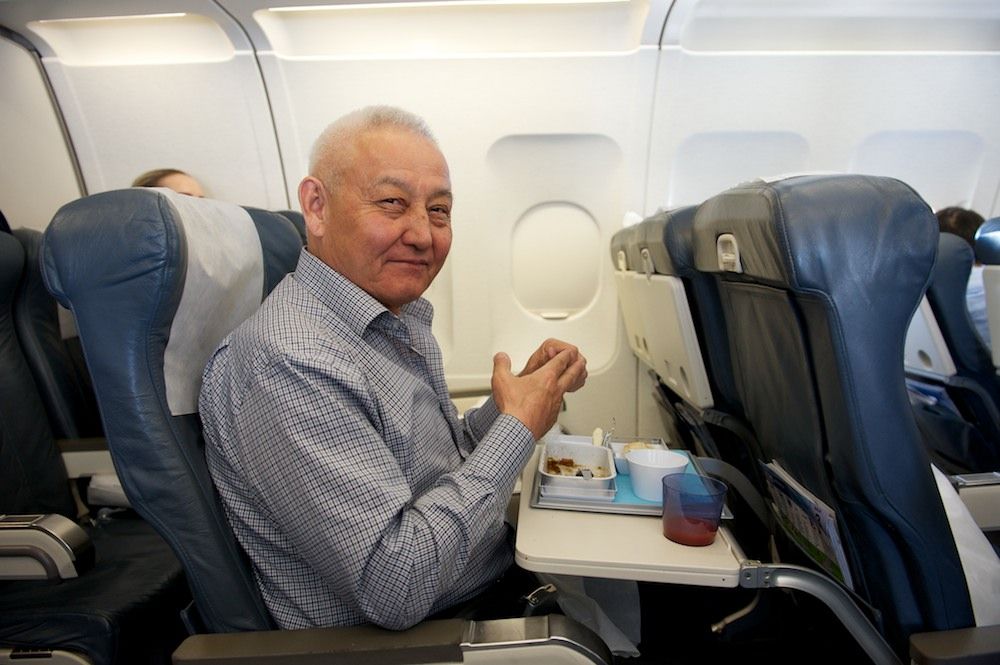
Compared to the Astana Aktobe flight, the Aktobe Almaty flight has much better meals, says a passenger. Although the difference between the two flights is only a few minutes, Astana Aktobe is one hour forty minutes and Aktobe Astana is two hours ten minutes, and the ticket prices are the same. On the first flight they only give sandwiches, while on the second they provide a proper meal. I do not like sandwiches, they give me heartburn, but today the meal was very good, I would even say filling.
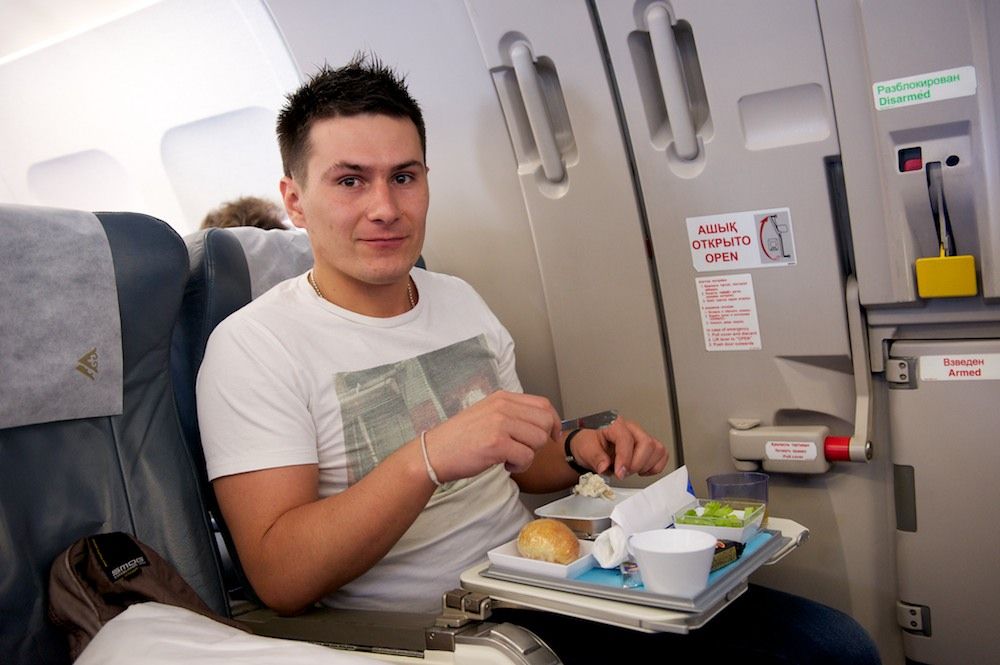
I often fly around Kazakhstan, says Denis. Air Astana meals can be compared to those of Aeroflot. I personally like the meals here, but my girlfriend eats very little and it would be good to add diet options to the menu.
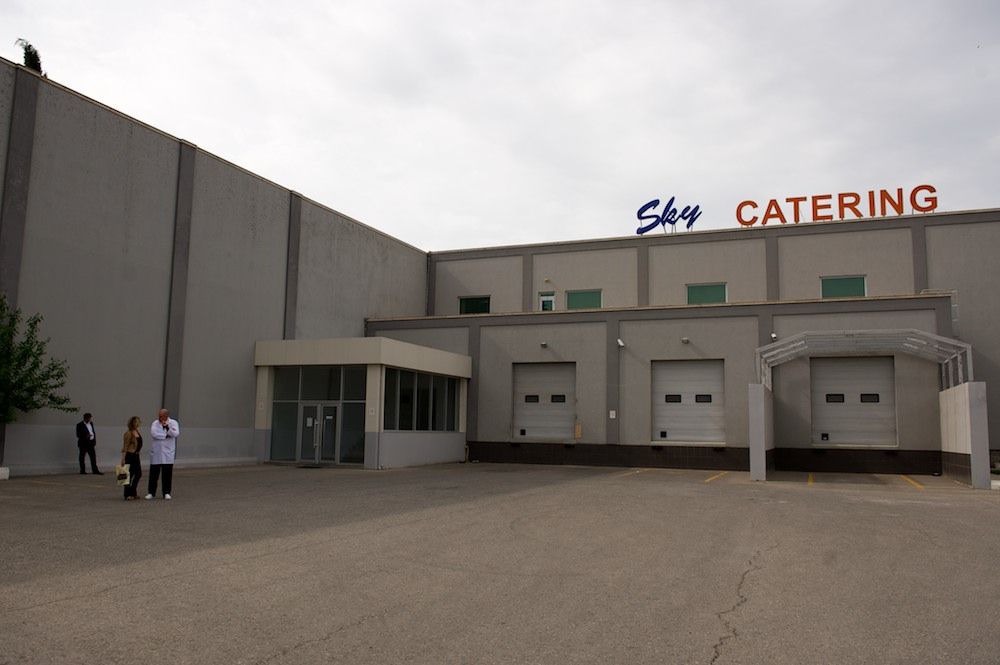
In addition to catering facilities serving domestic flights, airlines also sign contracts with foreign catering companies. One of these companies is located in Baku. SkyCatering has been operating since 1997 and has been cooperating with Air Astana for about five years. Five flights are handled weekly. The relationship between the two companies has been excellent thanks to the strong representatives both in Baku and in Astana.
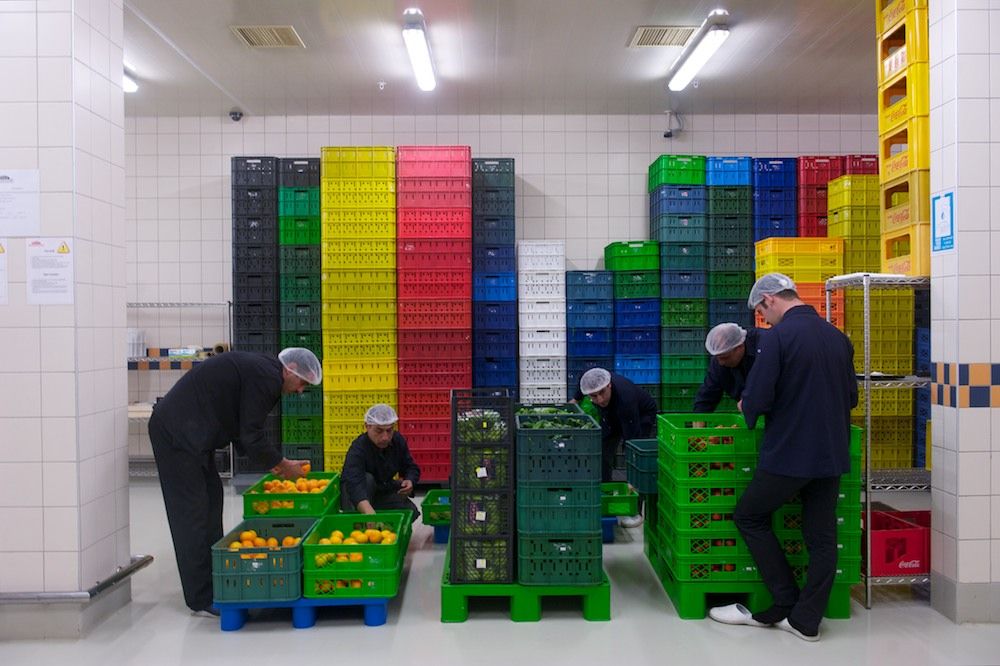
In June 2009, a new inflight catering facility was launched. It was built according to a special project that ensures a strict production flow and eliminates the risk of cross contamination. The facility is equipped with the latest generation French equipment. SkyCatering serves around 26 companies. Vegetables are purchased only from permanent suppliers who have all required certificates. They undergo mandatory pesticide testing, quality checks and are scanned for foreign objects.
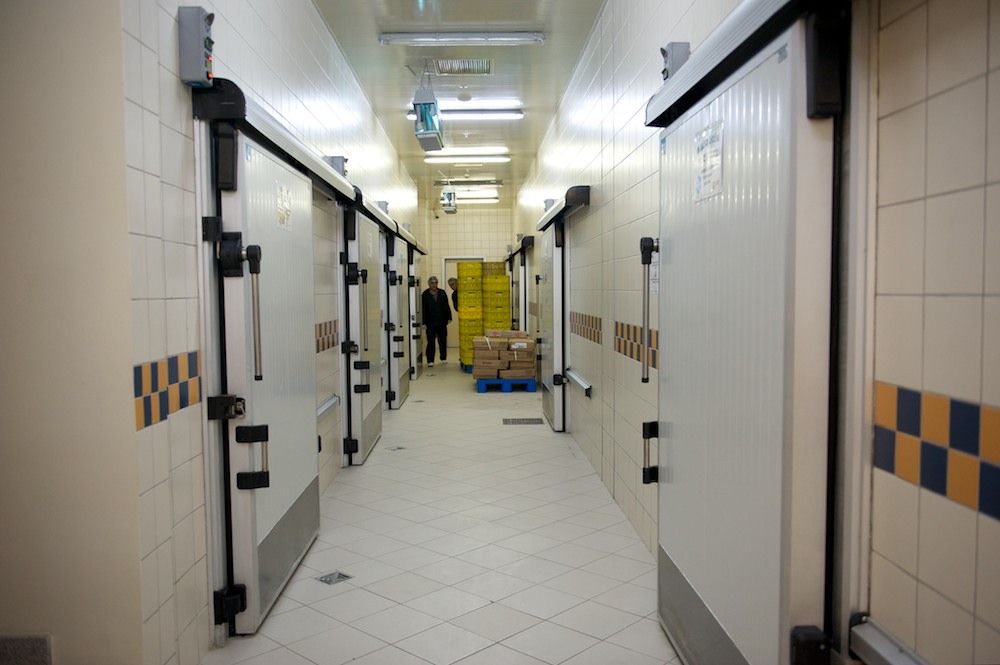
SkyCatering has 24 refrigeration chambers with individual, precise temperature control. All chambers are connected to a central computer. Regular inspections are conducted by company engineers.
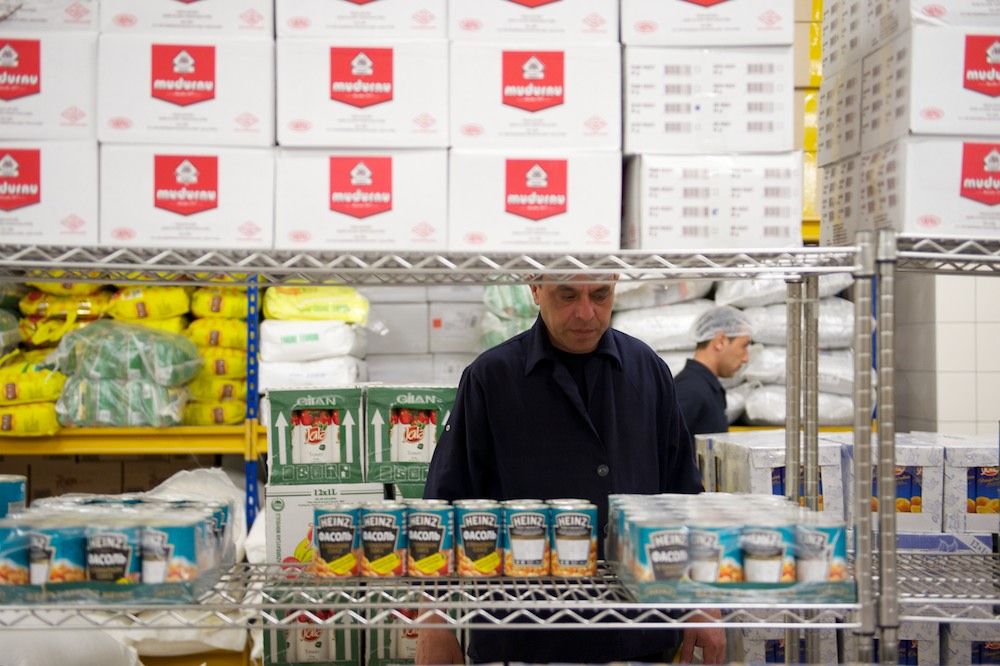
Loaders are divided into two groups: warehouse loaders and operational department loaders who deliver meals directly to the aircraft. All employees undergo training in personal hygiene, food safety and HACCP. Staff with access to the apron and aircraft additionally receive training on vehicle approach and loading-unloading procedures.
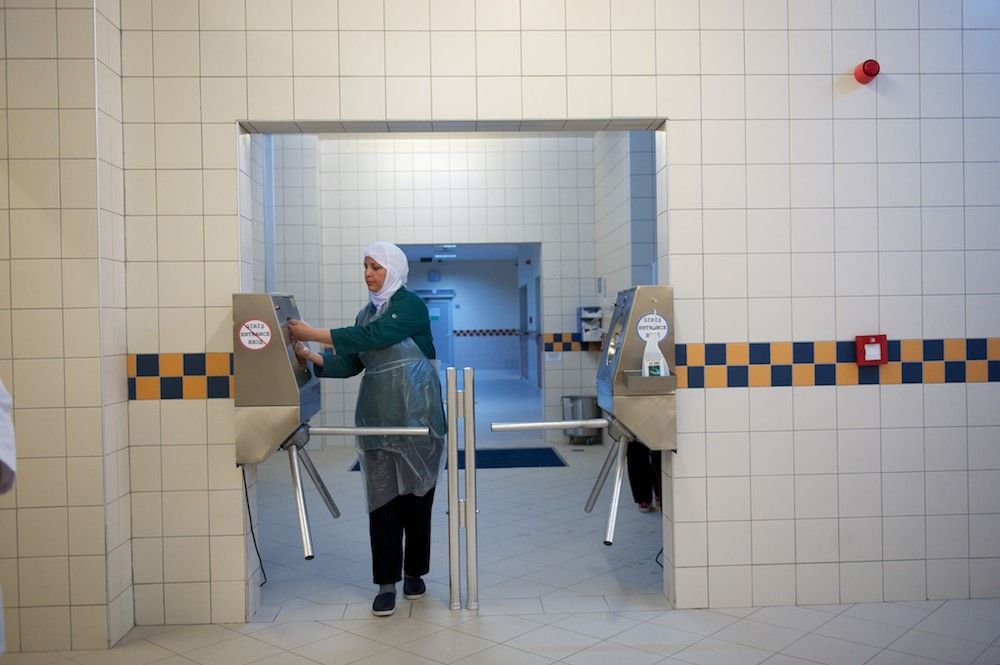
Access to food preparation areas and the kitchen is equipped with a hand disinfection system that includes a turnstile. The turnstile opens only after the employee disinfects their hands.
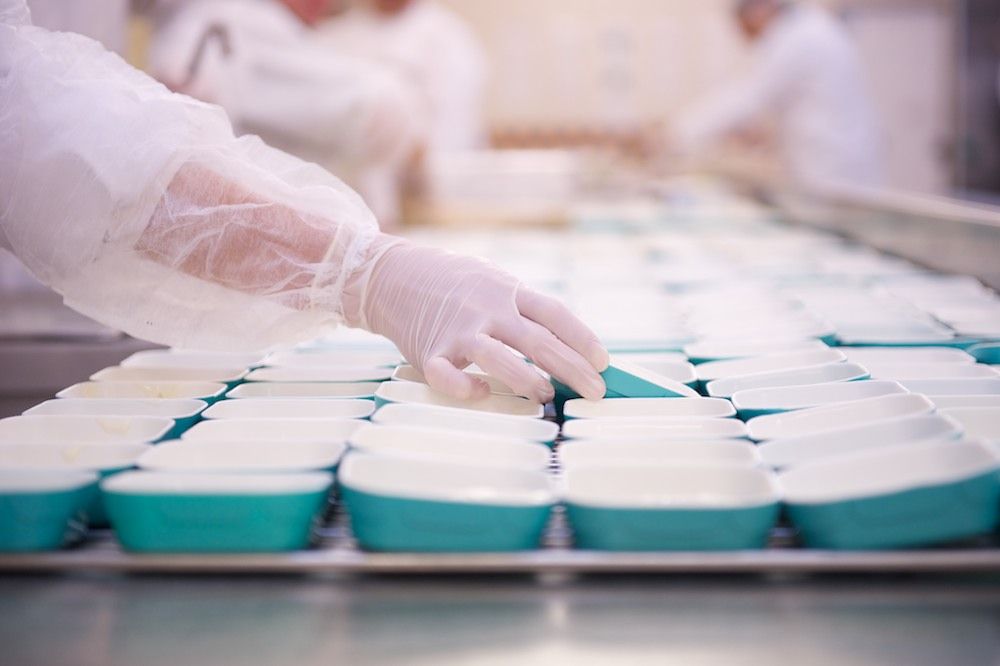
This prevents biological and bacteriological contamination. Given the importance of food safety, SkyCatering pays special attention to hygiene. A detailed HACCP plan is followed, and regular deep cleaning and laboratory tests are carried out.
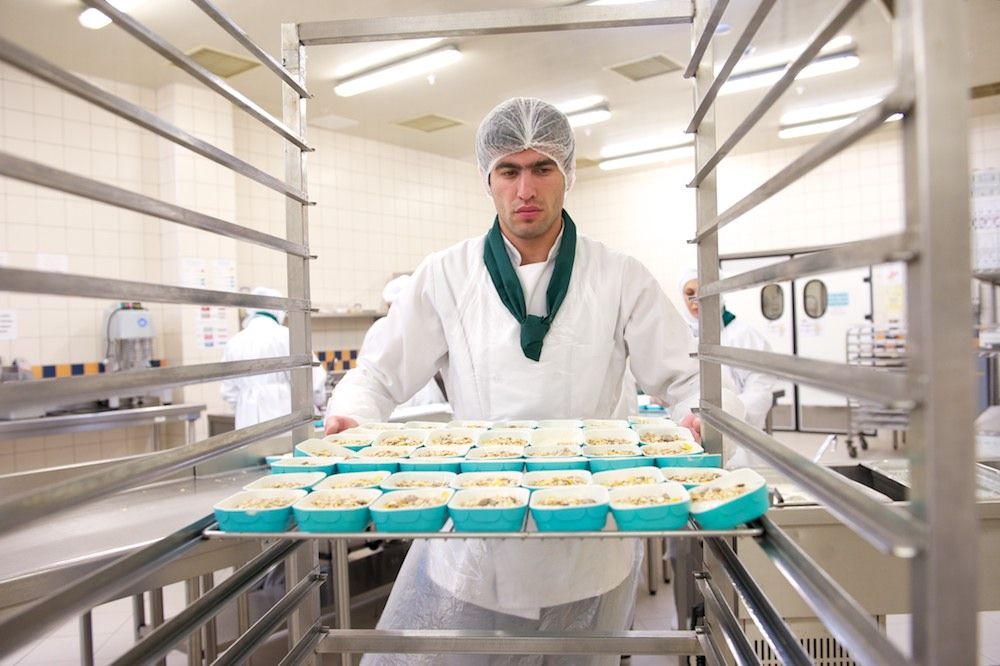
Each department has its own uniform and color code. Regardless of their role, all staff, including the kitchen, warehouse and operational department, must wear hairnets to prevent hair from falling into the food. Women also cover their heads with special scarves.
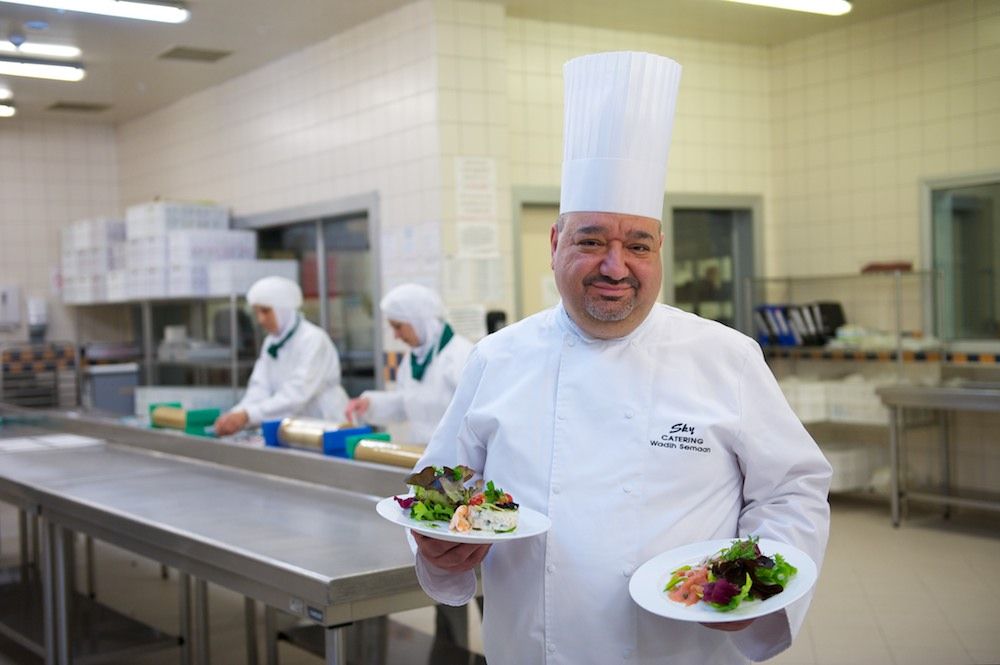
SkyCatering’s head chef, Mr. Wadia Semaan, is of Lebanese origin and one of the company’s earliest employees. He joined in 1997 and that same year received a diploma from British Airways for winning first place among two and a half thousand catering enterprises. Before SkyCatering, he worked eleven years in catering services in the airports of Lebanon, Dubai, Iraq, Bangladesh, Romania and Kyrgyzstan. During the visit of the Pope to Baku, Mr. Wadia prepared a special oriental vegetarian dish for him. The Pope enjoyed it very much and awarded him a medal and a letter of appreciation.
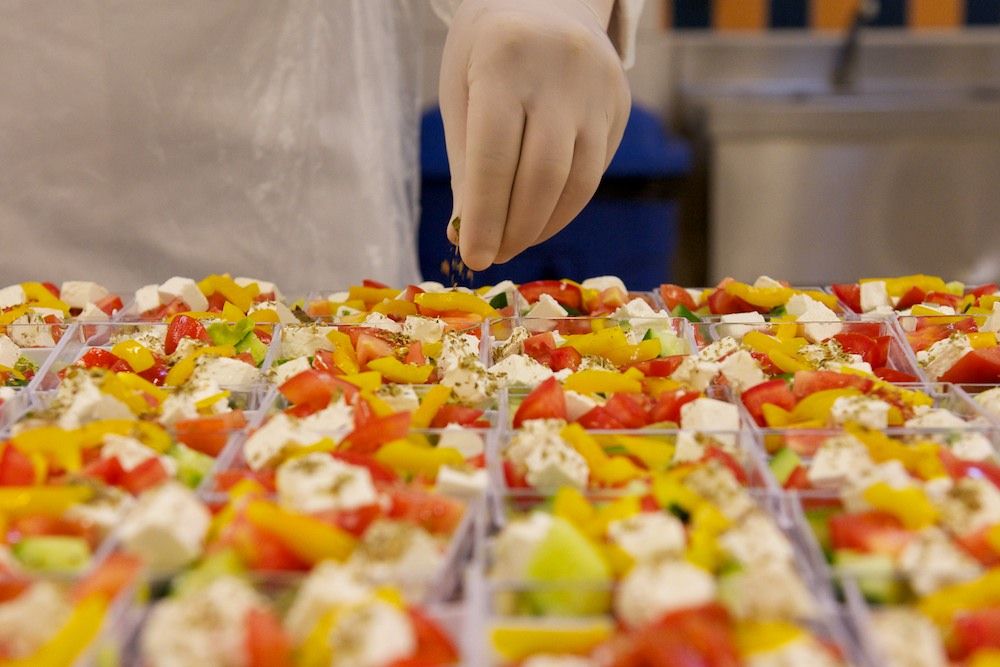
Depending on rotation, several types of salads may be served: seasonal salad, Fattoush and Greek salad. Ingredients include fresh cucumbers, tomatoes and lettuce leaves. The menu also includes appetizers, main dishes, desserts and a wide variety of bread.
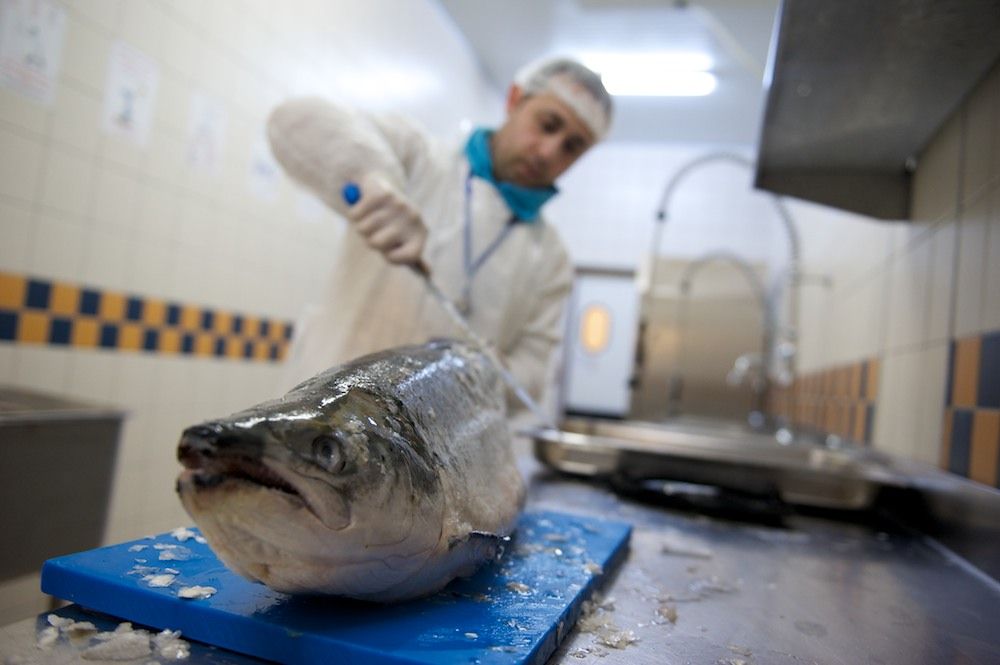
Salmon and Hammour fish are used in hot dishes. The fish is selected according to customer preference. Mostly salmon imported from Luxembourg is used. All fish is cleaned in a special room with constant temperature.
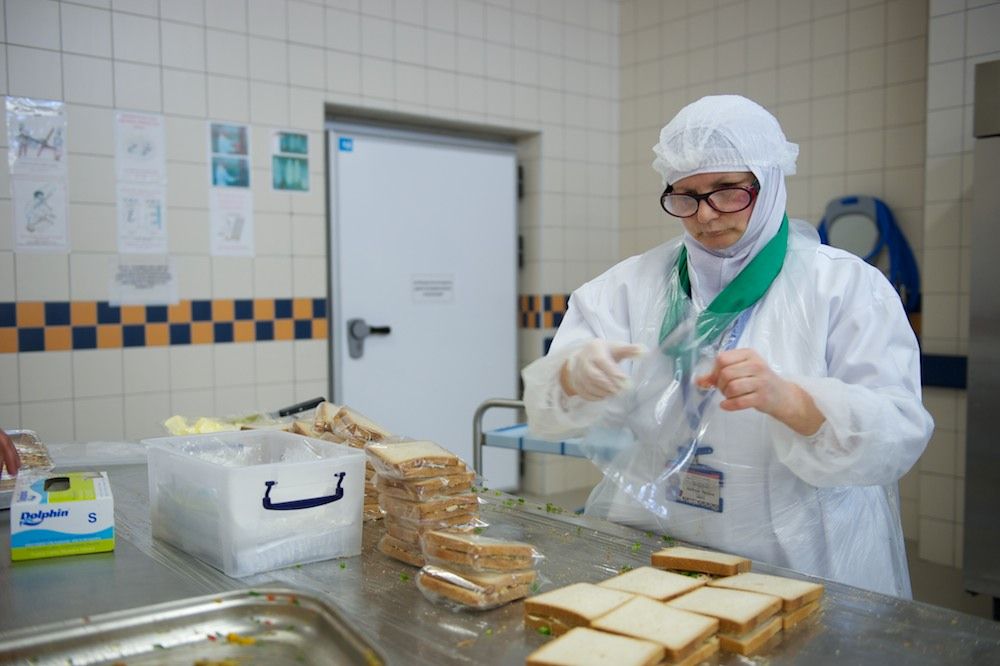
Sandwiches are used on short distance flights and as an additional snack on long flights. There is a wide assortment of bread, including wheat, sesame, rye and garlic varieties.
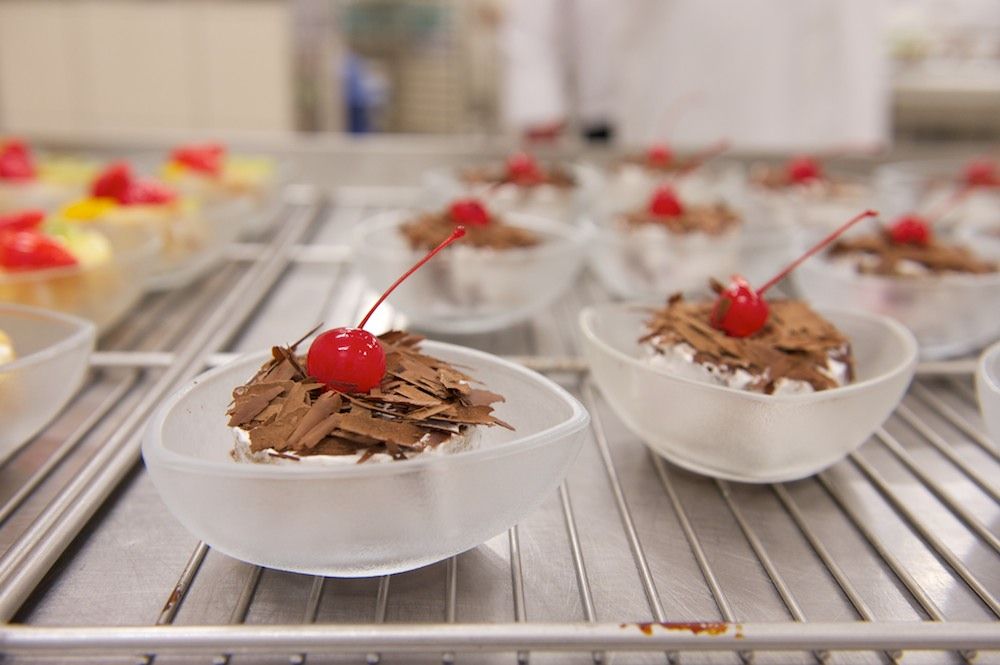
The pastry department is one of the most impressive sections of the company. This is where the sweets and cakes loved by passengers are made, both oriental and European.
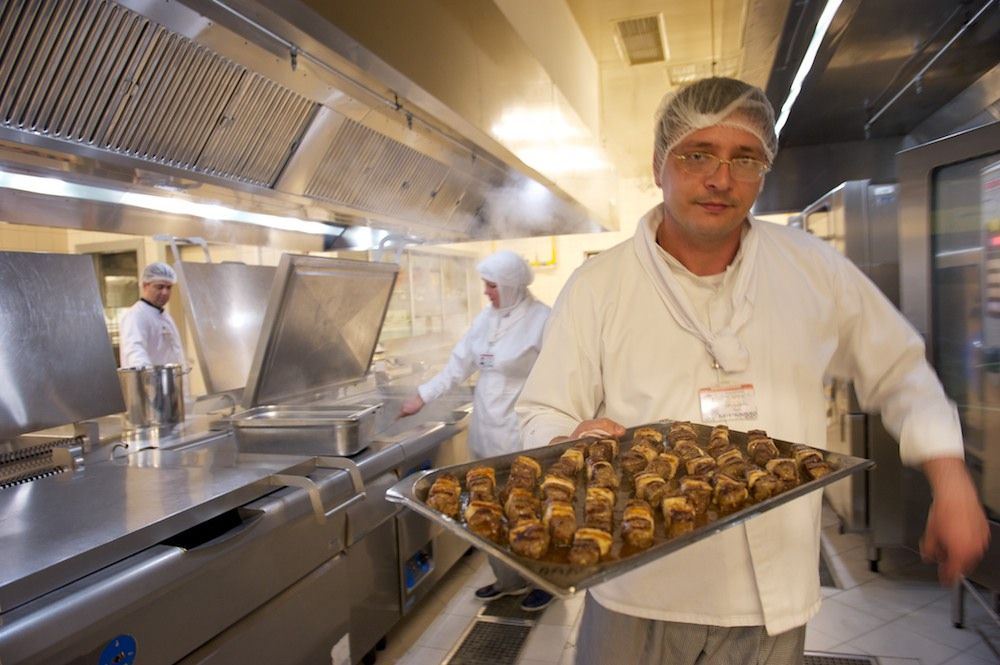
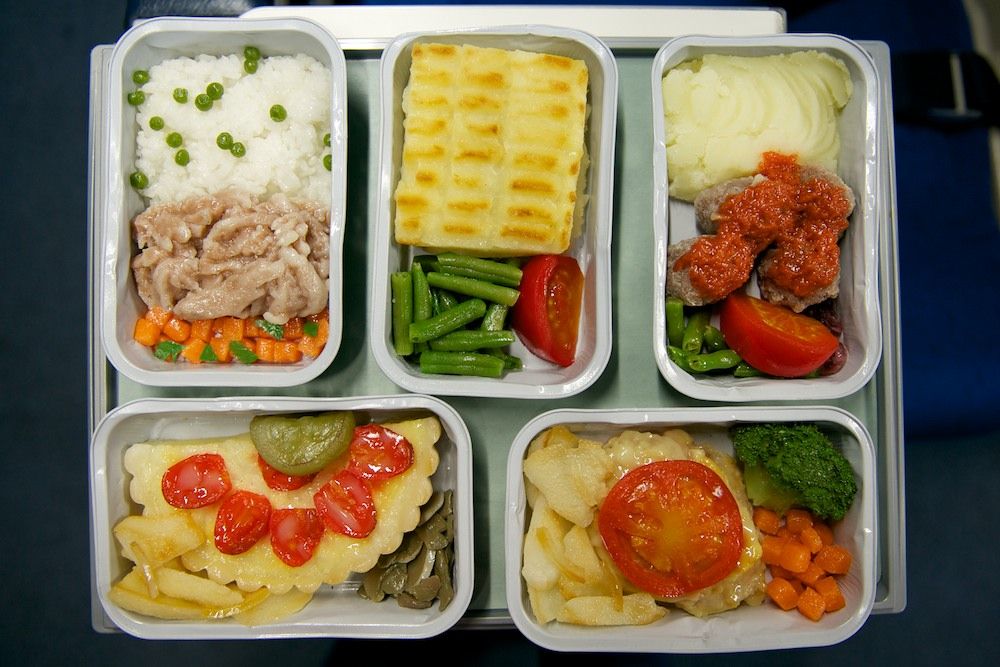
Only certified meat from trusted suppliers is used. Both local and imported meat is used, particularly from Luxembourg. Since the majority of the population is Muslim, pork is not included in the menu. National dishes are also offered depending on destination and season. The photo shows a hot meal from the Baku Paris flight of Azerbaijan’s national carrier, AZAL.
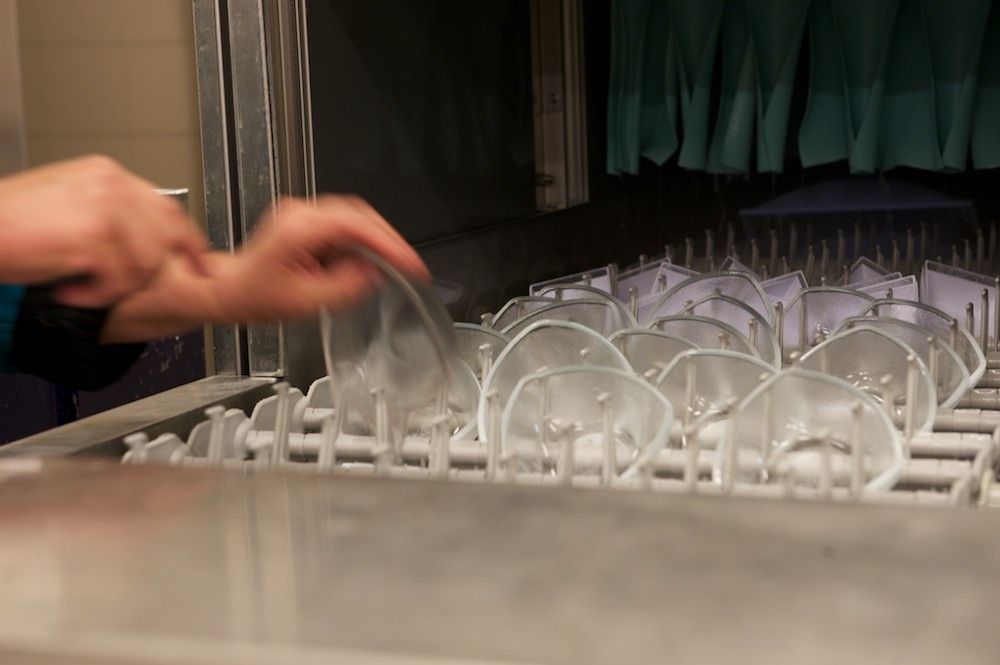
The dishwashing department is equipped with modern machines for washing both plastic economy class dishes and porcelain business class dishes.
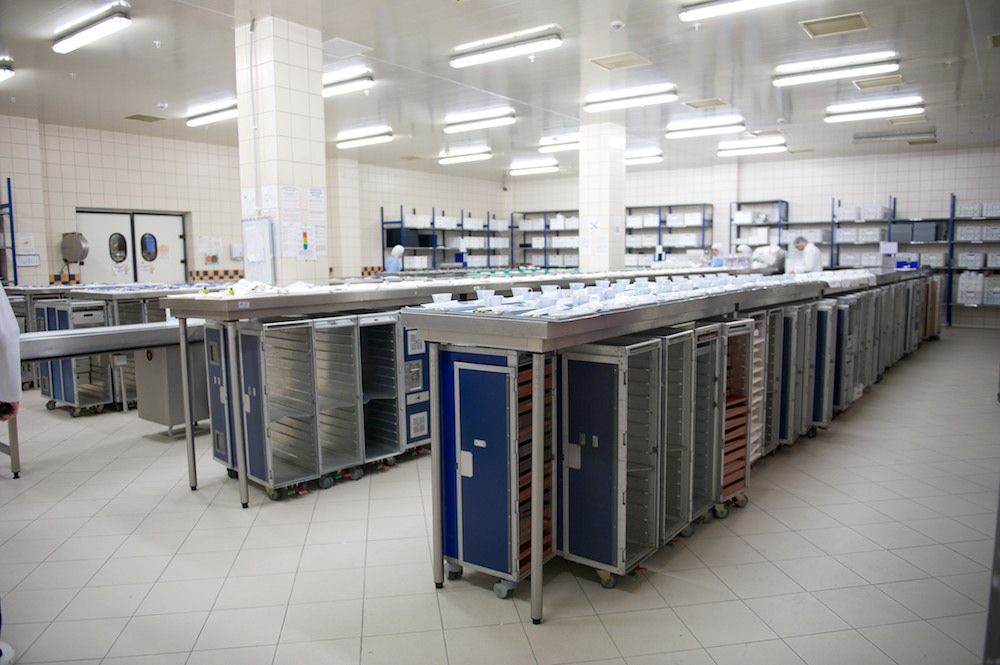
There is also a special machine for washing aircraft catering trolleys. All equipment is regularly tested and inspected.
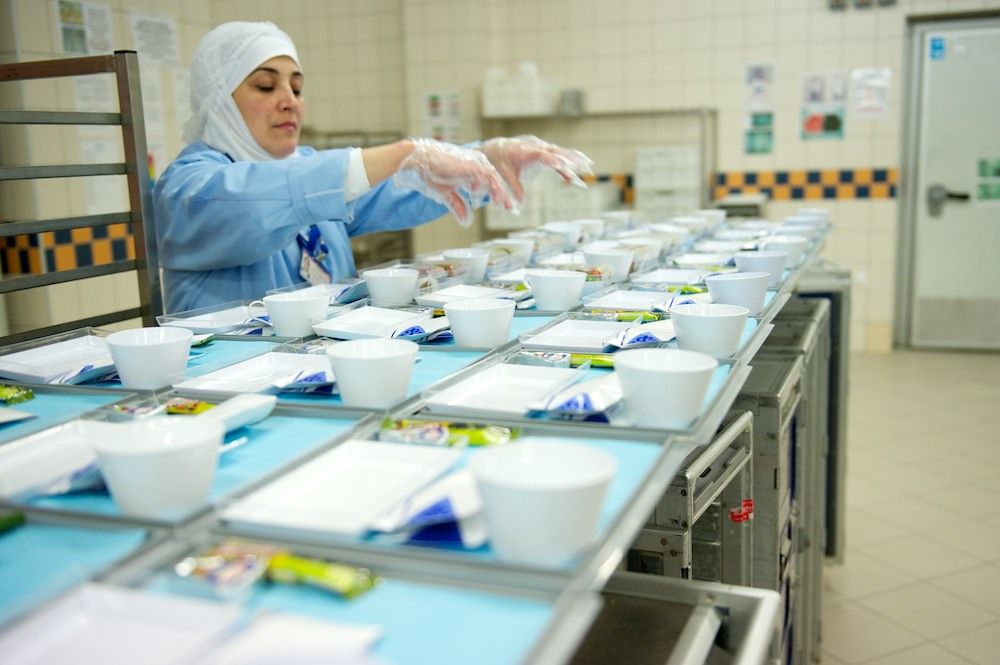
Food is prepared shortly before departure, assembled under strict supervision and stored in the operational department’s refrigerator at temperatures not exceeding +5 degrees.
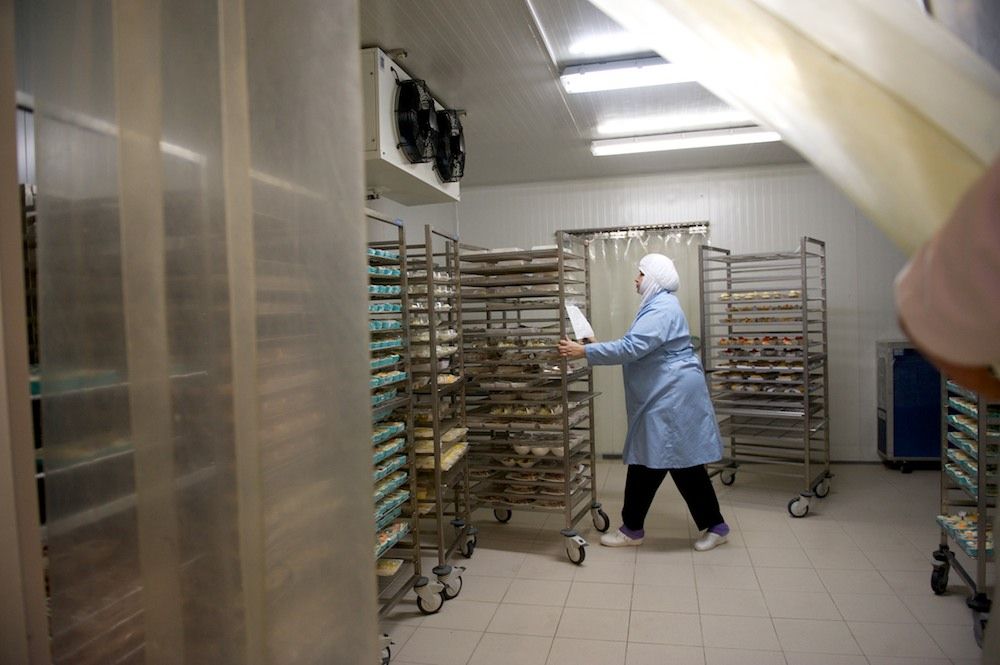
From the catering facility, meals are delivered to the aircraft two hours before departure using special high lift vehicles.
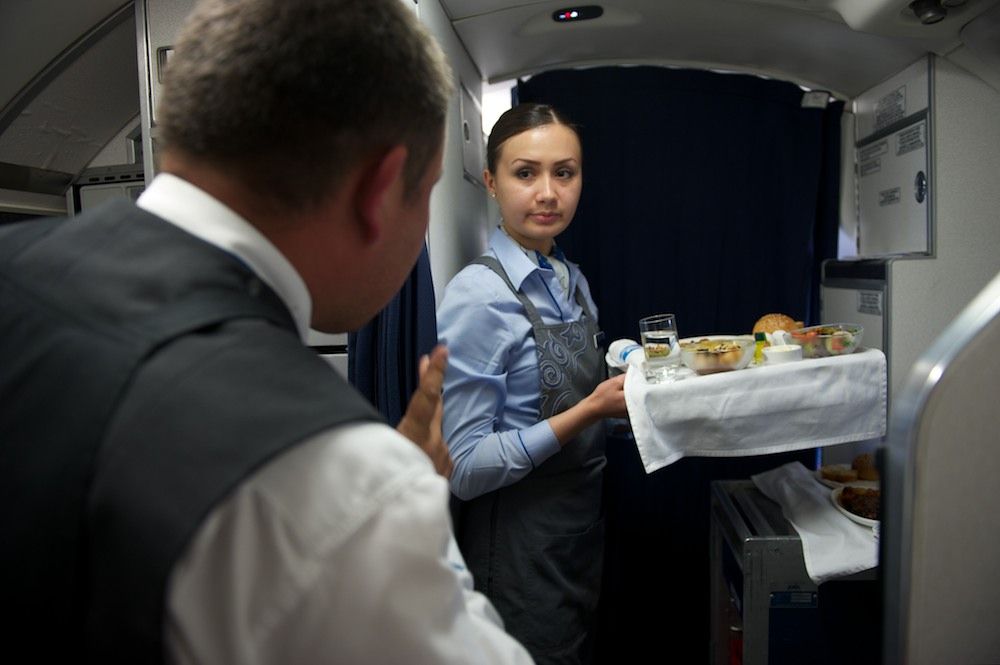
In the airline trolleys are the very trays that will eventually be placed on the passenger’s table.
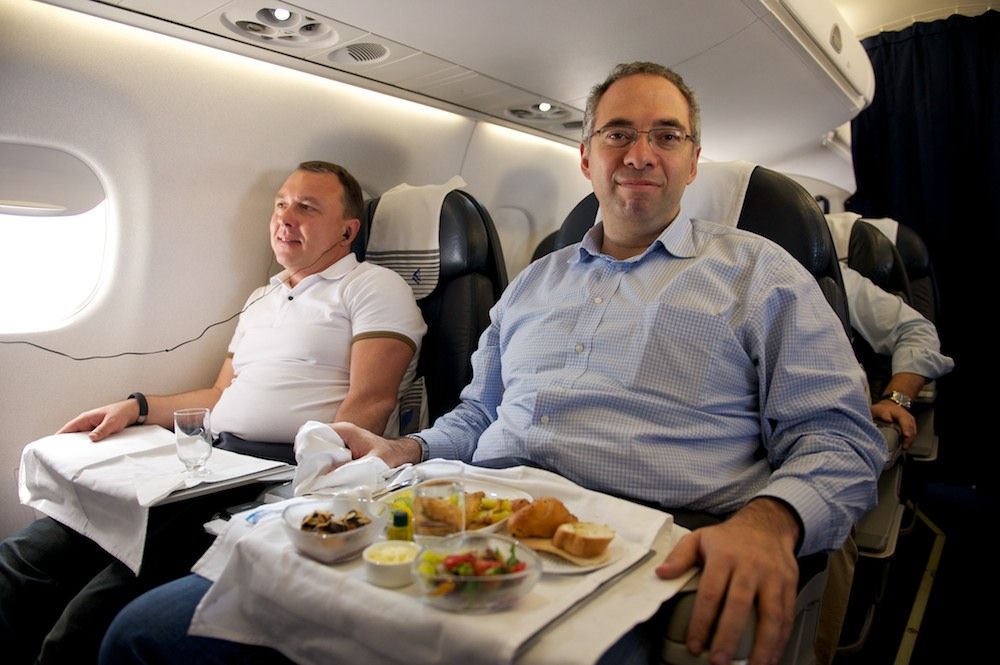
I fly once a month. To Astana and other cities of Central Asia. Sometimes to Moscow, says business class passenger Haisam Shraite. The quality of food depends on the destination. Sometimes it is very tasty, other times not quite. Much depends on individual taste. For example, an appetizer made of simple ingredients may be excellent for me, while complicated dishes whose composition I cannot identify are unacceptable. I also do not always like sauces and prefer them to be served separately. Most often I fly from Almaty and I am satisfied with the meals from this city. The portions and variety are good. I really liked the salad here. The vegetables were fresh and delicious. I understood what I was eating, and that is important to me. The fish was also good. Sometimes fish runs out during the flight. Even when something is not perfect, I appreciate the airline’s attitude toward passengers. But the most important thing for me is to reach my destination safely. Air Astana has always provided this throughout my years of travel, and inflight meals are simply a pleasant addition.
The original version of this material was published on the portal Voxpopuli.kz before its closure in 2023. The author restored the text and photographs from a personal archive to preserve documentary and historical materials.

How the terminal launch and “Otpan” project transform Beineu…Photo report by Karlygash Nurzhan for Shanger.kz
Comments
No comments yet. Be the first to comment!