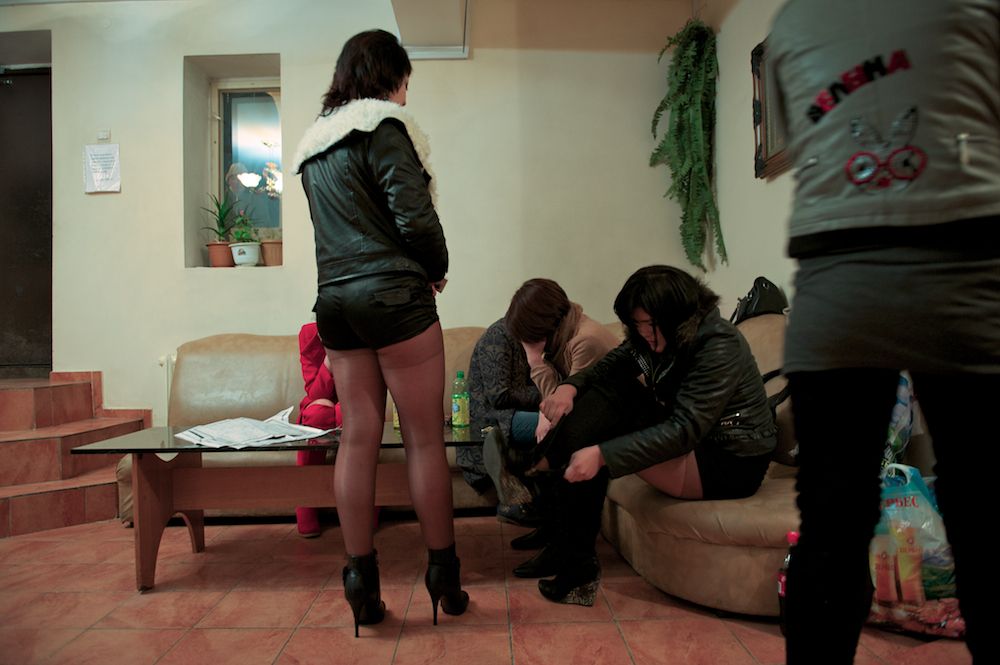
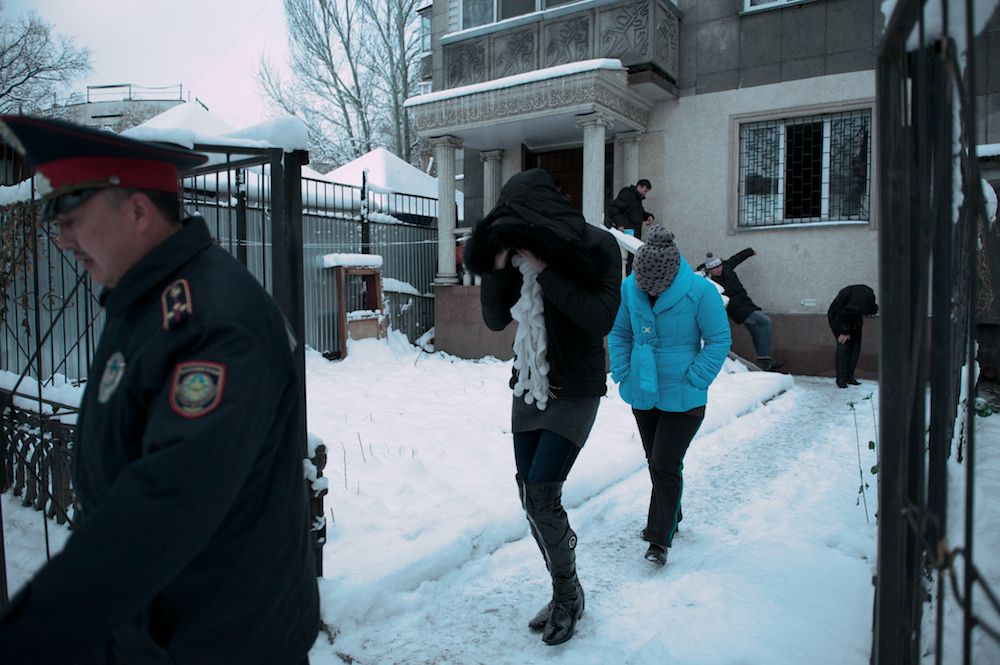
In Kazakhstan, prostitution is practically legalized. One may receive a suspended sentence for procuring or maintaining a brothel, but there is no criminal article for prostitution itself. Any woman can provide sexual services for money without fear of criminal prosecution. Karla Nur and Raikhan Rakhim joined police officers during a raid on brothels in the city of Almaty.
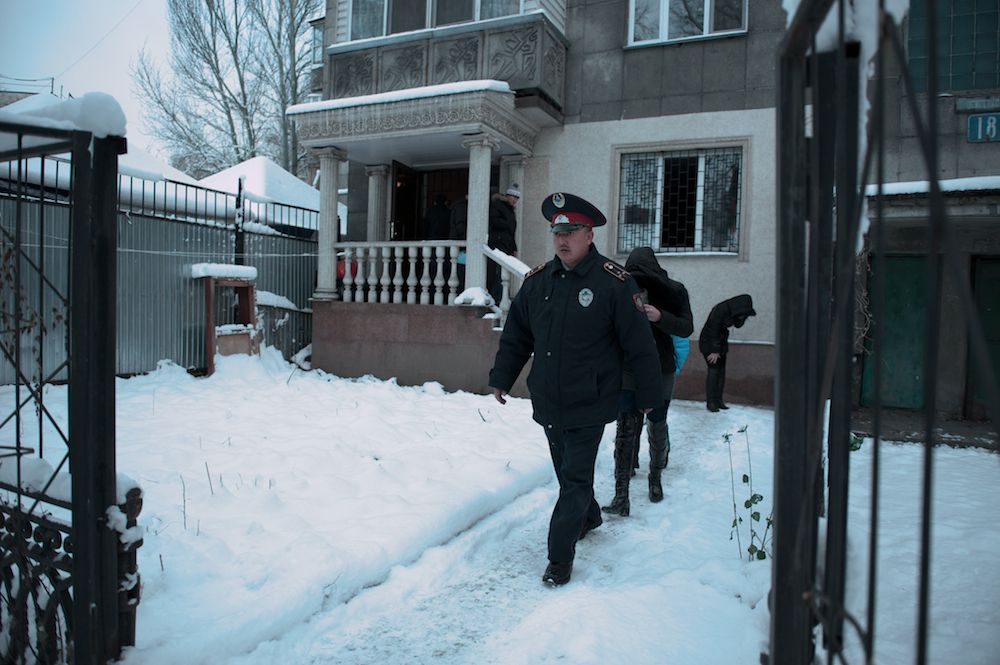
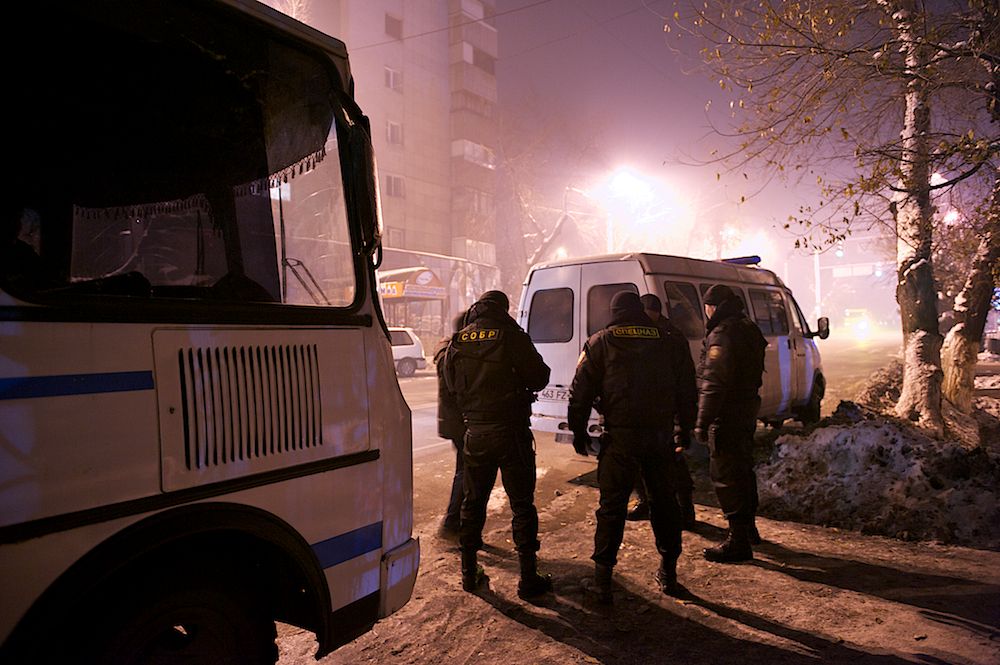
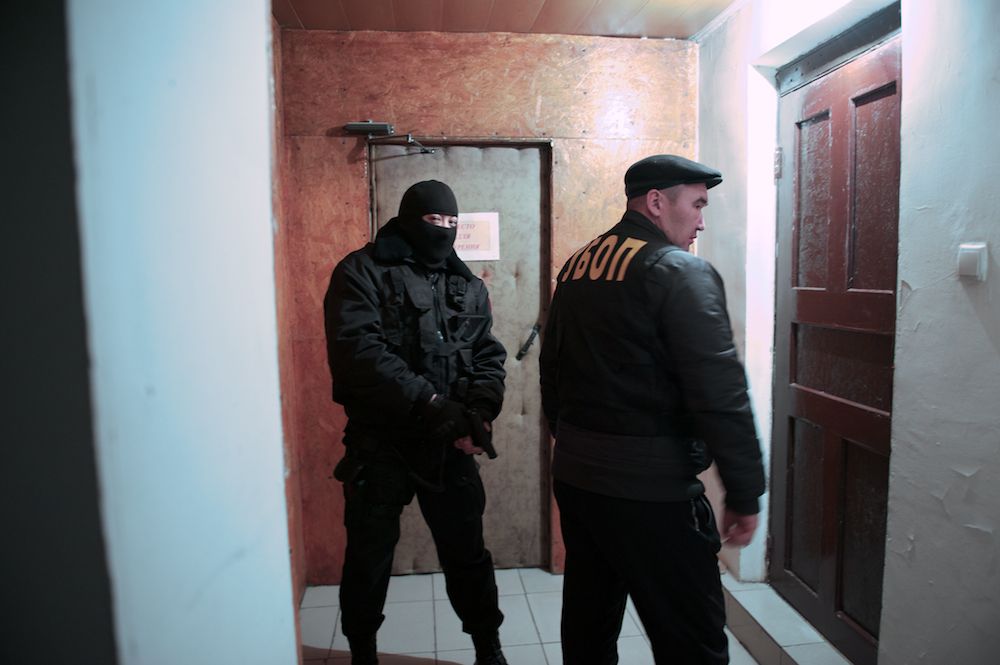
Officers of the Department for Combating Organized Crime of the Almaty Police managed, on their second attempt, to “bust” a brothel located near the Almaty-1 railway station. According to their briefing, a young woman named Zhanna was being held there by force and was compelled to provide sexual services to clients.
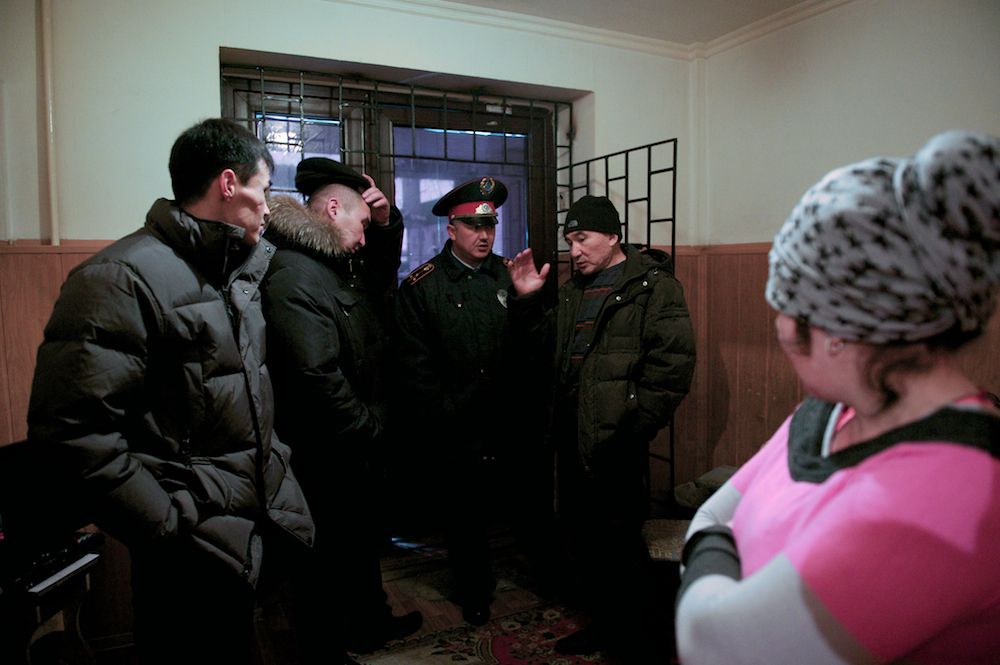
The police department received a statement from the girl’s relatives, who reported her missing two years earlier, claiming she had been sold into sexual slavery and was now being held in one of Almaty’s brothels. In order to bring the madam to criminal responsibility, she needed to be caught red-handed, so the special operations group stayed on surveillance for several days. Officers identified the girl’s location with the help of one of the clients—an anonymous informant who showed them where the brothel was.
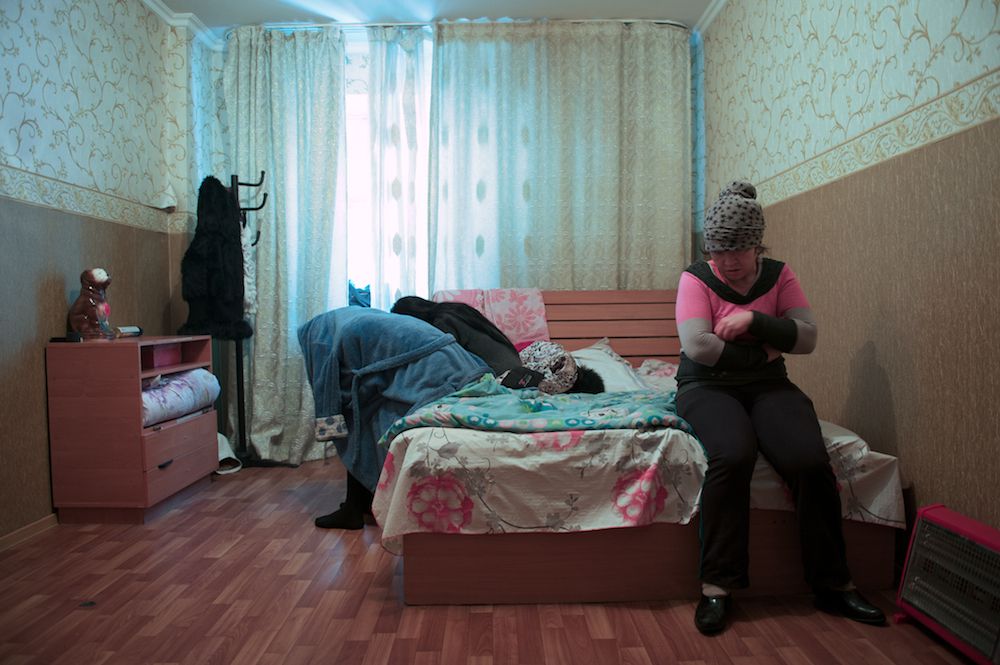
Gulya, 38, from Shymkent:
“I clean up after the clients here, cook food on request. My work hours are from eleven in the morning to seven in the evening. The pay is 2,000 tenge a day. It’s a good place, peaceful.”
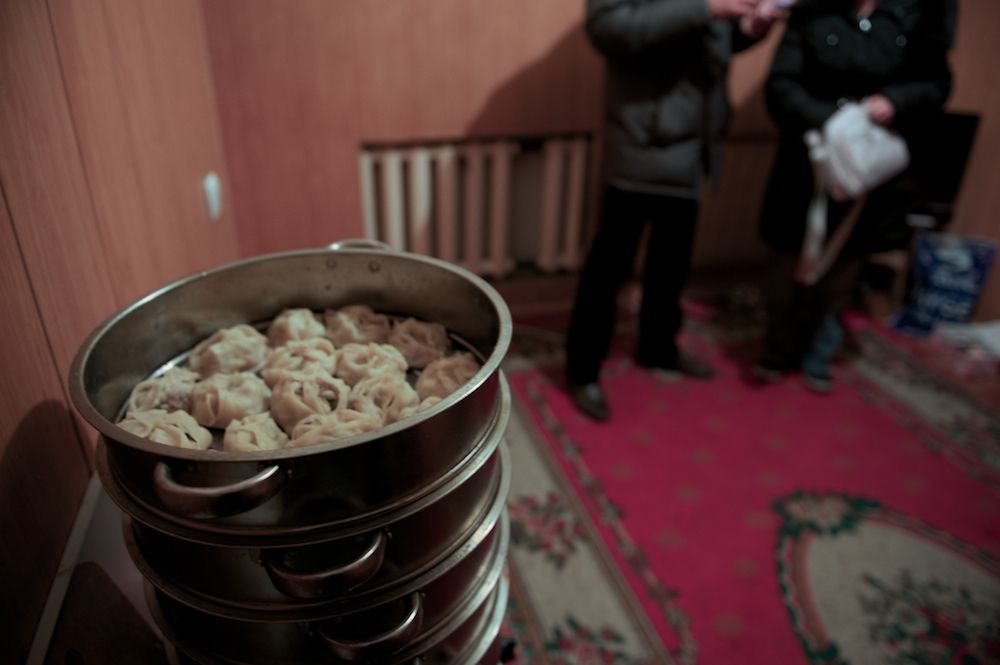
The clients had ordered not only girls, but manty dumplings as well. The police raid interrupted their meal.
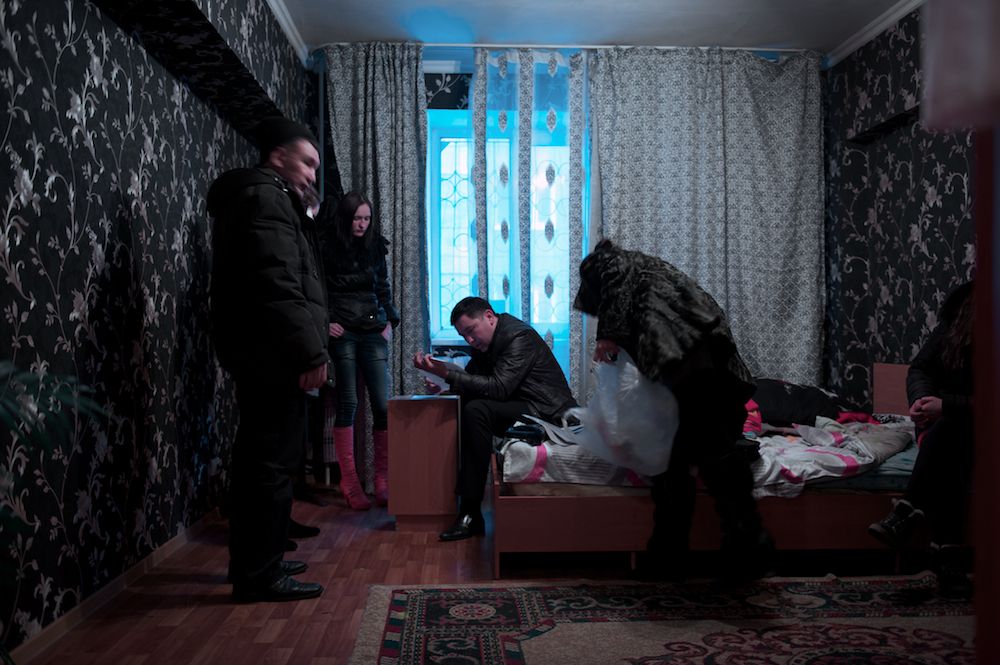
Zhanna’s story, 20, from Kokshetau, working for 2 years
(told by her sisters):
“She is the youngest in our family. She studied well, got a state grant after ninth grade, always quiet and obedient. We never allowed her out after eight in the evening. Only girlfriends we personally knew were allowed to call her. One day she left for college and never came back. We phoned everyone we knew, searched the whole city, but couldn’t find her. Later, through social media, a young man told us she had fallen in love and lived with a man for two months—until he sold her to a brothel. Sometime later she escaped, but then voluntarily returned. Why? Her new ‘friends’ told her: you’re already ruined, your family won’t accept you, there is no way back…”
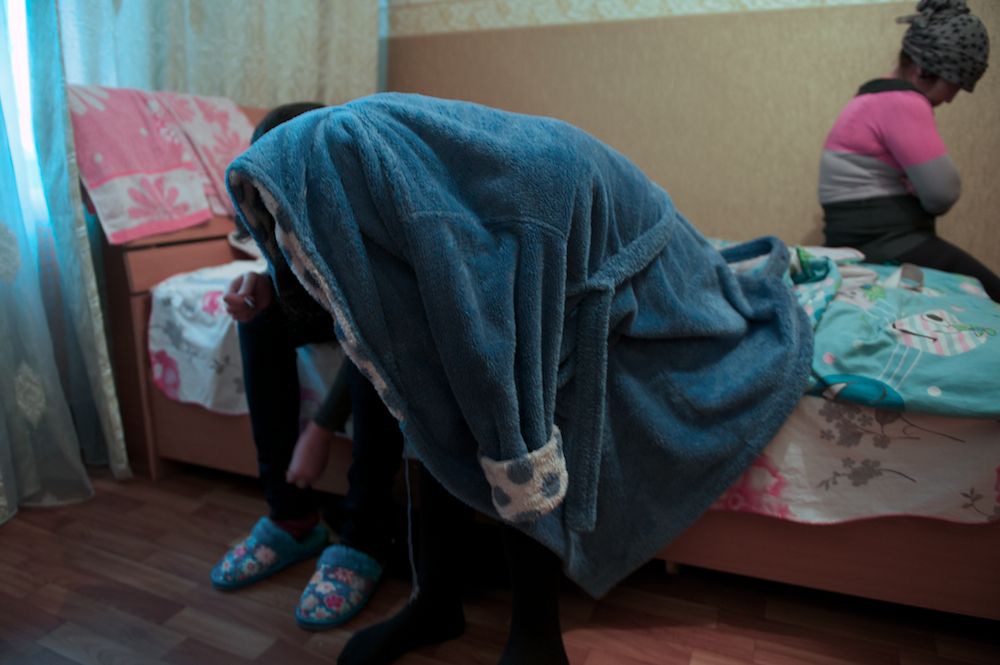
Zarina, 28, from Shymkent. One year in the trade.
“I came to Almaty looking for work. A friend called and said she earned well in a shop and there was a place for me too. Later she admitted she worked as a prostitute and… invited me to join. She said I wouldn’t need registration and would waste a lot of time searching for another job. And what job could I find without any formal qualifications? Before my marriage I worked as a dog handler, but then lost my skills, and my ex-husband never allowed me to work. So I agreed immediately. I had debts, divorced my husband, he has a new family now, and sometimes pays alimony, sometimes says he doesn’t have money.
“Work starts at eleven or noon and goes until seven. I see a maximum of four clients a day. Mostly they want classic sex and oral sex. I’ve worked here a full year, with breaks. When I need to visit my relatives, I go—nobody holds me. A session costs 4,000 tenge, 1,500 of which I give to the madam. Usually men don’t last an hour—it all takes about twenty minutes, sometimes less. This is the first time I’ve been caught in a year. I was terrified when the police burst in—I’ve never had trouble with the law.”
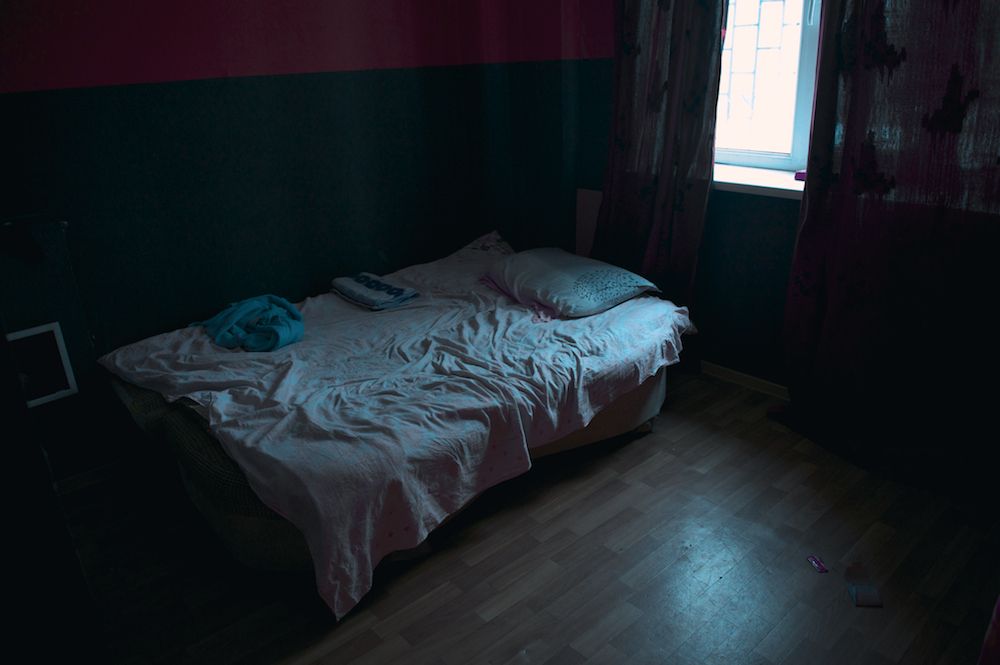
“My family doesn’t know what I do. I have a boyfriend, but he doesn’t suspect anything either… At least I don’t ask him for money! We plan to get married next year, and I’ve decided to quit after New Year. I earn about 100,000 tenge a month—could earn more, but I don’t work every day. I recently moved my daughters and my mother here, rented a small annex in Shanyrak for 22,000 tenge, and I buy the coal myself. My mother looks after the girls: the oldest is 6, the second is 4, the youngest is 2. My children wait for me at home, so I try not to go out every day. I remember my first client—he was a handsome young man, but his breath and body smelled so terrible, as if he hadn’t washed for days… No, you can never get used to this… It can never become routine work.”
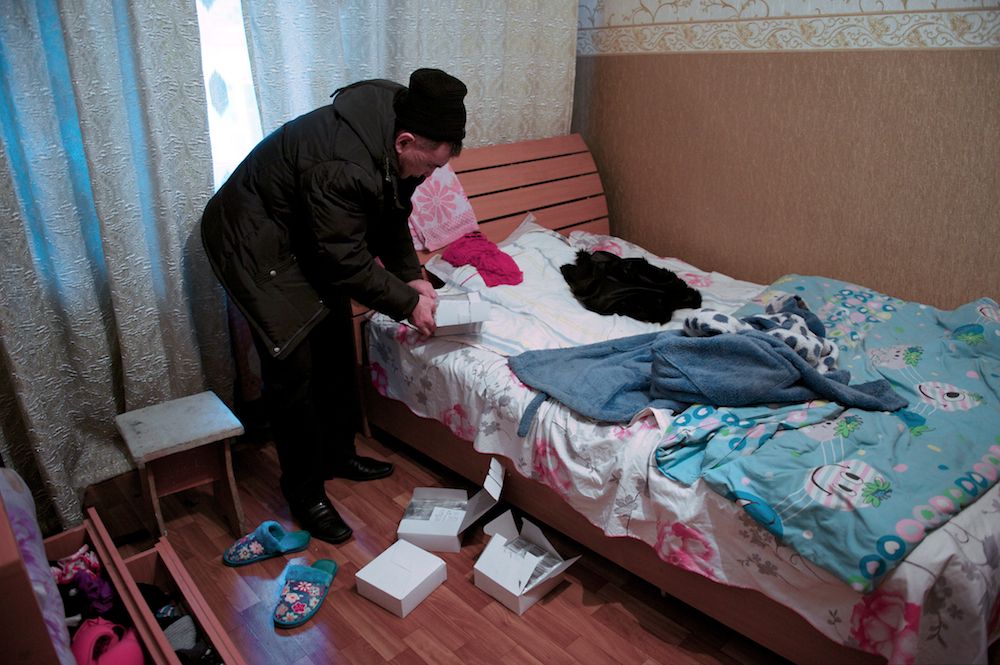
“The girls know their rights and they behave calmly,” says Nurbakhyt Nabiev, Senior Investigator for Especially Important Cases of the Organized Crime Unit of the Almaty Police Department. “They usually say: ‘I don’t have enough to live on, this is my body and I will do with it what I want.’ We conduct preventive conversations with them, explaining that this is anti-social behavior, that they need to begin legitimate work, enroll somewhere to study, at least part-time.
“The absence of an article criminalizing prostitution complicates our work; we are practically standing in one place. We detain them, they stay at the station for three hours, we register them, they write explanations, and then they return to the same place.
“It is different when the prostitutes are citizens of other countries and are in our country in violation of migration rules. After a court decision, we deport them from the country. But after some time, they end up here again.”
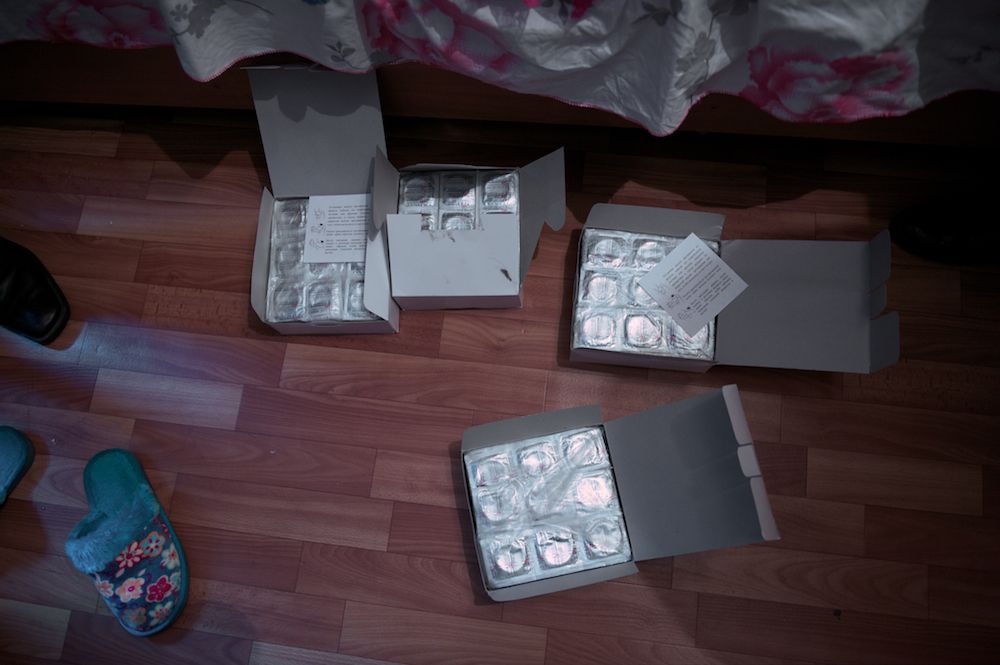
The ranks of sex workers are constantly replenished by women from neighboring countries — Kyrgyzstan, Uzbekistan, and Tajikistan. Girls without documents are placed in a detention and distribution center until their identity is established. Recently, there was a case in which, with the assistance of the Kyrgyz consulate, a madam — a citizen of Kyrgyzstan — was detained. She had set up a business in the capital, using two of her compatriots, one of whom was a minor. And there are many such cases…
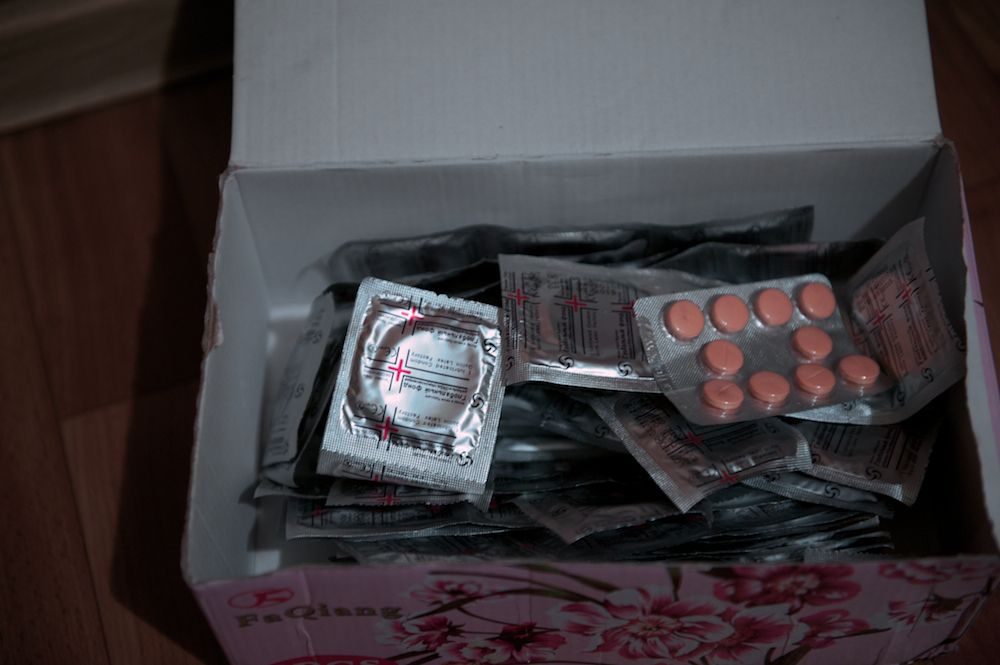
Procuring is classified as a medium-gravity crime and is punishable by a fine or imprisonment of up to three years.
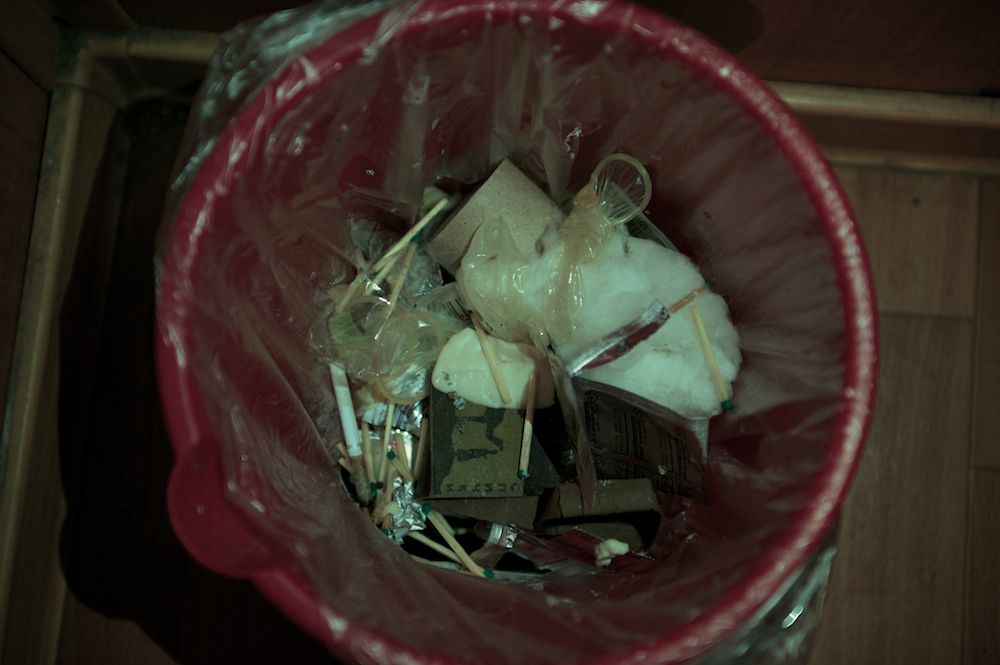
“Any woman who has been subjected to violence must be protected by the law, regardless of her occupation. The last high-profile case occurred three years ago, when a young man lured prostitutes into a rented apartment and stabbed three women to death in a single night. Since then, fortunately, there have been no serious crimes involving prostitutes,” says Nurbakhyt Nabiev, Senior Investigator for Especially Important Cases of the Organized Crime Unit of the Almaty Police Department.
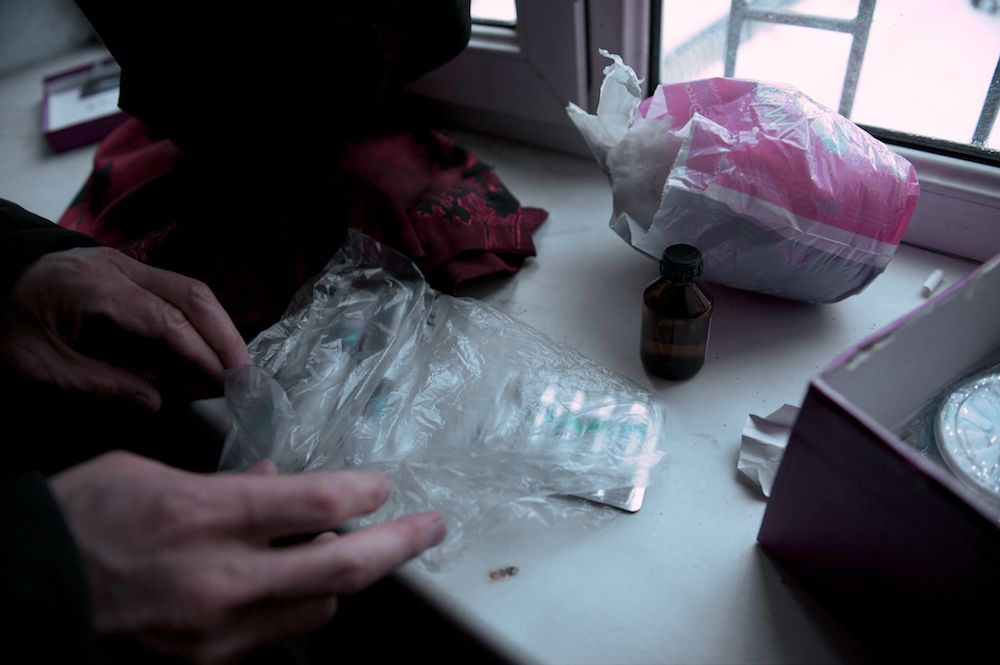
Since the beginning of the year, seven procurers have been detained in Almaty for “involvement in prostitution.” This type of crime is considered difficult to prove. It is crucial to catch the suspect red-handed and record the entire procedure on video. In this case, the operatives and investigators collected all the necessary evidence.

The Organized Crime Unit cooperates with the International Organization for Migration and with the Rehabilitation Center “Rodnik,” where former sex workers undergo recovery programs, attend professional courses, and receive certificates, giving them a chance at a safer life.
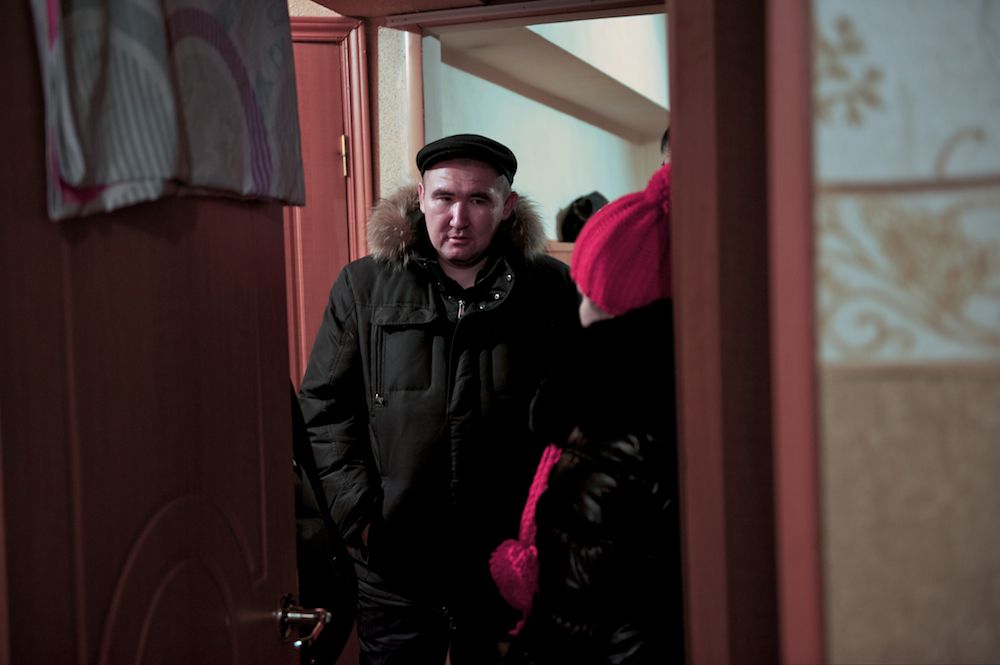
An officer recognizes a former prostitute, Olya:
“I remember you from two years ago, sitting in the kitchen at Guli the madam’s place. Still doing the same?”
“Don’t show my face, please. I have a different life now—I’m married, pregnant, six months along. If my husband or his family find out what I did before… It was when I was young, I had no money. I just came here to pick up a dress I lent to my friend—she works here. Please let me go!”
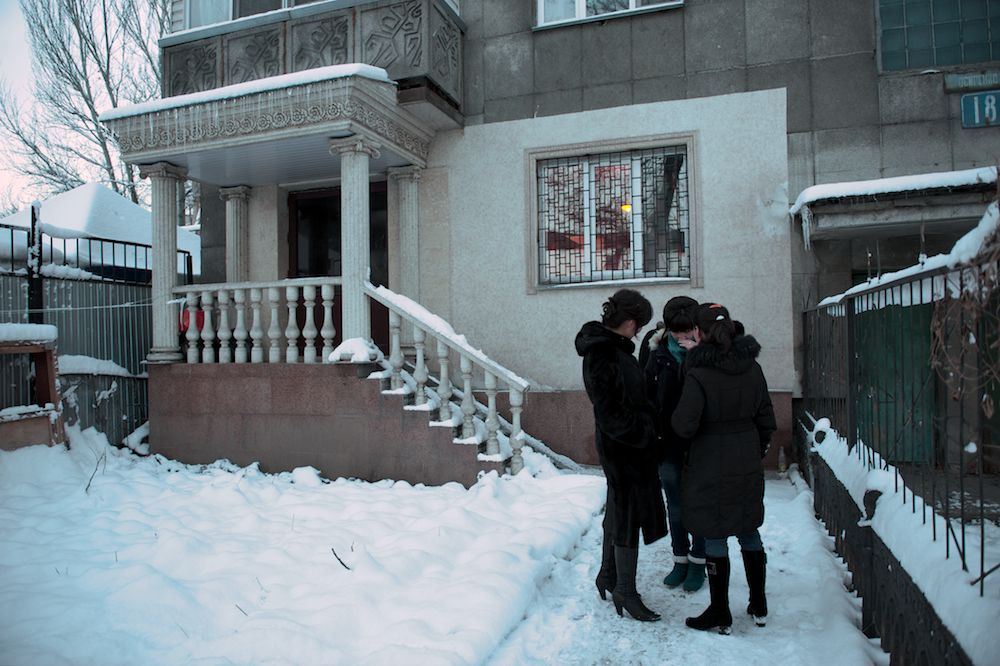
Zhanna’s older sisters saw their youngest sibling for the first time in two years. One of them keeps crying, asking officers if she can come home again.
Nina Balabaeva, Director of the Center “Rodnik”:
“Often a woman returns to prostitution voluntarily. She simply doesn’t know how else to earn money. That environment becomes ‘comfortable’—constant alcohol, fun, attention from clients, the illusion of celebration, ‘easy’ money. When girls come to us, we try to retrain them, show them another world—we go to theaters, concerts, movies. We try to rehabilitate them and distract them from the life they knew.”
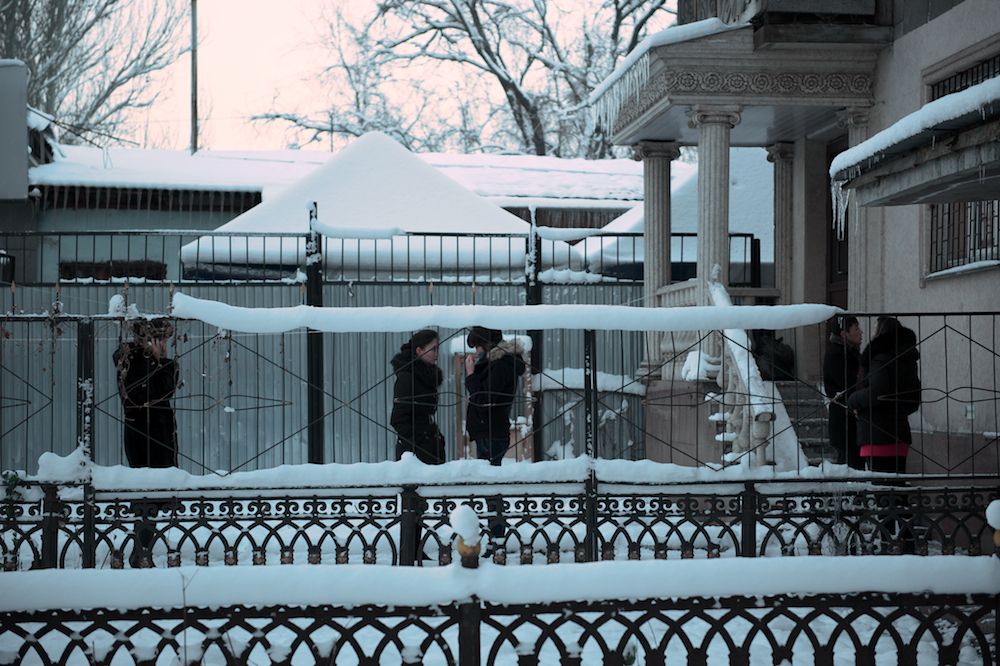
“The fact that our legislation does not prescribe punishment for prostitution is not the root of the problem. As long as there is demand, there will be supply, regardless of whether an article criminalizing prostitution is adopted or not. Many people today speak in favor of legalizing prostitution. I am against legalization. I believe it is necessary to punish the consumer of sexual services, and any man can become such a consumer.
“At present there is moral permissiveness: if you want something, you buy it, you rent it. Moral degradation, broken families, venereal diseases — there are many negative consequences of prostitution. Another one is the flourishing of human trafficking. We have begun conducting trainings for men, potential clients, to teach them to distinguish voluntary prostitution from sex slavery. Recently, men who use the services of women of easy virtue are increasingly turning to the police with information about commercial sex workers who are being held by force.”
“This is a highly profitable business: selling girls into sexual slavery. Let’s calculate: one girl serves 15–20 clients a day, with the minimum rate being about 3,000 tenge. Of course, it depends on the type of services and the category — they have their own hierarchy: some work in markets, some service saunas, some stand on the street, and some go out only by call. But on average, the minimum daily income from one girl is 45,000 tenge. And a single brothel may have as many as 20–25 such girls.
“Moreover, this ‘product’ is easy — there is no need to invest effort, to grow or produce anything; you simply lure, tell a pretty story, recruit, and sell her into sexual slavery.”
“Corruption has deeply corroded our system. I have met girls who told me about cases in which, after police raids, they were taken to a detention and distribution center, only to be bought back by pimps. Both the city police department and the Ministry of Internal Affairs know about these cases; they are discussed at all round tables. It is a great temptation — to receive additional income, to have a steady ‘feeding trough.’
“There is a documented case in which an assistant district prosecutor was ‘protecting’ prostitution; he was later dismissed and an internal investigation was conducted. We probably need to make this business unprofitable — then no one would engage in it. But how to do that, I do not know.”
After numerous local police operations on Saina and Seifullin streets conducted several years ago, sex workers moved to roadside hotels, saunas, cafés, and restaurants.
Since the beginning of the year, officers of the Organized Crime Unit have conducted 500 preventive operations.
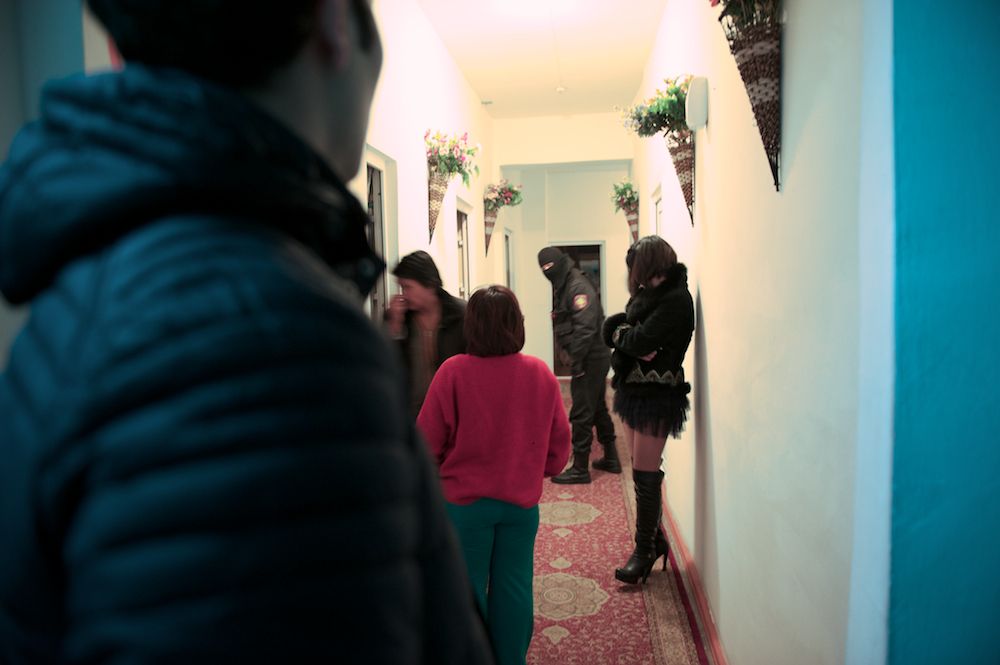
“We resolved the situation on Saina Street, and now we regularly clear Seifullin Street. After one or two preventive operations, the street stays deserted for a week. There is also a section at Abay and Sofya Kovalevskaya, and we work that area as well. Residents themselves help in the fight against prostitution — they submit complaints to the minister’s blog, to the akim, and we receive anonymous calls,” said Bahyt Balgimbaev, Head of the Department for Combating Organized Crime of the Almaty Police.
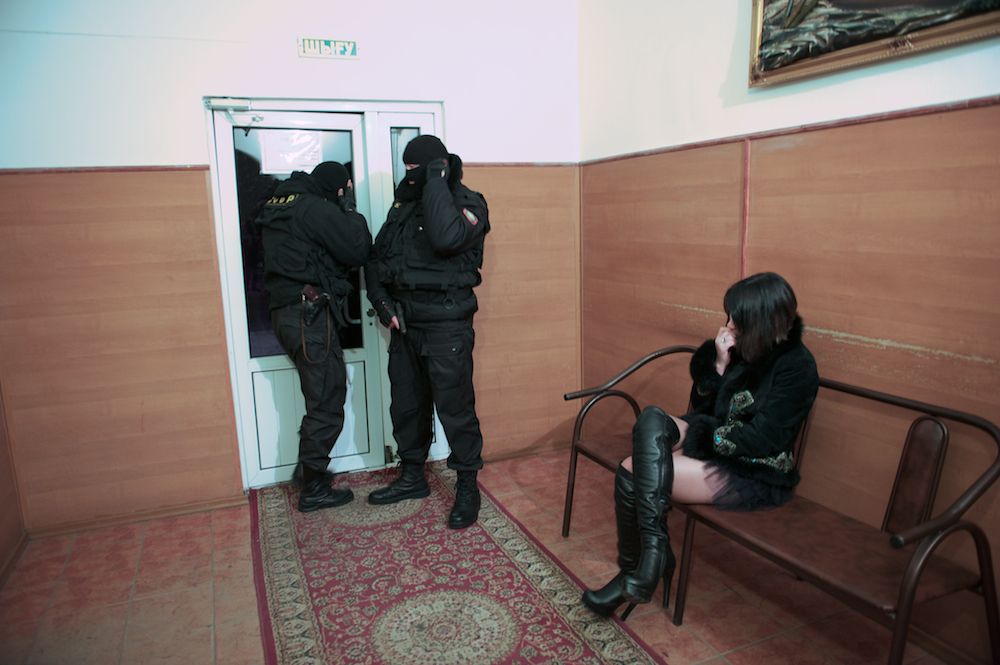
“Anyone can ‘cover’ or protect prostitutes — any person who decides to earn money this way. It is a profitable business. Today a madam is detained and a brothel is closed, and a few days later a new brothel opens somewhere else. Mostly migrants are involved in this, and then someone begins to ‘cover’ and protect them.”
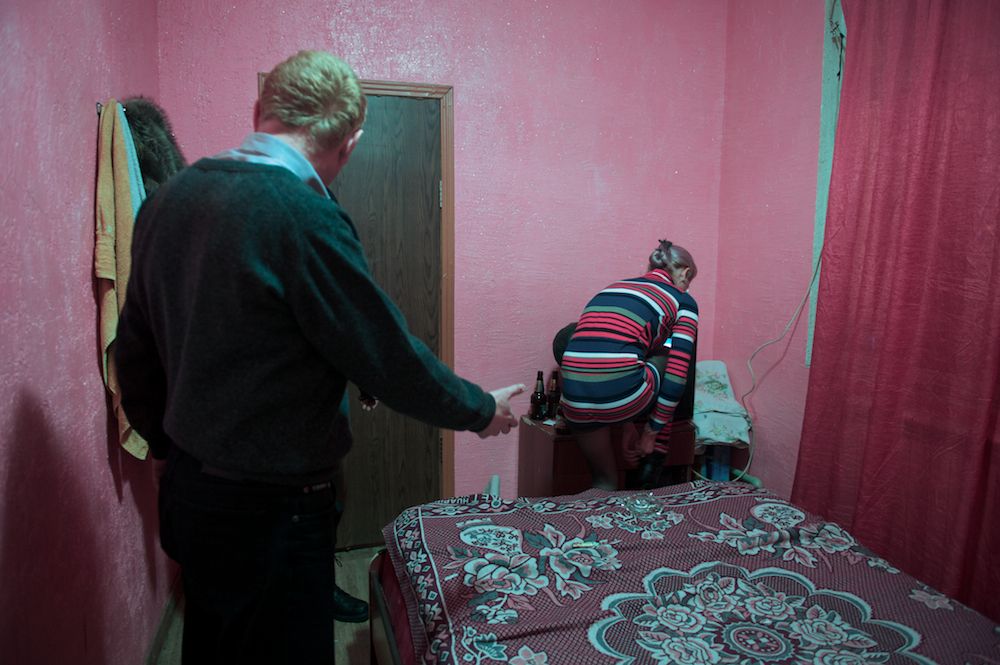
More than 2,000 sex workers are officially registered with the Almaty Police Department.
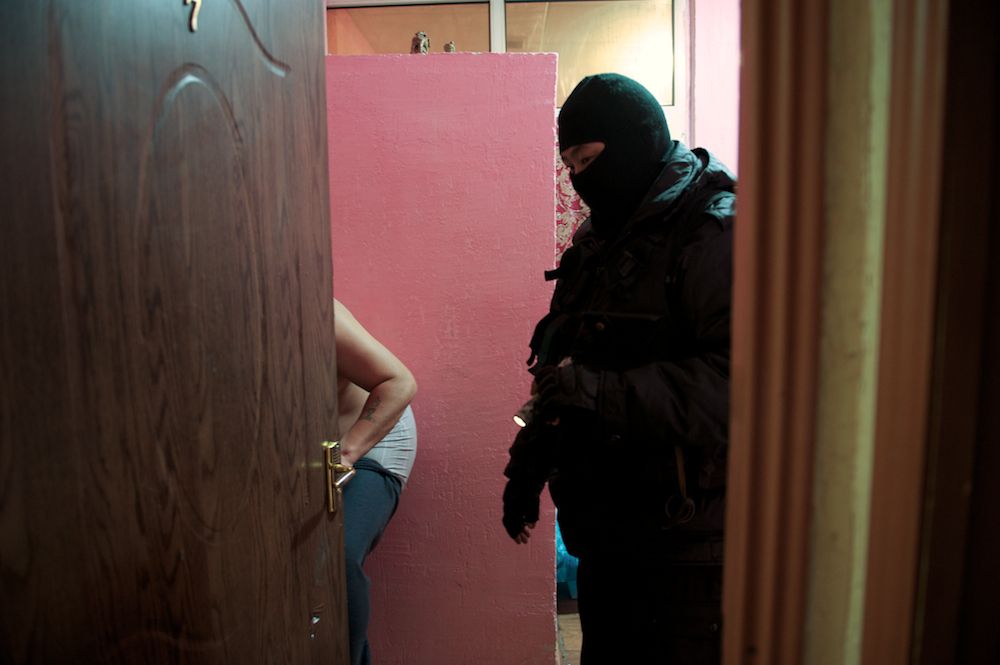
Once a year, during Ramadan, demand drops sharply—there are almost no clients. Migrant sex workers return to their homes; brothels close for repairs and preventive maintenance.
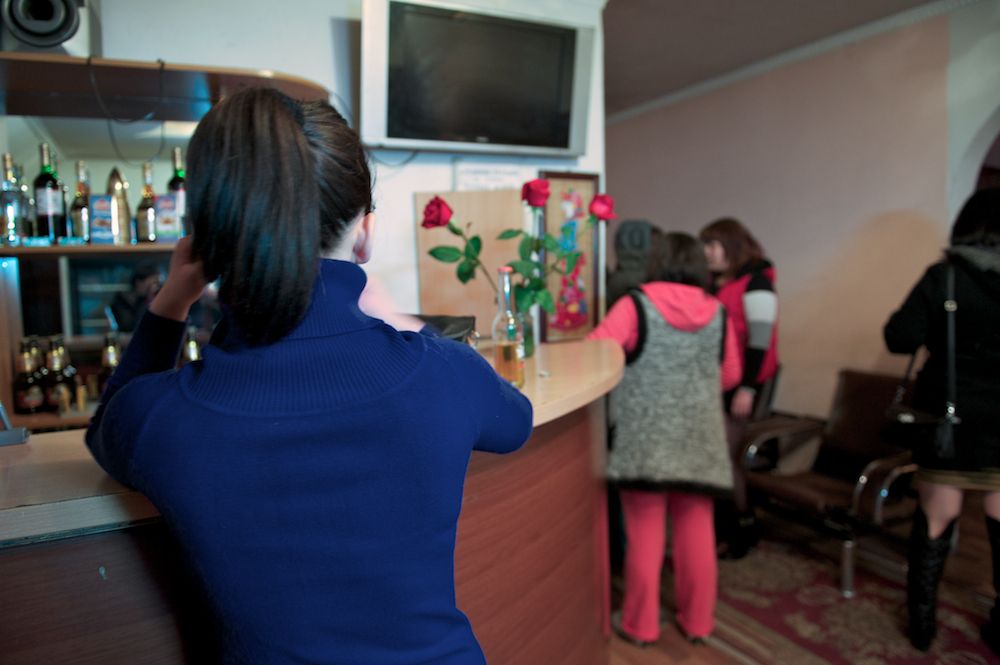
Police try to cooperate with hotel administrators. Last year, several men attempted to sell a girl to a hotel; the administrator immediately informed law enforcement and, at their request, played the role of the buyer until the special group arrived. The perpetrators were caught.
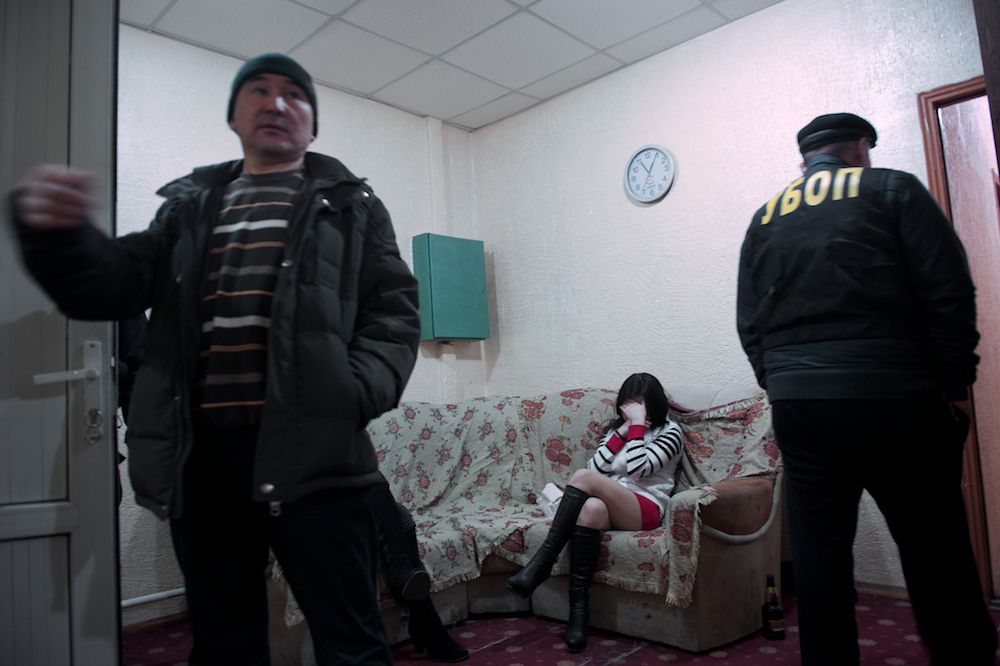
Senior Investigator Nabiev recognizes almost every woman:
“Most of them come into this business not from a good life. Usually they are single women without higher education or stable work. For example, here in the ‘Margarita’ hotel lives one prostitute—she is 45, both her legs are broken, she has no relatives, her health is poor, she moves from hotel to hotel, and whatever she earns goes to medicine and food.”
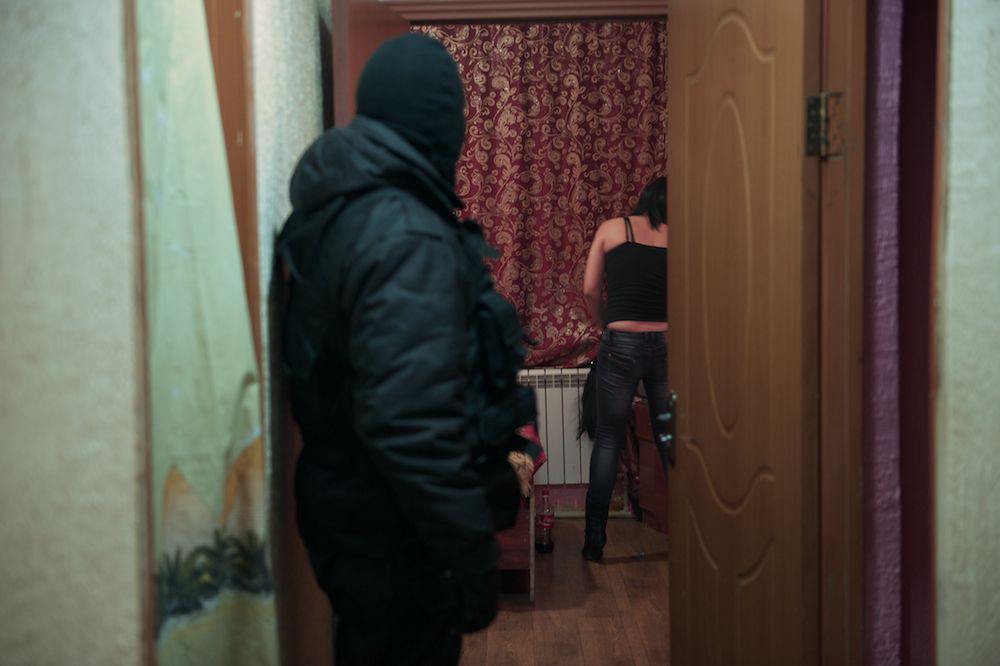
Hotel owners and administrators earn money off the prostitutes. To any questions they calmly respond: “We don’t know anything. They rented a room and paid. What they do inside is not our concern.”
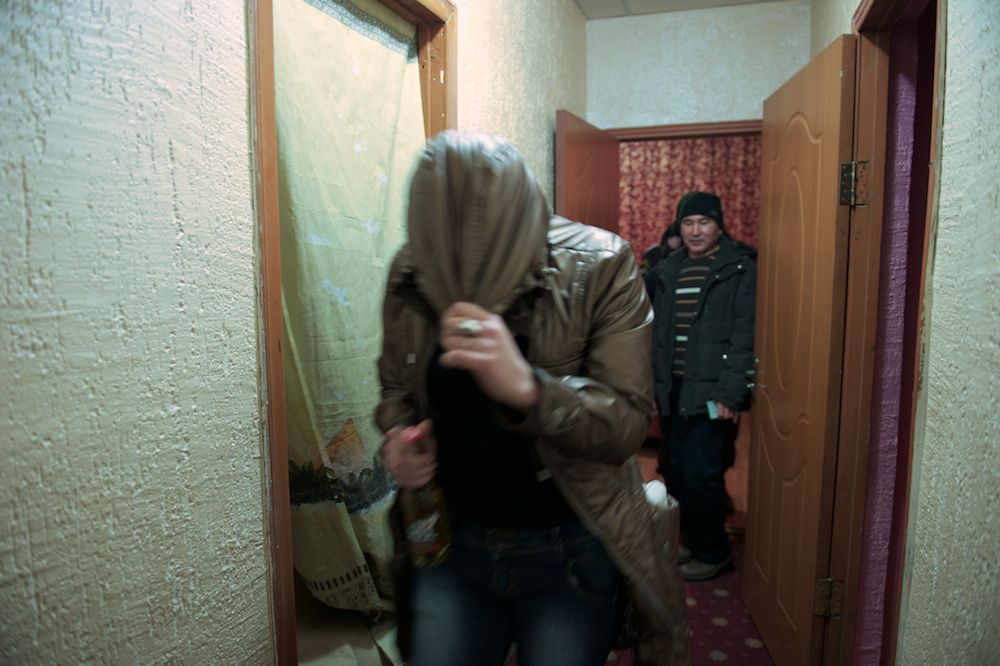
There have been cases where hotel owners were held criminally liable for allowing brothels to operate on their premises or for running them directly. Last year, officers of the Organized Crime Unit of the Almaty Police uncovered high-profile cases involving the hotels Mayak, Pole Chudes and Sagishka. A series of criminal cases was initiated against the owner and administrators who were exposed, including charges for creating an organized criminal group.
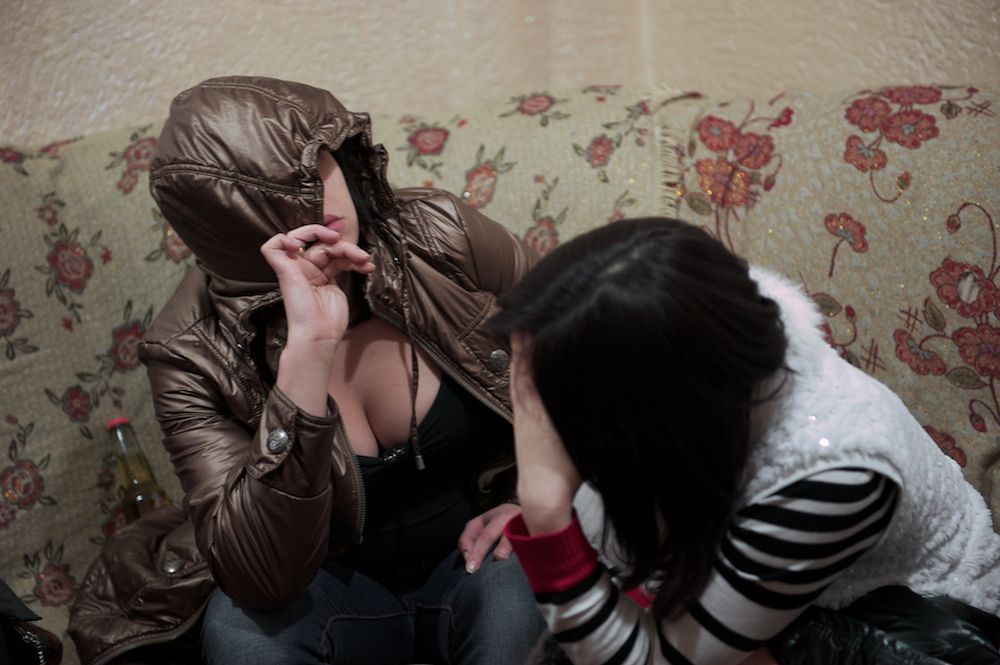
Ainura, 32, from Almaty, two years in the trade:
— I have two children—my son is 11 and my daughter is 5. I’m divorced. My husband is a bastard and a freeloader; he left me with two kids and refused to take responsibility for them. I used to work as a junior nurse in a pediatric ward, but you can’t survive on a 30,000 tenge salary—pure poverty! Here I earn 1,500 dollars, enough for my children and to help my retired parents. None of my relatives know, and I intend to keep hiding it — I still want to marry a normal man someday and have a baby with him. But I haven’t met one yet; all men are the same, just in different pants.
I don’t understand why prostitution needs to be legalized — it is already effectively legal; no one is imprisoned for it. Any woman can become “a girl for an hour” and earn decent money just by spreading her legs. A room with a condom and a girl costs 5,200 tenge, of which 4,000 is mine. I take up to five clients per shift — I don’t strain myself, it’s not difficult. I periodically get medical tests; I take care of myself, I don’t want to get infected — after all, I have children. Most of my clients are regulars, only classic sex, no perversions. Among newcomers, however, nine out of ten want perversions. And pick harsher wording here: if men were normal, we would not be prostitutes!
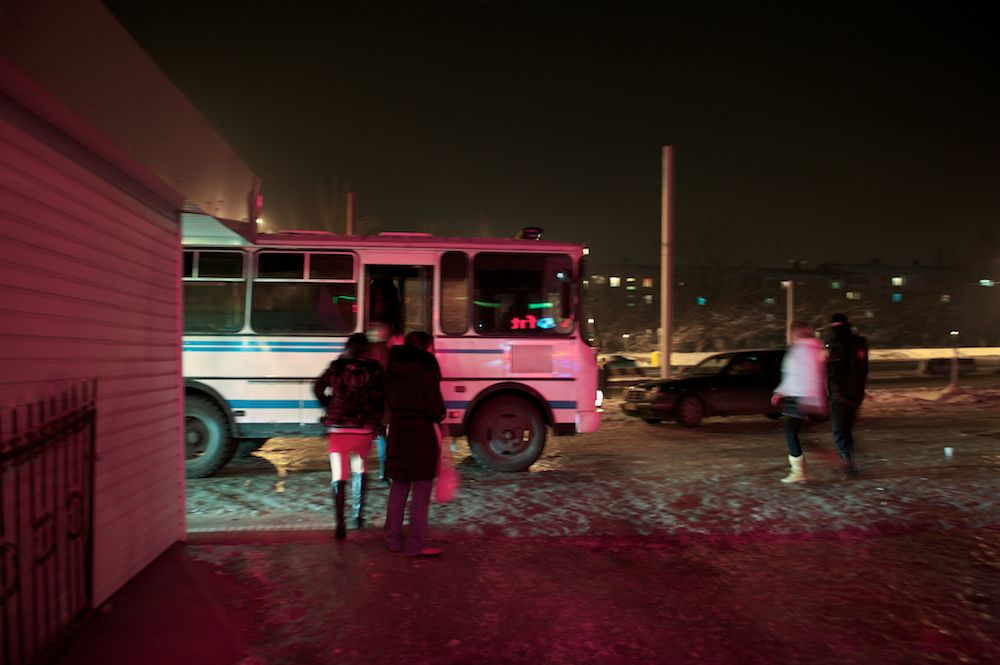
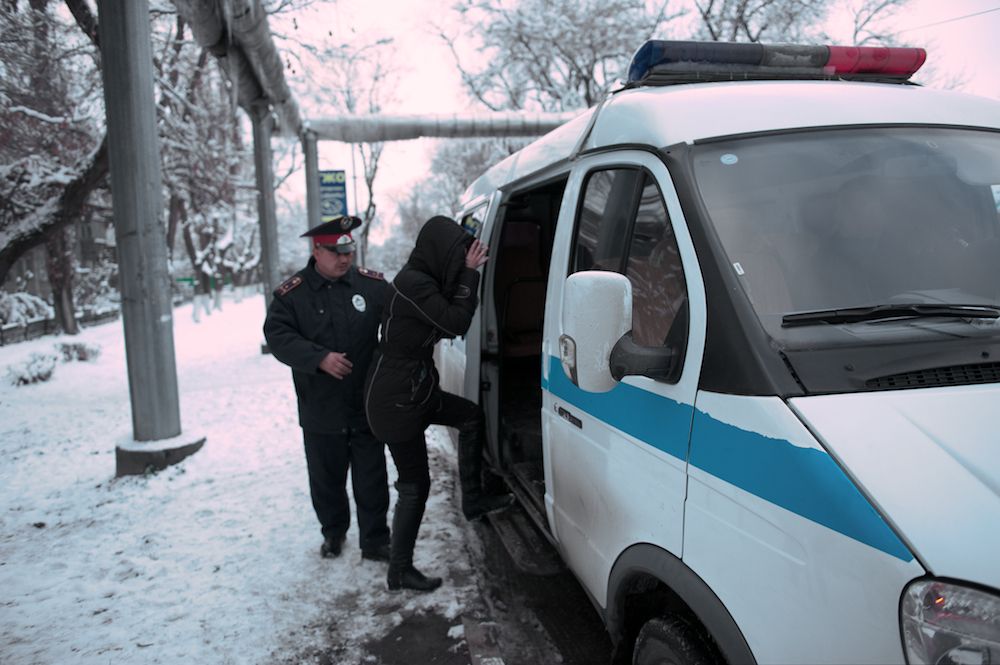
The bus is ready to take the first group of women. After the raid they will be brought to the police department to be registered and checked for involvement in crimes.
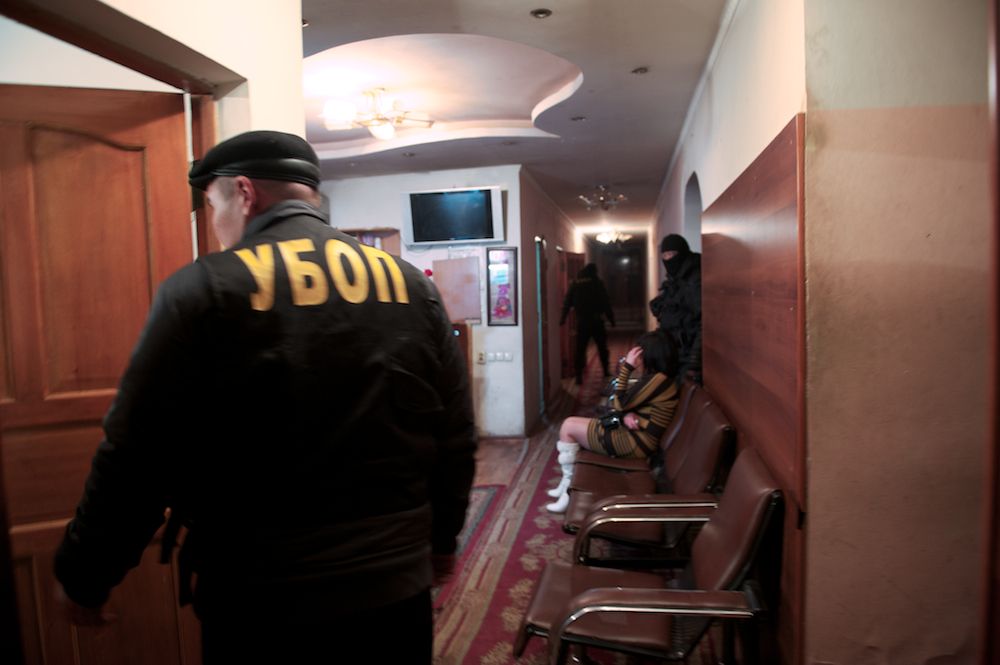
The women board the bus, cheerfully greeting one another. They casually drink beer and crack sunflower seeds. Everyone knows each other in this business, and only newcomers are treated with caution.
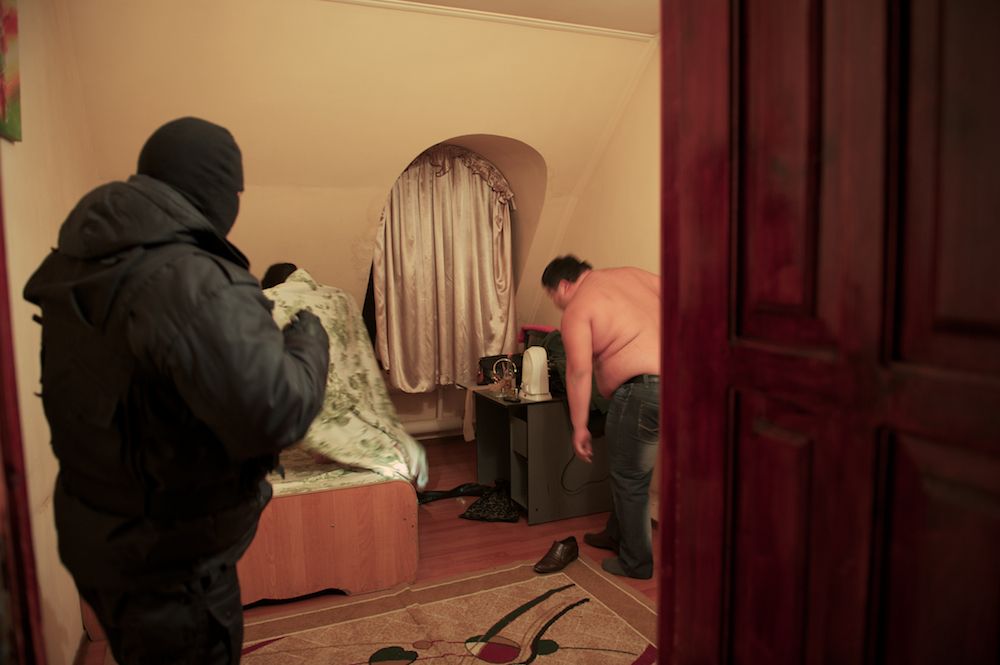
This establishment on Zhandosov Street used to rent rooms to prostitutes, but later the owner changed the clientele—now large families and labor migrants live there.
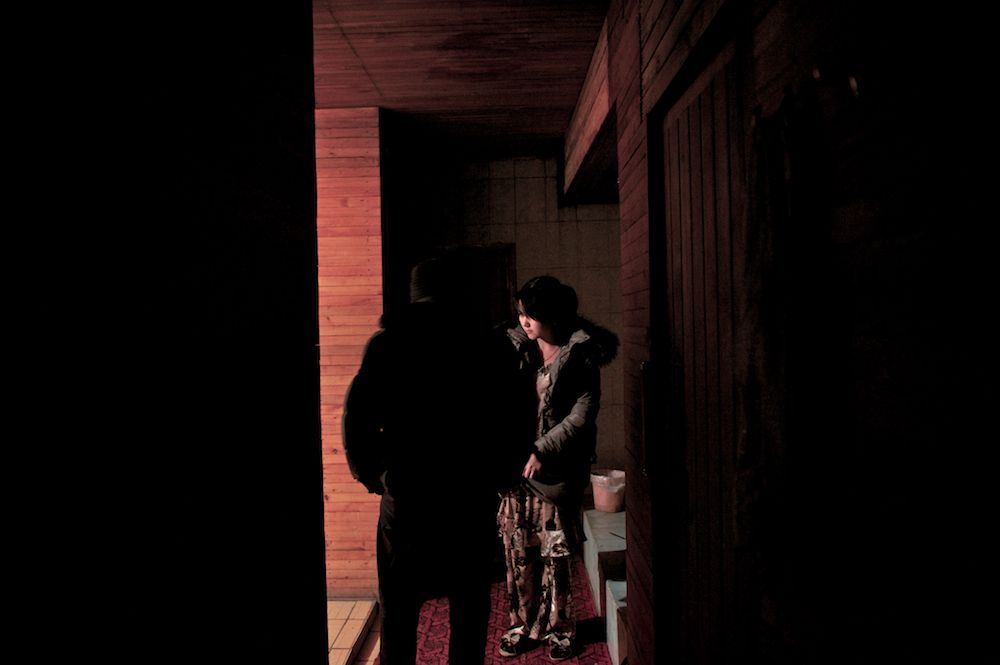
A woman from Uzbekistan works at the bazaar; her husband is on the night shift. Officers check whether she came voluntarily and whether she is under threat. She says she is fine and has no complaints.
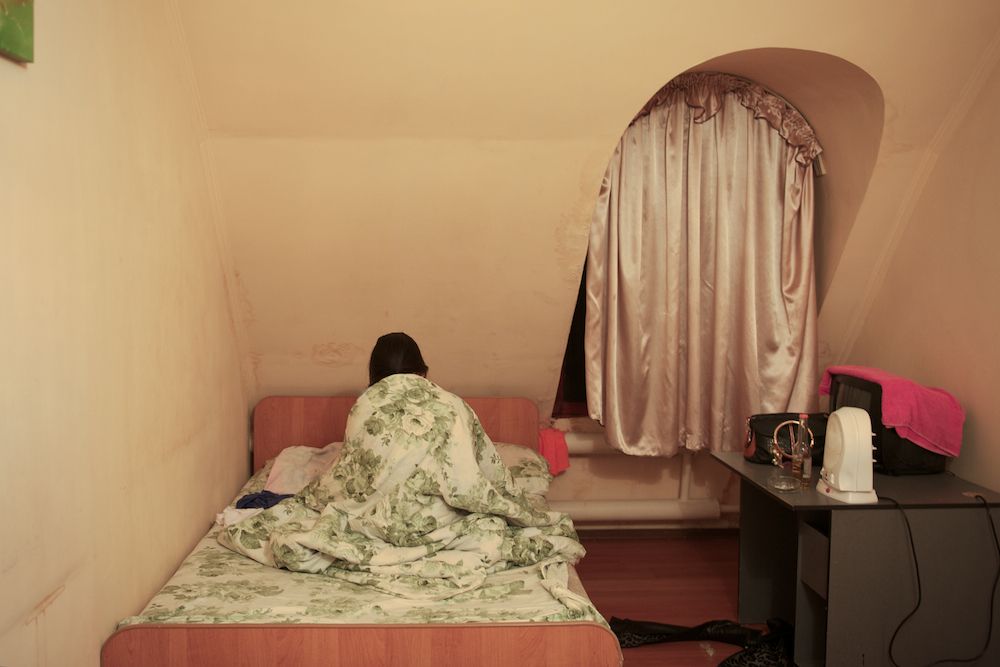
Ksenia, 23, from Almaty. Four years in the trade:
“After finishing college, I worked as a cook in a kindergarten, but I got tired of working a whole month for 26,000 tenge. A friend suggested trying this work, and here I am—four years providing intimate services. My minimum monthly income is 150,000 tenge. I go out only three days a week—Saturday, Sunday, Monday. Monday is not the best day: either the police show up, or the ‘big shots’ come and book the girls for free. You get used to this job and don’t know what other work you could possibly do. It’s scary to switch jobs, though clients often say: ‘Come work as my secretary, you’ll serve only me and my friends…’”
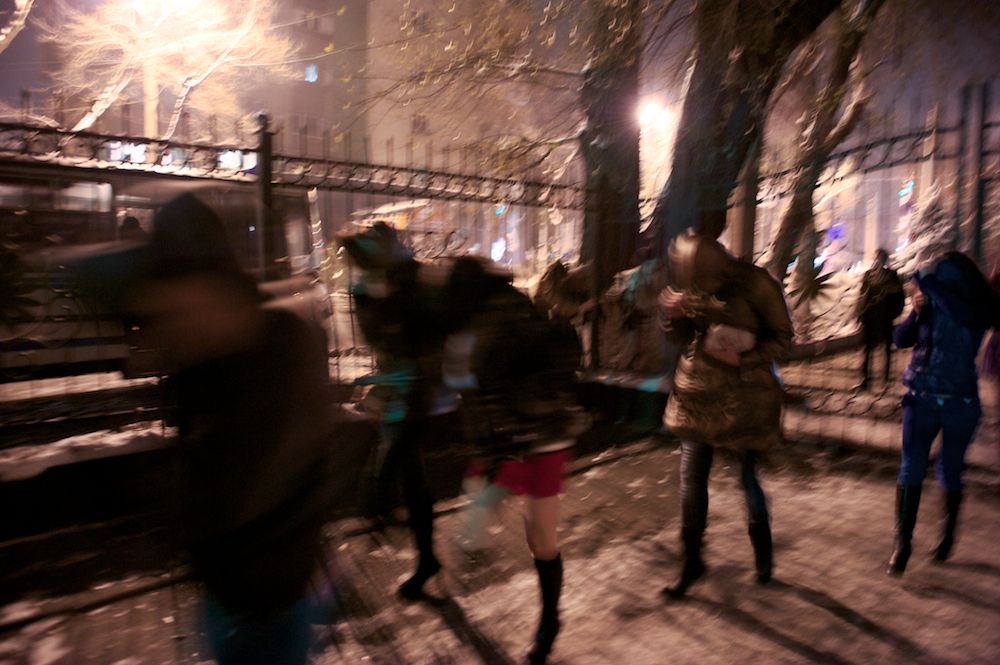
By one in the morning, the women are brought to the police station, where a forensic officer waits. They are photographed, entered into the “Obraz+” database, fingerprinted, recorded on video, and released.
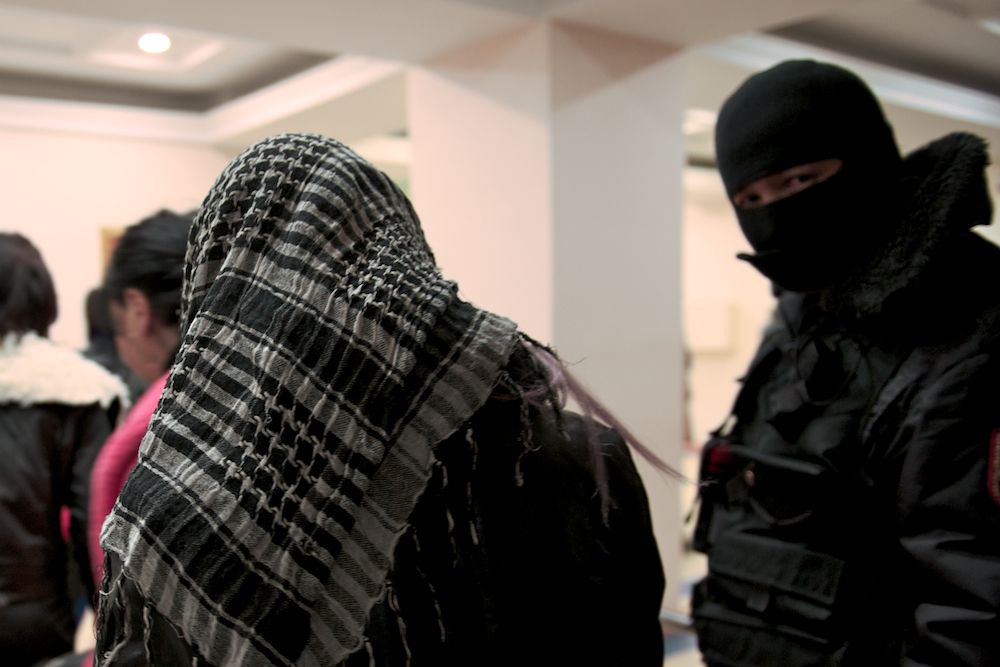
Zhanna, 22, from Taraz. Two years in the trade:
“I gave birth without a husband, at seventeen. My daughter is now five. We live together with my mother. I was the one who initiated the separation—I packed my things, took my daughter, and left. He didn’t chase after us. When I was alone, an older friend told me: you can work anywhere, as long as you don’t beg from anyone and remain independent—and you can help your mother too. That guy is married now, has a son. We don’t talk. I told him: Oksana doesn’t need a part-time father; either accept her fully or don’t appear at all.
“I work almost without breaks. Now it’s slow—few clients—so once every 2–3 weeks I go home for a few days. In the best month I make about 2,000 dollars. I charge 6,200 tenge per hour. Often men come just to talk—they buy beer and tell me about their problems with their wives and at work. Clients often say I have sad eyes—but that’s life. Everyone survives in their own way: someone bakes bread, someone heals, and I sell my body; I have nothing else to offer. I’ll do this until I raise my daughter. No one has the right to judge me as long as I’m responsible for my child.”
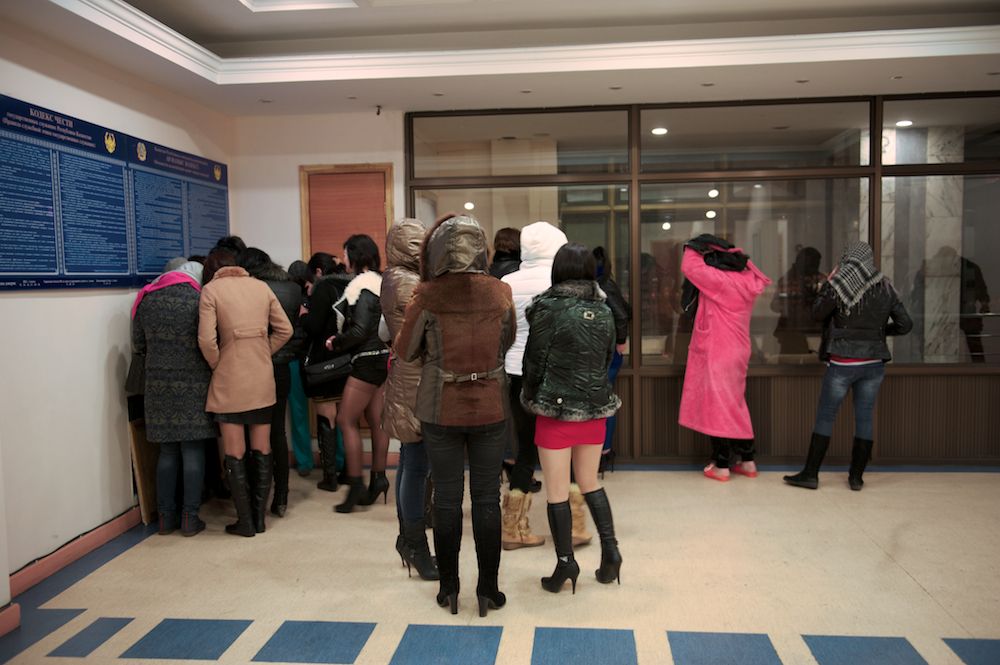
The women chat animatedly; visits to the police station have become a routine procedure for them. When they see a camera, they all turn their faces away.
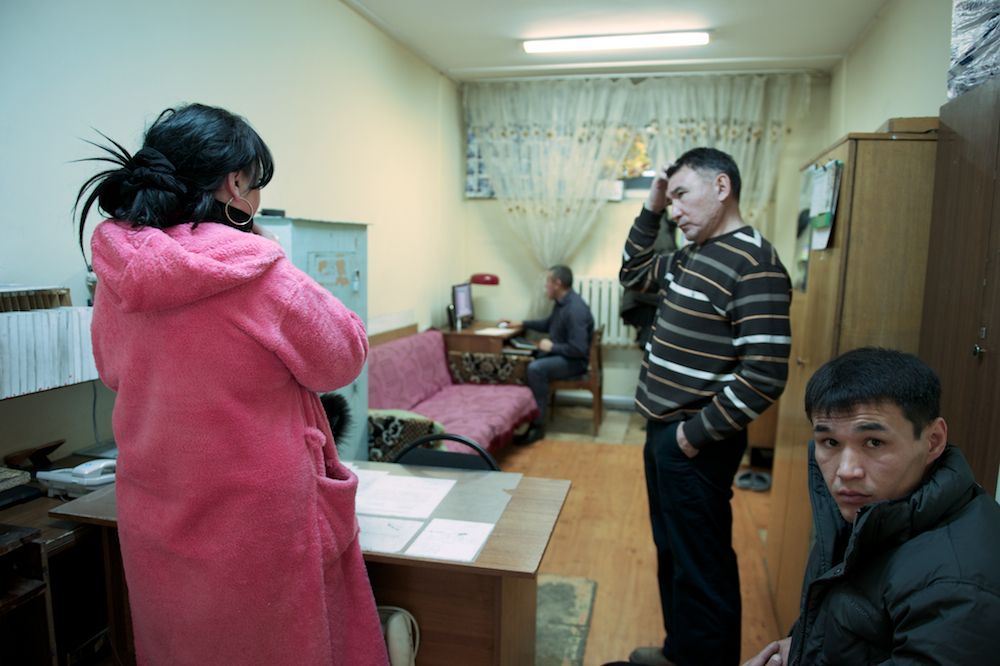
Zhanara, 31, from Almaty. Three years in the trade:
— This is my ninth time at the police station — the place is familiar. Conversations in the offices are a passed stage, we just exchange news and talk about life. And Uncle Bakha (Nurbakhyt Nabiev) is a good man — emotional, yes, sometimes nervous, but still a human being! Respect to him! Much appreciation for his humanity and understanding!
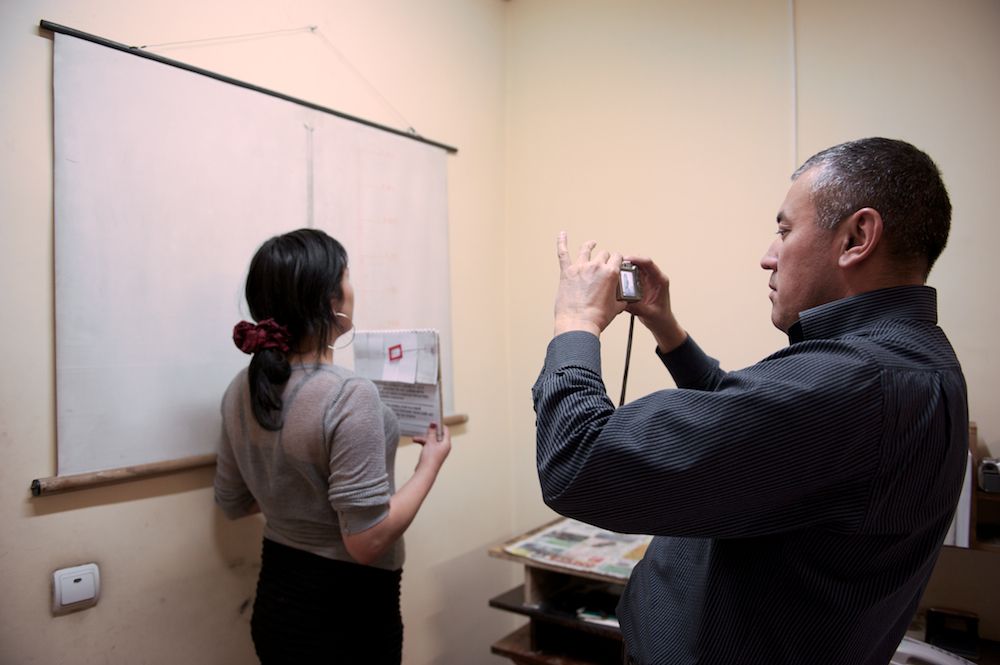
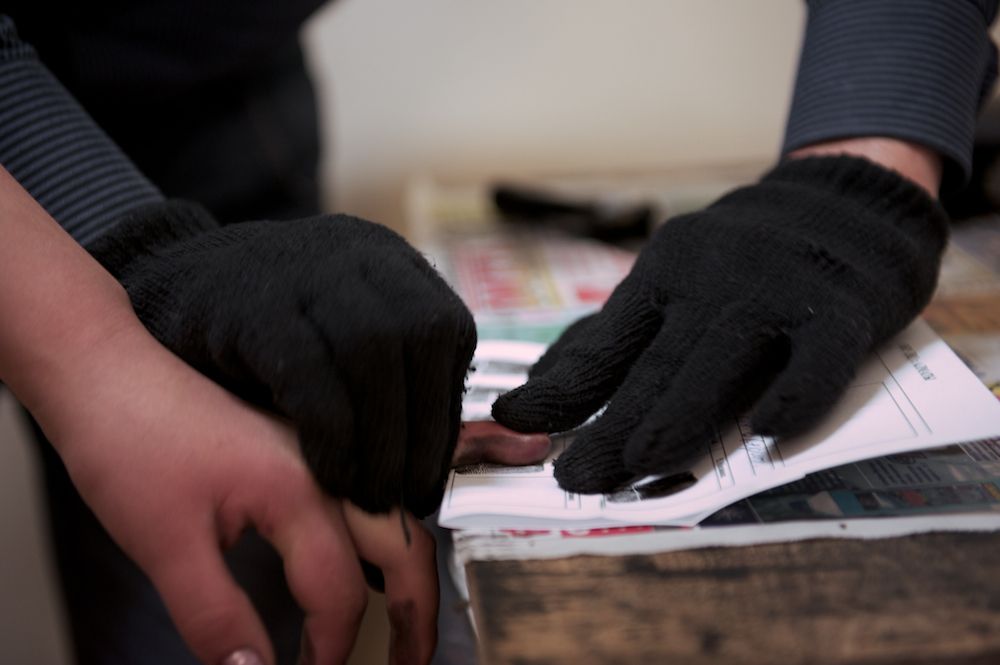
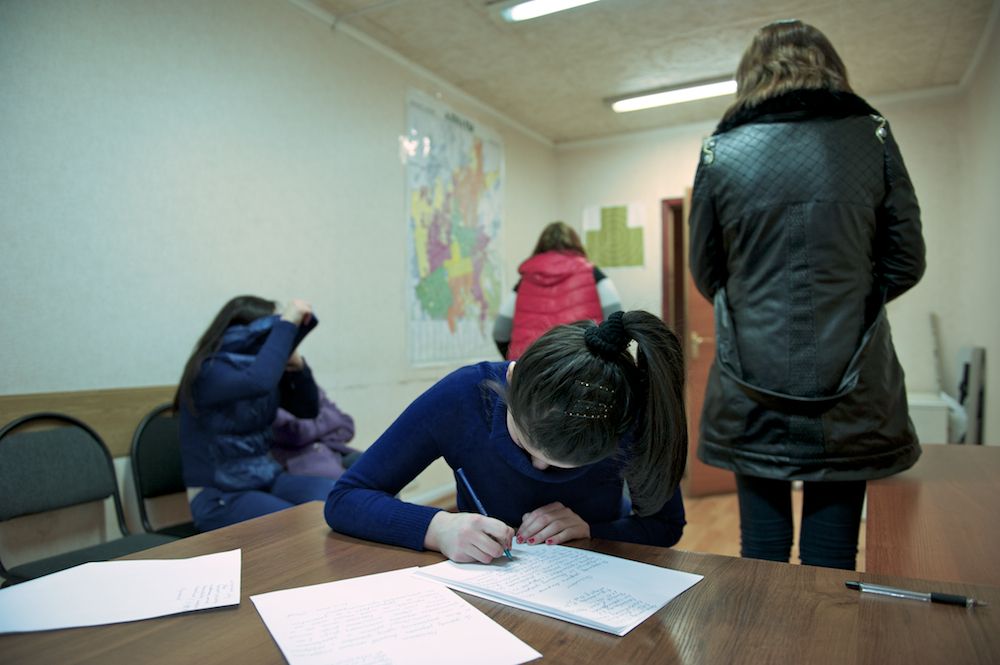
Statement: “Regarding the questions addressed to me, I explain: I live at the above address with my father. I have no permanent job or income. I provide paid sexual services and work independently at the ‘Margarita’ hotel. My service fee is 4,200 tenge. I have no pimp; no one forces me.”
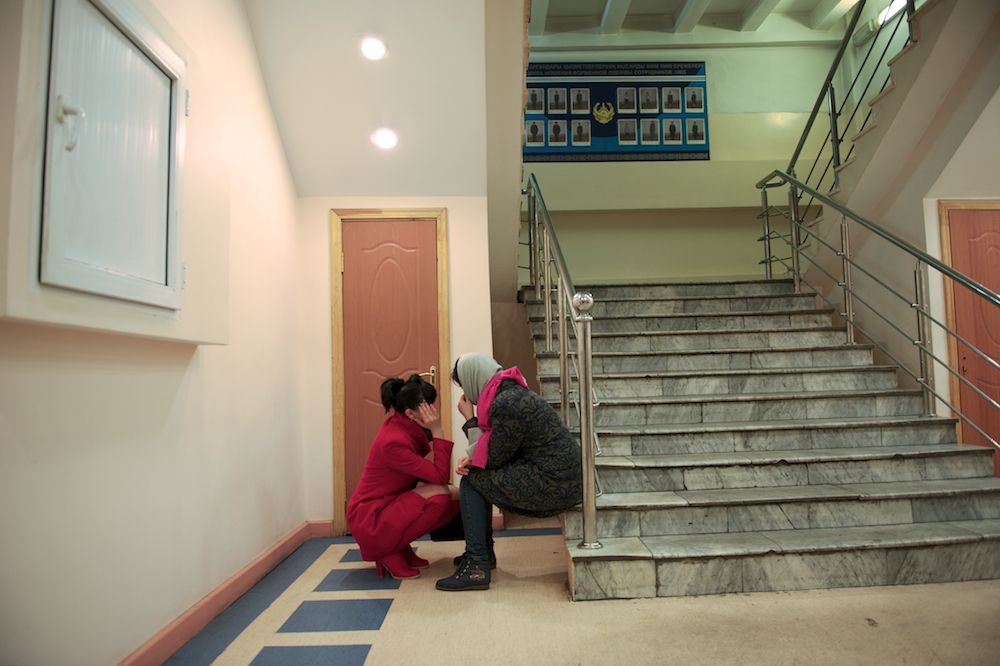
A young girl bursts into tears; she is in emotional shock—it is her first time at the police station. A more experienced friend comforts her: they won’t do anything, they’ll hold you and release you.
The original version of this material was published on the portal Voxpopuli.kz before its closure in 2023. Author Karlygash Nurzhan restored the text and photos from a personal archive to preserve documentary and historical materials.
Comments
No comments yet. Be the first to comment!