When I imagine how they killed him, I hear “Mama…”
Shanger.kz
In civilized countries, every non-combat death in the army is investigated as a criminal offense. Commanders are held personally accountable, the prosecutor’s office works independently, and parliamentary commissions publicly examine every case. In Kazakhstan, 270 deaths in three years have not led to a single high-level resignation or a single real reform. The deaths of soldiers are attributed to absurd causes such as “suicide,” “meningitis,” or “accident.” What is the reason? Is the life of a Kazakhstani soldier valued at zero? And yet those who died were not weak — they were strong-willed, capable leaders who could have become the pride of the army. We met and spoke with parents whose sons returned home in zinc coffins, who returned disabled in peacetime.
“My son could not have shot himself twice.”
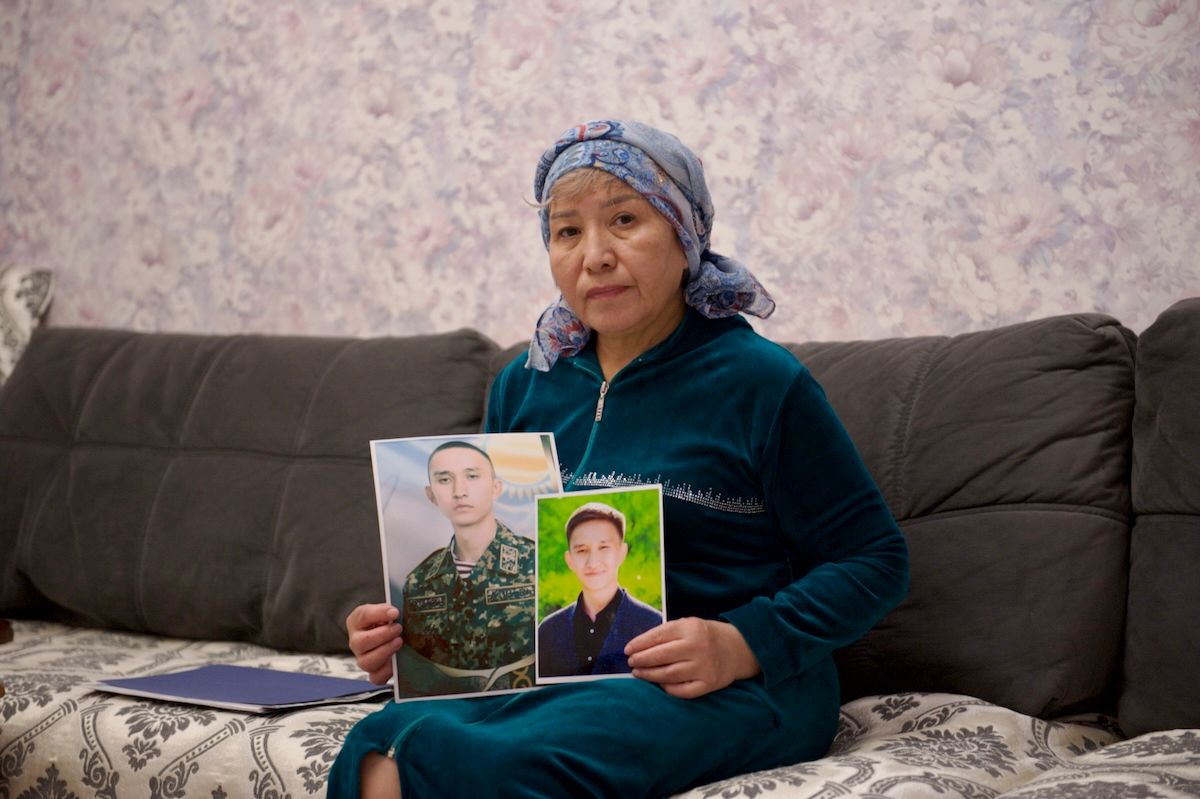
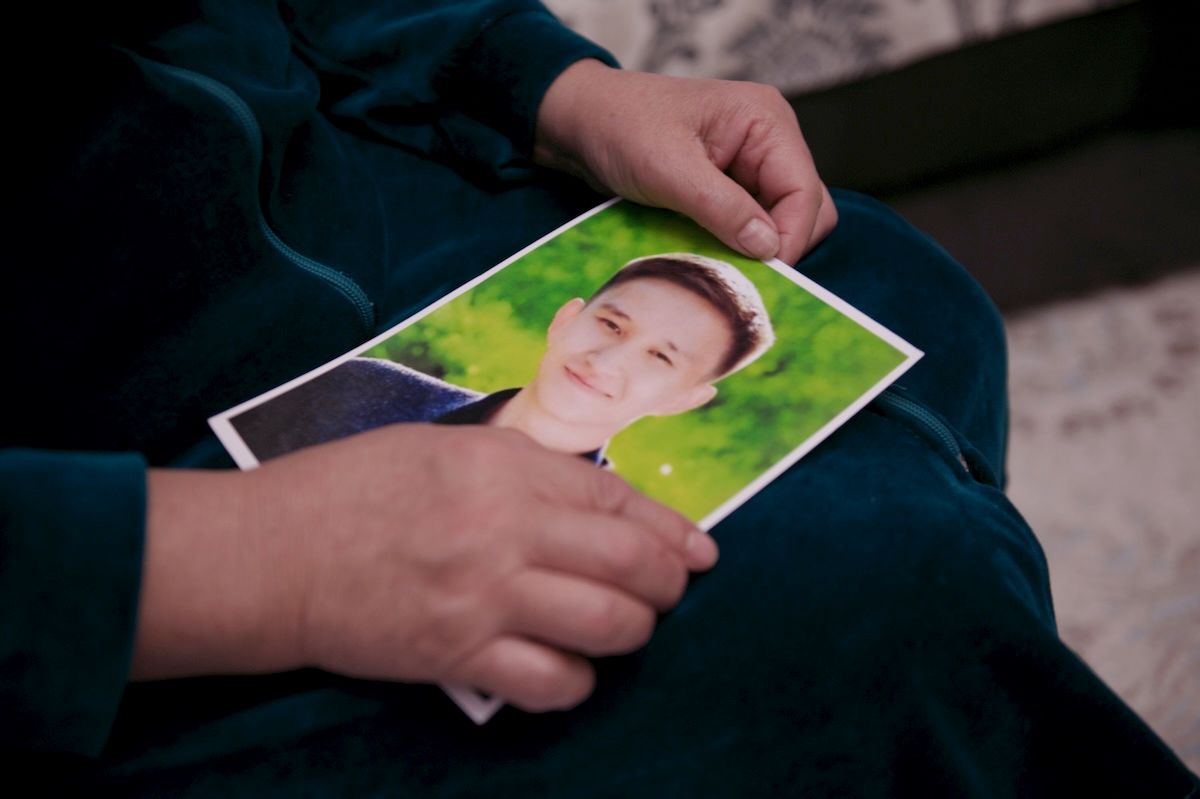
“On October 9, 2023, I lost my son”, says the mother of the deceased serviceman Kaisar Sultanov, Saule Tleubergenova. “Kaisar served in the National Guard of Kazakhstan. He was an educated, neat, disciplined young man with a higher education. I was told that he had taken his own life. The official version is suicide, under Article 105 of the Criminal Code. But I saw my son’s body. I saw his wounds. And I do not believe the investigation. There were two gunshots to the chin area, and there were abrasions on his arm, leg, and on the left periorbital area. The first bullet passed through his tongue, palate, frontal bone and the vault of the skull — a fatal wound after which a person is physically unable to perform a second action. Yet, according to official documents, a second shot was fired six minutes later. I paid for a private forensic examination, and it confirmed my suspicions: the first shot was lethal, and the second was fired after Kaisar was already dead. This was not a suicide. This was a murder.”
“My son’s body was found not at a guard post, not in a warehouse, but inside the administrative building of the National Guard Department — the place where the offices of the highest military leadership are located. It is supposed to be the safest, most controlled point of the entire structure. Yet Kaisar was killed right there. All surveillance footage from that day had been destroyed. A private forensic examination confirmed that the hard drives were deliberately formatted, the recordings intentionally erased. I collected evidence piece by piece myself, knocking on every door — the prosecutor’s office, the presidential administration, members of parliament. The criminal case was closed three times. Only on the third attempt, when I submitted all gathered materials to the General Prosecutor’s Office, it was reopened. That was two months ago. The investigation nominally continues, but I demand only one thing — to reclassify the case from “suicide” to “murder.” I suspect my son witnessed theft of weapons in the unit, and he was eliminated so he would remain silent.
The day before his death, I took Kaisar out on leave. I picked him up in the morning, spent the entire day with him, and at 17:30 personally brought him back to the unit. And that night, on October 9, they called me and said he was gone. That he allegedly shot himself twice. I am sure he understood something wrong was happening. Most likely, there was weapon theft, and they were afraid he might tell me. On that day, it was the third platoon that was supposed to go on duty, not my son, because he belonged to the first platoon and should not have been assigned to the shift. I requested an inventory check of the unit’s weapons depot and was ready to join the commission myself. They refused, citing “state secrecy” and “counterintelligence control.”
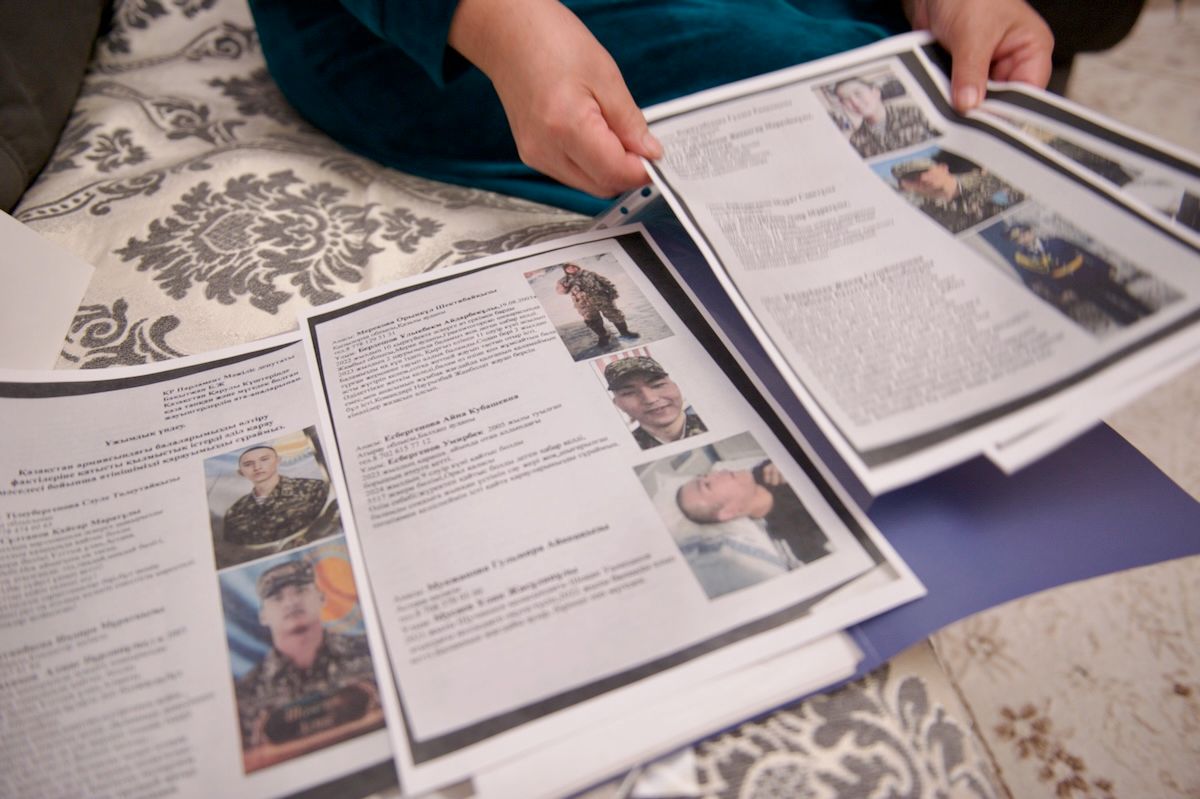
“Mothers like me exist by the dozens, even hundreds, across all of Kazakhstan. Our sons were killed, crippled, raped, driven to suicide, while official investigations endlessly closed the cases under the labels “suicide” or “meningitis.” For more than three years, some of us have been walking through government offices, filing petitions, collecting evidence — all without any result. On November 10, 2024, we gathered in Astana, having submitted a written request in advance asking for a meeting with the Prosecutor General and the Chief of Staff of the Presidential Administration. Our request had been formally approved. But when we arrived, instead of top officials, we were met only by their deputies — the same people we had been meeting fruitlessly for years.
We wore white scarves and aprons with inscriptions in Kazakh: “I did not give birth to my son for him to be killed in the army” and “We demand army reform.” We demanded reform of the Kazakh army, fair investigation, and punishment of those responsible. No political slogans, no calls to overthrow the government — only pain, and a demand for law, justice and truth.”
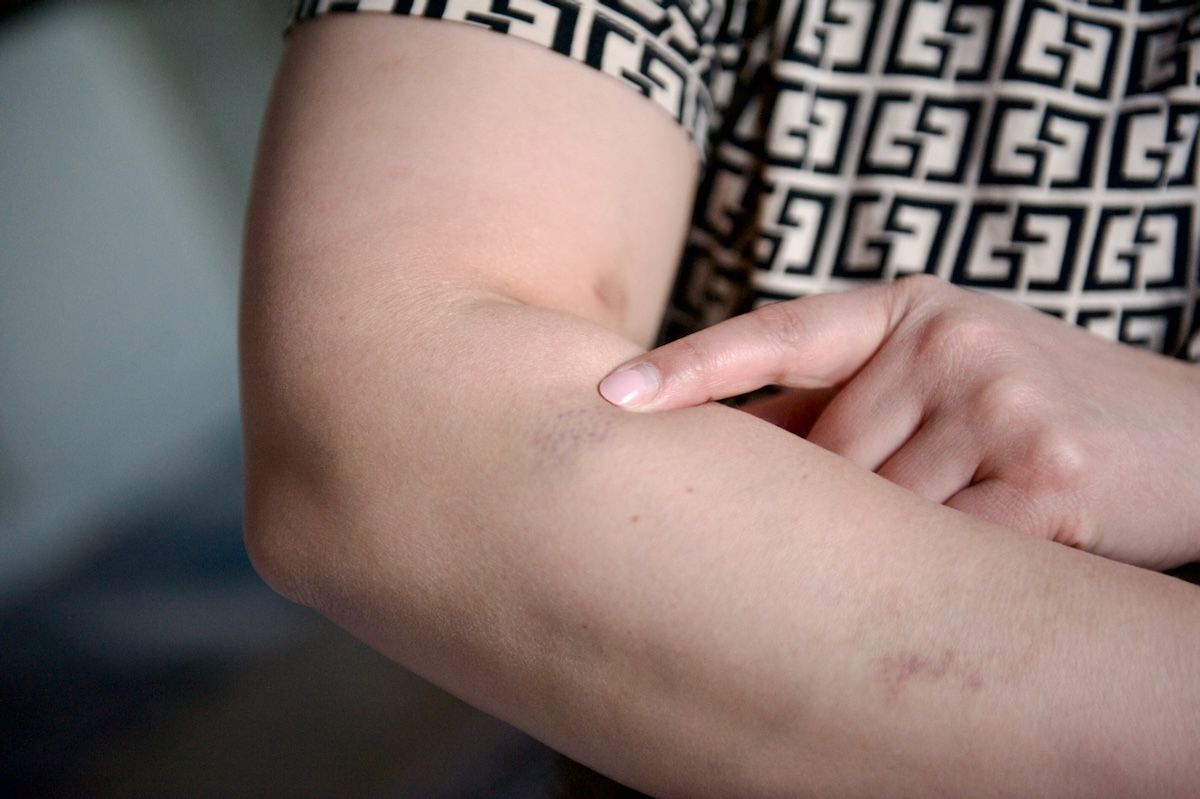
Gulmira Mukazhanova shows the bruises on her body after November 10.
“By around four in the afternoon, it became clear that there would be no meeting with the leadership, and we began to disperse. We headed toward the public transport stop. The journalists had already left, and we stepped into the heated bus shelter to wait for our transport. Within a minute, a car pulled up, and several men in black uniforms, wearing masks and holding batons, jumped out. They stormed into the shelter as if facing terrorists, not elderly women. Gulmira was struck in the face, her skin split open, and she was kicked. My arm was twisted so badly that I still cannot lift it. Among us was a 73-year-old grandmother; they did not spare her either, hitting her and dragging her away. She was thrown into a police van, and her condition deteriorated so much that an ambulance had to be called once we reached the police station. All of this is confirmed by medical documents.”
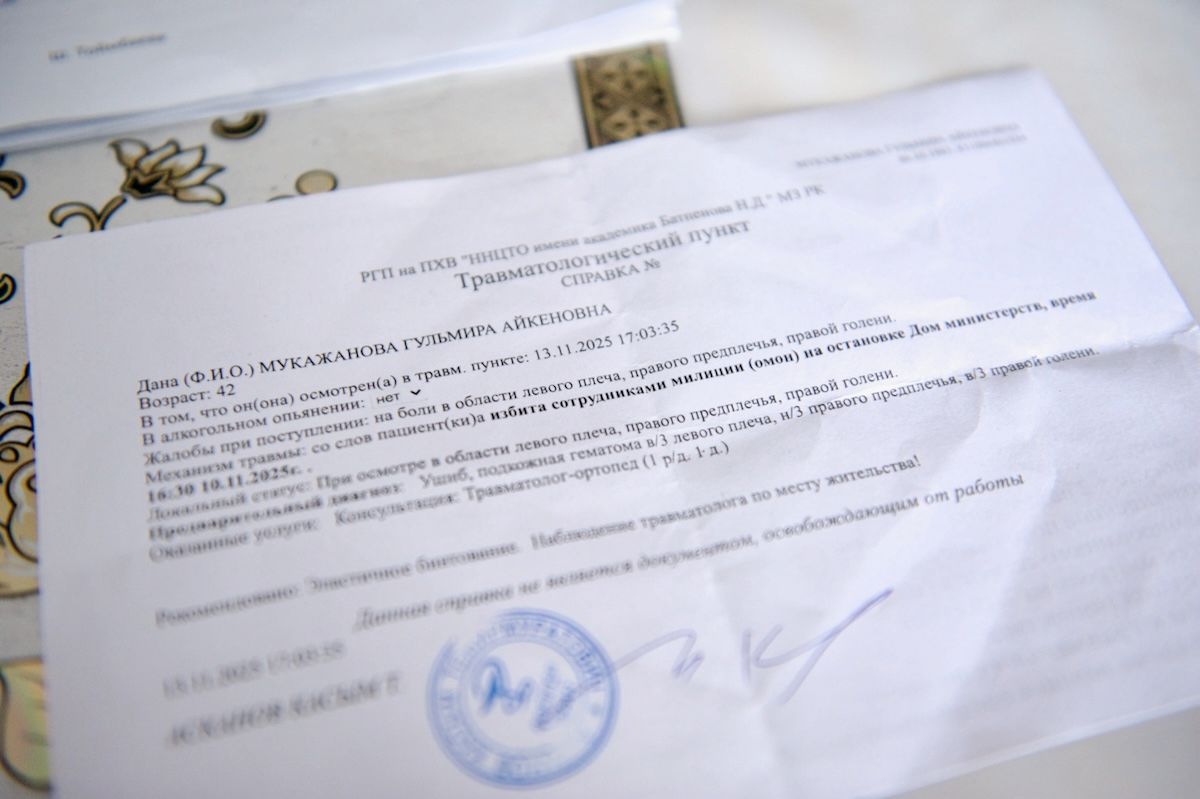
The medical report of Gulmira Mukazhanova records the hematomas on her body and states: “beaten by police (OMON) officers at the Ministries House bus stop.”
“At the police department, they kept us for more than four hours. They placed us in separate rooms, and each of us was interrogated by a different investigator. I refused to give testimony and did not understand what I was being accused of. The portrait of Kaisar, which I had held in my hands all day, was shattered. They think they gave us shock therapy, that we will be scared and stop. But they are wrong. Why should we be silent? Why did I give birth to my son, raise him, educate him, give him a higher education — so that some scum could kill him?”
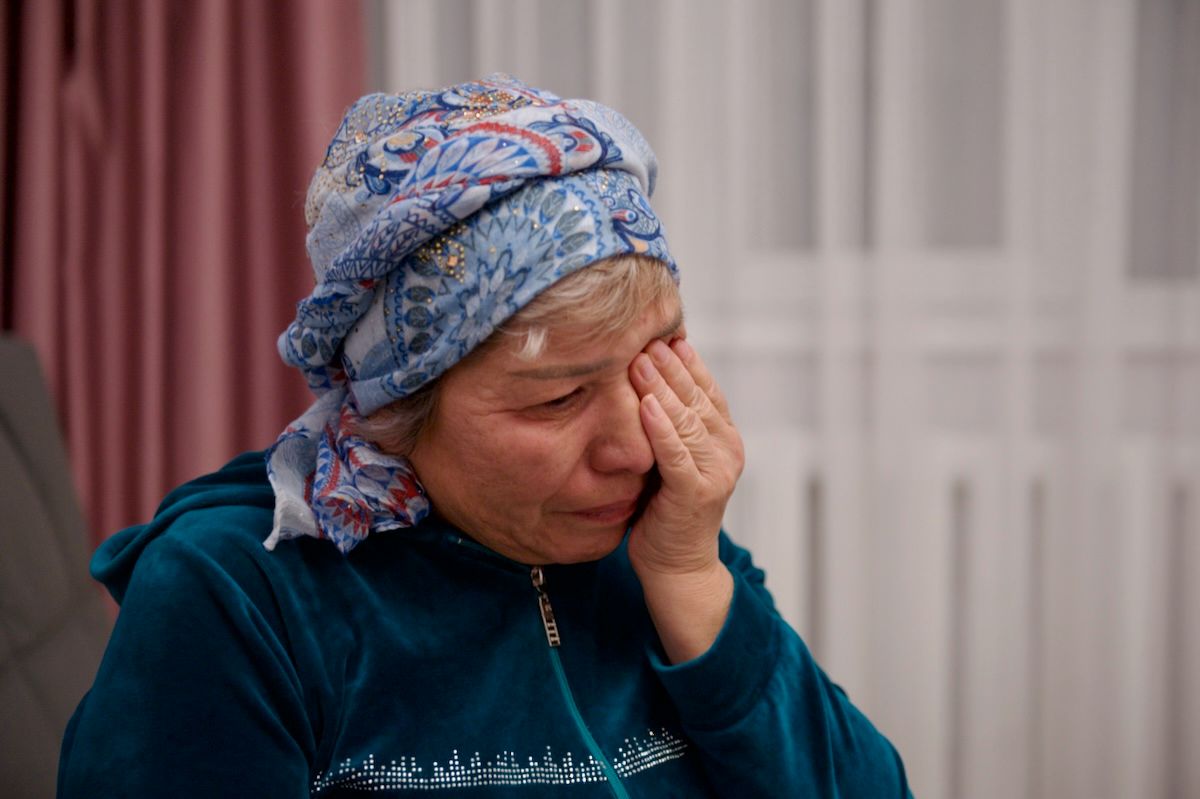
“You know, when I imagine that moment when they were killing him, I hear his voice saying, ‘Mom…’”
“You cannot imagine how unbearable it is”, – Saule continues. “Inside me everything starts to tear apart, burn, and scorch. I cannot even describe my state to you. Every time I hear that sound, every time I hear his voice… How can I live after this? I cannot sleep at night. I hear my son calling me. I imagine how he was being killed, how he cried for help, how he understood he was dying. And no one came. No one saved him. And then they made him guilty of his own death. He came to me in a dream recently and said he would take revenge for his death himself.”
“Mom, tell them to come and finish me off. I can’t live like this anymore.”
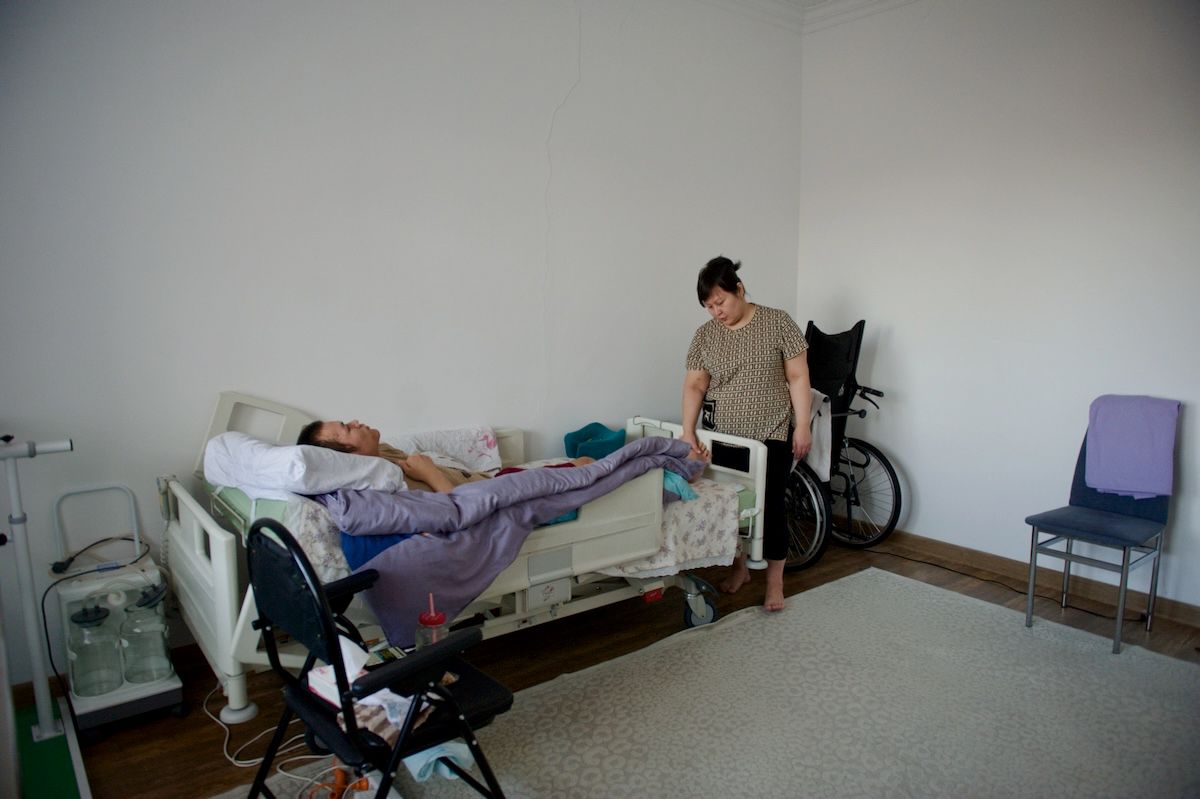
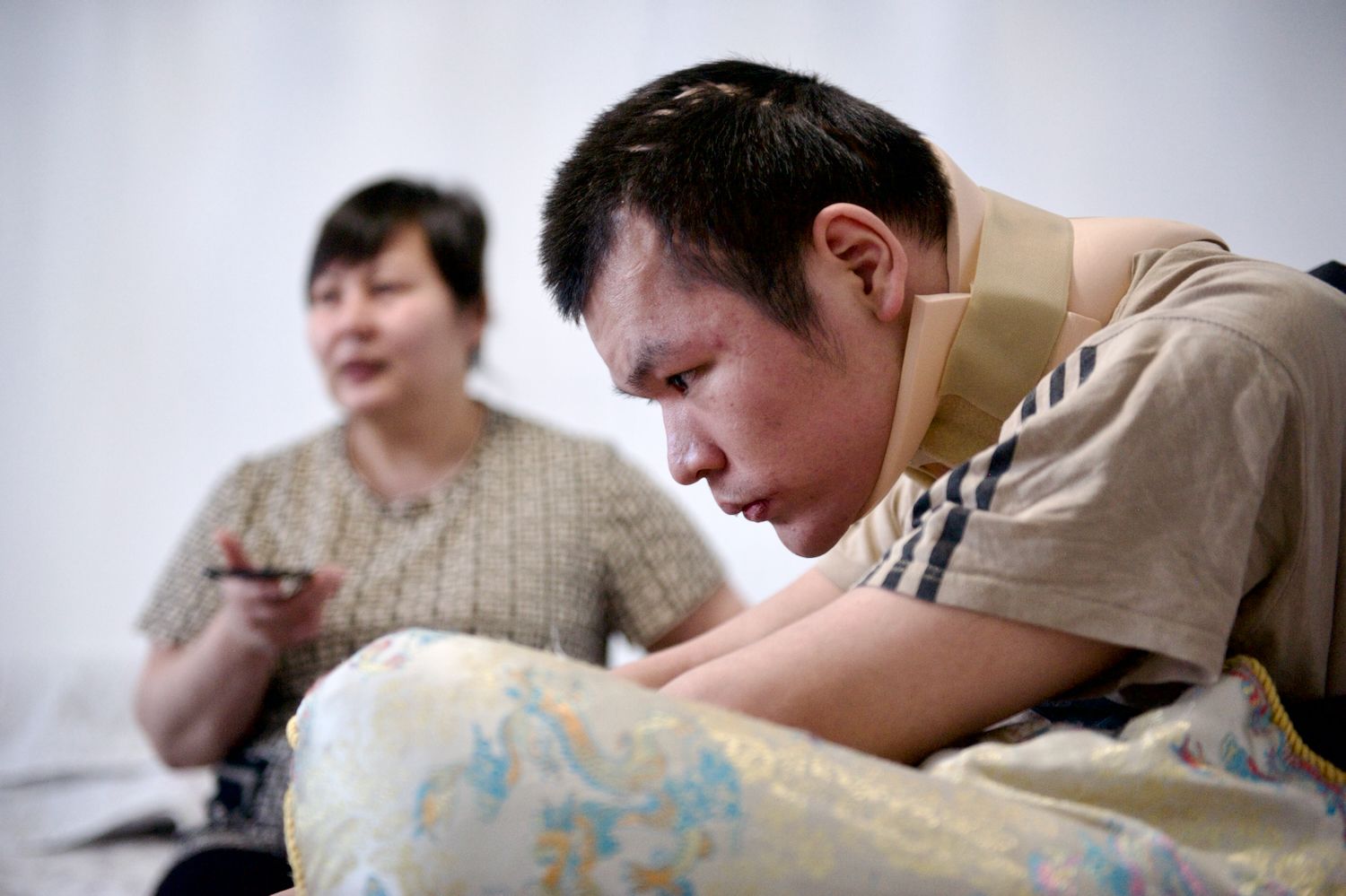
“My son Ulan was born in 2003,” says Gulmira Mukazhanova, the mother of former cadet college student Ulan Musayev. He finished 11th grade and enrolled in an IT university on a paid program. I worked as a nurse in the ‘red zone’ during COVID, earned a good salary, and told my son, “Don’t worry about money, I will pay all four years of your studies at once.” But studying at the university did not bring Ulan joy. Since school, his dream had been military service; he wanted to enter the Interior Ministry Academy, but his test score was not enough. He kept returning to his dream: “Mom, I want to be a soldier, not an IT specialist.” I tried to dissuade him: “Son, military service means strict regulations, waking up very early, going to bed late. IT is a needed and in-demand specialty now, just finish your studies calmly.” But by the end of the first year, Ulan still returned to his original desire.
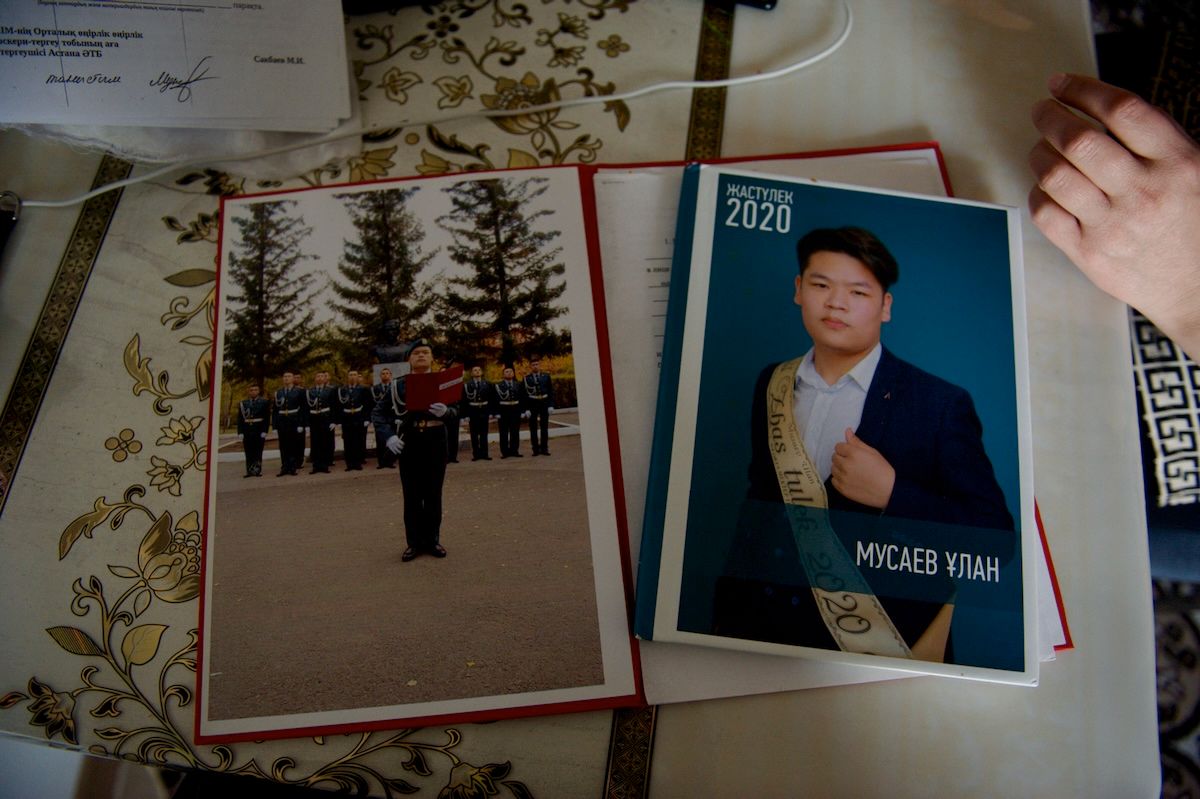
“He began collecting documents for the cadet college in Shchuchinsk on his own, passed the medical commission and psychological tests. And on August 29, 2021, I accompanied my son to the gates of the college — they did not let me inside. He completed his first year calmly, never complained about anything. On September 19, he took the oath, and they let him come home for two days. At the end of December, he came home for the winter break already with a military ID. He was proud, showed the ID and said, ‘Mom, now I’m a military man.’ We were happy together with him. But then events began that changed our lives forever. On June 29, 2022, in the evening, Ulan called and said, ‘Mom, I didn’t pass the running test. I ran three kilometers but didn’t meet the standard, I was short by 11–16 seconds. They didn’t allow me to retake it.’ This immediately alarmed me. I tried calling the company commander and the platoon commander, but no one answered. On July 1, Ulan called again and said that the physical training instructor gathered those who didn’t meet the standard and told them: ‘Whoever can’t pass the physical norm, give ten thousand tenge, I will put the credit and let you go home.’ There were four boys like that, and Ulan was among them. He asked me, ‘Mom, can you send ten thousand? If we pay, he will put the credit and let me go home…’”
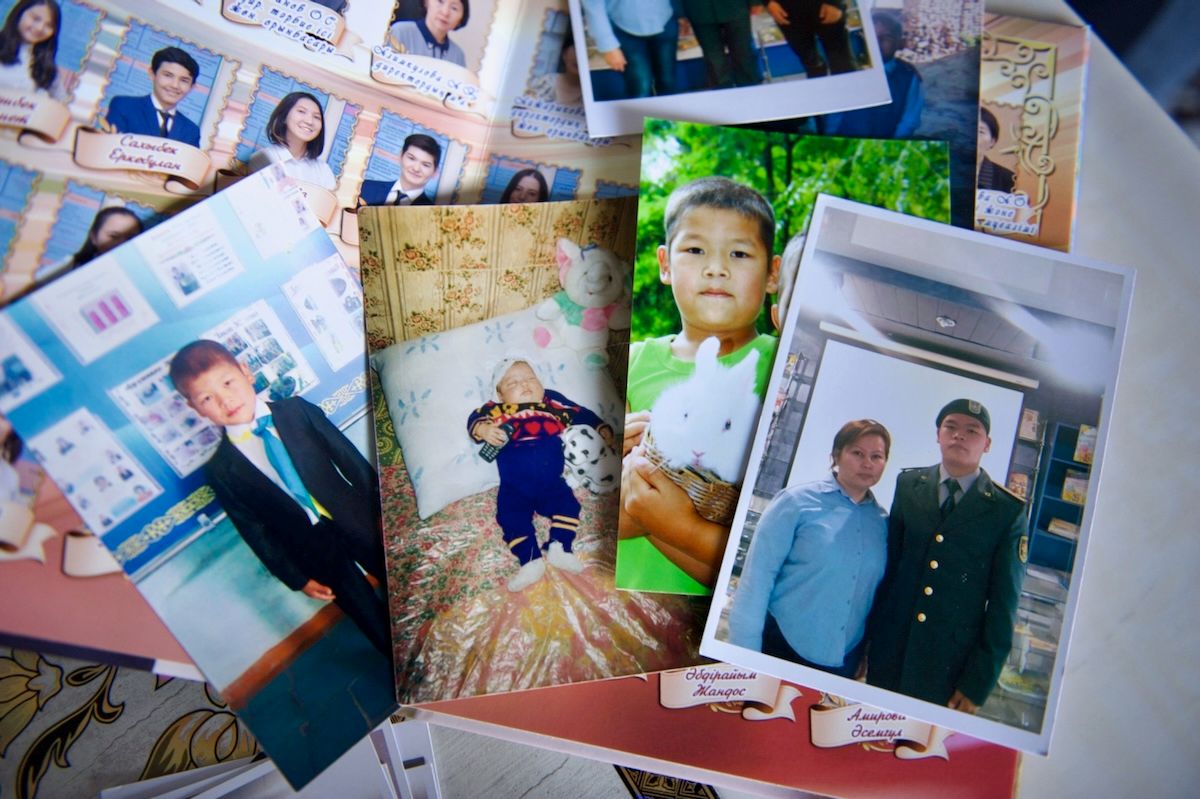
“Ulan came home quiet and withdrawn. I could see that he was worried and felt guilty for not meeting the running standard, but he never said a word about pressure or threats. On July 29, 2022, I accompanied my son back to the college, and already on the morning of July 31, the head of the college called me and said, “Your son is in the intensive care unit, his condition is critical, come immediately”… When we arrived, they brought us to the tower where he had been standing on duty, and I saw a pool of blood. According to the documents, Ulan was allegedly standing on post with a Kalashnikov rifle and shot himself in the head. The bullet entered on the right side and exited on the left. The medical report stated that the entry and exit wounds were almost next to each other, with a difference of about one centimeter. The investigation opened a criminal case under Article 105 — “driving to suicide.”
“If he had shot himself, his skull would have been shattered”
Later I spoke to various specialists — doctors, ballistics experts, forensic experts, – continues Gulmira. And all of them said the same thing: “If he had shot himself from that distance, his skull would have been blown apart. Most likely, the shot was fired from another position, from some distance. The cadet’s arm physically could not bend in such a way as to hold the rifle and fire at that angle.” But the official ballistic examination recorded: “The shot was fired from close range.” At the same time, no fingerprints of Ulan were found on the rifle. The fingerprint examination report explicitly stated: “Fingerprints of Musayev Ulan were not detected. The weapon may belong to Musayev Ulan.” Meaning, they themselves admit there are no prints, but still write that the weapon “may” be his. All examinations — ballistic, fingerprint, forensic medical — are based on assumptions rather than evidence.
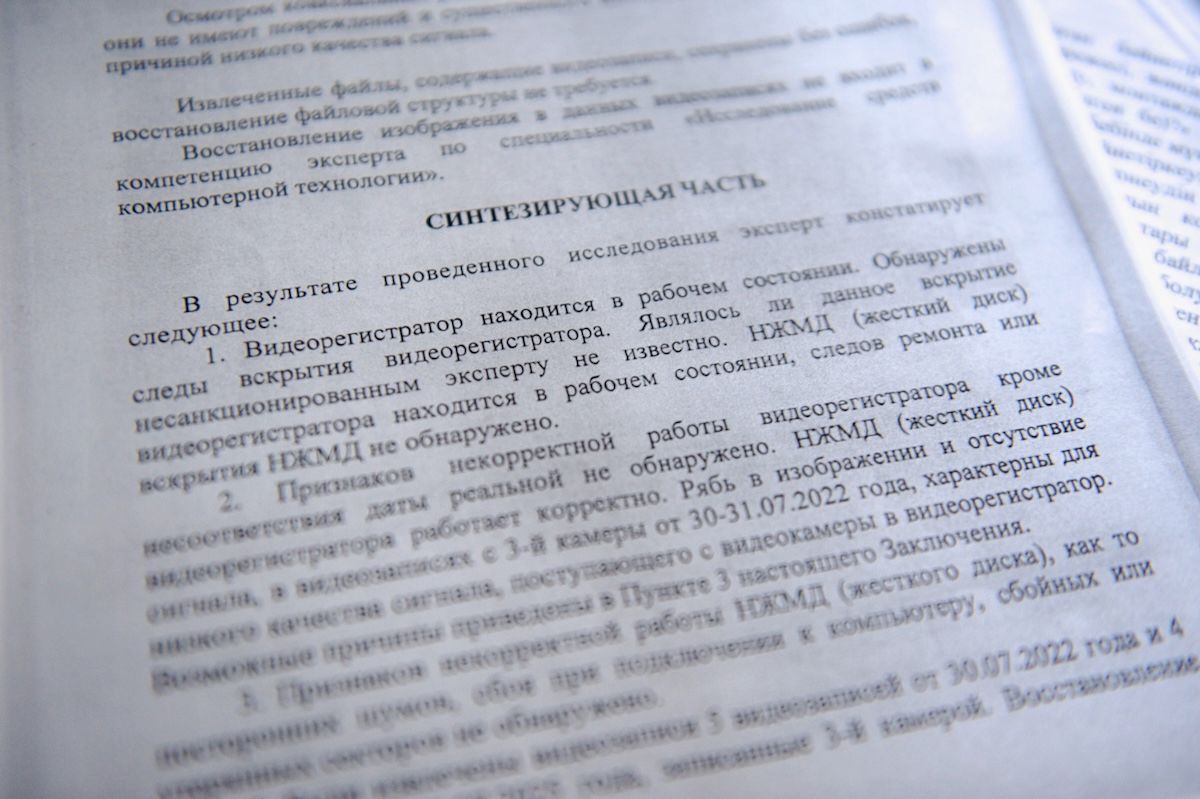
“There are surveillance cameras installed near the checkpoint, and they should have clearly recorded who entered, who exited, and what happened on the tower. But the case materials state: ‘During examination of the video recording, it was established that the footage is damaged and cannot be restored.’ I consulted data recovery specialists, and they explained to me that such recordings can be preserved, copied to another device, and that there are specialized programs to recover damaged files.
If my son had wanted to die, he could have done it at home, not on duty, not under surveillance cameras, not in uniform, not in front of his comrades. He had plans, he had dreams, he wanted to obtain higher military education, command units, oversee military installations, enforce discipline. His goal was to serve his Homeland. He was not a depressed or broken person — he was determined, strong-willed, someone who had consciously chosen his path.”
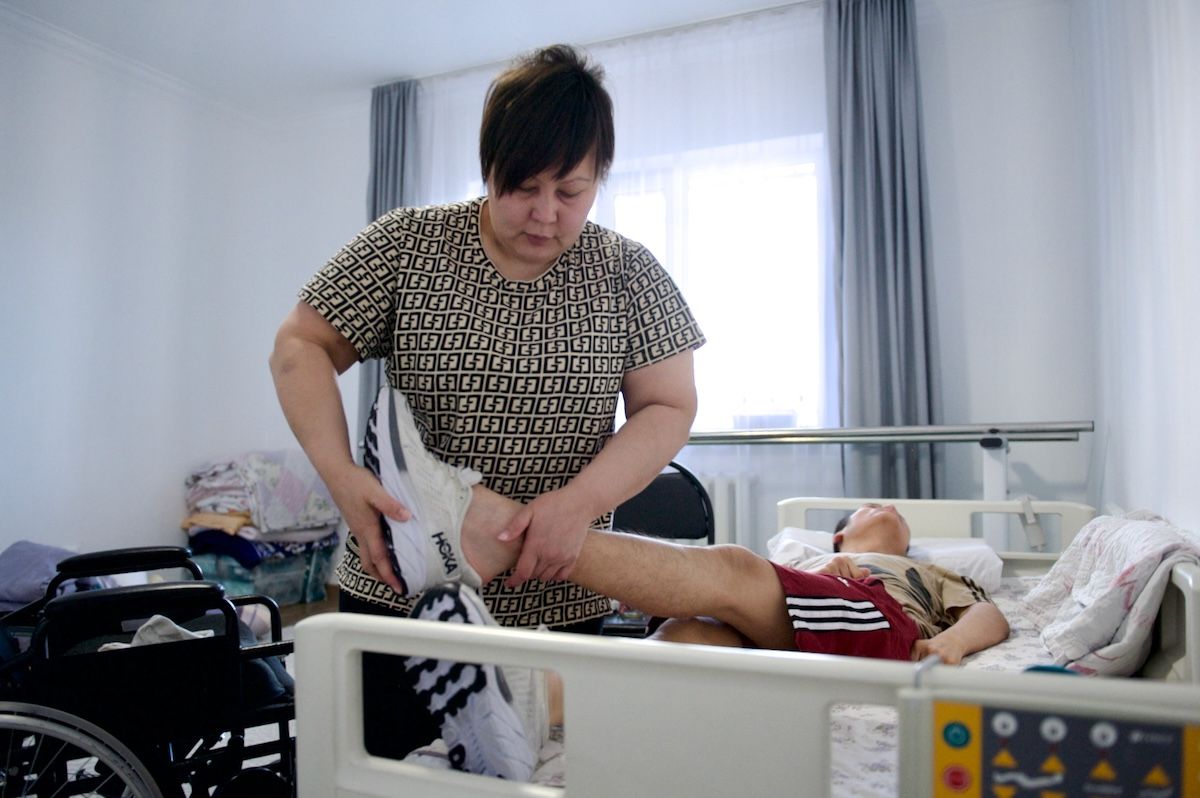
“Ulan suffered a severe traumatic brain injury. He underwent a craniotomy, and now he has no skull bones on both sides of his head; it is visible from the outside, and when he moves, his head seems to “breathe,” pulsating. For the first eight months, he remained in the intensive care unit of the military hospital in Astana. I must say that the neurosurgeon of the military hospital saved my son’s life. Civilian neurosurgeons refused to take Ulan, saying the risk of death was too high and the chances were minimal. The military doctor came every day himself to change the dressings, monitor him, and fight for his life. After four months, Ulan came out of the coma. A few months later, he began to follow simple commands, raise his hand, and look around. Only after eight months was he discharged home. Now he is a first-group disabled person. He cannot walk on his own, his legs do not hold him yet, his coordination is impaired. His speech has partially recovered. Three or four consecutive sentences are the maximum he can say. His memory is fragmented; he recognizes relatives, but has forgotten many things.”
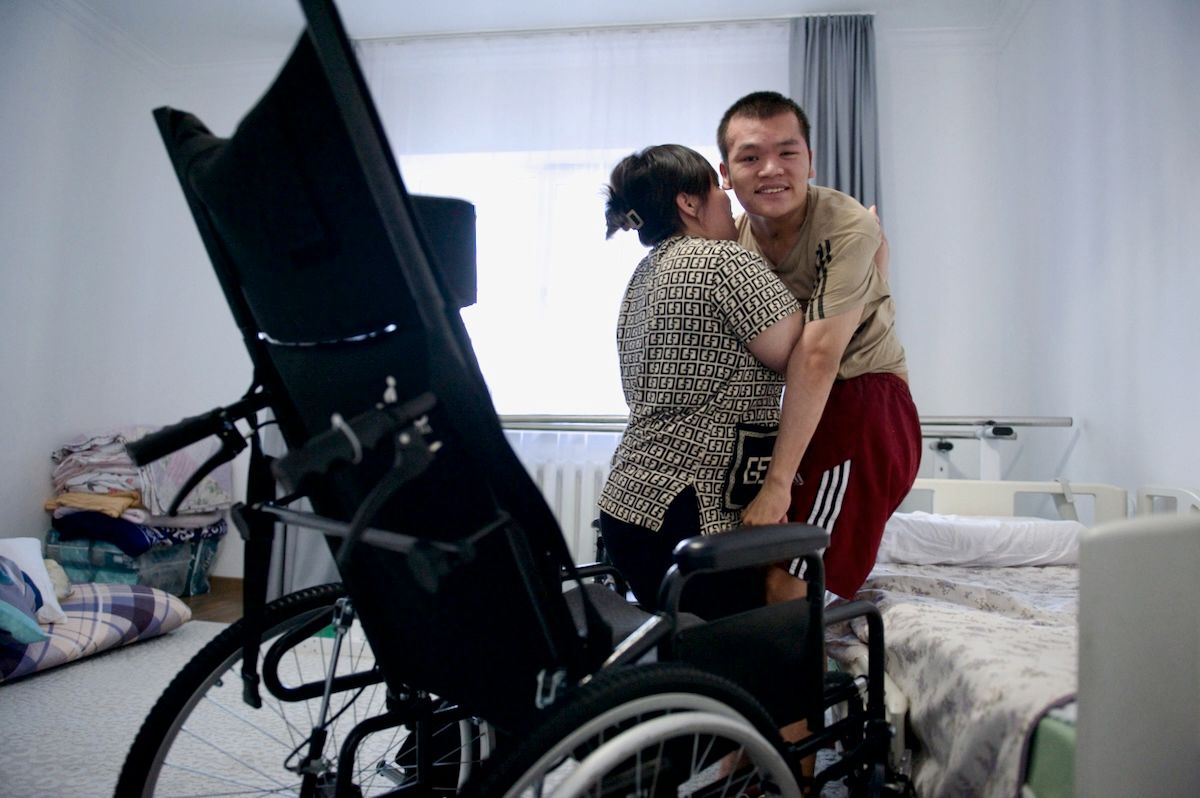
“I had to quit my job to care for my son around the clock. We live on benefits — about 74,000 tenge that I receive for caring for my disabled son, and around 137,000 tenge that Ulan receives, totaling roughly 211,000 tenge per month for three people. Rent, medication, special nutrition, utilities, transportation — with all these expenses, it is almost impossible for the three of us to survive on this amount. The akimat gave us an apartment temporarily, but without any specific time frame. I asked, “Give us at least official rental housing so we know we won’t be thrown out onto the street tomorrow.” In response — silence.”
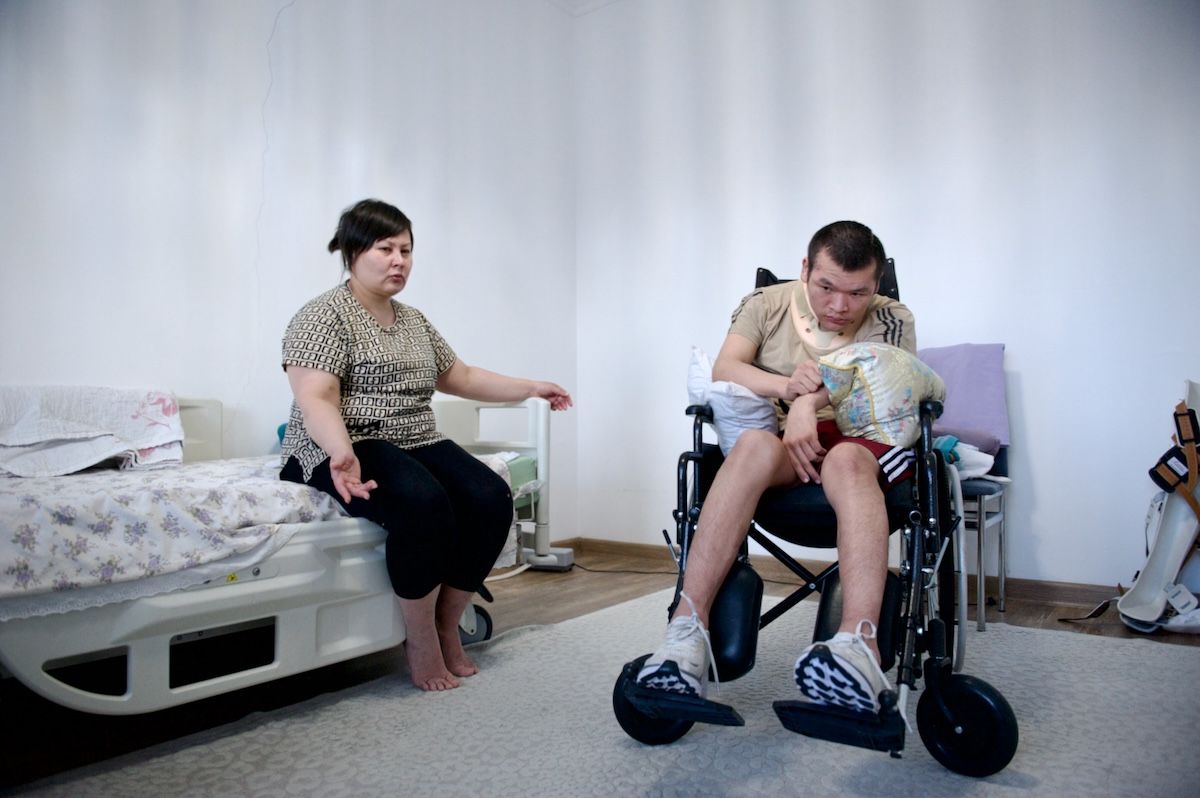
“A separate pain is rehabilitation. According to the protocols of the Ministry of Health, a traumatic brain injury is considered “old” six months after it is sustained. And if it is “old,” then state-funded rehabilitation is not provided. The clinic refers us to the e-government portal, and rehabilitation centers issue refusals one after another: “The injury is old, according to protocol it does not qualify for free rehabilitation.” But can a brain injury of such severity ever stop being an injury? Does a person suddenly recover after six months?”
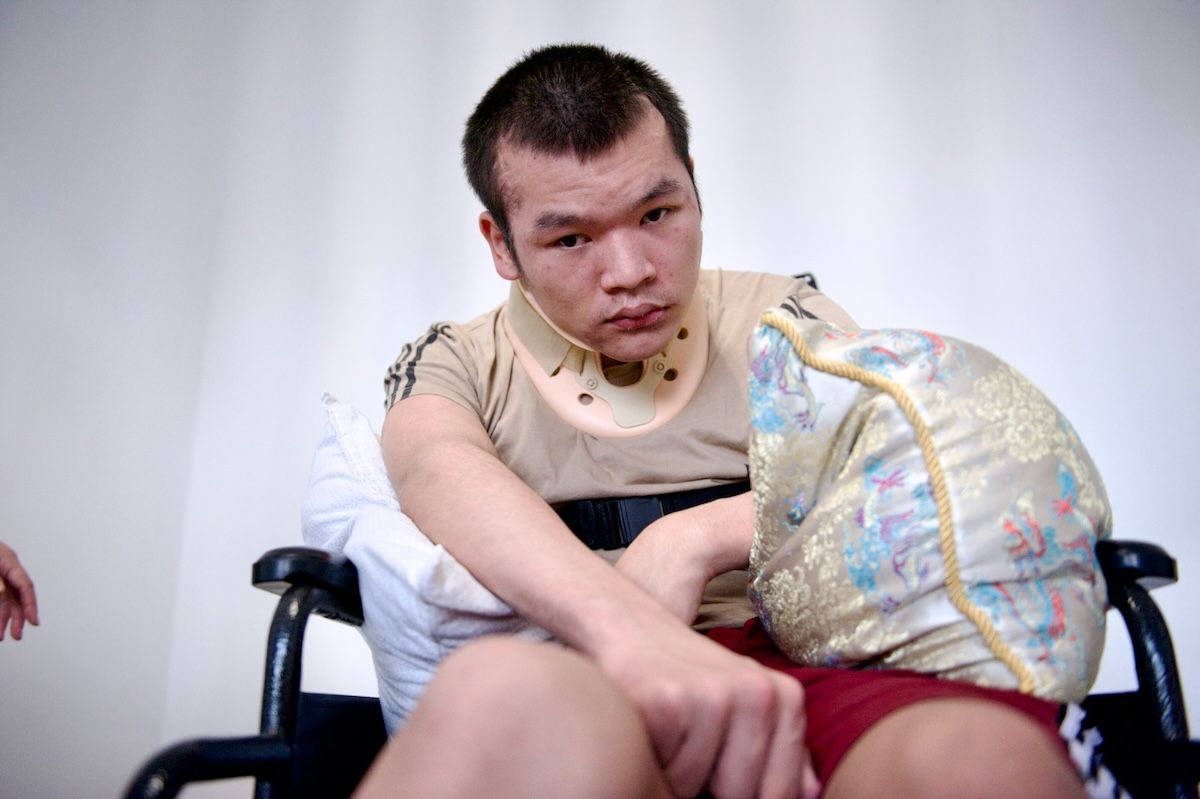
“That is why everything we can do, my younger son and I do ourselves”, – says Gulmira. “I completed training in caring for bedridden patients, I study medical manuals, and consult doctors online. I give Ulan massages, therapeutic physical exercises, limb mobility exercises, and elements of speech therapy at home. But this is not enough.
Ulan needs special equipment to restore coordination, a large television so he can learn to switch channels himself and focus his gaze, an electric wheelchair so he can learn to move again on his own instead of lying motionless. All of this is very expensive, and we do not have the money. And all this time, the investigation has remained stuck in one place.”
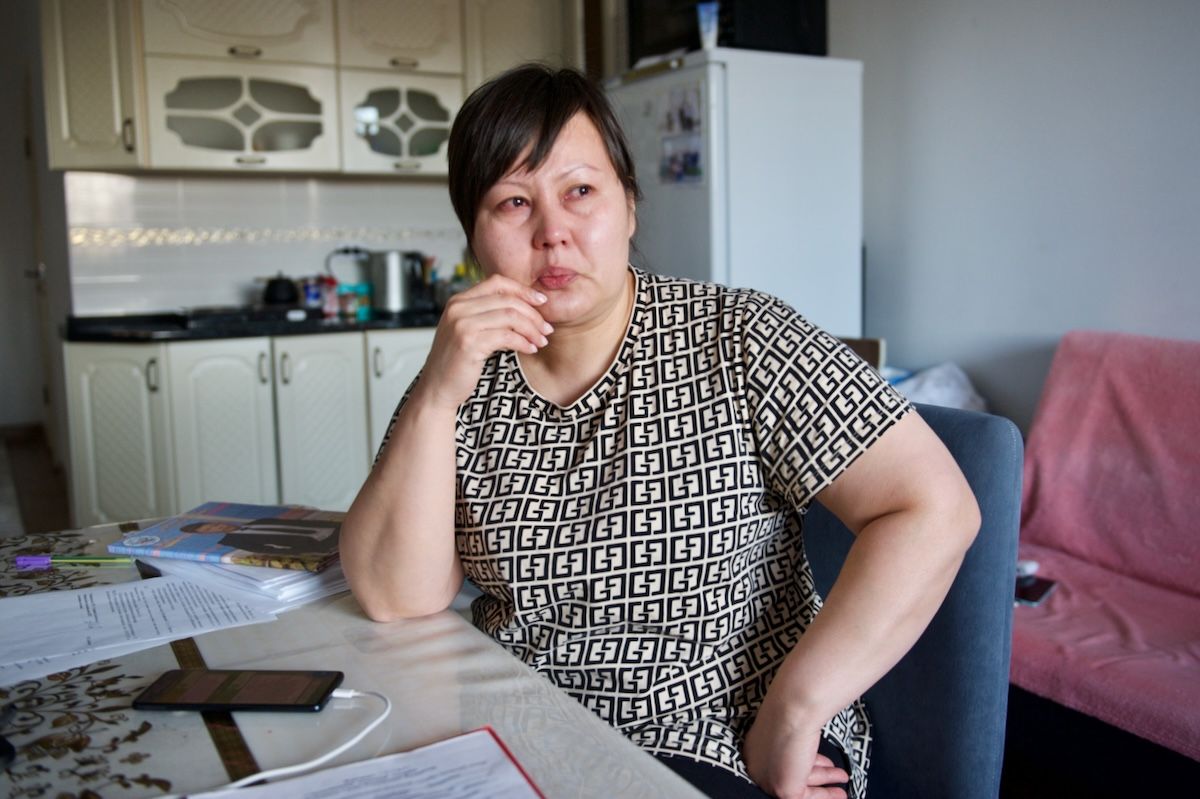
“I endlessly repeat to the investigators: “If you are certain it was suicide — prove it. Retrieve the video footage, show me my son’s fingerprints on the weapon, show me a trajectory of the shot that would be physically possible for a human being.” I recorded a video showing how Ulan reacts to questions, how he remembers the names of his fellow cadets, how he recalls details that could help the investigation. But my video was not added to the case materials, citing the court decision: “Your son is legally incapacitated, he cannot be allowed to participate in investigative procedures, his testimony has no legal force.”
“Each time I leave for an interrogation at the prosecutor’s office or for a meeting with a lawyer, Ulan asks me: “Mom, did you find out who shot me? Who fired at me?” When he suffers especially severely — from pain, from muscle spasms, from being unable to go to the bathroom normally, from helplessness — he says: “Mom, tell them to come and finish me off. I can’t live like this anymore.”
“After our case, in February 2023, another cadet died on that very same tower — this time instantly. And only then did the command cancel armed duty shifts for cadets.”
“Amir did not die of meningitis — he was killed.”
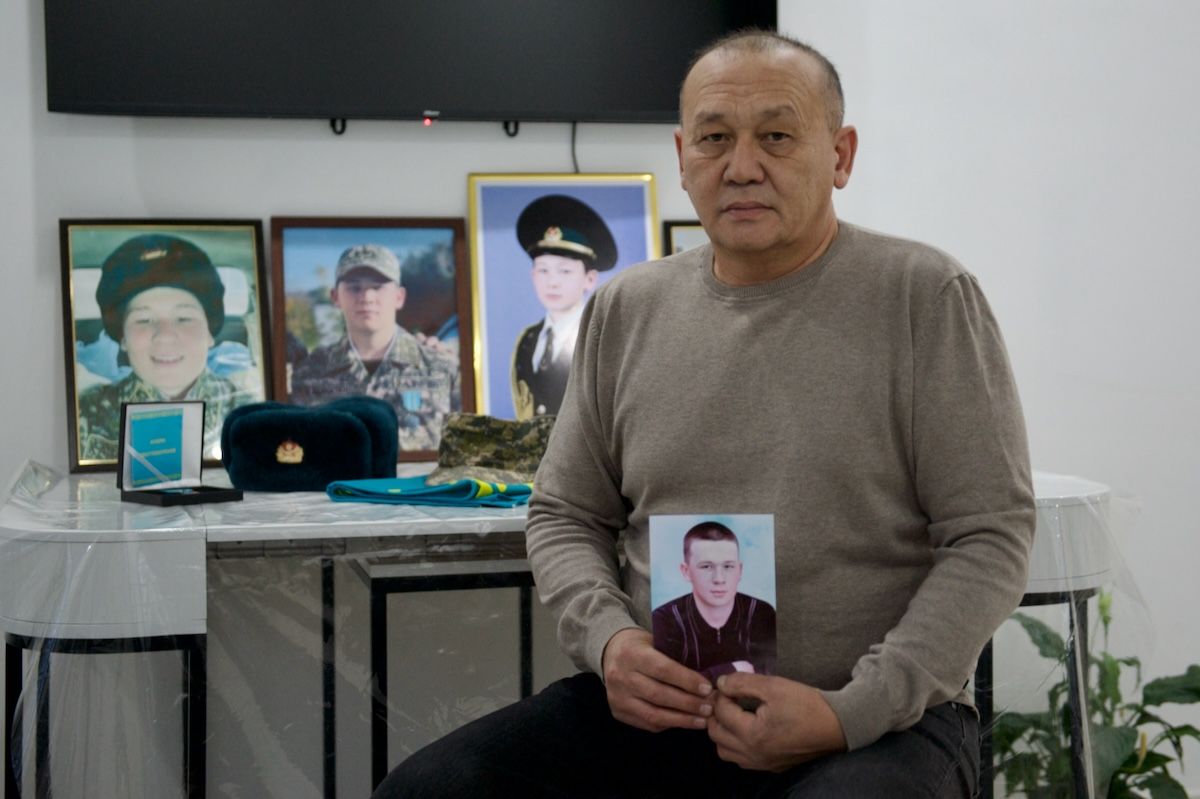
“My 18-year-old son was beaten for three months, broken, driven to death, and everything was covered up with a single word — meningitis — in the medical papers,” says Murat Bayturganov, father of deceased conscript Amir Bayturganov. “Amir served in military unit 74261 in Zharkent. According to official documents, he died at 4 a.m. on December 21, 2023, from meningitis. In reality, everything was completely different. On December 20, during the day, he was brought from the training range to the medical unit with a fever close to 40°C and complaints of severe kidney pain. From noon until midnight, he was kept in the infirmary, not hospitalized, not taken to the military hospital, not even to the regular city hospital, which was just minutes away. The medical officer limited himself to “pills” and observation. Only at midnight, when Amir’s condition became critical, they finally took him to the city hospital. He walked into the hospital on his own feet. Doctors administered five injections in a row, after which he developed anaphylactic shock, fell into a coma, and died half an hour later. But in the official documents, a different time of death — 4 a.m. — was written later, to fit the desired version.
In the two years since my son’s death, I have achieved two independent medical examinations, and both showed the same thing — Amir had no meningitis whatsoever. He was diagnosed with bilateral pyelonephritis, severe inflammation of both kidneys, adrenal complications, acute kidney damage. And all this could have occurred as a result of systematic physical abuse and complete denial of medical help during his three months of service. In those three months, they broke my son. According to the testimonies of fellow soldiers, two contract servicemen, about thirty years old, systematically beat Amir and other recruits. They beat them “technically” — wrapping wet towels around their fists to make the blows stronger but avoid bruises. At night, after officers went home, they would wake the boys, line them in the corridor, force them to stand at attention until five in the morning, drive them across the parade ground, make them do push-ups to exhaustion, humiliate them morally and verbally.”
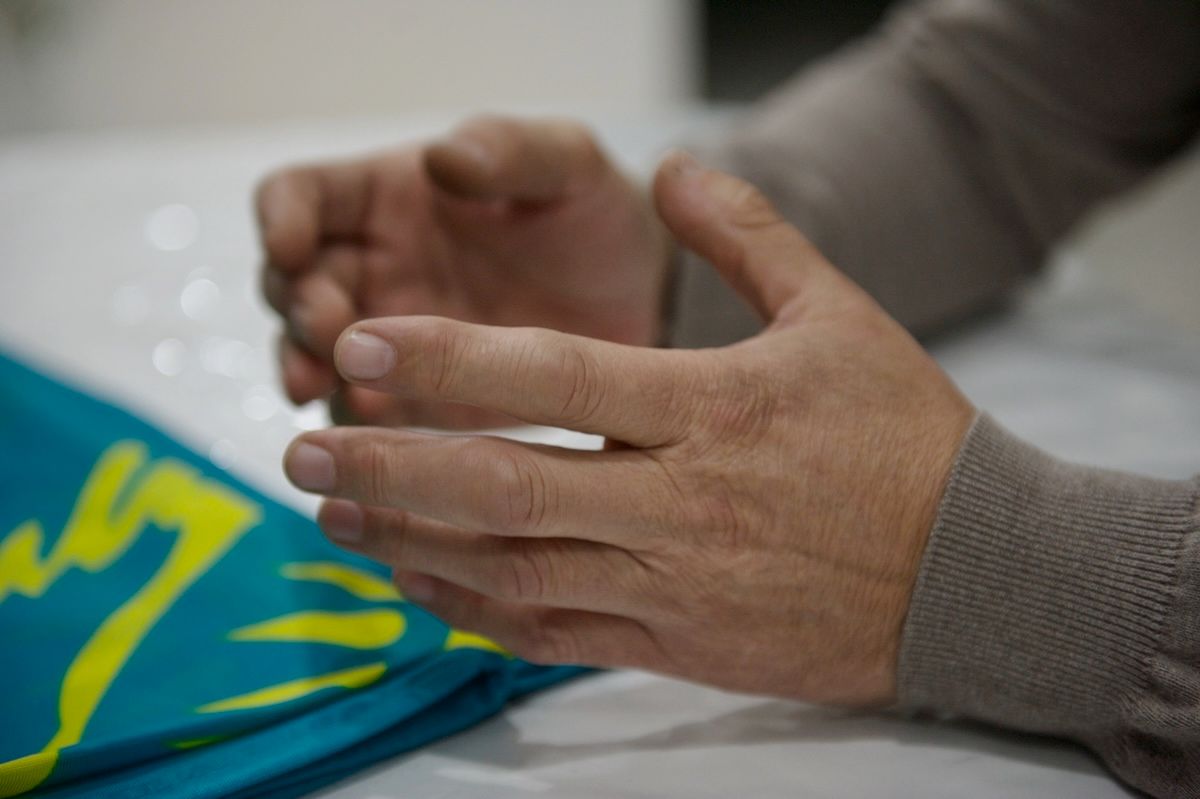
“A month before his death, Amir began to complain of severe kidney pain. He went to the medical unit several times, but according to his fellow soldiers, he was ‘kicked out’ of there. It turned out that high-ranking officials — the Commander of the Southern Regional Forces — were visiting, so all ‘not fully treated’ soldiers were urgently sent back to the training range to make everything look good in front of the leadership.
A few hours before his death, on the evening of December 20, according to Amir’s comrades, he and several other boys were driven into the sergeants’ room. The sergeants kept them there until five or six in the morning, beat them, yelled at them, forced them to stand motionless and do push-ups until they lost consciousness.
“After that began what I call my son's ‘second death’ — on paper, a legal death,” Murat continues. “To cover up the beatings, the lack of medical assistance, the negligence of doctors and commanders, the investigation invented meningitis. Two independent medical examinations that I paid for do not confirm any meningococcal infection. There is not a single test showing the presence of a meningitis pathogen in the blood or cerebrospinal fluid. But state experts cling to their diagnosis — ‘meningitis.’ Every time a state examination is appointed, the result is the same — meningitis. Every time I pay for an independent examination in another city, in a private clinic, the result is the opposite — there is no meningitis.”
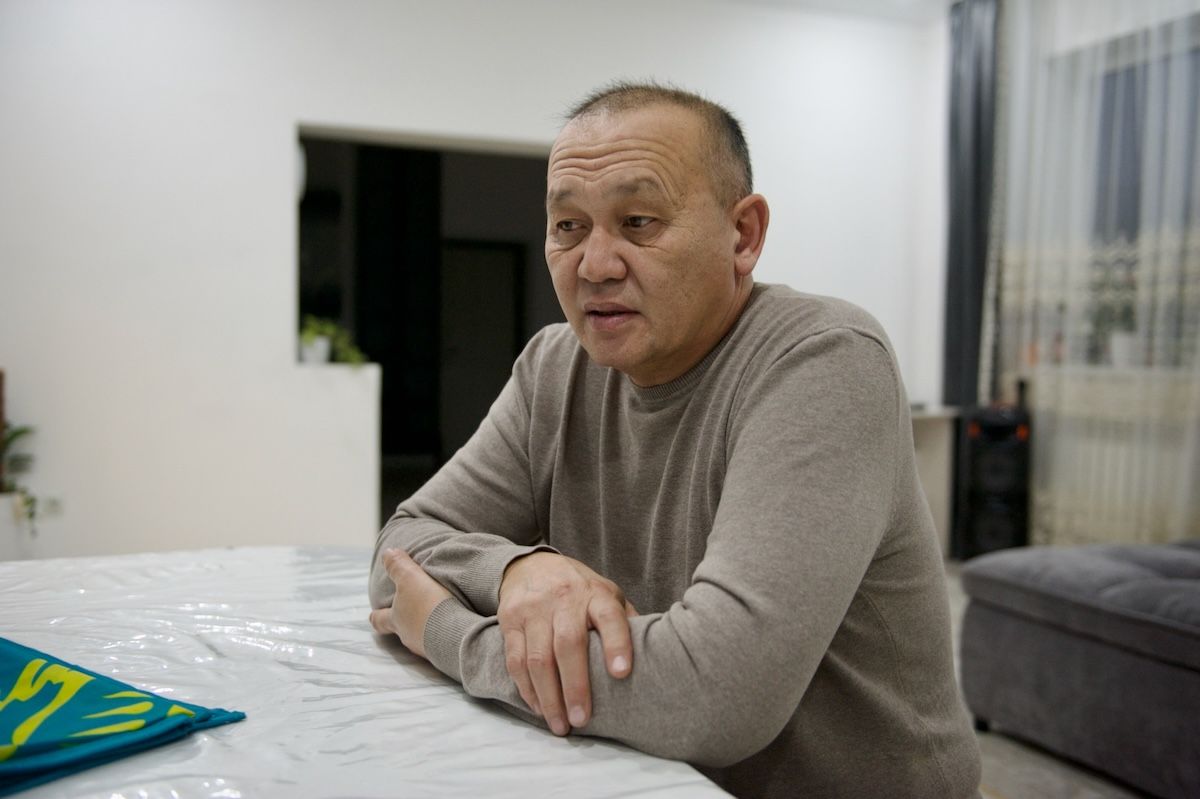
“There was a surveillance camera in the corridor of the unit, and it could have recorded how Amir and other new conscripts were driven out of the barracks at night, how they were lined up in the corridor and beaten, how the sergeants entered their room. As soon as the investigator and I began to discuss the need to retrieve the video footage, the next day we were told: ‘The recording is damaged and cannot be restored.’
During the three months of service, my son never once asked me for money ‘for himself’ — not for a phone, not for food, not for personal needs. Every time he called, sergeants were standing next to him. Each time from different numbers, but always in their presence, he would say: ‘Dad, we need a TV for the room, cleaning cloths, mops, detergents, bedding.’ Over three months, I transferred around 90,000 tenge to the unit, supposedly for ‘the needs of the subdivision.’ This too is a form of extortion, but parents pay because they fear things will get worse for their children. I personally met with the Minister of Defense when Zhaksylykov still held that position. I expected him to at least acknowledge the problem, offer condolences, say he would look into it. Instead, I heard: ‘Your son had this illness before the army, he brought the infection with him. The army has nothing to do with it.’
Before conscription, Amir underwent a full medical examination, and no chronic kidney disease or infections were detected. Everything happened in the unit, during the three months of service.
The investigation has been going on for two years, but I will not stop; I will pursue the truth no matter how long it takes. I want my son’s name cleared of lies, so that the documents say not ‘meningitis,’ but ‘death as a result of systematic beatings, lack of medical assistance, and negligence of command.’ The guilty must be in prison, not continuing to command and torture new conscripts. I want no father and no mother to ever receive a call saying: ‘Your son has died. Come collect the body.’ My son was strong, he never complained, and I could not even imagine he was being systematically beaten in the army. And all of this — out of jealousy, because my son was a leader in the unit and won competitions.”
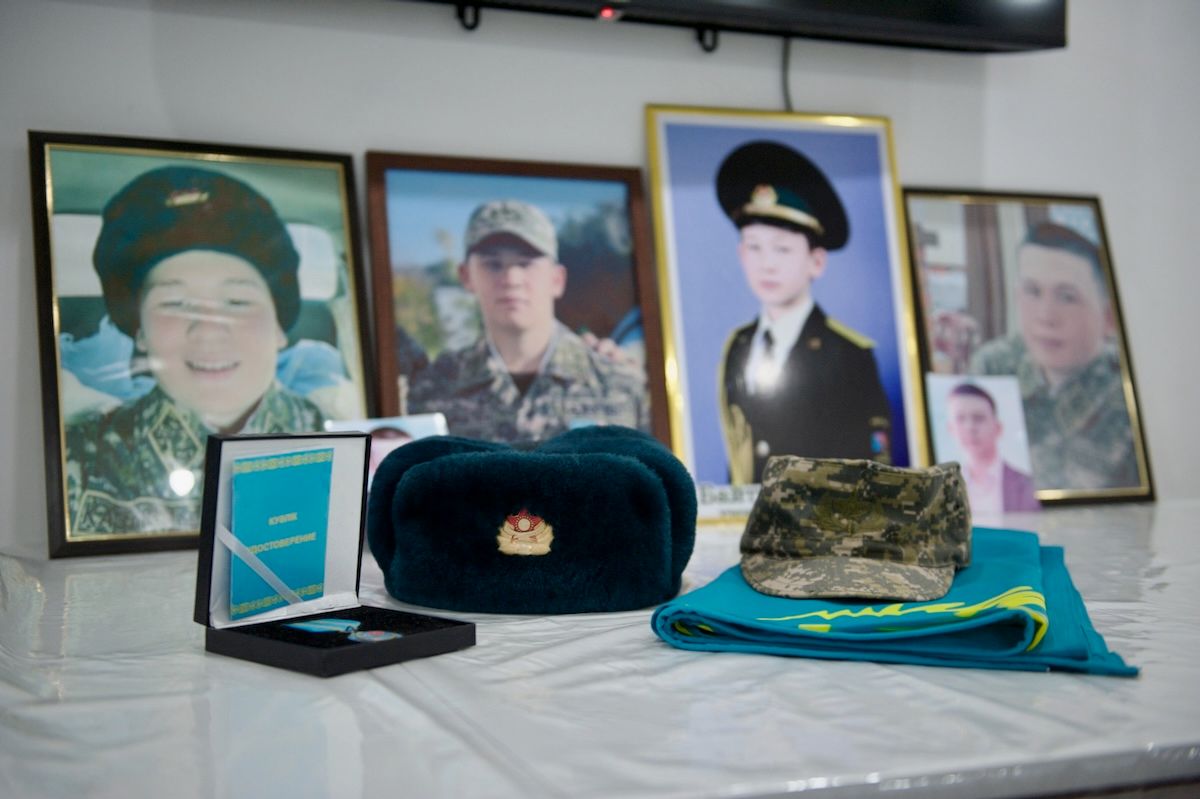
The tragedies of the families of Saule, Gulmira, and Murat are not exceptions. They are part of a systemic problem rooted deeply in a culture of silence, fear, and impunity. Why does violence continue to flourish in the Kazakh army? Why do strong, promising young men become victims? And most importantly — what happens to those who survive but return home broken? To find answers, we turned to psychotherapist Altynshash Mataeva, a member of the Kazakhstan Association of EMDR Therapists, who has spent many years working with survivors of military abuse and knows this problem from the inside through the voices of those who dared to call the helpline.
“Humiliation in the army is the destruction of the country’s future.”
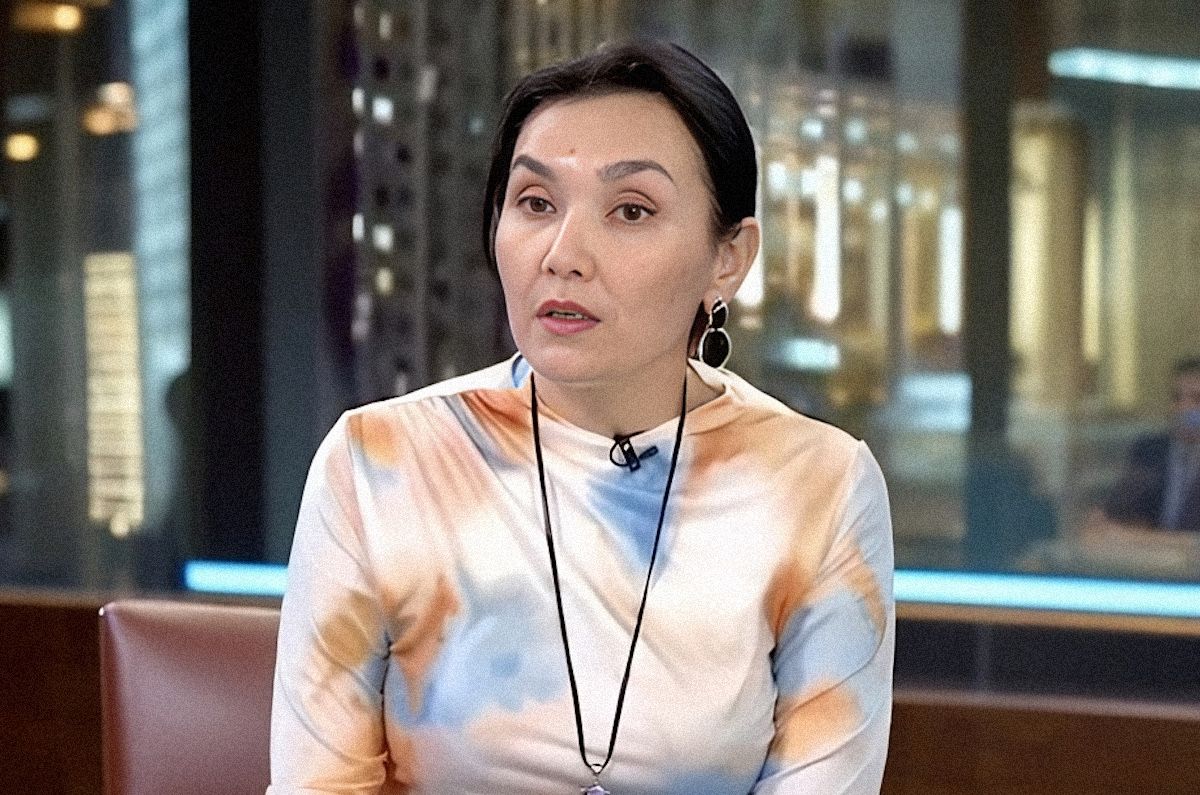
From Altynshash Mataeva’s personal archive.
“When I worked on the national psychological helpline 111, soldiers used to call me,” Altynshash recalls. These were young men who were morally crushed and terrified. One of them admitted that he drank himself unconscious every evening because nightmares, fear, and intrusive memories tormented him. Two others described in detail the daily beatings and humiliation they endured. They were insulted not only as individuals but through their mothers, sisters, girlfriends — the most vulnerable and sacred places. At first, the boys tried to respond, tried to defend themselves verbally, but under constant humiliation, they fell silent more and more.
There were even darker stories. One young man told me that two senior-ranking contract soldiers took turns raping him. In the very first month of service, he was forced in front of those two men to suck the penis of another conscript until the senior’s erection “stood up.” It was pure sadistic torture — a demonstration that they were objects, not humans. Another man, whom I later worked with in private practice, said he began smoking marijuana in the army because he needed to be high before being raped — it made the physical pain and humiliation more bearable. Eventually he became addicted and moved on to heavy synthetic drugs.
Such trauma leads to PTSD, depression, anxiety disorders, Altynshash continues. They come home as completely different people. Outwardly the same, but internally shattered. There was a case in my practice where a wife accidentally found her husband in bed with another man. The shock was enormous — they had been married for years, had a child. During therapy the man admitted it began in the army, where he was raped repeatedly. Encounters with men became a way for him to cope with trauma. This is not about orientation — it is about soul survival, about trying to regain control of one’s body.
None of the young men who called me on the helpline ever reached out again. I do not know what happened to them — whether they are alive. But each of them said at the end that they felt relief because someone finally listened without judgment.
The causes of military violence begin in the family and school: bullying, humiliation, the cult of “respecting elders,” which often means “endure humiliation because he is older.” If a child is taught to “respect” a father even when he drinks and beats the mother, he internalizes the belief that enduring violence is normal. When a victim of bullying or domestic abuse enters the army, his psyche collapses. The military system, by its nature, does not tolerate weakness: it either breaks a person completely, or “makes him strong” through violence, or drives him to suicide. What must be done? Independent psychologists must work in the army, not subordinate to commanders. A fully independent monitoring group must exist — with authority to document violations and track the psychological condition of soldiers. There must be an anonymous reporting channel without fear of retaliation.
What do I want to say to parents? Teach your sons to speak about their problems, feelings, fears. Pay attention to changes in behavior — withdrawal, aggression, apathy. These are signals. The true horror is that these boys cannot tell anyone what is happening to them. It is unbearably painful, shameful to the point that they want to die.
As long as society stays silent, as long as commanders protect rapists and killers, this system will continue to break and destroy young Kazakh men — physically and mentally. Every dead soldier is not a number in statistics. He is someone’s beloved son who could have lived, loved, worked, built this country. Instead, he lies in a grave or sits at home disabled. And no one has answered for this yet,” Altynshash concludes.
![Пограничники Казахстана на ночном посту: жизнь, служба и охрана границы с Китаем]6 граница Казахстана, пограничники, служба, безопасность, армия, Челах, Аркан-Керген, восточный Казахстан, военные, Shanger.kz, Карлыгаш Нуржан](/api/media/file/DSC_4687.jpg?2025-10-29T18:38:40.035Z)
Ночная служба пограничников Казахстана, их жизни, буднях и воспоминаниях после трагедии на Аркан-Керген. Фоторепортаж Карлыгаш для Shanger.kz.
Comments
No comments yet. Be the first to comment!