New Building of Miras International School for Seniors
Shanger.kz
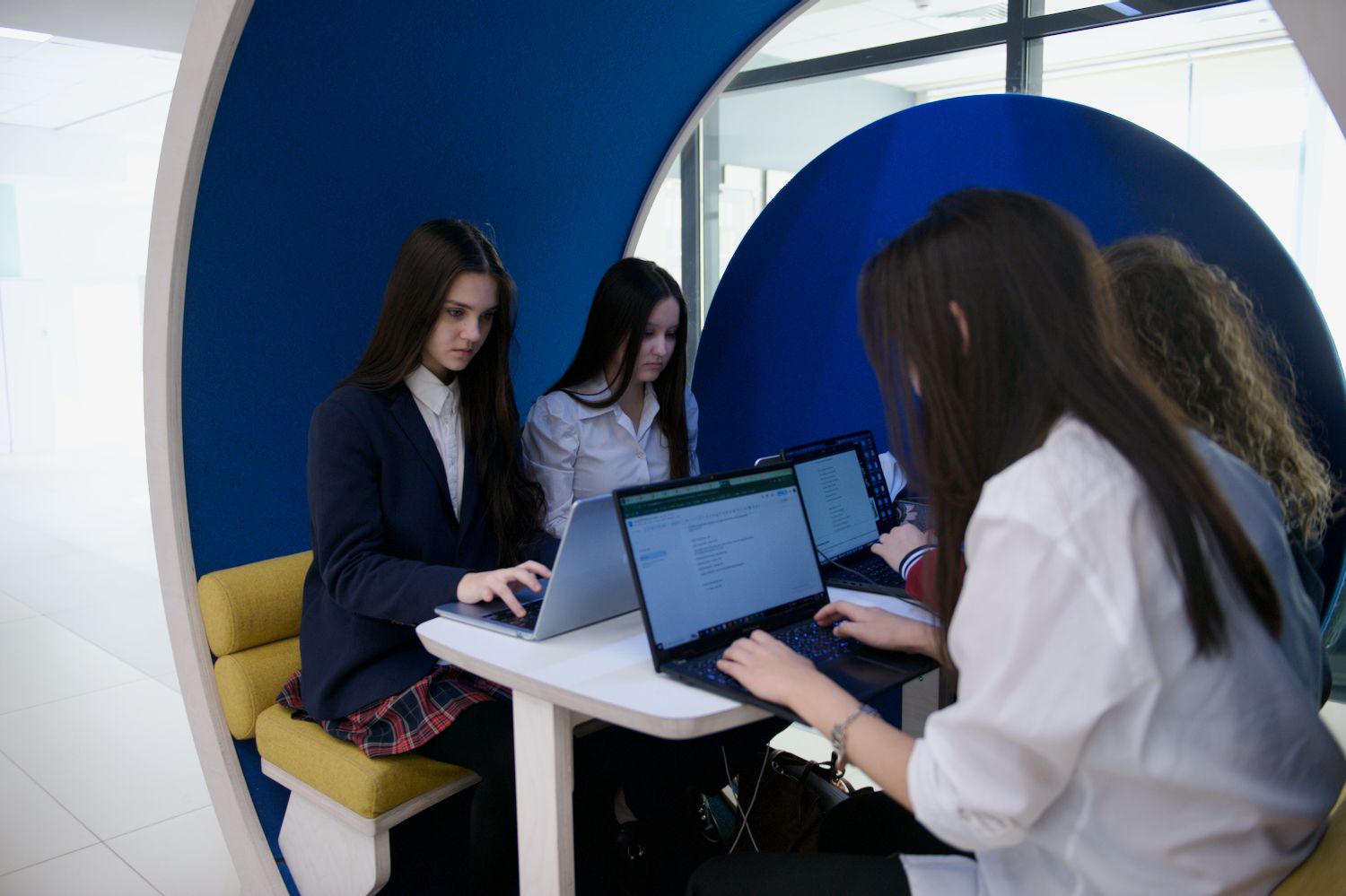
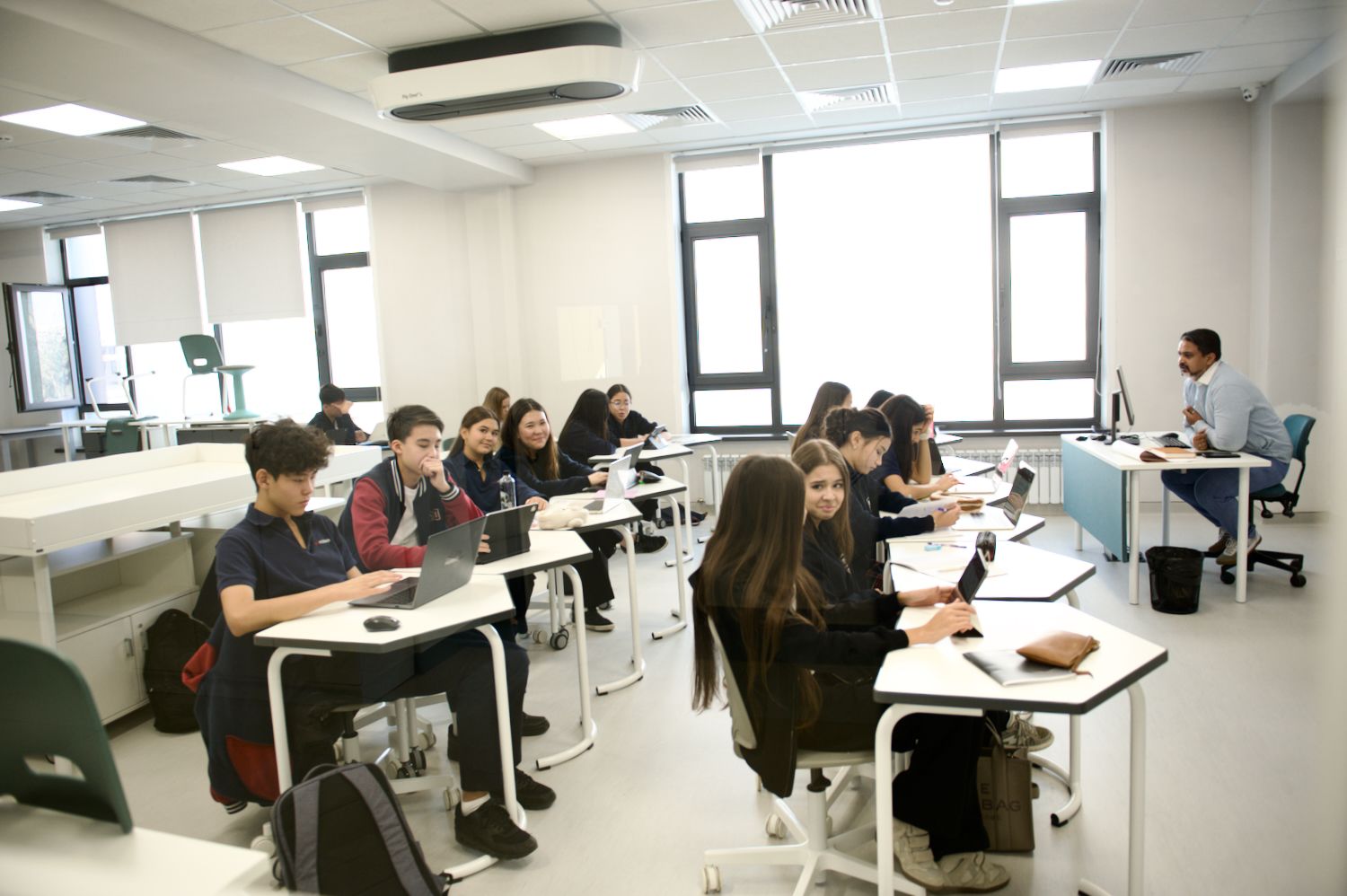
The “Miras” school opened in 1999 under the auspices of the NNEF Foundation, during the period when Kazakhstan was actively integrating into the global educational space. With the opening of embassies and the arrival of foreign diplomats, the country needed a school that met international standards, and Kazakhstani students needed a diploma recognized by foreign universities. “Miras” became the first school in Central Asia aiming to obtain authorization for the International Baccalaureate programs. In recent years, the number of students at “Miras” has grown by one and a half to two times, and the old building could no longer cope with the demand—there were not enough classrooms, laboratories, and learning spaces. The NNEF Foundation built a new building for students in grades 9–12, equipped with Finnish furniture, German laboratory technology, interactive panels, and climate control systems. Our correspondent visited the new school and spoke with teachers and students about how the learning process has changed, what opportunities modern equipment provides, and how education in an international school differs from the traditional system.
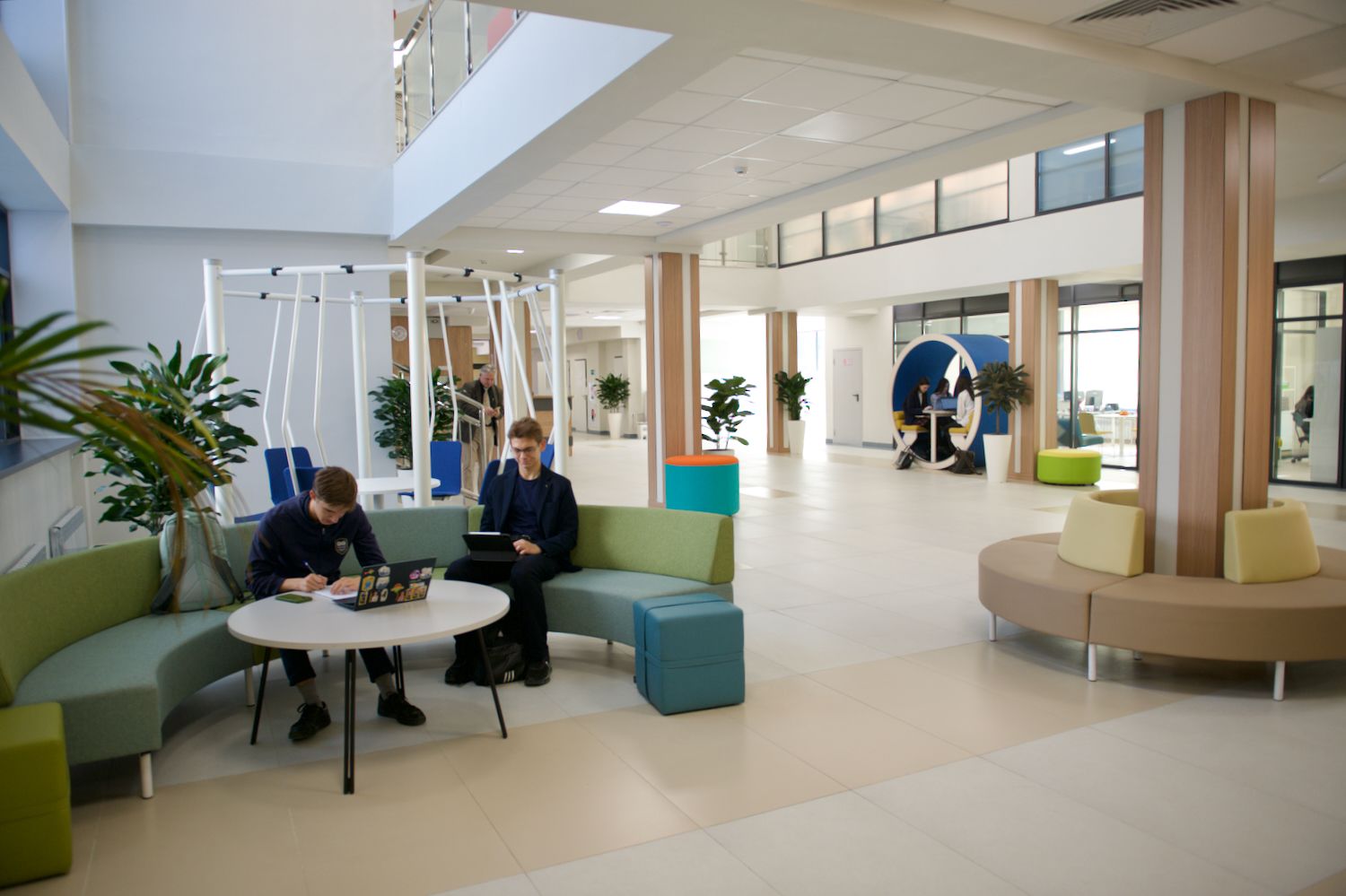
In 2002 the school received authorization for the IB Diploma Programme for grades 11–12. Later, the school added the Middle Years Programme (MYP, grades 5–10) and the Primary Years Programme (PYP, ages 3–10). Today, “Miras” is an IB World School offering continuous education from kindergarten to graduation and is one of only two schools in Almaty offering the full Diploma Programme of the International Baccalaureate. The school is accredited by the Council of International Schools (CIS), is a member of the European Council of International Schools, and is an associate school of UNESCO. Every five years, the school undergoes reaccreditation by commissions from the Netherlands and the United States to confirm compliance with international standards.
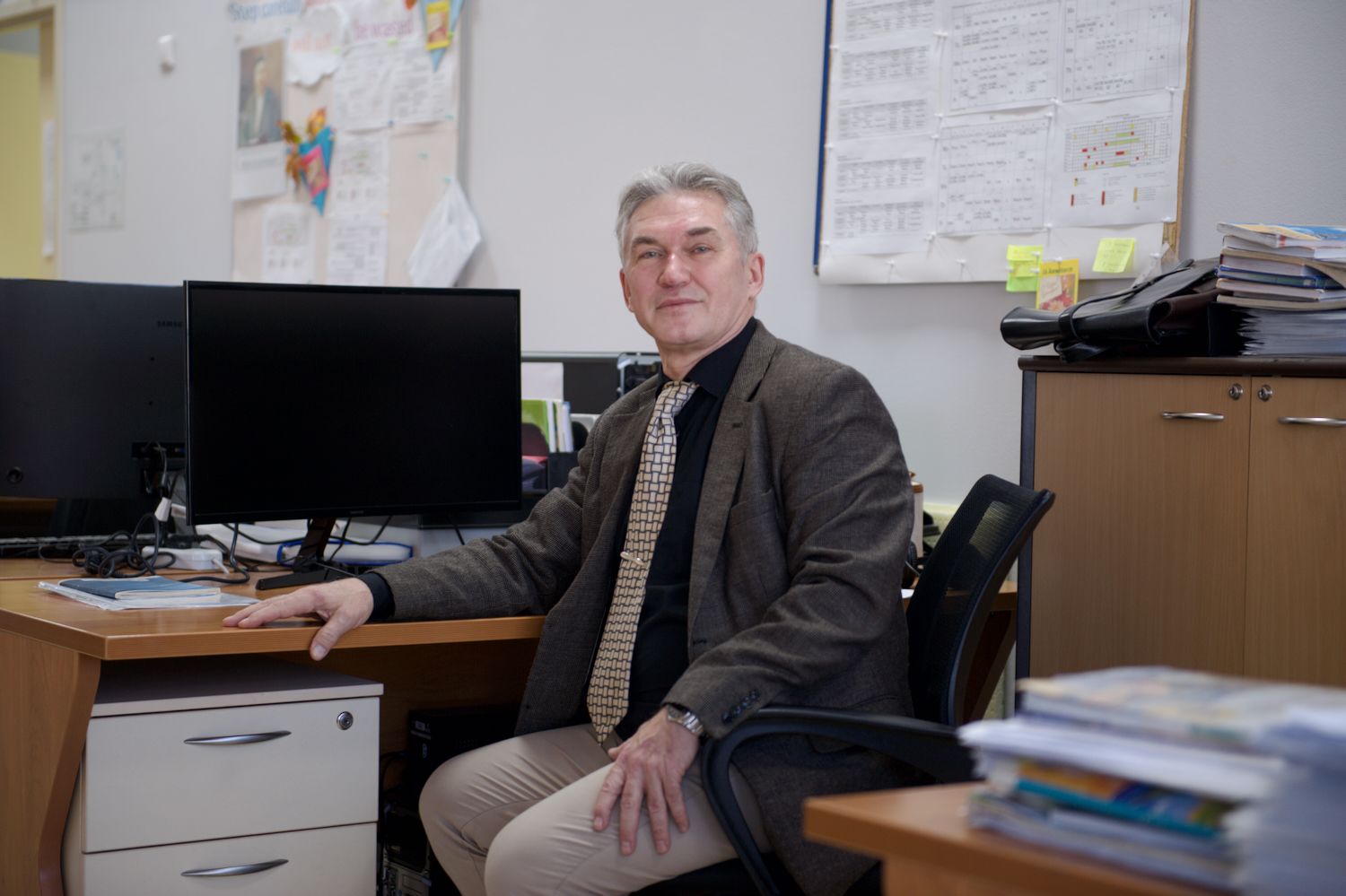
“I have been working here for eighteen years,” says Igor Guralnik, Head of the Natural Sciences Department. “I’ve worked as a regular teacher, as a Diploma Programme coordinator, worked in international schools abroad, and eventually returned to ‘Miras’. This school is unique in that we took the best of two worlds. These walls remember the debates of the early 2000s, when the staff chose between the British A-Level system and the International Baccalaureate (IB). We chose IB because it is more balanced and requires studying six subjects: one’s native language, a foreign language, humanities, natural sciences, mathematics, and the arts. You cannot be just a physicist—you must develop in all directions.”
“The new building gave students a significant leap in their educational experience. When you have the right tools, you can set the right tasks. Now our students write coursework at the level of first-year university students.”
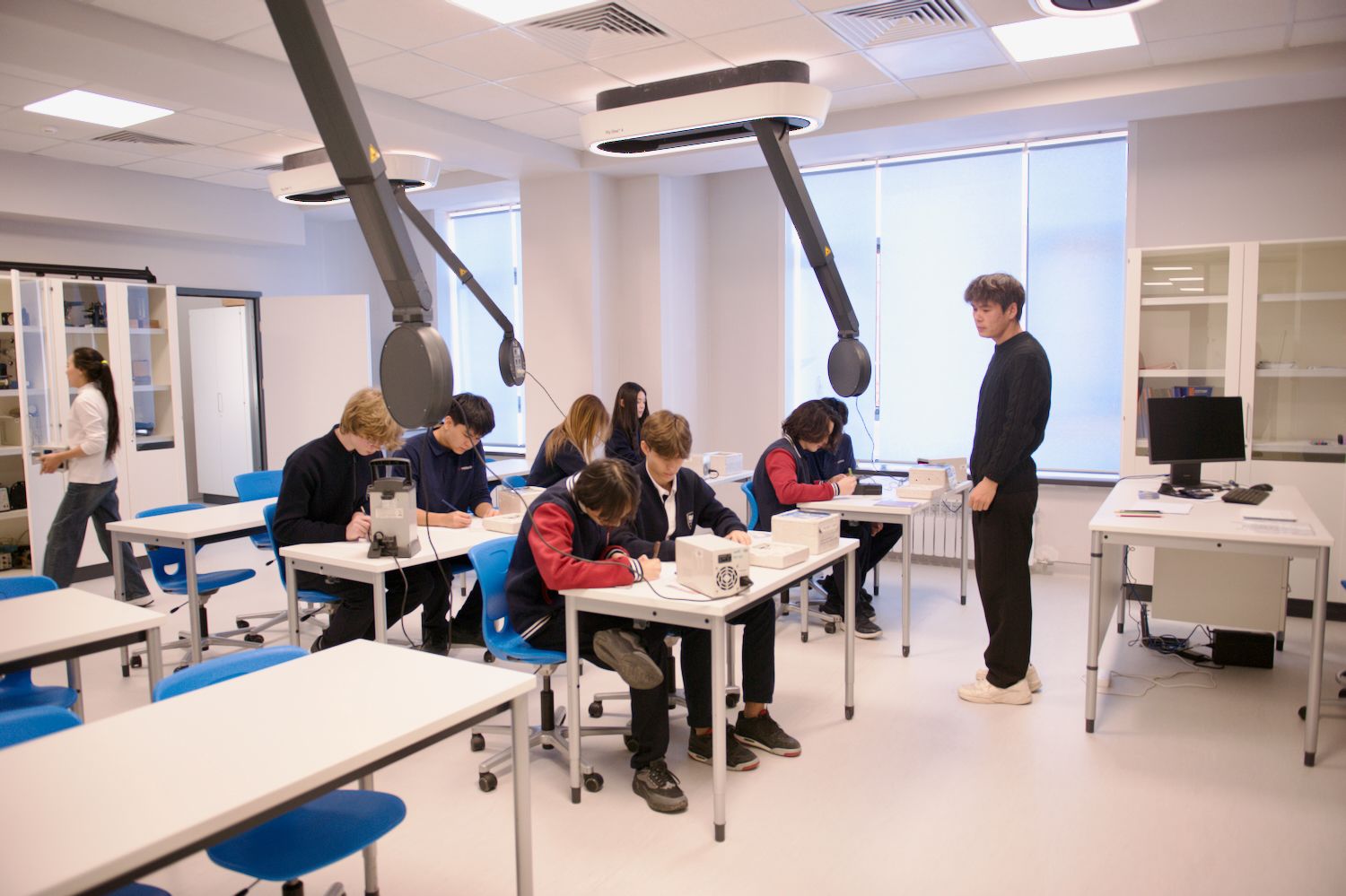
Transparent plexiglass figures, laser pointers, and measuring instruments lie on the tables. Physics teacher Yerlan Kerimbai explains the laws of refraction to tenth-graders.
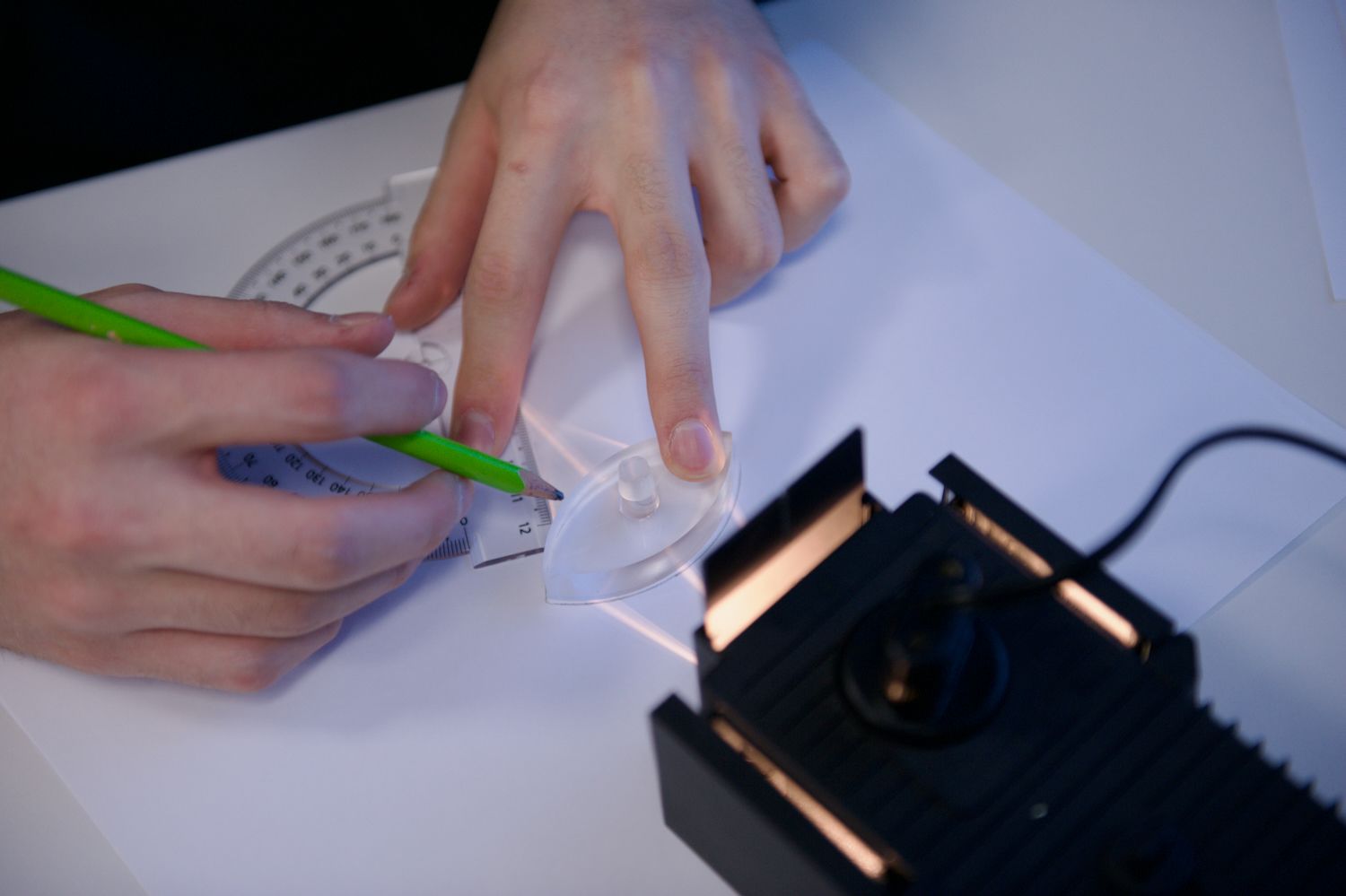
“Right now the students are exploring how light rays pass through different mediums,” he explains. “The main pride of the classroom is the Fly One system by the German company Waldner, those very ‘wings’ descending from the ceiling. Previously, we were tied to the sockets on the walls. If you wanted to conduct an experiment in the center of the room, you had to drag extension cords across the floor and get tangled in wires. Many experiments I simply demonstrated myself because we did not have enough equipment for everyone. Now we can organize group work anywhere in the room, and each group can operate independently. The ceiling consoles have electricity, compressed air for pneumatic installations, and vacuum for pressure experiments. It’s safe, convenient, and it allows us to be flexible. This is a completely different level of understanding physics. The children don’t just observe—they explore physical phenomena themselves.”
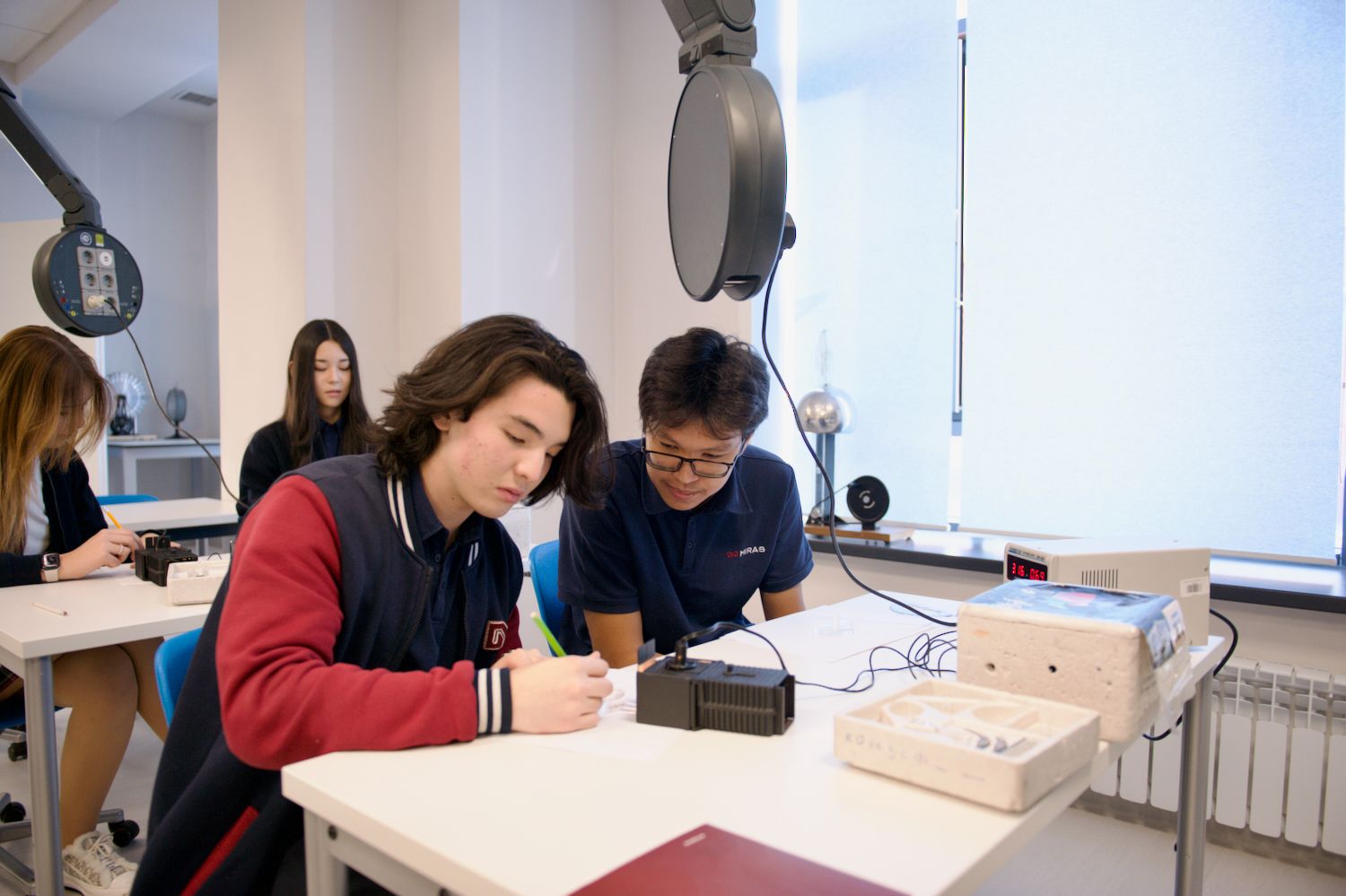
“We are studying refraction, reflection, and Snell’s law,” says tenth-grade student Alinur Kuanyshbek. “The old school didn’t have such setups. The teacher drew on the board, we copied formulas, and physics felt like a boring theory. Here everything is real. We do it ourselves, measure, test, see how theory works in practice, how light changes direction, and we understand why it happens. Everything here is better—classrooms are more spacious and light, equipment is modern, there are air conditioners, comfortable desks, large screens. But the most important thing is the instruments.”
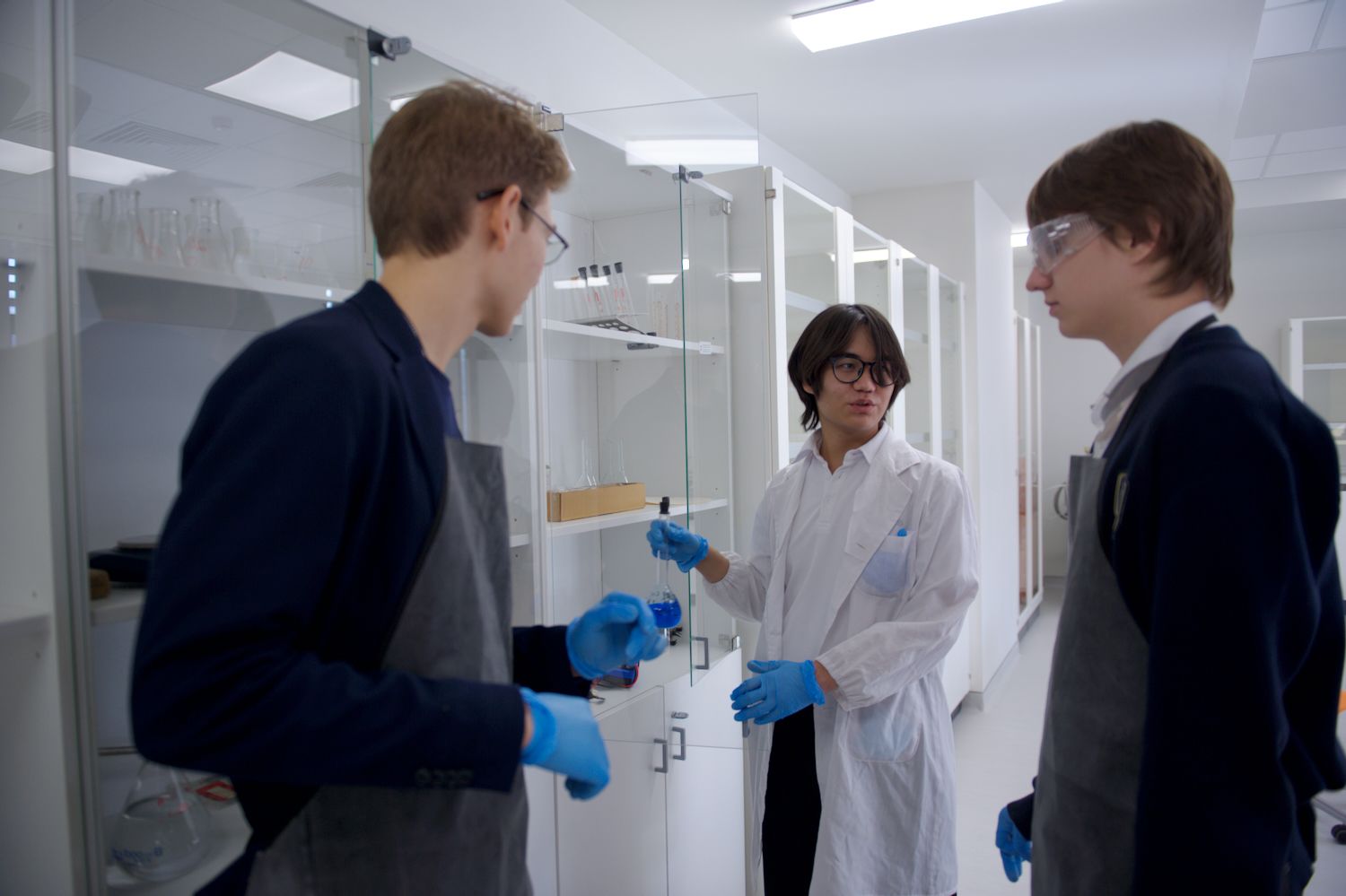
If physics is precision and calculations, chemistry is the magic of transformations. The new chemistry laboratory smells of reagents and a hint of ozone. It also features a German system for supplying gas, water, and electricity, but the main pride is the fume hoods and mobile experiment stations.
“I’m working on a coursework project on the kinetics of butyl acetate hydrolysis,” says twelfth-grade student Mansur Makhmutov. “It sounds complicated, but essentially it’s the study of reaction rates—how quickly a complex ester breaks down in water. This is important in pharmacology, industry, anywhere time-dependent reactions matter. I became interested in chemistry as a child, around the age of five, after watching a cartoon where characters mixed colorful liquids that transformed into something new. Back then it seemed like magic. Now I’m interested not in color itself, but in the science: when you understand that a substance changes color due to shifts in oxidation state and electron count, chemistry stops being tricks and becomes a real science.”
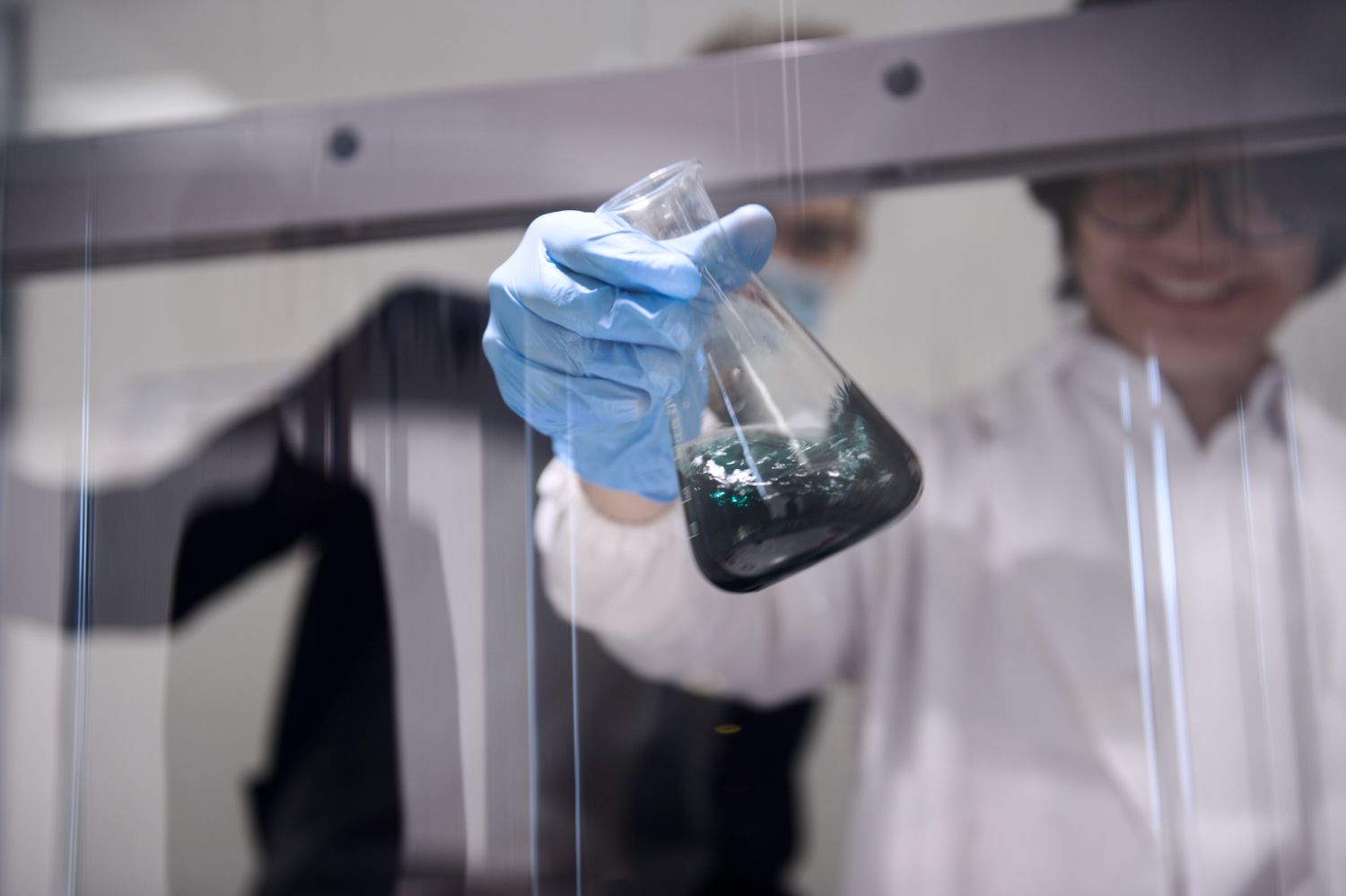
“Last year I couldn’t run this experiment because we didn’t have enough equipment. Now we have everything: fume hoods, precision scales, modern analytical tools. I can work like in a real university laboratory. I came to ‘Miras’ thanks to a grant from the Halyk Foundation of Timur Kulibayev. After graduation, I plan to study chemistry at a university in Korea—there is a strong school in kinetics, especially oscillatory reactions. I am fascinated by how reactions can proceed in waves, periodically changing their properties. Previously, I could only read about such experiments in articles—now I can perform them myself.”
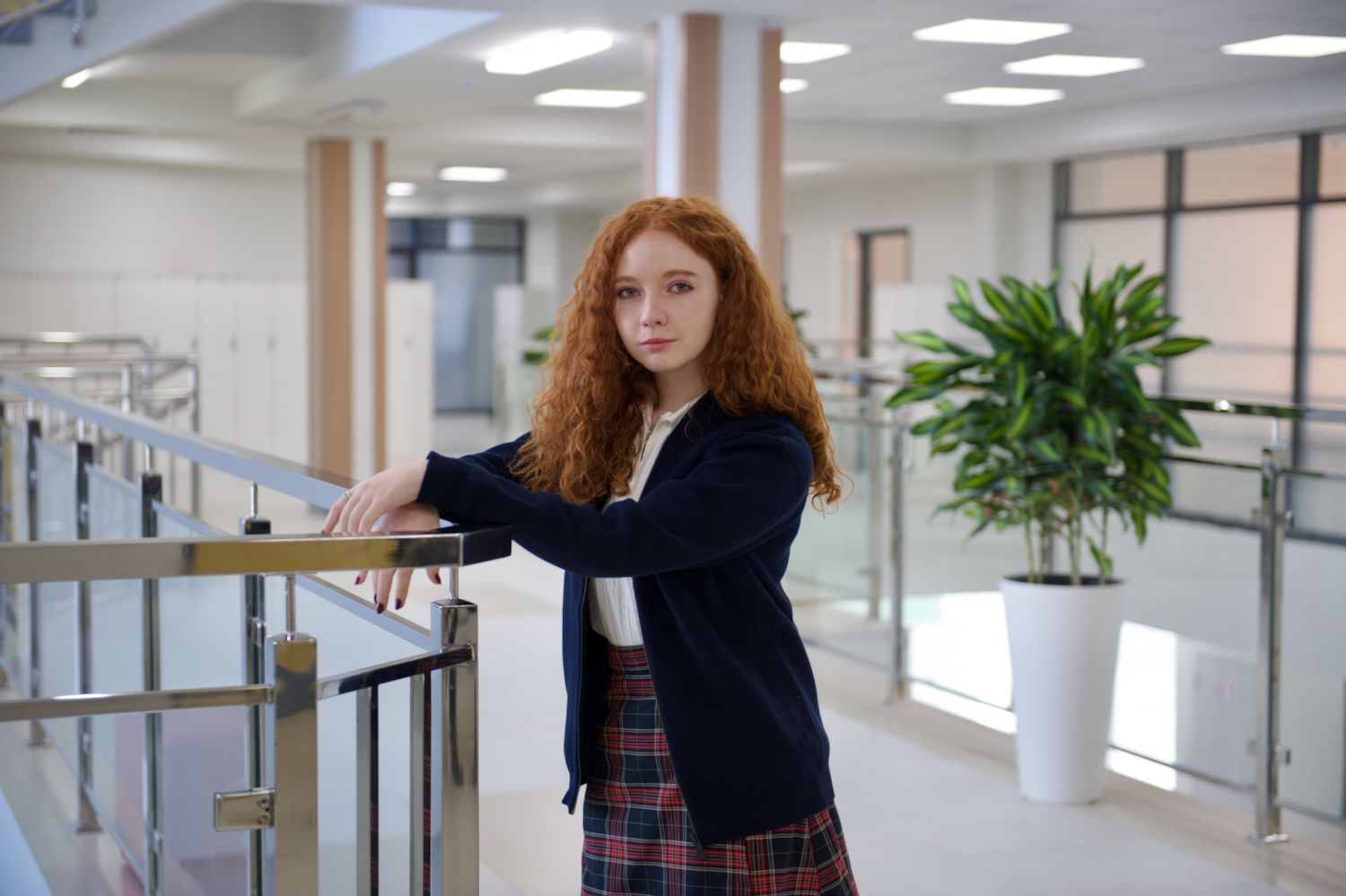
“I am the president of the Miras Student Council. Elections were held in October: campaigning, debates, and voting. Our pair with Ivan won,” says eleventh-grade student Amaliya Tyrnova. “I’ve been in the council for five years, since I joined Miras in the fifth grade. I love this work: organizing events, working with people, solving problems. I manage several committees now—the events committee, arts committee, and the SMM team that runs the school’s social media. At the beginning of the quarter, we held Spirit Week; next week we’re hosting the Autumn Ball, one of the grandest events of the year.”
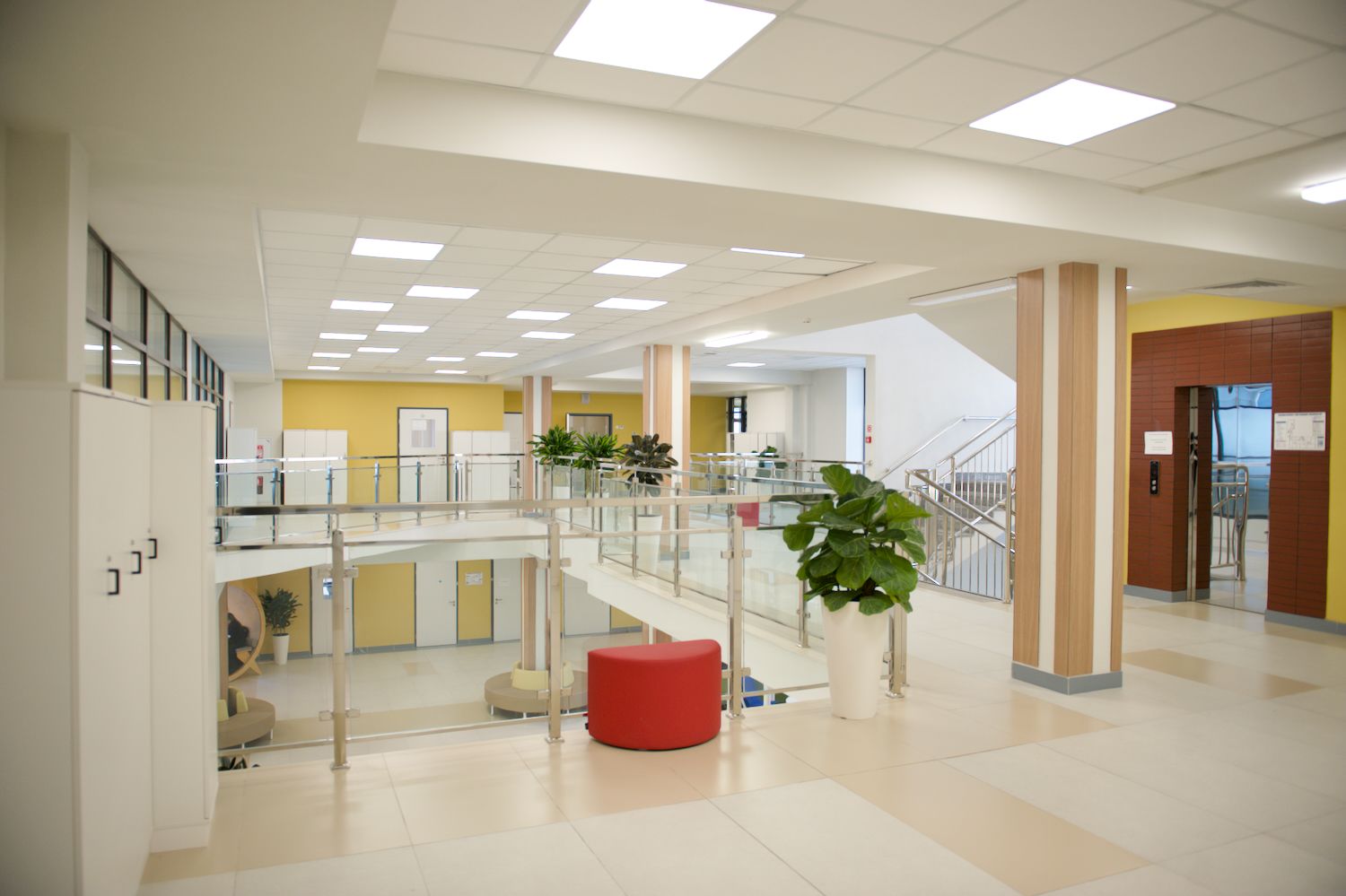
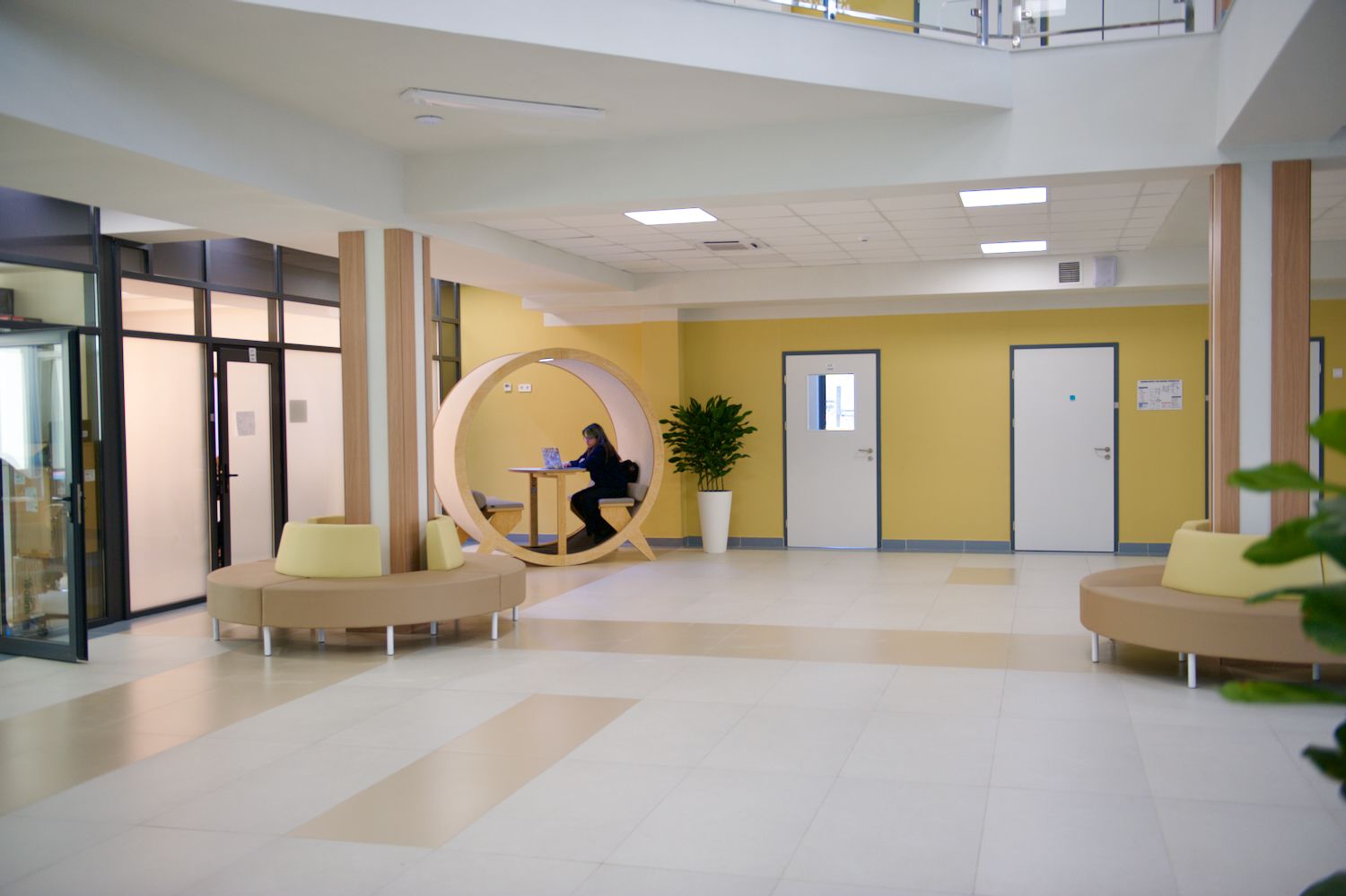
“The new building gives us more space and more opportunities. We can organize events on a larger scale. Everything here is well thought out: rest zones, collaboration areas, creative spaces. After school, I plan to attend university in the Netherlands in the International Business & Marketing program. I want to study marketing deeply and later return to Kazakhstan to start my own business. Leading the student council is my first step toward that goal.”
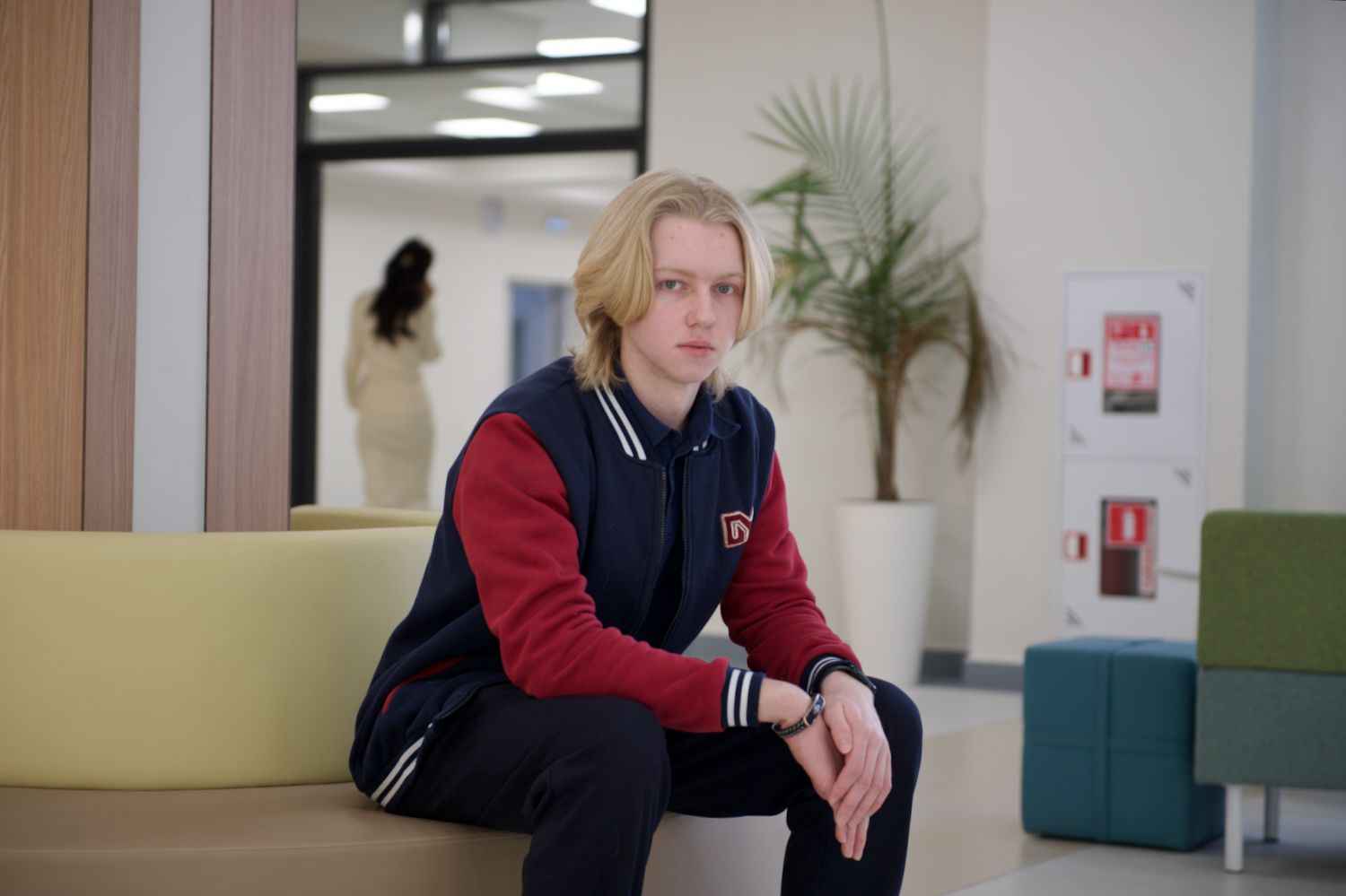
“I transferred to Miras from another international school in Almaty this year,” says eleventh-grade student Artur Neboga. “My brother told me about the grant. I prepared for a month and took the exams in April. The Halyk Foundation gave me a 50% grant for tuition. The competition included more than 500 applicants. I dream of becoming a pilot, but I understand that I first need to get a basic university education. Pilots recommend completing a university degree in business or management before enrolling in flight school. I already have a clear plan: finish Miras, study abroad, then aviation. Adapting to the new school was easy. The level here is higher—the program is stronger, and the students are more engaged. In my previous school, I studied from primary grades and was used to the environment. Here everything is different: more information, a faster pace, deeper material. The new building impressed me—it’s spacious, modern, well-equipped. You feel like you are studying in a serious place.”
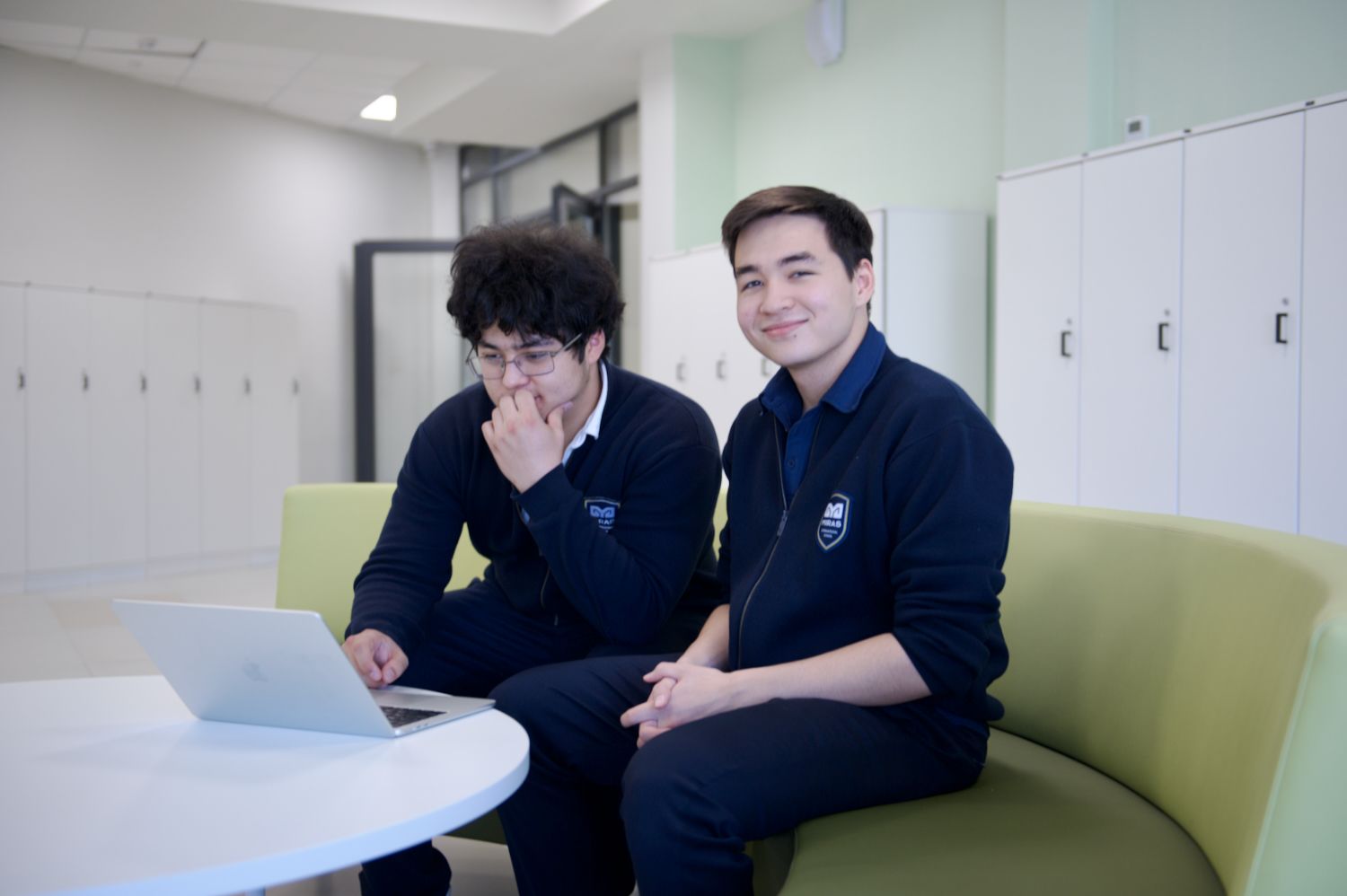
“I am 16, and I’ve already organized an international programming Olympiad with participants from 15 countries, won awards in math competitions, and participated in the international Zhautykov Olympiad,” says eleventh-grade student Aldiyar Esenbayev. “People ask me, ‘How do you manage everything?’ The secret is simple: every evening I plan the next day in Google Calendar. I have a maximum of four tasks per day, marked in red—what must be done. Usually it’s schoolwork and three homework assignments in core subjects: physics, mathematics, and economics. If I complete these four tasks, my day was successful. I get dopamine from checking tasks off as completed. Seeing results motivates you. My system didn’t appear overnight.”
“In seventh grade, my mother left for another country to earn money for my education at a good school. I set myself the goal of getting a grant so she could return. I began studying productivity methods, experimenting, learning how to study more efficiently. By tenth grade, the system was ready: a clear plan for the day, week, month, and year. I learned about the Halyk Foundation grant, prepared for a month, and became one of 11 winners out of several hundred applicants. I like the atmosphere at Miras. Students here are more thoughtful and smarter. My advice to my peers: set priorities, keep a journal, write down your goals. Don’t listen to those who say you’re just lucky. Every achievement is based on work. If something doesn’t work out immediately, don’t quit—keep going. The most important thing is to remain a good person and not give up. Then everything will work out—I guarantee it.”
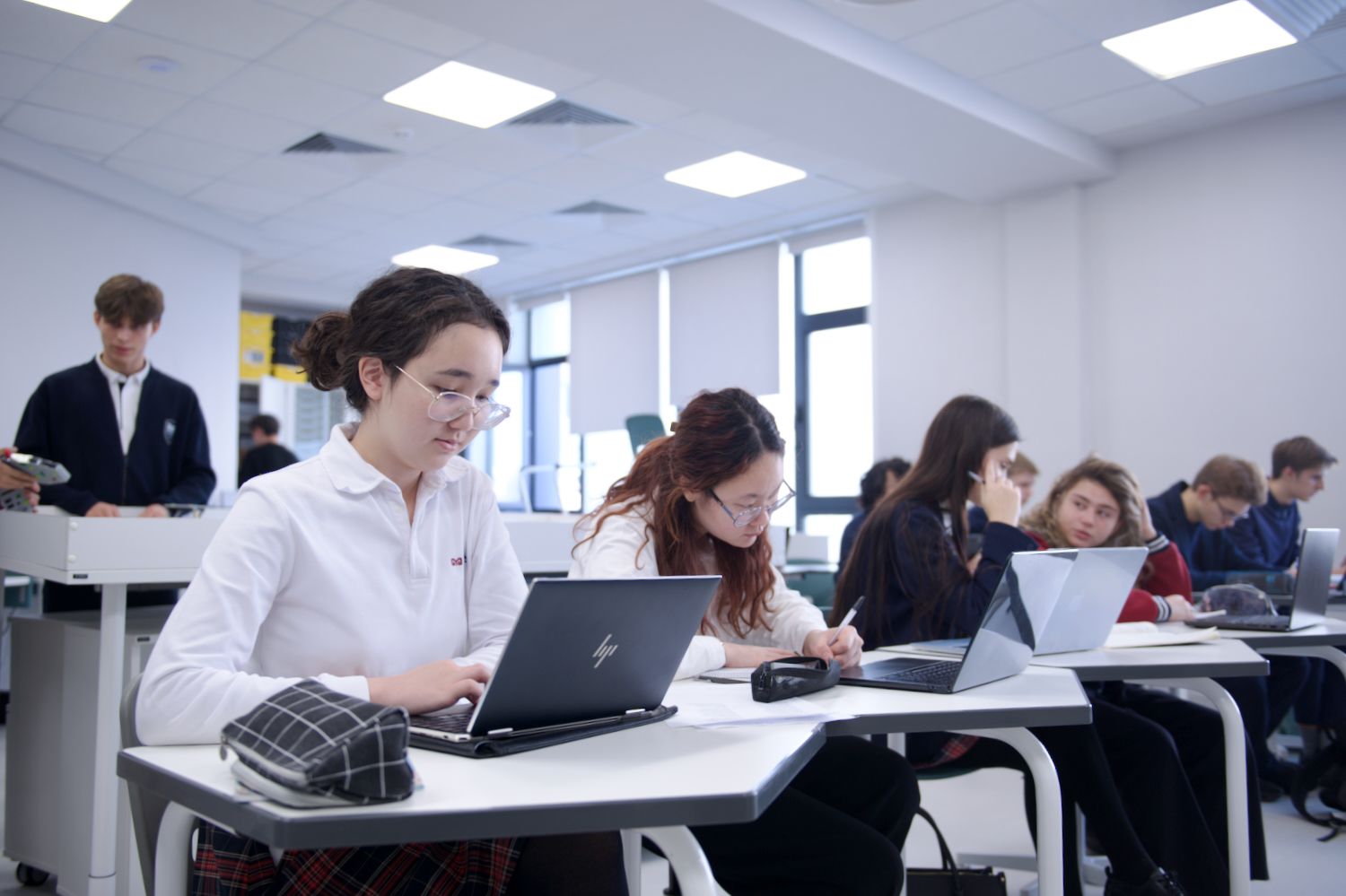
The stories of Aldiyar, Mansur, Amaliya, and others are the result of the school’s systematic work. Aitan Mamedova, the coordinator of the Diploma Programme, explains how Miras prepares such graduates.
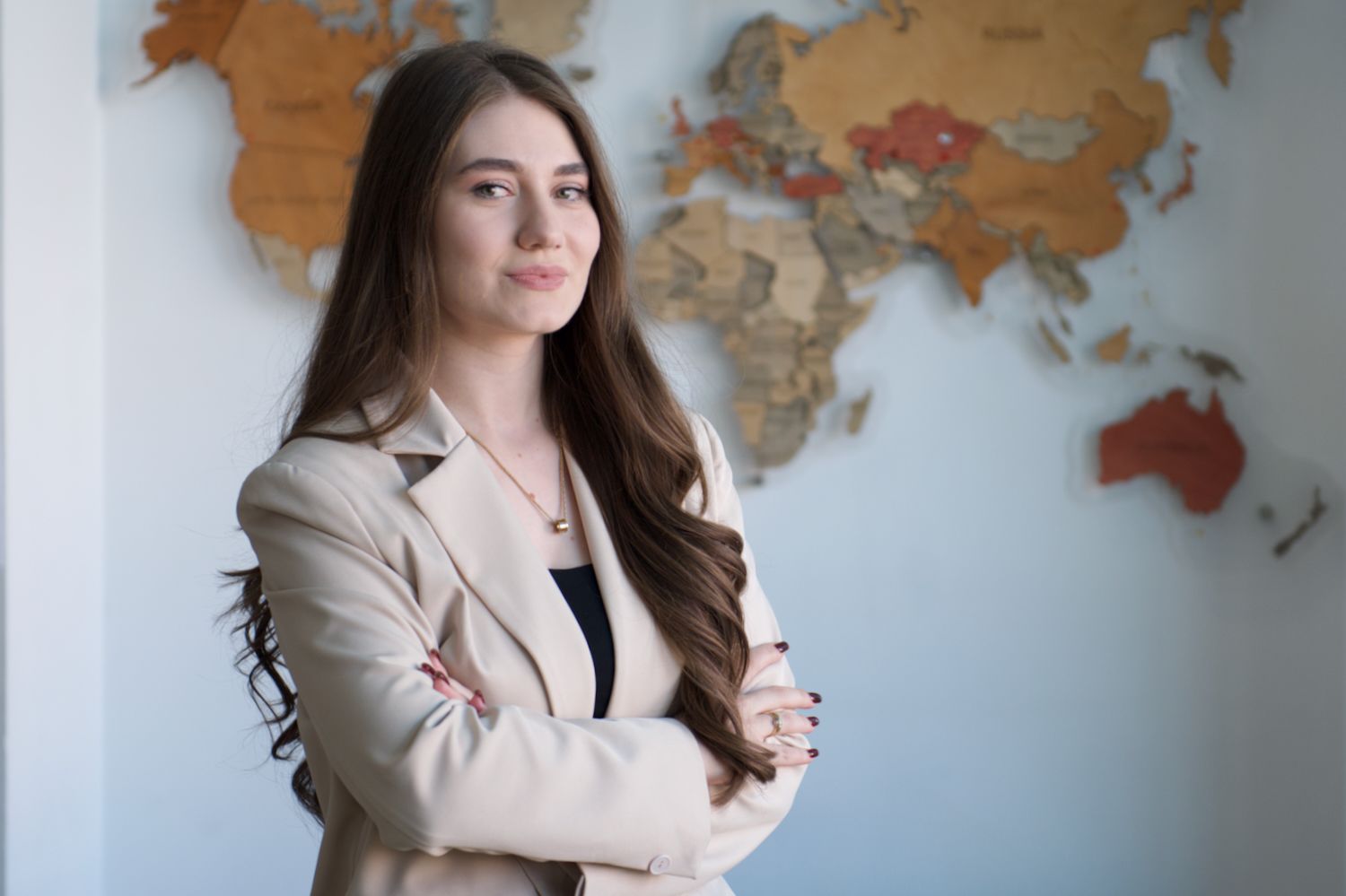
“The IB Diploma Programme is not just studying—it is preparation for adult life,” says Aitan Mamedova. “Students choose subjects independently, deciding what to study in depth and what at the standard level. They work with academic articles, write research papers, conduct experiments. When they enter university, nothing scares them anymore—they already know how to do all of this. The new building was designed specifically for this level of preparation. The laboratories are equipped like at universities. Students can work with professional equipment and conduct serious research. There are also well-designed rest zones and lounges for independent study, and places for group projects. In the Diploma Programme, students read a lot and work independently, so they need a comfortable space. Our goal is not only to give knowledge but to help shape mature individuals. We want our graduates to know how to set goals, make decisions, and manage their time. We want them to understand who they want to become and move confidently toward this. Our students enter top universities with strong academic results and financial support.”
Comments
No comments yet. Be the first to comment!