Ekaterina Smolyakova: Her Path, Vision and KBTU Story
Shanger.kz and Карлыгаш Нуржан
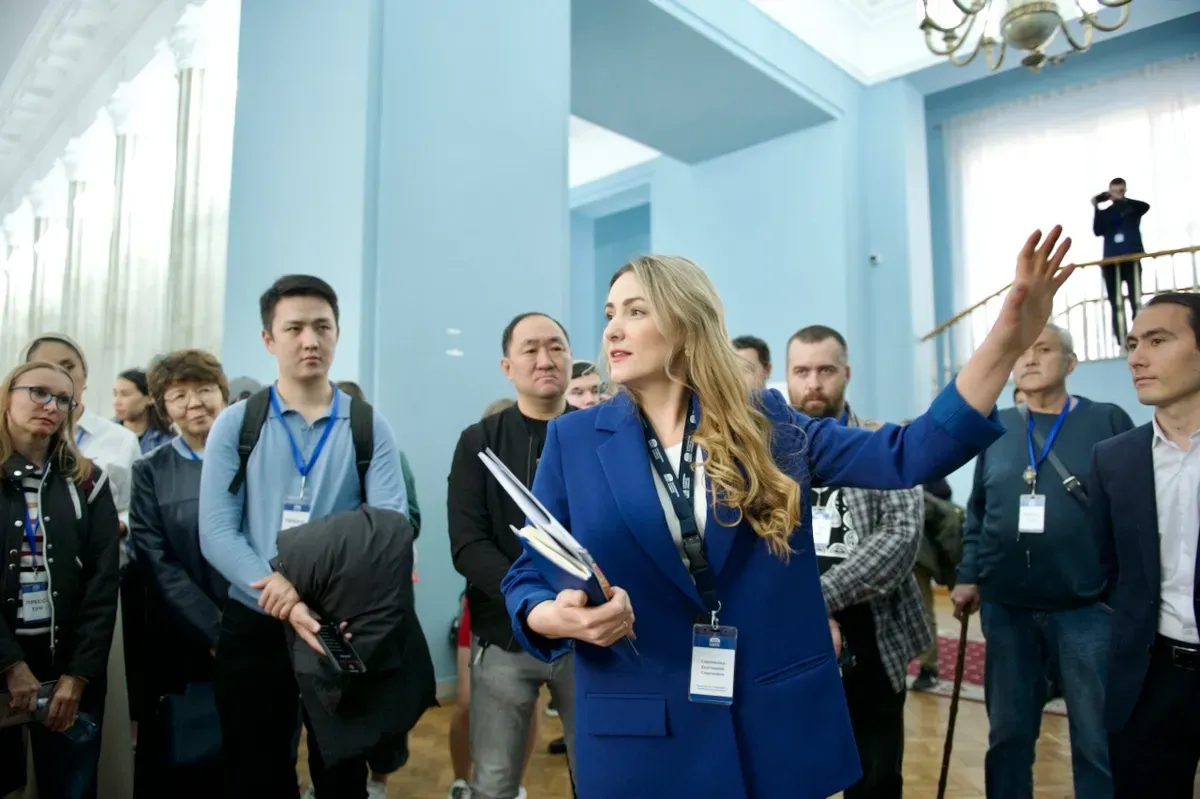
Childhood and dreams that became a guiding star
Ekaterina, what was your childhood like? What influenced you the most back then?
— My childhood took place in Tomsk, a Siberian city with long winters and a cozy home library. I grew up surrounded by books, toys, and endless questions. I remember how my mother used to say: “Rely on your mind and your hard work — they are the things that will always stay with you.” These words became a compass for my entire life.
Since childhood, I dreamed of being useful to society. I imagined myself as a teacher or a politician — someone who serves people. In my imagination, I was always wearing a strict navy-blue suit, ready to work for the common good. I lined up my toy bears and dolls and explained to them how to solve problems. I think that was my first attempt to share knowledge and help others.
Today, working with young people at KBTU, I see the same spark of curiosity in the eyes of students that I had in my childhood.
Which childhood dreams have you carried with you to this day?
— I believed in a world where people understand each other. This desire for harmony became an inner compass for me. There is a Kazakh saying, “Bir kezde shil tauyq qoıǵa jumyrtqa saladı,” which describes a world where even very different beings can find a common language. Of course, it sounds utopian, but faith in the good is what keeps us moving forward.
Kazakh language: a path to understanding culture and oneself
How did you begin learning the Kazakh language?
— When we moved to Kazakhstan, it was the difficult 1990s. Life in general was challenging. Considering the circumstances, I continued studying in a Russian school, especially since there were very few Kazakh-language schools at that time. To be able to communicate with the people around me, I had to learn Kazakh.
It wasn’t easy. At first, I only spoke at a basic everyday level. But soon I became curious about how the language worked, and I started to dive deeper. I spent several months living in a Kazakh village, and I believe that this period laid the foundation for my “Kazakh” life.
Learning a language in a natural environment is not just about mastering grammar. It means immersing yourself in the culture, traditions, and mentality of the people. I grew to love the Kazakh language and culture so deeply that they became an integral part of my life. Thanks to this passion, I became a multiple prizewinner of national Kazakh language Olympiads.
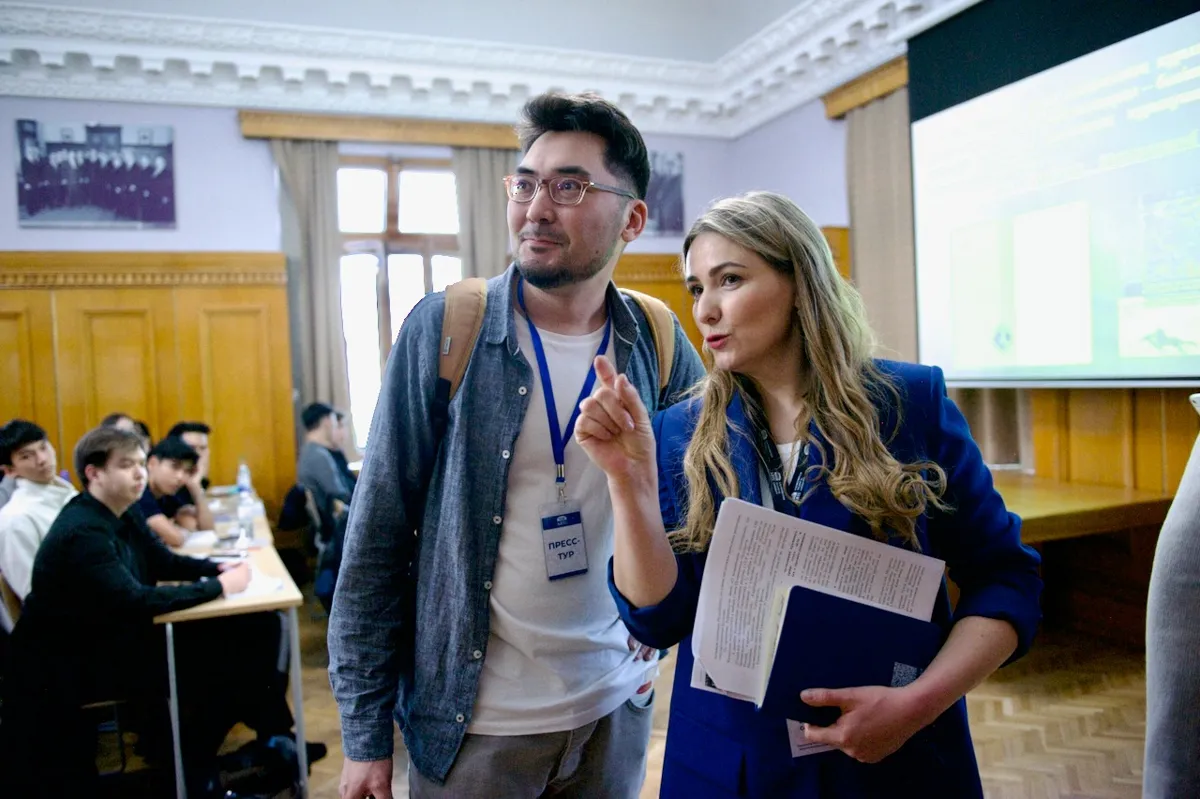
Фото: пресс-служба КБТУ
Entering university to study Kazakh Philology and Literature became a natural continuation of my journey. I remember sitting with al-Farabi’s philosophical texts and a translator. It was difficult, but every effort paid off: with each page, I discovered something new. The language became a window into the culture for me. Kazakh is not just words — it is an entire universe. Through it, I understood the traditions, mindset, and philosophy of the Kazakh people. For example, the tradition of knowing one’s jeti ata helped me better understand my own place in history and in the world.
And what stood out to you most in this process?
— When I began teaching Kazakh, many students were surprised: “How can a Russian girl teach us Kazakh?” But their surprise quickly turned into respect. I told them: “If I was able to learn the language and fall in love with it, then you can too!” These weren’t just words — I watched students overcome their fears and begin to discover the language as part of their own identity.
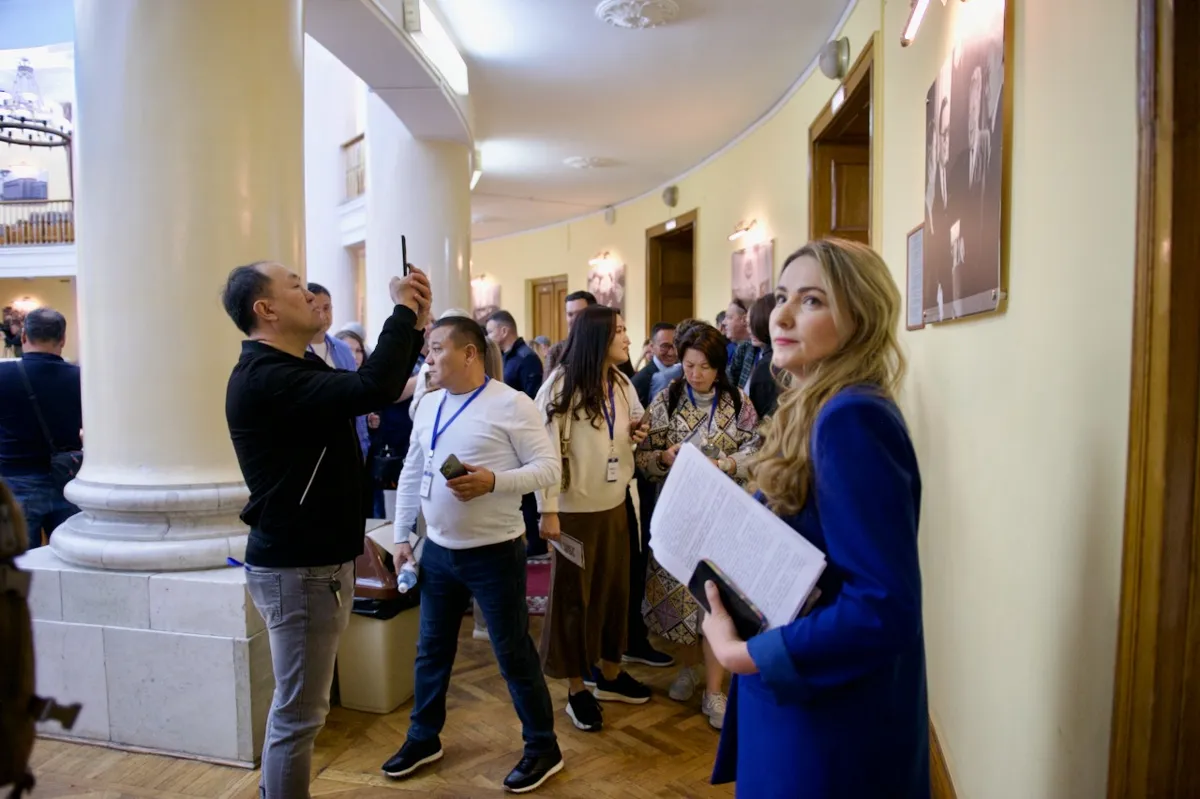
Фото: пресс-служба КБТУ
Knowledge of history inspires us
What inspires you in your work at KBTU?
— The history of this place. In 2001, Kassym-Jomart Tokayev, who was then Prime Minister, transferred the former Government House building to KBTU. The university was established on the initiative of Nursultan Nazarbayev to become a center of technical education of international level.
I remember once walking through the corridors and feeling a very special atmosphere. It was here that key decisions related to Kazakhstan’s independence were made. Remarkable figures such as Dinmukhamed Kunaev once worked within these walls.
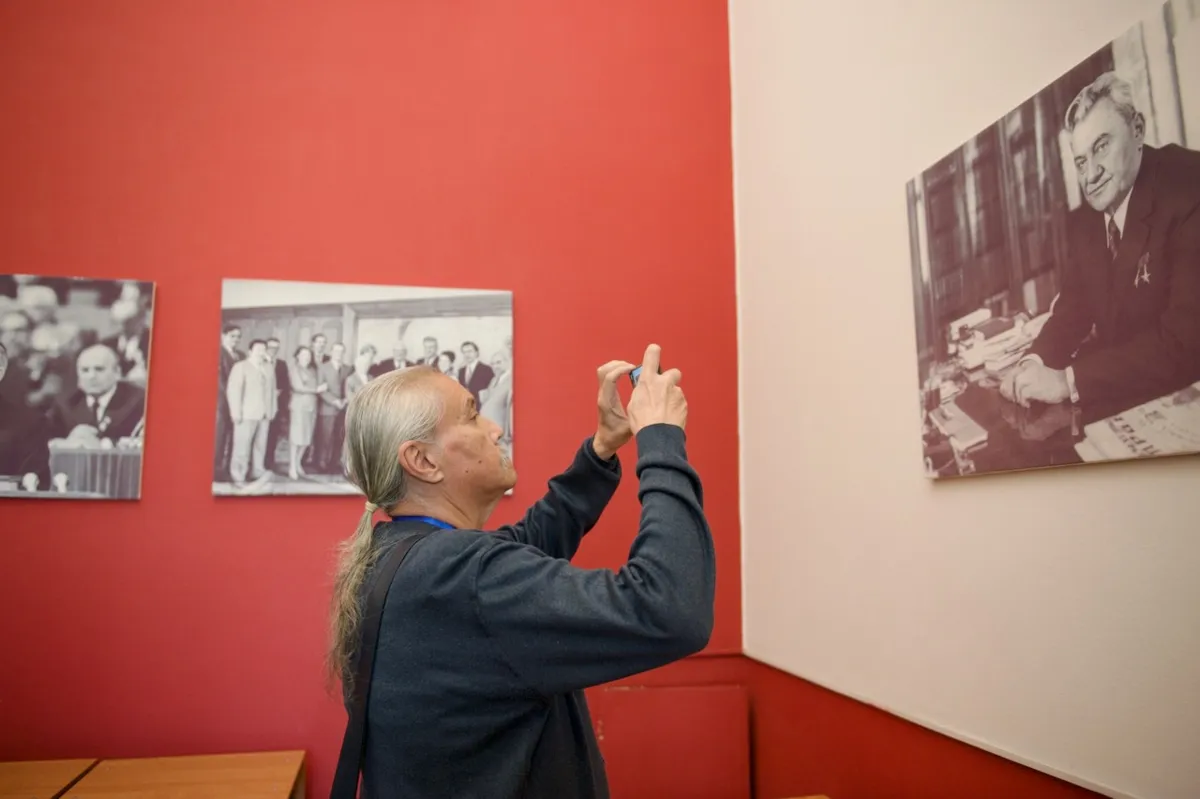
Photo: KBTU Press Service
Students proposed creating a photo exhibition dedicated to Kunaev’s life, and today one of the university classrooms bears his name. This is a vivid example of how the past can inspire us to move forward.
Students who change the world: drones, technology, and inclusion
Ekaterina, tell us about student achievements at KBTU that impressed you the most.
— Our students truly impress me. For example, the sand-therapy board for inclusive education, presented by one of our students, won a prize at an international startup competition in the United States. This project helps children with special needs find inner balance through working with sand.
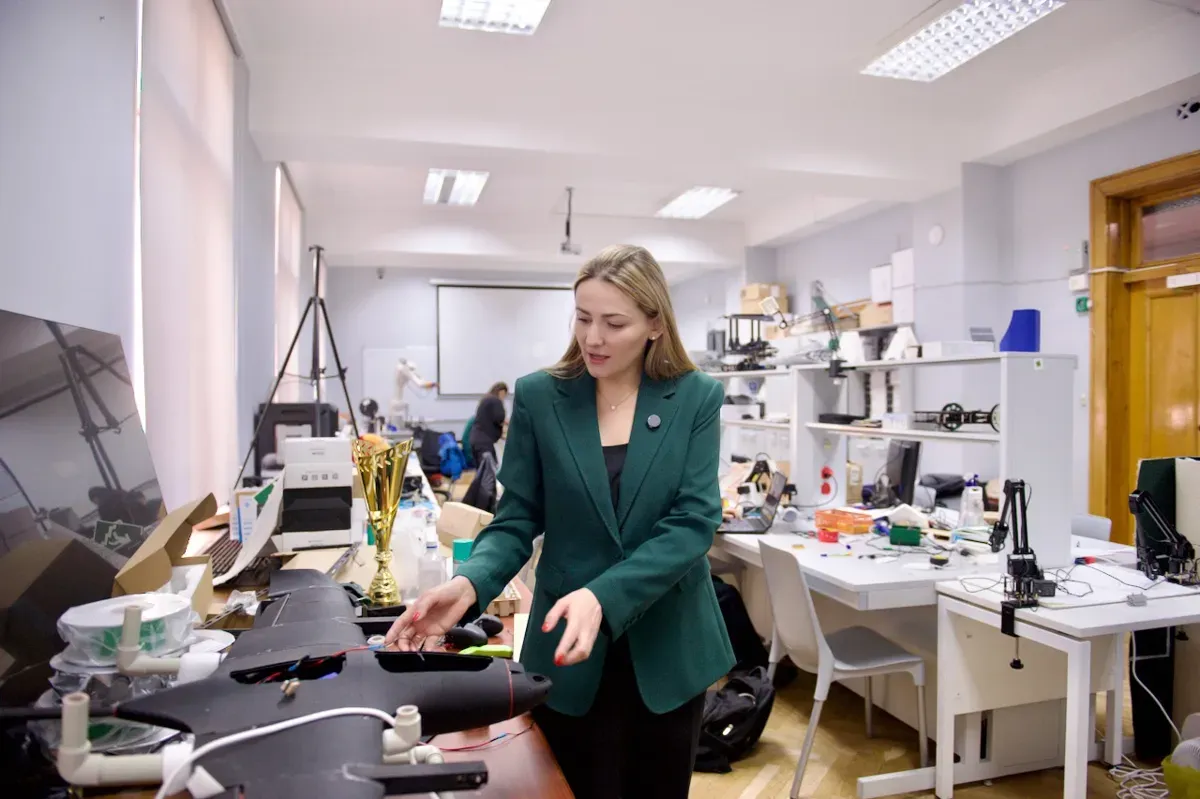
Ekaterina Smolyakova
Photo: KBTU Press Service
Another example is a drone project for early wildfire detection, proposed by students from the Alma Valley innovation hub. This project won the Kazenergy competition and is now being refined for use in other fields.
We are also proud of individual achievements. For instance, our alumnus Alibek Datbaev began his journey at KBTU by participating in hackathons and studying programming. Today he works at Booking.com, where he heads a department. This proves that our students truly have no limits to success.
How support inspires creativity
What makes KBTU unique, in your opinion?
— The key is that our university was founded with an ambitious goal — to become a leader in technical education. And thanks to the support of the NNEF Educational Foundation (established by Dinara Kulibayeva) and the active assistance of Timur Kulibayev through the Halyk Charitable Foundation, we have achieved a great deal. We now have modern dormitories, sports complexes, and innovation laboratories — all of which create opportunities for students to fully unlock their potential.
What inspires me most is our students’ creativity. They are full of ideas that sometimes surprise even us. For example, at their initiative, a Japanese garden appeared on campus — a place for rest and inspiration. Another idea was to create a time capsule to send a message to future generations. And the “solar tree,” which allows students to charge their devices, has become a true symbol of our campus.
The important thing is that such projects receive support not only from students but also from the university administration and the foundation. This shows that at KBTU we are ready not only to listen to ideas but also to bring them to life, creating a comfortable and innovative environment.
Advice to the youth: dream and act
What would you like to say to those preparing to enter university?
— Do not be afraid to dream, but be sure to act. A university is not only a place of education — it is a space where you can discover your calling. We create conditions for students to grow, try new things, make mistakes, and find their own path. The main thing is to stay open to opportunities and believe in yourself.
An inspiring story
The story of Ekaterina Smolyakova is a vivid example of how perseverance, self-belief, and dedication can change a person’s life. She shows how one dream can inspire a new generation — a generation ready to transform the place where destiny once set them on their path.

KBTU’s AI system helps judges find similar cases, align legal practice, and speed up analysis of millions of court documents.
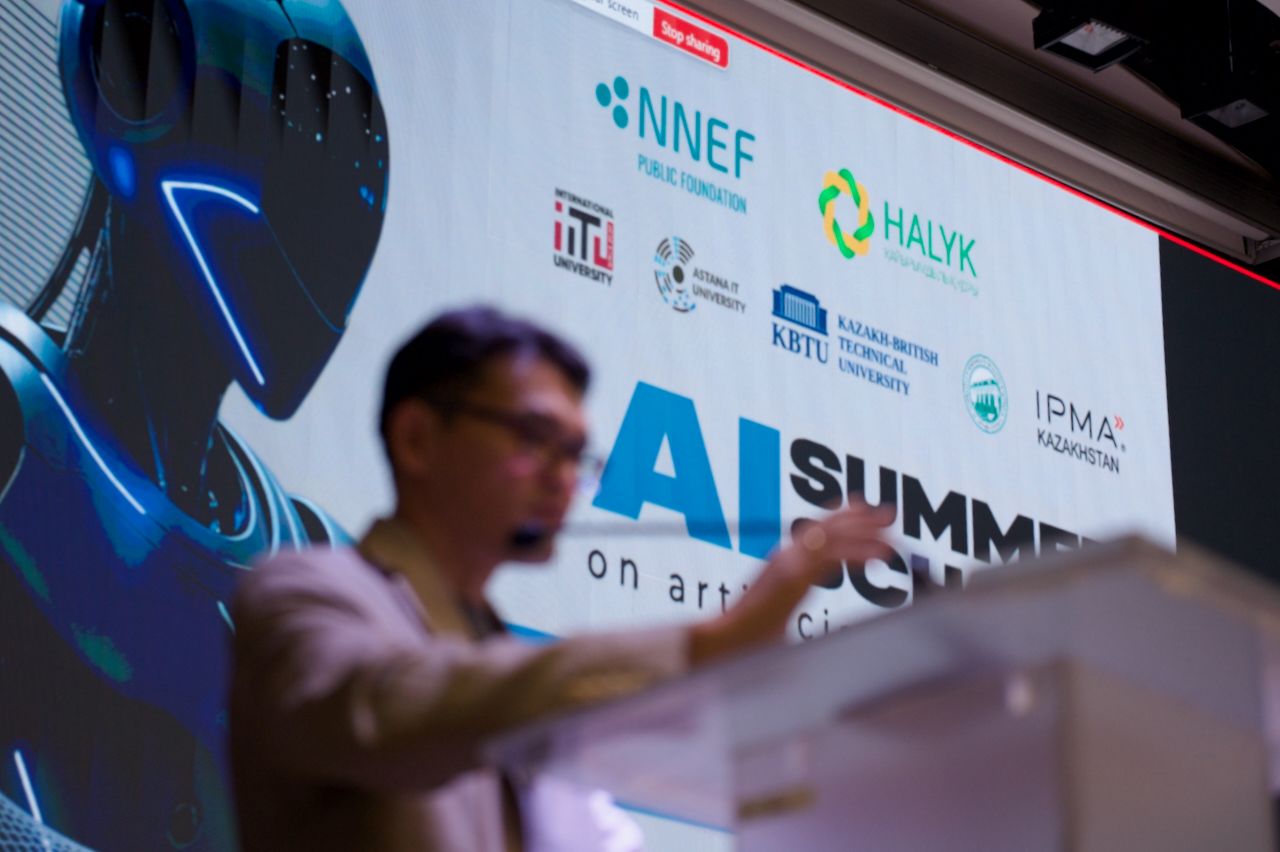
AITU and NNEF initiatives accelerate AI development in Kazakhstan, equipping educators and experts with new skills and opportunities.
Comments
No comments yet. Be the first to comment!