Billions in Shadows: Where the Money of Kazakh Authors Goes
Shanger.kz
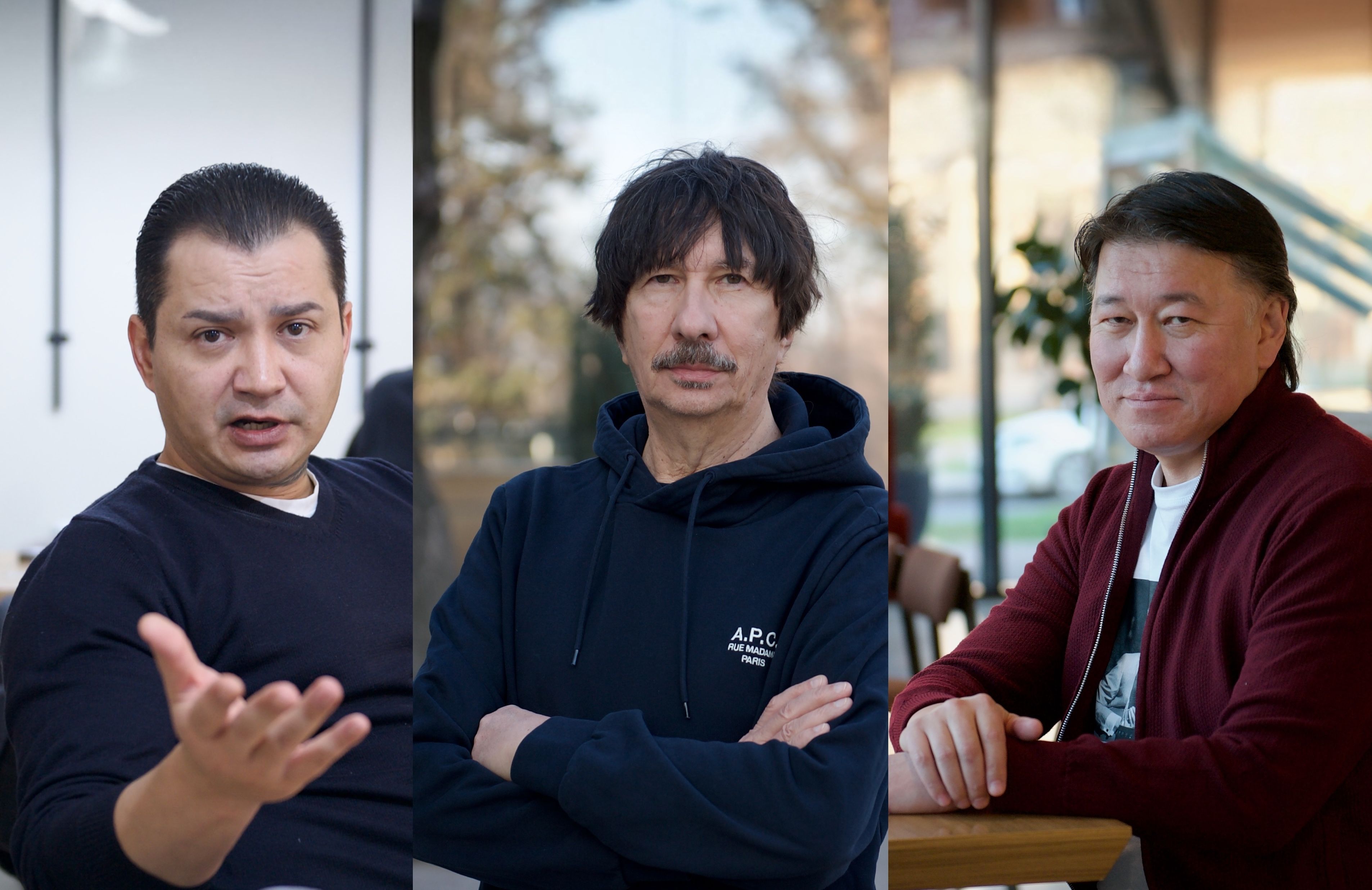
In Kazakhstan, the debate around the system of copyright societies has sharply intensified. While the music of Kazakhstani authors plays in restaurants, on the radio, and online, the creators claim that the system for distributing royalties through these collective management organizations remains opaque. According to the Ministry of Justice, in 2024 such organizations collected 1.7 billion tenge. However, Mazhilis deputy Yerlan Stambekov states that the real size of the market may reach 45–50 billion tenge annually. Where does this enormous difference disappear? What will the new bill on the digitalization of copyright change? And will music creators finally receive a transparent accounting system? We examine the issue together with copyright lawyer Temirlan Tulegenov and renowned composers and musicians Baigali Serkebaev and Ivan Breusov, who have personally faced the problems of the current system.
Background: There are 15 collective management organizations in Kazakhstan, 7 of which are accredited.

Temirlan Tulegenov has specialized in copyright issues in Kazakhstan for many years. A PhD in law and an expert with extensive experience, he sees the root of the problem not in the legislation but in total legal illiteracy.
“Many people associate copyright only with legal disputes and scandals,” Temirlan says. “But in reality, it is a discipline that helps creators earn from their work. Our copyright law was adopted almost 30 years ago, yet not a single creative university teaches this subject. Imagine teaching people to create works of art but not teaching them how to monetize them. I always emphasize that the global industries of show business, culture, and the arts stand on the foundation of copyright. Kazakhstan has joined all major international conventions, but the system still does not work because people do not know how to use their rights. Even art managers, who should understand how to monetize creativity, are not taught copyright law. They are taught only how to spend a budget, and that, of course, is a major problem.”
He is convinced that the main problem lies in the outdated Soviet approach to culture. “Our cultural sphere still functions on state subsidies. But copyright is entrepreneurial law that allows creative people to independently build mutually beneficial relationships with users and construct a full monetization chain. The issue is especially critical for the creative economy. We declare a transition from a raw-material economy to a creative one, yet basic issues remain unresolved. The most urgent task now is to educate people about copyright. We need to give creators a ‘fishing rod’ so they can learn to earn, rather than constantly approach officials with an outstretched hand.”
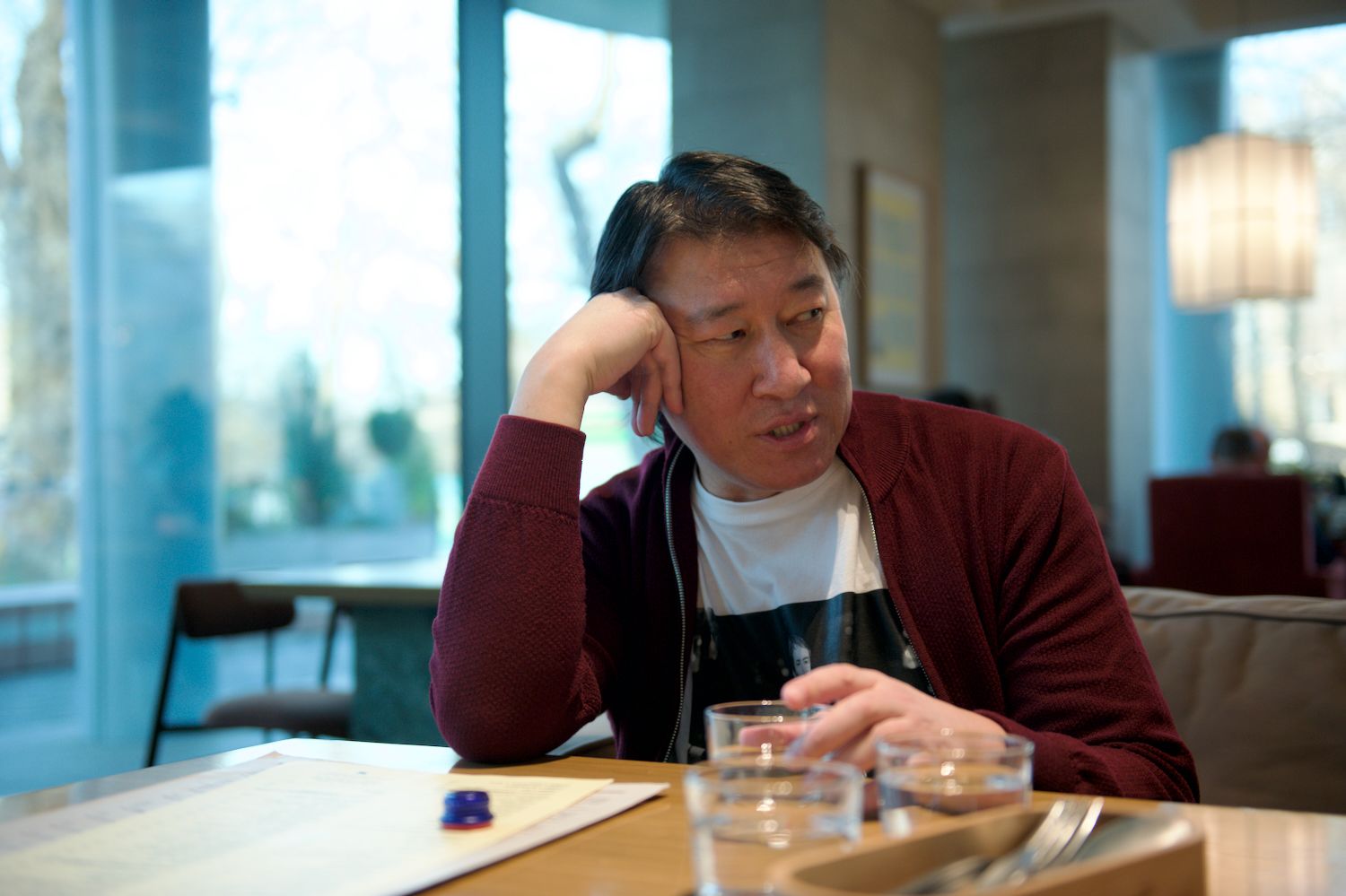
“Today’s system of cultural financing lags far behind modern trends. Talented people who should be focused on their art—but who may not be as communicative with officials—often end up losing. One of the biggest pains of Kazakhstani authors is the abundance of copyright societies. Unfortunately, we have reached a total dead end with them. Cafes, restaurants, shopping malls, beauty salons, television, and radio regularly pay royalties to these societies. But the money never reaches our authors.”
“De facto, a criminal syndicate of copyright societies has been formed in the country—stealing billions from creative people. Copyright in Kazakhstan does not stimulate creativity as it does worldwide because the distribution system is completely distorted. And copyright societies actively hinder digitalization. Two years ago, deputies finally paid attention to the problem and, together with the Ministry of Justice, drafted a bill introducing a unified digital copyright platform that will make the entire system of collection and distribution as transparent as possible. It will also remove the burden of reporting music usage from businesses.”
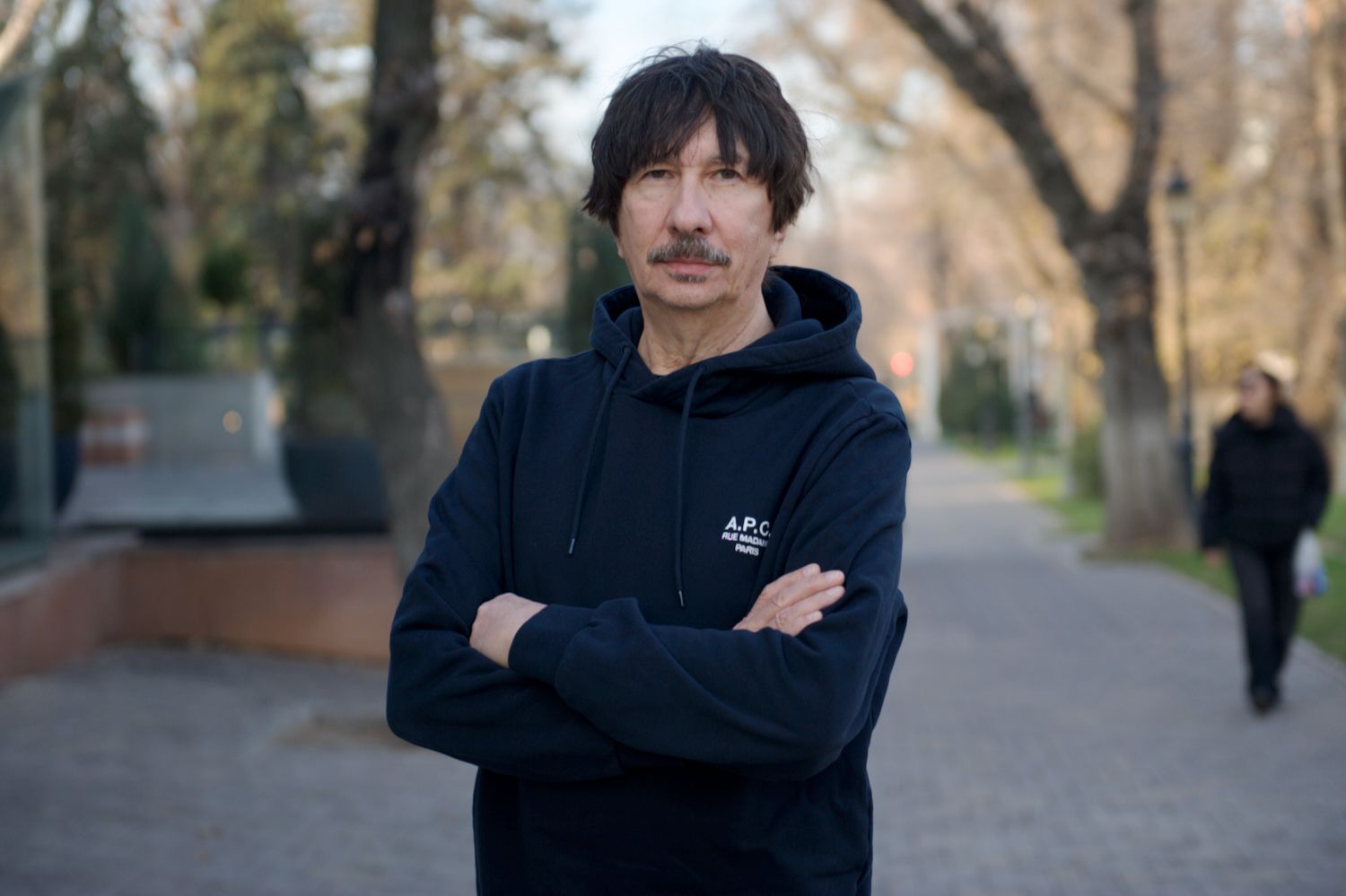
Baigali Serkebaev, legendary musician, founder of the group “A-Studio,” and Honored Artist of the Republic of Kazakhstan, is a person whose music is well known throughout the post-Soviet space. You might expect that such a prominent author would not face problems with royalties. But reality proved otherwise.
“My rights have been violated for many years,” Serkebaev says. “The last time I received royalties in Kazakhstan was probably more than ten years ago. What we call a Kazakhstani copyright society, in my experience, is more like a shady office, to put it mildly. The KazAK copyright society has kept paper-based reports for many years, but authors have never been granted access to any information. We, authors, are creative people and often not well-versed in legal matters—and these organizations take full advantage of that. Unfortunately, copyright societies operate extremely poorly. It is impossible to obtain any information from them. Yet it is crucial for an author to know when and where his work was used. Not to mention the importance of receiving fair compensation. Authors no longer want to argue with them—they just want to receive at least some money. Most likely, this was intentional. Unfortunately, this problem exists not only in Kazakhstan but also in other countries.”
“Fortunately, the global trend today is toward digitalizing copyright societies. For example, in Russia, this system is more or less functioning. I often compare the situation with Russia, where I regularly receive royalties through the Russian Authors’ Society (RAO). Their website provides a personal account where I constantly receive reports on the use of my songs. I admit I do not always have time to check it, but the important thing is that payments arrive regularly.”
Background: In developed countries, collective management systems operate through digital platforms with transparent reporting. The Russian Authors’ Society (RAO), for example, provides authors with personal accounts showing detailed information on each royalty payment.
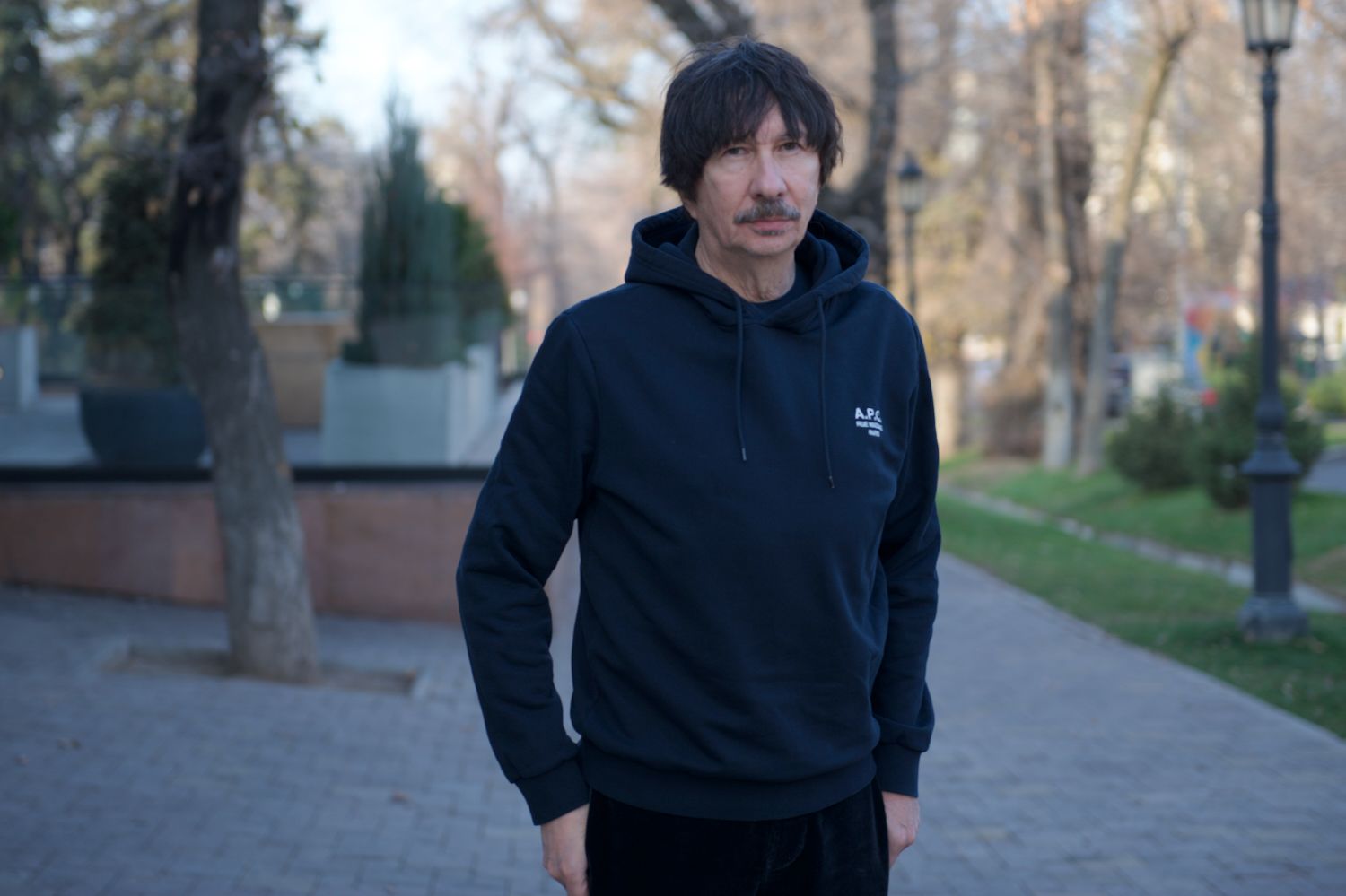
“And so, I decided to see how things work in Kazakhstan and visited the KazAK copyright society. What happened next was a real shock. A woman came out and told me to wait in a vestibule between two plastic doors. The chairman or executive director did not even bother to come out to say hello or meet me. For someone accustomed to respectful treatment, it was insulting. In any music publishing office in Russia, or at RAO, I am greeted politely and warmly. I expected at least a human reception here too! But I was stunned by their attitude. If they treat me—a public figure—this way, I can only imagine how they treat lesser-known authors, artists, and creative people.”
“The woman asked me to leave my Kaspi bank details and write a request asking for reports on the use of my songs. It has been a year. No information. Complete silence. That is the kind of chaos we have. And something must be done.”
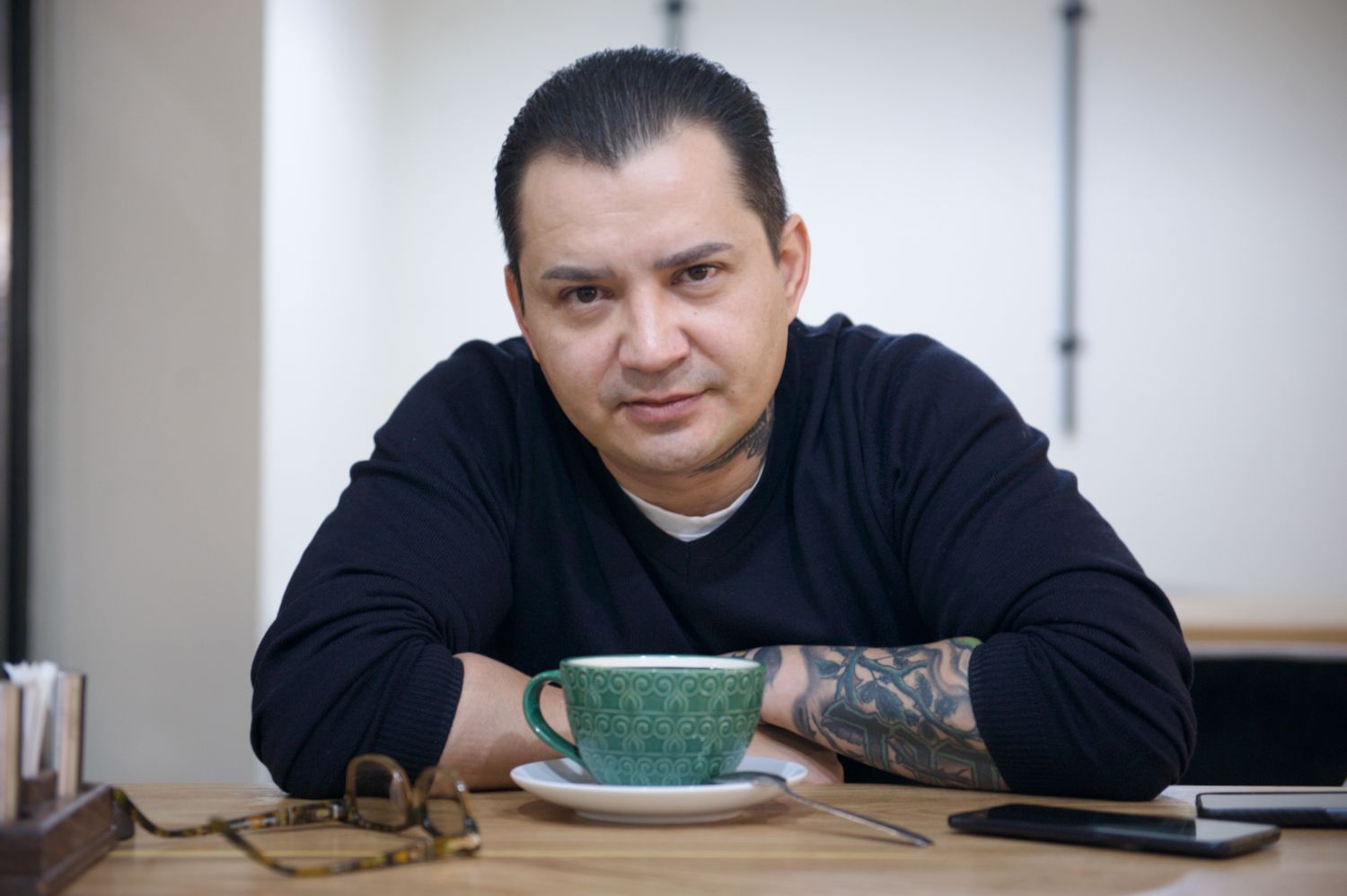
Ivan Breusov—composer, author of over 100 songs, former member of the iconic Kazakhstani group “101,” and participant of the Russian TV project “Star Factory 4”—is now a solo singer and music producer who manages the entire cycle of music creation. He was one of the first in Kazakhstan to publicly challenge the system.
“Until 2019, I regularly received royalties,” Breusov says. “I worked with private organizations that partnered with a major copyright society, and once every quarter I received from 700,000 to 1.5 million tenge. It was considered normal—about 4 million per year. The system worked simply: a representative of the copyright society would call and ask me to come for the money. I signed a receipt and received cash. But in 2019 it suddenly stopped. When I asked why, I was told that people had stopped listening to my songs. It was impossible to verify because all reporting was on paper and fully dependent on people who could write any names into the documents.”
“I tried to get explanations, but I was ignored. No one initiated any meetings. No one answered my questions. Eventually, I left that copyright society because the income had disappeared, even though my songs were still being used. Later, when leadership changed, I tried to return. They gave me some crumbs—about 100,000 tenge. It was humiliating. I calculated that over six years I lost about 30 million tenge in royalties alone. This does not include related rights. And that is just my case. Imagine the scale nationwide.”
“Kazakhstan has 15 copyright societies, but only seven of them have state accreditation and are obligated to collect money from music users and distribute it to authors. In practice, the system does not work. By law, when a song is released on streaming platforms, it receives a special code that is automatically detected online. The money should go to a Kazakhstani copyright society, which must then distribute it among the composer, lyricist, arranger, and musicians. But this mechanism has completely failed.”
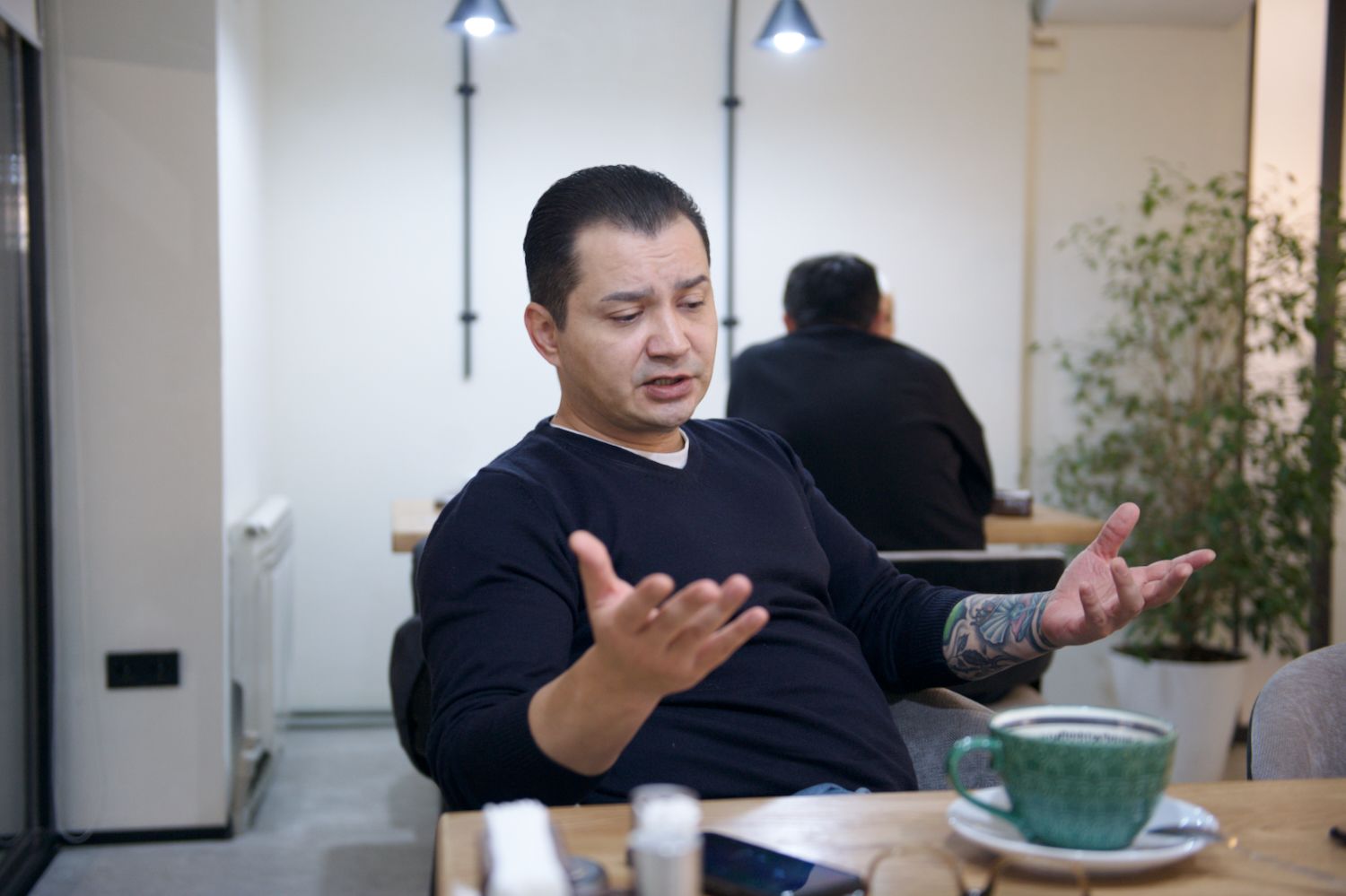
“I decided to fight. Together with my team, we began documenting violations. We found that major karaoke companies use my songs in their catalogs but do not pay me anything. These companies receive music from distributors and do not check whether they have the rights to use those works. We collected evidence, had screenshots notarized, and filed complaints with law enforcement twice—both times receiving refusals without explanation. But I will not give up.”
“When I began speaking publicly, one of the major copyright societies sued me for defamation, accusing me of spreading misinformation. For two weeks, investigators examined my post and found nothing. The case was closed. But the psychological pressure was immense. You speak the truth, and they try to intimidate you.”
“In Kazakhstan, everyone knows performers, but hardly anyone knows the authors of songs. Performers earn from concerts and events, while authors remain in the shadows. I wrote more than a hundred songs for many famous artists, including Makpal Isabekova, Dilnaz Akhmadieva, Aikyn Tolepbergen, and the group 101. But people still think I am just a singer rather than a composer.”
“I want justice. At the state level, there must be an audit of all copyright societies for the past six years. Let them present all documentation and explain where the money went. Music must be digitalized so that every author can see where and how their works are being used. The government must oversee this process at the level of the Cabinet and the Ministry of Culture. Right now, enormous sums end up in the hands of people who think only of their own profit. The entire cultural community suffers from this. Many authors whose hits are known across the country live on the brink of survival and cannot even pay their rent.”
“I see hope in the new bill for a unified digital platform initiated by Temirlan Tulegenov. The new system will make it possible to see real revenues and identify those who have been appropriating authors’ money for years. Currently, many copyright societies are trying to derail the bill, bombarding the presidential administration with letters claiming violations of international norms. But I hope that common sense will prevail and the law will be passed. It will finally allow for a fair and transparent system in which authors can see the true results of their work.”
The opinions of the experts and protagonists in this material are their personal views and do not represent the official position of the editorial team.
.jpg?2025-10-26T23:25:02.017Z)
Социальный проект о коррупции в Казахстане: реальные признания людей, вымышленные имена и честный взгляд на то, как устроена система.
Comments
No comments yet. Be the first to comment!